
The Global Impact: Indigenous Art as a Source of Inspiration Worldwide

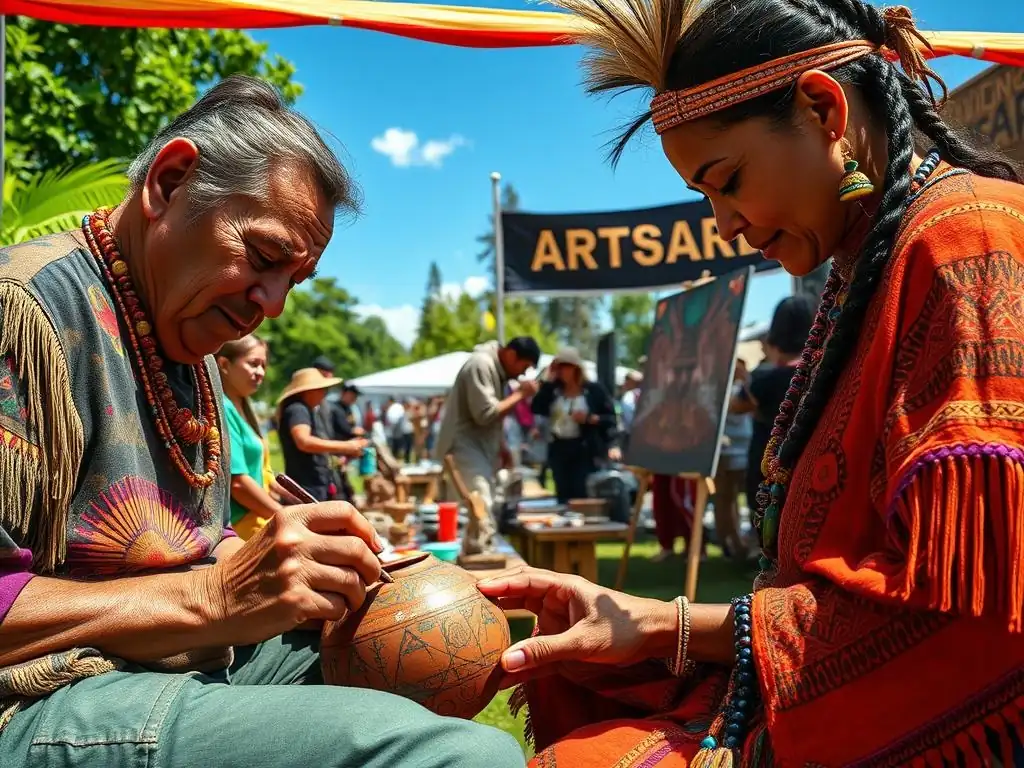
Welcome to Indigenous Civilizations of the Americas, where we embark on a journey through time to uncover the rich tapestry of indigenous cultures that flourished across the continent long before European influence. In our featured article, "The Global Impact: Indigenous Art as a Source of Inspiration Worldwide," we delve into the profound and enduring influence of indigenous art, exploring how these vibrant expressions continue to inspire and shape global creative landscapes.
Prepare to be captivated as we reveal the stories, achievements, and legacies of these remarkable societies, igniting your curiosity to learn more about their cultural significance and innovative spirit.
Introduction to Indigenous Art Influence Globally
Indigenous art serves as a profound testament to the rich cultural heritage and creativity of the various indigenous civilizations that flourished across the Americas long before European colonization. This art form is not just a means of artistic expression; it encapsulates histories, beliefs, and worldviews that resonate deeply with the identity of indigenous peoples.
Throughout history, indigenous art has transcended geographical boundaries and cultural barriers, inspiring a multitude of contemporary artistic movements worldwide. As we delve into the influence of indigenous art globally, it becomes essential to understand its definition, historical context, and the unique characteristics that contribute to its enduring allure.
Definition of Indigenous Art
Indigenous art encompasses a broad spectrum of artistic expressions created by the indigenous peoples of the Americas, including visual arts, crafts, music, dance, and storytelling. Each piece is deeply intertwined with the cultural narratives, spiritual beliefs, and social structures of the communities from which it originates. Key mediums of indigenous art include:
- Painting and Sculpture: Often featuring vibrant colors and intricate designs that reflect the natural world and spiritual beliefs.
- Textiles and Weaving: Utilizing traditional techniques to create clothing and ceremonial items that embody cultural significance.
- Ceramics: Showcasing functional and decorative forms that highlight the craftsmanship and storytelling traditions of various tribes.
- Performance Arts: Including dance and music that serve as expressions of community identity and cultural storytelling.
Overview of Global Influence of Indigenous Art
The influence of indigenous art is not confined to its original cultural contexts; rather, it has sparked inspiration across the globe, impacting various modern art movements and practices. Artists from diverse backgrounds have drawn upon indigenous motifs, techniques, and philosophies, leading to a rich dialogue between traditional and contemporary art forms. This cross-pollination is evident in several ways:
- Art Exhibitions: Major art institutions frequently showcase indigenous art, providing a platform for indigenous voices and perspectives that enrich the global art narrative.
- Collaborations: Contemporary artists often collaborate with indigenous creators, blending traditional practices with modern aesthetics to create innovative works.
- Cultural Revitalization: The global interest in indigenous art has prompted many communities to revive traditional practices, ensuring their cultural heritage is preserved while also influencing modern artistic expressions.
Historical Context of Indigenous Art
To fully appreciate the global impact of indigenous art, it is vital to explore its historical context, starting from the rich tapestry of practices that existed prior to European contact.
The Role of Indigenous Art in Pre-Colonial Societies
In pre-colonial societies, indigenous art served numerous crucial functions. It was a medium for storytelling, a way to convey spiritual beliefs, and a means of social cohesion. Each artistic piece was often imbued with significance, representing:
- Cultural Narratives: Artworks depicted myths, legends, and historical events, preserving the collective memory of communities.
- Spiritual Connections: Many art forms were created for ceremonial purposes, serving as offerings or as conduits to the spiritual realm.
- Social Identity: Artistic expressions often reflected the unique identities of different tribes, showcasing their values, traditions, and communal ties.
Key Characteristics of Indigenous Art Forms
Indigenous art forms share several distinctive characteristics that set them apart and contribute to their global influence:
- Symbolism: Many indigenous artworks are rich in symbolism, employing specific motifs that convey deeper meanings about life, nature, and spirituality.
- Connection to Nature: A significant aspect of indigenous art is its deep-rooted connection to the land and natural environment, often reflecting the beauty and complexity of the ecosystems in which these cultures thrive.
- Community Involvement: Creating art is often a communal activity, where knowledge and skills are passed down through generations, ensuring that cultural practices remain alive and relevant.
In understanding these foundational elements of indigenous art, we can better grasp its ongoing influence on modern artistic movements and its significance in the broader cultural landscape.
Indigenous Art and Its Modern Interpretation
Indigenous art, with its rich history and profound cultural significance, has undergone a remarkable transformation in modern interpretation. This evolution reflects a blend of traditional practices and contemporary artistic expressions, bridging the past with the present. Artists today draw inspiration from indigenous motifs, symbols, and stories, reinterpreting them in ways that resonate with contemporary audiences. This multifaceted approach not only honors the heritage of indigenous peoples but also emphasizes their relevance in today’s global art scene.
Modern interpretations often highlight the spiritual and communal aspects of indigenous art. Many contemporary artists utilize traditional techniques and materials, infusing their work with cultural narratives that challenge viewers to reconsider their understanding of art. This resurgence of interest in indigenous art serves as both a reclamation of identity and a platform for dialogue about cultural heritage, colonization, and social justice.
Evolution of Indigenous Art in Contemporary Culture
The evolution of indigenous art in contemporary culture is marked by a resurgence of interest and respect for traditional practices. As global awareness of indigenous issues has grown, so too has the appreciation for their artistic expressions. Artists are now more frequently integrating traditional forms with modern techniques, creating works that not only reflect their cultural heritage but also engage with contemporary themes such as identity, displacement, and resilience.
For instance, the blending of indigenous storytelling with multimedia installations has become a prominent trend. Artists explore new mediums, including digital art and performance, to convey traditional narratives in innovative ways. This evolution has opened up dialogues about the importance of indigenous perspectives in contemporary society, leading to collaborations that transcend geographical boundaries and engage diverse audiences.
Prominent Indigenous Artists Influencing Global Art
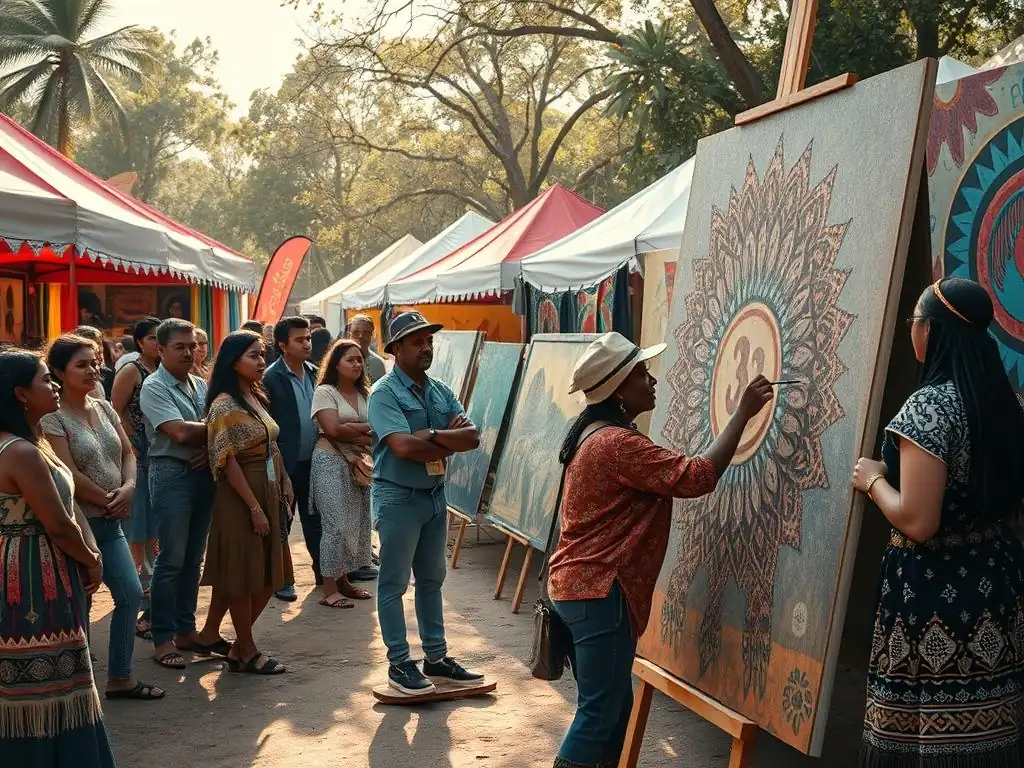
Numerous indigenous artists have made significant contributions to the global art landscape, influencing both their peers and established artists worldwide. Their work often serves as a powerful commentary on cultural identity and social issues.
- Yayoi Kusama: Although not indigenous in the traditional sense, her use of patterns reminiscent of traditional indigenous art has sparked conversations about cultural appropriation and inspiration.
- Raven Chacon: A member of the Navajo Nation, Chacon's work often combines sound and visual art, challenging conventional boundaries and inviting audiences to experience narratives through a multi-sensory approach.
- Nikki S. Lee: Known for her photographic works that explore identity, Lee's projects frequently reference cultural aesthetics, prompting discussions about the intersections of ethnicity and contemporary life.
These artists exemplify how indigenous influences can permeate various art forms, inspiring a new generation of creators and fostering a deeper understanding of diverse cultural expressions.
Case Studies of Indigenous Art Influence
The influence of indigenous art can be observed in various case studies across different cultural contexts. These examples illustrate how indigenous aesthetics have inspired international artists and movements, leading to a broader appreciation of indigenous cultural narratives.
- The Indigenous Futurisms Movement: This movement envisions a future where indigenous cultures thrive, using artistic expressions to challenge narratives of colonization. Artists such as Natalie Diaz and Maya Lin incorporate indigenous histories and futurities into their work, creating a dialogue around representation and cultural survival.
- Fashion Industry Collaborations: High-profile collaborations, such as those between indigenous designers and global fashion brands, highlight the incorporation of traditional patterns and techniques into contemporary fashion. This not only elevates indigenous art but also raises awareness about cultural appropriation versus appreciation.
Indigenous Patterns and Techniques in Modern Design
Indigenous patterns and techniques have found their way into modern design, influencing everything from fashion to architecture. Designers are increasingly recognizing the uniqueness of indigenous aesthetics, incorporating elements such as intricate beadwork, weaving, and symbolism into their work.
For example, the use of traditional textile patterns in contemporary clothing lines not only celebrates indigenous craftsmanship but also educates consumers about the cultural significance of these designs. Architectural projects that integrate indigenous building techniques and materials reflect a growing trend towards sustainable and culturally-informed design practices.
This fusion of indigenous art with modern design emphasizes the importance of preserving cultural heritage while adapting to contemporary contexts. It serves as a reminder of the enduring legacy of indigenous cultures in shaping global aesthetics.
The Use of Indigenous Themes in Global Art Movements
Indigenous themes have increasingly permeated global art movements, influencing a diverse array of artistic expressions. From the rise of eco-activism in art to movements addressing social justice, indigenous narratives offer critical perspectives that challenge dominant cultural paradigms.
For instance, the Environmental Art Movement often draws upon indigenous philosophies of land stewardship and respect for nature. Artists like Eliza McNitt use indigenous storytelling to advocate for environmental awareness, emphasizing the interconnectedness of all living beings.
Additionally, the Postcolonial Art Movement incorporates indigenous themes to critique the legacies of colonization and promote reconciliation. Artists explore their cultural identities and histories, using their work as a form of resistance against colonial narratives.
These movements highlight the importance of indigenous voices in the contemporary art world, showcasing how their themes resonate globally and contribute to broader conversations around identity, culture, and social justice.
Cultural Exchange: Indigenous Art and Global Collaboration
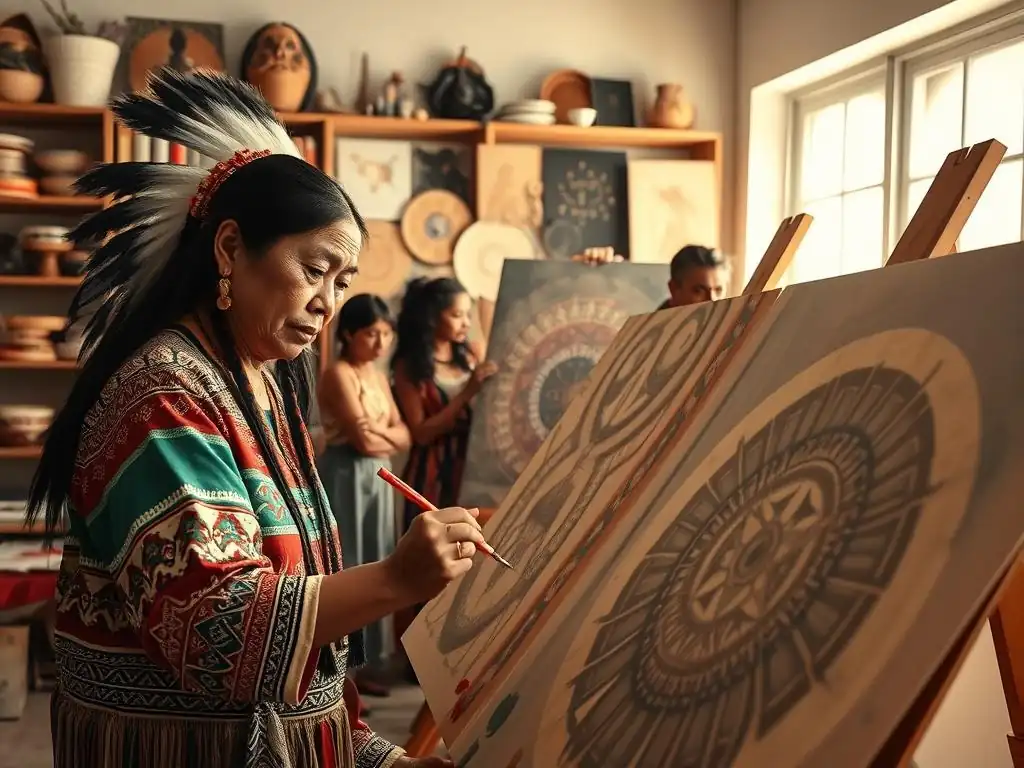
Cultural exchange through art has fostered a rich dialogue between Indigenous artists and the global community, leading to a profound influence on contemporary artistic practices. Indigenous art, with its deep-rooted traditions, has not only showcased unique perspectives but has also inspired artists around the world to incorporate Indigenous themes, materials, and techniques into their work. This collaboration has created a dynamic environment where cultural narratives are shared and celebrated, resulting in a more inclusive understanding of art that transcends geographical boundaries.
The interaction between Indigenous and non-Indigenous artists has become a platform for sharing stories, experiences, and techniques, enriching the global art landscape. Exhibitions and workshops that feature Indigenous art often attract a diverse audience, fostering appreciation and respect for the cultural significance of the artwork. This collaboration has led to the emergence of new art forms that blend traditional Indigenous motifs with contemporary styles, illustrating the versatility and adaptability of Indigenous art in a global context.
Collaborative Projects Between Indigenous and Non-Indigenous Artists
Collaborative projects between Indigenous and non-Indigenous artists have become a remarkable phenomenon, showcasing the blending of diverse artistic perspectives. For example, initiatives like the "Native Art Now!" exhibition have brought together Indigenous artists from different nations and their non-Indigenous counterparts, allowing for meaningful exchanges that highlight the fusion of techniques and ideas.
These collaborations often explore themes of identity, history, and social justice, resonating with broader audiences. They also provide a platform for Indigenous artists to express their cultural narratives while engaging with contemporary issues. Through workshops and community projects, non-Indigenous artists gain insights into Indigenous histories and philosophies, leading to more informed and respectful representations in their work.
Moreover, such collaborations can create economic opportunities for Indigenous communities, as they often lead to increased visibility and recognition for Indigenous art on global stages. The mutual respect and learning fostered through these partnerships contribute significantly to the understanding and appreciation of Indigenous cultures worldwide.
Impact of Globalization on Indigenous Art Practices
Globalization has had a dual effect on Indigenous art practices, presenting both challenges and opportunities. On one hand, the global market has opened doors for Indigenous artists to reach wider audiences, allowing their work to gain international recognition. Platforms such as social media have enabled artists to showcase their creations directly to global consumers, bypassing traditional barriers and promoting Indigenous art as a vital part of the contemporary art scene.
However, globalization also poses significant risks, such as the commercialization of Indigenous art, which can dilute its cultural significance. The proliferation of mass-produced items that mimic Indigenous styles often leads to a lack of authenticity and can undermine the value of traditional practices. This trend raises concerns about cultural appropriation, where non-Indigenous entities profit from Indigenous designs without proper acknowledgment or compensation to the original creators.
Despite these challenges, many Indigenous artists are finding innovative ways to navigate the global landscape while remaining true to their roots. By leveraging global interest in Indigenous art, they can educate audiences about their cultures and advocate for the preservation of their traditions.
Challenges and Opportunities for Indigenous Artists Today
Indigenous artists today face a complex landscape filled with both significant challenges and promising opportunities. As they strive to maintain their cultural heritage amidst a rapidly changing world, the need for preservation and innovation becomes paramount. The balance between honoring traditional practices while embracing contemporary influences is a delicate one, requiring thoughtful navigation of the art world.
Preservation of Traditional Techniques
The preservation of traditional techniques is crucial for Indigenous artists as it forms the foundation of their cultural identity and artistic expression. Many Indigenous communities are working diligently to keep their traditional art forms alive by passing down knowledge through generations. This transmission often occurs in community workshops, mentorship programs, and cultural festivals, where elders teach younger generations the techniques and stories behind their art.
Moreover, initiatives aimed at documenting traditional practices, such as oral histories and craft workshops, are essential for educating both Indigenous and non-Indigenous audiences about the significance of these techniques. Such efforts not only safeguard cultural heritage but also inspire a new wave of creativity that respects and integrates traditional methods into contemporary art.
Navigating Commercialization and Authenticity
As Indigenous artists engage with the global market, the challenge of commercialization becomes increasingly prominent. While the potential for financial gain is enticing, artists must navigate the fine line between commercial success and maintaining authenticity in their work. The rise of "Indigenous-style" products in the market, often produced by non-Indigenous entities, raises questions about ownership and representation.
To combat this issue, many Indigenous artists are advocating for stricter regulations on the use of Indigenous motifs and designs in commercial products. By emphasizing the importance of authenticity and cultural respect, Indigenous artists can protect their intellectual property and ensure that their work is recognized for its true cultural significance.
Additionally, platforms that prioritize ethical sourcing and fair trade practices can help support Indigenous artists while promoting their work in a way that honors their cultural heritage. By fostering a dialogue around authenticity and commercialization, Indigenous artists can carve out a space for their voices in the contemporary art world while remaining connected to their traditions.
Conclusion: The Enduring Legacy of Indigenous Art
Indigenous art represents a rich tapestry of cultural expression, storytelling, and spiritual connection that has not only shaped the identities of the communities that created it but has also left an indelible mark on a global scale. The influence of Indigenous art can be observed in various modern artistic movements, where traditional motifs, techniques, and philosophies are interwoven into contemporary practices. This ongoing dialogue between the past and present underscores the resilience of Indigenous cultures and their ability to adapt and inspire in the face of change.
The enduring legacy of Indigenous art can be seen in the way it challenges conventional notions of art, often prioritizing community engagement, sustainability, and a deep respect for nature. As artists and art forms gain recognition, they not only celebrate Indigenous heritage but also foster a greater understanding and appreciation among diverse audiences worldwide. This intricate relationship between Indigenous art and global culture serves as a reminder of the importance of preserving these traditions while encouraging innovation and collaboration.
Summary of Indigenous Art's Global Impact
The global impact of Indigenous art is vast and multifaceted. From the vibrant textiles of the Andean communities to the intricate beadwork of North American tribes, these artistic expressions have transcended geographical boundaries, influencing artists and movements around the world. Indigenous themes and aesthetics have found their way into contemporary art galleries, fashion, and design, prompting a reevaluation of Western art narratives.
One significant aspect of this influence is the incorporation of Indigenous perspectives into broader discussions about identity, social justice, and environmental stewardship. Artists such as Jean-Michel Basquiat, Ai Weiwei, and Yoko Ono draw inspiration from Indigenous cultures, utilizing their platforms to advocate for marginalized voices and highlight historical injustices. Furthermore, the rise of social media has allowed Indigenous artists to share their work widely, bridging cultural divides and fostering a global appreciation for their unique styles and stories.
Future Directions for Indigenous Art Influence Worldwide
Looking ahead, the influence of Indigenous art is poised to grow even more pronounced as awareness of cultural heritage and indigenous rights continues to evolve. Several key directions can be anticipated:
- Increased Collaboration: As artists from different backgrounds engage with Indigenous art, collaborative projects can emerge that honor traditional techniques while also pushing artistic boundaries. This synergy can lead to innovative works that resonate with a diverse audience.
- Sustainability and Environmental Awareness: Indigenous art often emphasizes a connection to the land and ecological stewardship. Future artists may increasingly draw upon these principles, integrating sustainable practices into their creative processes and highlighting environmental issues through their art.
- Digital Platforms: The expansion of digital technologies offers Indigenous artists new avenues for expression and dissemination. Online platforms can amplify their voices and facilitate global connections, allowing for a more inclusive representation of Indigenous narratives.
- Education and Advocacy: As educational institutions incorporate Indigenous art into their curricula, there will be a broader understanding of its significance and context. This can foster advocacy for Indigenous rights and cultural preservation, influencing future generations of artists and audiences alike.
The future of Indigenous art influence worldwide is bright, with opportunities for growth and recognition that celebrate the profound contributions of Indigenous cultures to the global artistic landscape. The continuing dialogue between Indigenous and contemporary art is not only a celebration of heritage but also a necessary step toward fostering a more inclusive and equitable world.
- Introduction to Indigenous Art Influence Globally
- Historical Context of Indigenous Art
- Indigenous Art and Its Modern Interpretation
- Evolution of Indigenous Art in Contemporary Culture
- Prominent Indigenous Artists Influencing Global Art
- Case Studies of Indigenous Art Influence
- Indigenous Patterns and Techniques in Modern Design
- The Use of Indigenous Themes in Global Art Movements
- Cultural Exchange: Indigenous Art and Global Collaboration
- Challenges and Opportunities for Indigenous Artists Today
- Conclusion: The Enduring Legacy of Indigenous Art
- What is the main focus of the article "The Global Impact: Indigenous Art as a Source of Inspiration Worldwide"?
- How does indigenous art reflect the cultures it represents?
- In what ways has indigenous art influenced contemporary artists?
- Why is it important to study the achievements of indigenous civilizations?
- How can we support indigenous artists today?
Frequently Asked Questions
What is the main focus of the article "The Global Impact: Indigenous Art as a Source of Inspiration Worldwide"?
The article focuses on the influence of indigenous art from the Americas and its global impact, highlighting how these art forms have inspired various cultures around the world.
How does indigenous art reflect the cultures it represents?
Indigenous art serves as a visual representation of the beliefs, traditions, and histories of indigenous societies, showcasing their unique perspectives and cultural narratives.
In what ways has indigenous art influenced contemporary artists?
Contemporary artists draw inspiration from indigenous art forms, incorporating traditional techniques and themes, which helps to promote cultural awareness and appreciation for indigenous heritage.
Why is it important to study the achievements of indigenous civilizations?
Studying the achievements of indigenous civilizations sheds light on their contributions to art, science, and society, which are often overlooked in mainstream narratives, enhancing our understanding of human history.
How can we support indigenous artists today?
Supporting indigenous artists can be done by purchasing their work, promoting their art through social media, and advocating for cultural preservation initiatives that respect and honor their traditions and contributions.
Final Reflection: The Enduring Influence of Indigenous Art on a Global Scale
Indigenous art serves as a profound testament to the resilience and creativity of cultures worldwide, reminding us that its influence is not confined to geographical boundaries but resonates deeply in contemporary society. In an age where cultural appropriation and authenticity are hotly debated topics, the global impact of Indigenous art is more relevant than ever. It challenges us to recognize the rich narratives and histories embedded within these artistic expressions, urging us to appreciate their significance beyond mere aesthetics.
The influence of Indigenous art extends far beyond the canvas; it shapes our cultural landscape, inspiring movements and dialogues around identity, heritage, and environmental stewardship. As we witness Indigenous artists gaining recognition on international platforms, their work ignites conversations about social justice and cultural preservation. Art is a reflection of the world, and Indigenous art reflects the wisdom of the earth,
a sentiment that encapsulates the essence of this influence. The stories told through these artworks resonate with audiences, fostering a deeper understanding of the interconnectedness of all cultures and the importance of honoring our shared humanity.
As we reflect on the lessons imparted by Indigenous art, let us commit to actively engaging with and supporting these vibrant cultures. Take a moment to explore the rich narratives behind Indigenous artworks and consider how you can contribute to their preservation and celebration. By embracing the lessons of resilience, creativity, and respect for the earth that Indigenous art embodies, we can cultivate a more inclusive and harmonious world, where every voice is heard and valued.
Unveil Your Creativity: Embrace Indigenous Art Today!
Thank you for taking the time to immerse yourself in the world of Indigenous art and its profound global influence! You've explored the rich stories and cultural depths that these artistic expressions offer, igniting a spark of inspiration. Now, let’s harness that creativity together!
Here are some powerful ways you can take action:
- Engage with Indigenous Artists: Explore local galleries or online platforms to discover and support Indigenous artists. Consider purchasing a piece to enhance your space and support their craft!
- Share & Discuss: Spread the word about what you've learned by sharing this article with friends and family. Initiate conversations that highlight the significance of Indigenous art in contemporary culture.
- Create Your Own Art Inspired by Tradition: Tap into your creative side! Use Indigenous techniques or themes to create a piece of artwork that reflects your personal interpretation of their vibrant culture.
What unique aspect of Indigenous art resonates with you the most, and how do you plan to incorporate that into your own creative journey?