
The Role of Indigenous Patterns in Global Fashion: A Cultural Revival

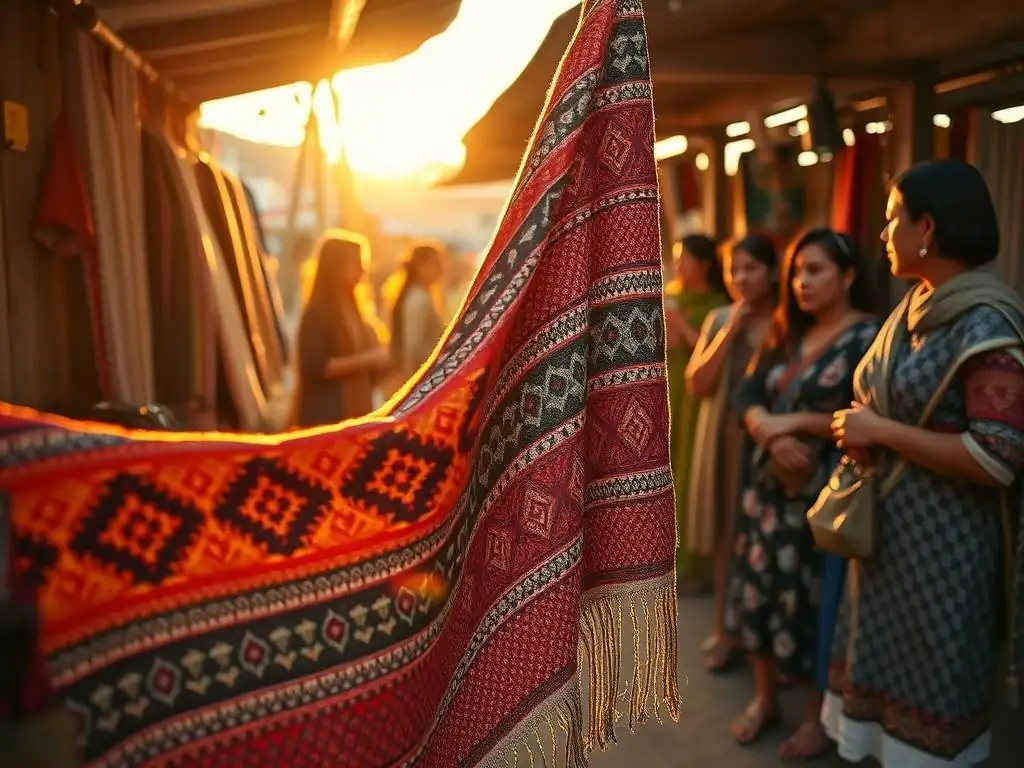
Welcome to Indigenous Civilizations of the Americas, where we embark on a captivating journey through the rich tapestry of indigenous cultures that flourished across the Americas long before the arrival of European settlers. Here, we delve into the profound cultural influences that these societies continue to have on the world today. In our featured article, " The Role of Indigenous Patterns in Global Fashion: A Cultural Revival," we uncover the vibrant and intricate indigenous patterns in fashion that are making waves in contemporary design.
Join us as we explore how these timeless motifs not only celebrate heritage but also inspire a global movement towards cultural appreciation and revitalization. Dive deeper with us to discover the stories behind the patterns that are reshaping the fashion landscape!
Introduction to Indigenous Patterns in Fashion
Indigenous patterns in fashion represent a profound connection to the rich tapestry of cultural heritage and identity among various indigenous communities across the Americas. These patterns, often steeped in tradition and symbolism, have transcended their historical contexts to influence contemporary global fashion.
As designers and brands increasingly draw inspiration from these unique motifs, a cultural revival is underway that not only celebrates the artistry of indigenous peoples but also raises awareness about their histories and contributions to the world. This article aims to explore the significance of indigenous patterns in fashion, examining their origins, historical context, and the contemporary relevance that underscores their role in today's diverse fashion landscape.
Definition and Importance of Indigenous Patterns
Indigenous patterns are distinct designs and motifs that originate from the artistic traditions of native cultures. These patterns often incorporate elements such as geometric shapes, natural forms, and symbolic representations that convey cultural narratives and spiritual beliefs. The importance of these patterns lies not only in their aesthetic appeal but also in their ability to connect individuals to their heritage and identity.
- Cultural Significance: Each pattern tells a story, reflecting the values, beliefs, and experiences of the community it represents.
- Artistic Expression: They serve as a medium for artistic expression, showcasing the skills and creativity of indigenous artisans.
- Revival and Recognition: As global awareness of cultural appropriation grows, the revival of indigenous patterns in fashion highlights the need for recognition and respect for the original sources of these designs.
Overview of Cultural Revival in Fashion
The cultural revival of indigenous patterns in fashion is a response to a growing appreciation for authentic and sustainable design practices. This movement is characterized by:
- Collaboration with Indigenous Artists: Many fashion brands are partnering with indigenous designers and artisans to create collections that honor traditional techniques and motifs.
- Sustainability: The use of indigenous patterns often promotes sustainable practices, as these designs are typically rooted in local materials and craftsmanship.
- Cultural Education: Incorporating indigenous patterns into mainstream fashion serves to educate consumers about the cultural significance of these designs, fostering a greater respect for diversity and heritage.
Historical Context of Indigenous Patterns
Understanding the historical context of indigenous patterns is essential to appreciate their significance in contemporary fashion. These patterns have deep roots in the societies that created them, reflecting both their artistic heritage and their social structures.
The Origins of Indigenous Patterns in Native Cultures
Indigenous patterns can be traced back to ancient civilizations, where they were used in various forms of art, clothing, and ceremonial objects. Some key points include:
- Symbolic Meanings: Patterns were often imbued with symbolic meanings, representing elements such as nature, spirituality, and community values.
- Techniques and Materials: Indigenous artisans employed various techniques, such as weaving, beadwork, and dyeing, using local materials to create intricate designs that were both functional and expressive.
- Regional Variations: Different indigenous groups developed their unique styles of patterns, influenced by their environments, resources, and cultural practices.
Historical Significance of Patterns in Indigenous Societies
The significance of patterns in indigenous societies extends beyond mere decoration; they served important social and cultural functions:
- Identity and Community: Patterns often signified group identity, helping to distinguish tribes or communities and fostering a sense of belonging.
- Ritual and Ceremony: Many patterns were integral to rituals and ceremonies, playing a crucial role in the spiritual life and cultural continuity of the community.
- Resistance and Resilience: Throughout history, indigenous patterns have also represented resistance against colonization and cultural erasure, embodying the resilience of native peoples in preserving their heritage.
The exploration of indigenous patterns in global fashion not only highlights their aesthetic and cultural importance but also serves as a reminder of the rich history and ongoing legacy of indigenous civilizations. As we delve deeper into the influence of these designs on contemporary fashion, we can appreciate their role in promoting cultural awareness and celebrating diversity in the modern world.
Indigenous Patterns and Their Influence on Modern Fashion
Indigenous patterns, rich in cultural significance and historical context, have made a profound impact on modern fashion design. These patterns are not mere aesthetic choices; they encapsulate stories, traditions, and the identities of the communities from which they originate. As awareness of the importance of cultural heritage has grown, designers and consumers alike have begun to recognize the unique narratives embedded in indigenous textiles and designs. This revival of interest speaks to a broader appreciation for diversity and a desire to incorporate meaningful motifs into contemporary style.
The intricate designs often feature natural elements, geometric shapes, and vibrant colors, each symbolizing specific cultural beliefs or practices. The resurgence of indigenous patterns in fashion can be seen as part of a larger movement towards sustainability and ethical consumption, as many consumers seek to support artisans and communities that create these works. By embracing these patterns, modern fashion not only celebrates indigenous artistry but also challenges the fast-fashion paradigm, promoting a deeper connection between clothing and culture.
How Indigenous Patterns Are Integrated into Contemporary Designs
Contemporary fashion designers are increasingly incorporating indigenous patterns into their collections, blending traditional artistry with modern silhouettes. This integration can occur in several ways:
- Textile Innovation: Designers may collaborate with indigenous artisans to produce textiles that honor traditional methods while adapting them for modern wear. This collaboration ensures that the original techniques are preserved and passed down through generations.
- Prints and Motifs: Many designers utilize indigenous patterns as prints on garments, accessories, and footwear. These prints can range from vibrant colors to subtle textures, providing a unique twist to contemporary fashion staples.
- Cultural Narratives: Designers often weave stories into their collections, explaining the significance of the patterns they use. This storytelling not only educates consumers about the cultural heritage but also adds depth to the garments.
- Sustainable Practices: By focusing on indigenous patterns, designers frequently emphasize sustainable practices, using eco-friendly materials and supporting fair trade. This approach aligns with the values of many consumers who are conscious of the environmental and social impacts of their purchasing decisions.
Through these methods, indigenous patterns are not merely incorporated into fashion; they are celebrated as vital elements that contribute to the richness of global design.
Case Studies of Designers Inspired by Indigenous Patterns
Several designers have brilliantly showcased the integration of indigenous patterns into their work, serving as examples of how to respectfully honor cultural heritage while creating contemporary fashion.
- Mara Hoffman: This American designer often draws inspiration from indigenous cultures, incorporating vibrant colors and bold patterns that reflect the stories of native communities. Her collections emphasize sustainability and ethical production, working closely with artisans to ensure authenticity.
- PatBO: Brazilian designer Patricia Bonaldi creates stunning pieces that feature intricate indigenous motifs. Her designs celebrate the rich heritage of Brazilian indigenous tribes, using traditional techniques and materials to craft modern garments that resonate with a global audience.
- Mimi Plange: Known for her striking designs that blend African and indigenous influences, Plange’s work highlights the beauty of indigenous patterns. She emphasizes the importance of storytelling and heritage in her collections, making cultural appreciation a core aspect of her brand ethos.
These designers exemplify how indigenous patterns can be respectfully integrated into fashion, creating a dialogue between tradition and contemporary design that enriches the industry.
Cultural Appropriation vs. Cultural Appreciation
In the discourse surrounding indigenous patterns in fashion, it is essential to distinguish between cultural appropriation and cultural appreciation. While both terms relate to the use of cultural elements from one group by another, they carry vastly different implications regarding respect, acknowledgment, and power dynamics.
Cultural appropriation often involves the adoption of elements from a marginalized culture without proper acknowledgment or respect for their significance. This can lead to the commodification of sacred symbols and practices, stripping them of their meaning and context. In contrast, cultural appreciation involves a respectful understanding and celebration of a culture, with an emphasis on collaboration and recognition of its original creators.
Understanding Cultural Appropriation in Fashion
Fashion is rife with examples of cultural appropriation, where designers have taken indigenous patterns without seeking permission or giving credit to the original cultures. This often leads to backlash from indigenous communities, who feel their heritage is being exploited for profit.
Key characteristics of cultural appropriation in fashion include:
- Lack of Acknowledgment: Brands may use indigenous designs without crediting the source or recognizing the cultural significance behind them.
- Commercialization: Appropriating patterns for mass production can trivialize their meanings, reducing sacred symbols to mere fashion trends.
- Power Imbalance: When dominant cultures exploit marginalized cultures, it reinforces existing inequalities and perpetuates historical injustices.
Understanding these dynamics is crucial for designers and consumers alike to navigate the complex landscape of cultural interchange in fashion.
Examples of Respectful Use of Indigenous Patterns in Fashion
There are numerous examples of designers and brands that have successfully navigated the line between cultural appreciation and appropriation by engaging respectfully with indigenous patterns. Some of these practices include:
- Collaborative Design: Brands like Etnies have partnered with indigenous artists to create footwear that honors traditional designs while providing fair compensation to the creators.
- Transparency: Raven + Lily, a sustainable fashion brand, highlights the stories behind their products, ensuring that consumers understand the cultural context of the indigenous patterns used in their collections.
- Community Support: Initiatives such as Nomi Network empower indigenous women artisans by providing them with a platform to showcase their work, ensuring that profits benefit the community rather than external corporations.
These respectful approaches not only showcase the beauty of indigenous patterns but also foster a greater understanding and appreciation of the cultures that inspire them, paving the way for a more equitable fashion industry.
The Revival of Indigenous Patterns in Global Fashion
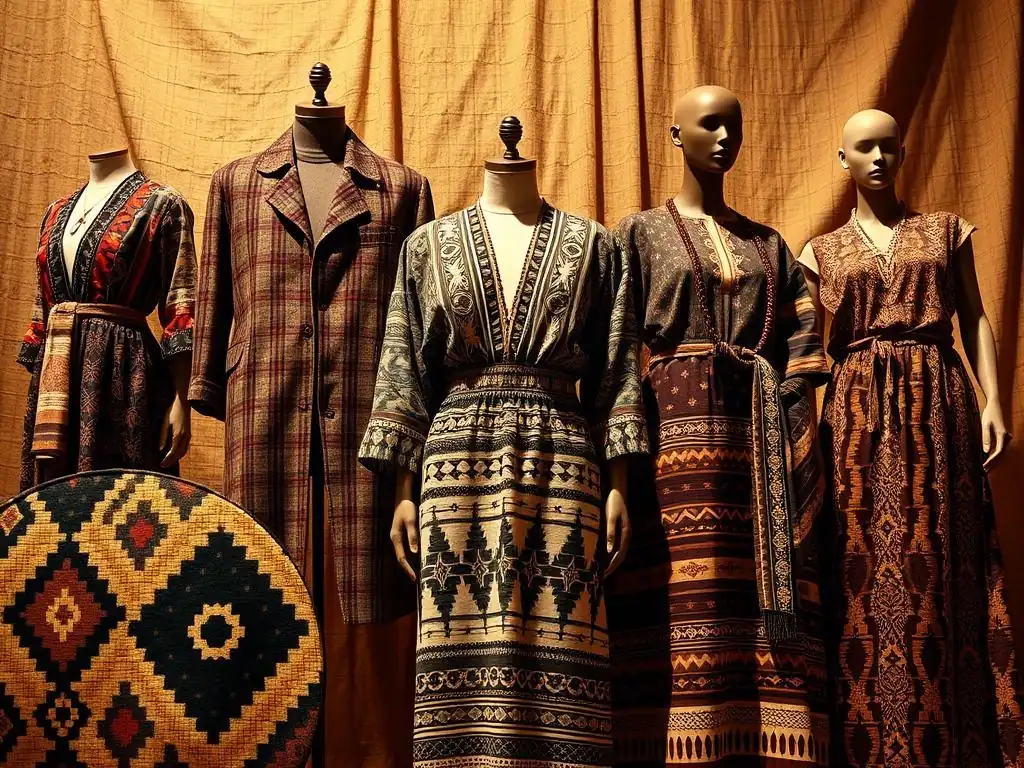
The revival of indigenous patterns in global fashion marks a significant cultural shift, as designers and consumers increasingly recognize the importance of authenticity and heritage in clothing. This resurgence is not merely a trend but a movement aimed at honoring the rich tapestry of indigenous cultures that have historically been marginalized. Indigenous patterns, characterized by their intricate designs, colors, and meanings, are now being celebrated as symbols of identity and resilience.
Across the fashion industry, there is a growing acknowledgment of the need to source inspiration from indigenous communities in a respectful and ethical manner. This revival has led to a re-examination of how fashion interacts with culture, emphasizing the importance of storytelling through textiles. By integrating these patterns into contemporary fashion, designers not only pay homage to ancient traditions but also contribute to the preservation and revitalization of indigenous arts and crafts.
Current Trends in Fashion Embracing Indigenous Patterns
Fashion brands are increasingly incorporating indigenous patterns into their collections, reflecting a broader trend towards sustainability and cultural appreciation. This includes a variety of approaches, such as:
- Textile Design: Utilizing traditional motifs and techniques in fabric production, which enhances the uniqueness of garments.
- Cultural Storytelling: Each piece often comes with an explanation of its cultural significance, allowing consumers to connect more deeply with the work.
- Streetwear Influence: Indigenous patterns are making a notable impact on streetwear, where bold designs resonate with younger audiences seeking authenticity.
Major fashion weeks around the world have also showcased collections that highlight indigenous artistry, with designers using their platforms to discuss cultural appropriation and the importance of ethical representation. This shift signifies a growing demand for fashion that is not only visually striking but also meaningful and respectful of its origins.
Impact of Indigenous Fashion on Global Trends
Indigenous fashion is reshaping global trends by infusing them with deeper cultural narratives. The impact can be seen in various ways:
- Awareness and Education: Consumers are becoming more educated about the origins of the patterns and their meanings, leading to a more conscious approach to fashion consumption.
- Diversity in Representation: The incorporation of indigenous aesthetics promotes diversity within the fashion industry, challenging the traditional Western-centric view of style.
- Sustainable Practices: Many indigenous communities advocate for sustainable practices, and their influence is prompting mainstream brands to adopt more eco-friendly production methods, aligning with a growing global demand for sustainable fashion.
As indigenous patterns gain traction in the mainstream, they not only enhance the aesthetic of global fashion but also encourage a more inclusive dialogue about culture and identity.
The Role of Indigenous Communities in Fashion
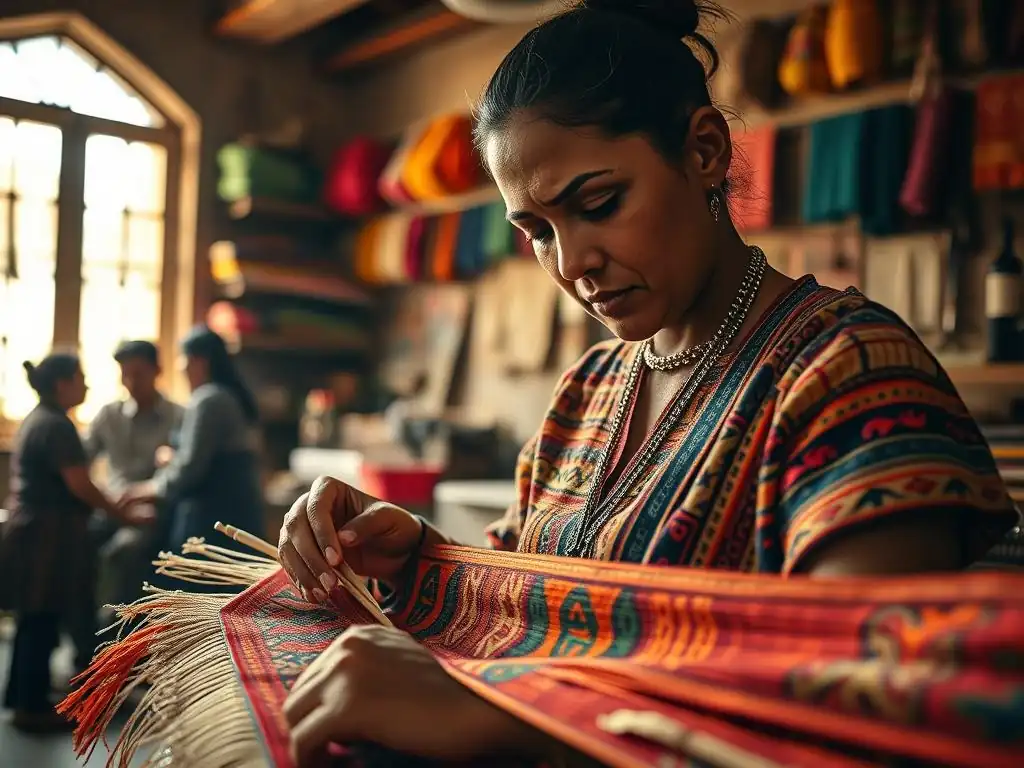
Indigenous communities play a crucial role in the fashion landscape, acting as custodians of their cultural heritage and influences. Their participation is vital in ensuring that indigenous patterns are represented authentically and respectfully in the fashion world. Collaborative efforts between these communities and fashion designers can lead to innovative creations while preserving traditional methods.
These communities often face challenges, including issues of cultural appropriation and the need for fair recognition. Therefore, building partnerships that prioritize mutual respect and benefit is essential. The impact of these collaborations extends beyond fashion, fostering greater awareness of indigenous issues and promoting cultural pride.
Indigenous Designers Leading the Way
Indigenous designers are at the forefront of this cultural revival, bringing their unique perspectives and experiences to the fashion industry. Notable designers include:
- Patricia Michaels: A member of the Taos Pueblo, known for her vibrant textiles and commitment to sustainability.
- B. Yellowtail: Celebrated for her contemporary designs that incorporate traditional Native American patterns and storytelling.
- Lily Kwan: A designer who merges indigenous craftsmanship with modern aesthetics, emphasizing the importance of heritage in her creations.
These designers not only create beautiful garments but also serve as advocates for their communities, ensuring that indigenous voices are heard and celebrated in the global fashion narrative.
Collaborations Between Indigenous Artists and Fashion Brands
Collaborations between indigenous artists and mainstream fashion brands have become increasingly common, creating opportunities for cultural exchange and economic empowerment. These partnerships often result in collections that celebrate indigenous heritage while reaching wider audiences.
Examples of successful collaborations include:
- Nike x Pendleton: This partnership blends contemporary athletic wear with Pendleton's iconic wool patterns, showcasing Native American artistry in a modern context.
- Urban Outfitters and Indigenous Artists: Various collaborations highlight indigenous designs in casual wear, providing platforms for artists to share their culture with a broader audience.
Such collaborations not only enhance brand identity but also ensure that indigenous artists receive recognition and compensation for their work, fostering a more equitable fashion landscape. By bridging the gap between traditional craftsmanship and modern design, these partnerships illustrate the potential for a harmonious coexistence of cultures within the fashion industry.
Benefits of Incorporating Indigenous Patterns in Fashion
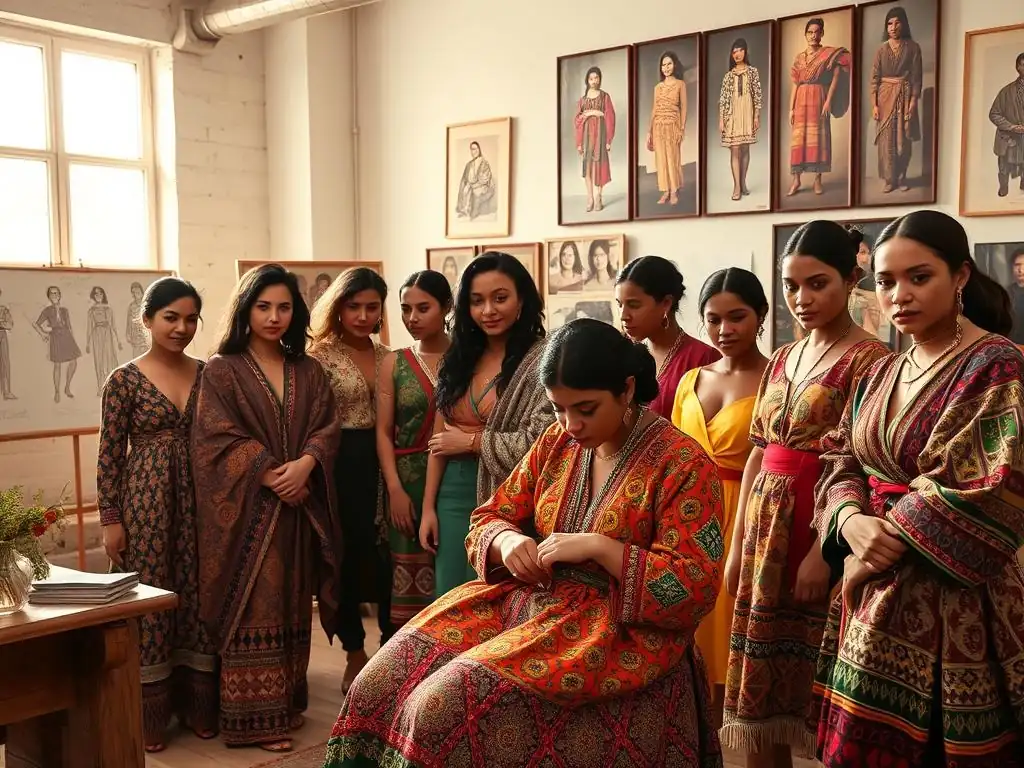
Incorporating indigenous patterns in fashion offers numerous benefits that extend beyond aesthetics. These patterns often carry deep cultural significance, embodying the history, stories, and identities of indigenous peoples. When integrated into contemporary fashion, they serve as a bridge between cultures, promoting understanding and appreciation for the rich heritage of indigenous communities. Additionally, the revival of these patterns can lead to sustainable practices in fashion, encouraging the use of natural dyes and traditional craftsmanship, which ultimately contributes to environmental conservation.
Moreover, indigenous patterns can inspire innovation within the fashion industry. Designers who draw on these motifs often create unique pieces that stand out in a crowded marketplace, appealing to consumers who seek authenticity and meaningful fashion. This trend not only revitalizes traditional art forms but also encourages a dialogue about cultural exchange and influence, positioning indigenous patterns as not merely decorative but as vital components of global fashion narratives.
Promoting Cultural Awareness and Respect
The incorporation of indigenous patterns in fashion plays a crucial role in promoting cultural awareness and respect. By showcasing these designs, fashion brands can educate consumers about the origins and meanings behind the patterns, fostering a deeper appreciation for indigenous cultures. This awareness helps dismantle stereotypes and misconceptions that often surround these communities, paving the way for more respectful and informed interactions between cultures.
Furthermore, when consumers wear garments featuring indigenous patterns, they become ambassadors for the stories and values these designs represent. This visibility can challenge the dominant narratives in fashion, encouraging inclusivity and diverse representation. As a result, more people become aware of the contributions made by indigenous cultures to the global tapestry of art and design, ultimately fostering greater respect and understanding.
Economic Opportunities for Indigenous Communities
The revival of indigenous patterns in fashion can create significant economic opportunities for indigenous communities. By collaborating with indigenous artisans and designers, fashion brands can provide a platform for these communities to showcase their skills and craftsmanship. This collaboration can lead to fair compensation for their work, empowering artisans while preserving traditional techniques and knowledge.
Moreover, as global interest in sustainable and ethical fashion grows, there is an increasing demand for unique, handcrafted items that tell a story. Indigenous patterns can fulfill this demand, allowing communities to tap into new markets while maintaining cultural integrity. This economic empowerment not only benefits individual artisans but also strengthens entire communities, fostering resilience and sustainability.
Challenges Facing Indigenous Patterns in Fashion
While the incorporation of indigenous patterns in fashion presents numerous benefits, it is not without challenges. The misuse and commercialization of these designs can lead to significant issues, including misrepresentation and stereotyping, as well as the adverse effects of fast fashion on indigenous cultures.
Misrepresentation and Stereotyping
One of the primary challenges in incorporating indigenous patterns into fashion is the risk of misrepresentation and stereotyping. Often, designs are stripped of their cultural significance and used in ways that do not honor their origins, leading to a commodification of indigenous cultures. This can result in the perpetuation of stereotypes, where indigenous peoples are seen as mere sources of inspiration rather than as living, dynamic cultures with rich histories.
Furthermore, when fashion brands utilize indigenous patterns without proper context or collaboration with indigenous communities, they risk appropriating these cultures for profit. This appropriation can alienate indigenous peoples and diminish the meaning behind their traditional designs, contributing to a broader narrative of cultural exploitation.
The Fight Against Fast Fashion and Its Impact on Indigenous Cultures
The rise of fast fashion poses another significant challenge for the preservation of indigenous patterns in fashion. Fast fashion brands often prioritize speed and cost over quality and cultural integrity, leading to mass-produced garments that dilute the essence of indigenous designs. This not only undermines the craftsmanship of indigenous artisans but also contributes to environmental degradation and the erosion of cultural heritage.
Indigenous communities are often disproportionately affected by the negative impacts of fast fashion, as their traditional practices and livelihoods are threatened. In response, many indigenous designers and advocates are pushing back against these trends, promoting slow fashion principles that prioritize sustainability and ethical practices. By emphasizing the importance of cultural storytelling and the value of handmade goods, they are working to reclaim their narratives and ensure that indigenous patterns are respected and preserved in the global fashion landscape.
Conclusion: The Future of Indigenous Patterns in Global Fashion
The future of indigenous patterns in global fashion appears promising, as the blending of traditional designs with contemporary styles continues to gain traction. This revival not only pays homage to the rich history and cultural significance of these patterns but also opens avenues for ethical fashion practices that resonate with today’s socially conscious consumers. As fashion brands increasingly prioritize authenticity and diversity, indigenous patterns are becoming more than mere aesthetic choices; they represent a meaningful connection to heritage, identity, and sustainability.
Moreover, the increasing demand for unique and diverse fashion pieces encourages designers to explore indigenous motifs, creating a platform for indigenous artisans and craftspeople. This collaboration fosters innovation while preserving traditional techniques, ensuring that the narratives behind these patterns are not lost. As we move forward, ongoing education and awareness will be crucial in promoting respect for indigenous cultures and their contributions to the fashion industry.
The Importance of Sustainable Practices in Fashion
Sustainable practices in fashion are intertwined with the use of indigenous patterns, as many indigenous cultures embrace environmental stewardship and sustainable resource management. By integrating these principles into contemporary fashion, designers can create garments that not only celebrate indigenous art but also minimize ecological footprints.
- Natural Materials: Indigenous patterns are often crafted using natural dyes and materials, promoting a shift away from synthetic processes that harm the environment. This practice not only honors traditional methods but also supports the sustainable use of local resources.
- Ethical Production: Collaborating with indigenous communities for the creation of fashion items ensures that artisans are fairly compensated and that their cultural heritage is respected. This ethical approach contributes to a more equitable fashion industry, fostering economic empowerment among indigenous populations.
- Circular Fashion: Emphasizing the concept of circular fashion, where garments are designed for longevity and recyclability, aligns with the values of many indigenous cultures that prioritize sustainability. This shift challenges the fast fashion model and encourages consumers to invest in quality pieces that tell a story.
Encouraging a Continued Cultural Revival Through Fashion
The integration of indigenous patterns into modern fashion serves as a powerful vehicle for cultural revival. By celebrating these designs, we not only honor the artistry of indigenous cultures but also create a platform for their voices to be heard in the global marketplace.
- Education and Awareness: Fashion companies have a responsibility to educate consumers about the origins and meanings of indigenous patterns. Through storytelling, brands can deepen the appreciation for these designs, fostering a sense of connection between consumers and the cultures from which they originate.
- Collaboration with Indigenous Designers: Encouraging partnerships with indigenous designers can lead to authentic representations of their cultures in fashion. By amplifying these voices, the industry can highlight the importance of cultural integrity and innovation while driving a narrative of inclusivity.
- Support for Indigenous Initiatives: Brands can contribute to the cultural revival by supporting initiatives that promote indigenous arts and crafts. This might include funding scholarships for indigenous artists, sponsoring workshops, or collaborating on community projects that celebrate and preserve traditional practices.
The future of indigenous patterns in global fashion hinges on a commitment to sustainability, ethical practices, and the celebration of cultural heritage. By weaving these elements into the fabric of modern fashion, we can ensure that indigenous cultures continue to thrive and inspire future generations.
- Introduction to Indigenous Patterns in Fashion
- Historical Context of Indigenous Patterns
- Indigenous Patterns and Their Influence on Modern Fashion
- Cultural Appropriation vs. Cultural Appreciation
- The Revival of Indigenous Patterns in Global Fashion
- Current Trends in Fashion Embracing Indigenous Patterns
- Impact of Indigenous Fashion on Global Trends
- The Role of Indigenous Communities in Fashion
- Indigenous Designers Leading the Way
- Collaborations Between Indigenous Artists and Fashion Brands
- Benefits of Incorporating Indigenous Patterns in Fashion
- Challenges Facing Indigenous Patterns in Fashion
- Conclusion: The Future of Indigenous Patterns in Global Fashion
- What are indigenous patterns in fashion?
- How have indigenous patterns influenced global fashion today?
- Why is it important to honor indigenous patterns in fashion?
- What are some examples of indigenous patterns used by modern designers?
- How can consumers support the use of indigenous patterns in fashion?
Frequently Asked Questions
What are indigenous patterns in fashion?
Indigenous patterns in fashion refer to traditional designs and motifs created by Indigenous cultures. These patterns often reflect cultural heritage, stories, and the natural environment of the communities that produce them.
How have indigenous patterns influenced global fashion today?
Indigenous patterns have gained recognition in global fashion, inspiring designers to incorporate these unique motifs into contemporary styles, promoting cultural appreciation and awareness while revitalizing traditional artistry.
Why is it important to honor indigenous patterns in fashion?
Honoring indigenous patterns is crucial for acknowledging the cultural significance and historical context behind these designs. It fosters respect for Indigenous cultures and helps combat cultural appropriation by encouraging ethical practices in fashion.
What are some examples of indigenous patterns used by modern designers?
Modern designers often use Geometric, floral, and animal motifs characteristic of Indigenous cultures, such as Native American beadwork or Andean textiles, to create pieces that celebrate cultural diversity and heritage.
How can consumers support the use of indigenous patterns in fashion?
Consumers can support the use of indigenous patterns by purchasing from Indigenous designers, promoting brands that prioritize ethical sourcing, and educating themselves about the cultural significance behind the patterns they admire.
Final Reflection: Embracing Indigenous Patterns for a Cultural Revival
The resurgence of indigenous patterns in fashion today highlights a profound connection between cultural heritage and contemporary creativity. As we navigate a world increasingly driven by globalization, the incorporation of indigenous designs serves as a powerful reminder of the rich narratives and histories that these patterns embody. This revival is not merely a trend; it is a movement that champions authenticity, respect, and the celebration of diversity in the fashion industry.
Cultural appreciation through indigenous patterns has the potential to reshape our social landscape, fostering a deeper understanding of the stories behind these designs. The integration of these patterns into mainstream fashion not only honors the artisans who create them but also invites consumers to engage with the cultural significance of their garments. As fashion designer and advocate for indigenous rights, Bethany Yellowtail, once said, When we wear indigenous designs, we carry the stories of our ancestors with us.
This sentiment underscores the importance of recognizing the narratives woven into every piece, urging us to reflect on the impact of our choices as consumers.
As we look to the future, I invite you to consider how you can incorporate the lessons learned from the revival of indigenous patterns into your own life. Reflect on the significance of the garments you choose to wear and the stories they tell. By supporting brands that prioritize cultural integrity and ethical practices, you can contribute to a fashion landscape that values heritage and promotes sustainability. Together, let us champion a future where indigenous patterns are not just trends but celebrated expressions of identity and resilience.
Embrace and Celebrate Cultural Revival Today!
Thank you for taking the time to explore the fascinating intersection of Indigenous patterns and global fashion. We hope you found inspiration in the rich heritage these designs represent and the vital role they play in cultural storytelling. Now, let's take that inspiration and turn it into action!
- Visit a local artisan market to discover and support Indigenous designers. Your purchase can make a significant difference!
- Share this article with friends and family to raise awareness about the importance of preserving cultural integrity in fashion.
- Follow Indigenous fashion influencers on social media to immerse yourself in vibrant discussions and creative ideas that celebrate these traditions.
How will you incorporate Indigenous patterns into your personal style or engage in community conversations?