
Discovering Machu Picchu: A Journey Through the Lost City of the Incas

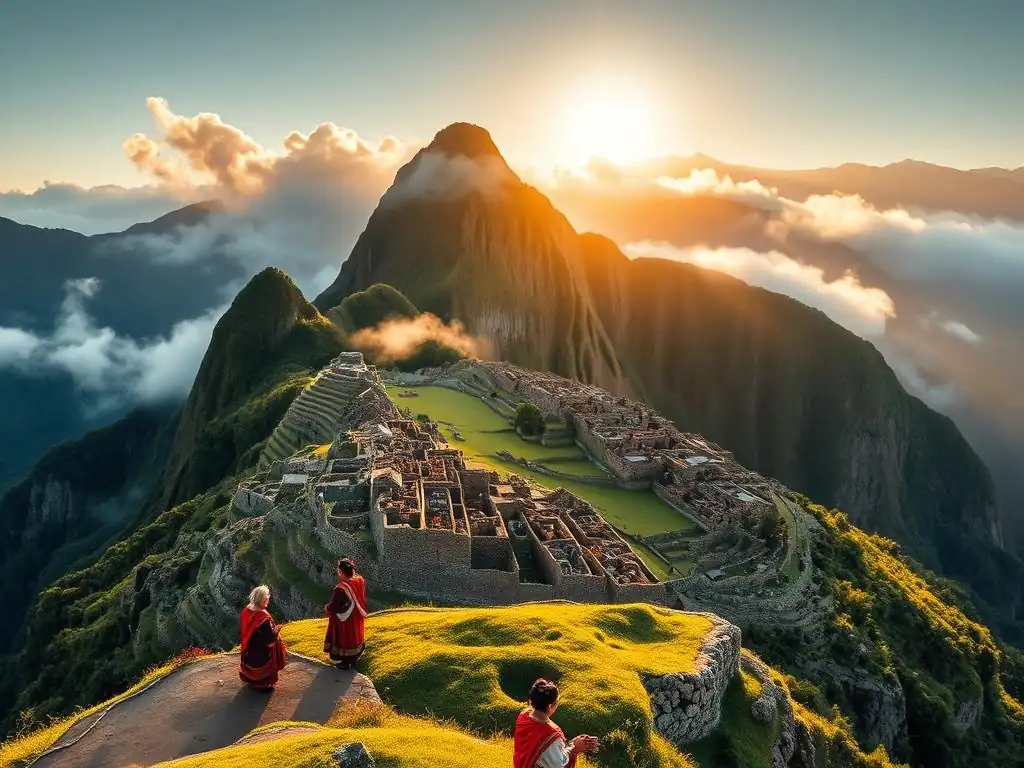
Welcome to Indigenous Civilizations of the Americas, where we invite you to embark on a fascinating journey through time and culture. Dive deep into the rich tapestry of indigenous achievements and societies that flourished long before European contact. In our featured article, "Discovering Machu Picchu: A Journey Through the Lost City of the Incas," we unravel the captivating history of this iconic site, exploring the intricate ways in which Machu Picchu embodies the essence of Incan culture and innovation.
Prepare to be intrigued as you uncover the stories and legacies that continue to shape the Americas today. Your adventure begins here!
Introduction to Machu Picchu and Indigenous Culture
Machu Picchu, often referred to as the "Lost City of the Incas," stands as a monumental testament to the ingenuity and sophistication of indigenous cultures in the Americas. Nestled high in the Andes mountains of Peru, this archaeological wonder not only captivates visitors with its breathtaking scenery but also serves as a pivotal symbol of Inca civilization.
The site represents more than just an architectural marvel; it encapsulates the essence of indigenous culture, history, and the remarkable achievements of the Inca people. As we embark on this journey through Machu Picchu, we will delve into the rich tapestry of its indigenous roots, uncovering the significance of this site in the broader context of cultural heritage and history.
The Historical Context of Machu Picchu
Understanding Machu Picchu requires a glimpse into the historical backdrop of the Inca Empire, which flourished from the early 15th century until the Spanish conquest in the 16th century. The Incas established a vast empire that spanned across modern-day Peru, Ecuador, Bolivia, and parts of Chile and Argentina. This empire was characterized by advanced agricultural practices, sophisticated engineering, and a complex social structure. Machu Picchu, believed to have been built in the mid-15th century under the reign of Emperor Pachacuti, served multiple purposes, from a royal estate to a religious site.
The strategic location of Machu Picchu, situated between the Andes and the Amazon rainforest, highlights the Incas' deep understanding of their environment. This site was not only a center for agricultural innovation but also a hub for trade and spirituality, showcasing the Incas' ability to harmonize their society with the diverse landscapes they inhabited.
The Origin of Machu Picchu in Inca Culture
Machu Picchu's construction reflects the architectural prowess and cultural significance of the Inca civilization. Built using a technique known as ashlar, where stones are cut to fit together without mortar, the structures at Machu Picchu showcase the Incas’ advanced knowledge of engineering and their ability to adapt to the rugged terrain.
The significance of Machu Picchu goes beyond its impressive architecture; it is thought to have been a royal retreat or a religious sanctuary. The site's layout features temples, terraces, and agricultural areas, indicating its multifunctional nature. Furthermore, the astronomical alignments of certain structures suggest that the Incas also used Machu Picchu as an observatory, further emphasizing their deep connection to nature and the cosmos.
Importance of Machu Picchu in Indigenous Culture History
Machu Picchu holds a revered place in the history of indigenous cultures not just for its architectural achievements but also for its role in preserving the traditions and beliefs of the Inca people. As a UNESCO World Heritage Site, it stands as a reminder of the resilience and creativity of indigenous groups in the face of colonization and cultural disruption.
The preservation of Machu Picchu today allows for the continued exploration and appreciation of Inca heritage. It serves as a focal point for cultural pride among indigenous communities, offering insights into their ancestral practices, spirituality, and worldviews that continue to influence contemporary society. Through educational initiatives and cultural exchanges, the history and significance of Machu Picchu remain alive, fostering a deeper understanding of indigenous cultures across the Americas.
Exploring Machu Picchu: A Visitor's Guide
Machu Picchu, often referred to as the "Lost City of the Incas," is one of the most iconic archaeological sites in the world. Nestled high in the Andes Mountains of Peru, this ancient citadel offers visitors a unique glimpse into the sophisticated culture and engineering prowess of the Inca civilization. To make the most of your visit, it's essential to be well-prepared and informed about the rich history and stunning landscapes that surround this UNESCO World Heritage Site.
Preparing for Your Journey to Machu Picchu
Before embarking on your adventure to Machu Picchu, consider the following essential preparations:
- Booking Tickets: Due to the site's popularity, it’s advisable to book your entrance tickets well in advance. Tickets can be purchased online or through authorized agents, and they often sell out, especially during peak tourist seasons.
- Getting There: The most common route to Machu Picchu involves taking a train from Cusco or Ollantaytambo to Aguas Calientes, the nearest town. From Aguas Calientes, you can either hike or take a bus to the entrance of Machu Picchu.
- What to Pack: Dress in layers to accommodate the fluctuating temperatures throughout the day. Comfortable hiking shoes, a hat, sunscreen, and a reusable water bottle are essential. Don’t forget your camera to capture the breathtaking scenery!
- Guided Tours: Consider joining a guided tour to enrich your understanding of Inca culture and history. Knowledgeable guides can provide insights into the architecture, agricultural terraces, and the significance of various structures within the site.
Best Times to Visit Machu Picchu
The timing of your visit can greatly enhance your experience at Machu Picchu. Here are some key points to consider:
- Dry Season (May to September): This is the most popular time to visit, with clear skies and mild temperatures. However, it can be crowded, particularly in July and August.
- Wet Season (October to April): Fewer tourists visit during this period due to the rain, making it an ideal time for those seeking a quieter experience. The landscapes are lush and vibrant, but be prepared for possible rain showers.
- Time of Day: Early morning visits offer the opportunity to witness the sunrise over the ruins, creating a magical atmosphere. Late afternoon visits can also provide a more serene experience as crowds begin to thin out.
Experiencing Inca Culture at Machu Picchu
Machu Picchu is not just an archaeological wonder; it is also a living testament to the ingenuity and spirituality of the Inca civilization. To truly appreciate its significance, one must delve into the cultural aspects that define this remarkable site.
Key Sites to Explore Within Machu Picchu
While wandering through the ruins, be sure to visit these key areas that showcase the brilliance of Inca architecture and culture:
- Temple of the Sun: This semi-circular temple is a focal point of the site, where the Incas worshipped the sun god, Inti. The precise stonework and alignment with the sun during solstices highlight the Incas' astronomical knowledge.
- Intihuatana Stone: Often referred to as the "Hitching Post of the Sun," this ritual stone is believed to have been used for astronomical observations and ceremonies. It symbolizes the Inca's connection to their deities and the natural world.
- The Inca Trail: This ancient path leads trekkers through breathtaking landscapes and into the heart of the citadel. The trail itself is a testament to Inca engineering, featuring stone steps, terraces, and tunnels.
- Agricultural Terraces: These terraces demonstrate the Incas' advanced agricultural techniques, which allowed them to cultivate crops in the challenging Andean environment. The terraces also play a role in the site's drainage system.
Engaging with Indigenous Culture: Local Communities
Interacting with local communities around Machu Picchu provides invaluable insights into the living culture that descends from the Incas. Here are ways to engage meaningfully:
- Cultural Workshops: Participate in workshops that focus on traditional crafts, textiles, and agricultural practices. Many local artisans are eager to share their knowledge and skills with visitors.
- Community Tours: Some organizations offer tours led by local guides that showcase traditional villages, festivals, and daily life. This provides a deeper understanding of how the Inca heritage continues to thrive.
- Supporting Indigenous Markets: When purchasing souvenirs, seek out local markets to support indigenous artisans. This not only benefits the community economically but also helps preserve their cultural traditions.
By immersing yourself in the rich tapestry of Inca history and contemporary indigenous culture, you can enhance your visit to Machu Picchu, making it a truly transformative experience.
Practical Tips for Visiting Machu Picchu
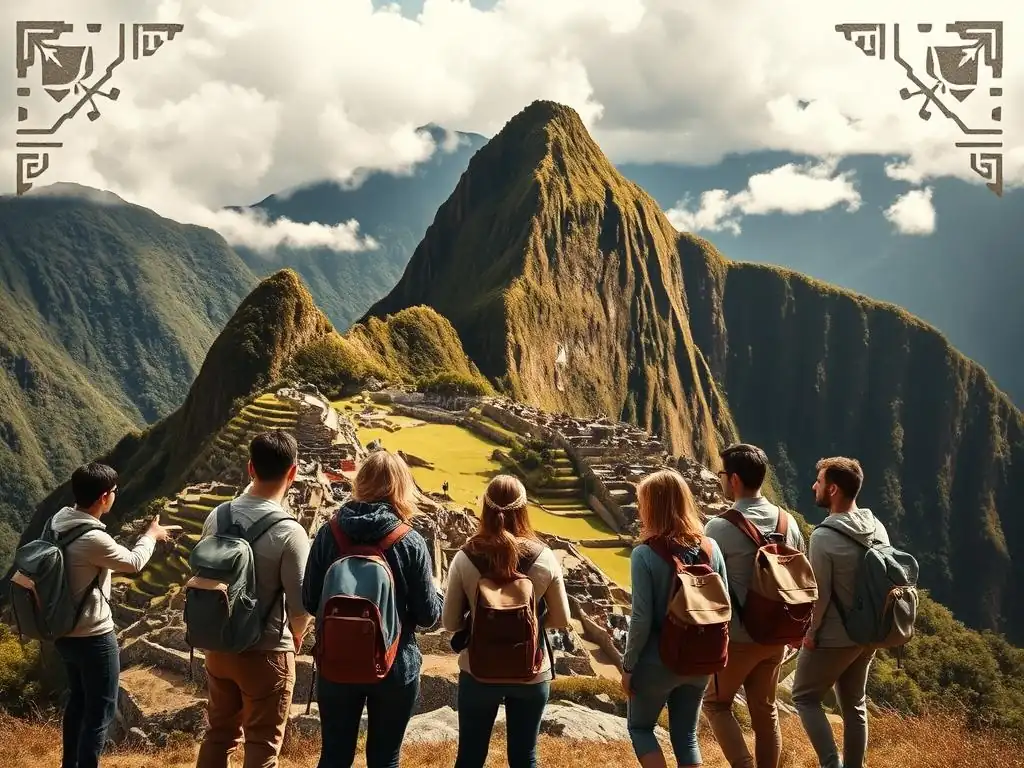
Visiting Machu Picchu is not just about witnessing the breathtaking views but also immersing oneself in the rich indigenous culture and history that surrounds this iconic site. To ensure a fulfilling experience, here are some practical tips that can enhance your journey.
- Book Your Tickets in Advance: Due to the site’s popularity, it’s crucial to reserve your tickets ahead of time. Online booking can save you from long queues and ensure you secure the desired date and time for your visit.
- Plan Your Visit Early in the Day: Arriving early allows you to experience the tranquility of Machu Picchu before the crowds arrive. The morning mist enveloping the ruins offers a magical atmosphere that enhances the experience.
- Wear Comfortable Footwear: The terrain can be uneven and steep, so it’s advisable to wear sturdy, comfortable shoes. This will help you navigate the pathways and terraces with ease.
- Stay Hydrated: Bring a refillable water bottle. While there are places to purchase beverages, staying hydrated is vital, especially if you plan to hike the surrounding trails.
- Consider Hiring a Guide: To truly appreciate the history and significance of Machu Picchu, hiring a knowledgeable guide can provide insights into the Inca civilization, architecture, and the stories behind the ruins.
Transportation Options to Reach Machu Picchu
Reaching Machu Picchu involves a combination of transport methods, each offering unique perspectives of the stunning landscapes.
- Train from Cusco or Ollantaytambo: The most popular way to reach Machu Picchu is by train. Two main companies, PeruRail and Inca Rail, offer picturesque journeys from Cusco or Ollantaytambo to Aguas Calientes, the town located at the base of Machu Picchu.
- Hiking the Inca Trail: For the adventurous traveler, hiking the Inca Trail is a rewarding option. This iconic trek typically takes four days and provides an immersive experience of the Andean landscape and ancient Inca sites along the way.
- Alternative Treks: If the Inca Trail is fully booked or you prefer a less crowded experience, consider alternative treks such as the Salkantay or Lares treks. Both routes offer stunning views and cultural interactions with indigenous communities.
- Bus from Aguas Calientes: Once in Aguas Calientes, a short bus ride will take you up to the entrance of Machu Picchu. Alternatively, hiking the steep path is an option for those looking for a physical challenge.
Essential Travel Tips for a Cultural Journey
When exploring Machu Picchu, understanding and respecting the indigenous culture is paramount. Here are some essential tips:
- Learn Basic Quechua Phrases: Familiarizing yourself with a few Quechua words can enhance your interactions with locals and show respect for their culture. Simple greetings and expressions of gratitude go a long way.
- Respect Sacred Spaces: Many areas within Machu Picchu hold significant cultural and spiritual importance to the indigenous people. Observing signage and guidelines will help preserve these sacred spaces.
- Participate in Local Markets: Taking time to visit local markets in Aguas Calientes can enrich your experience. Here, you can buy handmade crafts, sample traditional foods, and engage with indigenous vendors.
- Be Mindful of Your Impact: As a visitor, it’s essential to minimize your environmental footprint. Follow the Leave No Trace principles by taking your trash with you, staying on marked paths, and avoiding the disruption of wildlife.
Conclusion: The Enduring Legacy of Machu Picchu
Machu Picchu stands as a testament to the ingenuity and resilience of the Inca civilization. The site not only showcases advanced engineering and architectural prowess but also serves as a symbol of the deep-rooted connections between the land and its indigenous people.
Visiting Machu Picchu offers an opportunity to reflect on the enduring legacy of indigenous cultures in the Americas. As you walk through the ancient ruins, take a moment to appreciate the stories held within the stones, the rituals that once took place, and the vibrant traditions that continue to thrive among indigenous communities today. By understanding and honoring this rich history, visitors can gain a deeper appreciation for Machu Picchu as not just a remarkable destination, but a vital part of the cultural tapestry of the Americas.
Call to Action: Plan Your Visit to Machu Picchu
Planning a visit to Machu Picchu is an adventure that promises not only breathtaking views but also an immersive experience into the rich tapestry of indigenous culture and history of the Incas. To make the most of your journey to this extraordinary site, consider the following steps:
-
Research and Select Your Travel Dates
The best time to visit Machu Picchu is during the dry season, which runs from May to October. This period offers clear skies and pleasant temperatures, ideal for exploring the ruins. However, it is also the peak tourist season, so plan ahead to secure your accommodations and tickets.
-
Book Your Tickets in Advance
Entry to Machu Picchu is regulated to preserve its integrity and ensure an enjoyable experience for all visitors. Purchase your tickets online ahead of time to avoid long lines and ensure your spot on your desired date. Remember that tickets often sell out, especially during peak season.
-
Choose Your Route
There are several ways to reach Machu Picchu, including the famous Inca Trail, which requires a multi-day trek. For those seeking a less strenuous option, consider taking the train from Cusco or Ollantaytambo, offering stunning views along the way.
-
Prepare for Your Visit
- Packing Essentials: Ensure you bring comfortable walking shoes, a refillable water bottle, sunscreen, and a hat. A light rain jacket may also be beneficial, as weather can be unpredictable.
- Acclimatization: If you’re arriving from sea level, spend a few days in Cusco to acclimatize to the altitude before your visit to Machu Picchu.
-
Engage with Local Culture
While at Machu Picchu, take time to appreciate the indigenous culture that shaped this magnificent site. Consider hiring a local guide who can provide deeper insights into the history, architecture, and significance of the ruins. This not only enhances your experience but also supports the local community.
-
Respect the Environment
As you explore, remember that Machu Picchu is a UNESCO World Heritage site. Follow the designated paths, avoid littering, and respect the local flora and fauna to help preserve this incredible site for future generations.
-
Capture the Moment
Don’t forget your camera! The stunning vistas and intricate stonework of Machu Picchu are perfect for capturing memories. However, remember to be present and enjoy the moment as well.
Embarking on this journey to Machu Picchu is more than just a visit; it's an opportunity to connect with the incredible history and culture of the Incas. Start planning today to ensure an unforgettable adventure!
- Introduction to Machu Picchu and Indigenous Culture
- The Historical Context of Machu Picchu
- Exploring Machu Picchu: A Visitor's Guide
- Experiencing Inca Culture at Machu Picchu
- Practical Tips for Visiting Machu Picchu
- Conclusion: The Enduring Legacy of Machu Picchu
- Call to Action: Plan Your Visit to Machu Picchu
- What is Machu Picchu known for in indigenous culture?
- How does Machu Picchu reflect Inca history?
- What were some achievements of the Inca civilization at Machu Picchu?
- How has Machu Picchu influenced modern perceptions of indigenous cultures?
- Why is it important to study the indigenous cultures of the Americas, including Machu Picchu?
Frequently Asked Questions
What is Machu Picchu known for in indigenous culture?
Machu Picchu is renowned as a symbol of the Inca civilization, showcasing their advanced architectural techniques and deep connection to the Andean landscape.
How does Machu Picchu reflect Inca history?
Machu Picchu reflects Inca history through its sophisticated agricultural terraces, religious sites, and urban planning, highlighting the achievements of this remarkable indigenous culture.
What were some achievements of the Inca civilization at Machu Picchu?
The Inca civilization achieved innovative engineering, such as the construction of stone structures without mortar, advanced agriculture, and a complex road system connecting various regions.
How has Machu Picchu influenced modern perceptions of indigenous cultures?
Machu Picchu has significantly influenced modern perceptions by emphasizing the rich cultural heritage of indigenous peoples and encouraging recognition and appreciation of their history and achievements.
Why is it important to study the indigenous cultures of the Americas, including Machu Picchu?
Studying indigenous cultures, such as those at Machu Picchu, is vital for understanding their historical contributions, resilience, and the lasting impact they have had on global culture and identity.
Final Reflection: Embracing the Legacy of Machu Picchu
Machu Picchu stands as a testament to the ingenuity and resilience of the Inca civilization, reminding us of the profound connection between culture and history. In a world increasingly disconnected from its roots, the story of this lost city resonates deeply today, urging us to explore and appreciate the rich tapestry of indigenous cultures that have shaped our global heritage. The breathtaking ruins of Machu Picchu are not merely remnants of the past; they are vibrant symbols of a living history that continues to inspire and educate.
Cultural appreciation and understanding are essential in our modern society, as they foster respect for the diverse narratives that define our world. The influence of Machu Picchu extends beyond its geographical location; it serves as a bridge connecting us to the wisdom and traditions of the indigenous peoples of Peru. As we navigate the complexities of contemporary life, we must remember the words of the late Peruvian historian, José María Arguedas: To understand the world, we must first understand ourselves and our roots.
This insight encourages us to delve deeper into the histories that have shaped our identities, fostering a sense of belonging and respect for all cultures.
As you reflect on the journey through Machu Picchu, I invite you to consider how you can honor and celebrate the indigenous cultures that enrich our lives. Take a moment to explore your own heritage and the stories that have shaped you, and seek to engage with the histories of others. By doing so, you contribute to a greater understanding and appreciation of our shared human experience, ensuring that the legacy of Machu Picchu and the cultures it represents continue to thrive in the hearts and minds of future generations.
Embark on Your Own Adventure Today!
Thank you for diving into our exploration of Machu Picchu, a testament to the brilliance of Indigenous civilizations. We hope you’re inspired by the rich history, breathtaking landscapes, and cultural significance of this incredible site. Now, it’s your turn to discover more!
Here are some engaging steps you can take right now to deepen your connection with this wonder:
- Plan your own visit to Machu Picchu by researching travel options and itineraries that allow you to fully immerse yourself in its history.
- Join a local guided tour or workshop that delves into Indigenous cultures, helping you forge a deeper connection with the rich heritage of the area.
- Share your newfound knowledge by discussing this article with friends or family, and encourage them to appreciate the importance of preserving Indigenous sites.
As you consider your next steps, reflect on this: What meaningful connections can you build with Indigenous cultures during your journey to Machu Picchu?