
The Secrets of Machu Picchu: Insights into Incan Architecture and Society

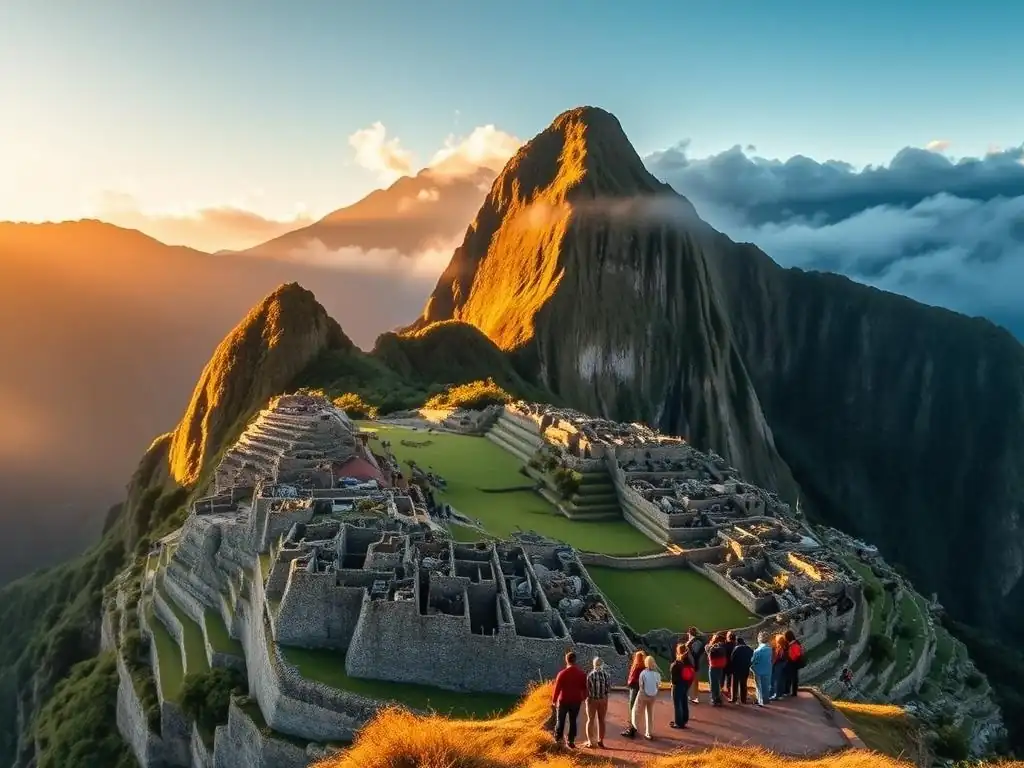
Welcome to Indigenous Civilizations of the Americas, where we invite you to embark on a fascinating journey through the rich tapestry of cultures that flourished across the continent long before European contact. In our featured article, “The Secrets of Machu Picchu: Insights into Incan Architecture and Society,” we delve deep into the remarkable achievements of the Incan civilization, revealing how their innovative architecture and complex societal structures continue to inspire awe and curiosity today.
Join us as we uncover the mysteries of Machu Picchu and explore the enduring legacy of indigenous cultures that have shaped the Americas. Your adventure into the past begins now!
Introduction to Incan Architecture and Society Insights
Machu Picchu, often referred to as the "Lost City of the Incas," stands as a remarkable testament to the ingenuity and sophistication of Incan architecture and society. Nestled in the Peruvian Andes, this ancient citadel not only showcases the architectural brilliance of the Inca civilization but also offers invaluable insights into their social structure, religious beliefs, and agricultural practices.
Understanding the intricate designs and the cultural significance of Machu Picchu allows us to appreciate the advanced capabilities of the Incas and their lasting influence on the region. This article aims to delve deeper into the secrets of Machu Picchu, exploring the architectural features that define Incan constructions and the societal dynamics that flourished within this remarkable civilization.
Historical Context of Incan Architecture
The Rise of the Inca Empire
The Inca Empire, which emerged in the early 15th century, was the largest empire in pre-Columbian America, stretching across modern-day Peru, Ecuador, Bolivia, and parts of Chile and Argentina. The rise of the Incas was marked by strategic military conquests, sophisticated administrative systems, and extensive agricultural innovations.
- Key Factors in the Rise:
- Territorial Expansion: The Incas utilized a combination of diplomacy and warfare to expand their territory.
- Engineering Skills: Advanced road systems and bridges facilitated trade and communication across vast distances.
- Resource Management: The Incas mastered the art of terrace farming, allowing them to cultivate crops in the challenging Andean environment.
As the empire grew, so did the complexity of their architectural endeavors, leading to the construction of monumental structures like Machu Picchu.
Societal Structure of the Incas
The Inca society was highly organized, with a hierarchical structure that played a crucial role in their architectural achievements. Understanding this societal framework is essential to comprehending the motivations behind their construction techniques and urban planning.
- Social Hierarchy:
- Sapa Inca: The emperor, considered a direct descendant of the sun god, held absolute power.
- Nobility: High-ranking officials, priests, and landowners who assisted in governance and religious practices.
- Commoners: Farmers, artisans, and laborers who formed the backbone of Incan society, often engaged in communal work known as mit'a.
This societal organization not only facilitated the construction of elaborate structures but also reflected the Incas' values of community and cooperation, enabling them to achieve remarkable feats in architecture and urban planning.
Key Features of Incan Architecture
Incan architecture is renowned for its distinctive features that reflect both the ingenuity of its builders and the culture of the society they served. One of the most notable aspects is the use of ashlar masonry, a technique where stones are cut to fit together perfectly without the need for mortar. This method not only provided impressive structural integrity but also showcased the Incas' advanced knowledge of geology and stoneworking.
Another key feature is the integration with the landscape. Incan structures were often built to harmonize with their natural surroundings, utilizing the terrain to enhance stability and aesthetics. The Incas also employed terracing to support agriculture in the steep Andean mountains, a practice that demonstrated their advanced understanding of environmental adaptation.
The use of large-scale public works, such as temples, administrative buildings, and agricultural infrastructure, is also a hallmark of Incan architecture. These structures served not only functional purposes but also reinforced the Inca's socio-political power and religious beliefs, embodying their reverence for the natural world and the cosmos.
Construction Techniques of the Incas
The construction techniques of the Incas were revolutionary for their time and remain a subject of admiration. The Incas employed a technique called "sillar", which involved shaping soft volcanic stones that hardened upon exposure to air. This stone was not only lightweight but also offered excellent insulation and durability, making it ideal for the variable climate of the Andes.
Additionally, the Incas utilized a method known as "pachakuti," or "earth-shaking," during seismic events. This technique involved the precise placement of stones, allowing structures to flex during earthquakes rather than crumble. This innovation is particularly evident in the walls of Machu Picchu, where the stones are laid in a way that permits movement while maintaining structural integrity.
The labor force responsible for these construction feats was organized into ayllus, or community groups, which facilitated cooperative work. This communal approach, combined with a deep understanding of local materials and environmental conditions, allowed the Incas to achieve remarkable architectural accomplishments across their vast empire.
Iconic Structures within Machu Picchu
Machu Picchu is home to several iconic structures that exemplify Incan architectural prowess. Among these, the Temple of the Sun stands out, featuring precisely cut stones that align with astronomical events. This temple served not only as a religious center but also as an observatory, highlighting the Incas' sophisticated understanding of celestial movements.
Another remarkable feature is the Intihuatana, often referred to as the "hitching post of the sun." This ritual stone was believed to hold spiritual significance, acting as a focal point for religious ceremonies and astronomical observations. The design of the Intihuatana reflects the Incas' deep connection to their beliefs about nature and the cosmos.
The Inca Trail leading to Machu Picchu is also an architectural marvel, comprised of a network of stone pathways and terraces that demonstrate the Incas' expertise in road construction and urban planning. The integration of these structures into the rugged Andean landscape serves as a testament to the Incas' ability to adapt and thrive in challenging environments.
Cultural Significance of Incan Architecture
Incan architecture holds profound cultural significance, serving as a reflection of the values, beliefs, and social organization of the Inca civilization. The structures were not merely functional; they were imbued with meaning and symbolism that reinforced the societal hierarchy and religious practices.
For the Incas, architecture was a means of expressing their connection to the natural world. Many structures were oriented to align with celestial bodies, emphasizing the importance of astronomy in their culture. This connection to nature was further manifested in the use of local materials and the incorporation of natural landscapes into their building designs.
Moreover, Incan architecture played a crucial role in statecraft. The construction of monumental structures such as fortresses, temples, and administrative buildings was a way to assert power and control over vast territories. These buildings served as physical representations of the Inca's authority and their divine right to rule, consolidating their influence across the empire.
Symbolism in Incan Building Designs
The symbolism embedded in Incan building designs is rich and multifaceted, often reflecting their cosmology, social stratification, and agricultural practices. For instance, many structures were oriented towards the sun, reflecting their reverence for Inti, the sun god, who was central to their religious beliefs. This alignment not only had spiritual implications but also demonstrated the Incas' advanced understanding of astronomy.
The use of specific shapes and patterns in architectural elements also carried symbolic meanings. Circular structures, for instance, were thought to represent the cyclical nature of life and the cosmos, while rectangular buildings often indicated stability and permanence. This symbolic language in architecture communicated the Incas' worldview and their relationship with the divine.
Additionally, the elaborate carvings and decorative elements found in many structures often depicted mythological themes and ancestral figures, serving to link the physical realm with the spiritual. This integration of art and architecture reinforced cultural identity and continuity, ensuring the transmission of values and beliefs across generations.
Influence of Incan Architecture on Modern Design
The influence of Incan architecture extends beyond historical admiration; it resonates in modern design principles and architecture. Contemporary architects and designers often draw inspiration from the sustainability and environmental integration exemplified by Incan practices. The careful consideration of local materials and topography in Incan construction serves as a model for modern sustainable architecture.
Moreover, the concepts of community-based construction and cooperative labor practices are increasingly relevant in today's architectural discourse. The Incan approach to building, which emphasized collaboration among community members, offers valuable lessons for modern urban planning and development.
In terms of aesthetics, the geometric precision and harmonious proportions of Incan structures continue to inspire architects worldwide. The emphasis on symmetry and alignment with natural features can be seen in various modern designs that aim to create spaces that resonate with their surroundings.
Overall, the legacy of Incan architecture is not only a testament to their ingenuity but also a source of inspiration for contemporary society, highlighting the enduring relevance of their cultural insights and design principles.
Visiting Machu Picchu: Insights for Travelers
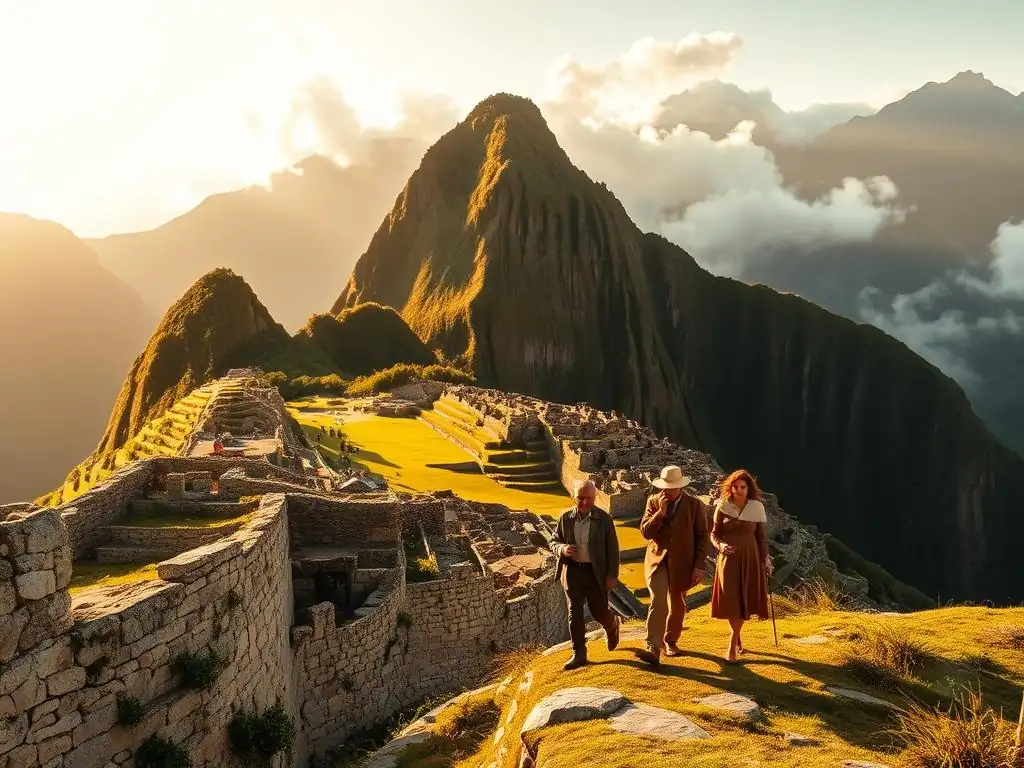
Machu Picchu, often referred to as the "Lost City of the Incas," stands as a testament to the ingenuity and sophistication of Incan architecture and society. For travelers looking to explore this iconic site, understanding its historical context and architectural marvels can significantly enhance their experience. Here are some essential insights to consider when planning your visit:
- Timing Your Visit: The best time to visit Machu Picchu is during the dry season, from April to October, when the weather is more favorable for hiking and sightseeing. Early morning visits offer stunning views and fewer crowds, providing an opportunity to experience the tranquility of the site.
- Cultural Significance: Recognizing the cultural importance of Machu Picchu is crucial. This UNESCO World Heritage Site was not only a royal estate but also a religious site for the Incas. Understanding its role in Incan society can deepen your appreciation as you walk through its ruins.
- Guided Tours vs. Independent Exploration: While independent exploration is appealing, guided tours can provide valuable insights into the site’s history, architecture, and significance. Many guides are knowledgeable about Incan culture and can share fascinating stories about the structures and their purposes.
Essential Tips for Exploring Incan Architecture
Exploring the architectural wonders of Machu Picchu requires some preparation to fully appreciate the site's layout and construction techniques. Here are several tips:
- Wear Comfortable Footwear: The terrain can be uneven and steep, so sturdy, comfortable shoes are essential. This will allow you to navigate the site safely while enjoying the stunning views.
- Stay Hydrated: Bring water to keep yourself hydrated, especially if you plan to hike up to the Sun Gate or other higher vantage points. The altitude can be challenging, so it's vital to take care of your body.
- Capture the Details: Incan architecture is known for its precise stonework and unique designs. Take your time to observe the intricate details, such as the trapezoidal doorways and the fitting of stones without mortar, which showcase the advanced engineering skills of the Incas.
- Respect the Environment: Machu Picchu is a fragile ecosystem. Follow the designated paths and avoid touching the structures to help preserve this ancient site for future generations.
Must-Have Products for Your Visit
To make your visit to Machu Picchu more enjoyable and comfortable, consider bringing along the following essential items:
- Daypack: A lightweight daypack for carrying your essentials (water, snacks, camera, etc.) is crucial for a day of exploration.
- Portable Charger: With the stunning photo opportunities at every turn, a portable charger can ensure your devices stay powered throughout the day.
- Sunscreen and Insect Repellent: Protect yourself from the sun and insects, especially during warmer months when you’ll be spending extended periods outdoors.
- Rain Gear: Weather in the Andes can be unpredictable, so having a lightweight rain jacket or poncho can help you stay dry in case of sudden showers.
Conclusion: Appreciating Incan Architecture and Society
Visiting Machu Picchu offers a unique opportunity to delve into the rich tapestry of Incan architecture and society. As you walk through the ancient structures, it is essential to reflect on the ingenuity of the Inca civilization—their ability to harmonize their architecture with the surrounding landscape and their advanced understanding of astronomy, agriculture, and engineering.
By taking the time to understand the significance of what you see, whether it's the agricultural terraces or the temples, you can gain deeper insights into the values and beliefs of the Incan society. The experience at Machu Picchu is not just about witnessing a historical site; it’s about connecting with the legacy of a remarkable culture that continues to inspire awe and admiration today. As travelers leave Machu Picchu, they carry with them not only memories of breathtaking views but also a profound respect for the achievements of the Inca civilization.
Further Reading and Resources
To deepen your understanding of Incan architecture and society, a variety of resources are available that explore the intricacies of Machu Picchu and the broader Incan civilization. Below are some recommended readings and materials that provide valuable insights:
Books
-
"The Inca Empire: The Formation and Disintegration of a Pre-Columbian State" by John H. Rowe
This comprehensive book delves into the political and social structures of the Inca Empire, offering an in-depth analysis of their achievements and architectural innovations.
-
"Machu Picchu: Unveiling the Mystery of the Inca's Lost City" by David M. Jones
A beautifully illustrated guide that explores the architectural marvels of Machu Picchu, providing historical context and archaeological findings.
-
"The Sacred Valley of the Incas" by Kenneth W. Hurst
This resource focuses on the Sacred Valley, detailing the cultural and architectural significance of the region, including Machu Picchu.
Documentaries
-
"Machu Picchu: The Last City of the Incas"
A compelling documentary that visually captures the essence of Machu Picchu and its architectural brilliance, while also discussing the societal aspects of the Incan civilization.
-
"Secrets of the Inca Trail"
This documentary follows the ancient Inca Trail to Machu Picchu, highlighting the engineering feats of the Incas and the cultural significance of their pathway systems.
Online Resources
-
The Machu Picchu Archaeological Park
The official park website features a wealth of information on its history, archaeological findings, and visitor resources, making it an excellent first stop for anyone interested in Incan culture.
-
The National Geographic Society
Their website offers articles and resources that cover various aspects of the Inca Empire, including their architectural techniques and societal structures.
Academic Journals
-
"Journal of Latin American Studies"
This journal often publishes research articles that explore the cultural and historical contexts of the Inca civilization, including studies specifically focused on Machu Picchu.
-
"Andean Studies"
A scholarly journal dedicated to the study of the Andean region, providing insights into archaeological findings, including those related to Incan architecture.
Museums
-
The Inca Museum (Museo Inka) in Cusco
This museum houses an impressive collection of Incan artifacts and provides a deeper understanding of their architectural and societal achievements.
-
The Museum of the American Indian
Located in Washington, D.C., this museum offers exhibitions that include insights into the cultures of the Americas, including the Inca civilization.
By exploring these resources, you can gain a richer perspective on the architectural ingenuity and societal complexities of the Inca civilization, enhancing your understanding of Machu Picchu and its lasting legacy.
- Introduction to Incan Architecture and Society Insights
- Historical Context of Incan Architecture
- Key Features of Incan Architecture
- Cultural Significance of Incan Architecture
- Visiting Machu Picchu: Insights for Travelers
- Essential Tips for Exploring Incan Architecture
- Conclusion: Appreciating Incan Architecture and Society
- Further Reading and Resources
- What is the significance of Machu Picchu in Incan architecture?
- How did Incan society influence their architectural styles?
- What materials were primarily used in Incan architecture?
- How does Incan architecture reflect their cultural values?
- What lasting impacts did Incan architecture have on modern society?
Frequently Asked Questions
What is the significance of Machu Picchu in Incan architecture?
Machu Picchu is a remarkable example of Incan architectural ingenuity, showcasing their advanced engineering and sophisticated urban planning.
How did Incan society influence their architectural styles?
Incan society was deeply rooted in religion and social organization, which heavily influenced their architectural styles, emphasizing harmony with nature and spiritual significance.
What materials were primarily used in Incan architecture?
The Incas primarily used local stone, particularly granite, for their structures, which provided durability and allowed them to create intricate designs without the use of mortar.
How does Incan architecture reflect their cultural values?
Incan architecture reflects their cultural values by integrating astronomical alignments, religious symbolism, and the importance of community, demonstrating their connection to the land and the cosmos.
What lasting impacts did Incan architecture have on modern society?
Incan architecture influences modern society through its sustainable building practices, integration with the environment, and as a source of inspiration for contemporary architectural designs.
Final Reflection: Unveiling the Timeless Legacy of Incan Architecture and Society
The exploration of Incan architecture and society insights reveals a profound connection between the past and our present. Today, as we navigate a world increasingly defined by rapid change and technological advancement, the enduring principles of sustainability, community, and ingenuity embodied in Machu Picchu resonate more than ever. The architectural marvels of the Incas not only showcase their advanced engineering skills but also reflect a society deeply attuned to its environment and values. This timeless legacy serves as a powerful reminder of the importance of harmonizing human endeavors with the natural world.
The influence of Incan architecture extends beyond historical significance; it continues to inspire contemporary design and cultural identity across the Andes and beyond. The intricate stonework and thoughtful urban planning of Machu Picchu invite us to reconsider our own approaches to architecture and community living. As we witness a resurgence in interest in sustainable practices, we can draw from the wisdom of the Incas, who built structures that have withstood the test of time. In every stone of Machu Picchu lies a story of resilience, ingenuity, and harmony with nature.
This quote encapsulates the essence of what we can learn from the Incan civilization and its architectural prowess.
As we reflect on the insights gained from the study of Incan architecture and society, I invite you to consider how these lessons can be applied in your own life. What aspects of sustainability, community, and innovation can you incorporate into your daily practices? Embrace the spirit of the Incas by fostering connections with your environment and community, and strive to create a legacy that honors the past while paving the way for a brighter future. Let the secrets of Machu Picchu inspire you to build not just structures, but also a society rooted in respect, resilience, and harmony.
Unveil the Mysteries of Machu Picchu!
Thank you for exploring the wonders of Machu Picchu with us! We hope you’ve gained valuable insights into the incredible Incan architecture and society. Now, it’s time to take your newfound knowledge to the next level and immerse yourself in the rich legacy of the Incas.
Here are some exciting actions you can take:
- Plan Your Journey: Discover ways to visit Machu Picchu and experience its breathtaking beauty firsthand. Start by researching travel options and finding the best times to go!
- Dive Deeper: Read more about Incan society and explore other archaeological sites that highlight the achievements of indigenous civilizations throughout the Americas.
- Share Your Insights: Connect with fellow history enthusiasts by sharing what you’ve learned! Post about your findings on social media or join an online discussion forum to engage with others.
What aspect of Incan culture intrigues you the most, and how do you plan to explore it further?