
The Role of Machu Picchu in Incan Civilization: A Historical Overview

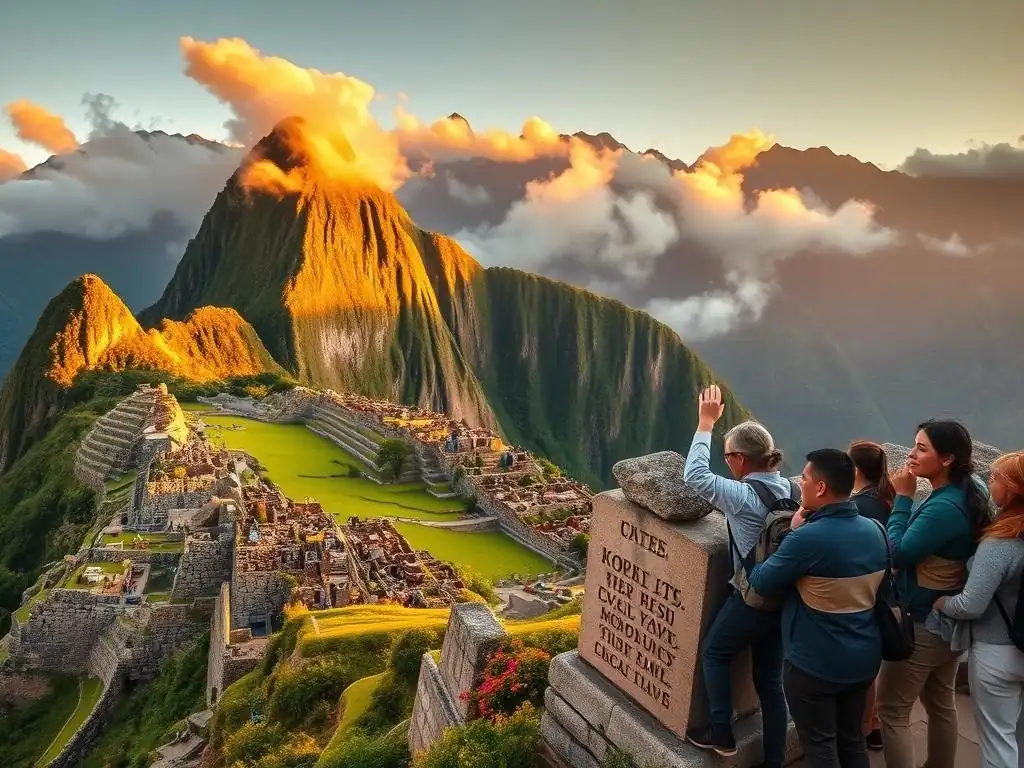
Welcome to Indigenous Civilizations of the Americas! Here, we invite you to embark on an enlightening journey through the rich tapestry of cultures that flourished long before European contact. Our featured article, "The Role of Machu Picchu in Incan Civilization: A Historical Overview," delves into the mysteries surrounding this iconic site, revealing the profound achievements and societal structures of the Incan civilization.
Discover how Machu Picchu stands as a testament to the ingenuity and resilience of indigenous peoples, and prepare to be captivated by the stories and legacies that continue to shape our understanding of history. Join us as we explore the vibrant cultures that once thrived across the Americas!
Introduction to Machu Picchu and Incan Civilization History
Machu Picchu, often referred to as the "Lost City of the Incas," stands as a testament to the remarkable ingenuity and cultural sophistication of the Incan civilization. Nestled high in the Andes Mountains of Peru, this iconic site not only showcases the architectural prowess and agricultural innovation of the Incas but also serves as a poignant reminder of their complex societal structures and profound spiritual beliefs.
Understanding the history of Machu Picchu is essential for appreciating its role within the broader narrative of Incan civilization, which flourished from the early 15th century until the Spanish conquest in the 16th century. This article will delve into the historical significance of Machu Picchu, exploring its origins, cultural context, and lasting impact on both the Incan society and the modern world.
Historical Context of Machu Picchu
Machu Picchu's history is deeply intertwined with the rise and expansion of the Incan Empire, a civilization known for its vast territorial reach and sophisticated systems of governance, agriculture, and engineering. To fully appreciate the significance of this remarkable site, it is essential to examine the factors that contributed to the Incan Empire's emergence and its eventual influence on the Andean region.
The Rise of the Incan Empire
The Incan Empire, or Tahuantinsuyu, emerged in the early 15th century under the leadership of Pachacuti, a ruler who transformed a small kingdom into a vast empire stretching from modern-day Colombia to Chile. The Incas are renowned for their advanced agricultural techniques, including terracing and irrigation, which allowed them to thrive in the diverse and often challenging Andean landscape.
Key achievements of the Incan civilization include:
- Road System: The Incas built an extensive network of roads, facilitating trade and communication across their vast empire.
- Architecture: Their architectural feats included the construction of stone buildings and temples that have stood the test of time, showcasing their mastery of masonry.
- Social Organization: The Incas developed a complex social structure, with a centralized government that implemented policies to maintain order and promote welfare among their subjects.
Machu Picchu, believed to have been built in the mid-15th century, likely served as a royal estate or religious site, reflecting the Incas' deep connection to their environment and spirituality.
The Discovery of Machu Picchu
Although Machu Picchu was constructed during the height of the Incan Empire, it remained largely unknown to the outside world after the Spanish conquest. It wasn't until 1911 that American historian Hiram Bingham re-discovered the site, bringing it to international attention. Bingham's exploration, although controversial, sparked interest in Incan culture and history, paving the way for archaeological studies that have revealed much about the site and its significance.
Today, Machu Picchu stands not only as a UNESCO World Heritage site but also as a symbol of indigenous resilience and the enduring legacy of the Incan civilization. Its preservation and the ongoing research surrounding it contribute to our understanding of the complexities of the Incan Empire and the rich tapestry of cultures that existed in the Americas prior to European colonization.
Architectural Significance of Machu Picchu
Machu Picchu stands as a monumental testament to the architectural prowess of the Incan civilization. Nestled high in the Andes Mountains at an altitude of approximately 2,430 meters (7,970 feet), this UNESCO World Heritage Site showcases the Incas' exceptional engineering skills and aesthetic sensibilities. The site features a remarkable integration of natural landscape and constructed elements, demonstrating a deep understanding of the surrounding environment.
The layout of Machu Picchu is characterized by its sophisticated terracing, which not only maximized agricultural productivity but also helped with soil conservation and water management. The Incas utilized locally sourced granite and limestone, cutting and fitting stones with such precision that mortar was unnecessary. This technique, known as ashlar masonry, has allowed many structures at Machu Picchu to withstand the test of time, even in the face of earthquakes.
Moreover, the construction of the site reflects the Incas' advanced understanding of astronomical alignments. Buildings such as the Intihuatana, or the "Hitching Post of the Sun," were strategically placed to align with the sun during solstices and equinoxes, showcasing the Incas' knowledge of celestial events and their significance in agricultural and religious practices.
Incan Engineering Marvels
The engineering achievements of the Incan civilization are vividly illustrated through Machu Picchu. The site demonstrates a mastery of hydraulic engineering, showcasing an intricate system of aqueducts and drainage systems that facilitated water supply and management. These structures were vital for both residential and agricultural activities, allowing the Incas to thrive in a challenging mountainous terrain.
In addition, the construction of terraces and agricultural fields at Machu Picchu is a prime example of innovative land use. The terraces, built into the slopes, not only expanded arable land but also reduced soil erosion and improved irrigation. This ingenuity reflects the Incas' adaptability to their environment, enabling them to sustain a growing population.
The use of advanced construction techniques, such as trapezoidal doorways and windows, further emphasizes the Incas’ engineering sophistication. These designs were not merely aesthetic; they also served practical purposes, such as providing structural stability and minimizing the impact of seismic activity.
Symbolism in Machu Picchu's Design
Machu Picchu is imbued with rich symbolism that reflects the spiritual and cultural beliefs of the Incan civilization. The layout and orientation of the site are meticulously planned, with key structures aligned to the cardinal points. This alignment underscores the Incas' reverence for nature and their belief in the interconnectedness of the cosmos.
The Intihuatana stone, a ritual stone associated with astronomy, serves as a focal point of the site. It is believed to have been used in ceremonies to harness the sun's energy, signifying the importance of the sun god, Inti, in Incan religion. This connection to celestial bodies not only highlights the Incas' architectural ingenuity but also their spiritual relationship with the universe.
Furthermore, the presence of various religious shrines and altars throughout Machu Picchu underscores the site’s significance as a ceremonial center. The careful placement of these structures reflects the Incas' understanding of the landscape, as well as their desire to create a space that honored their deities and reinforced their cultural identity.
Cultural Practices at Machu Picchu
Machu Picchu was not just an architectural wonder; it was also a vibrant center for cultural practices among the Incas. The site served as a royal estate and a religious sanctuary, playing a crucial role in the social and spiritual life of the civilization.
Daily Life and Social Structure of the Incas
The daily life at Machu Picchu was organized and stratified, reflecting the broader social structure of the Incan civilization. The Incas were known for their hierarchical society, with the Sapa Inca (the emperor) at the top, followed by nobles, priests, artisans, and farmers. Each group had designated responsibilities and roles within the community.
Inhabitants of Machu Picchu engaged in various activities, including agriculture, textile production, and pottery. The terraced fields surrounding the site were cultivated with crops such as maize, potatoes, and quinoa, which were staples of the Incan diet. The community also participated in communal work, known as "mit'a," where individuals contributed labor for the benefit of the community, reinforcing social bonds and collective responsibility.
The social structure was also closely tied to religious practices, with the presence of priests and religious leaders playing a significant role in everyday life. Rituals and ceremonies were frequently held to honor the gods, ensure agricultural fertility, and maintain harmony within the community.
Spiritual Practices and Rituals
Spirituality was deeply woven into the fabric of life at Machu Picchu. The Incas practiced a polytheistic religion, worshipping a pantheon of deities, with Inti, the sun god, holding a central position. Rituals were conducted to appease these gods, often involving offerings of food, textiles, and even animal sacrifices.
Ceremonial events, such as the Inti Raymi (Festival of the Sun), were held to celebrate the winter solstice and ensure the sun's return. These festivities included music, dance, and elaborate rituals, showcasing the cultural richness and spirituality of the Incas.
Machu Picchu's architecture also served as a backdrop for spiritual practices. The Intihuatana stone, along with other shrines, was central to these rituals, believed to connect the physical and spiritual realms. The careful construction and orientation of these structures demonstrate the Incas' profound understanding of their environment and the importance of fostering a harmonious relationship with the divine.
Machu Picchu was not only an architectural marvel but also a vital center for cultural practices, embodying the complexities of Incan society, spirituality, and their deep connection to the natural world.
Decline of the Incan Civilization and Machu Picchu
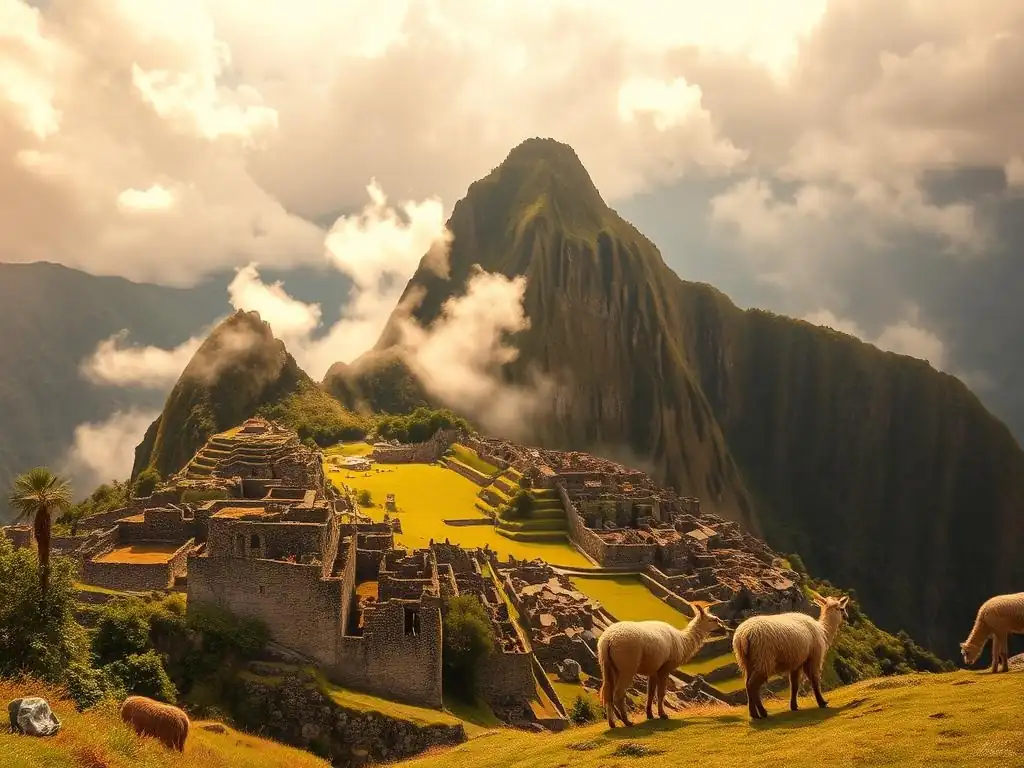
The decline of the Incan civilization marked a significant turning point in history, with Machu Picchu playing a pivotal role in understanding this transformation. The Incan Empire, once a powerful and expansive civilization, faced numerous challenges that contributed to its downfall by the late 16th century. Machu Picchu, often referred to as the "Lost City of the Incas," serves as a symbol of both the empire's brilliance and its fragility.
Following the Spanish conquest in 1532, the Incan society was drastically altered. Internal strife, exacerbated by civil wars between rival factions, weakened the empire's cohesion. The Spanish introduced new diseases, such as smallpox, which decimated the indigenous population, further destabilizing the empire. As a strategic fortress and religious site, Machu Picchu was abandoned by the Incas, who fled to protect themselves from the encroaching threat of Spanish colonization. This retreat marked a significant turning point in the fate of the Incan civilization, as the once-thriving society began to dissolve.
Factors Leading to the Fall of the Incan Empire
Several critical factors contributed to the decline of the Incan Empire, with direct implications for Machu Picchu and its legacy:
- Spanish Conquest: The arrival of Spanish conquistadors, led by Francisco Pizarro, initiated a violent takeover of the Incan territories. The capture and execution of Emperor Atahualpa in 1533 significantly weakened Incan leadership.
- Civil War: Prior to the Spanish conquest, the Incan Empire was embroiled in a civil war between Atahualpa and his half-brother Huáscar. This conflict drained resources and divided the empire, making it more vulnerable to external threats.
- Diseases: The introduction of European diseases had catastrophic effects on the Incan population, which lacked immunity. The loss of life from epidemics disrupted social structures and diminished the labor force.
- Geographical Challenges: The Incan Empire's vast territory included diverse landscapes, which presented logistical challenges in communication and resource management. This geographical complexity hindered the empire's ability to respond to threats swiftly.
These factors combined to create a perfect storm of decline, leading to the eventual loss of power and influence of the Incan civilization.
The Legacy of Machu Picchu in Modern Times
Machu Picchu continues to captivate the imagination of visitors and scholars alike, serving as a testament to the ingenuity of the Incan civilization. Its legacy extends beyond archaeology; it plays an essential role in the cultural and economic landscape of modern Peru.
The site has become a symbol of indigenous resilience and heritage, attracting millions of tourists each year. The preservation efforts and educational programs surrounding Machu Picchu have fostered a deeper understanding of Incan history and culture, encouraging respect for indigenous traditions.
Machu Picchu as a UNESCO World Heritage Site
In 1983, UNESCO designated Machu Picchu as a World Heritage Site, recognizing its cultural significance and outstanding universal value. This designation has led to increased global awareness and protection efforts, ensuring the preservation of the site for future generations. The recognition underscores the importance of Machu Picchu not just as a tourist destination, but as a vital piece of human history that showcases the architectural and engineering prowess of the Incan civilization.
The UNESCO status has also stimulated economic growth in the region, enabling local communities to benefit from tourism while promoting sustainable practices. As a result, Machu Picchu now serves as a model for balancing heritage preservation with modern development.
The Influence of Machu Picchu on Contemporary Culture
Machu Picchu's impact on contemporary culture is profound, influencing art, literature, and popular media. It has inspired countless works, ranging from novels and films to visual art, often symbolizing the quest for lost civilizations and the enduring spirit of indigenous peoples.
In addition, Machu Picchu has become a focal point for discussions surrounding cultural heritage and environmental conservation. It prompts conversations about the importance of preserving indigenous knowledge and recognizing the contributions of native cultures to global history.
The site also plays a critical role in the resurgence of Andean identity, as many descendants of the Incas embrace their heritage and promote cultural pride. Machu Picchu stands as a powerful reminder of the rich history of the Incan civilization and its ongoing legacy in the modern world.
Conclusion: The Enduring Importance of Machu Picchu in Incan Civilization History
Machu Picchu stands as a monumental testament to the ingenuity and sophistication of the Incan civilization. Its construction, nestled high in the Andes mountains, showcases remarkable architecture and engineering skills that have fascinated historians and archaeologists alike. The site's enduring importance lies not only in its physical structure but also in its cultural and spiritual significance to the Inca people.
Architectural Marvel
The architectural brilliance of Machu Picchu reflects the advanced techniques employed by the Incas. The precise stonework, with stones expertly fitted without mortar, demonstrates their understanding of structural integrity and earthquake resistance. This attention to detail has allowed Machu Picchu to endure centuries of natural elements, making it a vital link to understanding Incan engineering practices. The layout of the site, with agricultural terraces, religious temples, and residential areas, illustrates a well-planned community that catered to various aspects of Incan life.
Cultural Significance
Beyond its architectural feats, Machu Picchu served a crucial role in the religious and cultural practices of the Incan civilization. It is believed to have been a royal estate, a sacred site for rituals, and a center for astronomical observations. The Intihuatana stone, often referred to as the "Hitching Post of the Sun," highlights the Incas' deep reverence for the sun and their understanding of celestial movements. This connection to spirituality and nature illustrates how integral these elements were to Incan identity.
Economic Impact
Machu Picchu also played a vital economic role within the Incan Empire. The terraced farming systems not only provided sustenance for its inhabitants but also contributed to the broader agricultural practices of the empire. The site was strategically located along important trade routes, facilitating commerce and communication between different regions. This economic connectivity helped sustain the Incan civilization, enabling it to thrive in the diverse ecological zones of the Andes.
Modern Legacy
Today, Machu Picchu continues to capture the imagination of visitors from around the world. Its status as a UNESCO World Heritage Site and one of the New Seven Wonders of the World underscores its global significance. The site is a symbol of resilience, representing the rich history of the indigenous peoples of the Americas and their lasting contributions to world heritage. As a focal point for tourism and education, Machu Picchu helps foster a greater appreciation for the complex narratives that shaped the Incan civilization and the Americas as a whole.
The historical overview of Machu Picchu within Incan civilization reveals its multifaceted importance—architecturally, culturally, economically, and in contemporary society. As we continue to explore and learn from these ancient achievements, Machu Picchu remains a beacon of the ingenuity of the Incan people and a vital part of our collective history.
- Introduction to Machu Picchu and Incan Civilization History
- Historical Context of Machu Picchu
- Architectural Significance of Machu Picchu
- Cultural Practices at Machu Picchu
- Decline of the Incan Civilization and Machu Picchu
- Factors Leading to the Fall of the Incan Empire
- The Legacy of Machu Picchu in Modern Times
- Conclusion: The Enduring Importance of Machu Picchu in Incan Civilization History
- What was the significance of Machu Picchu in Incan civilization history?
- How did the Incan civilization influence the construction of Machu Picchu?
- What are some key features of Machu Picchu that reflect Incan culture?
- How does Machu Picchu contribute to our understanding of indigenous cultures in the Americas?
- What is the lasting impact of Machu Picchu on modern society?
Frequently Asked Questions
What was the significance of Machu Picchu in Incan civilization history?
Machu Picchu served as a royal estate and a religious site, showcasing the architectural ingenuity of the Incan civilization and its connection to Andean spirituality.
How did the Incan civilization influence the construction of Machu Picchu?
The Incan civilization utilized advanced engineering techniques and an understanding of the local topography, allowing them to create a site that was both functional and aesthetically pleasing.
What are some key features of Machu Picchu that reflect Incan culture?
Machu Picchu includes terraces, temples, and residential areas, all designed with a focus on astronomy and agriculture, reflecting the Incan people's deep understanding of their environment.
How does Machu Picchu contribute to our understanding of indigenous cultures in the Americas?
Machu Picchu highlights the sophistication of indigenous cultures, illustrating their social structures, religious beliefs, and technological advancements prior to European colonization.
What is the lasting impact of Machu Picchu on modern society?
Machu Picchu remains a symbol of cultural heritage, attracting tourists and researchers alike, while raising awareness about the importance of preserving indigenous history and traditions.
Final Reflection: Machu Picchu's Enduring Legacy in Incan Civilization History
The exploration of Machu Picchu's role in Incan civilization history reveals a profound connection between the past and the present. As we navigate through modernity, the significance of this ancient site transcends mere historical curiosity; it serves as a reminder of the ingenuity and resilience of a civilization that thrived in harmony with nature. Today, Machu Picchu stands not only as a UNESCO World Heritage site but also as a symbol of cultural pride and a testament to human achievement in architecture and agriculture.
The influence of Machu Picchu extends far beyond its stone walls and breathtaking vistas. It embodies the spirit of a civilization that valued community, sustainability, and a deep connection to the earth.
The ongoing fascination with Machu Picchu in contemporary society reflects our collective yearning to understand our roots and the lessons they impart. As historian Hiram Bingham once noted, “Machu Picchu is a place where the past meets the present, inviting us to reflect on our journey.” > This sentiment captures the essence of how this site continues to inspire generations, urging us to appreciate the wisdom of those who came before us.
As we conclude our exploration of Machu Picchu and its pivotal role in Incan civilization, I invite you to reflect on what this ancient wonder teaches us today. Consider how the principles of sustainability, community, and respect for nature can be integrated into your own life. Let the story of Machu Picchu inspire you to seek a deeper understanding of your own heritage and to honor the legacies that shape our world. Embrace the call to action: to learn, to preserve, and to celebrate the rich tapestry of history that connects us all.
Uncover the Wonders of Incan Legacy!
Thank you for exploring the fascinating role of Machu Picchu in the rich tapestry of Incan civilization. Your curiosity about this iconic site not only deepens your understanding but also bridges the past with our world today. Now, let's take your journey further!
Here are some **actionable steps** you can take right now:
- Plan a visit to Machu Picchu: Immerse yourself in the beauty and history by booking a guided tour to experience this wonder first-hand.
- Explore further: Dive into articles about Incan culture or other archaeological sites that shaped Indigenous civilizations across the Americas.
- Share your insights: Discuss what you've learned with friends or on social media—your sharing could inspire others to appreciate our world’s history!
What aspect of Incan civilization surprises you the most and why?