
Clothing as Identity: Understanding the Symbolism Behind Indigenous Attire

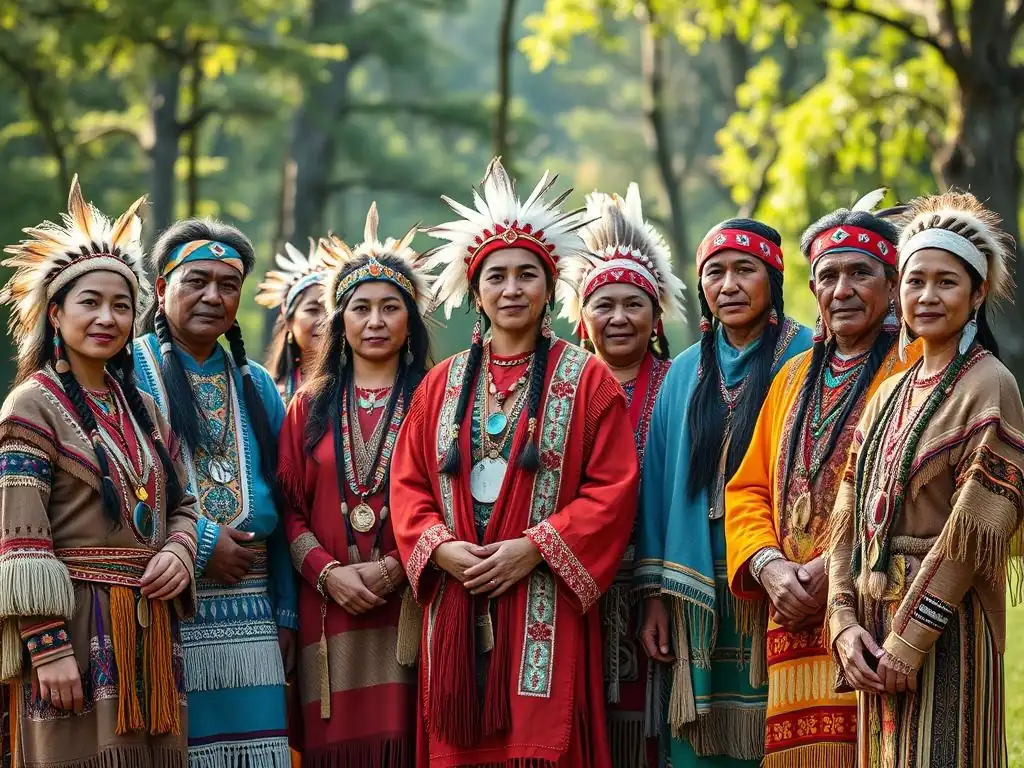
Welcome to Indigenous Civilizations of the Americas—a portal into the rich tapestry of cultures that flourished long before European contact. Here, we dive deep into the intriguing world of indigenous clothing symbolism in the Americas. Discover how attire transcends mere fabric, weaving stories of identity, tradition, and profound meaning.
As you explore our latest article, “Clothing as Identity: Understanding the Symbolism Behind Indigenous Attire,” prepare to uncover the vibrant narratives that these garments hold and the enduring legacy of the peoples who wore them. Your journey into the heart of indigenous heritage begins now—are you ready to unravel the significance behind what they wore?
- Introduction to Indigenous Clothing Symbolism in the Americas
- Historical Context of Indigenous Clothing in the Americas
- Cultural Significance of Indigenous Attire
- Symbolism Embedded in Specific Indigenous Clothing
- Contemporary Perspectives on Indigenous Clothing Symbolism
- Conclusion: The Lasting Legacy of Indigenous Clothing Symbolism in the Americas
-
Frequently Asked Questions
- What is the significance of indigenous clothing symbolism in the Americas?
- How does clothing represent cultural identity among indigenous peoples?
- Are there specific materials used in indigenous attire that hold symbolic meaning?
- How does the symbolism of clothing differ among various indigenous tribes?
- What role does traditional attire play in modern indigenous communities?
- Final Reflection: The Enduring Power of Indigenous Clothing Symbolism
- Embrace Your Identity Through Fashion!
Introduction to Indigenous Clothing Symbolism in the Americas
Clothing holds a profound significance in the lives of Indigenous peoples across the Americas, serving not only as a means of protection and warmth but also as a vital expression of identity, culture, and spirituality. The diverse indigenous cultures that flourished long before European contact developed unique attire that reflects their histories, beliefs, and social structures.
This article delves into the intricate world of indigenous clothing symbolism in the Americas, exploring how garments convey messages and meanings that transcend mere fashion. By understanding the symbolism behind indigenous attire, we can gain insight into the rich tapestry of traditions and values that continue to shape the identities of these communities today.
The Importance of Clothing in Indigenous Cultures
In Indigenous societies, clothing is far more than just a practical necessity; it is a powerful medium of cultural expression and communication. Each piece of clothing can represent:
- Status and Role: Different garments can signify a person's social standing, community role, or achievements. For instance, certain regalia may be worn only by leaders or during specific ceremonies.
- Cultural Heritage: Traditional attire often features patterns, colors, and materials that reflect a community's history and environment. These elements serve to preserve and transmit cultural narratives from one generation to the next.
- Spiritual Beliefs: Many Indigenous peoples believe that clothing can carry spiritual significance. For example, specific designs may be imbued with protective qualities or blessings, connecting the wearer to the spiritual realm.
The significance of clothing in Indigenous cultures can also be seen in the rituals and ceremonies where distinct attire is donned, highlighting the deep connections between identity, spirituality, and community.
Overview of Indigenous Clothing Symbolism
Indigenous clothing symbolism varies widely across different cultures and regions, reflecting the diversity of the Americas. However, several common themes emerge that illustrate the importance of clothing in conveying meaning.
- Materials and Techniques:
- The choice of materials—such as cotton, wool, feathers, or animal hides—often carries symbolic weight, with certain materials being associated with specific cultural practices or environmental conditions.
- Traditional techniques, such as weaving, embroidery, and beadwork, are not just artistic expressions; they can embody ancestral knowledge and community identity.
- Color Significance:
- Colors in Indigenous clothing frequently have specific meanings. For instance, red may symbolize strength, while blue can represent harmony and peace.
- The use of color is often intentional, with certain hues reserved for ceremonial occasions to invoke specific spiritual energies.
- Patterns and Designs:
- Geometric shapes and natural motifs often appear in Indigenous clothing, each carrying its own story or significance. For example, spiral patterns may symbolize growth or continuity, while animal forms can represent various cultural beliefs and relationships to nature.
By examining these elements, we can start to appreciate the depth of meaning embedded in Indigenous clothing. Understanding these symbols not only honors the cultural heritage of Indigenous peoples but also enriches our appreciation for their enduring legacies and the stories woven into every garment.
Historical Context of Indigenous Clothing in the Americas
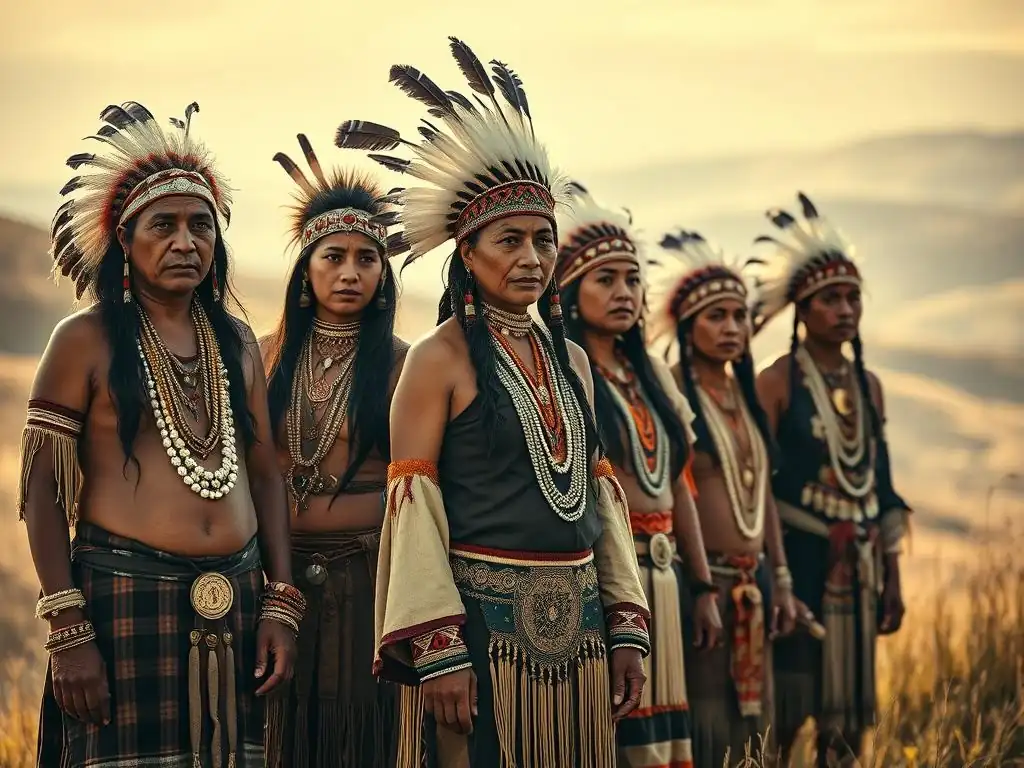
Indigenous clothing in the Americas is a profound reflection of the cultural identities, social structures, and environmental contexts of various tribes and nations. Before European contact, indigenous peoples developed rich textile traditions that embodied their daily lives, beliefs, and values. Clothing was not merely functional; it served as a medium for storytelling, showcasing personal and communal histories, and expressing social status.
The historical context of indigenous clothing can be traced back thousands of years, where different regions of the Americas showcased unique styles influenced by climate, available resources, and cultural practices. In warmer climates, such as Mesoamerica, lighter fabrics and less layered clothing were prevalent, while in colder regions, like the Arctic, heavier animal skins and layered garments were necessary for survival.
Moreover, indigenous clothing also played a crucial role in ceremonial practices and rituals. Many garments were imbued with spiritual significance and were worn during important life events such as marriages, funerals, and rites of passage. The colors, patterns, and materials used often conveyed deeper meanings, reflecting the beliefs and values of the respective communities.
Evolution of Indigenous Attire Through the Ages
The evolution of indigenous attire is a fascinating journey through time, marked by adaptation and innovation. In pre-colonial times, indigenous peoples across the Americas utilized natural resources to create clothing that was functional and symbolic. For instance, the Inuit people fashioned garments from animal skins, fur, and sinew, designed to provide insulation against the harsh Arctic climate.
As European colonization began, indigenous attire underwent significant transformations. The introduction of new materials, such as wool and cotton, influenced traditional clothing styles. Some indigenous groups began to incorporate these materials into their attire, merging European influences with their established traditions. This blending of styles often resulted in unique garments that maintained the symbolism of indigenous clothing while adapting to new realities.
Despite these changes, many indigenous communities have fiercely preserved their traditional clothing practices. Revivals of traditional attire have occurred, particularly in the late 20th century, as indigenous peoples sought to reclaim their cultural identities in the face of globalization and cultural assimilation. Today, indigenous clothing continues to evolve, reflecting contemporary challenges and innovations while honoring ancestral traditions.
Key Materials Used in Traditional Indigenous Clothing
The materials used in traditional indigenous clothing are diverse and region-specific, often reflecting the resources available in their environments. Here are some key materials commonly utilized:
- Animal Skins and Furs: Essential for warmth, indigenous peoples in colder climates relied heavily on animal skins from deer, seals, and bears. For example, the Navajo utilized sheepskin for their traditional garments, while the Inuit crafted clothing from seals and polar bear fur.
- Plant Fibers: Many indigenous groups utilized plant fibers for weaving textiles. The Maya civilization, for example, was known for its intricate cotton textiles, which were dyed with natural pigments. Other plant materials, such as bark from trees, were also used in certain regions.
- Feathers and Beads: Decorative elements such as feathers and beads played a significant role in indigenous attire. The Plains tribes often adorned their clothing with feathers from birds like eagles and hawks, symbolizing status and bravery. Beaded patterns told stories and conveyed cultural significance.
- Dyes and Natural Pigments: The use of dyes from plants and minerals allowed indigenous peoples to create vibrant colors in their textiles. For example, the Zapotec of Oaxaca used cochineal insects to produce a rich red dye that became emblematic of their textiles.
Understanding these materials is essential to grasping the indigenous clothing symbolism in the Americas, as they often carry meanings that go beyond aesthetics, reflecting the connection between the people and their environment.
Regional Variations in Indigenous Clothing Symbolism
Indigenous clothing symbolism varies significantly across regions, each with its own unique meanings and cultural significance. Here are a few notable examples:
- Northwest Coast: In this region, indigenous attire often features intricate designs and vibrant colors. The use of totem pole motifs and animal symbols represents clan lineage and spiritual beliefs. For instance, the Haida people often wore woven hats adorned with symbols that identified their family lineage.
- Great Plains: Here, clothing often symbolizes the relationship between the people and the buffalo, a vital resource for survival. The Lakota used buffalo hides not only for clothing but also to signify strength and resilience. The adornment of clothing with beadwork often depicted stories of bravery and community heritage.
- Mesoamerica: In cultures such as the Maya and Aztec, clothing served to denote social status and identity. The use of color-coded garments indicated rank, with royalty often wearing elaborate, intricately woven textiles. Patterns and motifs in their clothing often referenced their cosmology and mythology.
- Andean Region: Indigenous peoples in the Andes, such as the Quechua and Aymara, utilize textiles as a means of cultural expression. Their clothing often features vibrant colors and geometric patterns, symbolizing elements of nature and the spiritual world. Each pattern can convey specific messages about the wearer’s identity and community.
Each region's clothing reflects the rich tapestry of indigenous cultures, encapsulating their histories, values, and connections to the land. Understanding these regional variations enhances our appreciation for indigenous clothing symbolism in the Americas, revealing the depth of meaning woven into every garment.
Cultural Significance of Indigenous Attire
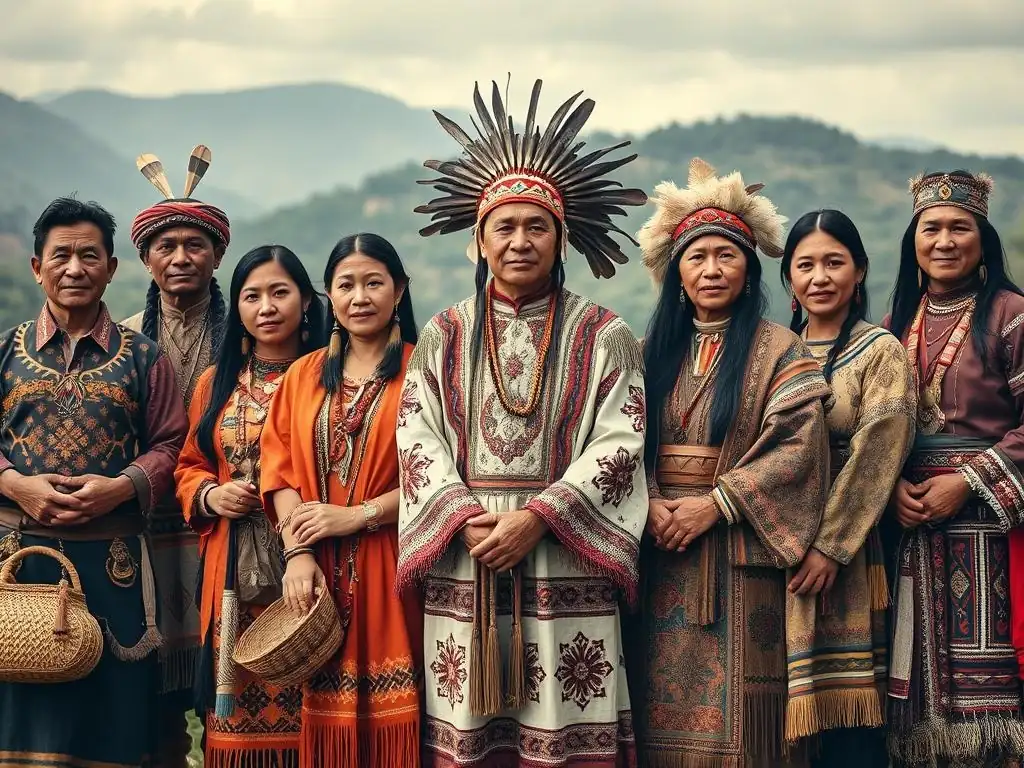
Indigenous clothing symbolism in the Americas transcends mere functionality; it embodies deep cultural narratives, individual identity, and social structures. Each garment, textile, and accessory is meticulously crafted, resonating with stories, beliefs, and values that have been passed down through generations. Understanding the richness of indigenous attire allows us to appreciate the intricate ways in which these societies express their heritage and identity.
The Role of Clothing in Identity Formation
Clothing serves as a powerful medium through which individuals express their cultural heritage and personal identity. In many indigenous communities, attire is often linked to specific tribal affiliations or regional identities. For instance:
- Distinct Patterns and Colors: Unique designs and color schemes are representative of different tribes or communities. For example, the vibrant patterns of the Navajo textiles often tell stories of their land, history, and beliefs.
- Traditional Attire: Specific garments, such as the Huichol beaded jackets or the Inuit parkas, are not merely clothing; they signify belonging to a particular cultural group. These garments are often worn during ceremonies or gatherings, reinforcing community bonds and shared identity.
- Gender Roles and Identity: Clothing can also reflect gender roles within indigenous societies. For instance, among the Lakota, men traditionally wear breechcloths while women don long, flowing dresses known as "traditional dresses," which may carry distinct symbolism related to femininity and motherhood.
The choice of clothing often carries a narrative, linking individuals to their ancestors and the cultural practices of their community. The act of wearing traditional attire is, therefore, not just about aesthetics; it is a reaffirmation of one’s identity and heritage.
Social status within indigenous communities is often mirrored in clothing choices and adornments. Different elements of attire can signify various social roles and hierarchies. Key aspects include:
- Materials and Craftsmanship: The use of specific materials, such as finely woven textiles or rare feathers, can indicate wealth and social standing. For example, the intricate beadwork of the Plains Indians' garments may require extensive skill and time, often denoting the wearer's high social status.
- Ceremonial Regalia: Many indigenous cultures have specific garments reserved for ceremonial use, which are often more elaborate and richly adorned than everyday clothing. These ceremonial outfits serve as markers of high rank, leadership, or special roles within the community.
- Color Symbolism: Colors in indigenous clothing often carry significant meanings tied to social status. For instance, in some cultures, bright colors may symbolize authority or power, while muted tones may denote humility or service.
Through clothing, indigenous peoples convey messages about their roles within the community, their achievements, and their connections to heritage, creating a powerful visual language of status and identity.
Spiritual and Ceremonial Significance of Attire
Clothing in many indigenous cultures is deeply intertwined with spirituality and ceremonial practices. The significance of attire in these contexts is profound, often serving as a bridge between the physical and spiritual worlds. Important considerations include:
- Ceremonial Clothing: Specific garments are worn during rituals and ceremonies, reflecting the sacredness of the occasion. For instance, the use of feathered headdresses among various tribes symbolizes a connection to the divine and is often worn by spiritual leaders during important ceremonies.
- Symbolic Colors and Patterns: Many designs hold spiritual meanings, often derived from natural elements or ancestral stories. For example, the use of earth tones in clothing can represent a deep connection to the land and its resources, while geometric patterns may symbolize the cosmos and the interconnectedness of life.
- Ritualistic Practices: The act of dressing for a ceremony is often ritualistic in itself, embodying respect for cultural traditions. The preparation and adornment signify readiness to engage with the spiritual realm, reinforcing the belief that clothing can influence one's spiritual journey.
In essence, indigenous clothing symbolism in the Americas is a vital aspect of cultural identity, social structure, and spiritual expression. Understanding these layers enhances our appreciation of the diverse and rich traditions of indigenous peoples, allowing for a deeper connection to their history and ongoing legacies.
Symbolism Embedded in Specific Indigenous Clothing
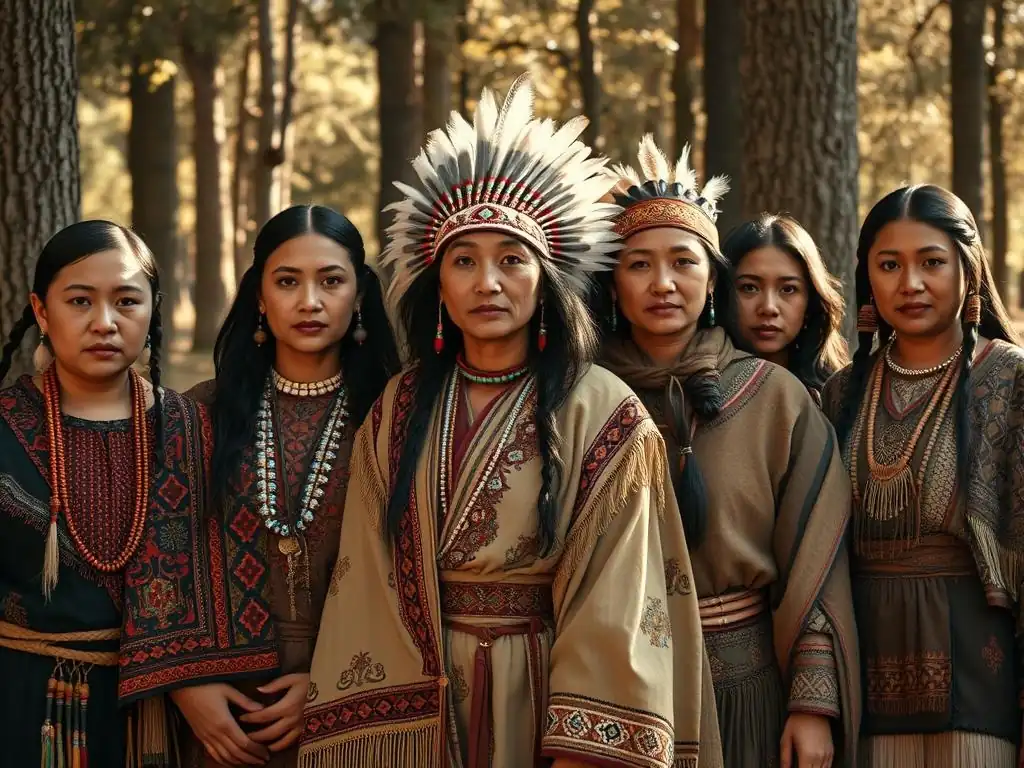
Indigenous clothing symbolism in the Americas is deeply rooted in cultural identity, spirituality, and regional history. Each piece of attire conveys messages about the wearer's community, beliefs, and life experiences. This symbolism is articulated through various elements, including patterns, colors, and adornments, which serve not only aesthetic purposes but also communicate important cultural narratives.
Patterns and Designs: Meaning and Interpretation
Patterns and designs in indigenous clothing are often rich with meaning, reflecting the worldview and traditions of the community. For example:
- Geometric Shapes: Many indigenous groups use geometric patterns to symbolize natural elements, such as water, mountains, and animals. Among the Navajo, the use of diamond patterns can represent the concept of balance and harmony in life.
- Nature-Inspired Motifs: Designs that incorporate representations of flora and fauna are prevalent. For instance, the intricate depictions of feathers, leaves, and animals in the clothing of the Plains tribes often signify a deep connection to nature and a philosophy of living in harmony with the environment.
- Cultural Narratives: Some clothing features designs that tell stories or convey historical significance. The Huichol people of Mexico, for instance, incorporate visual storytelling into their garments through vibrant beadwork that narrates their mythology and ancestral tales.
Every stitch and pattern is a reflection of the community's identity and heritage, serving as a medium to preserve and transmit cultural knowledge across generations.
Colors and Their Symbolic Representations
Colors hold profound significance in indigenous clothing, often representing various aspects of life, spirituality, and social status. Here are some common interpretations:
- Red: Frequently symbolizes life and vitality. In many indigenous cultures, red is associated with the earth and blood, representing strength and courage.
- Black: Often signifies the unknown or the spiritual realm. In some traditions, black is also linked to the concept of death and rebirth, representing transformation.
- White: Represents purity, peace, and the spiritual world. For various tribes, white is a color of protection and is used in ceremonial attire.
- Yellow and Gold: These colors are associated with wealth, prosperity, and the sun. In certain cultures, gold hues are used during celebrations and rituals to invoke abundance.
Understanding the colors used in indigenous clothing can provide deeper insights into the values and beliefs of different communities, illustrating how these choices are connected to their cultural identity.
Accessories and Adornments: Cultural Implications
Accessories and adornments in indigenous clothing not only enhance the aesthetic appeal but also serve as vital symbols of identity and status:
- Jewelry: Beaded necklaces, earrings, and bracelets often carry significant meanings. For instance, among the Lakota, specific beadwork patterns can denote clan membership or personal achievements, serving as markers of social identity.
- Headgear: Feathered headdresses are emblematic in various cultures, particularly among the Plains tribes. These adornments are often awarded for acts of bravery and are worn during ceremonies, symbolizing honor and leadership.
- Sashes and Belts: These items can signify marital status, rank, or tribal affiliation. In some cultures, the way a belt or sash is tied can convey messages about the individual's role within the community.
The use of accessories in indigenous clothing exemplifies the intricate relationship between personal identity and cultural heritage, highlighting the importance of adornment as a form of expression and storytelling within indigenous societies.
By exploring the symbolism embedded in indigenous clothing, we gain a nuanced understanding of the cultures that created them, revealing how attire serves as a vital expression of identity and heritage across the Americas.
Contemporary Perspectives on Indigenous Clothing Symbolism
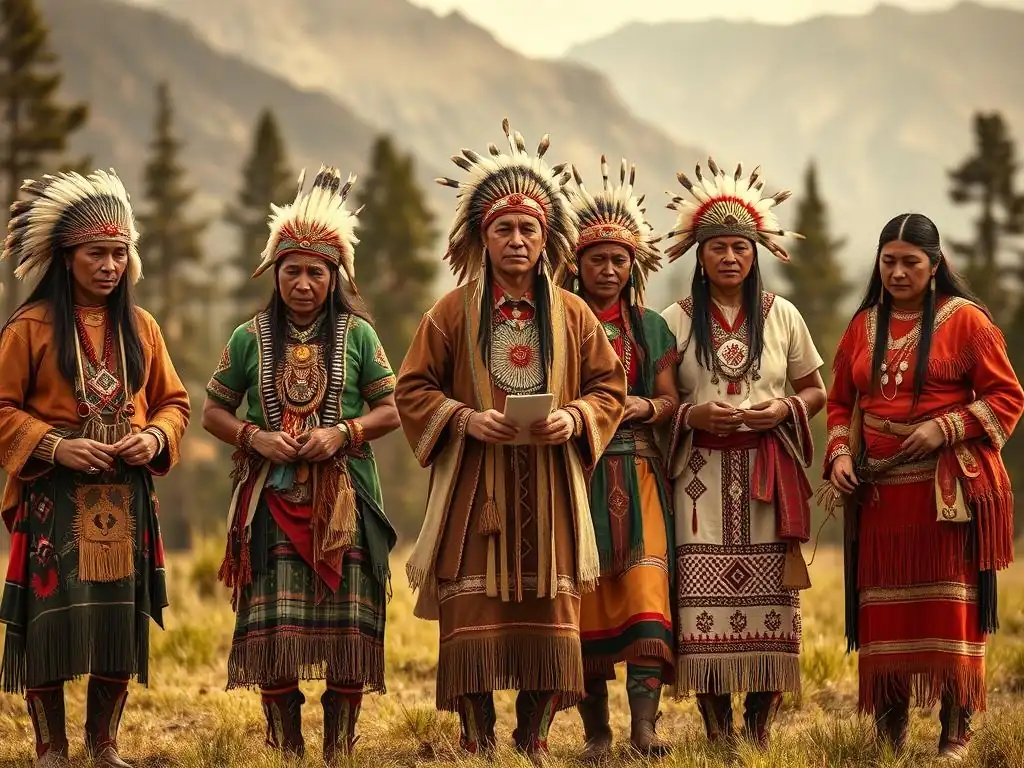
Reviving Traditional Practices in Modern Times
In recent years, there has been a notable resurgence of interest in traditional indigenous clothing symbolism in the Americas among Indigenous communities. This revival is not merely a trend; it represents a powerful reconnection to cultural heritage that has been threatened by colonization and globalization. Many Indigenous artisans and designers are actively working to reclaim traditional practices, techniques, and materials that have been passed down through generations.
- Cultural Workshops: Various organizations and community groups are hosting workshops aimed at teaching traditional weaving, dyeing, and sewing techniques. These workshops help younger generations learn the skills necessary to create traditional garments, ensuring that these practices are not lost.
- Fashion Shows and Exhibitions: Indigenous fashion shows have become a platform for showcasing traditional garments and modern interpretations. Designers integrate contemporary aesthetics with historic symbolism, presenting clothing that resonates with both Indigenous and non-Indigenous audiences.
- Sustainable Practices: Many Indigenous creators emphasize sustainability in their work. By using locally sourced materials and traditional methods, they not only reduce their environmental impact but also reinforce the deep connection between their cultural identity and the natural world.
The Impact of Globalization on Indigenous Attire
Globalization has had a profound impact on indigenous clothing symbolism in the Americas, often leading to both challenges and opportunities for Indigenous communities. While globalization can sometimes dilute cultural expressions, it also provides new avenues for Indigenous voices to be heard and appreciated.
- Cultural Appropriation: One of the most significant challenges faced by Indigenous communities is cultural appropriation. As Indigenous designs gain popularity, many non-Indigenous brands commodify these symbols without understanding their significance, leading to a misrepresentation of Indigenous cultures.
- Market Access: Globalization has also opened doors for Indigenous artisans to access international markets. Online platforms enable them to sell their creations to a wider audience, which can foster economic independence and promote cultural pride.
- Fusion of Styles: The influence of globalization has led to a fusion of traditional and contemporary styles. This blending can be seen in the clothing worn by younger generations, who incorporate traditional elements into modern fashion, further evolving the symbolism of their attire.
| Aspect | Impact of Globalization |
|---|---|
| Cultural Appropriation | Misrepresentation of Indigenous symbols |
| Market Access | Increased economic opportunities for artisans |
| Fusion of Styles | Evolving identity through blended fashion |
Indigenous Voices: Perspectives on Clothing and Identity
Understanding indigenous clothing symbolism in the Americas requires listening to the voices of Indigenous peoples themselves. Clothing serves not only as a means of protection and adornment but also as a profound expression of identity, history, and community.
- Personal Narratives: Many Indigenous individuals share stories about how their clothing choices reflect their cultural identity. For instance, wearing traditional attire during ceremonies or cultural events fosters a sense of belonging and pride in one's heritage.
- Symbolic Meanings: Different garments can carry specific meanings. For example, certain colors, patterns, and styles may signify tribal affiliation, marital status, or even personal achievements. This rich symbolism offers insight into the complexities of identity within Indigenous cultures.
- Community Connection: Clothing often serves as a bridge between generations. Elders pass down not only garments but also the stories and significance behind them, fostering community bonds and a shared sense of identity.
Contemporary perspectives on Indigenous clothing symbolism reflect a dynamic interplay between tradition and modernity, shaped by both internal and external influences. By embracing their heritage and navigating the challenges of globalization, Indigenous peoples are redefining their narratives and asserting their identities through clothing.
Conclusion: The Lasting Legacy of Indigenous Clothing Symbolism in the Americas
The clothing of indigenous peoples in the Americas is not merely functional; it is a profound expression of identity, culture, and history. The intricate designs, materials, and colors used in indigenous clothing carry deep meanings that reflect the values, beliefs, and social structures of various tribes. From the vibrant textiles of the Andean regions to the beadwork of the Great Plains, indigenous clothing symbolism in the Americas serves as a visual language that tells the stories of resilience, resistance, and community.
As we conclude this exploration, it is essential to recognize that the symbolism embedded in indigenous attire is a living legacy that continues to evolve. The garments worn by indigenous communities today still embody traditional meanings while adapting to contemporary contexts. This dynamic nature of clothing symbolism highlights the versatility and endurance of indigenous cultures, affirming their ongoing relevance in modern society.
The Role of Indigenous Clothing in Preserving Cultural Heritage
Indigenous clothing plays a critical role in the preservation of cultural heritage. Each piece of attire is often steeped in tradition, representing not just individual identity but also communal history. For example:
- Materials: The use of locally sourced materials, such as cotton, wool, or animal hides, connects the maker to their land and resources, reinforcing ecological knowledge.
- Techniques: Traditional weaving, dyeing, and sewing techniques passed down through generations highlight the importance of craftsmanship and skill, ensuring that cultural practices remain alive.
- Symbolic Patterns: Many indigenous garments feature patterns that signify specific clan affiliations, spiritual beliefs, or historical events, serving as a reminder of the community's collective memory.
This preservation of cultural heritage through clothing is vital in an era where globalization threatens to homogenize diverse cultures. By wearing traditional attire, indigenous peoples assert their identity and challenge the narratives imposed upon them, fostering pride in their ancestry and heritage.
Future Directions in Understanding Indigenous Clothing Symbolism
As we look to the future, the study of indigenous clothing symbolism in the Americas offers exciting avenues for research and exploration. Here are some potential directions:
- Interdisciplinary Approaches: Collaborations between anthropologists, historians, and textile experts can yield deeper insights into the cultural significance of clothing. Understanding indigenous clothing through multiple lenses can enhance appreciation for its complexity.
- Community Involvement: Engaging with indigenous communities in research efforts ensures that the narratives surrounding clothing symbolism are accurately represented. Community-led projects can provide firsthand accounts and interpretations that are often overlooked in academic studies.
- Digital Archiving: The creation of digital archives documenting indigenous clothing and its symbolism can help preserve this knowledge for future generations. Such initiatives can also facilitate broader access to information, promoting awareness and appreciation of indigenous cultures.
- Sustainable Practices: Investigating sustainable textile practices within indigenous cultures can contribute to contemporary discussions on environmental conservation. By understanding traditional methods, there is potential for integrating these practices into modern fashion and textile industries.
The symbolism behind indigenous clothing in the Americas is a rich tapestry that weaves together identity, heritage, and resilience. As we continue to explore and understand this intricate relationship, we honor the past while paving the way for a more inclusive and respectful future.
Frequently Asked Questions
What is the significance of indigenous clothing symbolism in the Americas?
Indigenous clothing symbolism reflects cultural identity, spiritual beliefs, and social status within various tribes, showcasing their unique heritage and traditions.
How does clothing represent cultural identity among indigenous peoples?
Clothing serves as a visual representation of a group's history and values, often incorporating specific designs and colors that hold deep meaning related to their ancestry.
Are there specific materials used in indigenous attire that hold symbolic meaning?
Yes, many indigenous cultures use materials like animal hides, plant fibers, and beads that are chosen for their cultural significance and availability, often symbolizing a connection to nature and tradition.
How does the symbolism of clothing differ among various indigenous tribes?
The symbolism can vary widely, as each tribe has its own unique customs, myths, and artistic expressions, which influence how they use clothing to convey messages about identity and community.
What role does traditional attire play in modern indigenous communities?
Traditional attire continues to be a source of pride and connection to heritage, often worn during ceremonial events and cultural celebrations to reinforce communal bonds and promote awareness of indigenous cultures.
Final Reflection: The Enduring Power of Indigenous Clothing Symbolism
In exploring the intricate tapestry of indigenous clothing symbolism in the Americas, we uncover not just garments, but profound narratives woven into the very fabric of cultural identity. Today, as we witness a resurgence of interest in indigenous traditions and values, it becomes increasingly clear that clothing serves as a powerful medium for expressing heritage, resilience, and community. The significance of these symbols transcends mere aesthetics; they are vital threads in the ongoing dialogue about identity, belonging, and respect for diverse cultures.
The impact of indigenous attire on our cultural and social landscape is both profound and ongoing. These garments tell stories of ancestral wisdom, environmental stewardship, and the rich histories of the peoples who wear them. As we engage with these symbols, we are reminded of the importance of honoring and preserving these traditions in a world that often overlooks them. Clothing is a language that speaks without words, conveying identity, history, and values.
This quote encapsulates the essence of how indigenous clothing serves as a living testament to the cultures it represents, fostering a deeper understanding and appreciation among diverse communities.
As we conclude this exploration, I invite you to reflect on the significance of clothing in your own life and the lives of those around you. Consider how the garments you choose to wear can embody your values, beliefs, and connections to your heritage. Let us strive to honor and celebrate the rich symbolism found in indigenous attire, recognizing its role in shaping identities and fostering mutual respect. Together, we can create a future that embraces diversity and cherishes the stories that clothing has to tell.
Embrace Your Identity Through Fashion!
Thank you for taking the time to explore the significance of Indigenous attire and its powerful symbolism! By understanding the deeper meanings behind these traditional garments, you’ve taken a thoughtful step in honoring cultural identities. Now, let’s put this knowledge into action.
Here are some ways you can engage with and celebrate Indigenous cultures through fashion:
- Visit a local Indigenous art or clothing exhibit to see the craftsmanship and stories behind traditional attire firsthand.
- Share this article with friends and family to spread awareness about the importance of cultural identity intertwined with clothing.
- Incorporate Indigenous-inspired pieces into your wardrobe by supporting local artisans and designers who honor traditional methods and motifs.
What clothing item or accessory do you believe best represents your own identity? Consider how we can connect our personal stories to the rich tapestry of Indigenous attire and celebrate our diverse backgrounds together.