Daily Life in Indigenous Civilizations of the Americas
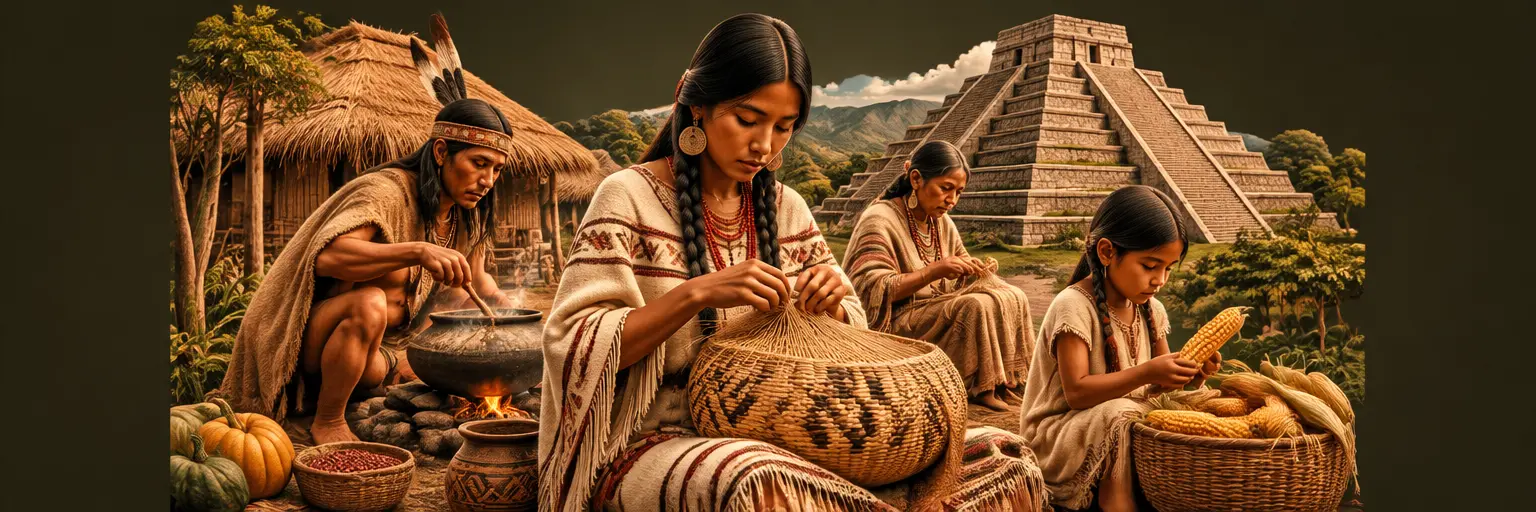
Explore how millions of people across the Americas organized their everyday existence before 1492—from the adobe pueblos of the Southwest and Amazonian longhouses to the quipu-based record keeping of the Andes and the three-sister farming of the Eastern Woodlands. This page delves into the material culture, domestic routines, and knowledge systems that sustained complex societies for millennia, offering a rich SEO resource for students, educators, and history enthusiasts seeking authentic details on pre-Columbian home life.
🏠 Housing and Living Conditions
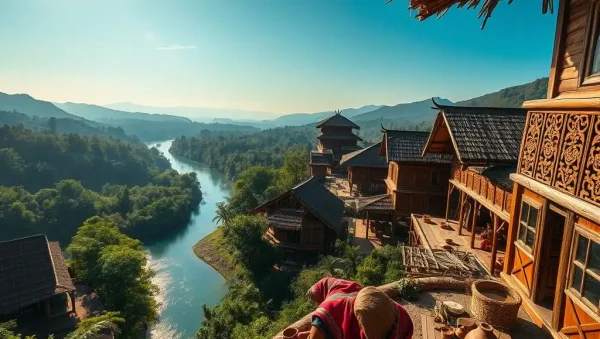
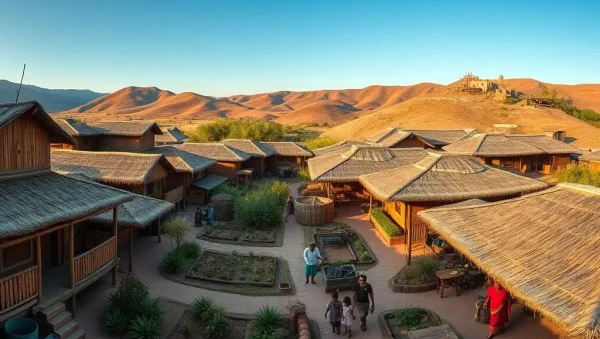
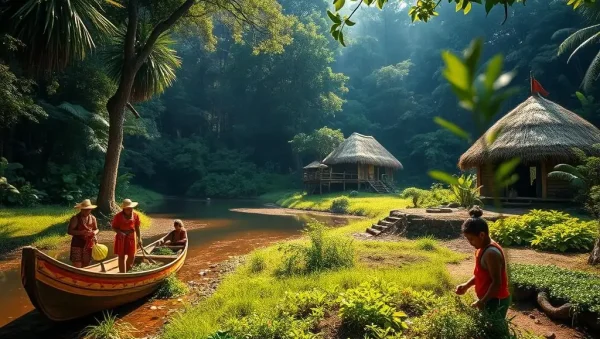
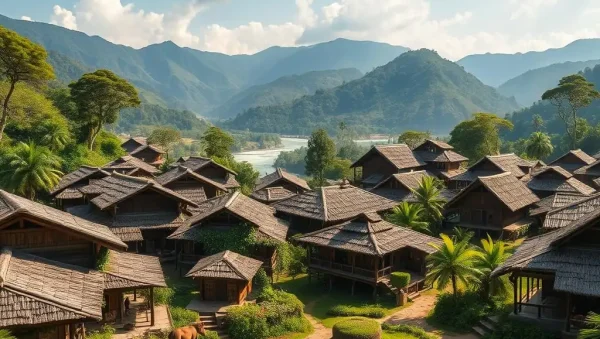
Indigenous housing varied dramatically across biomes—from the igloos of the Arctic and tipis of the Plains to the stone apartments of Mesa Verde and the still-raised palafitos of the Amazon floodplains. These structures were not mere shelters but mirrored social hierarchy, cosmology, and seasonal mobility. Expect insights into construction techniques using local materials like adobe, thatch, wood, and snow, plus the role of communal living, ventilation, and climate adaptation in daily comfort and health.
👕 Clothing and Textiles
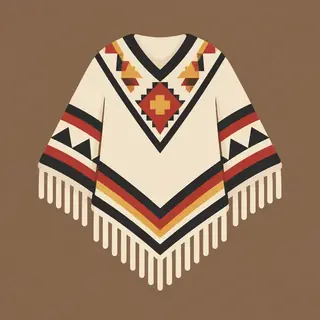
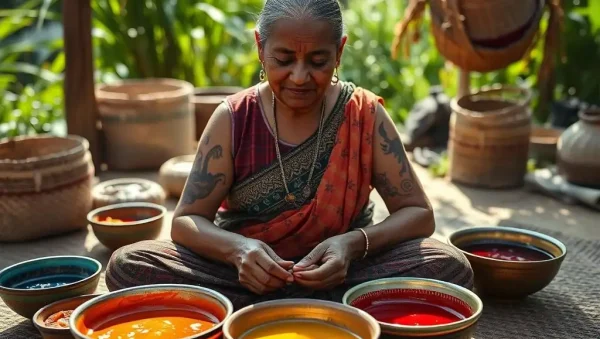
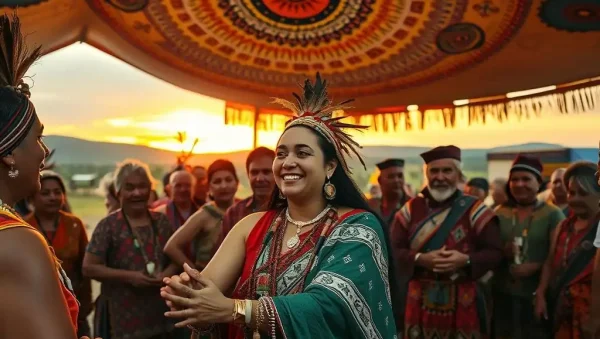
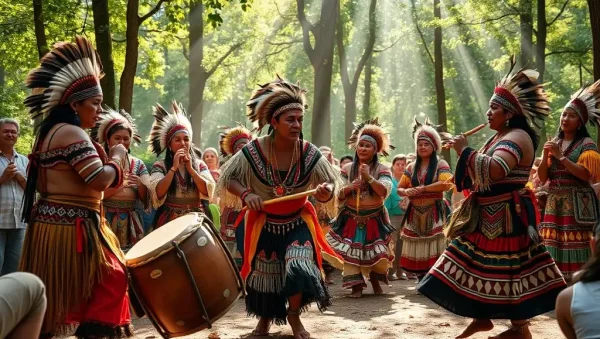
Clothing was both practical and a powerful identity marker. Learn how the Andean peoples mastered alpaca and cotton weaving with over 200 natural dyes, while the Maya and Aztec used featherwork and jade beads for elite regalia. Discover how garments varied by gender, age, and rank, and how textile production—from spinning to backstrap looms—was a daily, often female-led, activity that also served as a form of writing and economic exchange.
📚 Education and Knowledge Transmission
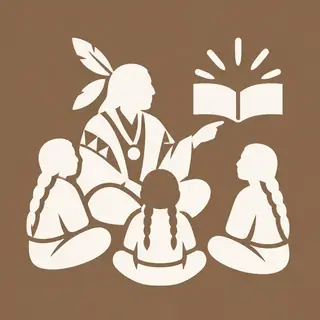
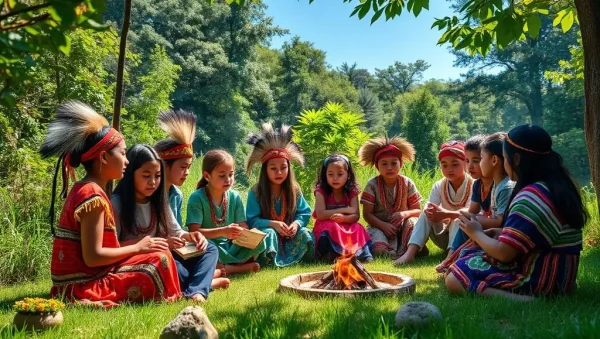
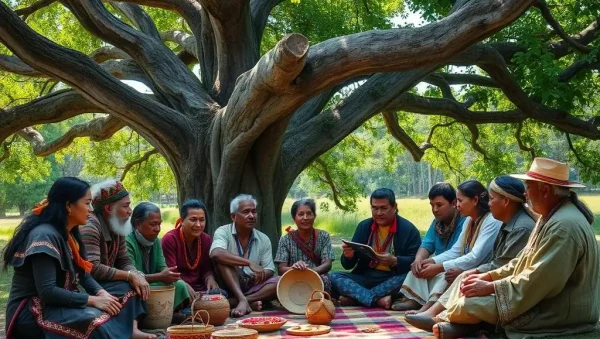
Education was not confined to classrooms; it was embedded in ritual, apprenticeship, and oral tradition. The Aztec calmecac schools trained nobles in astronomy, law, and poetry, while the telpochcalli focused on military and practical skills. The Inca used quipu knots for numerical records and chanted histories, and the Maya wrote codices. Explore how children learned farming, fishing, pottery, and ritual knowledge through observation, storytelling, and formal ceremonies that ensured cultural continuity.
🌽 Diet and Nutrition
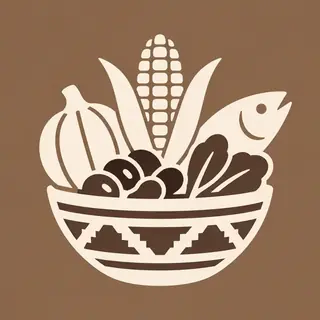
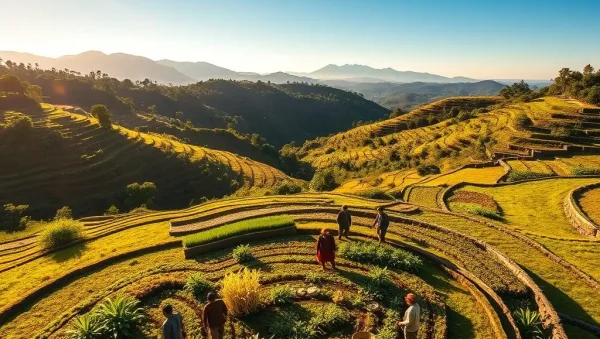
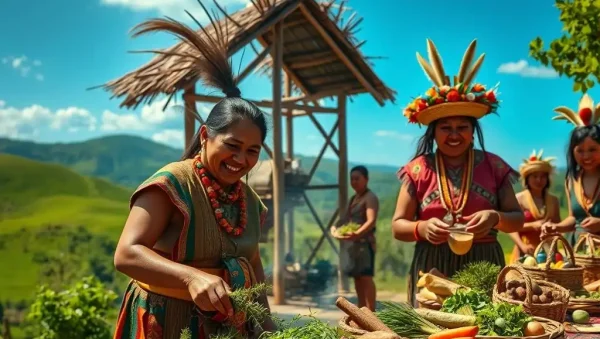
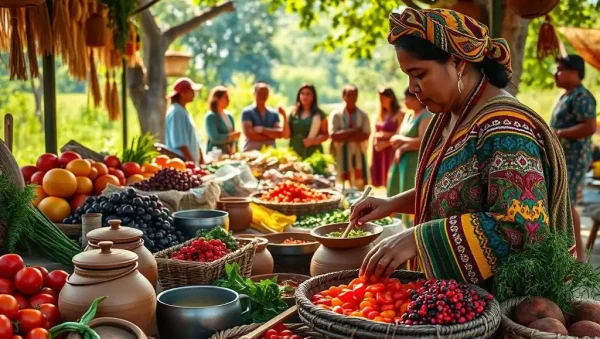
Indigenous diets were astonishingly diverse and nutritious, centered on maize, beans, squash, potatoes, quinoa, and chili peppers, supplemented by wild game, fish, insects, and aquatic plants. Learn about nixtamalization (alkaline processing of corn to release niacin), terraced farming, chinampas (floating gardens), and the Amazonian dark earth techniques that fertilized soils. This section also covers fasting, feasting, and ceremonial foods like cacao and amaranth, plus the health benefits that rivaled modern diets.
Frequently Asked Questions
What was the most common type of home in the Aztec Empire?
Most commoners lived in single-story adobe or wattle-and-daub homes with flat roofs, often clustered around a shared courtyard. These modest structures had one or two rooms for sleeping and cooking, with a separate steam bath (temazcal) for hygiene and ritual. Nobles, by contrast, had larger multi-room palaces with gardens and murals.
How did indigenous people make clothing without modern tools?
They used backstrap or vertical looms, spinning cotton or animal fibers into thread with drop spindles. Natural dyes from cochineal, indigo, and plants produced vivid colors. Bone needles and awls were used for sewing, while featherwork, shell beads, and metal ornaments attached without stitching. Weaving was a high-skill craft, often taught from mother to daughter.
Did indigenous children attend formal schools?
Yes, especially in the Aztec and Inca empires. Aztec boys attended telpochcalli for military training or calmecac for priesthood and administration, while girls learned weaving and ritual at home. The Inca had yachaywasi for noble sons, focusing on quipu, religion, and warfare. Most other cultures used informal, age-based apprenticeships within extended family groups.
What did an average daily meal look like for a Maya farmer?
Breakfast was often atole (a maize porridge) or tamales wrapped in leaves. Lunch included beans, squash, and a tortilla with chili and avocado. Dinner might add wild turkey, fish, or iguana, plus fruits like papaya and sapote. Nixtamalized maize was the staple, providing complete protein when paired with beans.
Were indigenous diets healthier than European diets of the same era?
Generally, yes. Indigenous diets were rich in fiber, vitamins, and complete proteins from maize-bean-squash combinations, with low processed sugar and saturated fat. However, they could suffer from seasonal shortages and parasites, but chronic diseases like diabetes and heart disease were rare. The introduction of European processed foods later led to nutritional decline.