
The Legacy of Indigenous Fashion: How Ancient Styles Inspire Modern Designers

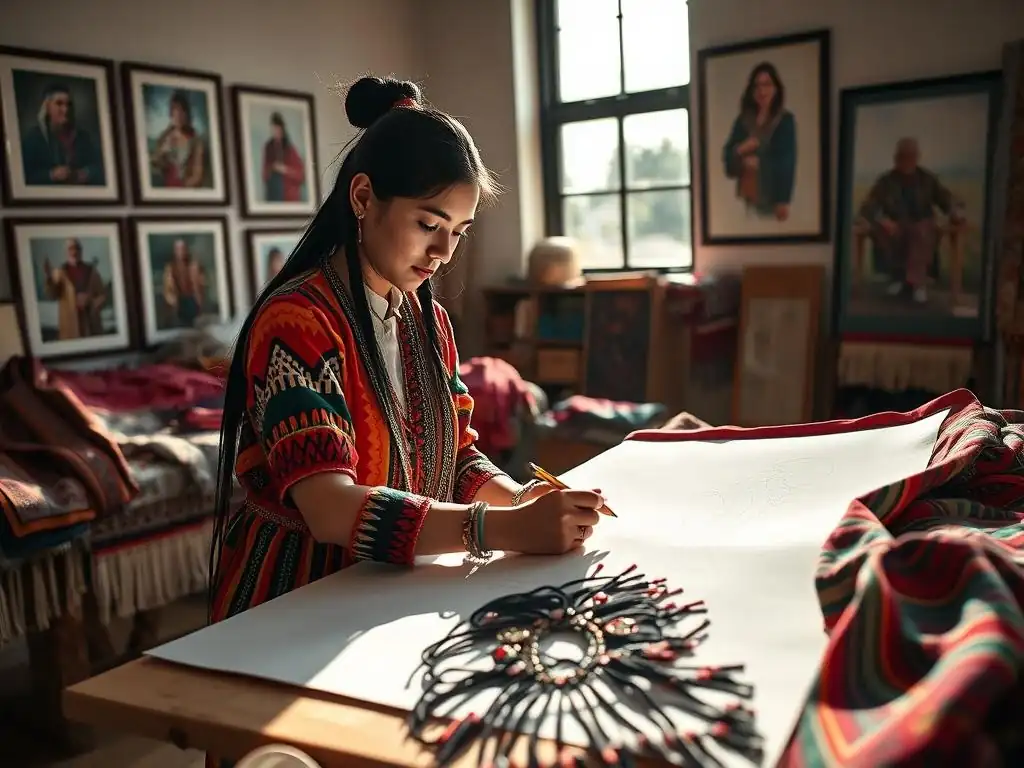
Welcome to Indigenous Civilizations of the Americas, where we delve into the rich tapestry of cultures that flourished long before European contact. Join us on an enlightening journey as we uncover the legacy of indigenous fashion and its profound influence on contemporary design. How do ancient styles continue to inspire modern creators? Discover the vibrant threads that connect the past to the present, and explore the stories woven into every garment. Your adventure into the remarkable world of indigenous achievements begins here—read on to find out more!
Introduction to Indigenous Fashion Influence Today
The legacy of indigenous fashion is a vibrant tapestry woven from the rich histories, cultures, and artistic expressions of the diverse indigenous peoples across the Americas. Before European colonization, these societies developed unique styles of clothing and textiles that were not only functional but also deeply symbolic and reflective of their identities.
Today, as modern designers draw inspiration from these ancient styles, the influence of indigenous fashion is more relevant than ever. This article explores how the aesthetics and techniques of indigenous fashion resonate within contemporary design, highlighting the importance of cultural heritage and the ongoing impact of these ancient practices.
Understanding Indigenous Fashion and Its Roots
Indigenous fashion encompasses a wide variety of clothing styles, accessories, and textiles created by the original inhabitants of the Americas. These garments often reflect the values, beliefs, and social structures of their respective cultures. The roots of indigenous fashion are deeply embedded in the natural environment, utilizing local materials and techniques that have been passed down through generations. By understanding these roots, we can appreciate how ancient styles continue to influence modern designers and fashion trends.
- Cultural Significance: Each piece of clothing often carries a story, representing not just personal identity but also communal heritage.
- Diversity of Styles: From the intricate beadwork of the Plains tribes to the vibrant textiles of the Andean cultures, indigenous fashion varies widely across regions.
The Importance of Cultural Heritage in Fashion
Cultural heritage plays a crucial role in shaping fashion, providing a source of inspiration and a means of storytelling. For modern designers, engaging with indigenous fashion traditions presents an opportunity to honor and revive these rich histories while fostering respect and understanding.
- Preservation of Traditions: By integrating traditional elements into contemporary designs, designers aid in preserving cultural practices that might otherwise fade away.
- Cultural Appropriation vs. Appreciation: It is essential to navigate the fine line between appropriation and appreciation, ensuring that indigenous voices are at the forefront of the conversation regarding their cultural expressions.
Historical Overview of Indigenous Fashion
To fully appreciate the influence of indigenous fashion today, it's important to look back at the historical context from which it emerged. Indigenous peoples developed distinct clothing styles that were closely tied to their environments, social structures, and spiritual beliefs.
Traditional Clothing and Textiles of Indigenous Peoples
Traditional indigenous clothing varied significantly across different cultures and regions, reflecting the diverse climates and resources available.
- North America: Native American tribes such as the Navajo and Sioux created garments from animal hides, furs, and woven textiles, often adorned with intricate beadwork.
- South America: The Inca and other Andean cultures developed textiles from llama and alpaca wool, known for their warmth and durability.
Symbolism in Indigenous Clothing Designs
The designs and motifs found in indigenous clothing often carry significant meanings, representing tribal affiliation, social status, and spiritual beliefs.
- Colors and Patterns: Each color and pattern has its own symbolism, with specific combinations representing various narratives and histories.
- Ceremonial Garments: Many indigenous peoples crafted specialized garments for ceremonies, which conveyed important cultural stories and values.
Key Materials and Techniques Used in Ancient Indigenous Fashion
Indigenous fashion utilized a variety of materials and techniques, many of which are still celebrated today.
| Material | Description | Techniques Used |
|---|---|---|
| Animal Hides | Used for warmth and protection; often decorated with beadwork or quills. | Tanning, sewing |
| Natural Fibers | Woven from plant materials or animal hair, creating durable textiles. | Weaving, dyeing |
| Beads and Shells | Used in adornments and clothing, each piece telling a story of its own. | Beadwork, appliqué |
The rich legacy of indigenous fashion not only informs contemporary design but also serves as a powerful reminder of the resilience and creativity of indigenous cultures. As modern fashion continues to evolve, acknowledging and respecting these ancient influences will ensure that their stories and artistry endure.
Modern Designers Drawing from Indigenous Fashion Influence
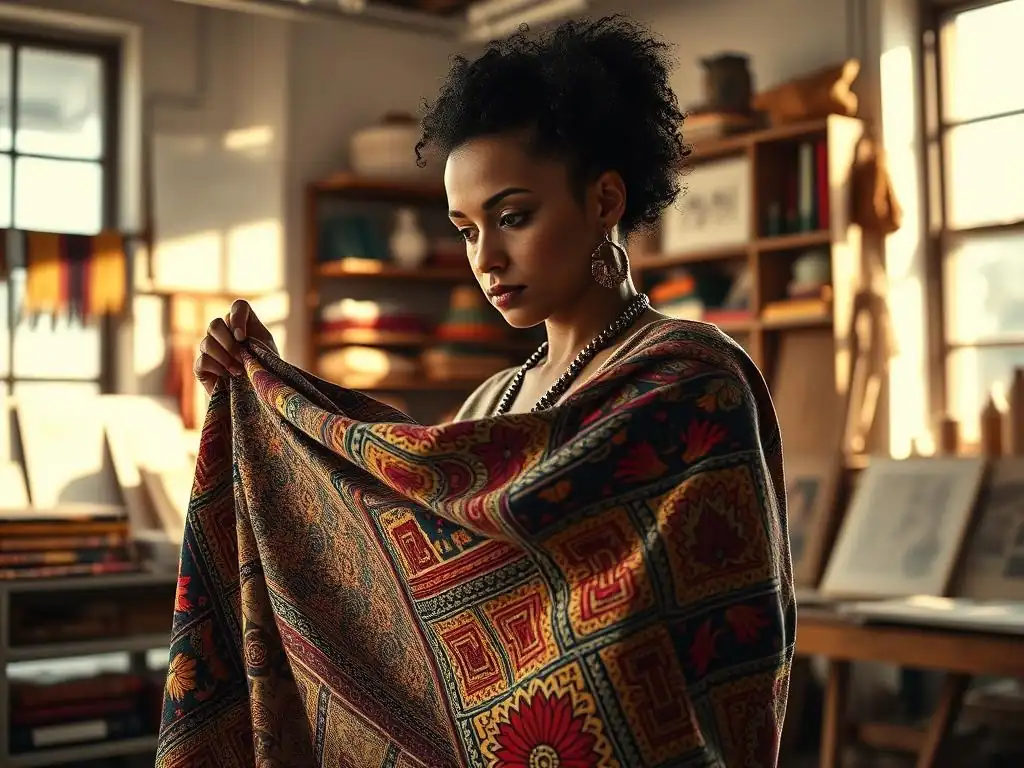
In recent years, the influence of Indigenous fashion on contemporary designers has become increasingly prominent. Many modern designers are not just drawing inspiration from the aesthetics of Indigenous cultures but are also incorporating traditional techniques and materials into their collections. This trend is not merely about visually replicating Indigenous designs; it’s about understanding and honoring the cultural significance behind these styles.
Designers are collaborating with Indigenous artisans to create pieces that respect the origins while appealing to modern sensibilities. This fusion of ancient wisdom and contemporary fashion creates a rich tapestry that celebrates Indigenous heritage while addressing current fashion trends.
Notable Contemporary Designers Inspired by Indigenous Styles
Several prominent designers have made a mark by integrating Indigenous fashion into their work. Designers like Marina O’Rourke, who works with Indigenous Australian textiles, and Angel Chen, known for her Chinese heritage influences, showcase how cultural narratives can shape fashion. Rachael O’Neill, a Native American designer, uses traditional motifs and techniques to create modern garments that tell stories of her heritage.
Their collections often highlight the importance of storytelling through clothing, making a statement about identity and cultural preservation. By showcasing these influences, these designers not only elevate Indigenous fashion but also raise awareness about the rich histories and narratives that inform these styles.
Case Studies of Successful Collaborations
Successful collaborations between Indigenous artisans and contemporary designers serve as a testament to the potential of blending traditional craftsmanship with modern fashion. One notable example is the partnership between Diane von Furstenberg and Indigenous artisans from the Amazon rainforest, which resulted in a stunning collection that highlights traditional weaving techniques. Another case is Kahlo, a brand that collaborates with Indigenous communities in Mexico to create vibrant textiles that celebrate their cultural heritage.
These collaborations not only provide economic opportunities for Indigenous artisans but also foster a greater appreciation for the craftsmanship involved in traditional techniques. By working together, designers and Indigenous communities can create collections that are both visually striking and culturally significant.
The Role of Indigenous Voices in Modern Fashion
The modern fashion landscape is increasingly recognizing the importance of Indigenous voices in shaping narratives around clothing and textiles. Designers and advocates are pushing for platforms that amplify Indigenous perspectives, emphasizing the need for authenticity and respect in fashion design. Initiatives like the Indigenous Fashion Week aim to showcase Indigenous talent and promote conversations about cultural appropriation and representation.
Featuring Indigenous models and designers helps ensure that the stories told through fashion are both genuine and respectful. The inclusion of Indigenous voices in fashion not only enriches the industry but also encourages a more inclusive approach to design that honors the diverse cultures that have historically influenced global fashion.
The Impact of Indigenous Fashion on Global Trends
The influence of Indigenous fashion extends beyond individual collections; it shapes global fashion trends in profound ways. As designers incorporate traditional elements into their work, they create a ripple effect that impacts how fashion is perceived and consumed worldwide. The adoption of vibrant colors, intricate patterns, and sustainable practices inspired by Indigenous cultures is becoming a hallmark of contemporary fashion. By embracing these influences, the fashion industry is not only diversifying its aesthetic but also challenging conventional practices that prioritize fast fashion over sustainability and ethical sourcing.
How Ancient Styles Reshape Modern Fashion Aesthetics
Ancient Indigenous styles are reshaping modern fashion aesthetics by introducing unique silhouettes, textures, and color palettes that stand apart from mainstream trends. The use of natural dyes, organic materials, and traditional weaving techniques brings a level of authenticity that resonates with consumers seeking deeper connections to their clothing.
This shift towards a more holistic approach to fashion is evident in the rise of brands that prioritize storytelling and cultural significance alongside aesthetic appeal. By integrating elements such as beading, embroidery, and weaving, designers are crafting garments that not only look beautiful but also convey a narrative, inviting wearers to engage with the history and culture behind their clothing.
Sustainability and Ethical Practices in Indigenous Fashion
Sustainability and ethical practices are at the forefront of Indigenous fashion. Many Indigenous cultures have long-standing traditions of using natural materials and sustainable practices in their textile production, which modern designers are now recognizing as essential to the future of fashion. By prioritizing these methods, designers contribute to a more sustainable industry that respects both the environment and cultural heritage.
Initiatives that promote fair trade and support Indigenous communities are increasingly important as consumers become more aware of the impact of their purchasing decisions. This focus on sustainability not only honors traditional practices but also sets a precedent for a more responsible and conscious fashion industry.
The Revival of Traditional Techniques in Contemporary Design
The revival of traditional techniques in contemporary design is a powerful movement within the fashion industry. Designers are reintroducing age-old methods such as hand-weaving, natural dyeing, and Indigenous embroidery into their collections, fostering a greater appreciation for these skills that are often at risk of being forgotten. This revival not only pays homage to the artisans who have preserved these techniques over generations but also introduces a level of craftsmanship that is increasingly rare in today’s fast-paced fashion environment.
By highlighting these traditional methods, designers are creating a dialogue about the value of artisanal work and the importance of maintaining cultural heritage in an ever-evolving industry. This approach not only enhances the aesthetic appeal of modern garments but also enriches the cultural narrative that accompanies them.
Challenges Faced by Indigenous Designers
Indigenous designers encounter a variety of challenges that impact their ability to express their cultural heritage through fashion. One significant hurdle is the ongoing issue of cultural appropriation, where elements of Indigenous culture are commodified and used without proper acknowledgment or respect. This not only dilutes the significance of traditional designs but also undermines the identity and rights of Indigenous communities. Additionally, many Indigenous designers struggle with limited access to resources, funding, and networks that can facilitate the growth of their businesses.
The fashion industry often prioritizes mainstream trends, which may sideline the unique narratives and aesthetics that Indigenous designers bring to the table. As a result, these designers face the dual challenge of maintaining the integrity of their cultural expressions while striving to succeed in a competitive market. Moreover, there is often a lack of education within the fashion community regarding the importance and meaning of Indigenous designs, creating barriers to wider appreciation and understanding.
Cultural Appropriation vs. Cultural Appreciation
The distinction between cultural appropriation and cultural appreciation is critical in the context of Indigenous fashion. Cultural appropriation involves the unauthorized use of elements from a culture, often without understanding or respect for their significance. This is particularly harmful as it can lead to the exploitation of Indigenous designs for profit, stripping them of their meaning and context. On the other hand, cultural appreciation involves recognizing and valuing the history and significance of these elements, often engaging in respectful dialogue and collaboration with Indigenous communities.
To navigate this complex landscape, it is essential for both consumers and designers to educate themselves about the cultural significance of Indigenous fashion. This includes understanding the stories behind traditional designs and seeking collaboration with Indigenous artists. By fostering genuine appreciation rather than appropriation, the fashion industry can create a more inclusive environment that honors Indigenous heritage.
The Importance of Representation in Fashion
Representation in the fashion industry is crucial, not just for Indigenous designers but for society as a whole. When Indigenous individuals are represented in fashion, it helps to challenge stereotypes and break down barriers of misunderstanding. This visibility allows for a richer dialogue about the diversity of Indigenous cultures and their contributions to the broader narrative of fashion history.
Moreover, representation can inspire younger generations of Indigenous individuals to pursue careers in fashion and design, fostering a sense of pride in their heritage. By showcasing Indigenous models, designers, and stories, the fashion industry can play a pivotal role in reshaping perceptions and ensuring that Indigenous voices are heard and celebrated. This shift can lead to a more equitable industry that values diversity and inclusion.
Future Directions for Indigenous Fashion Influence
As the fashion landscape continues to evolve, there are promising future directions for Indigenous fashion influence. Increasingly, Indigenous designers are finding innovative ways to blend traditional techniques with contemporary aesthetics, creating unique pieces that resonate with both Indigenous and non-Indigenous audiences. This fusion not only preserves traditional craftsmanship but also reinterprets it for modern contexts, allowing for a dynamic expression of identity.
Emerging Trends and Innovations
Emerging trends within Indigenous fashion include a focus on sustainability and ethical practices. Many Indigenous designers prioritize the use of natural materials and traditional methods, reflecting a deep respect for the environment. This commitment to sustainability resonates with contemporary consumers who are increasingly seeking eco-friendly options in their fashion choices.
Furthermore, collaborations between Indigenous designers and mainstream brands are becoming more common, providing a platform for Indigenous voices to reach wider audiences. These partnerships can help bridge gaps between cultures, creating opportunities for education and appreciation. As Indigenous designers continue to innovate, they are likely to influence mainstream fashion trends and reshape the industry in meaningful ways.
The Role of Technology in Preserving Indigenous Fashion Heritage
Technology plays a vital role in preserving Indigenous fashion heritage and promoting Indigenous designers. Online platforms and social media have become essential tools for showcasing Indigenous fashion, allowing designers to connect directly with consumers and share their stories. This accessibility helps combat the challenges posed by traditional retail environments, providing Indigenous designers with a global audience.
Moreover, digital storytelling and virtual exhibitions can highlight the cultural significance of Indigenous fashion, creating an engaging way to educate the public. Innovations in textile design and production also allow for the preservation of traditional techniques while incorporating modern methods. As technology continues to advance, it will undoubtedly serve as a powerful ally in the preservation and celebration of Indigenous fashion heritage.
Conclusion: Celebrating Indigenous Fashion and Its Lasting Impact
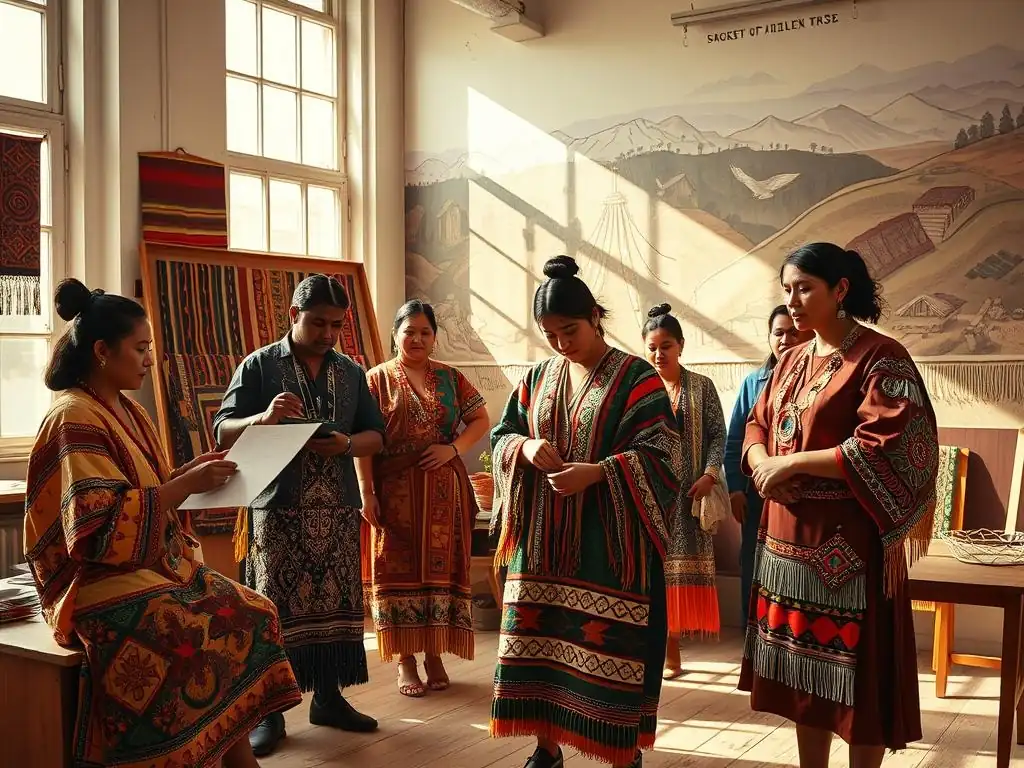
Indigenous fashion is not just a reflection of aesthetic choices; it embodies a rich tapestry of history, culture, and identity. The styles and techniques developed by Indigenous peoples throughout the Americas have laid foundational elements that continue to influence modern design. From intricate beadwork and vibrant textiles to the use of natural dyes and sustainable practices, Indigenous fashion showcases a deep connection to the land, spirituality, and ancestral wisdom. As contemporary designers draw inspiration from these elements, they contribute to a broader recognition of the significance of Indigenous artistry and craftsmanship.
The resurgence of Indigenous fashion serves not only to celebrate these ancient customs but also to challenge the mainstream fashion industry to adopt more inclusive practices. By honoring Indigenous contributions, designers and consumers alike can foster a greater appreciation for the cultural narratives woven into each garment. This acknowledgment allows us to move beyond mere appropriation, promoting an understanding of the historical contexts from which these styles arise.
The Importance of Acknowledging Indigenous Influence in Fashion Today
In today's globalized fashion landscape, recognizing Indigenous influence is paramount. Many fashion trends draw upon motifs and techniques historically rooted in Indigenous cultures. Acknowledging this influence is crucial for several reasons:
- Cultural Respect: Understanding the origins of design elements fosters respect for the cultures that created them. It highlights the importance of cultural heritage in the context of fashion.
- Intellectual Property Rights: Indigenous communities have long faced issues of cultural appropriation, where their designs are commercialized without proper credit or compensation. Recognizing their influence helps to protect their intellectual property rights and supports ethical fashion practices.
- Sustainability: Many Indigenous fashion practices emphasize sustainability and ecological awareness, offering valuable lessons for the modern industry. By integrating these principles, contemporary fashion can work towards more responsible production methods.
Overall, acknowledging Indigenous influence encourages a more equitable fashion industry that honors the contributions of diverse cultures while promoting a deeper understanding of their significance.
Encouraging Respect for Cultural Heritage in Fashion Design
As the fashion industry increasingly turns to Indigenous styles for inspiration, it is essential to encourage respect for cultural heritage in design processes. Here are some key approaches to promote this respect:
- Collaboration with Indigenous Designers: Fashion brands should engage in partnerships with Indigenous designers and artisans. This collaboration not only ensures authenticity but also provides a platform for Indigenous voices in the industry.
- Ethical Sourcing: Brands must commit to ethical sourcing of materials and techniques. This includes working with Indigenous communities to ensure fair compensation and recognition for their knowledge and skills.
- Education and Awareness: Fashion education programs should include curricula that emphasize the importance of cultural heritage and the impact of colonialism on Indigenous communities. This fosters a generation of designers who are respectful and informed about their influences.
- Community Engagement: Engaging with Indigenous communities through events, workshops, and exhibitions can help bridge gaps between cultures. This engagement fosters mutual respect and understanding, allowing for a more inclusive approach to fashion design.
By adopting these practices, the fashion industry can not only celebrate Indigenous heritage but also contribute to its preservation and respect, ensuring that the legacies of Indigenous fashion continue to thrive in the modern world.
- Introduction to Indigenous Fashion Influence Today
- Understanding Indigenous Fashion and Its Roots
- The Importance of Cultural Heritage in Fashion
- Historical Overview of Indigenous Fashion
- Modern Designers Drawing from Indigenous Fashion Influence
- The Impact of Indigenous Fashion on Global Trends
- Challenges Faced by Indigenous Designers
- Future Directions for Indigenous Fashion Influence
- Conclusion: Celebrating Indigenous Fashion and Its Lasting Impact
- The Importance of Acknowledging Indigenous Influence in Fashion Today
- Encouraging Respect for Cultural Heritage in Fashion Design
- What is the main focus of the article "The Legacy of Indigenous Fashion: How Ancient Styles Inspire Modern Designers"?
- How did Indigenous fashion influence contemporary styles?
- What are some examples of Indigenous fashion in today’s designs?
- Why is it important to recognize Indigenous fashion today?
- How can consumers support Indigenous fashion?
Frequently Asked Questions
What is the main focus of the article "The Legacy of Indigenous Fashion: How Ancient Styles Inspire Modern Designers"?
The article emphasizes the lasting influence of ancient Indigenous fashion on contemporary design, showcasing how traditional styles continue to inspire modern designers.
How did Indigenous fashion influence contemporary styles?
Indigenous fashion has contributed unique patterns, textures, and colors that modern designers incorporate into their work, reflecting a blend of heritage and innovation.
What are some examples of Indigenous fashion in today’s designs?
Examples include the use of tribal patterns, beading techniques, and natural dyes that draw from traditional Indigenous practices, showcasing their cultural significance.
Why is it important to recognize Indigenous fashion today?
Recognizing Indigenous fashion is crucial for preserving cultural heritage and promoting ethical fashion practices, as well as acknowledging the creativity and contributions of Indigenous communities.
How can consumers support Indigenous fashion?
Consumers can support Indigenous fashion by purchasing from Indigenous designers, promoting sustainable practices, and advocating for fair representation in the fashion industry.
Final Reflection: Embracing the Timeless Influence of Indigenous Fashion
The legacy of Indigenous fashion is not just a historical narrative; it is a vibrant thread woven into the fabric of contemporary design. As we witness a resurgence of interest in cultural heritage, the influence of Indigenous styles today serves as a powerful reminder of the resilience and creativity of Indigenous communities. This revival is not merely an aesthetic choice but a profound recognition of the stories, traditions, and values embedded in these designs. The impact of Indigenous fashion is undeniable, shaping not only the fashion industry but also our collective understanding of identity and cultural appreciation.
Cultural expressions through fashion have the power to transcend time and space, creating a dialogue between past and present. The ongoing influence of Indigenous fashion is evident in the way modern designers draw inspiration from traditional techniques and motifs, fostering a deeper connection to their roots. As we navigate a world increasingly focused on sustainability and ethical practices, Indigenous fashion stands as a beacon of wisdom, reminding us of the importance of honoring our heritage. Fashion is a language that creates itself in clothes to interpret reality.
– Karl Lagerfeld. This quote encapsulates the essence of how Indigenous fashion articulates a rich narrative that resonates with contemporary values.
As we reflect on the lessons embedded in Indigenous fashion, let us embrace the call to action: to celebrate and support the artisans and designers who carry forward these traditions. Consider how you can incorporate Indigenous styles into your life, not just as a trend but as a meaningful homage to the cultures that inspire them.
By choosing to engage with Indigenous fashion thoughtfully, we can contribute to a more inclusive and respectful dialogue that honors the past while paving the way for a more equitable future. Let us wear these stories with pride and purpose, ensuring that the legacy of Indigenous fashion continues to thrive for generations to come.
Embrace the Future of Fashion Inspired by the Past!
Thank you for diving into the rich tapestry of Indigenous fashion and its profound influence on modern design! We've explored how ancient styles continue to inspire creativity and innovation in contemporary fashion. Now, it's time to take action and celebrate this legacy.
Here are a few ways you can honor and engage with Indigenous fashion:
- Discover and support Indigenous designers by exploring their collections online or at local markets. Your purchase contributes directly to preserving these cultural narratives!
- Share your favorite pieces or stories about Indigenous fashion on social media using relevant hashtags that promote awareness and appreciation.
- Join community workshops or events that celebrate Indigenous arts and craftsmanship, learning firsthand about the techniques and stories behind the garments.
What will you wear that carries a piece of history with it? Share your thoughts below, and let’s keep the conversation going!