
The Impact of Virtual Reality on Teaching Indigenous Civilizations

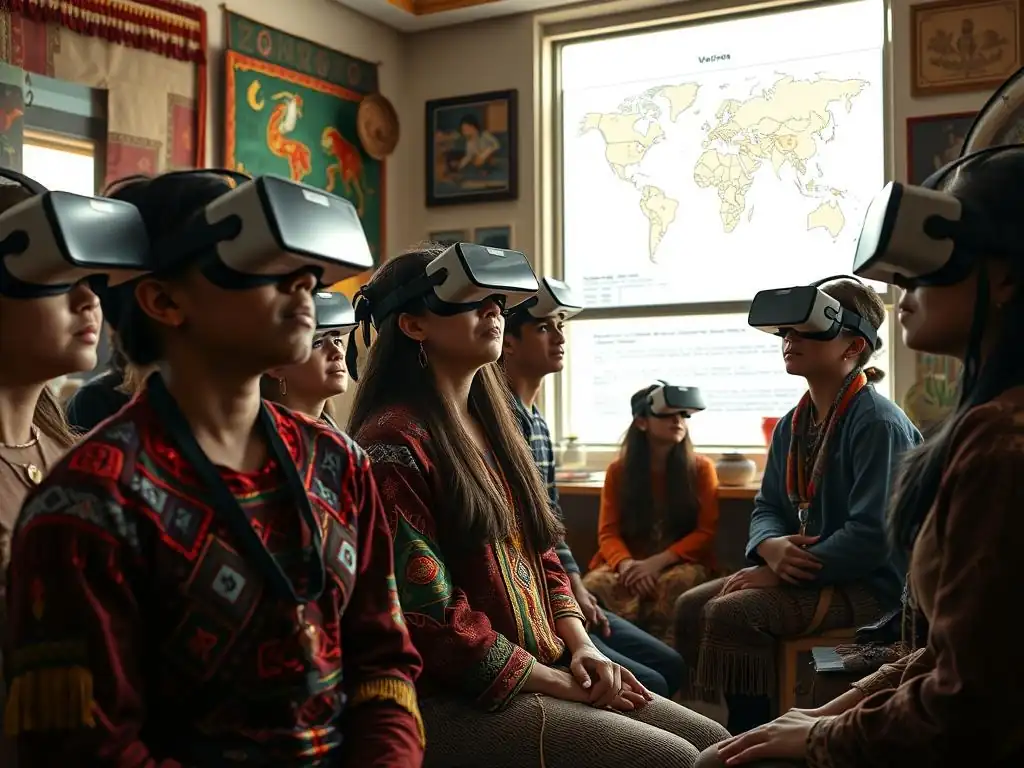
Welcome to Indigenous Civilizations of the Americas, where we embark on a journey through the rich tapestry of indigenous cultures that flourished long before European contact. Here, we delve into the remarkable achievements and vibrant societies that shaped the continent, revealing insights that continue to resonate today. In our featured article, “The Impact of Virtual Reality on Teaching Indigenous Civilizations,” we explore an innovative approach to education that harnesses the power of technology to bring these cultures to life.
Prepare to be inspired and intrigued as we uncover how virtual reality is revolutionizing the way we learn about and appreciate the enduring legacies of these magnificent civilizations. Join us as we open a gateway to understanding that invites you to dive deeper into this captivating topic!
Introduction to Virtual Reality in Education
As the landscape of education continues to evolve, the integration of technology has unlocked new avenues for learning and engagement. One such innovation, Virtual Reality (VR), has emerged as a powerful tool that transforms traditional teaching methods, particularly in the context of indigenous cultures.
By providing immersive experiences, VR allows students to explore and interact with the rich histories and traditions of indigenous civilizations in ways that were previously unimaginable. This article delves into the profound impact of virtual reality on teaching indigenous cultures, emphasizing its role in enhancing educational outreach and fostering a deeper appreciation for these diverse societies.
Definition of Virtual Reality and Its Applications in Education
Virtual Reality is a computer-generated simulation that creates an interactive environment, allowing users to experience scenarios as if they were physically present. In education, VR applications range from virtual field trips to fully immersive simulations of historical events. These experiences can:
- Engage learners through interactive content.
- Facilitate understanding of complex subjects by providing visual and spatial context.
- Encourage collaboration among students in a shared virtual space.
In the context of indigenous cultures, VR can bring to life the traditions, rituals, and environments of various societies, helping students grasp the depth and diversity of these civilizations.
Importance of Teaching Indigenous Cultures through Innovative Methods
Teaching indigenous cultures is crucial for promoting understanding, respect, and appreciation of their contributions to humanity. Traditional educational approaches may often overlook or misrepresent these cultures. By leveraging innovative methods like VR, educators can:
- Highlight the richness of indigenous histories and practices.
- Challenge stereotypes and misconceptions.
- Foster empathy among students by immersing them in the experiences of indigenous people.
Using VR, educators can create a more nuanced and accurate portrayal of indigenous cultures, enriching students' learning experiences and encouraging a broader worldview.
The Role of Virtual Reality in Indigenous Cultures Education
Enhancing Engagement with Indigenous History and Cultures
One of the most significant advantages of VR in education is its ability to enhance student engagement. Traditional textbooks may fail to capture the vibrancy and complexity of indigenous cultures, but immersive VR experiences can transport students to significant historical sites or cultural ceremonies. For example:
- Virtual tours of ancient ruins, such as Machu Picchu or Chichen Itza, allow students to explore these sites without leaving the classroom.
- Simulations of indigenous ceremonies, like powwows or traditional farming practices, provide insights into the values and beliefs of these communities.
Such engagement not only captivates students but also deepens their understanding of the historical context and contemporary relevance of indigenous cultures.
Creating Immersive Learning Experiences for Students
VR’s capacity to create immersive learning experiences is particularly beneficial for teaching about indigenous civilizations. By simulating real-world environments and cultural contexts, students can:
- Interact with virtual artifacts, gaining a firsthand understanding of their significance.
- Participate in storytelling sessions, where indigenous narratives can be shared in an engaging format.
- Collaborate on projects that require critical thinking and creativity, such as reconstructing a historical event or developing a cultural presentation.
Through these immersive experiences, students are not just passive recipients of information; they become active participants in the learning process, promoting retention and a deeper appreciation for the subject matter.
The implementation of Virtual Reality in teaching indigenous cultures represents a transformative approach that enhances engagement and provides immersive experiences. As educators seek to foster a greater understanding of indigenous civilizations, embracing innovative technologies like VR can play a crucial role in shaping the future of education.
Benefits of Using Virtual Reality for Teaching Indigenous Civilizations
Virtual reality (VR) has emerged as a transformative educational tool, particularly in the context of teaching indigenous cultures. By offering immersive experiences that engage students in unique and meaningful ways, VR can significantly enhance understanding and appreciation of the rich diversity present in indigenous civilizations. Below are some key benefits of using virtual reality in this educational context.
Promoting Cultural Awareness and Sensitivity
One of the primary advantages of incorporating virtual reality into indigenous cultures education is its capacity to promote cultural awareness and sensitivity. VR allows students to step into the shoes of indigenous peoples, experiencing their traditions, rituals, and daily lives firsthand. This immersive approach fosters empathy and understanding, as learners can visualize the complexities of indigenous histories and contemporary issues.
- Cultural Immersion: By virtually participating in ceremonies, festivals, or community gatherings, students can appreciate the significance of these practices and their role in maintaining cultural identity.
- Breaking Stereotypes: VR experiences can challenge misconceptions and stereotypes about indigenous groups by showcasing their vibrant cultures and contributions to society.
Facilitating Experiential Learning Opportunities
Virtual reality provides a unique platform for experiential learning, which is crucial for grasping the intricacies of indigenous civilizations. Unlike traditional learning methods, VR enables students to engage with content actively rather than passively absorbing information.
- Interactive Simulations: Students can explore historical sites, such as ancient temples or traditional villages, through simulated environments that replicate the sights and sounds of these locations.
- Hands-On Activities: VR can facilitate activities, like crafting traditional tools or participating in storytelling, allowing learners to engage more deeply with the subject matter.
Allowing Access to Remote Indigenous Communities and Sites
Many indigenous communities are located in remote areas that are difficult for students to visit physically. Virtual reality bridges this gap by providing access to these places and their unique cultural practices.
- Global Reach: Students from diverse backgrounds can explore indigenous sites around the world, fostering a global perspective on indigenous issues and achievements.
- Preservation of Heritage: VR can document and preserve cultural knowledge that may be at risk of being forgotten, ensuring that future generations can learn about these traditions.
Case Studies: Successful Implementations of Virtual Reality in Indigenous Education
As educational institutions increasingly adopt virtual reality, several notable programs have successfully integrated this technology into the teaching of indigenous cultures. These case studies illuminate the practical applications of VR and its effectiveness as a teaching tool.
Overview of Notable Programs and Initiatives
Several initiatives have emerged that leverage virtual reality to enhance the education of indigenous civilizations. For example, programs like "Virtual Reality in Indigenous Education" at various universities aim to create VR experiences that represent indigenous histories authentically.
- Collaboration with Indigenous Communities: Many programs work closely with indigenous groups to ensure the accuracy and relevance of the content presented in VR.
- Diverse Content Creation: Initiatives often include a variety of cultural narratives, ensuring that multiple perspectives within a single indigenous community are represented.
Analysis of Outcomes and Student Feedback
The implementation of VR in teaching indigenous cultures has received positive feedback from both educators and students. Evaluations of specific programs reveal significant benefits.
- Increased Engagement: Students frequently report higher levels of engagement and interest when learning through VR compared to traditional methods.
- Positive Learning Outcomes: Assessments often show improved retention of information and a deeper understanding of indigenous histories and cultures among students who participated in VR experiences.
Lessons Learned from Implementing VR in Indigenous Cultures Education
While the benefits of virtual reality are clear, there are also lessons to be learned from its implementation in indigenous education.
- Importance of Collaboration: Successful programs highlight the necessity of involving indigenous voices in the creation of VR content to ensure cultural accuracy and respect.
- Technological Accessibility: Ensuring that all students have access to the necessary technology remains a challenge; addressing this can enhance the effectiveness of VR programs.
- Continuous Improvement: Feedback from participants should be regularly incorporated to refine and improve VR experiences, making them more impactful and relevant to students’ learning journeys.
Through these insights, educators can better harness the potential of virtual reality to enrich the teaching of indigenous civilizations, fostering a deeper understanding and appreciation among learners.
Challenges and Considerations in Using Virtual Reality for Indigenous Education
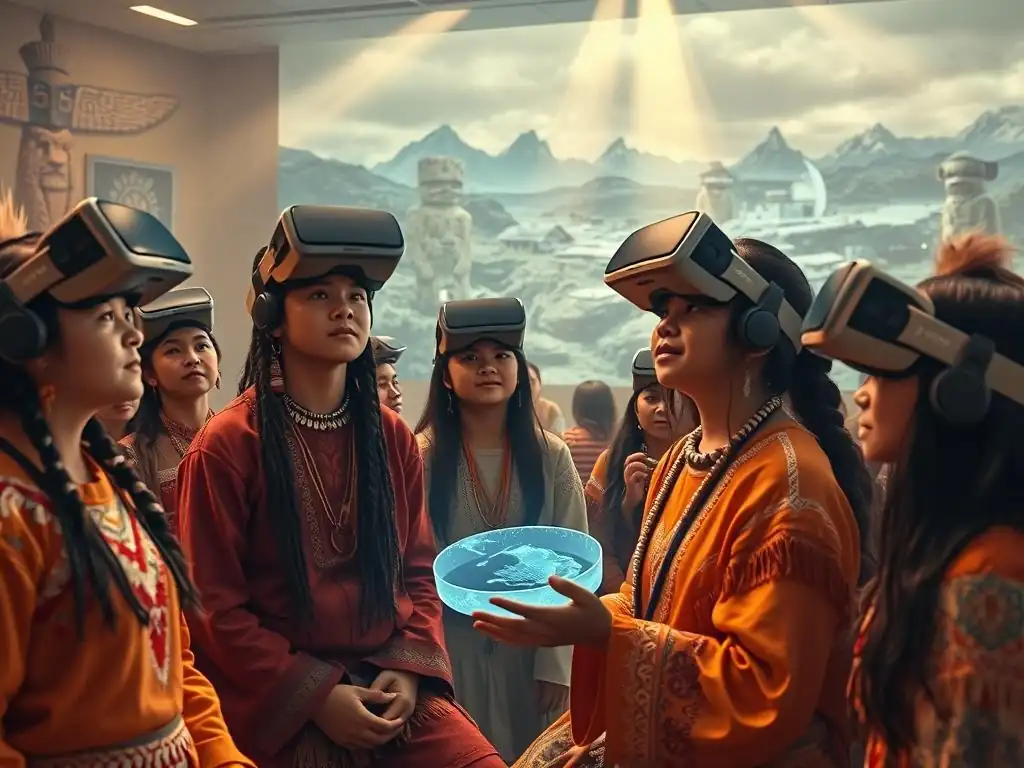
As virtual reality (VR) continues to gain traction in educational settings, its application in teaching Indigenous cultures presents unique challenges and considerations that must be addressed. These challenges not only pertain to the technology itself but also to the ethical implications of representing Indigenous history and culture. As educators and developers explore VR as a medium, understanding these hurdles is crucial to creating effective and respectful educational experiences.
Technical Barriers and Accessibility Issues
One of the most significant challenges in implementing VR for Indigenous education is the technical barriers associated with the technology. Many Indigenous communities, particularly those in rural or remote areas, may lack access to the necessary hardware and high-speed internet required for an optimal VR experience.
- Cost of Equipment: VR headsets and compatible devices can be expensive, making it challenging for schools or communities with limited budgets to adopt this technology.
- Training and Support: Educators may require training to effectively use VR tools, and ongoing technical support is essential to ensure that issues can be resolved promptly.
- Access Disparities: Inequities in technology access can further widen the educational gap between Indigenous students and their peers, necessitating solutions that prioritize inclusivity.
Ensuring Cultural Accuracy and Representation
Another critical consideration in using VR for Indigenous education is ensuring that the content is culturally accurate and representative. Misrepresentation or oversimplification of Indigenous cultures can perpetuate stereotypes and distort historical narratives.
- Collaboration with Community Elders: To create authentic VR experiences, it is vital to engage with Indigenous communities and cultural leaders during the development process. Their insights can guide the narrative, ensuring that it aligns with traditional knowledge and perspectives.
- Cultural Sensitivity Training: Educators utilizing VR should undergo training in cultural sensitivity to understand the significance of various cultural elements and avoid inappropriate representations.
- Ongoing Feedback: Integrating a feedback loop with Indigenous communities can help refine VR content, allowing for adjustments based on community sentiments and preferences.
Balancing Technology with Traditional Teaching Methods
While VR offers innovative ways to engage students, it is essential to balance this technology with traditional teaching methods that have long been effective in Indigenous education.
- Integrative Approaches: Combining VR experiences with hands-on learning and storytelling can enrich students’ understanding of Indigenous cultures. This holistic approach respects the oral traditions and community narratives that are integral to Indigenous education.
- Pedagogical Framework: Educators should develop a pedagogical framework that emphasizes experiential learning and critical thinking, fostering a deeper appreciation of Indigenous cultures beyond the VR experience.
- Community Involvement: Encouraging community members to participate in teaching alongside VR technology can enhance cultural connection and make learning more meaningful.
Future Prospects: The Evolution of Virtual Reality in Teaching Indigenous Civilizations
The future of virtual reality in teaching Indigenous civilizations holds great promise, with emerging technologies presenting new opportunities for immersive learning experiences. As the field evolves, it is crucial to remain mindful of the lessons learned from past implementations and strive for inclusivity and authenticity.
Emerging Technologies and Their Potential Impact
New technologies are continuously evolving, and their potential impact on Indigenous education through VR is significant.
- Augmented Reality (AR): AR can complement VR by providing interactive elements that can be accessed in physical spaces, allowing students to engage with cultural artifacts or historical sites in a more tangible way.
- Artificial Intelligence (AI): AI can personalize learning experiences, adapting content to meet the diverse needs of students while enhancing interactivity and engagement.
- Mobile VR Solutions: As mobile VR technology advances, it becomes easier to deploy educational content in various settings, making VR more accessible to Indigenous communities.
Collaborative Efforts Between Educators and Indigenous Communities
Collaboration between educators and Indigenous communities is essential for the successful integration of VR into Indigenous education.
- Partnership Models: Establishing partnerships that prioritize Indigenous voices in the development of educational content can ensure that the materials produced are reflective of community values and history.
- Joint Workshops: Facilitating workshops that bring together educators, technologists, and Indigenous community members can foster idea-sharing and co-creation of VR experiences.
- Shared Resources: Creating shared resources that can be accessed by both educators and Indigenous communities can promote a collaborative approach to learning and teaching.
Vision for a Culturally Inclusive Educational Landscape
The ultimate vision for integrating virtual reality into Indigenous education is to create a culturally inclusive educational landscape where Indigenous knowledge and perspectives are celebrated.
- Curriculum Development: Developing curricula that integrate Indigenous perspectives across various subjects can provide students with a well-rounded understanding of Indigenous cultures.
- Student Agency: Empowering Indigenous students to take an active role in their education through the development of VR content can enhance engagement and foster pride in their heritage.
- Lifelong Learning: Promoting a culture of lifelong learning about Indigenous civilizations through VR and other technologies can help bridge divides and foster mutual understanding among diverse populations.
Through thoughtful consideration of these challenges and future prospects, virtual reality can play a transformative role in the education of Indigenous cultures, ensuring that these rich histories are preserved and shared with future generations.
Conclusion
The integration of virtual reality (VR) technology into educational programs focused on indigenous civilizations represents a transformative approach to learning. By immersing students in the rich histories and cultures of these communities, VR provides a unique opportunity to foster understanding, empathy, and engagement. This innovative tool not only enhances the educational experience but also honors and celebrates the diverse traditions and legacies of indigenous peoples across the Americas.
Summary of the Impact of Virtual Reality on Indigenous Cultures Education
Virtual reality has made significant strides in the realm of education, and its application to the teaching of indigenous cultures has been particularly impactful. Key benefits include:
- Enhanced Engagement: Students are more likely to engage with and retain information when they can experience it in an immersive environment. VR allows learners to explore ancient sites, participate in cultural ceremonies, and interact with digital representations of historical figures, making the learning experience more memorable.
- Cultural Preservation: By utilizing VR, educators can help preserve and showcase indigenous cultures that may be at risk of being forgotten. Virtual reconstructions of historical sites and events ensure that these cultures are represented accurately and respectfully.
- Accessibility: VR technology offers access to indigenous cultures for students who may not have the means or opportunity to visit historical sites in person. This democratization of education allows a broader audience to learn about and appreciate the rich tapestry of indigenous histories.
- Empathy Building: Immersive experiences foster empathy in learners. By stepping into the shoes of individuals from different cultures, students can better understand the challenges and triumphs of indigenous peoples, leading to a more nuanced perspective on history and contemporary issues.
The use of virtual reality in education serves as a powerful tool to enhance the learning experience, ensuring that indigenous cultures are recognized and appreciated in a modern context.
Call to Action for Educators and Institutions to Embrace VR Technology
As the educational landscape continues to evolve, educators and institutions are encouraged to embrace virtual reality technology as a vital resource in teaching indigenous cultures. Here are several actions to consider:
- Invest in VR Resources: Schools should explore partnerships with technology providers to acquire VR equipment and content specifically focused on indigenous cultures. This investment can lead to transformative educational experiences for students.
- Develop Curriculum Collaborations: Educators can collaborate with indigenous communities to co-create VR content that accurately reflects their histories, traditions, and perspectives. This not only enriches the curriculum but also empowers indigenous voices in the educational process.
- Encourage Professional Development: Institutions should provide training for educators on how to effectively use VR in the classroom. Workshops and seminars can help teachers integrate this technology into their teaching strategies, ensuring that they are equipped to guide students through these immersive experiences.
- Promote Awareness and Advocacy: Schools and educators must advocate for the inclusion of indigenous perspectives in educational technology discussions. By raising awareness of the importance of indigenous cultures in the curriculum, they can help shape a more inclusive educational environment.
The call to action for educators and institutions to adopt virtual reality in teaching indigenous cultures is a step towards creating a more inclusive, empathetic, and informed future for students. Embracing this technology can not only enhance education but also serve to honor and preserve the rich heritage of indigenous civilizations across the Americas.
- Introduction to Virtual Reality in Education
- The Role of Virtual Reality in Indigenous Cultures Education
- Benefits of Using Virtual Reality for Teaching Indigenous Civilizations
- Case Studies: Successful Implementations of Virtual Reality in Indigenous Education
- Challenges and Considerations in Using Virtual Reality for Indigenous Education
- Future Prospects: The Evolution of Virtual Reality in Teaching Indigenous Civilizations
- Conclusion
- What is the main focus of the article "The Impact of Virtual Reality on Teaching Indigenous Civilizations"?
- How does virtual reality improve learning about indigenous cultures?
- What are some benefits of using virtual reality in indigenous cultures education?
- Are there any challenges associated with using virtual reality in education?
- How can educators incorporate virtual reality into their curriculum on indigenous civilizations?
Frequently Asked Questions
What is the main focus of the article "The Impact of Virtual Reality on Teaching Indigenous Civilizations"?
The article focuses on how virtual reality can enhance the education of indigenous cultures, providing immersive experiences that highlight their achievements and societies.
How does virtual reality improve learning about indigenous cultures?
Virtual reality offers immersive experiences that allow students to explore and interact with historical contexts, making the learning process more engaging and impactful compared to traditional methods.
What are some benefits of using virtual reality in indigenous cultures education?
Benefits include increased student engagement, better retention of information, and the ability to experience cultures in a dynamic way, which helps in understanding their lasting impact.
Are there any challenges associated with using virtual reality in education?
Yes, challenges include the cost of technology, the need for training educators, and ensuring that content is culturally sensitive and accurate to respect indigenous histories.
How can educators incorporate virtual reality into their curriculum on indigenous civilizations?
Educators can integrate virtual reality experiences into lessons, use VR platforms with indigenous content, and encourage students to explore and reflect on the diverse cultures of the Americas.
Final Reflection: Embracing Virtual Reality to Honor Indigenous Cultures
The integration of virtual reality into education is not just a technological advancement; it is a powerful tool for preserving and sharing the rich narratives of Indigenous civilizations. As we navigate an increasingly digital world, the ability to immerse ourselves in the stories, traditions, and histories of Indigenous cultures through virtual reality offers an unprecedented opportunity to foster understanding and respect. This technology serves as a bridge, connecting learners with the profound legacies of Indigenous peoples, and emphasizes the importance of cultural preservation in our modern educational landscape.
The impact of virtual reality on the teaching of Indigenous cultures is profound and ongoing. It reshapes the way we engage with history, allowing us to step into the shoes of those who lived it. This immersive experience not only enhances learning but also cultivates empathy and appreciation for the complexities of Indigenous identities. As noted by cultural educator Dr. Sarah Eagle Heart, When we share our stories through new mediums, we invite others to walk with us, to understand our journeys, and to honor our truths.
This perspective highlights the importance of using innovative tools to amplify Indigenous voices and narratives in education.
As we look to the future, I invite you to reflect on how you can incorporate the lessons learned from this exploration of virtual reality and Indigenous cultures into your own life. Consider how you can advocate for the integration of these technologies in educational settings, support Indigenous voices, and promote cultural understanding in your community. By embracing these advancements, we not only enrich our own understanding but also contribute to a more inclusive and respectful dialogue surrounding Indigenous civilizations. Let us commit to honoring these cultures and ensuring their stories are told and celebrated for generations to come.
Unleash the Power of Virtual Reality in Education!
Thank you for exploring the transformative potential of virtual reality (VR) in teaching about Indigenous civilizations! Your interest in this topic is essential for fostering a deeper understanding and appreciation of these rich cultures. Now, let’s turn that curiosity into action!
Here are some ways you can embrace VR and make a meaningful impact:
- Dive into a VR experience: Explore a VR application that highlights Indigenous stories or landscapes. Immerse yourself in the vibrant history and culture like never before.
- Share your discoveries: Engage in conversations with friends, family, or colleagues about what you've learned. Encourage them to explore how technology can enhance our understanding of Indigenous civilizations.
- Join the conversation: Participate in online forums, social media groups, or local workshops focused on Indigenous education and virtual reality. Your voice can ignite interest and foster collaboration in this crucial area.
How do you envision using technology like virtual reality to deepen your understanding of Indigenous cultures?