
The Role of European Missionaries in the Suppression of Indigenous Cultures

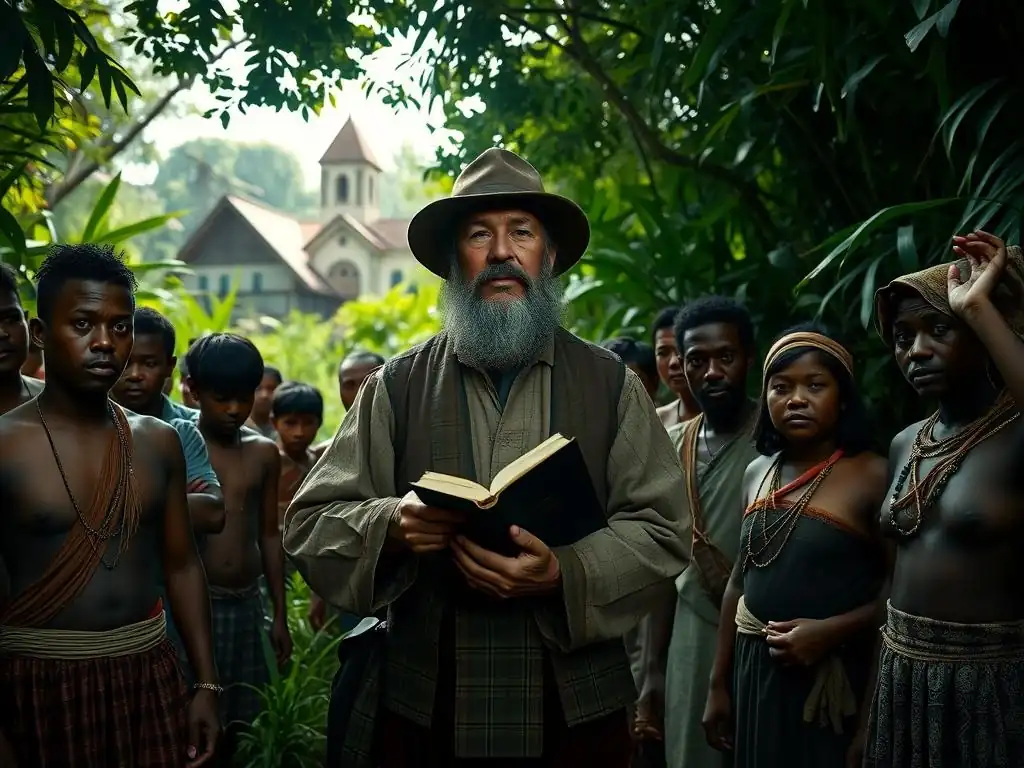
Welcome to Indigenous Civilizations of the Americas, where we invite you on a captivating journey through the vibrant cultures that flourished across the continent long before European contact. Here, you’ll uncover the rich tapestry of achievements and societies that shaped the lives of countless indigenous peoples.
In our featured article, “The Role of European Missionaries in the Suppression of Indigenous Cultures,” we delve into the profound impact of European missionaries on these civilizations, revealing a complex narrative of resilience and transformation. Prepare to challenge your perceptions and deepen your understanding as we explore the intricate legacies that continue to influence the Americas today.
Introduction to the Impact of European Missionaries
The arrival of European missionaries in the Americas marked a significant turning point in the history of indigenous cultures. While their professed goal was to spread Christianity and provide education, the impact of European missionaries extended far beyond spiritual guidance. Their presence often resulted in the suppression of indigenous beliefs, practices, and languages, contributing to the broader narrative of cultural erosion that accompanied European colonization. This article delves into the multifaceted role of missionaries, examining how their activities reshaped the cultural landscape of the Americas and the lasting repercussions on indigenous societies.
Overview of European Missionary Activities
European missionaries, primarily from Spain, France, and Portugal, embarked on their journeys to the Americas with a dual mission: to convert indigenous peoples to Christianity and to facilitate European colonial ambitions. Their activities can be categorized into several key areas:
- Establishment of Missions: Missionaries set up missions as centers of religious and cultural influence, often in strategic locations to control trade and political power.
- Cultural Assimilation: They frequently aimed to replace indigenous spiritual practices with Christianity, leading to the systematic dismantling of traditional belief systems.
- Education and Language: Missionaries often introduced European languages and education systems, which marginalized native languages and knowledge.
Despite their efforts to present their work as benevolent, the underlying motives often served to entrench colonial power structures, further diminishing the autonomy of indigenous communities.
Historical Context of Missionary Work in the Americas
The historical context of missionary work is crucial for understanding its impact on indigenous cultures. Following the arrival of Christopher Columbus in 1492, European powers sought to exploit the resources of the Americas, leading to a race to convert indigenous peoples. The following points highlight key developments in this context:
- Spanish and Portuguese Conquests: Following the conquests, missionaries were often among the first Europeans to establish a presence, seeking to convert those they encountered.
- The Role of the Catholic Church: The Catholic Church played a pivotal role in the colonization process, with institutions like the Jesuits and Franciscans leading efforts to evangelize indigenous populations.
- Resistance and Adaptation: Indigenous groups often resisted conversion, leading to conflicts and adaptations of missionary strategies that sometimes incorporated elements of indigenous beliefs.
Understanding this historical backdrop reveals the complex interplay between religion, power, and cultural suppression that characterized missionary efforts in the Americas.
The Cultural Landscape Before European Contact
Indigenous Civilizations and Their Rich Heritage
Before the arrival of Europeans, the Americas were home to a vast array of indigenous civilizations, each with its own unique cultural practices, social structures, and spiritual beliefs. Some prominent cultures included:
- The Aztecs: Known for their advanced agricultural techniques, elaborate religious ceremonies, and impressive architectural achievements, the Aztecs had a rich tapestry of traditions that governed their daily lives.
- The Incas: With a vast empire stretching across the Andes, the Incas excelled in engineering, agriculture, and governance, creating a sophisticated society deeply connected to their environment.
- The Pueblo Peoples: In what is now the Southwestern United States, the Pueblo peoples developed intricate communities characterized by skilled pottery, woven textiles, and spiritual practices tied to the land.
These civilizations not only thrived in their own right but also contributed significantly to the cultural and intellectual heritage of humanity.
Achievements of Indigenous Societies Prior to Colonization
The achievements of indigenous societies prior to European colonization were remarkable and varied, encompassing various fields:
- Agriculture: Indigenous peoples domesticated numerous crops, including maize, potatoes, and beans, which became staples in global diets.
- Architecture: Many cultures built impressive structures, such as the pyramids of the Maya and the stone cities of the Inca, showcasing advanced engineering and artistry.
- Art and Craftsmanship: Indigenous artisans produced intricate artworks, textiles, and pottery that reflected their cultural values and beliefs.
These achievements underscore the complexity and richness of indigenous cultures, which faced profound challenges following European contact and missionary efforts.
The Objectives of European Missionaries
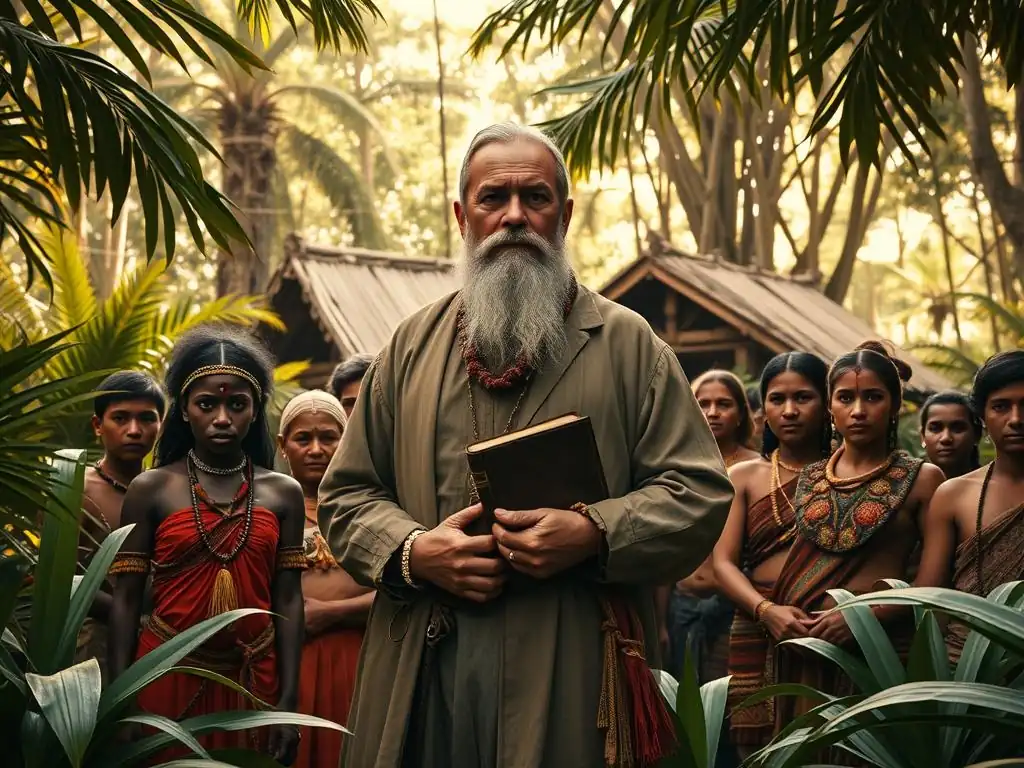
European missionaries arrived in the Americas with a variety of objectives that were deeply intertwined with the broader goals of their respective colonial powers. Their primary mission was to convert Indigenous peoples to Christianity, believing that this transformation was not only spiritually beneficial but also essential for the salvation of souls. However, the missionaries' objectives extended beyond mere religious conversion; they also aimed to reshape Indigenous societies in alignment with European norms and values.
Religious Conversion and Its Motivations
The foremost motivation for European missionaries was the desire to spread Christianity, particularly Catholicism, among Indigenous populations. This aim was driven by a theological belief that salvation could only be achieved through faith in Christ. Missionaries viewed Indigenous spiritual practices as pagan and sought to replace them with Christian teachings. The conversion process often involved the establishment of missions, where Indigenous peoples were taught Christian doctrines, often through catechism and the reinforcement of European cultural norms.
Moreover, the motivations behind religious conversion were not solely spiritual. Many missionaries were influenced by the belief in the superiority of European civilization and culture. They often regarded Indigenous practices and beliefs as inferior, which justified their efforts to impose Christianity as a means of civilizing Indigenous peoples.
Political and Economic Factors Influencing Missionary Efforts
The efforts of European missionaries were significantly influenced by the political and economic contexts of their time. Colonial governments often viewed the conversion of Indigenous populations as a means to stabilize and control newly acquired territories. By converting Indigenous peoples, missionaries could help integrate them into colonial society, making them more compliant subjects of the crown.
Additionally, missionaries were sometimes supported by economic interests, particularly in the context of land acquisition and resource exploitation. Converting Indigenous peoples was seen as a way to facilitate their assimilation into European economic systems. Once converted, Indigenous individuals were often expected to adopt European agricultural practices, which in many cases led to the appropriation of Indigenous lands and resources. Thus, the impact of European missionaries was not limited to the spiritual realm; it extended into the socio-economic fabric of Indigenous cultures.
Methods Employed by European Missionaries
The methods employed by European missionaries varied widely but were often characterized by a combination of persuasion and coercion. These methods were designed not only to promote religious conversion but also to suppress Indigenous cultures and replace them with European traditions.
Conversion Techniques and Their Impact on Indigenous Beliefs
Missionaries utilized various conversion techniques, including direct preaching, the establishment of mission schools, and the translation of religious texts into Indigenous languages. These efforts aimed to make Christianity accessible to Indigenous peoples and to encourage them to abandon their traditional beliefs.
The impact of these techniques was profound. Many Indigenous communities experienced significant disruption to their spiritual practices. As missionaries introduced Christian teachings, they often denigrated Indigenous ceremonies and beliefs, labeling them as superstitions. This led to a loss of cultural identity for many Indigenous peoples, as generations were taught to view their own traditions as inferior or sinful.
Moreover, the conversion process frequently involved the imposition of new social structures that undermined traditional governance and community organization. As Indigenous peoples converted, they often found themselves at odds with their own cultural norms, leading to internal conflicts and a gradual erosion of their cultural heritage.
Education and Its Role in Cultural Suppression
Education played a critical role in the missionary agenda, serving as a tool for both conversion and cultural suppression. Mission schools were established to educate Indigenous children, but the curriculum was heavily laden with European values and Christian teachings. Children were often prohibited from speaking their native languages and practicing their cultural traditions, which led to a generational gap in cultural knowledge.
The impact of this educational approach was significant. Indigenous children educated in mission schools frequently returned to their communities with a diminished connection to their cultural identity. This not only contributed to the disintegration of Indigenous languages and traditions but also fostered a sense of dislocation and alienation among those who had been educated in a system that rejected their heritage. Over time, the legacy of missionary education contributed to a broader cultural suppression, undermining the very foundations of Indigenous societies in the Americas.
Case Studies of Missionary Impact on Indigenous Cultures
The impact of European missionaries on indigenous cultures across the Americas presents a complex narrative of both cultural exchange and suppression. To understand this multifaceted relationship, it is essential to explore specific case studies that illustrate how missionary activities not only aimed to convert indigenous peoples to Christianity but also inadvertently contributed to the erosion of their cultural identities.
One prominent example is the Jesuit missions in the Great Lakes region during the 17th century. The Jesuits, known for their educational efforts, established missions that served as centers for spiritual and social transformation. While they sought to spread Christianity, these missions also imposed European agricultural practices and lifestyles, which disrupted traditional indigenous ways of life, leading to significant cultural shifts.
Another notable case is the Spanish missions in California, where missionaries sought to convert the indigenous populations, such as the Chumash and Ohlone. These missions often functioned as labor camps, where indigenous peoples were forced to abandon their traditional practices in favor of European customs. This resulted in a profound loss of language, spiritual beliefs, and communal structures, as the missionaries prioritized assimilation over coexistence.
Specific Examples of Missionary Activities in North America
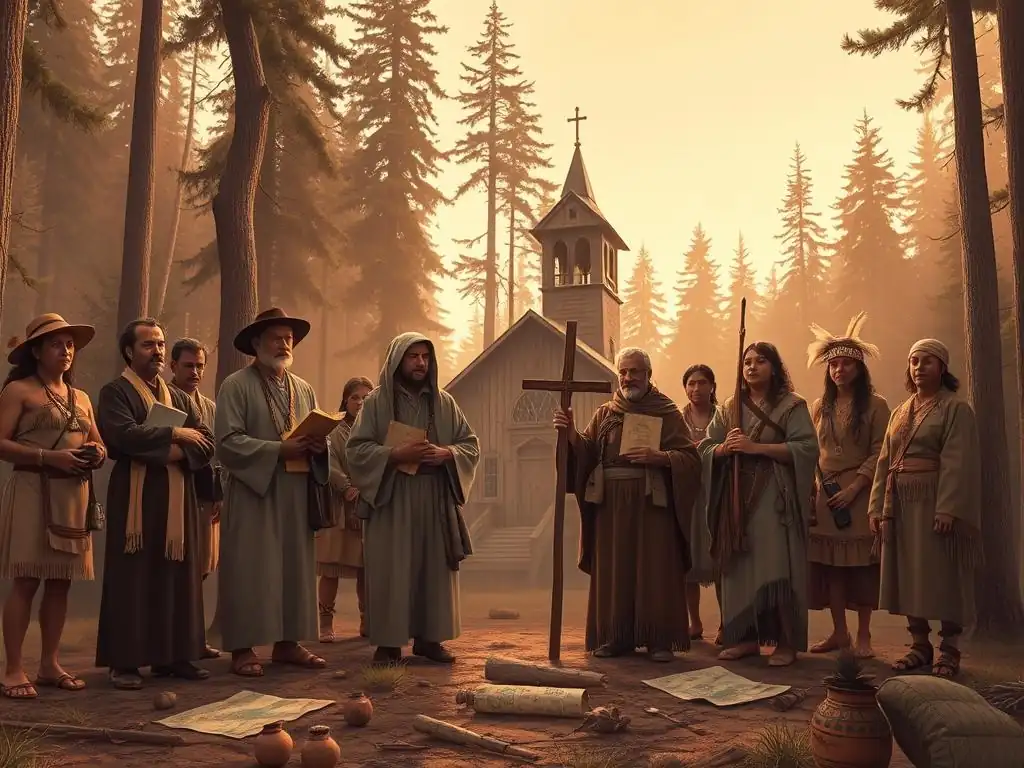
In North America, missionary activities varied in approach and intensity, reflecting the diverse contexts of indigenous cultures. One specific example is the work of the Moravian Church among the Native American tribes in Pennsylvania during the 18th century. The Moravians emphasized education and community-building, providing a more humane approach compared to other missionary groups. However, even their efforts often led to the gradual erosion of tribal identities and practices as indigenous peoples adopted Christian beliefs and lifestyles.
Similarly, the French missionaries, particularly the Jesuits and Recollects, actively engaged with the Huron-Wendat and Algonquin tribes. They not only aimed to convert these tribes but also documented their languages and cultures. Despite their scholarly contributions, the resulting cultural exchanges often led to the undermining of traditional practices and social structures, especially with the introduction of European governance and economic systems.
Analyzing the Consequences of Missionary Intervention
The consequences of missionary intervention on indigenous cultures were profound and far-reaching. Missionaries often viewed indigenous belief systems as inferior, leading to systematic efforts to eradicate traditional practices. This cultural imperialism resulted in significant changes to social structures, language, and spiritual practices among indigenous peoples.
The introduction of European education systems also played a pivotal role in shaping indigenous identities. By prioritizing European languages and histories, missionaries contributed to the decline of native languages and knowledge systems. For instance, the introduction of Christian doctrine often replaced indigenous spiritual beliefs, resulting in a loss of cultural heritage that has lasting implications today.
Additionally, missionary activities frequently aligned with colonial agendas, leading to land dispossession and increased marginalization of indigenous communities. This collaboration between missionaries and colonial authorities often meant that indigenous peoples faced not only spiritual displacement but also socio-economic exploitation.
The Resistance of Indigenous Peoples
Despite the overwhelming influence of European missionaries, indigenous peoples exhibited remarkable resilience and resistance to cultural suppression. Many communities adapted to missionary presence while attempting to preserve key aspects of their cultural identities.
Indigenous Responses to Missionary Efforts
Indigenous responses to missionary efforts were varied and often strategic. Some groups engaged with missionaries to gain access to European goods, education, and political alliances, using these interactions to negotiate their own terms of engagement. For example, the Iroquois Confederacy utilized relationships with missionaries to strengthen their political standing against colonial encroachments.
Conversely, other groups outright rejected missionary teachings, reaffirming their cultural practices and spiritual beliefs. The Ghost Dance movement among various Plains tribes exemplifies this resistance, where spiritual revival was used as a means to reclaim indigenous identity and challenge colonial impositions.
Preservation of Culture Amidst Suppression
Throughout the missionary period, many indigenous peoples found ways to preserve their culture amidst increasing suppression. Oral traditions, storytelling, and community gatherings remained vital in passing down cultural knowledge and practices. Moreover, some indigenous groups blended elements of Christianity with their traditional beliefs, creating a unique syncretism that allowed them to retain aspects of their cultural identity.
In contemporary times, these efforts are visible in the revitalization movements aimed at reclaiming indigenous languages, traditions, and spiritual practices. Organizations and communities are working tirelessly to restore cultural heritage, demonstrating the enduring strength and resilience of indigenous identities in the face of historical suppression by European missionaries.
Long-term Consequences of Missionary Actions
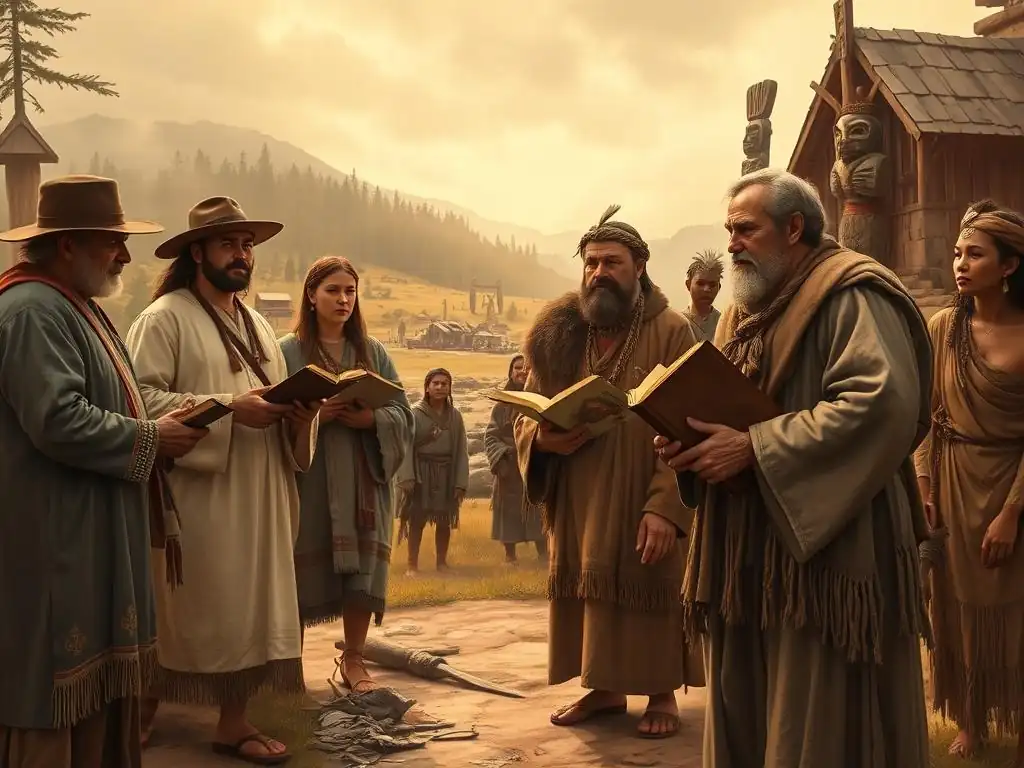
The actions of European missionaries during the colonial period had profound and far-reaching consequences for indigenous cultures across the Americas. These consequences can be categorized into various domains, including social, linguistic, and spiritual aspects. Missionaries aimed to convert indigenous populations to Christianity, which often involved the imposition of foreign beliefs and practices. This led to significant cultural disruption, undermining traditional spiritual systems that had been in place for centuries.
One of the most significant long-term consequences was the erosion of indigenous languages. As missionaries often promoted the use of European languages, many indigenous tongues faced decline or even extinction. This linguistic shift not only affected communication but also resulted in the loss of traditional knowledge embedded within these languages. Furthermore, the blending of European and indigenous cultures frequently led to syncretism, where elements of both traditions were combined. While this may have created unique cultural expressions, it often diluted the authenticity of indigenous practices and beliefs.
Additionally, the establishment of missions frequently resulted in the reorganization of indigenous societies. Traditional governance structures were undermined, and social hierarchies were altered to align with European norms. This disruption has had lasting effects on community cohesion and identity, which continue to influence indigenous groups today.
Lasting Effects on Indigenous Cultural Heritage
The lasting effects of missionary activities on indigenous cultural heritage are evident in various aspects of life among native communities. Many indigenous practices, rituals, and ceremonies were either suppressed or transformed to fit within the framework of Christianity. For example, traditional healing practices were often dismissed as pagan, leading to a reliance on European medicine and religious beliefs.
Moreover, the introduction of European educational models often prioritized Christian teachings over indigenous knowledge systems. This has resulted in generations of indigenous peoples growing up with a diminished understanding of their cultural heritage. Cultural transmission, which traditionally occurred through oral storytelling and community practices, faced significant challenges as missionary schools emphasized European narratives and histories.
In addition to the suppression of practices, many physical manifestations of indigenous cultures, such as sacred sites and artifacts, were destroyed or repurposed for missionary use. This loss is not merely about physical objects; it represents a severing of the connection between indigenous peoples and their spiritual landscapes, leading to a profound sense of dislocation and loss.
Modern Implications of Historical Suppression
The historical suppression of indigenous cultures by European missionaries continues to have implications for contemporary indigenous communities. Many groups struggle with identity and cultural continuity, as the legacies of missionization have created fractures in traditional practices. This often results in a sense of disconnection from ancestral heritage, which can manifest in psychological and social challenges.
Furthermore, the impact of missionary actions is evident in modern legal and political struggles. Indigenous peoples today often fight for recognition of their rights, including land claims and cultural preservation. The historical context of missionary suppression is crucial in understanding these contemporary challenges, as it highlights the ongoing effects of colonization and cultural erasure.
The modern resurgence of indigenous movements aims to reclaim and revitalize cultural practices that were suppressed. This resurgence is not merely about preservation but also involves the adaptation and transformation of traditions in response to contemporary realities. Many communities are actively working to reintegrate traditional knowledge into their daily lives, fostering a renewed sense of identity and belonging.
Conclusion: Reflecting on the Impact of European Missionaries
The examination of the impact of European missionaries reveals a complex narrative of cultural suppression and resilience among indigenous peoples. The consequences of missionary actions extend far beyond the colonial era, influencing modern indigenous identities, practices, and community structures.
Summary of Key Findings
The role of European missionaries in the suppression of indigenous cultures had significant long-term consequences. Key findings include:
- Cultural Erosion: Traditional practices and beliefs were systematically undermined, leading to the loss of cultural identity.
- Language Decline: The promotion of European languages contributed to the endangerment of many indigenous languages.
- Social Disruption: Missionary activities disrupted traditional social structures, affecting community cohesion.
- Contemporary Repercussions: Modern indigenous groups continue to grapple with the effects of historical suppression, impacting their rights and cultural expression.
The Importance of Recognizing Indigenous Resilience and Heritage
Despite the challenges posed by missionary actions, it is essential to recognize the resilience of indigenous cultures. Many indigenous communities have successfully navigated the legacies of colonialism and are actively working to revitalize their cultural heritage. This resilience is a testament to the strength and adaptability of indigenous peoples in the face of adversity.
Acknowledging this resilience is crucial not only for understanding the historical context but also for supporting indigenous rights and cultural preservation efforts today. By appreciating the rich tapestry of indigenous heritage and recognizing its ongoing evolution, we can foster deeper respect for these cultures and contribute to their empowerment in the modern world.
Further Reading: Exploring the Legacy of European Missionaries
The impact of European missionaries on Indigenous cultures is a complex and multifaceted subject. To gain a deeper understanding of this legacy, exploring various resources can provide valuable insights into both the missionary activities and the resilience of Indigenous communities. Below is a compilation of suggested resources that delve into the history, perspectives, and consequences of missionary endeavors in the Americas.
Suggested Resources on Indigenous Cultures and Missionary Impact
-
Books
-
"The Missions of California: A Legacy of Cultural Exchange" by James L. McClure
This book examines the cultural exchanges between missionaries and Indigenous peoples, highlighting both the positive and negative outcomes of these interactions.
-
"American Indian History: A Very Short Introduction" by Philip Weeks
A concise overview that addresses the broader context of American Indian history, including the role of missionaries.
-
"The Other Slavery: The Uncovered Story of Indian Enslavement in America" by Andrés Reséndez
This resource offers a deeper understanding of the impact of European colonization, including the role of missionaries in the enslavement of Indigenous peoples.
-
-
Documentaries
-
"The Last of the First"
This documentary explores the stories of Indigenous peoples affected by the arrival of European missionaries, shedding light on their cultural survival and adaptation.
-
"In the Footsteps of the Missionaries"
A visual journey that discusses the historical significance of missions in the Americas, featuring interviews with historians and descendants of Indigenous communities.
-
-
Academic Journals
-
"Journal of Indigenous Studies"
This journal publishes articles that address various aspects of Indigenous cultures, including the impact of European missionaries and their legacies.
-
"Ethnohistory"
A scholarly journal that focuses on the historical interactions between Indigenous peoples and Europeans, often featuring discussions on missionary activities.
-
Related Topics for Deeper Understanding
-
Cultural Resilience and Adaptation
Understanding how Indigenous cultures adapted to the pressures of missionary influence and maintained aspects of their identity is crucial. This topic covers the ways in which traditions, languages, and practices evolved in response to European contact.
-
Resistance Movements
Explore the various forms of resistance against missionary efforts and European colonization. Indigenous uprisings and the revival of cultural practices are key elements of this narrative.
-
Comparative Studies of Missionary Practices
Investigating the differences in missionary approaches across various regions of the Americas can provide insight into how distinct Indigenous cultures were affected by these efforts. This includes comparing the missions in North America with those in South America.
-
Spiritual Syncretism
The blending of Indigenous spiritual practices with Christian beliefs is a fascinating topic that demonstrates the complexity of cultural exchange. Studying how these syncretic practices emerged can shed light on the ongoing influence of missionaries.
Engaging with these resources and topics not only illuminates the impact of European missionaries on Indigenous cultures but also fosters a greater appreciation for the resilience and enduring legacies of Indigenous peoples throughout the Americas.
- Introduction to the Impact of European Missionaries
- Overview of European Missionary Activities
- Historical Context of Missionary Work in the Americas
- The Cultural Landscape Before European Contact
- The Objectives of European Missionaries
- Methods Employed by European Missionaries
- Case Studies of Missionary Impact on Indigenous Cultures
- Specific Examples of Missionary Activities in North America
- Analyzing the Consequences of Missionary Intervention
- The Resistance of Indigenous Peoples
- Long-term Consequences of Missionary Actions
- Conclusion: Reflecting on the Impact of European Missionaries
- Further Reading: Exploring the Legacy of European Missionaries
- What were the primary goals of European missionaries in the Americas?
- How did missionaries impact indigenous languages?
- What role did missionaries play in education?
- Did missionaries contribute to the preservation of any indigenous practices?
- What is the lasting impact of European missionaries on indigenous cultures today?
Frequently Asked Questions
What were the primary goals of European missionaries in the Americas?
European missionaries aimed to convert indigenous people to Christianity and spread European religious beliefs, often viewing indigenous cultures as inferior.
How did missionaries impact indigenous languages?
Missionaries often prioritized the translation of the Bible into indigenous languages, which led to the suppression of native linguistic traditions and the promotion of European languages.
What role did missionaries play in education?
Missionaries established schools for indigenous children, but these institutions often aimed at indoctrination rather than preserving indigenous cultures, leading to a loss of cultural identity.
Did missionaries contribute to the preservation of any indigenous practices?
While some missionaries documented indigenous customs and languages, the overall impact was primarily one of suppression, as many practices were deemed pagan or inappropriate.
What is the lasting impact of European missionaries on indigenous cultures today?
The legacy of European missionaries has resulted in a complex relationship where some indigenous communities have retained aspects of their culture, while others struggle with the erasure of their traditions due to historical missionary efforts.
Final Reflection: The Lasting Impact of European Missionaries on Indigenous Cultures
The role of European missionaries in the suppression of indigenous cultures remains a critical topic that resonates deeply in today's discussions on cultural preservation and identity. As we navigate a world increasingly aware of historical injustices, it is essential to confront the legacy of colonialism and its ongoing effects on indigenous communities. The impact of European missionaries was not merely a historical footnote; it has shaped the cultural landscape of many societies and continues to influence contemporary dialogues about heritage and reconciliation.
The influence of European missionaries extends far beyond their initial intentions, as they often disrupted and transformed indigenous ways of life in profound ways. This ongoing struggle for cultural identity and recognition is a testament to the resilience of indigenous peoples. As we reflect on this complex history, we are reminded of the words of Mahatma Gandhi: A nation's greatness is measured by how it treats its weakest members.
This quote encapsulates the need for empathy and understanding as we acknowledge the past and its implications for the present and future.
As you consider the themes explored in this article, I invite you to reflect on your own role in fostering cultural respect and understanding. How can you contribute to the preservation of indigenous cultures in your community? Whether through education, advocacy, or simply by listening to the stories of those whose voices have been marginalized, each of us has the power to make a difference. Let us carry forward the lessons learned from history, ensuring that we honor and celebrate the rich tapestry of human experience that exists in our world today.
Unveil the Truth: Advocate for Indigenous Voices!
Thank you for taking the time to explore the profound insights into the role of European missionaries and their impact on Indigenous cultures. Understanding this complex history empowers us to celebrate and support the resilience of Indigenous communities today.
Now, let's transform this knowledge into action! Here are a few impactful steps you can take:
- Join the Movement: Become an advocate for Indigenous rights by supporting organizations dedicated to preserving their cultures and languages.
- Expand your understanding by reading more about contemporary Indigenous issues and their ongoing fight for cultural preservation.
- Share your knowledge! Engage in discussions about this topic with your friends and family, helping to raise awareness about the historical impact on Indigenous communities.
What steps will you take today to uplift and amplify Indigenous voices in your community? Let's continue this vital conversation!