European Conquest and Impact on Indigenous Civilizations of the Americas
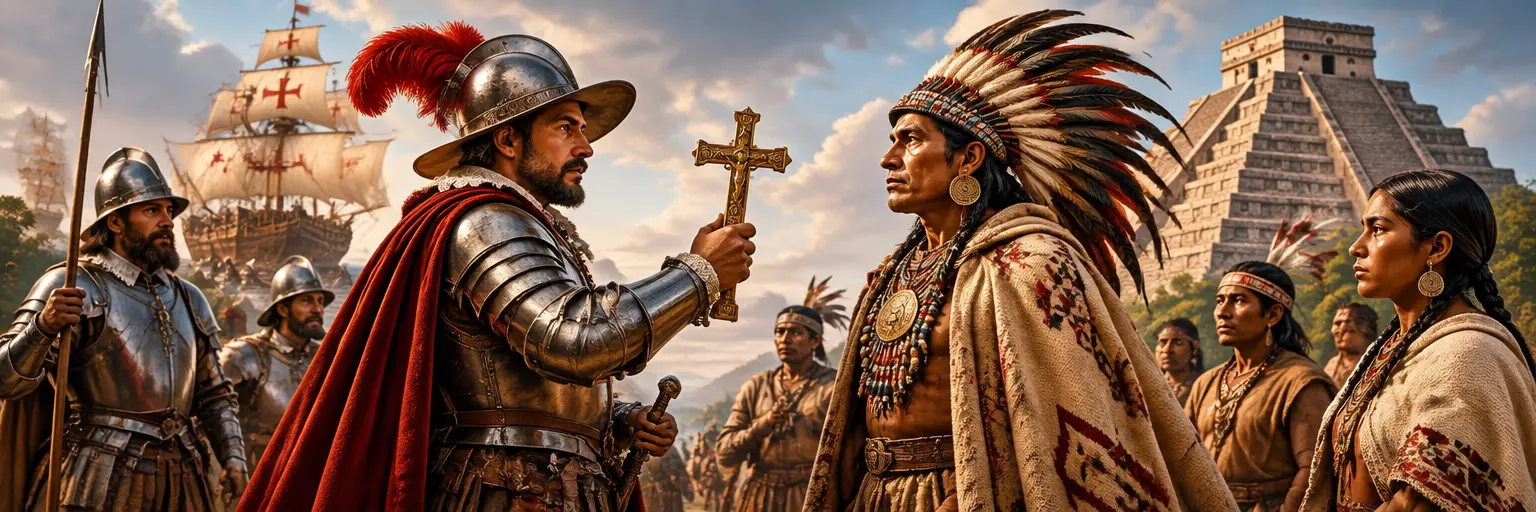
The arrival of Europeans in the Americas triggered one of the most profound and devastating transformations in human history. This category examines the complex processes of conquest, colonization, and cultural upheaval that reshaped indigenous societies across the continent. From the demographic catastrophe caused by introduced diseases to the resilience shown through syncretic practices and resistance movements, we explore how native peoples navigated, adapted, and survived centuries of foreign domination. This section also highlights the modern legacies of these encounters, including ongoing land rights battles, language revitalization efforts, and the enduring fight for cultural preservation.
🏥 Population Decline Studies
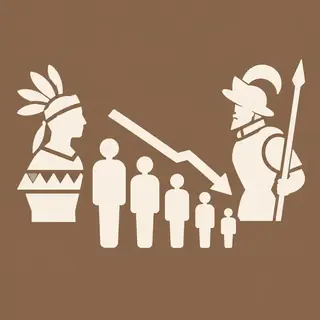
This subcategory delves into the catastrophic loss of indigenous populations following European contact, which some scholars estimate reduced the Americas' native population by up to 90% within a century. Researchers use a combination of archaeological evidence, colonial records, and modern epidemiological models to reconstruct pre-contact population sizes and trace the trajectory of decline. Expect to find detailed analyses of regional variations, the role of warfare and forced labor alongside disease, and debates about the "virgin soil" hypothesis versus other contributing factors.
🕯️ Syncretic Practices
Syncretism refers to the creative blending of indigenous beliefs with Catholicism and other European traditions, producing new religious and cultural forms. This subcategory explores how native peoples actively incorporated Christian saints, rituals, and iconography into their existing cosmologies while preserving core aspects of their ancestral spirituality. Examples include the Mexican Day of the Dead, Andean festivals integrating Inti Raymi with Corpus Christi, and the use of indigenous languages in liturgical settings. These practices represent not passive acceptance but strategic adaptation and covert resistance to colonial religious imposition.
🌱 Post-Conquest Cultural Adaptations
Following the initial shock of conquest, indigenous communities developed numerous strategies to survive under colonial rule. This section covers shifts in subsistence patterns, social organization, and economic participation, from the adoption of European crops and livestock to the formation of new multi-ethnic settlements. It also examines how native elites negotiated with colonial authorities to maintain privileges, and how ordinary people used legal channels, petitioning, and mobility to carve out spaces of autonomy. Expect case studies on the Andes, Mesoamerica, and the southeastern United States.
⚔️ Spanish Conquest of the Incas
The 1532-1572 conquest of the Inca Empire by Francisco Pizarro and his men is a dramatic story of technological disparity, political intrigue, and catastrophic miscommunication. This subcategory analyzes the key events from Atahualpa's capture at Cajamarca to the fall of Vilcabamba, emphasizing the role of civil war, European diseases, and the exploitation of internal divisions. It also examines the encomienda system and the establishment of colonial viceroyalty structures in Peru, as well as indigenous chroniclers like Guamán Poma who documented the conquest's aftermath.
🌍 Land Rights and Modern Movements
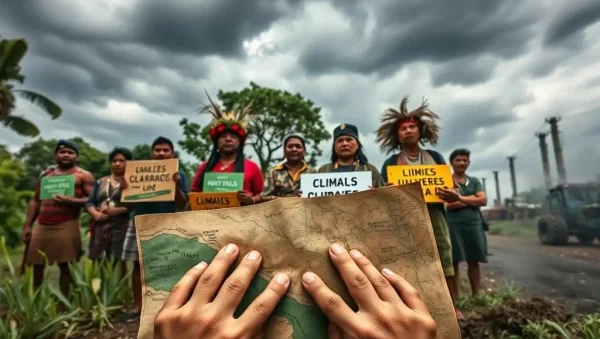
Contemporary indigenous movements are fundamentally about reclaiming ancestral lands and securing legal recognition of territorial rights. This subcategory explores landmark legal cases, such as the 2007 UN Declaration on the Rights of Indigenous Peoples and national court victories like the 2015 Guatemalan ruling, alongside grassroots campaigns against extractive industries. It discusses the concept of "territoriality" versus property ownership, the role of mapping and GIS technologies, and the intersection of land rights with environmental conservation and climate change adaptation.
🗣️ Loss of Languages
The extinction and endangerment of indigenous languages is one of the most visible and painful legacies of European conquest. This subcategory documents the historical policies of forced assimilation, including residential schools and prohibition of native speech, that drove language shift. It presents current statistics on language vitality (e.g., only 20 of over 300 pre-contact North American languages still have child speakers) and explains the linguistic, cultural, and cognitive consequences of language loss. Resources for documentation and revitalization are also highlighted.
🏹 Spanish Conquest of the Aztecs
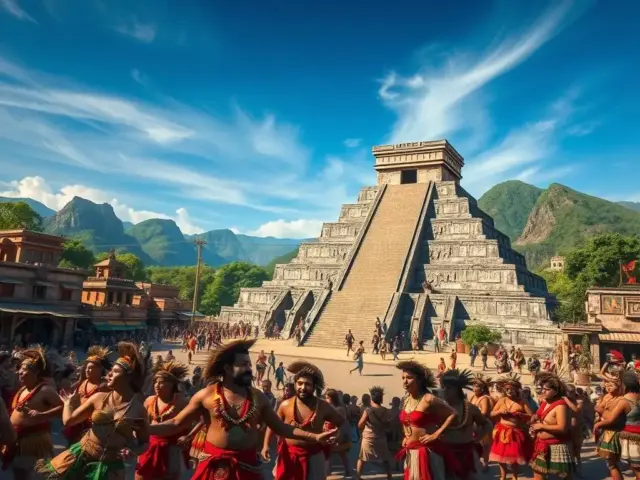
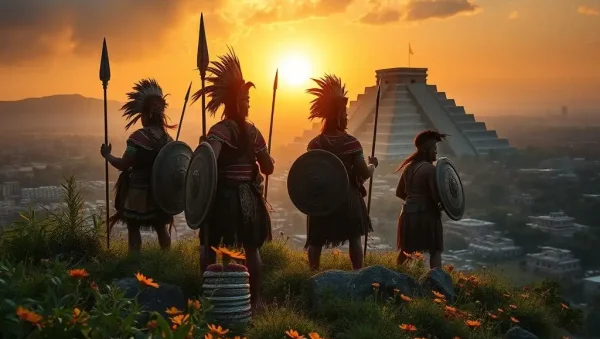
Hernán Cortés's 1519-1521 campaign against the Aztec Empire remains a pivotal moment in world history. This subcategory dissects the military campaign, focusing on alliances with Tlaxcalans and other subjugated peoples, the use of steel weapons and gunpowder, and the psychological impact of horses. It also analyzes the role of disease, especially smallpox, in the final siege of Tenochtitlan, and the subsequent imposition of Spanish governance. The conquest is presented not as a swift victory but as a messy, contingent process.
👥 Changes in Social Structures
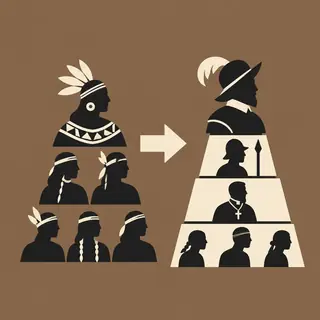
Colonial rule fundamentally reshaped indigenous social hierarchies, family dynamics, and gender relations. This subcategory examines how the Spanish crown's creation of "republic of Indians" versus "republic of Spaniards" institutionalized racial segregation, while also showing how existing elites sometimes became intermediaries. It explores changes in marriage patterns, inheritance, and labor obligations, as well as the introduction of European concepts of nobility and honor. The impact on gender roles is specifically discussed, including the loss of women's political authority in some societies.
🦠 Impact of European Diseases
Smallpox, measles, influenza, and typhus devastated indigenous populations lacking immunity to Old World pathogens. This subcategory provides a medical and historical overview of epidemic outbreaks, including the 1520 smallpox epidemic that killed millions in Mexico and the 1564 Andean plague. It examines mortality rates, demographic recovery patterns, and the social chaos caused by mass death, such as abandonment of villages and breakdown of food systems. The latest research on genetic resistance and the role of virgin-soil epidemics is also summarized.
🏛️ Integration into National Identities
In the 19th and 20th centuries, newly independent Latin American nations sought to forge unified national identities that often marginalized indigenous cultures. This subcategory explores policies of "mestizaje" (racial mixing) promoted as a national ideal, while simultaneously denying contemporary indigenous presence. It contrasts Mexico's celebration of its Aztec past with its discrimination against living indigenous peoples, Brazil's "manifest destiny" against Amazonian tribes, and more recent "pluricultural" constitutional reforms that recognize indigenous rights and autonomy.
⛪ Suppression of Indigenous Religions
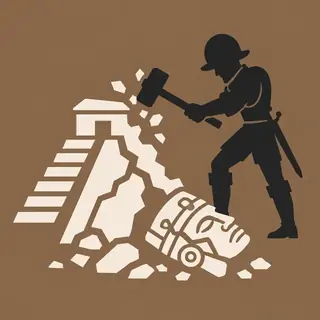
European missionaries and colonial states systematically attempted to eradicate indigenous spiritual practices, considering them "idolatry" or "works of the devil." This subcategory details the Inquisition's campaigns, the destruction of temples and sacred objects, and the punishment of native priests. It also examines how some practices survived in secret, transformed under Christian guise, or were revived centuries later. The role of literature, such as the Maya Popol Vuh, as a covert preservation of cosmology is highlighted.
📉 Long-term Demographic Changes
Beyond initial epidemics, indigenous populations experienced prolonged demographic stagnation or decline well into the twentieth century. This subcategory analyzes fertility rates, infant mortality, migration patterns, and the impact of forced labor systems like the mita. It discusses the gradual recovery of some populations after the 1900s, the emergence of "indigenous resurgence" in censuses, and how colonial-era population collapse shaped land tenure and social memory. Comparisons across regions (e.g., Amazon vs. Andes) are provided.
🌿 Cultural Revitalization Efforts
Since the late twentieth century, indigenous communities have engaged in active movements to revive languages, ceremonies, arts, and traditional knowledge. This subcategory explores successful examples like the Māori immersion schools (adapted to the Americas) and the revival of the Nahuatl language in Mexico. It also covers the resurgence of traditional medicine, the repatriation of sacred objects from museums, and the use of social media for cultural transmission.
💉 Responses to Epidemics
How did indigenous societies understand and respond to the new diseases that killed so many? This subcategory examines traditional healing practices, spiritual explanations, and quarantine efforts, as well as the role of indigenous healers during colonial outbreaks. It also looks at modern responses to the COVID-19 pandemic, including indigenous-led health protocols and the resilience of traditional preventive measures.
🌐 Other European Conquests
The Spanish were not the only colonizers; the Portuguese, French, Dutch, English, and others also conquered indigenous territories. This subcategory covers the Portuguese colonization of Brazil, French exploitation in the fur trade of Canada, Dutch activities in the Caribbean and Brazil, and English settlement in North America. It highlights differences in colonial policies, such as the French alliance with indigenous groups versus the English tendency toward displacement, and the varied impacts on native populations.
✊ Indigenous Resistance Movements
From the Túpac Amaru II rebellion in Peru (1780) to the Pueblo Revolt of 1680 and the modern Zapatista movement, indigenous peoples have consistently resisted colonial domination. This subcategory analyzes these revolts, their goals, leadership, and outcomes, as well as smaller-scale forms of resistance like flight, sabotage, and covert refusals to pay tribute. It discusses how contemporary movements draw on these historical precedents.
🎵 Survival of Traditions
Despite centuries of persecution, many indigenous traditions have survived to this day. This subcategory celebrates the resilience of textile weaving, pottery, ritual dances, oral histories, and dietary practices. It profiles specific communities like the Hopi and their kachina ceremonies, the Mapuche and their sport of palín, and the Amazonian peoples' deep knowledge of plant-based medicine. The role of elders as keepers of knowledge is central.
🔫 Military Technologies and Strategies
The conquests were not one-sided technological victories; indigenous peoples adapted and innovated. This subcategory explores the use of bronze weapons, macuahuitl (obsidian-edged swords), and highly organized warfare, alongside responses to European horses, steel, and firearms. It examines indigenous alliance warfare, siege tactics, and the use of terrain.
⏳ Long-term Effects on Indigenous Communities
The legacies of conquest persist in the present day, from socioeconomic marginalization to psychological trauma. This subcategory synthesizes the historical impacts into a modern context, including poverty rates, health disparities, land conflicts, and legal struggles. It also discusses positive developments like the growth of indigenous political representation and the recognition of rights in international law.
🏚️ Destruction of Cultural Heritage
Colonialism systematically destroyed indigenous cultural artifacts, architecture, and knowledge. This subcategory recounts the burning of Maya codices by Bishop Landa in 1562, the dismantling of temples into churches, and the plunder of burial goods into European museums. It also covers contemporary efforts to reclaim repatriated objects and to protect sacred sites from looting.
Frequently Asked Questions
What was the biggest cause of indigenous population decline after 1492?
The largest factor was introduced European diseases, including smallpox, measles, and influenza, to which indigenous peoples had no immunity. Epidemics killed millions rapidly, sometimes before direct contact, and repeated waves prevented full recovery. Other factors like warfare, forced labor, and famine compounded the death toll.
How did indigenous people adapt to Spanish religious suppression?
Many communities practiced syncretism, blending Catholic saints with pre-Christian deities and incorporating Christian rituals into existing festivals. Others maintained underground practices, converting to Christianity publicly while secretly preserving ancestral ceremonies. Some fled to remote areas to continue traditions largely unchanged.
Are there still indigenous languages spoken in the Americas today?
Yes, over 1,000 indigenous languages are still spoken, though many are endangered. Major ones include Quechua (millions of speakers), Guarani (official in Paraguay), Nahuatl, and Maya languages. However, most have declining numbers of speakers, and many are critically endangered with only a few elders remaining.
What is the difference between pre-conquest and modern land rights claims?
Pre-conquest claims are based on ancestral occupancy and often lack written titles, while modern claims rely on national and international law, such as ILO Convention 169. Modern movements emphasize not just land ownership but territorial autonomy and control over resources.
How did the Spanish conquest of the Incas differ from that of the Aztecs?
The Inca conquest involved a smaller European force but exploited a recent civil war between Atahualpa and Huascar. The Aztec conquest was aided by tens of thousands of Indian allies resentful of Aztec rule. Additionally, the Inca conquest was bloodier and prolonged, with neo-Inca states resisting until 1572.