
The Role of Religion in the Destruction of Indigenous Spiritual Heritage

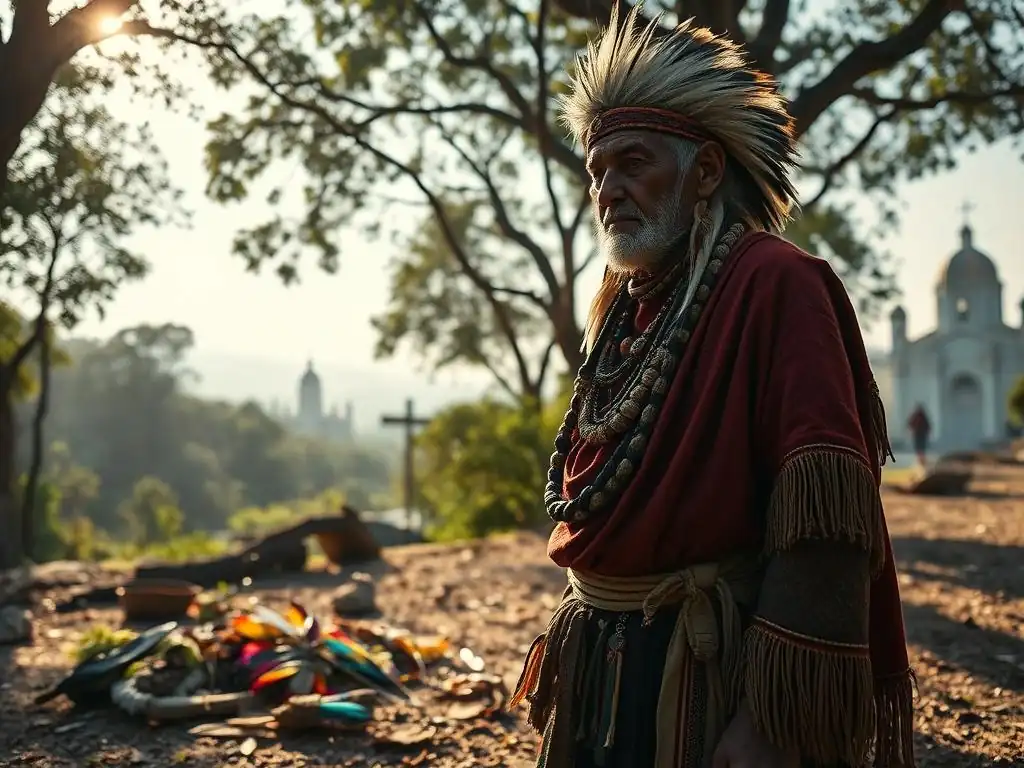
Welcome to Indigenous Civilizations of the Americas, where we invite you to embark on a fascinating journey through the rich tapestry of indigenous cultures that flourished long before European contact. In our featured article, “The Role of Religion in the Destruction of Indigenous Spiritual Heritage,” we delve into the profound impact of religion on indigenous cultures, unraveling the complexities of belief systems and their transformative effects during the tumultuous period of conquest.
Prepare to discover the extraordinary achievements and resilient spirits of these civilizations while exploring how their spiritual heritage was both challenged and reshaped. Join us as we illuminate the past and inspire a deeper understanding of these vibrant societies.
Introduction to Indigenous Spiritual Heritage
Indigenous spiritual heritage represents a rich tapestry of beliefs, rituals, and practices that underpinned the lives of countless communities across the Americas for millennia. This spiritual framework was deeply intertwined with the natural world, encompassing a profound respect for the land, animals, and ancestral spirits.
As we delve into the impact of religion on indigenous cultures, it becomes crucial to understand how these spiritual beliefs shaped not only individual identities but also community structures, social norms, and cultural continuity. The arrival of European religions marked a significant turning point, leading to a complex interplay that ultimately culminated in the erosion of these ancient spiritual practices.
Overview of Indigenous Spiritual Practices
Indigenous spiritual practices across the Americas were diverse and varied significantly from one region to another. Common elements included:
- Animism: Many indigenous cultures believed that natural elements, such as mountains, rivers, and trees, possessed a spiritual essence.
- Rituals and Ceremonies: These were integral to community life, often linked to agricultural cycles, seasonal changes, and significant life events (such as births and deaths).
- Oral Traditions: Stories, myths, and teachings were passed down through generations, preserving cultural knowledge and spiritual teachings.
- Shamanism: Spiritual leaders, or shamans, played a vital role as intermediaries between the physical world and the spiritual realm, conducting healing rituals and guiding the community in spiritual matters.
These practices fostered a deep connection to the environment and a sense of belonging among community members, emphasizing collective identity and cultural resilience.
Importance of Spiritual Heritage in Indigenous Cultures
The spiritual heritage of indigenous peoples was not merely a collection of beliefs; it was the foundation of their identities and worldviews. Some key aspects of its importance include:
- Cultural Identity: Spiritual beliefs provided a sense of belonging and continuity, linking individuals to their ancestors and cultural narratives.
- Social Cohesion: Shared rituals and beliefs fostered unity within communities, reinforcing social bonds and collective responsibilities.
- Environmental Stewardship: Spiritual practices often emphasized a reciprocal relationship with nature, promoting sustainable practices and respect for the land.
- Resistance and Resilience: Spirituality served as a source of strength and resilience in the face of external pressures, allowing communities to navigate challenges while maintaining their cultural integrity.
The Arrival of European Religions
The introduction of European religions, particularly Christianity, to indigenous societies had profound and multifaceted effects. This marked a critical juncture in the history of indigenous cultures, leading to significant transformations in belief systems and cultural practices.
Introduction of Christianity to Indigenous Societies
When European colonizers arrived in the Americas, they brought with them a fervent desire to convert indigenous populations to Christianity. This process involved various strategies, including:
- Missionary Efforts: Religious missionaries established missions, often in remote areas, aiming to educate and convert indigenous peoples.
- Syncretism: Some indigenous groups began to blend their spiritual practices with Christian beliefs, creating new hybrid forms of worship.
- Coercion and Violence: In many instances, conversion was enforced through violence, resulting in the destruction of sacred sites and the denigration of indigenous spiritual practices.
This imposition of Christianity led to a crisis of identity for many indigenous communities, as their ancestral beliefs were systematically undermined.
Initial Reactions of Indigenous Peoples to European Religions
The responses of indigenous peoples to the arrival of European religions were varied and complex. Some notable reactions included:
- Resistance: Many communities fiercely resisted conversion efforts, viewing them as threats to their cultural and spiritual integrity.
- Adaptation: In some instances, indigenous peoples adapted to the new religious landscape, incorporating elements of Christianity while retaining core aspects of their traditional beliefs.
- Negotiation: Some leaders sought to negotiate the terms of conversion, aiming to protect their cultural practices while engaging with European religious frameworks.
These varied responses illustrate the resilience and adaptability of indigenous cultures in the face of profound change, highlighting the ongoing struggle to preserve their spiritual heritage amidst the forces of colonialism.
The Impact of Religion on Indigenous Cultures
Religion played a pivotal role in the interactions between European colonizers and Indigenous cultures in the Americas. The impact of religion on indigenous cultures was profound and multifaceted, often leading to devastating consequences for native spiritual practices and societal structures. As European powers expanded their territories, they brought with them not only military might but also a distinct set of religious beliefs, primarily Christianity. This imposition of foreign religious ideologies resulted in significant disruptions to the spiritual heritage of numerous Indigenous communities.
The clash between Indigenous belief systems and European religions led to a loss of traditional knowledge and practices. Indigenous religions were often deeply integrated into the daily lives of communities, encompassing their understanding of nature, medicine, and social relationships. However, as colonizers sought to replace these systems with Christianity, many Indigenous peoples were forced to abandon their spiritual practices, leading to a cultural and spiritual fragmentation that has had lasting effects on their identities.
Conversion Efforts and Their Consequences
Conversion efforts by European missionaries were widespread and often aggressive. Various religious orders, such as the Jesuits, Franciscans, and Dominicans, established missions across the Americas with the primary goal of converting Indigenous populations to Christianity. These efforts were often justified by a belief in the superiority of European religious practices and a paternalistic desire to "save" Indigenous peoples from what they viewed as paganism.
The consequences of these conversion efforts were dire. Many Indigenous peoples were subjected to coercive tactics, including threats of violence or the destruction of sacred sites. The loss of traditional spiritual practices not only stripped communities of their cultural heritage but also created rifts within social structures, as individuals who converted often distanced themselves from their traditional beliefs and customs. This internal conflict led to a decline in social cohesion and the erosion of community bonds.
The Role of Missionaries in Cultural Displacement
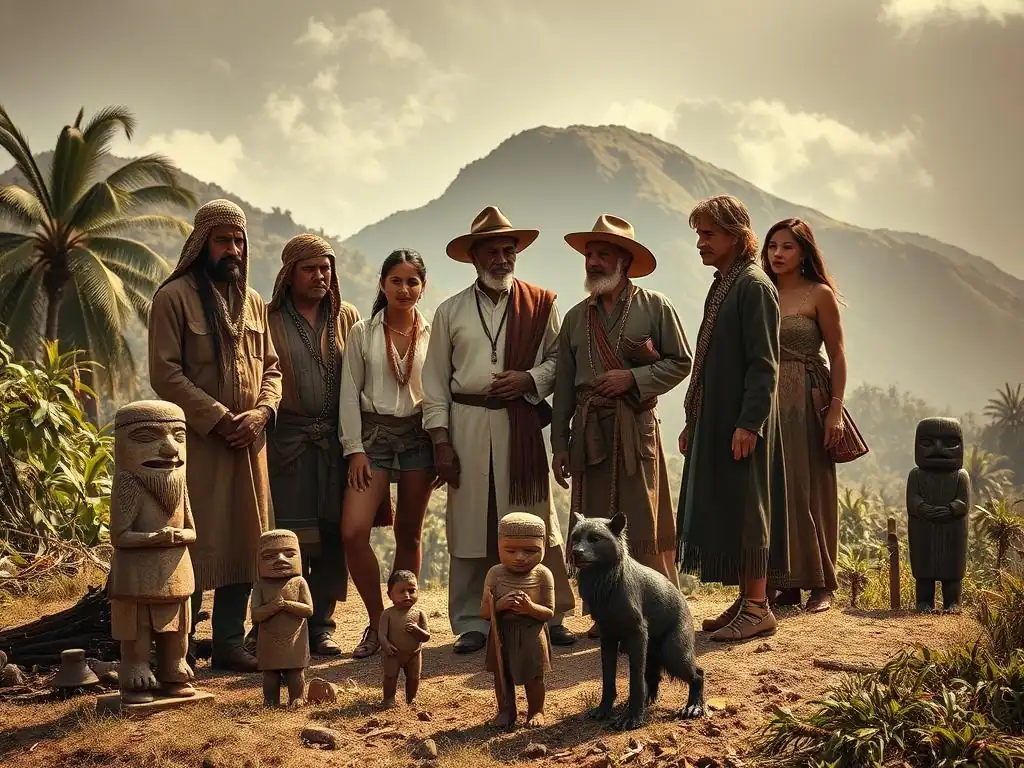
Missionaries played a crucial role in the cultural displacement of Indigenous peoples. As agents of colonial powers, they were not merely spiritual leaders; they were often part of broader colonial agendas aimed at subjugating Indigenous populations. The establishment of missions frequently resulted in the physical displacement of communities, as lands were appropriated for religious use and Indigenous peoples were relocated to accommodate European settlers.
Furthermore, missionaries frequently documented Indigenous cultures in ways that reinforced stereotypes and misconceptions. Their writings often portrayed Indigenous beliefs and practices as inferior or primitive, which contributed to a wider cultural narrative that justified the colonization process. This portrayal not only undermined Indigenous spiritual heritage but also influenced the ways in which future generations viewed their own cultures.
Mechanisms of Destruction
The mechanisms through which European colonization destroyed Indigenous spiritual heritage were systematic and deeply embedded in colonial policies. Both the suppression of Indigenous beliefs and the establishment of legal and social structures played critical roles in this process.
Suppression of Indigenous Beliefs and Practices
The suppression of Indigenous beliefs manifested in various forms, from outright bans on traditional practices to the demonization of Indigenous spiritual leaders. Colonial authorities often enacted laws that prohibited the public expression of Indigenous religions, forcing communities to practice their beliefs in secrecy. This not only limited the transmission of spiritual knowledge but also instilled fear and distrust within communities.
Additionally, as Indigenous peoples were coerced into adopting Christianity, the syncretism that emerged often resulted in the dilution of traditional practices rather than their survival. Many Indigenous spiritual elements were either completely erased or transformed beyond recognition, leading to a significant loss of cultural identity.
Legal and Social Structures Enforced by Colonial Powers
Colonial powers implemented legal frameworks that marginalized Indigenous cultures and reinforced the dominance of European religions. Legal codes often recognized only Christianity as a legitimate faith, rendering Indigenous religions invisible in the eyes of the law. This exclusion further legitimized the oppression of Indigenous spiritual practices and justified the seizure of sacred lands.
Social structures were also reshaped to favor the settlers, with Indigenous peoples relegated to inferior status within their own territories. Colonial education systems often disregarded Indigenous knowledge systems, prioritizing European history and religious teachings. This systematic erasure of Indigenous perspectives not only diminished their spiritual heritage but also contributed to lasting socio-economic disparities that persist to this day.
The intersection of religion and colonialism had a devastating impact on Indigenous cultures in the Americas. The aggressive conversion efforts, the role of missionaries, and the systematic mechanisms of destruction collectively contributed to the erosion of Indigenous spiritual heritage, leaving a legacy that continues to affect these communities today.
Case Studies of Religious Impact
Throughout history, religion has played a crucial role in the interactions between European colonizers and indigenous cultures. The clash of belief systems often led to significant transformations within native societies, sometimes resulting in resistance, adaptation, or outright erasure of indigenous spiritual heritage. This section examines specific case studies that illustrate the profound impact of religion on indigenous cultures, highlighting both the resilience and the vulnerabilities of these communities.
The Native American Church: Transformation and Resistance
The Native American Church (NAC) emerged in the late 19th century as a syncretic movement that fused traditional indigenous beliefs with elements of Christianity. This formation came in response to the oppressive religious policies imposed by European settlers and their descendants. While the NAC adopted certain Christian influences, it primarily served to revitalize indigenous spirituality and foster a communal identity among Native American tribes.
The church utilizes peyote, a hallucinogenic cactus, in its rituals, which is viewed as a sacrament that connects practitioners to the divine. This practice not only preserves traditional religious elements but also offers a form of resistance against cultural erasure. The NAC has played a pivotal role in advocating for religious freedom and the right to practice indigenous spirituality, even facing legal challenges regarding the use of peyote.
This example illustrates how an indigenous movement can adapt and transform in response to external religious pressures, ultimately reinforcing community bonds and spiritual resilience while simultaneously confronting the historical impact of colonization.
The Maori: The Loss of Sacred Sites
The Maori of New Zealand faced significant challenges to their spiritual heritage following European arrival in the 18th century. Colonization led to the widespread destruction of sacred sites, such as burial grounds and places of worship, often justified through religious narratives that deemed indigenous practices as primitive or idolatrous.
Christian missionaries played a crucial role in this process, as they sought to convert the Maori to Christianity, often disregarding the importance of ancestral sites and traditional beliefs. As a result, the Maori experienced profound disruptions in their spiritual practices and cultural continuity.
The loss of sacred sites not only diminished the Maori's connection to their ancestors but also contributed to a broader cultural erasure that still resonates today. Efforts to reclaim and restore these sites have emerged in recent years, reflecting a growing awareness of the need to honor and protect indigenous spiritual heritage.
The Role of Religion in Cultural Erasure
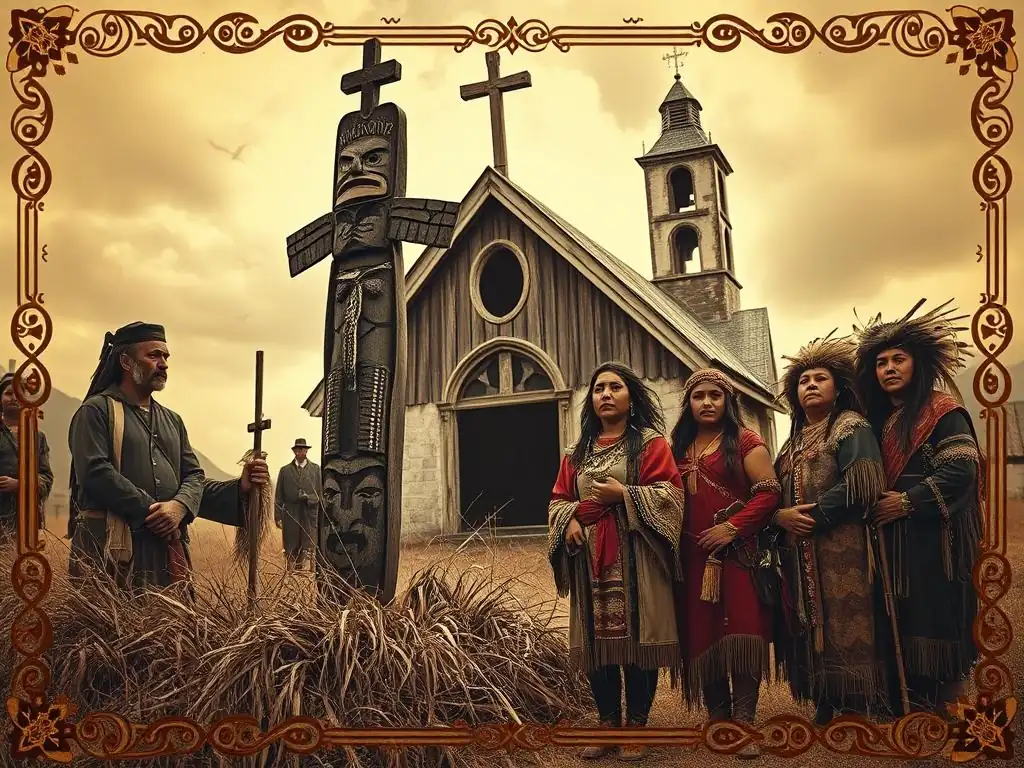
The intersection of religion and colonization has often resulted in the systematic erasure of indigenous cultures. This process can be understood through examining the influence of religious doctrine and the long-term effects of religious colonization on indigenous identities and practices.
Influence of Religious Doctrine on Indigenous Identity
Religious doctrine introduced by colonizers frequently positioned indigenous spiritual beliefs as inferior or misguided. This perspective not only undermined the legitimacy of indigenous religions but also imposed a new framework for understanding identity. Many indigenous peoples were coerced or incentivized to abandon their traditional practices in favor of Christianity, resulting in a fragmented sense of self and community.
The impact of this religious imposition was profound, as it disrupted the transmission of cultural knowledge and practices across generations. Young people were often educated in missionary schools, where they were taught to reject their ancestral beliefs and embrace colonial religious values. This shift not only altered individual identities but also weakened the communal bonds that had previously sustained indigenous cultures.
The Long-Term Effects of Religious Colonization
The long-term effects of religious colonization extend far beyond immediate cultural disruptions. The imposition of foreign religious values has led to a legacy of marginalization and trauma among indigenous populations. Many communities continue to grapple with the loss of their spiritual practices and the ongoing struggle to reclaim their identities.
In contemporary society, the repercussions of this historical context are evident in the challenges faced by indigenous peoples. Efforts towards cultural revitalization and spiritual reclamation are often met with institutional resistance and societal misunderstanding. However, there is a growing movement among indigenous groups to restore and celebrate their spiritual heritage, recognizing its importance for cultural identity and community cohesion.
This enduring struggle highlights the complex relationship between religion and indigenous cultures, showcasing the resilience of these communities in the face of historical oppression and the ongoing impact of religious colonization.
Contemporary Perspectives on Indigenous Spiritual Heritage
In contemporary society, the understanding and appreciation of indigenous spiritual heritage have evolved significantly. Many indigenous communities are actively working to reclaim their spiritual practices that were suppressed during periods of colonization. This resurgence is often characterized by a renewed interest in traditional ceremonies, languages, and beliefs, which are seen as vital components of cultural identity.
Modern perspectives emphasize the necessity of preserving indigenous knowledge systems, which include cosmologies, rituals, and ethical frameworks that have sustained these communities for centuries. Scholars and activists argue that recognizing and validating these spiritual practices is essential for fostering cultural resilience and healing from historical traumas caused by colonization. The integration of indigenous spirituality into public discourse and education is increasingly viewed as a means to promote social justice and equity.
Additionally, the contemporary dialogue surrounding indigenous spiritual heritage often intersects with environmental movements, highlighting the role of indigenous knowledge in sustainable land management and ecological stewardship. Indigenous worldviews that emphasize the interconnectedness of all life challenge dominant paradigms of exploitation and consumption, fostering a holistic approach to environmental protection.
Revitalization Movements Among Indigenous Communities
Revitalization movements among indigenous communities serve as powerful expressions of cultural resilience. These movements strive to restore and affirm indigenous identities, languages, and spiritual practices that have been undermined by colonization. They often emerge in response to the ongoing effects of cultural dislocation, loss of land, and socio-economic challenges.
Key components of these revitalization efforts include:
- Language Restoration: Many communities are focused on teaching and preserving indigenous languages, which are intimately tied to cultural expressions and spiritual beliefs. Language revitalization is seen as a crucial step in reconnecting with ancestral heritage.
- Cultural Education: Workshops, ceremonies, and community gatherings are organized to share traditional practices and teachings. Elders play a vital role in transmitting knowledge to younger generations, ensuring that spiritual traditions remain vibrant.
- Intergenerational Healing: Recognizing the traumas inflicted by colonization, many revitalization movements include healing practices that address historical injustices. These practices often integrate traditional medicine and spiritual rituals to promote holistic well-being.
- Artistic Expressions: Indigenous artists are increasingly using their work to reflect cultural narratives and spiritual heritage, reclaiming spaces in contemporary art scenes. This creative resurgence offers a platform for storytelling and cultural expression, fostering pride in indigenous identities.
Through these revitalization movements, indigenous communities are not only preserving their spiritual heritage but are also actively redefining their identities in the modern world.
The Role of Religion in Modern Indigenous Identity
Religion plays a crucial role in shaping modern indigenous identity, serving as a foundation for community cohesion and cultural expression. Many indigenous individuals draw from their spiritual beliefs to navigate the complexities of contemporary life while remaining rooted in their traditions.
The multifaceted nature of religion in modern indigenous identity includes:
- Cultural Continuity: Traditional spiritual practices provide a sense of continuity, linking individuals to their ancestors and cultural heritage. Rituals and ceremonies serve as reminders of shared histories and values.
- Resistance to Assimilation: For many indigenous peoples, maintaining their religious practices is an act of resistance against cultural assimilation. Upholding traditional beliefs and rituals is a way to assert sovereignty and autonomy in the face of ongoing colonial pressures.
- Community and Belonging: Religious gatherings and ceremonies foster a sense of belonging and solidarity among indigenous peoples. These events create spaces for communal reflection, healing, and collective identity.
- Adaptation and Syncretism: While many indigenous communities strive to preserve traditional practices, there is also a recognition of the need to adapt to changing circumstances. This has led to the emergence of syncretic practices that blend traditional beliefs with elements from other faiths, including Christianity.
In this way, religion remains a vital aspect of modern indigenous identity, providing both a sense of belonging and a framework for cultural resurgence.
Conclusion: Reflections on the Impact of Religion
The impact of religion on indigenous cultures is profound and multifaceted, having played a significant role in both the destruction and the preservation of spiritual heritage. Understanding this duality is essential for comprehending the broader implications of religious influence on indigenous societies.
Summary of the Destruction of Indigenous Spiritual Heritage
The destruction of indigenous spiritual heritage can be traced back to the imposition of European religious beliefs during colonization. Indigenous practices were often deemed "pagan" or "heretical," leading to the suppression of traditional ceremonies, languages, and spiritual beliefs. This cultural genocide resulted in a significant loss of knowledge and identity for many indigenous communities, as well as a disconnection from their ancestral lands and histories.
The legacy of this destruction continues to impact indigenous peoples today, as many strive to reclaim their cultural heritage while confronting the ongoing challenges posed by systemic oppression and marginalization.
The Importance of Acknowledging Historical Injustices
Acknowledging historical injustices is crucial for fostering reconciliation and healing between indigenous and non-indigenous communities. Recognizing the impact of religion on indigenous cultures allows for a deeper understanding of the ongoing struggles faced by indigenous peoples in preserving their spiritual heritage.
As society moves towards greater inclusivity and respect for diverse cultures, it is imperative to validate indigenous perspectives and experiences. This acknowledgment not only honors the resilience of indigenous communities but also paves the way for collaborative efforts in restoring cultural heritage and promoting social justice. The journey towards healing and revitalization is ongoing, and it requires a commitment from all to recognize and address the historical and contemporary impacts of religion on indigenous cultures.
- Introduction to Indigenous Spiritual Heritage
- The Arrival of European Religions
- The Impact of Religion on Indigenous Cultures
- Conversion Efforts and Their Consequences
- The Role of Missionaries in Cultural Displacement
- Mechanisms of Destruction
- Case Studies of Religious Impact
- The Role of Religion in Cultural Erasure
- Contemporary Perspectives on Indigenous Spiritual Heritage
- Conclusion: Reflections on the Impact of Religion
- What is the main focus of the article "The Role of Religion in the Destruction of Indigenous Spiritual Heritage"?
- How did European colonization affect indigenous religions?
- What were some key achievements of indigenous cultures before colonization?
- How did indigenous cultures respond to the imposition of foreign religions?
- What is the lasting impact of these religious conflicts on indigenous communities today?
Frequently Asked Questions
What is the main focus of the article "The Role of Religion in the Destruction of Indigenous Spiritual Heritage"?
The article examines the impact of religion on indigenous cultures, particularly how colonial religions contributed to the destruction of spiritual heritage among indigenous peoples.
How did European colonization affect indigenous religions?
European colonization led to the imposition of Christianity, which often resulted in the suppression and eradication of traditional spiritual practices and beliefs among indigenous populations.
What were some key achievements of indigenous cultures before colonization?
Before colonization, indigenous cultures had rich spiritual systems, complex societies, and notable achievements in art, agriculture, and governance, reflecting their deep connection to the land and community.
How did indigenous cultures respond to the imposition of foreign religions?
Many indigenous cultures employed resilience and adaptation, blending aspects of their traditional beliefs with Christian elements or engaging in spiritual resistance to maintain their cultural identity.
What is the lasting impact of these religious conflicts on indigenous communities today?
The impact of religion on indigenous cultures has resulted in a loss of spiritual heritage, ongoing struggles for cultural revival, and a quest for recognition and respect for their traditional beliefs and practices.
Final Reflection: The Impact of Religion on Indigenous Cultures
The intersection of religion and indigenous cultures has led to profound consequences that resonate deeply in today's society. The historical imposition of religious beliefs on indigenous peoples has not only resulted in the erosion of their spiritual practices but has also contributed to a broader cultural disintegration that continues to affect these communities. As we navigate an increasingly globalized world, it is essential to recognize the lasting impact of religion on indigenous cultures and the need for reconciliation and respect for diverse spiritual heritages.
The ongoing struggle of indigenous communities to reclaim their spiritual identities serves as a poignant reminder of the resilience of human belief systems. The cultural landscape is enriched by the diversity of spiritual practices, yet the scars of colonization remain evident. As we witness movements advocating for indigenous rights and recognition, we must remember that these efforts are not just about preserving tradition but about restoring dignity and agency. To deny people their human rights is to challenge their very humanity.
– Nelson Mandela. This quote encapsulates the essence of the fight for indigenous spiritual heritage and the importance of acknowledging the past to foster a more inclusive future.
As you reflect on the themes presented in this article, consider how you can contribute to the preservation and respect of indigenous cultures in your own life. Engage with and support indigenous voices, educate yourself about their histories, and advocate for their rights. By doing so, you not only honor their spiritual heritage but also enrich your understanding of the world’s diverse tapestry of beliefs. Let us strive to create a future where all cultures are celebrated, and the impact of religion is recognized as a powerful force for unity rather than division.
Revitalize Indigenous Spiritual Heritage Today!
Thank you for taking the time to explore the profound impact that religion has had on Indigenous spiritual heritage. Your awareness and understanding are vital steps in honoring and preserving these rich cultures. Now, let’s take action to support and uplift Indigenous voices and traditions.
- Join a local Indigenous cultural event or workshop to engage with and learn from Indigenous communities firsthand.
- Share this article and discuss its insights with friends and family to raise awareness about the importance of preserving Indigenous spirituality.
- Explore resources and support organizations dedicated to the revitalization of Indigenous practices and beliefs.
What are some meaningful ways you can contribute to the preservation of Indigenous spiritual heritage in your community?