
The Aftermath of Conquest: The Transformation of Inca Society

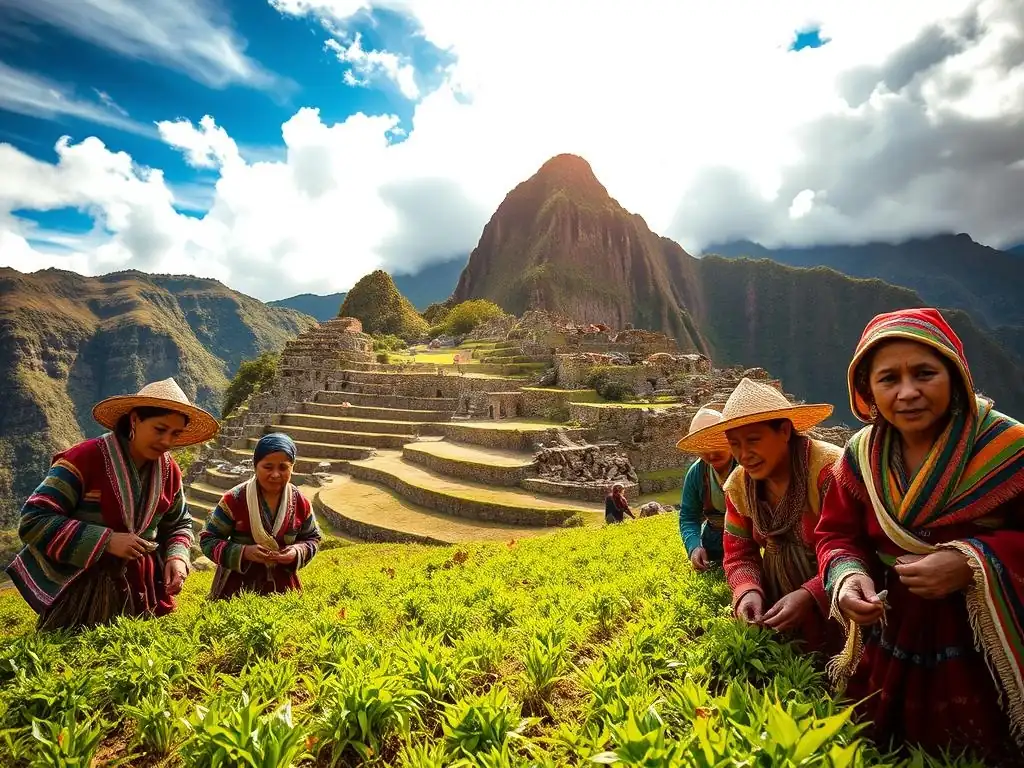
Welcome to Indigenous Civilizations of the Americas, where we embark on a remarkable journey through the rich tapestry of indigenous cultures that flourished long before European contact. Here, we delve into the profound achievements and vibrant societies that shaped the Americas, each with its unique legacy. In our featured article, "The Aftermath of Conquest: The Transformation of Inca Society," we unravel the intricate changes that occurred within the Inca civilization following the tumultuous events of conquest.
What transformations did they endure, and how did these changes redefine their identity? Join us as we explore these compelling narratives and uncover the lasting impact of these extraordinary cultures on our world today.
Introduction to Inca Society Transformation Postconquest
The Inca Empire, renowned for its impressive administrative prowess and rich cultural heritage, experienced profound changes following European contact and subsequent conquest. The transformation of Inca society postconquest is a pivotal aspect of history, illustrating how indigenous cultures adapted to new realities imposed by external forces.
This article delves into the complexities of this transformation, examining the socio-political, economic, and cultural shifts that occurred after the arrival of Spanish conquistadors in the early 16th century. Understanding these changes provides valuable insights into the resilience and adaptability of Inca society, as well as the lasting impact of conquest on their legacy and identity.
Overview of the Inca Civilization Before European Contact
Before the arrival of the Spanish, the Inca Civilization was one of the most sophisticated and expansive societies in the Americas. Spanning a vast territory along the western coast of South America, the Incas established a highly organized state known as Tahuantinsuyu, which means "the four regions."
- Political Structure: The Inca Empire was characterized by a centralized government led by the Sapa Inca, who was regarded as a divine ruler. A complex bureaucracy managed various aspects of governance, including taxation, agriculture, and infrastructure.
- Economy: The economy was primarily based on agriculture, utilizing advanced techniques such as terrace farming and irrigation systems. The Mit'a system facilitated labor organization, requiring citizens to contribute to state projects, which promoted community welfare and infrastructure development.
- Cultural Achievements: The Incas were adept at architecture, engineering, and textiles. They constructed monumental structures like Machu Picchu and developed an extensive road network that enhanced trade and communication across their vast empire.
- Religion and Society: Religion played a central role in Inca life, with a pantheon of gods and elaborate rituals. The Incas practiced ancestor worship and believed in the importance of maintaining harmony with nature.
The richness of Inca society laid a foundation that would be significantly altered in the wake of European colonization, which introduced new challenges and opportunities for adaptation. As we explore the aftermath of conquest, we will uncover the intricate dynamics that reshaped Inca society in the years that followed.
Key Features of Pre-Conquest Inca Society
The Inca Empire, one of the most sophisticated indigenous civilizations in the Americas, was characterized by a well-structured society, remarkable economic systems, and rich cultural traditions.
Social Structure of the Inca Empire
The social hierarchy of the Inca Empire was highly stratified, consisting of distinct classes that defined roles and responsibilities. At the top of the hierarchy was the Sapa Inca, the emperor, considered a divine figure. Below him were the nobility, known as the Inca and Ayllu, who held significant political and religious authority. The Ayllu system was fundamental to Inca society, where extended families worked together, sharing resources and responsibilities.
In the middle tier were the artisans and merchants, responsible for creating goods and facilitating trade. The lower class comprised farmers and laborers, who provided the agricultural output that sustained the empire. This structured approach allowed the Incas to maintain control over their vast territory and efficiently mobilize resources for construction, warfare, and agriculture.
Economic Practices and Trade
The Inca economy was primarily based on agriculture, with the cultivation of staple crops such as potatoes, maize, and quinoa. They developed sophisticated agricultural techniques, including terracing and irrigation, which maximized arable land in the challenging Andean environment.
Trade was also a vital aspect of Inca economic practices. The Inca implemented a system known as mit'a, which required citizens to perform labor for the state, thereby facilitating large-scale construction projects and agricultural production.
The Incas had an extensive network of roads and runners (chaskis) that enabled swift communication and transportation of goods across the empire, from the highlands to coastal regions. This interconnectedness not only promoted trade within the empire but also fostered cultural exchange.
Cultural Achievements and Innovations
The Incas made significant contributions to architecture, engineering, and agriculture. Notable achievements include the construction of Machu Picchu, a breathtaking architectural feat that showcases their ingenuity in building on mountainous terrain.
In addition to architecture, the Incas excelled in textile production, creating intricate weavings that were both functional and artistic. They utilized various techniques to dye fibers and produce vibrant colors.
Moreover, their quipu system, a series of knotted strings, served as a complex method of record-keeping and communication, reflecting their advanced understanding of information management.
The Conquest: A Catalyst for Change
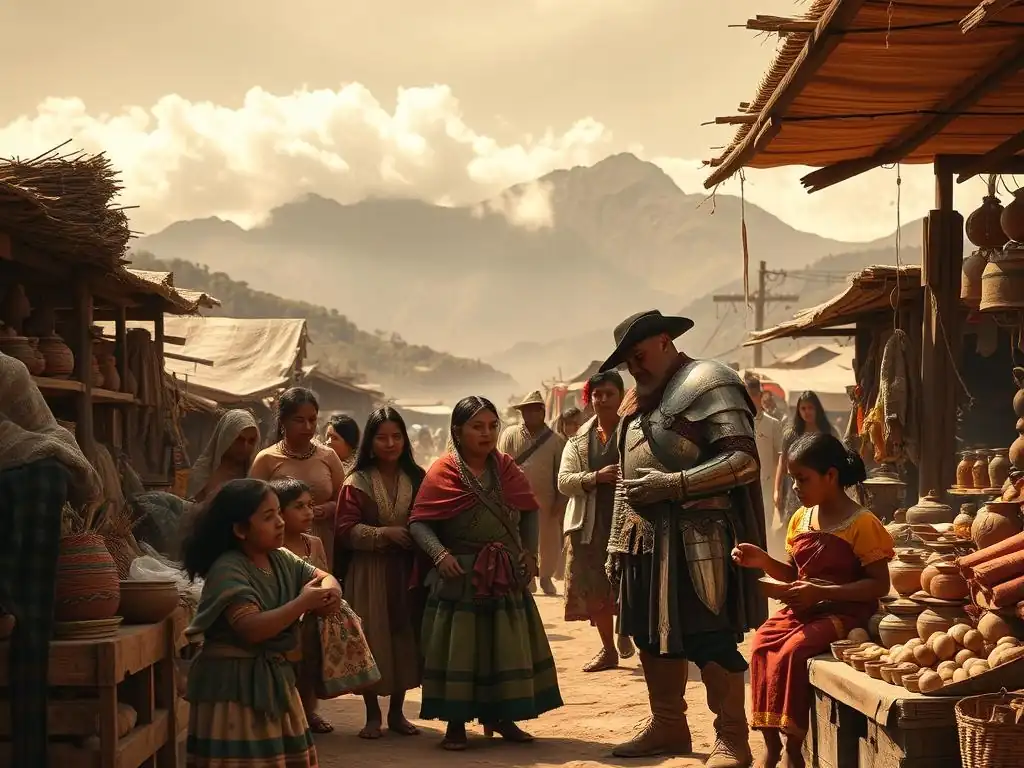
The Spanish conquest of the Inca Empire marked a dramatic turning point in the history of the Andes and brought about profound transformations in Inca society.
Key Events of the Spanish Conquest of the Inca Empire
The conquest began in the early 1530s, with Francisco Pizarro leading a small contingent of Spanish soldiers into the heart of the Inca Empire. A pivotal moment was the capture of Atahualpa, the Sapa Inca, during the Battle of Cajamarca in 1532. Following his capture, Pizarro demanded a substantial ransom, which the Incas paid, but Atahualpa was executed regardless.
The subsequent Spanish invasion led to fierce battles and the rapid collapse of Inca resistance. The Spanish took advantage of existing rivalries within the empire and employed superior military technology, including firearms and cavalry, to dominate the Inca forces.
Major Figures in the Conquest of the Incas
Several key figures played crucial roles in the conquest of the Inca Empire:
- Francisco Pizarro: The Spanish conquistador who led the expedition to conquer the Incas.
- Atahualpa: The last Sapa Inca, whose capture and execution significantly weakened Inca resistance.
- Diego de Almagro: Pizarro's partner in the conquest, who later sought to claim Inca territory for himself, leading to conflict.
These individuals, along with their troops, shaped the course of history in the Andes, dramatically altering the landscape of indigenous societies.
Immediate Impacts of Conquest on Inca Society
The immediate aftermath of the conquest resulted in significant societal upheaval. The execution of Atahualpa created a leadership vacuum, leading to civil unrest and the disintegration of centralized authority within the Inca Empire.
The Spanish imposed their culture, religion, and language upon the Incas, which resulted in the systematic dismantling of Inca traditions. Forced labor and the encomienda system further exploited the indigenous population, leading to demographic declines due to violence, disease, and forced labor conditions.
Despite these challenges, elements of Inca culture persisted, blending with Spanish influences to create a unique cultural landscape in the region. The transformation of Inca society post-conquest sets the stage for understanding the long-term effects of European colonization on indigenous civilizations in the Americas.
Transformation of Inca Society Postconquest
The conquest of the Inca Empire by Spanish conquistadors in the 16th century marked a significant turning point in the history of the Americas. Following the fall of the Inca capital, Cusco, and the death of the last Inca emperor, Atahualpa, Inca society underwent profound transformations that reshaped its social, economic, and cultural fabric. The introduction of European governance, religious practices, and economic exploitation led to enduring changes that affected every aspect of life for the indigenous people. This transformation was not uniform; rather, it involved complex interactions between the remnants of Inca traditions and newly imposed colonial structures.
Changes in Social Hierarchies and Leadership
Postconquest, the social hierarchies of the Inca society experienced a dramatic shift. The Spanish conquistadors disrupted the established order, dismantling the intricate system of governance that had been in place for centuries. Traditional leaders, known as curacas, found themselves marginalized, often replaced or overseen by Spanish authorities who imposed their own bureaucratic structures.
The colonial administration introduced a new class of Spanish officials, who held power over the indigenous population, leading to the erosion of the Inca nobility's authority. This change not only altered the political landscape but also created tensions within communities as indigenous leaders were forced to navigate their roles under colonial rule. Some adapted by collaborating with the Spanish, while others resisted, leading to uprisings that sought to reclaim indigenous autonomy.
Economic Shifts: From Indigenous Practices to Colonial Exploitation
The economic landscape of the Inca Empire transformed dramatically after the conquest. The Spanish imposed a system of colonial exploitation, extracting resources from the land and its people to enrich the Crown. Traditional agricultural practices, which had sustained the Inca through advanced farming techniques and communal labor, were replaced by forced labor systems such as the mita, which required indigenous communities to work in mines and on plantations under harsh conditions.
Gold and silver, particularly from mines in Potosí and Zacatecas, became crucial to the Spanish economy, fundamentally altering the existing economic relations within Inca society. While pre-conquest economies were based on reciprocity and communal support, the forced integration into a colonial economy led to widespread poverty and disruption of traditional livelihoods, fostering a cycle of dependency and exploitation that would last for centuries.
Cultural Assimilation and Resistance in Inca Society
The aftermath of conquest also saw significant cultural changes as European influences permeated Inca society. The imposition of Spanish language, customs, and institutions began to alter indigenous cultural practices. However, this assimilation was met with resistance. Many indigenous people sought to maintain their cultural identity, leading to a complex interplay between acceptance and rejection of colonial norms.
Forms of resistance included the preservation of traditional ceremonies, art, and music, subtly embedded within the new colonial context. The blending of Inca and Spanish cultural elements became evident in daily life, where vestiges of Inca traditions coexisted with European customs, creating a unique cultural landscape that reflected both the imposition of foreign values and the resilience of indigenous identity.
Religion and Spirituality: Evolution After Conquest
The religious landscape of the Inca Empire underwent a significant transformation following the conquest. Inca spirituality, deeply rooted in the worship of nature and ancestor veneration, faced challenges from Spanish Catholicism, which sought to replace indigenous beliefs with Christian doctrines. This transition was marked by both coercion and adaptation, as indigenous people navigated the complexities of their evolving spiritual landscape.
The Introduction of Christianity in Inca Society
The arrival of Spanish missionaries heralded a new era in Inca religious life. The Catholic Church aimed to convert indigenous populations, often employing force and intimidation. Churches were established on the ruins of Inca temples, symbolizing the dominance of Christianity over traditional beliefs.
Despite these efforts, many indigenous people approached Christianity with a mixture of curiosity and skepticism. Some embraced certain aspects of the new faith while maintaining their ancestral spiritual practices, illustrating a nuanced response to the imposition of a foreign religion.
Syncretism: Blending Inca Beliefs with European Religion
The interaction between Inca spirituality and Christianity gave rise to a phenomenon known as syncretism. This blending of beliefs allowed indigenous people to retain elements of their traditional faith while integrating aspects of Catholicism.
For example, many indigenous communities adopted Christian saints, associating them with their own deities and rituals. Festivals often became occasions for the celebration of both Inca and Christian traditions, showcasing a resilience that enabled the preservation of cultural identity amidst colonial pressures. This syncretic approach not only provided a means of cultural survival but also created a rich tapestry of religious expression that reflected the complexities of postconquest Inca society.
Resistance Movements and Preservation of Inca Traditions
Throughout the colonial period, various resistance movements emerged among indigenous communities, aiming to reclaim lost autonomy and preserve Inca traditions. These movements were often led by charismatic leaders who sought to inspire their people to resist Spanish oppression and revive their ancestral practices.
One notable example is the Túpac Amaru II rebellion in the late 18th century, which sought to restore Inca sovereignty and address grievances against colonial rule. Such uprisings highlighted the enduring spirit of resistance within Inca society, as well as the desire to maintain cultural practices despite the overwhelming influence of European colonization.
The transformation of Inca society postconquest was characterized by significant changes in social hierarchies, economic practices, and cultural expressions. Despite the challenges posed by colonial rule, indigenous peoples found ways to adapt, resist, and preserve their rich heritage, illustrating the resilience of Inca culture in the face of overwhelming adversity.
The Legacy of Inca Society Transformation
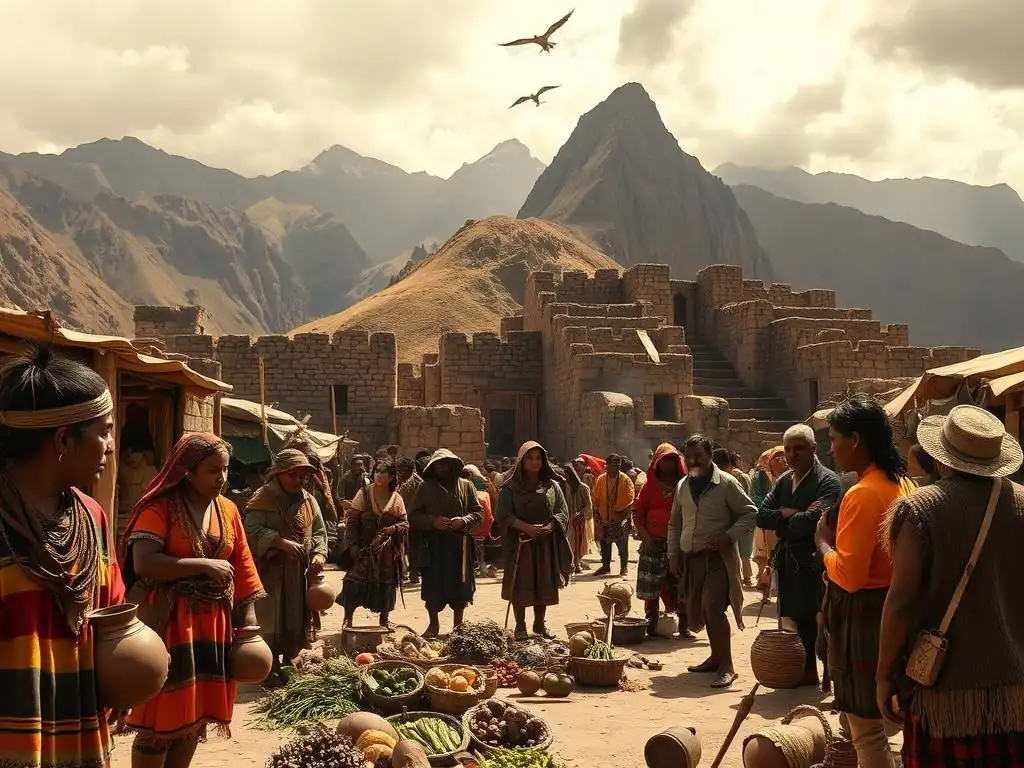
The transformation of Inca society following European conquest has left an indelible mark on the cultural, social, and political landscape of the Andes. This legacy is multifaceted, encompassing the preservation of indigenous identity, the blending of cultures, and the profound effects on governance and economic practices. The Inca's sophisticated agricultural techniques, architectural prowess, and social systems laid the groundwork for future generations, despite the disruptions brought by colonization.
In the wake of conquest, traditional Inca practices were often suppressed, yet elements of their rich heritage survived, adapted, and evolved. The legacy of their resilience is evident in the contemporary lives of indigenous peoples across the Andes, who continue to draw on their Inca ancestry for cultural identity and social cohesion. The fusion of Inca and Spanish influences has resulted in unique cultural expressions, particularly in art, music, and religious practices, showcasing how the past continues to inform the present.
Long-term Effects of Conquest on Indigenous Identity
The conquest of the Inca Empire had profound long-term effects on indigenous identity, leading to a complex interplay between preservation and transformation. Initially, the Spanish imposed their language, religion, and social structures, which aimed to erase indigenous identities and cultures. However, many indigenous communities resisted these efforts, leading to a resurgence of Inca identity that blended traditional elements with new influences.
The idea of "Indigenous identity" evolved significantly postconquest, as communities navigated their place within a colonial framework. This transformation often involved reclaiming Inca heritage, fostering a sense of pride and continuity despite the pressures of assimilation. Contemporary movements advocating for indigenous rights and cultural recognition have their roots in this postconquest transformation, as descendants of the Incas assert their identity and heritage in a modern context.
Contributions of Transformed Inca Society to Modern Culture
Transformed Inca society has made significant contributions to modern culture, particularly in areas such as agriculture, architecture, and social organization. The Inca's advanced agricultural practices, including terrace farming and irrigation, continue to influence contemporary farming techniques in the Andean region, demonstrating sustainability and adaptation to diverse environments.
Architecturally, the remnants of Inca structures, such as Machu Picchu and Cusco, attract global admiration and serve as symbols of indigenous ingenuity. These sites not only reflect the architectural prowess of the Incas but also inspire a sense of cultural pride among modern Andean communities.
Moreover, the syncretism of Inca and Spanish cultures has enriched modern Andean society, with festivals, music, and culinary traditions reflecting this blend. For example, traditional Quechua music often incorporates Spanish instruments and themes, creating a unique cultural expression that honors both heritages.
Lessons Learned from Inca Society Transformation Postconquest
The transformation of Inca society postconquest offers valuable lessons regarding resilience, adaptation, and cultural preservation. One key lesson is the importance of maintaining cultural identity in the face of external pressures. The Incas' ability to adapt their traditions while integrating new influences serves as a testament to the strength of their cultural foundations.
Another lesson is the significance of community solidarity. The Inca society was deeply interconnected, and this sense of community allowed for collective resistance against colonial forces. Modern indigenous movements can draw inspiration from this solidarity, emphasizing the need for unity in advocating for rights and recognition.
Lastly, the Inca experience highlights the impact of cultural fusion. The blending of Inca and Spanish elements has enriched Andean culture, demonstrating that transformation does not necessarily equate to loss. Instead, it can lead to the creation of new identities and practices that honor the past while moving toward the future.
Conclusion: Reflecting on the Transformation of Inca Society
The transformation of Inca society following European conquest is a complex narrative of loss, adaptation, and resilience. While the conquest disrupted many aspects of Inca life, it also catalyzed a process of cultural evolution that has shaped the identities of indigenous peoples in the Andes today. The legacy of this transformation is visible in the ongoing celebration of Inca heritage, the integration of traditional practices into contemporary life, and the enduring spirit of indigenous communities.
Reflecting on the transformation of Inca society reminds us of the importance of honoring the past, learning from historical experiences, and fostering a future where diverse cultures can coexist and thrive. The Inca legacy is not merely a relic of history but a living testament to the strength and resilience of indigenous identities in the modern world.
References and Further Reading on Inca Society Transformation Postconquest
Understanding the transformation of Inca society after the conquest is crucial for grasping the broader implications of European colonization in the Americas. Here is a curated selection of references and further reading that illuminate this complex history:
-
"The Last Days of the Incas" by Kim MacQuarrie
This book provides a detailed narrative of the fall of the Inca Empire, exploring the events leading up to and following the conquest. MacQuarrie delves into the cultural and social transformations that occurred in Inca society as a result of Spanish rule.
-
"The Inca: A Very Short Introduction" by Christine Hunefeldt
This concise book offers an accessible overview of Inca civilization, including the significant changes that took place postconquest. It discusses the impacts of colonization on the Inca’s social structures, economy, and religion.
-
"Andean Cosmologies Through Time: Persistence and Evolution" edited by Charles Stanish, et al.
This collection of essays examines how Andean societies, including the Incas, adapted and transformed in response to external pressures, including the Spanish conquest. It emphasizes the resilience and continuity of Andean cultural practices amidst significant change.
-
"The Conquest of the Incas" by John Hemming
A comprehensive study on the Spanish conquest of the Inca Empire, Hemming's work provides insights into the immediate and long-term effects of colonization on Inca society, including shifts in governance and cultural practices.
-
"Inca Religion and Customs" by C. H. A. van der Molen
This book explores the religious beliefs and customs of the Incas, highlighting how these evolved following European contact. It provides a deep understanding of the transformations that occurred within the spiritual framework of Inca society.
-
Academic Journals and Articles
- "After the Conquest: The Transformation of the Incas": in The Journal of Latin American Studies - This article analyzes the socio-economic changes within Inca society postconquest.
- "Cultural Syncretism in Colonial Peru" in Ethnohistory - This paper discusses the blending of indigenous and European cultures following the conquest and its effects on Inca identity.
-
Online Resources
- Smithsonian Institution’s "The Inca Empire" - A rich resource providing articles, videos, and images that explore the Inca civilization and its transformation after European contact.
- National Geographic’s "The Inca Trail" - This site offers insights into the Inca civilization’s history and its lasting legacies, including the impacts of Spanish colonization.
These resources will provide a comprehensive foundation for understanding the multifaceted transformations of Inca society in the aftermath of conquest, highlighting both the challenges faced and the resilience demonstrated by this remarkable civilization.
- Introduction to Inca Society Transformation Postconquest
- Overview of the Inca Civilization Before European Contact
- Key Features of Pre-Conquest Inca Society
- The Conquest: A Catalyst for Change
- Transformation of Inca Society Postconquest
- Religion and Spirituality: Evolution After Conquest
- The Legacy of Inca Society Transformation
- Conclusion: Reflecting on the Transformation of Inca Society
- References and Further Reading on Inca Society Transformation Postconquest
- What were the main changes in Inca society after the Spanish conquest?
- How did the Spanish colonization impact Inca culture?
- What was the role of resistance movements in the transformation of Inca society?
- How did the economic structures of Inca society change post-conquest?
- What is the lasting impact of the Inca transformation on modern Andean cultures?
Frequently Asked Questions
What were the main changes in Inca society after the Spanish conquest?
The Spanish conquest led to significant shifts in Inca society, including the imposition of European governance, the introduction of Christianity, and a drastic decline in the population due to disease and conflict.
How did the Spanish colonization impact Inca culture?
The Spanish colonization resulted in the suppression of traditional Inca practices, the forced conversion to Christianity, and the integration of Spanish customs, which altered the cultural landscape of the Inca people.
What was the role of resistance movements in the transformation of Inca society?
Resistance movements emerged as a response to Spanish oppression, leading to uprisings such as the Túpac Amaru II rebellion, which aimed to restore Inca autonomy and resist further colonial exploitation.
How did the economic structures of Inca society change post-conquest?
Post-conquest, the economic structures of Inca society shifted from state-controlled agriculture and trade to a system heavily influenced by Spanish colonial practices, including encomienda systems and forced labor.
What is the lasting impact of the Inca transformation on modern Andean cultures?
The transformation of Inca society has had a profound and lasting impact on modern Andean cultures, influencing their identity, traditions, and the socio-political dynamics in the region today.
Final Reflection: The Enduring Legacy of Inca Society Transformation Post-Conquest
The transformation of Inca society post-conquest remains a powerful testament to resilience and adaptation. As we explore the profound changes that occurred after the Spanish conquest, it becomes evident that these historical shifts are not merely relics of the past but are intricately woven into the fabric of contemporary society. The legacy of the Inca civilization, marked by its rich cultural heritage and complex social structures, continues to influence modern discussions on identity, power, and cultural preservation.
The aftermath of conquest has shaped not only the historical narrative of the Inca but also the broader cultural and social landscape of the Andean region. The blending of indigenous traditions with colonial influences has created a unique tapestry that reflects the struggles and triumphs of the people. As we witness the ongoing revival of indigenous practices and the reclamation of cultural identity, we are reminded of the words of historian María Rostworowski: The past is not dead; it is not even past.
This observation underscores the importance of understanding how the echoes of history resonate in our present lives, shaping our perspectives and societal structures.
As we conclude this exploration of the transformation of Inca society post-conquest, I invite you to reflect on the lessons embedded within this narrative. Consider how the resilience of the Inca people can inspire your own journey in the face of challenges. Embrace the complexity of your identity and the histories that have shaped you.
Let the story of the Inca serve as a reminder that transformation, while often born from adversity, can lead to profound growth and renewal. Engage with your own history, honor your roots, and contribute to the ongoing dialogue about cultural identity and heritage in our ever-evolving world.
Unveil the Legacy of Inca Resilience!
Thank you for exploring the fascinating aftermath of Inca society's transformation! Your interest in this pivotal moment in history highlights the incredible resilience and adaptation of Indigenous cultures. Now, it's time to take this knowledge and put it into action!
Here are some meaningful steps you can take today:
- Explore further: Immerse yourself in additional resources about the legacy of Indigenous civilizations. Visit our archives for articles, documentaries, and podcasts that will deepen your understanding.
- Share your insights: Discuss what you've learned about the Inca transformation with friends, family, or on social media. Use your voice to amplify awareness about Indigenous histories and cultures.
- Engage with the community: Consider participating in local events or online forums focused on Indigenous issues and histories to connect with others who are passionate about these topics.
As you reflect on the transformation of Inca society, which aspect of their legacy resonates most with today’s world? Join the conversation below!