Inca Civilization: Legacy of the Andes
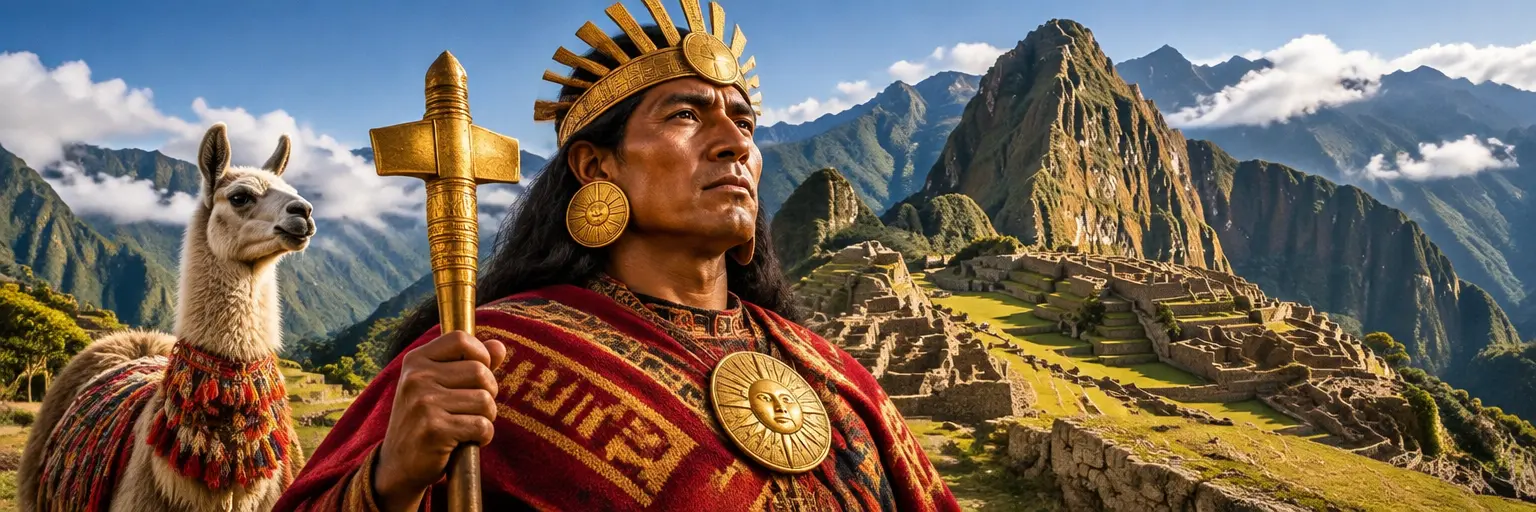
Delve into the extraordinary world of the Inca Empire, the largest pre-Columbian civilization in the Americas. Stretching over 2,500 miles along the Andes, the Incas mastered engineering, governance, and agriculture in harsh mountain environments. This comprehensive guide explores their origins, monumental achievements, and the dramatic events of European contact. Whether you are a student, traveler, or history enthusiast, you will discover how the Inca legacy—from Machu Picchu’s stonework to their intricate road network—continues to shape modern South American identity, offering deep insights into indigenous resilience and innovation.
🏛️ European Contact and Conquest
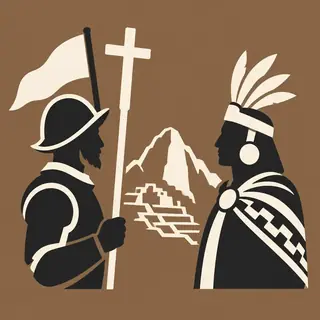
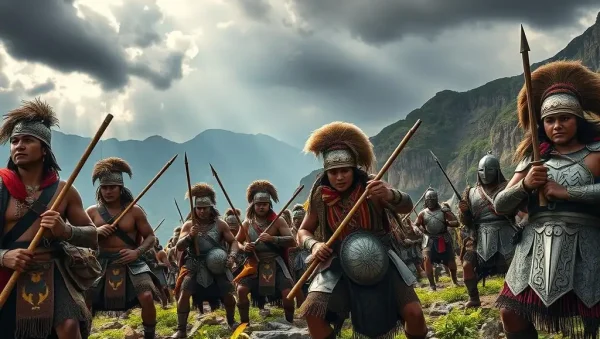
This subcategory examines the pivotal clash between the Inca Empire and Spanish conquistadors led by Francisco Pizarro in 1532. Readers will learn about the civil war between Atahualpa and Huáscar, the capture of Atahualpa at Cajamarca, and the devastating impact of smallpox that decimated the population. Understand the key battles, alliances with rival indigenous groups, and the eventual fall of Cusco. This history explains how a vast empire of millions fell to a few hundred Europeans, driven by disease, political fragmentation, and superior weaponry. It remains a powerful case study of conquest, resistance, and cultural survival.
🔬 Scientific Achievements
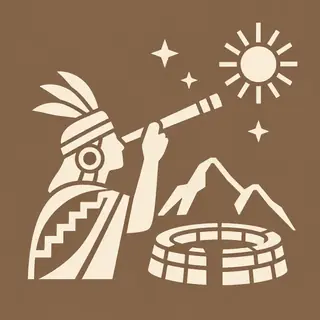
Explore the Inca’s remarkable scientific knowledge, which rivaled contemporary European advancements. They developed sophisticated astronomical observatories like the Intihuatana stone, used to track solstices and agricultural cycles. Inca engineers created suspension bridges woven from ichu grass, capable of spanning deep gorges, and built earthquake-resistant structures with trapezoidal doors and interlocking stones. Their quipu—a knotted cord system—served as a binary-coded database for census, taxes, and military logistics. This subcategory highlights how empirical observation, without written language, enabled them to organize a complex society that thrived for centuries in one of the world’s most challenging terrains.
📜 History and Origins
Uncover the mythic and archaeological roots of the Inca, beginning with the legendary founding by Manco Cápac and Mama Ocllo emerging from Lake Titicaca. This section traces their origins from a small highland tribe in the Cusco valley (around 1200 CE) to their rapid expansion under rulers like Pachacuti in the 15th century. Learn about the oral traditions that preserved royal genealogies and territorial conquests, and how modern archaeology, from burial sites to ceramic styles, corrects and enriches these narratives. Understanding their unique concept of time—where past and future converge—is essential to grasp their worldview, cyclical history, and political legitimacy.
🎨 Art and Culture
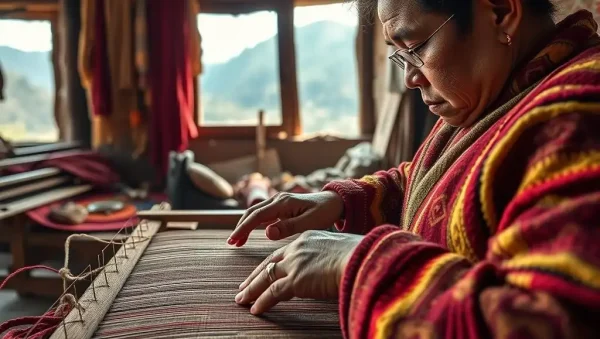
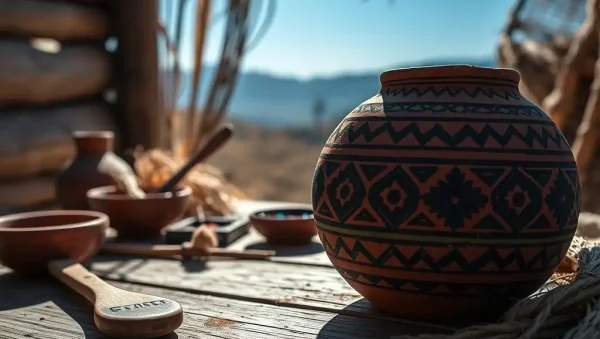
Immerse yourself in Inca art, which was not merely decorative but served functional and ceremonial purposes. Discover their famous ceramics (aryballos and quero cups), textiles woven from alpaca and vicuña wool, featuring geometric patterns and vivid dyes, and exquisite metalwork in gold, silver, and copper. Music, dance, and theater were integral, with instruments like panpipes and drums. This subcategory also covers the toqapu—symbolic patterns on garments that denoted social rank and origin. Learn how art reinforced imperial ideology, commemorated conquests, and preserved ancestral memory, making it a vital lens for understanding Inca aesthetics and daily life.
🌽 Agriculture and Economy
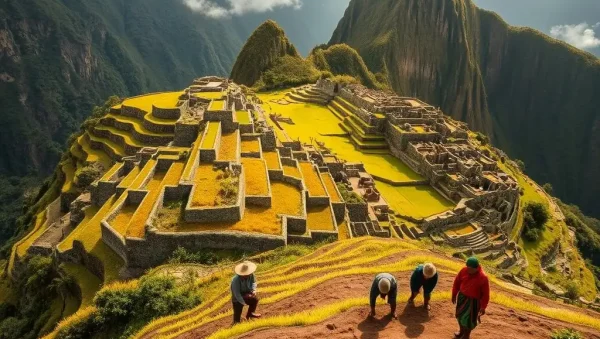
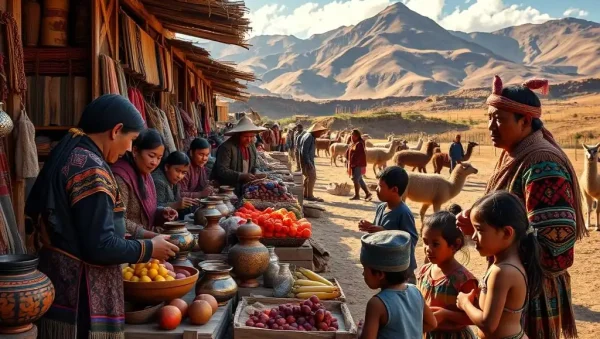
The Inca economy was a marvel of state-managed reciprocity and terraced farming. This section details their agricultural innovations: terraces (andenes) that prevented erosion, irrigation canals, and freeze-drying techniques for potatoes and chuño. They cultivated over 200 varieties of potatoes, maize, quinoa, and coca, with storage facilities (qollqas) ensuring famine relief. The mit’a labor system required citizens to contribute work, while the state redistributed goods, and a vast road network facilitated trade and tribute collection. Understand how an empire without currency or markets functioned through local self-sufficiency, centralized planning, and a sophisticated tribute system that sustained a population of 12 million.
🏗️ Architecture and Urbanism
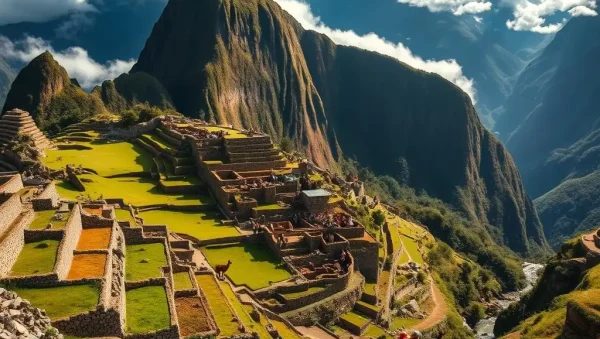
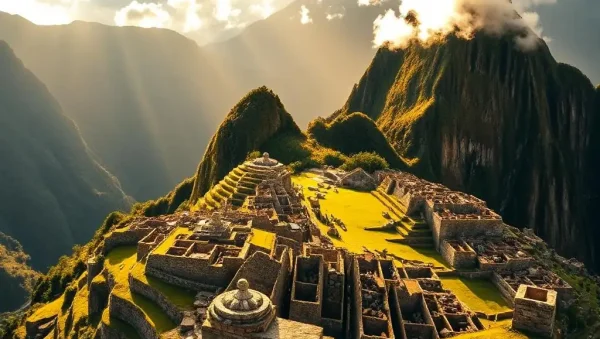
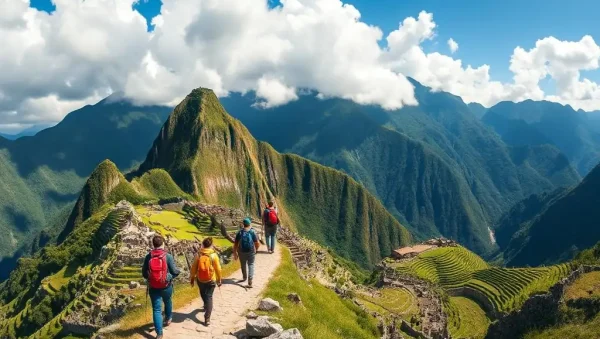
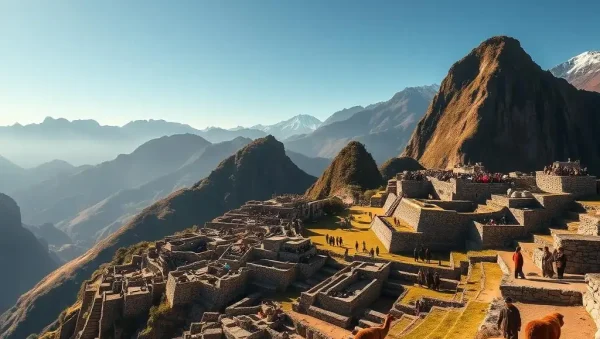
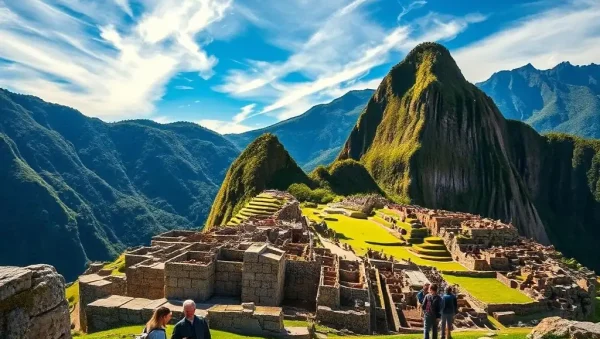
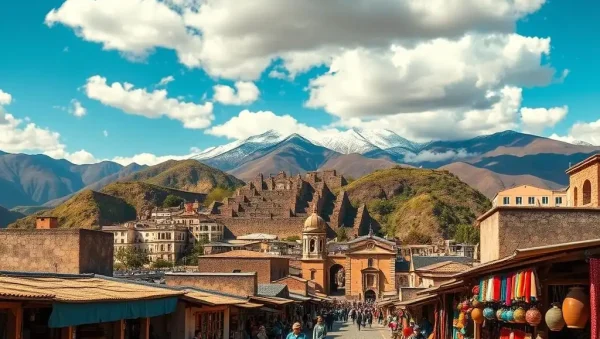
Marvel at Inca architecture, characterized by precision stonework without mortar, where stones fit so tightly that a knife blade cannot pass between them. Visit Cusco’s Sacsayhuamán fortress, Ollantaytambo’s sun temple, and the iconic Machu Picchu, a royal estate built at 2,430 meters. Urban planning followed a grid with central plazas, religious compounds, and elite residences, all aligned with astronomical axes and sacred geography (wak’a). They engineered drainage and earthquake-resistant walls using trapezoidal shapes. This subcategory explains the symbolism, engineering principles, and labor organization behind these enduring masterpieces, which survive as UNESCO World Heritage sites and global icons of human ingenuity.
⚖️ Political Structure and Governance
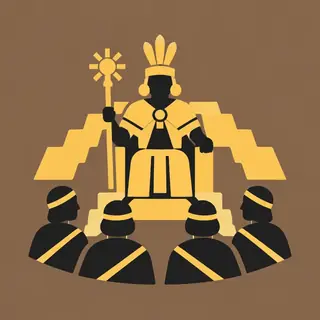
Analyze the Inca’s centralized and hierarchical governance, where the Sapa Inca (Emperor) was considered a living god and absolute ruler. Power was hereditary, with descent traced to the sun god Inti. The empire was divided into four suyu (regions) radiating from Cusco, governed by appointed officials known as apukuna. Local chieftains (curacas) were incorporated into the administrative system, often through marriages and gift exchanges. A complex bureaucratic structure, using quipu record-keeping and a decimal-based census, managed labor, land, and tribute. This subcategory explores how this “divine kingship” model created both efficiency and fragility, as it relied heavily on the emperor’s personal authority and genetic legitimacy.
🌌 Religion and Mythology
Explore the Inca pantheon, led by Inti (Sun), with Viracocha (Creator), Mama Killa (Moon), and Illapa (Thunder), among many others. Temples like Qorikancha in Cusco were covered in gold, dedicated to Inti. Rituals included human and animal sacrifice, notably capacocha, where children were offered on mountaintops to appease deities. The concept of wak’a—sacred sites or objects, from rivers to stones—was deeply embedded in the landscape. Panaca (royal lineages) maintained ancestor worship, ensuring political continuity. This subcategory explains how religious cosmology, state-sponsored worship, and local animism interwove to justify imperial rule and explain natural phenomena, leaving a lasting spiritual legacy in Andean communities today.
Frequently Asked Questions
What was the Inca’s main food staple?
The potato was the staple, with over 200 varieties cultivated in terraced fields. They also grew maize for ceremonial chicha beer, quinoa, beans, and sweet potatoes. Freeze-drying potatoes into chuño allowed long-term storage, essential for feeding the army and supporting large state projects.
Why did the Spanish conquer the Inca so quickly?
The Incas were weakened by a civil war between Atahualpa and Huáscar, which killed thousands and fractured loyalties. Smallpox arrived earlier, killing many including the emperor Huayna Capac. The Spanish leveraged cavalry, steel weapons, and alliances with disgruntled tribes, capturing Atahualpa at Cajamarca in 1532, which decapitated leadership.
Did the Inca use money or markets?
No. The Inca economy relied on reciprocity, redistribution, and the mit’a labor tax. The state provided goods, land, and clothing in exchange for work. Local communities exchanged surplus locally, but there was no currency or central market system, unlike the Aztec.
How did the Inca record information without writing?
They used the quipu, a system of knotted cords on colored strings. Knots and colors encoded numbers, such as census counts, tribute amounts, and agricultural yields. Historians believe quipus may have also stored narrative or genealogical data, though not all codes are fully decoded today.
What is the significance of Machu Picchu?
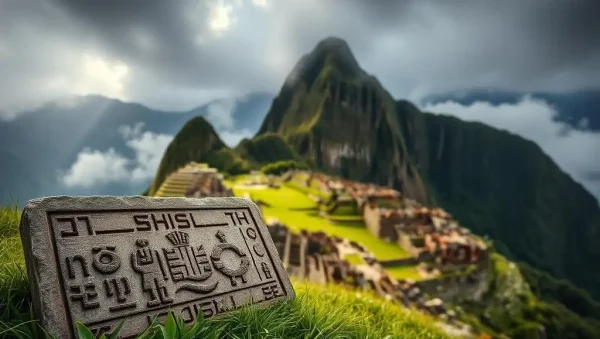
Machu Picchu, built around 1450 as a royal estate for Pachacuti, likely served as a ceremonial and astronomical center. It was hidden from the Spanish and thus preserved intact. Its precise stone construction, alignment with solstices, and location on a sacred mountain demonstrate Inca engineering and spiritual beliefs. It is now a World Heritage site and Peru’s top tourist attraction.