
The Arrival of the Spanish: How European Contact Altered Mayan Civilization

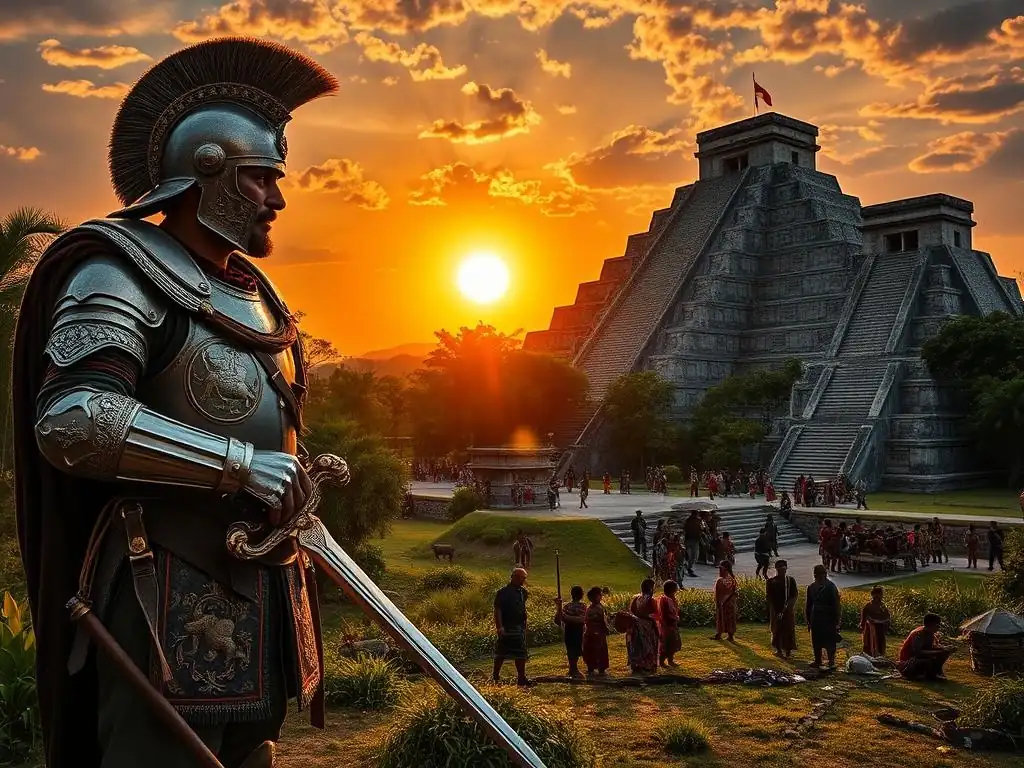
Welcome to Indigenous Civilizations of the Americas, where we invite you to embark on a fascinating journey through the rich tapestry of pre-colonial cultures that flourished across the Americas. In our featured article, The Arrival of the Spanish: How European Contact Altered Mayan Civilization, we delve into the profound impact of Spanish colonization on the Mayans, unveiling the dramatic shifts that reshaped their society and culture. Prepare to uncover the stories, achievements, and enduring legacies of indigenous peoples that continue to resonate today, and get ready to explore the intricate connections between past and present that await you.
- Introduction to the Spanish Arrival and Mayan Civilization
- The Context of European Contact with the Mayans
- The Impact of Spanish Colonization on Mayans
- Resistance and Adaptation: Mayan Responses to Colonization
- Long-Term Consequences of Spanish Colonization on Mayan Civilization
- Conclusion: Understanding the Lasting Impact of Spanish Colonization on Mayans
-
Frequently Asked Questions
- What was the impact of Spanish colonization on Mayans?
- How did the arrival of the Spanish affect Mayan society?
- What were some of the achievements of the Mayans before colonization?
- Did Spanish colonization lead to the decline of Mayan civilization?
- How do modern Mayan communities reflect the legacy of their ancestors?
- Final Reflection: The Lasting Impact of Spanish Colonization on Mayan Civilization
- Unveil the Impact: Take Action for Indigenous Awareness!
Introduction to the Spanish Arrival and Mayan Civilization
The arrival of the Spanish in the early 16th century marked a pivotal moment in the history of the Americas, particularly for the intricate and advanced societies of the Mayans. This article delves into the profound transformations that occurred within Mayan civilization as a result of European contact, focusing on the impact of Spanish colonization on Mayans.
Prior to this encounter, the Mayans had established a rich tapestry of culture, governance, and innovation, which would soon face unprecedented challenges. Understanding the dynamics of this period requires an exploration of the Mayan civilization before European contact, as well as the broader significance of Spanish colonization in Mesoamerica.
Overview of Mayan Civilization Before European Contact
The Mayan civilization, flourishing from around 2000 BCE to the arrival of the Spanish, was one of the most sophisticated and influential cultures in the Americas. Its remarkable achievements can be categorized into several key areas:
- Political Structure: The Mayans developed a complex hierarchal society with city-states, each ruled by a king. This system allowed for both local governance and a network of alliances and rivalries between states.
- Scientific Advancements: The Mayans were adept in astronomy, mathematics, and agriculture. They created an intricate calendar system based on celestial movements and developed advanced agricultural techniques, such as slash-and-burn farming and terracing.
- Cultural Contributions: The Mayans are renowned for their contributions to art, architecture, and writing. They built magnificent pyramids, palaces, and temples adorned with intricate carvings and murals. Additionally, they developed a written language that remains one of the most sophisticated in pre-Columbian Americas.
- Religious Practices: Religion was deeply woven into the fabric of Mayan life, with a pantheon of gods and elaborate rituals. The Mayans believed in the cyclical nature of time, which influenced their farming cycles and societal events.
This vibrant civilization, with its profound connections to the land and the cosmos, would soon confront the transformative and often devastating forces brought by European colonization.
Significance of Spanish Colonization in Mesoamerica
The Spanish colonization of Mesoamerica initiated significant changes that would alter the course of Mayan civilization forever. The following factors illustrate the profound impact of this encounter:
- Disruption of Societal Structures: Spanish conquest led to the dismantling of established political systems. The imposition of colonial rule disrupted the traditional governance of city-states, leading to power vacuums and increased internal conflict among the Mayans.
- Cultural Transformation: The Spanish introduced Christianity, which gradually supplanted indigenous religious practices. Many Mayans were forced to abandon their beliefs or face severe consequences, leading to a loss of cultural identity and heritage.
- Economic Exploitation: The colonizers exploited Mayan labor and resources, imposing systems of tribute and forced labor that drained local economies. This exploitation weakened the socio-economic structures that had sustained Mayan communities for centuries.
- Population Decline: European diseases, to which the Mayans had no immunity, led to catastrophic population declines. Smallpox, influenza, and other illnesses devastated communities, severely impacting the social fabric of Mayan society.
The arrival of the Spanish was not merely an event of conquest; it marked a profound transformation that reshaped the entire landscape of Mesoamerica, with lasting implications for the Mayan civilization and its descendants. Understanding these dynamics is crucial for appreciating the resilience and adaptations of the Mayans in the face of profound change.
The Context of European Contact with the Mayans
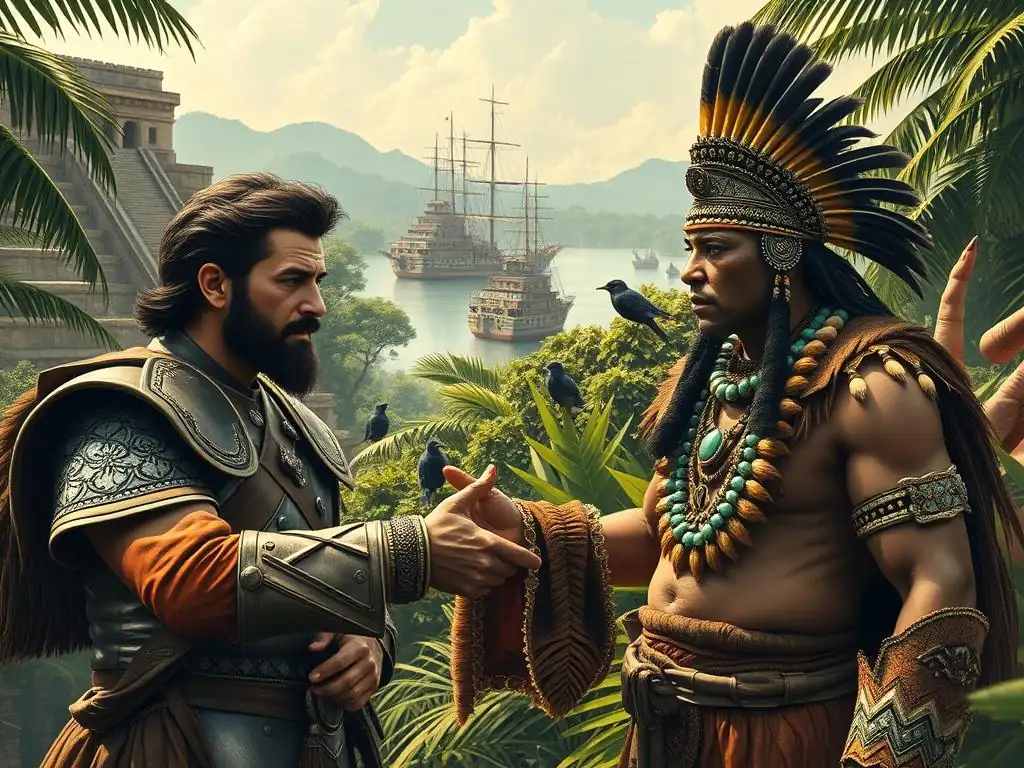
The arrival of the Spanish in the early 16th century marked a significant turning point for the Mayan civilization. This period was characterized by dramatic changes, driven by European exploration and colonization efforts. Understanding this context requires a deep dive into the historical background of Spanish exploration, the motivations behind their colonization efforts, and the initial encounters between the Spaniards and the Mayans.
Historical Background of Spanish Exploration
The late 15th century was a time of significant change in Europe, particularly with the completion of the Reconquista in 1492. With Spain unified under Ferdinand and Isabella, the nation was eager to expand its influence across the globe. The motivations for exploration were multifaceted, including the pursuit of new trade routes, the search for wealth, and the spread of Christianity.
In 1492, Christopher Columbus embarked on his first voyage, inadvertently leading to the discovery of the Americas. This event sparked a wave of exploration and conquest by various European powers, particularly Spain. By the early 1500s, Spanish explorers like Hernán Cortés and Pedro de Alvarado began to venture into Central America, including regions inhabited by the Mayans. These explorations revealed the wealth of the Mayan territories, rich in resources such as gold, cacao, and textiles, which further fueled Spanish interest.
The Mayan civilization, known for its advanced knowledge in mathematics, astronomy, and architecture, was at a crossroads as it faced the impending changes brought by Spanish colonization. This period of contact would not only alter the social and political landscape of the Mayans but also lead to significant cultural exchanges, albeit often forced and detrimental to the indigenous populations.
Motivations Behind Spanish Colonization Efforts
The motivations for Spanish colonization of the Mayan territories were primarily driven by economic, religious, and political factors.
- Economic Interests: The Spanish sought to exploit the rich natural resources of the New World. The Mayans had established trade networks and agricultural practices that the Spaniards aimed to control. The quest for gold and silver became a primary goal, as these resources were crucial for Spain's economy and status in Europe.
- Religious Zeal: The spread of Christianity was a significant motivation for Spanish explorers. The Catholic Church supported colonization efforts, viewing it as an opportunity to convert indigenous populations. The Spanish utilized missionaries to establish churches and propagate their faith, often disregarding the existing spiritual beliefs of the Mayans.
- Political Expansion: Gaining territories in the Americas was a means for Spain to enhance its power and influence globally. Establishing control over the Mayan regions allowed the Spanish crown to assert dominance in Central America and compete with other European powers.
The interplay of these motivations ultimately led to a systematic approach to colonization, characterized by both cooperation and conflict with the indigenous peoples.
Initial Encounters Between Spaniards and Mayans
The initial encounters between the Spaniards and Mayans were complex and varied, ranging from diplomatic negotiations to violent confrontations.
- Diplomatic Relations: Early interactions often began with attempts at diplomacy. Spanish explorers sought alliances with certain Mayan city-states to gain access to resources and gain local knowledge. For example, the Spaniards sometimes aligned with rival factions to undermine powerful Mayan kingdoms.
- Cultural Exchanges: These encounters also led to exchanges of knowledge and culture. The Spaniards were introduced to Mayan agricultural practices, art, and architecture, while the Mayans encountered European technologies, such as metalworking and firearms. However, these exchanges were often uneven and heavily influenced by the power dynamics at play.
- Conflict and Conquest: As Spanish ambitions grew, so did tensions with the Mayans. Armed confrontations became common, leading to significant battles and the eventual subjugation of many Mayan territories. The use of superior weaponry and strategic alliances with other indigenous groups allowed the Spaniards to overpower the Mayans, resulting in a rapid decline of Mayan political power and autonomy.
These initial encounters laid the groundwork for the profound and often devastating impact of Spanish colonization on Mayan civilization. The following sections will delve deeper into the consequences of these interactions and their long-lasting effects on Mayan society.
The Impact of Spanish Colonization on Mayans
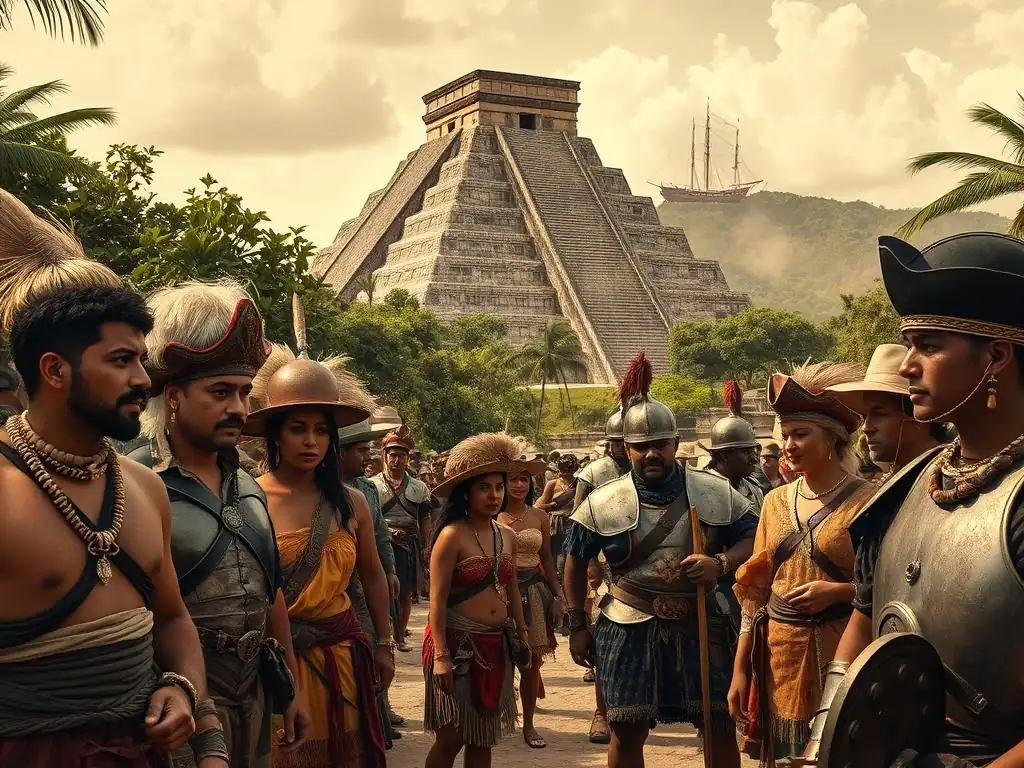
The arrival of the Spanish in the early 16th century marked a profound turning point for the Mayan civilization, leading to significant transformations across various dimensions of their society. The impact of Spanish colonization on Mayans involved alterations in political structures, economic transformations, and notable social and cultural shifts. Understanding these changes is crucial to comprehending the long-lasting effects of European contact on indigenous populations in the Americas.
Changes in Political Structures of Mayan Society
The Spanish conquest introduced a new political framework that fundamentally altered the governance of Mayan societies. Prior to European contact, the Mayans were organized into numerous city-states, each with its own ruler and political system. The arrival of the Spanish disrupted this decentralized structure, leading to the establishment of colonial administration and governance.
- Imposition of Colonial Rule: The Spanish imposed their own political authority, often installing local leaders who would serve their interests. This led to the decline of traditional rulers and the erosion of indigenous political systems.
- Formation of New Administrative Units: The Spanish reorganized the region into encomiendas, which were grants of land and indigenous labor to Spanish settlers. This system not only altered local governance but also concentrated power in the hands of the colonizers.
- Resistance and Rebellion: The imposed political structures sparked resistance among the Mayans. Notable uprisings, such as the Caste War of Yucatán in the 19th century, were fueled by the desire to reclaim autonomy and resist colonial oppression.
The political changes brought about by Spanish colonization profoundly affected the Mayans' ability to govern themselves and maintain their traditional societal structures.
Economic Transformations Due to European Influence
The economic landscape of the Mayan civilization underwent drastic changes due to Spanish colonization. The introduction of European economic practices and the demand for resources reshaped local economies.
- Shift to Cash Crops: The Spanish encouraged the cultivation of cash crops such as sugarcane, which altered traditional agricultural practices. The focus on export-oriented agriculture diminished the diversity of local crops, impacting food security.
- Exploitation of Labor: The encomienda system facilitated the exploitation of Mayan labor for agricultural production and mining. Indigenous peoples were forced into labor conditions that undermined their economic independence and well-being.
- Integration into Global Trade: The Mayans became part of a larger global trade network. While this brought new goods and ideas, it also made them vulnerable to economic fluctuations and external pressures from European markets.
These economic transformations deeply affected the livelihoods of Mayans, leading to a dependency on colonial economies and a loss of traditional economic practices.
The social and cultural fabric of Mayan society experienced considerable shifts as a consequence of Spanish colonization. The encounter with Europeans led to significant changes in social structures, religious practices, and cultural expressions.
- Religious Syncretism: The Spanish efforts to convert the Mayans to Christianity resulted in a blending of indigenous beliefs with Catholicism. Many Mayans adopted Christian practices while retaining elements of their traditional spirituality, creating unique syncretic expressions.
- Disruption of Social Hierarchies: The imposition of Spanish authority disrupted existing social hierarchies among the Mayans. Traditional elites lost power, while some individuals who collaborated with the Spanish gained status, leading to new social dynamics.
- Cultural Loss and Preservation: The colonization process led to the loss of many cultural practices, languages, and traditions. However, despite these challenges, Mayan communities engaged in efforts to preserve their cultural heritage, which can be seen today in the continued practice of traditional ceremonies and languages.
The social and cultural shifts resulting from Spanish colonization have left an indelible mark on Mayan communities, influencing their identity and resilience in the face of adversity.
The impact of Spanish colonization on Mayans was multifaceted, encompassing changes in political structures, economic systems, and social and cultural dynamics. The legacy of these transformations continues to shape the lives of contemporary Mayan communities, highlighting the enduring effects of European contact on indigenous civilizations in the Americas.
Resistance and Adaptation: Mayan Responses to Colonization
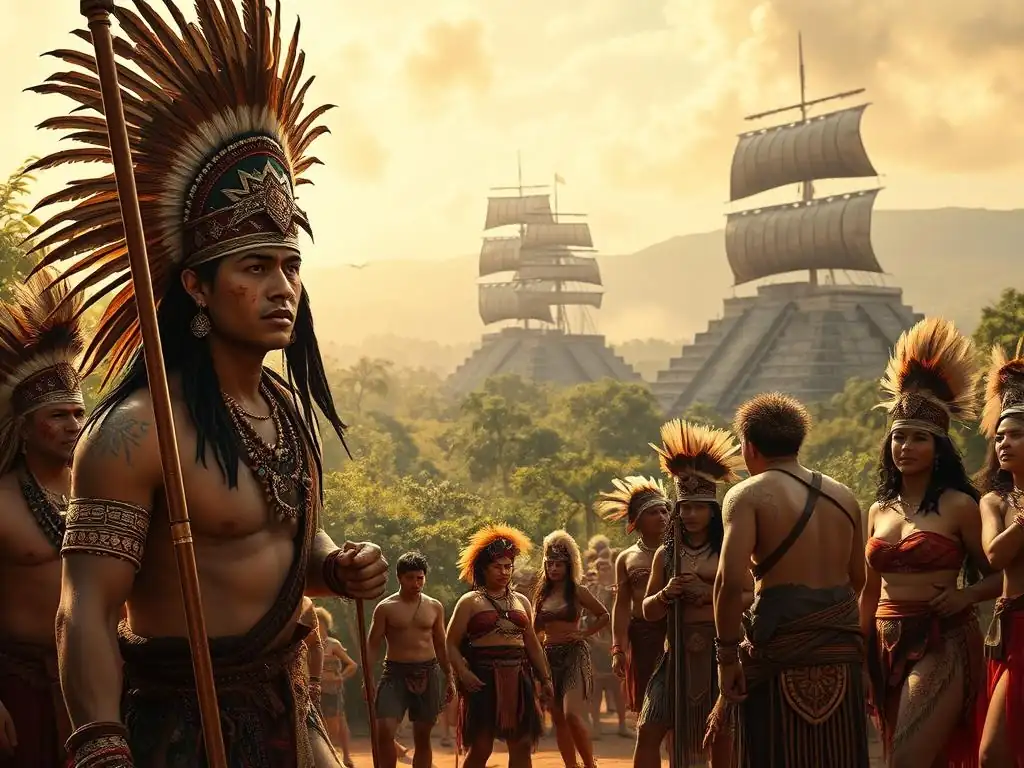
Forms of Resistance Against Spanish Rule
The arrival of the Spanish in the early 16th century marked a significant turning point for Mayan civilization. The Mayans, known for their sophisticated societal structure and rich cultural heritage, initially responded to Spanish colonization with various forms of resistance. These responses were not uniform; they varied across different regions and communities, adapting to local circumstances and Spanish tactics.
- Armed Rebellions:
- Throughout the 16th century, several armed uprisings were documented, most notably the Caste War of Yucatán (1847-1901), although it occurred much later, it was heavily influenced by the earlier Spanish conquests. These rebellions were fueled by discontent over land dispossession, forced labor, and the imposition of foreign governance.
- Local leaders often mobilized community members to resist Spanish forces, employing guerrilla tactics and leveraging their knowledge of the terrain to their advantage.
- Cultural Resistance:
- The Mayans also engaged in cultural resistance, maintaining their languages, religious practices, and social customs despite Spanish attempts to impose Catholicism and Spanish culture. This form of resistance was vital for preserving their identity and heritage.
- Rituals, traditional dress, and oral histories continued to be significant, often incorporating elements of both Mayan and Spanish culture, showcasing a blend rather than a complete assimilation.
- Strategic Alliances:
- Some Mayan groups chose to form strategic alliances with other indigenous peoples or even with Spanish factions to resist more oppressive elements of colonization. These alliances were sometimes temporary but served to strengthen their collective bargaining power against colonial forces.
- Economic Resistance:
- Economic strategies were also employed, such as avoiding tribute payments or boycotting Spanish goods. By undermining the economic foundations of Spanish rule, the Mayans sought to assert their autonomy and control over their resources.
Adaptation of Mayan Practices in Response to Colonization
While resistance was a prominent response to Spanish colonization, adaptation also played a crucial role in how Mayan societies navigated the challenges posed by European contact. This adaptation was multifaceted and influenced various aspects of daily life, governance, and cultural practices.
- Integration of Spanish Technology:
- The Mayans began to integrate certain Spanish technologies into their agricultural practices. For example, the introduction of new farming tools and techniques allowed them to enhance their productivity. This adaptation enabled them to better sustain their populations amidst changing conditions.
- Religious Syncretism:
- One of the most significant adaptations was the blending of Mayan and Spanish religious practices. Many Mayans began to incorporate elements of Catholicism into their traditional beliefs, creating a unique form of worship that retained core Mayan cosmology while integrating new rituals and saints.
- This syncretism helped the Mayans navigate their changing spiritual landscape, allowing them to maintain their cultural identity while accommodating the new religious environment imposed by the Spanish.
- Changes in Social Structure:
- The arrival of the Spanish led to shifts in the social hierarchy among the Mayans. Some individuals gained power and status through collaboration with colonial authorities, often resulting in new leadership roles that diverged from traditional systems.
- In some cases, this resulted in a stratified society where those who adapted successfully to Spanish rule could exert influence, while others remained marginalized.
- Continued Use of Language:
- Despite the imposition of Spanish as the dominant language, many Mayans continued to speak their native tongues. This linguistic persistence served as a form of resistance and adaptation, allowing communities to maintain a sense of identity while navigating a world increasingly dominated by Spanish speakers.
The impact of Spanish colonization on the Mayans was profound, eliciting a complex interplay of resistance and adaptation that shaped their societies for generations. Through armed struggles, cultural preservation, and strategic adaptations, the Mayans demonstrated resilience in the face of overwhelming change.
Long-Term Consequences of Spanish Colonization on Mayan Civilization
Demographic Changes and Population Decline
The arrival of the Spanish in the early 16th century had profound demographic effects on Mayan civilization. Prior to European contact, the Maya population was estimated to be in the millions. However, following the introduction of foreign diseases such as smallpox, measles, and influenza, the population suffered catastrophic declines.
- Estimates of Population Decline:
- By the end of the 17th century, some regions experienced a population reduction of up to 90%.
- Specific areas like the Yucatán Peninsula saw their populations dwindle from approximately 1.5 million to around 200,000 within a short period.
This demographic collapse disrupted social structures, economies, and cultural practices. Traditional practices like agriculture were severely affected due to the loss of experienced farmers, leading to food shortages.
Legacy of Spanish Colonization in Modern Mayan Culture
The legacy of Spanish colonization is evident in modern Mayan culture, which reflects a blend of indigenous and European elements. While many traditional practices and beliefs have persisted, they have often been adapted or reshaped through the lens of colonial influence.
- Cultural Syncretism:
- Religious practices have merged; for instance, traditional Mayan rituals now frequently incorporate Catholic elements. Festivals may include Christian saints alongside ancient Mayan deities.
- Language plays a crucial role in preserving identity. Although Spanish is the dominant language, many Mayans continue to speak their ancestral languages, such as K'iche' and Yucatec Maya.
- Art and Craftsmanship:
- Traditional crafts, such as weaving and pottery, often feature both Mayan symbols and Spanish motifs, showcasing the dynamic interaction between the two cultures.
- Contemporary Mayan artists frequently use their work to express resistance against colonial narratives, reclaiming their history and identity.
The resilience of Mayan culture amidst centuries of colonial influence is a testament to the strength of their identity.
Continued Influence of European Contact on Mayan Identity
The impact of Spanish colonization on Mayan identity extends beyond immediate demographic changes and cultural adaptations. The interaction with Europeans has had lasting effects on how Mayans perceive themselves and their place in the sociopolitical landscape of modern-day Mexico and Central America.
- Political and Social Structures:
- The Spanish imposed new governance systems that reshaped traditional Mayan leadership structures, leading to a complex layering of authority that still affects contemporary political dynamics.
- Many Mayans today engage in social movements advocating for indigenous rights, drawing on historical experiences of resistance to colonialism.
- Identity and Globalization:
- Modern Mayans navigate a world shaped by globalization while striving to maintain their cultural identity. This includes participation in global dialogues about indigenous rights and representation.
- Global recognition of Mayan heritage has led to a resurgence of interest in traditional practices, language revitalization efforts, and cultural tourism, all of which help reinforce a collective Mayan identity.
The impact of Spanish colonization on the Mayans was not merely an event of the past; it set in motion enduring changes that continue to shape their identity, culture, and social structures today. The resilience and adaptability of the Maya in the face of adversity illustrate a rich cultural legacy that persists despite centuries of external pressures.
Conclusion: Understanding the Lasting Impact of Spanish Colonization on Mayans
Reflection on the Historical Significance of European Contact
The arrival of the Spanish in the early 16th century marked a pivotal moment in Mayan history, leading to profound changes in their civilization. The impact of Spanish colonization on Mayans was multifaceted, affecting their social structures, religious practices, and economic systems.
- Disruption of Social Structures: The Spanish conquest dismantled the traditional hierarchy of Mayan society. Indigenous leaders were often executed or exiled, leading to a power vacuum that destabilized communities. The imposition of Spanish governance further eroded indigenous authority, replacing it with colonial rule that prioritized Spanish interests.
- Religious Transformation: One of the most significant aspects of Spanish colonization was the forced conversion of the Mayans to Christianity. This often involved the destruction of sacred sites and the suppression of indigenous beliefs. The Spanish missionaries aimed to eradicate native religions, leading to a syncretism where traditional practices were either hidden or transformed into new forms that could coexist with Christian teachings.
- Economic Shift: The economic landscape of the Mayans was irrevocably altered as the Spanish introduced new agricultural practices and exploited local resources. The encomienda system forced indigenous people into labor, prioritizing Spanish agricultural demands over traditional Mayan practices. This shift not only disrupted local economies but also contributed to the decline of the once-thriving Mayan trade networks.
The historical significance of these changes cannot be overstated. The Spanish colonization catalyzed a transformation that led to the gradual decline of Mayan civilization as it had existed for centuries. The enduring effects of this period continue to shape the identity and cultural practices of the Mayan descendants today.
The Ongoing Relevance of Mayan Heritage Today
Despite the devastating impact of Spanish colonization, Mayan culture and identity have persisted over the centuries. The resilience of the Mayan people is evident in their continued use of native languages, traditional customs, and a profound connection to their ancestral lands.
- Cultural Revitalization: In recent decades, there has been a resurgence of interest in Mayan heritage. Initiatives to preserve and promote indigenous languages, arts, and crafts have gained momentum. Festivals and rituals that reflect Mayan cosmology and history are celebrated, asserting cultural identity against the backdrop of colonial history.
- Political Activism: The contemporary Mayan communities are increasingly vocal in advocating for their rights. Movements for land rights, cultural preservation, and political representation reflect a growing recognition of the importance of their heritage. These efforts are crucial in addressing historical injustices and asserting their place within the modern nation-states of Central America.
- Tourism and Education: Many Mayan sites, such as Tikal and Chichen Itza, have become focal points for educational tourism. This not only provides economic opportunities but also serves as a platform for sharing Mayan history and culture with a broader audience, fostering a deeper appreciation for their contributions to civilization.
While the impact of Spanish colonization on Mayans was profound and often devastating, the ongoing relevance of Mayan heritage today serves as a testament to their resilience and enduring cultural identity. Understanding this history is vital for recognizing the contributions of indigenous civilizations to the Americas and appreciating the complexities of contemporary indigenous identities.
Frequently Asked Questions
What was the impact of Spanish colonization on Mayans?
The impact of Spanish colonization on the Mayans was profound, leading to significant social, economic, and cultural changes. Many Mayans faced violence, forced labor, and the imposition of Spanish governance.
How did the arrival of the Spanish affect Mayan society?
The arrival of the Spanish disrupted traditional Mayan society, introducing new political structures and altering social hierarchies. Many Mayans were forced to adapt to foreign customs and practices.
What were some of the achievements of the Mayans before colonization?
Before colonization, the Mayans were known for their advanced agricultural techniques, sophisticated mathematics and astronomy, and impressive architectural feats, including pyramids and cities.
Did Spanish colonization lead to the decline of Mayan civilization?
Yes, Spanish colonization contributed to the decline of Mayan civilization through disease, warfare, and the destruction of cultural practices. The population decreased drastically, leading to the loss of many aspects of their heritage.
How do modern Mayan communities reflect the legacy of their ancestors?
Modern Mayan communities continue to preserve their language, traditions, and cultural practices, showcasing the enduring legacy of their ancestors despite the challenges faced during colonization.
Final Reflection: The Lasting Impact of Spanish Colonization on Mayan Civilization
The arrival of the Spanish in the 16th century marked a profound turning point in the history of the Mayan civilization, illustrating how the impact of Spanish colonization on Mayans reshaped their social, cultural, and economic landscapes. This historical encounter not only altered the trajectory of the Mayan people but also serves as a poignant reminder of the complexities of cultural exchange and the often devastating consequences of colonialism. As we reflect on this pivotal moment, we must recognize its relevance today, as discussions about colonial legacies and their ongoing effects continue to resonate in contemporary society.
The influence of Spanish colonization on the Mayans is not merely a relic of the past; it has woven itself into the very fabric of modern cultural and social dynamics. The resilience of Mayan identity, despite centuries of oppression and change, speaks volumes about the strength of cultural heritage.
The echoes of this historical encounter can be seen in the preservation of Mayan languages, traditions, and practices that persist today. As the renowned historian David Stoll once said, > “The Mayans are not a people of the past; they are a living culture that has adapted and survived.” This observation highlights the ongoing influence of the Spanish conquest and the remarkable ability of the Mayan civilization to endure and evolve amidst adversity.
As we conclude our exploration of this topic, I invite you to reflect on the lessons learned from the impact of Spanish colonization on the Mayans. Consider how history shapes our present and future, and how understanding these narratives can foster empathy and awareness in our interactions with diverse cultures.
Let us take this opportunity to engage with the stories of resilience and adaptation that define the Mayan experience, and encourage a deeper appreciation for the rich tapestry of human history. Your journey of reflection can contribute to a more inclusive understanding of our shared past and inspire actions that honor and respect the legacies of all cultures.
Unveil the Impact: Take Action for Indigenous Awareness!
Thank you for taking the time to explore how the arrival of the Spanish transformed Mayan civilization. Your engagement with this essential history is crucial for fostering understanding and appreciation for Indigenous cultures. Now, let's turn that curiosity into meaningful action!
- Dive deeper: Learn more about the lasting legacies of colonialism on Indigenous nations by exploring related articles available on our website.
- Share the knowledge: Raise awareness by sharing this article with friends and family who would benefit from understanding Indigenous history and perspectives.
- Join the conversation: Engage with our community! Connect with us on social media to participate in discussions and stay informed about upcoming events focused on Indigenous rights and culture.
How will you contribute to preserving and promoting Indigenous histories in your community?