
A Clash of Cultures: The Interactions Between Mayans and European Colonizers

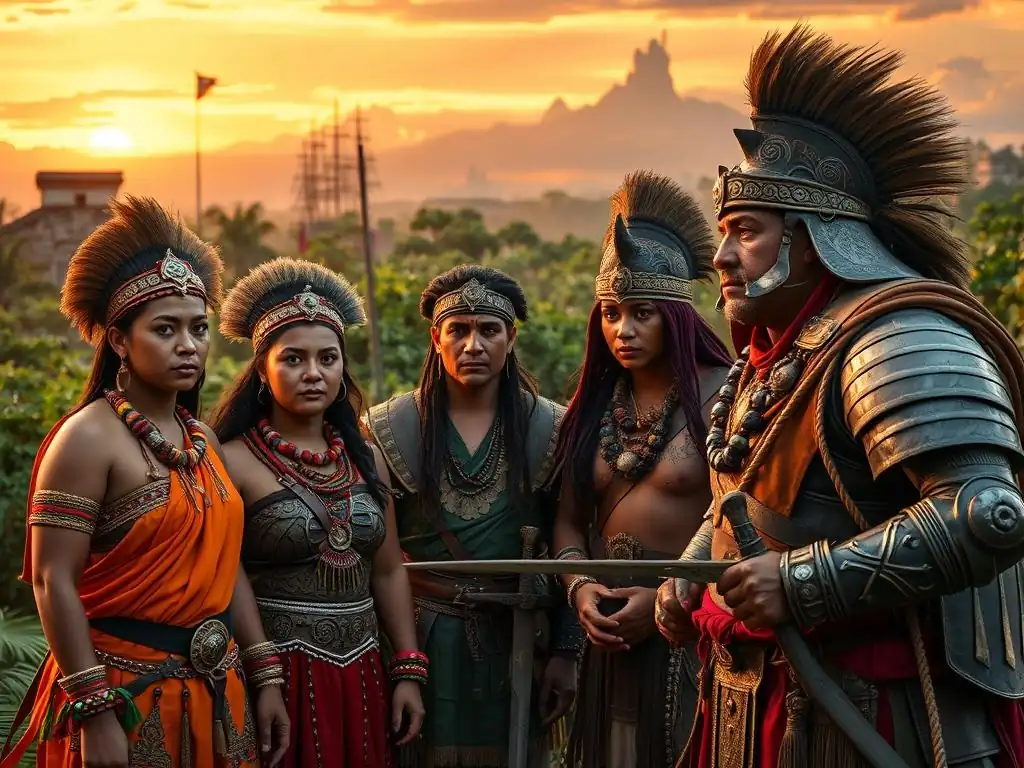
Welcome to Indigenous Civilizations of the Americas! Here, we invite you to embark on a captivating journey through the rich tapestry of indigenous cultures that flourished across the Americas long before European colonization. In our featured article, “A Clash of Cultures: The Interactions Between Mayans and European Colonizers,” we delve into the complex relationships and profound impacts that shaped the history of the Mayans during this transformative era.
What secrets lie in the encounters between these two worlds? Join us as we unveil the remarkable achievements and legacies of the Mayan civilization and explore how their rich heritage continues to resonate today. Prepare to be intrigued and inspired as you navigate through the stories that await you!
Introduction to Mayans and European Colonizers Interactions
The interactions between the Mayans and European colonizers marked a pivotal moment in the history of the Americas, characterized by a profound clash of cultures, beliefs, and practices. This article delves into the complexities of these interactions, exploring how the rich tapestry of Mayan civilization encountered the forces of European colonization.
By examining the socio-political structures of the Mayans and the motivations behind European expansion, we can gain insight into the transformative effects of these encounters on both cultures. Understanding this historical interplay is essential not only for appreciating the resilience and achievements of the Mayans but also for recognizing the broader implications of European colonization across the continent.
Overview of Mayan Civilization
The Mayan civilization, one of the most sophisticated pre-Columbian cultures in the Americas, flourished in present-day Mexico, Guatemala, Belize, Honduras, and El Salvador. Spanning from approximately 2000 BCE to the arrival of Spanish explorers in the 16th century, the Mayans developed an advanced society known for its remarkable achievements in various fields:
- Architecture: The Mayans constructed impressive city-states with monumental structures, including pyramids, temples, and palaces, often adorned with intricate carvings and murals.
- Mathematics and Astronomy: They created a complex calendar system and made significant contributions to mathematics, including the concept of zero, which was revolutionary for its time.
- Writing and Literature: The Mayan hieroglyphic script, one of the few fully developed writing systems in pre-Columbian America, was used for recording historical events, rituals, and mythology.
Despite their advancements, the Mayan civilization faced challenges, including warfare, environmental changes, and societal strife, which led to the decline of many city-states before European contact.
Brief History of European Colonization in the Americas
The age of European exploration began in the late 15th century, driven by a desire for new trade routes, wealth, and territorial expansion. The Spanish, led by explorers such as Christopher Columbus and Hernán Cortés, embarked on expeditions that would forever alter the landscape of the Americas.
- Spanish Conquest: After Columbus's arrival in 1492, Spain established a foothold in the Caribbean, gradually moving into mainland territories. The conquest of the Aztecs by Cortés in 1521 set a precedent for later encounters with other indigenous peoples, including the Mayans.
- Motivations for Colonization: Europeans sought gold, silver, and land, motivated by both economic gain and the spread of Christianity. The narrative of "civilizing" indigenous peoples often accompanied these ambitions, leading to a complex interplay of conflict, exchange, and assimilation.
Initial Contact Between Mayans and European Colonizers
The initial encounters between the Mayans and European colonizers were marked by both curiosity and conflict, setting the stage for a profound transformation of indigenous life.
The Arrival of European Explorers
The first significant contact between the Mayans and Europeans occurred in the early 16th century, primarily through Spanish explorers and conquistadors. Notable figures included:
- Juan de Grijalva: Arriving in 1518, Grijalva explored the Yucatán Peninsula and documented his observations of Mayan cities and culture.
- Hernán Cortés: Following Grijalva, Cortés arrived in 1519 and eventually sought to conquer the Mayan regions, leading to significant military and diplomatic engagements.
These expeditions were often accompanied by misunderstandings, as European explorers were both fascinated and bewildered by Mayan customs, languages, and societal structures.
Early Encounters: Perspectives from Both Sides
The perspectives during these early encounters varied dramatically between the Mayans and the European colonizers:
- Mayan Perspective: For the Mayans, the arrival of Europeans was initially perceived as an opportunity for trade and diplomatic relations. However, this quickly shifted as the colonizers' intentions became clear, leading to resistance and conflict.
- European Perspective: European colonizers viewed the Mayans through a lens of superiority, often underestimating their political organization and cultural richness. This led to aggressive tactics aimed at subjugation rather than understanding.
This complicated dynamic of curiosity, conflict, and eventual conquest laid the groundwork for the dramatic changes that would follow in the wake of European colonization, profoundly impacting the Mayan civilization and its legacy.
Cultural Exchange: Impacts of Mayans and European Colonizers Interactions
The interactions between the Mayans and European colonizers resulted in significant cultural exchanges that shaped both societies. This period marked a transformation in various aspects, including knowledge, technology, agriculture, and trade practices. While the Mayans had a rich and complex civilization with advanced understanding in areas like mathematics, astronomy, and architecture, the European colonizers brought new ideas, tools, and commodities that altered the indigenous way of life.
As European powers sought to expand their empires, they encountered the sophisticated social structures and cultural practices of the Mayans. This led to a dynamic exchange where both groups learned from each other, though often under coercive circumstances. The consequences of this cultural exchange were profound, leading to a blending of traditions, the introduction of new crops and livestock, and a significant impact on trade routes that connected the Americas to Europe.
Exchange of Knowledge and Technology
The European colonizers introduced various technologies and knowledge systems that the Mayans had not previously encountered. Innovations such as metal tools, firearms, and new agricultural techniques were among the most impactful. For instance, the introduction of iron tools greatly enhanced agricultural productivity, allowing the Mayans to cultivate their land more efficiently.
Conversely, the Mayans contributed their profound knowledge in astronomy and mathematics, which fascinated European scholars. The Mayans had already developed a sophisticated calendar system and an understanding of celestial movements, which were highly regarded by European intellectuals. This mutual exchange, albeit unequal, laid the groundwork for future developments in both societies.
Influence on Agriculture and Trade Practices
The arrival of European colonizers had a significant impact on Mayan agriculture and trade practices. The introduction of new crops such as wheat, barley, and various fruits transformed the agricultural landscape. These crops were often cultivated alongside traditional Mayan staples like maize, beans, and squash, leading to a diversification of the diet.
Trade practices also evolved due to European influence. The Mayans had established extensive trade networks prior to contact, but the introduction of European commodities, such as sugar and spices, altered these dynamics. The colonizers sought to exploit Mayan resources and labor, leading to a shift in trade focus towards exporting goods to Europe. This shift not only affected the economy of the Mayan society but also contributed to the emergence of new social hierarchies based on access to European goods.
Conflict and Resistance: The Struggle Between Mayans and European Colonizers
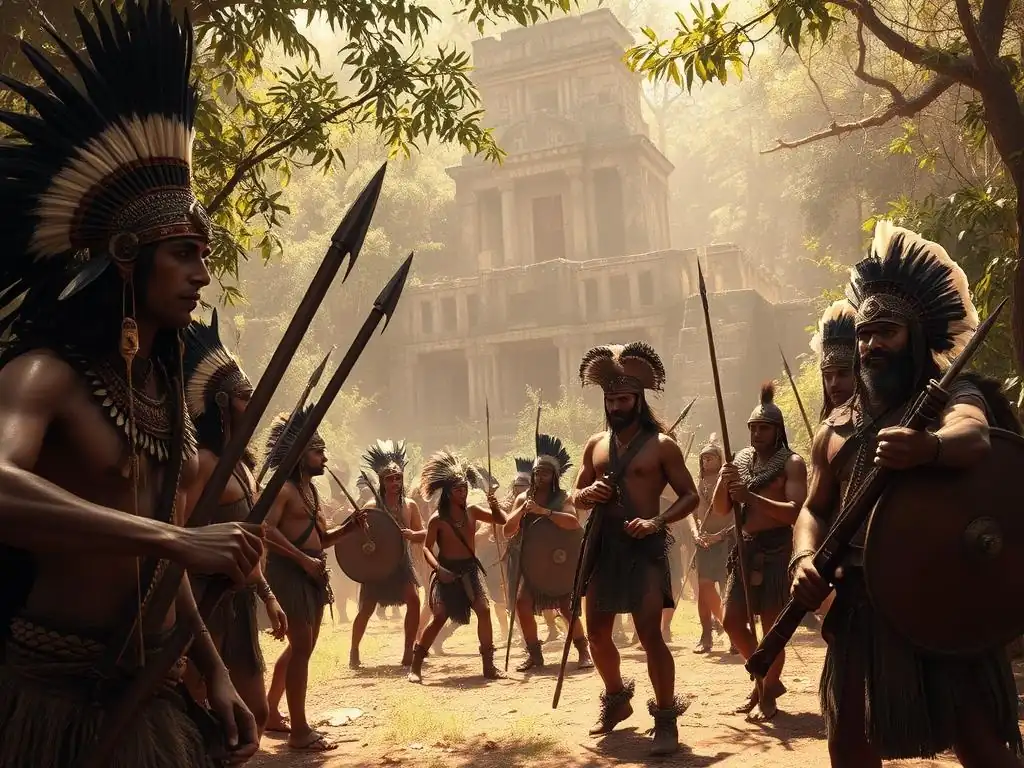
The interactions between the Mayans and European colonizers were not solely characterized by cultural exchange; they were also marked by significant conflict and resistance. The colonization efforts often led to violent confrontations, as the Mayans sought to defend their land, resources, and way of life from foreign invaders. This resistance took various forms, from organized battles to subtler forms of defiance against colonial authority.
The struggle against colonization was complex, reflecting the diverse responses among different Mayan groups. These confrontations not only highlighted the resilience of the Mayan people but also underscored the broader implications of European expansion in the Americas.
Major Conflicts and Battles
Major conflicts arose as the Spanish conquistadors sought to exert control over the region. One notable conflict was the Spanish conquest of the Yucatán Peninsula, beginning in the early 16th century. The Mayan city-states, which were powerful and politically complex, engaged in fierce resistance against the Spanish forces.
One of the most prominent battles was the Siege of Tenochtitlán, where Spanish forces, led by Hernán Cortés, faced off against the forces of the Aztec Empire, which indirectly impacted the Mayans as the Spanish expanded their reach into Maya territory. Additionally, the Caste War of Yucatán (1847-1901) was a significant uprising led by the Maya against European-descended populations, showcasing the long-standing resistance to colonial rule.
Resistance Movements Within Mayan Societies
Resistance movements within Mayan societies were not limited to military confrontations; they also included cultural and social forms of defiance. Many Mayans sought to preserve their traditional practices, languages, and beliefs in the face of Spanish attempts at forced conversion to Christianity and cultural assimilation.
Secret societies and underground movements played crucial roles in maintaining Mayan identity and heritage. These groups often engaged in guerrilla warfare, sabotage, and passive resistance to colonial authorities. The resilience of the Mayans in the face of oppression is a testament to their enduring spirit and commitment to their cultural identity, even as they navigated the challenges posed by European colonization.
The interactions between the Mayans and European colonizers were multifaceted, involving both cultural exchanges and conflicts that had lasting impacts on both societies.
Long-term Effects of Mayans and European Colonizers Interactions
The interactions between the Mayans and European colonizers had profound and lasting effects that shaped the cultural, social, and political landscapes of the region. These effects can still be observed in contemporary society, influencing both indigenous identities and broader cultural dynamics. The melding of European and Mayan cultures resulted in a complex legacy marked by both adaptation and resistance.
The imposition of European governance and religious practices disrupted traditional Mayan structures, leading to significant transformations in their society. This clash of cultures fostered new social hierarchies and power dynamics that have persisted into modern times. Additionally, the exchange of goods, ideas, and technologies—a hallmark of contact—created a hybrid culture that reflects elements from both Mayan traditions and European influences.
Changes in Social Structure
The arrival of European colonizers fundamentally altered the social structure of the Mayan civilization. The Spanish imposed a new hierarchy that marginalized indigenous leadership and authority, often replacing them with European administrators. This shift led to the erosion of traditional Mayan governance systems that had been in place for centuries.
- Displacement of Leadership: Many local leaders were either killed or coerced into submission, leading to a loss of indigenous political power.
- Social Hierarchies: The colonizers introduced a caste system that privileged Europeans and individuals of mixed descent over the indigenous population, creating a legacy of inequality that persists in various forms today.
- Land Ownership Changes: The concept of land ownership shifted dramatically, as communal lands were appropriated by colonizers for agriculture and mining. This led to dispossession and a reconfiguration of how land was perceived and utilized within Mayan communities.
These social changes resulted in long-term consequences for the Mayan people, fostering a struggle to maintain their cultural identity while navigating the complexities of colonial rule.
Impact on Mayan Religion and Spirituality
The interactions with European colonizers profoundly impacted Mayan religion and spirituality, which had been deeply intertwined with their daily lives and cultural practices. The Spanish conquest brought with it a wave of missionary efforts aimed at converting the indigenous population to Christianity, often through coercive means.
- Syncretism: Many Mayans adopted elements of Christianity, leading to a unique blend of beliefs and practices known as syncretism. This fusion allowed them to retain aspects of their traditional faith while incorporating new religious elements.
- Destruction of Sacred Sites: The Spanish colonizers often destroyed Mayan temples and sacred sites, viewing them as symbols of paganism. This loss of cultural heritage has had a lasting impact on the spiritual landscape of Mayan communities.
- Religious Resistance: Despite intense pressure to convert, many Mayans resisted European religious practices, leading to ongoing spiritual resilience. They continued to practice their traditional beliefs, adapting them in ways that allowed them to survive under colonial rule.
The impact of these religious transformations can still be seen today, as many modern Mayans navigate their identity through a blend of indigenous spirituality and Catholic practices.
Conclusion: Legacy of Mayans and European Colonizers Interactions
The interactions between the Mayans and European colonizers forged a complex legacy that resonates through history to the present day. Understanding this legacy is crucial in appreciating the resilience and adaptability of indigenous cultures in the face of colonization.
Lasting Impact on Modern Indigenous Cultures
The long-term effects of these interactions extend to contemporary indigenous cultures, influencing their social structures, religious beliefs, and cultural expressions. Modern Mayan communities often grapple with issues of identity, land rights, and cultural preservation, as they navigate a post-colonial world.
- Cultural Revitalization: Many indigenous groups are actively working to revive and preserve their languages, traditions, and customs, reflecting a strong desire to reclaim their cultural heritage.
- Political Activism: Modern Mayans are increasingly involved in political movements aimed at securing rights and recognition, advocating for land sovereignty, and addressing historical injustices.
- Intercultural Dialogue: The blending of European and Mayan cultures has led to rich intercultural exchanges, resulting in a vibrant cultural tapestry that reflects both histories.
These factors underscore the ongoing relevance of the interactions between Mayans and European colonizers, as they continue to shape the identities and experiences of modern indigenous peoples.
Reflection on Cultural Resilience and Adaptation
The resilience of the Mayan civilization in the face of European colonization is a testament to their ability to adapt and evolve. Despite the challenges posed by the imposition of foreign cultures and systems, the Mayans have maintained a strong sense of identity and cultural continuity.
- Adaptation Strategies: Mayans have employed various strategies to adapt to changing circumstances, including the integration of new agricultural techniques and political structures while retaining core aspects of their cultural identity.
- Cultural Preservation: Educational initiatives and community-led programs are increasingly focused on preserving traditional knowledge, languages, and practices, ensuring that future generations can connect with their ancestral heritage.
- Global Recognition: There is a growing awareness and appreciation of indigenous cultures worldwide, leading to increased support for Mayan rights and the promotion of their contributions to global culture.
In reflecting on the interactions between Mayans and European colonizers, it becomes clear that the legacy of this complex history is characterized by both struggle and resilience, highlighting the enduring spirit of the Mayan people.
- Introduction to Mayans and European Colonizers Interactions
- Initial Contact Between Mayans and European Colonizers
- Cultural Exchange: Impacts of Mayans and European Colonizers Interactions
- Conflict and Resistance: The Struggle Between Mayans and European Colonizers
- Long-term Effects of Mayans and European Colonizers Interactions
- Conclusion: Legacy of Mayans and European Colonizers Interactions
- What were the main achievements of the Mayans before European colonization?
- How did the interactions between Mayans and European colonizers impact indigenous societies?
- What were the social structures of Mayan civilization?
- How did European colonizers view the Mayan culture?
- What is the lasting impact of Mayan civilization on present-day cultures?
Frequently Asked Questions
What were the main achievements of the Mayans before European colonization?
The Mayans developed advanced mathematics, astronomy, and a complex writing system, showcasing their intellectual and cultural sophistication.
How did the interactions between Mayans and European colonizers impact indigenous societies?
The interactions led to significant cultural exchanges, but also resulted in conflict, disease, and the decline of Mayan populations due to European conquest.
Mayan society was hierarchical, consisting of nobles, priests, and commoners, with a strong emphasis on religion and trade.
How did European colonizers view the Mayan culture?
European colonizers often viewed Mayan culture as primitive and sought to convert indigenous peoples to Christianity, leading to the suppression of traditional practices.
What is the lasting impact of Mayan civilization on present-day cultures?
The legacy of the Mayans can still be seen in modern Mesoamerican cultures, particularly in language, art, and agricultural practices.
Final Reflection: Understanding the Interactions Between Mayans and European Colonizers
The interactions between the Mayans and European colonizers are not just historical events; they are a powerful reminder of the complexities of cultural exchange and conflict. In today’s world, where globalization continues to shape our societies, understanding these interactions is crucial. The legacies of colonization still resonate, influencing contemporary discussions on identity, heritage, and the ongoing struggles for indigenous rights. Recognizing this history empowers us to confront the past and its ramifications on present-day relationships between cultures.
The cultural landscape shaped by the interactions between the Mayans and European colonizers is a testament to resilience and adaptation. The blending of traditions, languages, and beliefs has created a rich tapestry that continues to influence modern societies in both the Americas and Europe. This ongoing dialogue between cultures reminds us that history is not merely a series of events but a living narrative that shapes our identities. As the historian Tzvetan Todorov eloquently stated, “The encounter between the two worlds was not a simple one; it was a complex and profound exchange that still echoes today.”
As we reflect on the lessons from the past, let us consider how we can apply this understanding to our lives today. I invite you to engage with the stories of those who came before us, to honor their experiences, and to foster a spirit of empathy and collaboration in your own interactions. By embracing the lessons learned from the Mayans and European colonizers, we can work towards a future that values diversity, respects cultural heritage, and promotes understanding among all peoples.
Unleash the Power of Cultural Exchange!
Thank you for diving into the fascinating world of the interactions between the Mayans and European colonizers. Your interest in this rich history is essential as we uncover the layers of cultural exchange that shaped civilizations. Now, let's take what you've learned and transform your curiosity into action!
Here are some ways you can engage further:
- Join a local history group or online forum focused on Indigenous cultures to deepen your understanding and share insights with others.
- Visit a museum or cultural center that features exhibitions on Mayan civilization to experience their legacy firsthand.
- Discuss with a friend the impact of colonialism on various cultures—your conversation could spark enlightening discussions!
How do you think understanding these cultural interactions can influence our perspective on diversity today?