The Role of Cenotes in Mayan Urban Development: A Fresh Water Oasis
🌊 Cenotes in Mayan civilization served as crucial freshwater sources, shaping urban development and agricultural practices. These natural wells not only supported…
Read article
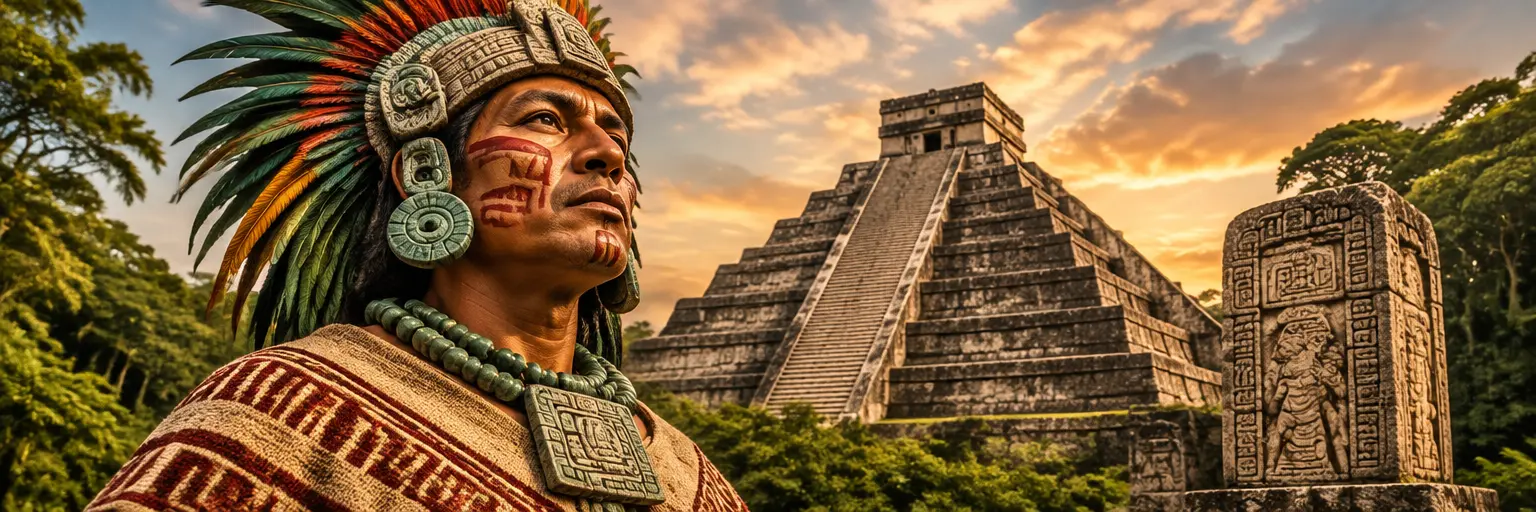
Explore the awe-inspiring world of the Mayan Civilization, one of history’s most advanced and enigmatic indigenous cultures of the Americas. From towering limestone pyramids and intricate hieroglyphic scripts to a profound understanding of astronomy and mathematics, the Maya forged a legacy that continues to captivate scholars and travelers alike. This dedicated section uncovers their brilliant scientific achievements, including the invention of the concept of zero and a calendar system of astonishing precision, while also delving into their rich religion and mythology, where gods, cosmic cycles, and sacred rituals shaped daily life. Journey through the political intricacies of city-states like Tikal and Palenque, explore the sophisticated agriculture and economy that sustained vast urban centers, and marvel at the architecture and urbanism that blended ceremonial grandeur with functional design. We also trace their history and origins from the Preclassic period to the Postclassic era, revealing how their art and culture expressed a unique worldview through ceramics, murals, and jade.
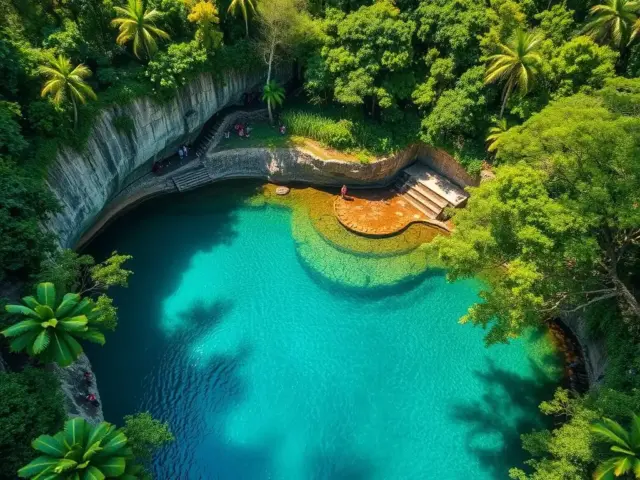
🌊 Cenotes in Mayan civilization served as crucial freshwater sources, shaping urban development and agricultural practices. These natural wells not only supported…
Read article
🌍 The decline of the Maya civilization was not solely due to environmental factors; political instability played a crucial role. Internal conflicts,…
Read article
The history of Mayan cities reveals a complex interplay between trade and development, showcasing how commerce fueled urban growth, cultural exchange, and…
Read article
The intersection of Mayan beliefs and European influence reshaped traditional practices after the conquest, leading to a unique syncretism. This article explores…
Read article
🌍 Understanding the influence of geography on Mayan political structures reveals how diverse landscapes shaped governance, resource distribution, and societal organization. This…
Read article
🏛️ The Ancient Maya sustainable architecture showcases innovative building techniques that harmonized with nature. By utilizing local resources and implementing eco-friendly practices,…
Read article
The enduring Mayan influence on indigenous governance is evident in the political structures of contemporary indigenous communities, showcasing a rich legacy of…
Read article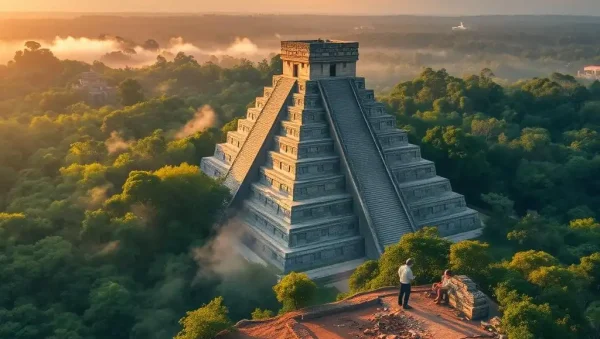
🌍 Discover the captivating Mayan civilization origins and achievements as we journey through time, unveiling the intricate societal structures, remarkable innovations, and…
Read article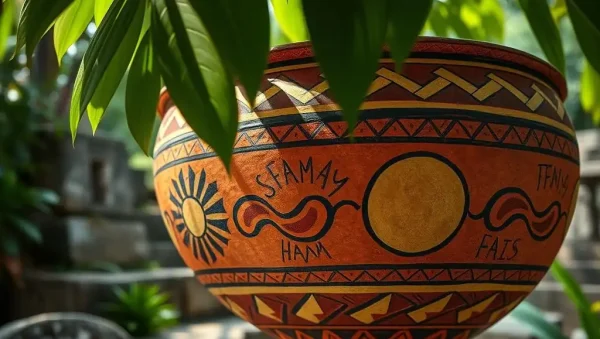
Mayan pottery cultural significance extends beyond mere utility, showcasing intricate designs that reflect the community's beliefs and daily practices. This exploration reveals…
Read article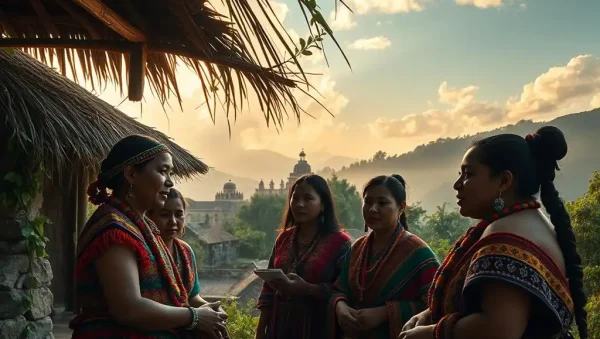
Exploring the profound influence of European contact, this article delves into how the dynamics of language and communication transformed Mayan languages, revealing…
Read article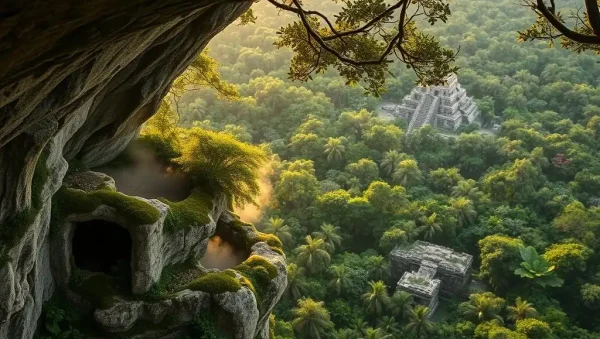
🌍 Uncover the secrets of Maya caves and ancient structures, where intricate designs and sacred spaces reveal the rich spiritual and cultural…
Read article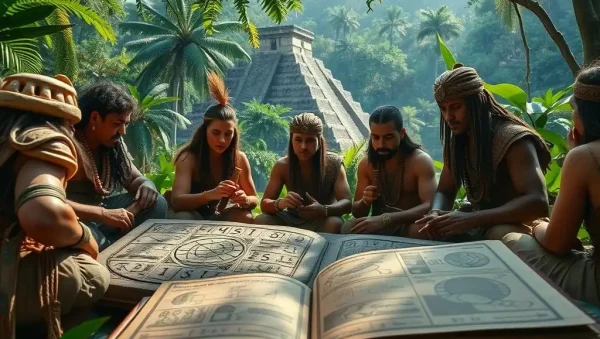
🌟 The Mayan civilization advanced mathematics in remarkable ways, utilizing a sophisticated numerical system that included concepts of zero and place value,…
Read articleDive into the extraordinary world of the ancient Maya, a civilization renowned for its advanced writing, monumental pyramids, and profound astronomical knowledge. This category on Indigenous Civilizations of the Americas unpacks the rich tapestry of Maya life, from their deep spiritual beliefs to their complex city-states and enduring cultural legacy. Perfect for students, history enthusiasts, and travelers, these resources reveal how the Maya shaped Mesoamerica and continue to influence modern understanding of pre-Columbian achievement.
Discover the pantheon of Maya gods, creation myths like the Popol Vuh, and ritual practices that included bloodletting, ball games, and human sacrifice. This subcategory explains how the Maya viewed the cosmos, with a layered underworld (Xibalba) and thirteen heavens, and how kings acted as divine intermediaries. Expect insights into sacred calendars, the Long Count, and ceremonies tied to maize, rain, and ancestral veneration.
Uncover how the Maya organized into city-states (such as Tikal and Calakmul) rather than a unified empire. Each state was ruled by a kʼuhul ajaw (holy lord), who claimed descent from gods and wielded both political and religious power. Learn about noble councils, alliances, warfare for tribute, and how dynastic succession shaped regional dominance, including the rivalry between Tikal and Copán.
Trace Maya development from the Preclassic (2000 BCE) through the Classic peak (250–900 CE) to the Postclassic and beyond. This section covers the mysterious collapse of southern lowland cities, theories of drought and overpopulation, and the survival of Maya communities in the Yucatán. Expect timelines, archaeological evidence, and how modern Maya identity connects to ancient roots.
Marvel at stepped pyramids, palace complexes, and observatories like El Caracol at Chichén Itzá. Cities were planned around ceremonial plazas, with corbelled arches, lime plaster, and sophisticated water management systems. This subcategory reveals construction techniques, the symbolic orientation of buildings to solar events, and how urban centers served as political and religious hubs, echoing in sites like Uxmal and Palenque.
Explore intricate stelae, polychrome pottery, jade masks, and codices that showcased Maya artistry. Culture included the hieroglyphic writing system—the most advanced in the Americas—plus textile weaving, featherwork, and music. This section highlights how art encoded royal propaganda, mythological scenes, and daily life, with surviving works offered insights into Maya aesthetics and social hierarchy.
Understand the devastating impact of Spanish arrival from 1511 onward, led by figures like Francisco de Montejo and later conquistadors. This category details initial resistance, the role of disease, alliances with rival Maya groups, and the slow fall of the last stronghold at Nojpetén (1697). Expect narratives of cultural destruction, but also tales of Maya resilience and the preservation of traditions.
Witness how the Maya mastered slash-and-burn, raised-field, terracing, and household gardens to feed large populations. Maize was the staple, supplemented by beans, squash, cacao, and cotton. Trade networks extended from the Gulf to the Caribbean, exchanging salt, obsidian, quetzal feathers, and jade—this subcategory clarifies sustainable farming and market systems that supported city life.
Be amazed by Maya mathematics (including the concept of zero), a calendrical system accurate to within seconds per year, and astronomical predictions of eclipses and Venus cycles. They developed a complex writing system with over 800 glyphs and pioneered herbal medicine. This section illustrates how Maya science integrated with religion, advancing knowledge that still fascinates researchers today.
The Classic-era collapse (around 900 CE) likely resulted from a combination of prolonged droughts, deforestation, soil exhaustion, increased warfare, and political instability. Many southern cities were abandoned, but northern centers like Chichén Itzá thrived, showing resilience. Modern Maya communities continue to live across Guatemala and Mexico, preserving language and customs.
No, the Maya never formed a unified empire with one capital. Instead, they organized into dozens of independent city-states, each with its own ruler and ceremonial center. Tikal and Calakmul were among the most powerful, but no city controlled all Maya territory. This fragmentation influenced their political rivalry and cultural diversity.
The Maya independently invented the concept of zero around 36 BCE, using a shell symbol to represent "nothing." This allowed them to create a base-20 positional numeral system, enabling complex calculations for astronomy and calendar tracking. Their zero was earlier than or contemporary with similar developments in India, highlighting their mathematical sophistication.
Yes, over six million people speak Mayan languages today in Mexico, Guatemala, Belize, and Honduras. They maintain traditional weaving, farming, and religious practices blended with Christianity. Many modern Maya also advocate for land rights and cultural recognition, embodying a living heritage that transcends ancient ruins.
Chichén Itzá in Mexico's Yucatán Peninsula is the most famous, attracting over two million visitors annually. Its iconic pyramid, El Castillo, aligns with equinoxes to create a serpent shadow effect. Other popular sites include Tikal (Guatemala), Palenque (Mexico), and Copán (Honduras), each offering unique architecture and history.