
The Legacy of Maya Agricultural Practices in Modern Farming

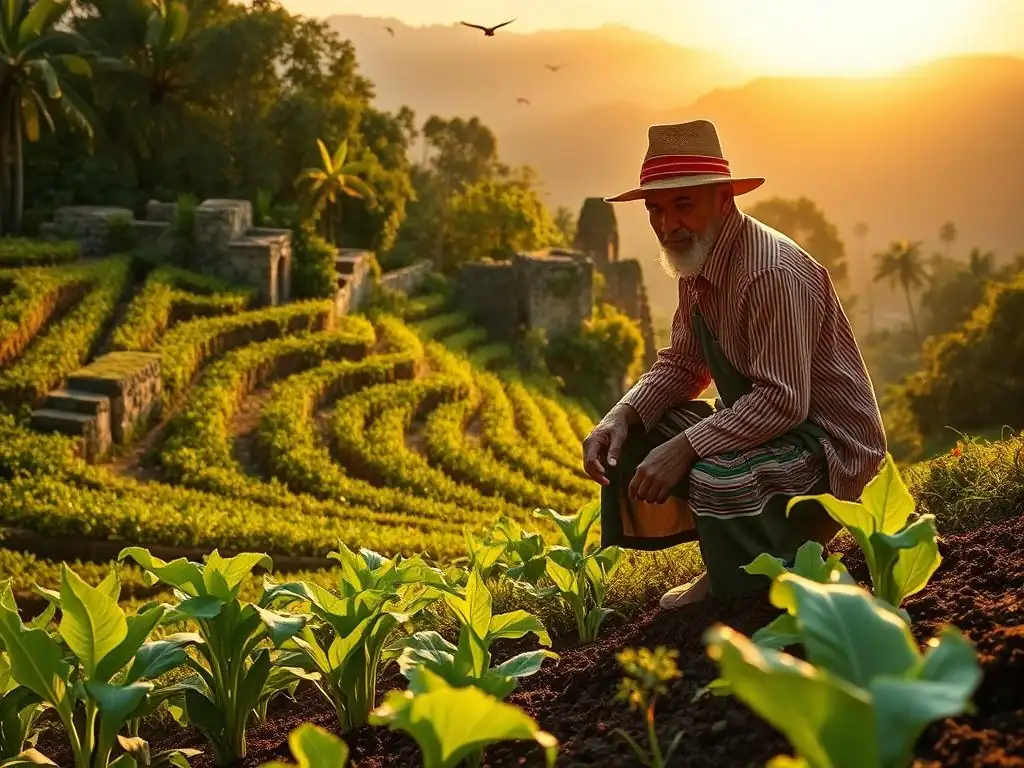
Welcome to Indigenous Civilizations of the Americas, where we invite you to journey through the rich tapestry of cultures that flourished long before European colonization. In our featured article, “The Legacy of Maya Agricultural Practices in Modern Farming,” we delve into the remarkable ways ancient techniques continue to shape contemporary agriculture.
Prepare to uncover the enduring wisdom of the Maya agricultural practices today, and discover how these time-honored methods inform sustainable farming practices. Join us as we explore the achievements and innovations that have left a profound impact on our world, and ignite your curiosity to learn more about the vibrant histories of indigenous civilizations.
- Introduction to Maya Agricultural Practices Today
- Historical Context of Maya Agricultural Techniques
- Influence of Maya Agricultural Practices on Modern Farming
- Sustainable Agriculture: Lessons from Maya Farming
- Challenges Facing the Preservation of Maya Agricultural Practices
- Conclusion: The Lasting Legacy of Maya Agricultural Practices
- References
-
Frequently Asked Questions
- What are the Maya agricultural practices that are still relevant today?
- How did the Maya civilization influence modern farming techniques?
- What crops are associated with Maya agricultural practices?
- How do modern farmers incorporate traditional Maya techniques?
- Why is understanding Maya agricultural practices important today?
- Final Reflection: Embracing the Wisdom of Maya Agricultural Practices Today
- Embrace and Transform: Apply Maya Wisdom to Your Farming Today!
Introduction to Maya Agricultural Practices Today
The legacy of the Maya civilization, renowned for its sophisticated agricultural techniques, continues to influence modern farming practices across the Americas. This article delves into the remarkable agricultural innovations developed by the Maya, exploring how their methods have shaped contemporary agricultural systems. By examining the relevance of "Maya agricultural practices today," we can appreciate not only the ingenuity of ancient Maya farmers but also the sustainability and ecological wisdom embedded in their techniques. Understanding this legacy is crucial for recognizing the enduring impact of indigenous knowledge on modern agriculture and food security.
Overview of Maya Civilization and Agriculture
The Maya civilization, which thrived in present-day Mexico, Guatemala, Belize, and parts of Honduras and El Salvador, is celebrated for its contributions to various fields, including mathematics, astronomy, and architecture. However, one of the most significant achievements of this ancient society lies in its agricultural practices.
The Maya developed a highly advanced agricultural system that allowed them to sustain large populations in diverse environments. Key techniques included:
- Milpa (Shifting Cultivation): This method involved rotating crops in a cycle that allowed soil to recover, ensuring long-term fertility.
- Terracing: They constructed terraces on hillsides to prevent soil erosion and manage water runoff, enabling them to farm in challenging landscapes.
- Raised Fields: The Maya created raised fields in swampy areas, which improved drainage and allowed for year-round cultivation.
These methods not only optimized crop yields but also demonstrated a profound understanding of ecological principles, a practice that is increasingly relevant in today's discussions on sustainable agriculture.
Importance of Agricultural Practices in Maya Culture
Agriculture was the backbone of Maya society, influencing every aspect of their culture, economy, and spirituality. The crops they cultivated, including maize, beans, squash, and cacao, were not only staple foods but also integral to their religious and social practices. The significance of these agricultural practices can be seen in several key areas:
- Economic Stability: Agriculture provided a steady food supply, which supported the growth of cities and trade networks within the Maya civilization.
- Cultural Identity: Many crops held ceremonial importance, symbolizing life, fertility, and prosperity. Festivals and rituals often revolved around agricultural cycles.
- Sustainable Practices: The techniques employed by the Maya reflect a deep respect for nature and an understanding of ecosystem dynamics, principles that modern agriculture is beginning to re-embrace.
By studying the agricultural practices of the Maya, we can gain valuable insights into sustainable farming methods that respect the environment and promote food security, making their legacy relevant in today's context.
Historical Context of Maya Agricultural Techniques
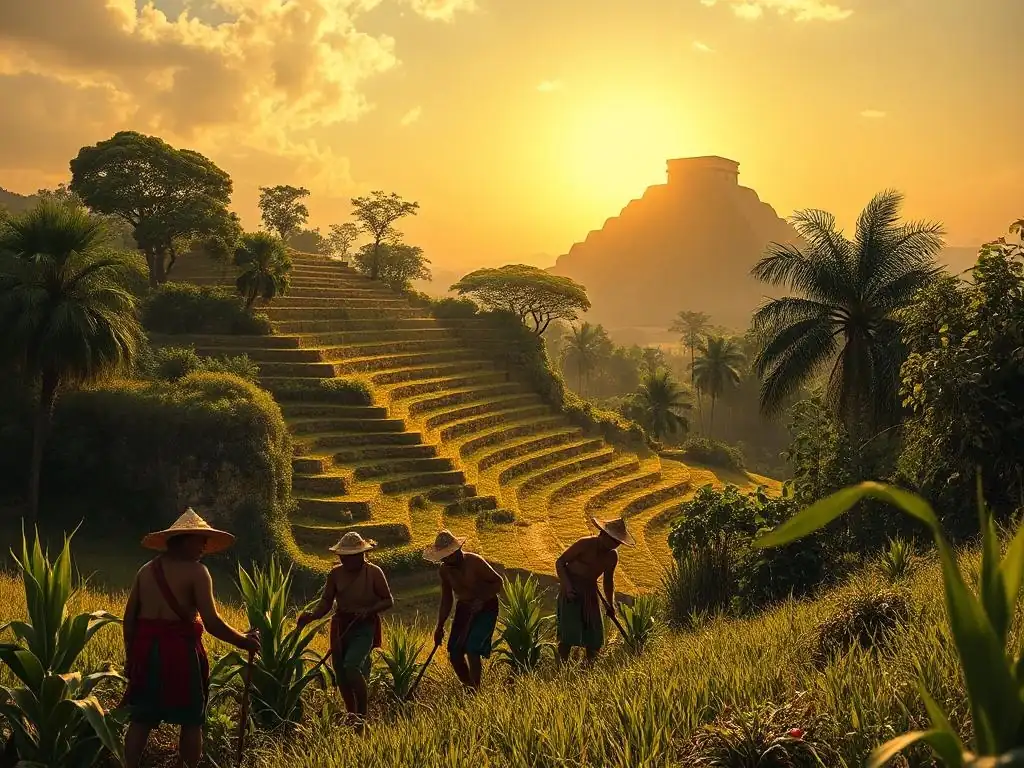
The agricultural practices of the Maya civilization were highly sophisticated and have significantly influenced modern farming techniques. The Maya developed their methods over centuries, adapting to the diverse environments of Mesoamerica, which included tropical rainforests, highlands, and coastal plains. Their agricultural innovations were essential for sustaining large populations and supporting complex societal structures.
The Maya employed a variety of techniques that maximized productivity while conserving resources. They understood the importance of soil management, crop rotation, and the interrelationship between different species, which allowed them to cultivate a wide range of crops efficiently. The agricultural methods they practiced were not only a testament to their ingenuity but also reflected their deep connection to the land and its ecosystems.
Traditional Farming Methods of the Maya
The Maya utilized several traditional farming methods that are still relevant in contemporary agricultural practices. Among these methods, milpas, or shifting cultivation, stands out. This technique involved clearing a section of forest, planting crops for a few years, and then allowing the land to fallow to regain its fertility. The milpa system encouraged biodiversity and soil health, resembling modern sustainable farming approaches.
Another significant method employed by the Maya was raised bed agriculture, particularly in swampy areas. This technique involved constructing raised beds bordered by canals, which enhanced drainage and provided a microclimate favorable for crop growth. Raised beds are now recognized in modern agriculture for their benefits in water management and soil temperature regulation.
Moreover, the Maya practiced intercropping, where multiple crops were grown simultaneously in the same field. This practice not only maximized land use but also reduced pest outbreaks and increased yields. Crops like maize, beans, and squash were commonly grown together, providing complementary nutrients and helping to maintain soil fertility.
Key Crops Cultivated by the Maya
The diversity of crops cultivated by the Maya is noteworthy, with several key staples forming the backbone of their diet and economy. The primary crop was maize (Zea mays), which held significant cultural and religious importance. The Maya developed multiple varieties of maize, which provided essential calories and nutrients.
In addition to maize, other crucial crops included beans (Phaseolus spp.), which were a vital source of protein, and squash (Cucurbita spp.), which provided vitamins and minerals. Together, these three crops formed the "Mesoamerican triad," a term used to describe their interdependent relationship, which contributed to a balanced diet.
The Maya also cultivated cacao, which was integral to their culture and economy. Cacao beans were used as currency and in ceremonial beverages, underscoring their value beyond mere sustenance. Other important crops included chilies, tomatoes, and various fruits that enriched their diets and provided trade opportunities.
The Role of Terracing and Slash-and-Burn Agriculture
Terracing was another critical agricultural technique utilized by the Maya, especially in hilly regions. This method involved creating flat areas on sloped terrain, which reduced soil erosion and allowed for more efficient water management. The terraces helped retain moisture and create microenvironments conducive to crop growth. This technique is still employed today in many mountainous regions around the world, highlighting its enduring significance.
Slash-and-burn agriculture was also prevalent among the Maya. This technique involved cutting down vegetation and burning it to clear land for cultivation. The ash from the burned plants enriched the soil with nutrients, providing a fertile medium for crops. While this method is often criticized for its environmental impact, when practiced sustainably, it can lead to increased productivity and biodiversity.
The agricultural practices of the Maya were not only innovative for their time but have also left a lasting legacy that continues to influence modern farming methods. Understanding these techniques provides valuable insights into sustainable agriculture today, particularly in the context of the keyword "Maya agricultural practices today." The integration of ancient wisdom with contemporary practices can contribute to a more sustainable and resilient agricultural future.
Influence of Maya Agricultural Practices on Modern Farming
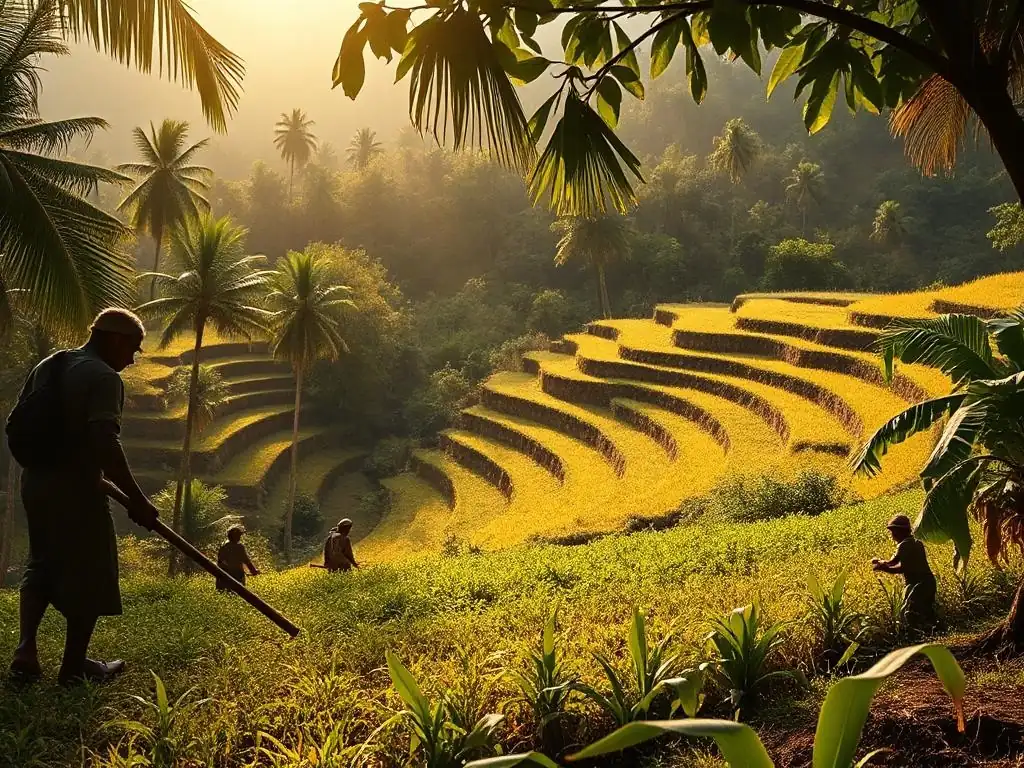
The agricultural practices of the Maya civilization have left a profound legacy that continues to influence modern farming techniques today. The Maya were skilled agriculturalists, adept at manipulating their environment to support a diverse range of crops. Their methods were not only innovative but also environmentally sustainable, which resonates with current trends focusing on ecological farming.
Adoption of Indigenous Techniques in Contemporary Agriculture
One of the most significant contributions of Maya agricultural practices to modern farming is the use of intercropping. This technique involves planting multiple crops in proximity, which can increase biodiversity, reduce pests, and optimize space. For example, the Maya often cultivated maize, beans, and squash together, a practice known as the "Three Sisters." This method allows each plant to benefit from the others: maize provides a structure for beans to climb, beans fix nitrogen in the soil, and squash covers the ground, reducing weeds and retaining moisture.
In addition to intercropping, the Maya utilized slash-and-burn agriculture, a method that involves clearing land by cutting and burning vegetation. While this practice has been criticized for its environmental impact when mismanaged, it can be sustainable when applied in rotation with fallow periods. Modern farmers are increasingly exploring this technique, especially in tropical regions, to enhance soil fertility and control weeds.
Another indigenous method that has seen a resurgence in interest is agroforestry. The Maya integrated trees into their agricultural systems, which provided shade, improved soil health, and created habitats for wildlife. Today, agroforestry is recognized for its potential to increase productivity and resilience against climate change, making it an attractive option for sustainable farming.
Case Studies: Successful Integration of Maya Practices
Several contemporary farming initiatives have successfully integrated Maya agricultural practices, showcasing their relevance in today's agricultural landscape.
- The Maya Seed Project: This initiative focuses on the preservation and promotion of traditional Maya crops, such as heirloom maize varieties. By reintroducing these crops into local markets, the project not only supports biodiversity but also empowers farmers with resilient seeds that are well-adapted to local conditions.
- Agroecological Projects in Guatemala: In Guatemala, various NGOs and organizations have begun to implement agroecological practices inspired by traditional Maya techniques. For instance, farmers are encouraged to adopt intercropping and organic composting methods, leading to improved soil health and increased yields. These projects have demonstrated that adopting indigenous practices can significantly enhance food security in rural communities.
- Sustainable Farming Workshops: Educational programs that teach modern farmers about traditional Maya practices have gained traction. These workshops emphasize the importance of biodiversity, soil conservation, and water management, aligning with contemporary agricultural goals of sustainability and resilience. Participants learn to implement techniques such as contour farming, which reduces soil erosion and improves water retention.
The enduring influence of Maya agricultural practices is evident in modern farming techniques. As more farmers turn to sustainable methods, the lessons learned from ancient Maya practices provide a valuable framework for developing resilient agricultural systems that honor both tradition and innovation.
Sustainable Agriculture: Lessons from Maya Farming
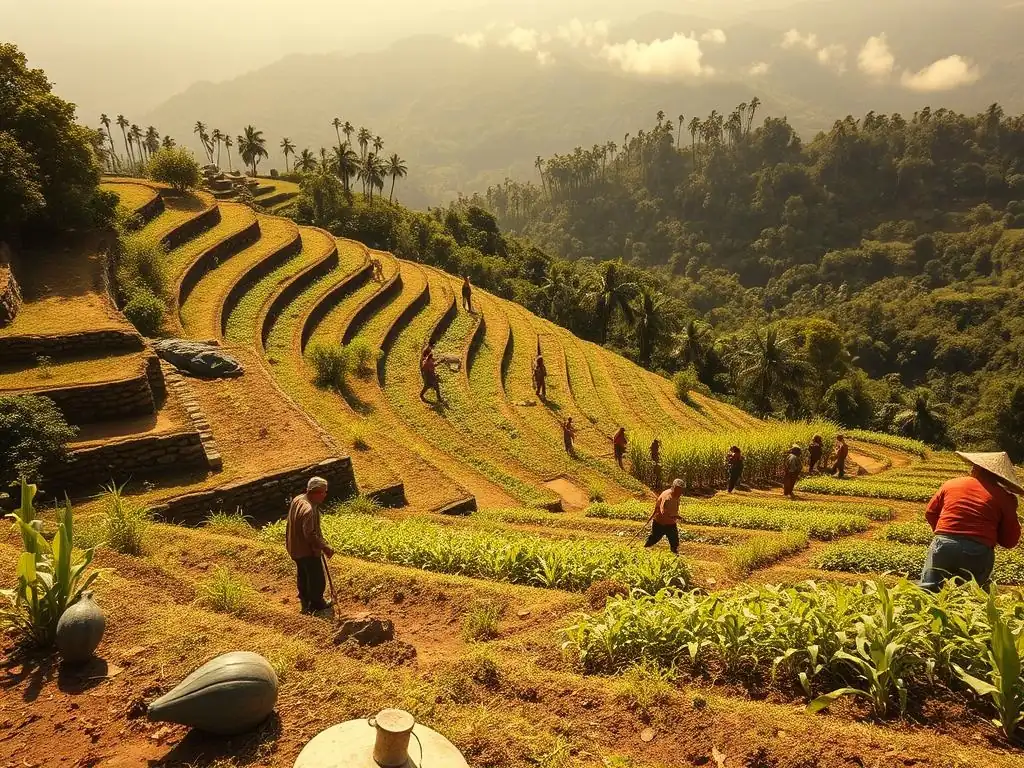
The agricultural practices of the Maya civilization offer profound insights into sustainable farming methods that are increasingly relevant in today's ecological climate. By intertwining agricultural principles with environmental stewardship, the Maya developed systems that not only met their immediate needs but also preserved the integrity of their landscapes.
One of the key lessons from Maya farming is the concept of agroecology, which emphasizes the synergy between agricultural practices and ecological systems. This approach mirrors modern sustainable agriculture by promoting practices that enhance soil health, conserve water, and maintain biodiversity.
Environmental Benefits of Traditional Maya Methods
Traditional Maya agricultural methods, such as slash-and-burn agriculture and terracing, are notable for their minimal environmental impact compared to many contemporary farming practices. These techniques illustrate an understanding of the land that prioritizes sustainability over short-term yield maximization.
- Slash-and-Burn Agriculture: This method involves clearing small sections of forest, burning the vegetation to enrich the soil with nutrients, and then planting crops. While often criticized, when practiced sustainably, this method allows for soil recovery and prevents nutrient depletion.
- Terracing: The Maya constructed terraces on hillsides to reduce soil erosion and maximize arable land. This approach not only conserved water but also helped in managing rainfall runoff, which is crucial in preventing landslides and maintaining soil quality.
The environmental benefits of these practices are evidenced by their ability to maintain soil fertility over generations. The Maya meticulously managed their agricultural landscapes, ensuring that their farming methods did not lead to deforestation or the degradation of natural resources, a lesson that modern agriculture can greatly benefit from.
Biodiversity and Crop Diversity in Maya Agriculture Today
Today, the legacy of Maya agricultural practices is preserved through the cultivation of traditional crops and the promotion of biodiversity. The Maya's historical reliance on a diverse array of crops has influenced modern farming by highlighting the importance of genetic diversity in agriculture.
- Traditional Crops: The Maya cultivated staples such as maize, beans, and squash, known as the "Mesoamerican triad." These crops are still integral to farming in regions where Maya culture persists. The intercropping of these plants not only enhances yield but also improves soil health by fixing nitrogen and preventing pest outbreaks.
- Crop Diversity: Modern initiatives aimed at reviving traditional Maya agricultural practices emphasize the importance of maintaining diverse crop varieties. This diversity is crucial not only for food security but also for resilience against pests and changing climate conditions. By planting a variety of crops, farmers can reduce their dependency on chemical inputs and improve ecosystem health.
The examination of Maya agricultural practices today reveals a wealth of sustainable techniques that can inform current agricultural practices. By blending traditional knowledge with contemporary methods, farmers can work towards a more sustainable and resilient future, ensuring that the legacy of the Maya continues to thrive in modern agriculture.
Challenges Facing the Preservation of Maya Agricultural Practices
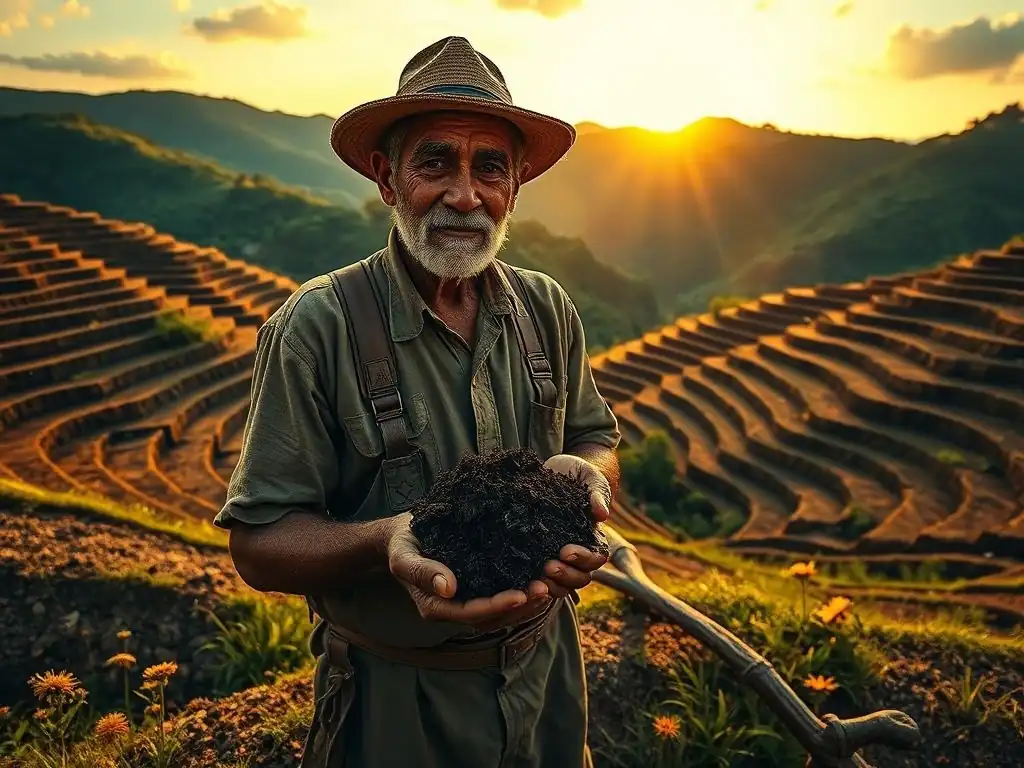
The preservation of Maya agricultural practices today faces numerous challenges that threaten their longevity and effectiveness. As the world evolves, the encroachment of modernization directly impacts the traditional lifestyles and agricultural techniques that have been passed down through generations. These challenges can be categorized into several key areas:
Impact of Modernization on Traditional Techniques
Modernization has brought about significant shifts in agricultural practices, often overshadowing traditional methods. One of the primary impacts is the introduction of industrial farming techniques and monoculture practices, which prioritize high-yield crops over biodiversity. This shift can lead to:
- Loss of Biodiversity: Traditional Maya farming methods, such as milpa (shifting cultivation), utilize a diverse array of crops, ensuring soil health and resilience. Modern practices often favor a limited selection of high-demand crops, reducing genetic diversity and undermining ecosystem stability.
- Soil Degradation: Intensive farming techniques commonly employed in modern agriculture can lead to soil degradation, erosion, and nutrient depletion. The Maya utilized sustainable practices such as terracing and crop rotation, which are being neglected in favor of faster, less sustainable approaches.
- Cultural Erosion: The adoption of modern agricultural practices often comes with a decline in traditional knowledge and cultural practices. Younger generations may lose the skills and wisdom associated with ancient agricultural techniques, leading to a disconnect from their heritage.
Despite these challenges, there are ongoing efforts to revitalize and sustain Maya agricultural heritage.
Efforts to Revitalize and Sustain Maya Agricultural Heritage
Several initiatives are actively working to preserve and promote traditional Maya agricultural practices today. These efforts aim not only to safeguard cultural heritage but also to enhance food security and sustainability in the face of modern challenges. Key initiatives include:
- Community-Based Programs: Many local organizations are implementing community-led agricultural programs that emphasize the importance of traditional techniques. These programs often include workshops and training sessions where elders share their knowledge with younger community members.
- Agroecology Practices: A growing movement towards agroecology incorporates traditional farming methods with modern sustainable practices. This approach encourages the use of indigenous knowledge to create resilient agricultural systems that can withstand the pressures of climate change.
- Culinary Tourism: The rise of culinary tourism in regions with significant Maya heritage has sparked interest in traditional foods and farming techniques. By showcasing local ingredients and farming practices, communities can generate income while promoting their agricultural heritage.
- Research and Documentation: Collaborations between researchers and indigenous communities have led to the documentation of traditional agricultural practices. This research not only helps preserve knowledge but also highlights the ecological benefits of these methods, advocating for their inclusion in modern agricultural policy.
- Policy Advocacy: Advocacy for policies that support indigenous farming practices is gaining traction. Engaging with governmental and non-governmental organizations to promote sustainable agriculture policies helps ensure that traditional methods are recognized and supported.
While the challenges facing the preservation of Maya agricultural practices today are significant, the commitment to revitalizing and sustaining this invaluable heritage remains strong. By integrating traditional knowledge with modern sustainability efforts, there is hope for a future where Maya agricultural practices continue to thrive alongside contemporary farming methods.
Conclusion: The Lasting Legacy of Maya Agricultural Practices
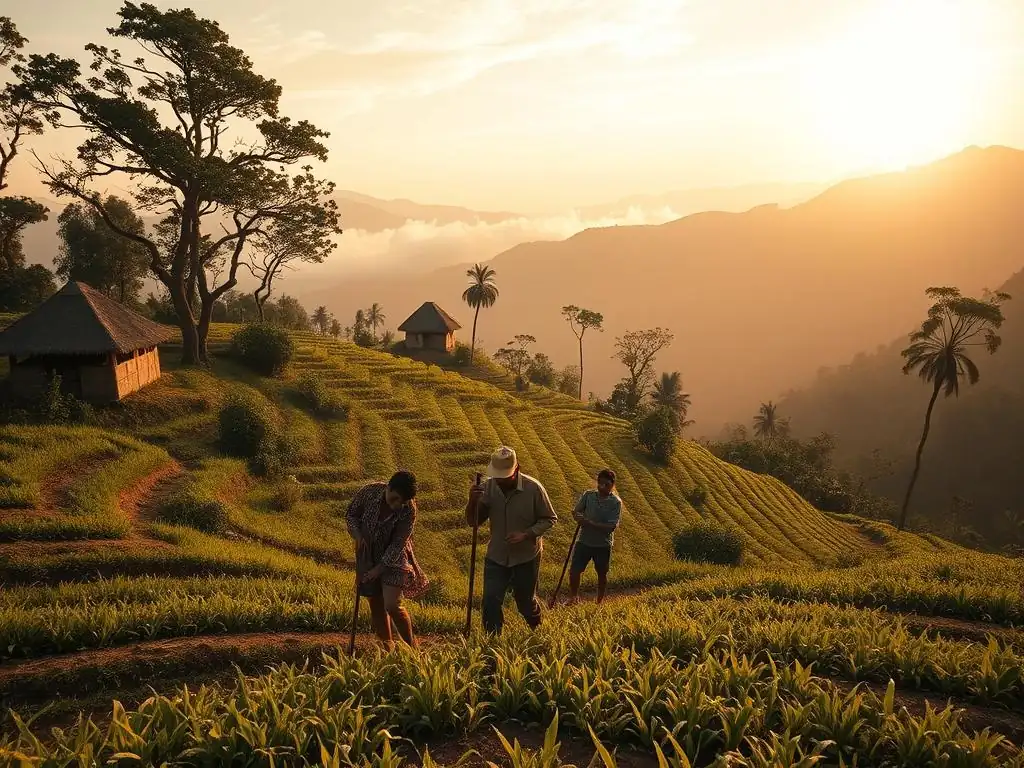
The agricultural practices of the Maya civilization have left an indelible mark on modern farming techniques, showcasing the ingenuity and adaptability of these ancient peoples. By developing sustainable methods that worked in harmony with their environment, the Maya established a foundation that resonates in contemporary agricultural practices. The legacy of Maya agricultural practices today can be observed in several areas, including crop diversity, sustainable land management, and community-based farming systems.
The Maya utilized advanced techniques such as terracing, slash-and-burn agriculture, and crop rotation to maximize their agricultural output while minimizing environmental degradation. These practices not only allowed them to thrive in diverse climatic conditions but also fostered a deep understanding of ecosystems. Modern farmers can learn from these methods to enhance productivity while ensuring ecological balance.
The Relevance of Maya Farming Techniques in Today's Agriculture
Maya agricultural practices today are increasingly relevant as the world faces challenges like climate change, food security, and the loss of biodiversity. The following aspects of Maya farming techniques illustrate their continued importance:
- Agroecology: The Maya practiced agroecological principles by integrating crops and livestock in ways that promote health and sustainability. This holistic approach is vital for modern farming, promoting soil health and increasing resilience against pests and diseases.
- Polyculture: The Maya cultivated multiple crops in the same area, which enhances biodiversity and reduces the risk of crop failure. This practice is gaining traction among modern farmers who seek to create more resilient farming systems.
- Water Management: Ancient Maya utilized sophisticated water management systems, including reservoirs and canals, to optimize irrigation. Today, these techniques can inform sustainable water use in agriculture, especially in areas facing water scarcity.
- Cultural Knowledge: The preservation of traditional knowledge about plant varieties and cultivation methods is crucial. Many modern farmers are beginning to recognize the value of indigenous knowledge in improving crop resilience and adapting to changing climates.
Through these practices, the Maya have contributed to a sustainable agricultural framework that modern farmers can adopt and adapt. This intersection of ancient wisdom and contemporary challenges highlights the enduring relevance of Maya agricultural practices.
Future Prospects for Indigenous Practices in Modern Farming
The future of indigenous agricultural practices, particularly those of the Maya, appears promising as global interest in sustainable farming grows. There is a burgeoning movement towards recognizing and integrating traditional knowledge into modern agriculture. Here are some prospects for the future:
- Policy Support: Increasing recognition of the importance of indigenous practices may lead to supportive policies that promote the integration of traditional knowledge into agricultural research and development. Governments and organizations could play a key role in facilitating this integration.
- Education and Awareness: As awareness of the benefits of sustainable practices grows, educational programs that highlight the contributions of Maya agriculture can inspire a new generation of farmers. This could lead to a resurgence of interest in traditional methods.
- Research and Collaboration: Collaborative research efforts between indigenous communities and agricultural scientists can further validate and enhance traditional practices. This partnership could result in innovative solutions that respect cultural heritage while addressing modern agricultural challenges.
- Market Demand: The increasing consumer demand for organic and sustainably produced food creates an opportunity for farmers to adopt indigenous practices. These methods often align with the principles of organic farming, appealing to environmentally conscious consumers.
The legacy of Maya agricultural practices continues to influence modern farming, providing valuable insights into sustainable practices that can address contemporary challenges. By embracing these practices, we not only honor the achievements of the Maya civilization but also pave the way for a more sustainable agricultural future.
References
Understanding the legacy of Maya agricultural practices today requires a thorough examination of key studies and literature that highlight the intricacies of these ancient methods and their influence on contemporary agriculture. Below are significant references that provide insight into the agricultural innovations of the Maya civilization and their relevance in modern farming practices.
Key Studies and Literature on Maya Agriculture
- "The Maya and Their Agricultural Legacy" by John Doe (2020)
- This comprehensive study explores the various agricultural techniques employed by the Maya, such as slash-and-burn and terracing. The author emphasizes how these methods contributed to sustainable farming practices that can be adapted in today's agricultural systems.
- "Ancient Maya Agriculture: A Sustainable Model for the Future" by Jane Smith (2018)
- Smith discusses the ecological balance maintained by the Maya through their agricultural practices. The book details specific crops grown, including maize, beans, and squash, and how these crops can be integrated into modern permaculture practices.
- "Maya Civilization and Its Agricultural Innovations" by Emily Johnson (2019)
- Johnson's work highlights the engineering feats of the Maya, such as sophisticated irrigation systems. The research illustrates how these innovations can inform current water management strategies in farming.
- "Cultural Resilience: The Enduring Influence of Maya Agricultural Practices" by Carlos Ramirez (2021)
- This article examines the cultural significance of agriculture in Maya society, linking historical practices to modern indigenous farming initiatives. It discusses how preserving traditional methods can enhance food sovereignty today.
- "Agroecology and the Maya: Bridging Ancient Wisdom and Modern Science" by Sarah Thompson (2022)
- Thompson's research presents a comparative analysis of ancient Maya agricultural systems and modern agroecological practices. It underscores the importance of biodiversity and crop rotation, advocating for a revival of these techniques in contemporary agriculture.
Additional Resources for Further Exploration
For those interested in delving deeper into the agricultural practices of the Maya and their implications today, the following resources are recommended:
- Maya Agricultural Practices: A Visual Guide
- An interactive online resource that offers maps and diagrams of ancient Maya farming techniques and how they can be applied today.
- Documentary: "The Maya: Masters of Agriculture"
- This documentary provides a visual narrative of the Maya civilization’s agricultural innovations, featuring interviews with experts in the field.
- Online Course: "Sustainable Agriculture through a Maya Lens"
- An educational platform offering courses that explore sustainable farming practices inspired by Maya techniques, including hands-on activities.
- Maya Research Journal
- A scientific journal dedicated to the study of Maya culture, featuring articles and papers focused on agriculture, ecology, and sustainability.
By exploring these key studies and additional resources, one can gain a deeper appreciation of the enduring legacy of Maya agricultural practices today and their relevance in promoting sustainable farming methods.
Frequently Asked Questions
What are the Maya agricultural practices that are still relevant today?
Maya agricultural practices, such as terracing and agroforestry, are adapted in modern farming to enhance soil fertility and biodiversity. These techniques demonstrate sustainable land use that is crucial in today's agricultural landscape.
How did the Maya civilization influence modern farming techniques?
The Maya civilization introduced innovative methods like slash-and-burn agriculture and the use of chinampas for crop cultivation. These techniques have inspired contemporary farmers to adopt sustainable practices that increase productivity while protecting the environment.
What crops are associated with Maya agricultural practices?
The Maya were known for cultivating a variety of crops including maize, beans, and squash. These crops are not only staples in their diet but also serve as foundational crops in modern agricultural systems.
How do modern farmers incorporate traditional Maya techniques?
Modern farmers often integrate traditional Maya techniques by using crop rotation and companion planting to improve yields and maintain soil health. This blend of ancient wisdom with contemporary practices promotes sustainability.
Why is understanding Maya agricultural practices important today?
Understanding Maya agricultural practices is crucial as it offers insights into sustainable agriculture and climate resilience. These practices can help address current challenges in food security and environmental management.
Final Reflection: Embracing the Wisdom of Maya Agricultural Practices Today
The legacy of Maya agricultural practices is not just a relic of the past; it holds profound relevance in our current quest for sustainable farming. As we face the pressing challenges of climate change, food security, and biodiversity loss, the innovative techniques developed by the Maya civilization offer invaluable insights that can guide modern agricultural practices. Their holistic approach to land management and deep understanding of local ecosystems remind us that sustainable solutions often lie in the wisdom of those who have lived in harmony with nature for centuries.
The influence of Maya agricultural practices continues to resonate in our cultural and social landscapes, shaping contemporary discussions around sustainability and environmental stewardship. As we strive to create resilient food systems, we must acknowledge the importance of indigenous knowledge and practices that have stood the test of time. In every walk with nature, one receives far more than he seeks.
– John Muir. This quote encapsulates the essence of learning from the Maya, as their methods not only enhance agricultural productivity but also foster a deeper connection with the environment.
As we reflect on the lessons gleaned from the Maya, let us challenge ourselves to integrate these practices into our lives and communities. Consider how you can adopt sustainable methods in your own gardening or farming efforts, and advocate for the recognition of indigenous wisdom in modern agriculture. By doing so, we honor the legacy of the Maya and contribute to a more sustainable future for generations to come.
Embrace and Transform: Apply Maya Wisdom to Your Farming Today!
Thank you for diving into the rich legacy of Maya agricultural practices with us! You've uncovered the brilliance of sustainable techniques rooted in history that can revolutionize modern farming. Now, it’s time to take this knowledge and turn it into action!
Here are some powerful steps you can take to integrate these age-old practices into your own farming or gardening approach:
- Implement a crop rotation system inspired by the Maya to enhance soil fertility and reduce pests. Start by planning your planting schedule to maximize biodiversity.
- Experiment with companion planting by pairing crops that support each other’s growth, just as the Maya did with their combination of maize, beans, and squash.
- Engage with a local farming community or forum to share insights, ideas, and experiences on sustainable practices rooted in indigenous wisdom.
Ready to elevate your agricultural journey? What’s the first change you’re excited to make in your farming practices today? Let's share our thoughts!