
The Role of Women in Maya Agriculture and Economic Life

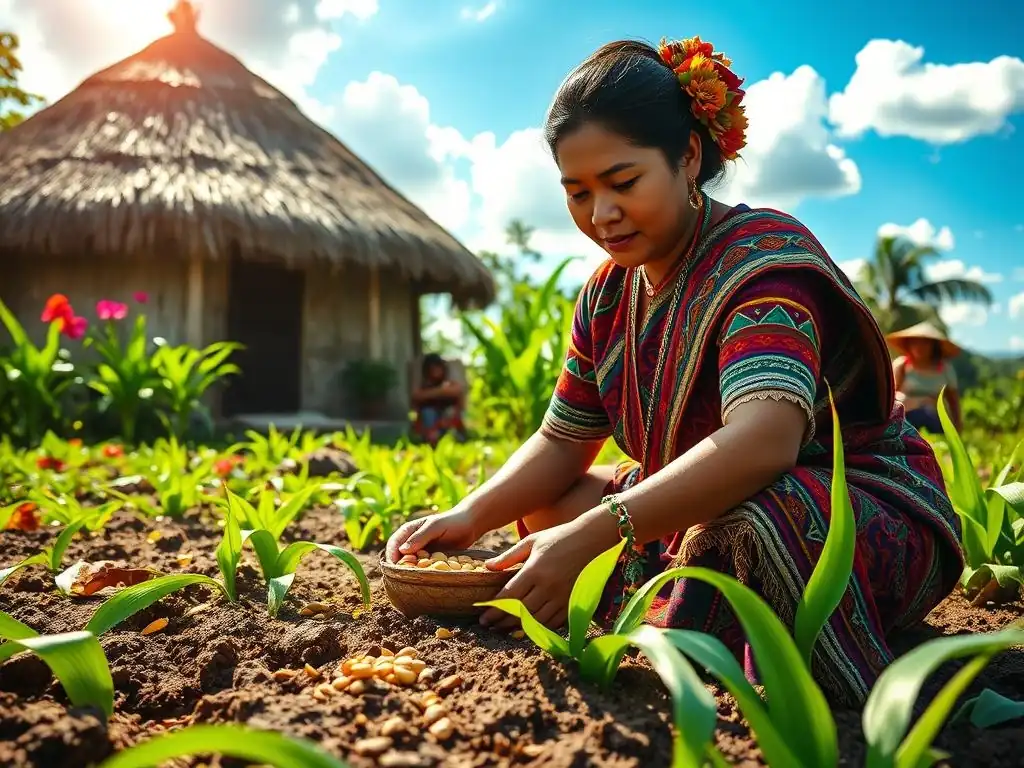
Welcome to Indigenous Civilizations of the Americas, where we embark on a journey through time to uncover the rich tapestry of cultures that flourished long before European contact. In this exploration, we invite you to delve into the significant role of Maya women in agriculture, a pivotal yet often overlooked aspect of Mayan civilization. Discover how these remarkable women shaped their communities and contributed to the economic life of their society.
Are you ready to unveil the stories of resilience, innovation, and empowerment that continue to resonate today? Join us as we delve deeper into this fascinating topic and explore the profound legacy of the Maya.
Introduction to Maya Women in Agriculture
The significance of Maya women in agriculture extends far beyond mere participation in farming activities; it encompasses a vital role in the economic and social fabric of Maya civilization. Before the onset of European colonization, the Maya society was marked by a complex interplay of gender roles, with women actively contributing to agricultural practices, food production, and economic exchanges. This article delves into the multifaceted contributions of Maya women to agriculture, highlighting their influence on sustenance, community, and culture.
Historical Context of Women in Maya Society
Understanding the role of women in Maya agriculture necessitates a look into the broader context of Maya society. Women were not merely passive participants; they held significant positions within their communities. The following points illustrate their status:
- Social Structure: Maya society was organized around kinship and clan systems, with women often serving as key figures in family and community networks.
- Cultural Practices: Women engaged in rituals and traditions that reinforced their roles in agriculture, such as planting ceremonies that honored deities and nature.
- Economic Contributions: Besides farming, women were involved in trade, weaving, and crafting, acting as essential contributors to the household economy.
Importance of Agriculture in Maya Civilization
Agriculture was the backbone of Maya civilization, directly influencing social organization, economy, and even religious practices. Key aspects include:
- Subsistence Farming: The Maya relied heavily on agriculture for sustenance, cultivating crops such as maize, beans, and squash—often referred to as the "Maya triad."
- Population Support: A robust agricultural system allowed for population growth and urbanization, leading to the development of complex city-states.
- Cultural Significance: Agriculture was deeply embedded in Maya cosmology, with agricultural cycles aligning with religious festivals and agricultural rituals.
Contributions of Maya Women to Agriculture
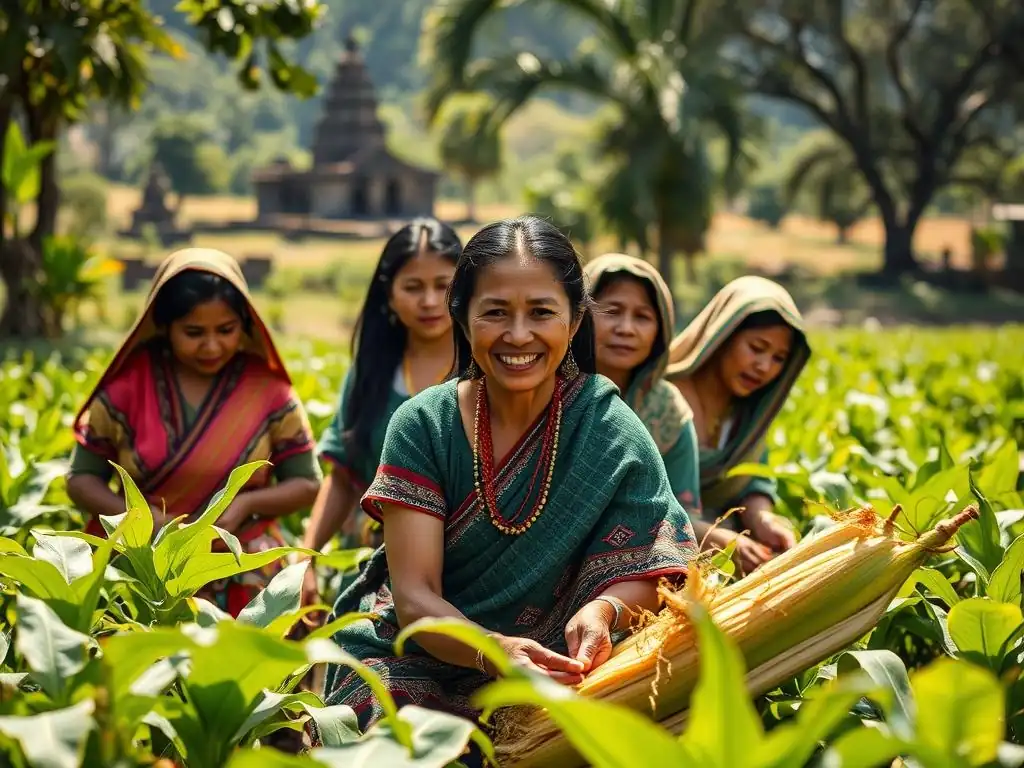
Maya women played a central role in agricultural practices, demonstrating resilience and skill in managing the land. Their contributions can be broken down into several key areas:
Roles and Responsibilities in Agricultural Practices
Women in the Maya civilization undertook a variety of roles that were crucial to agricultural success:
- Land Preparation: Women participated in the preparation of land for planting, utilizing tools such as digging sticks and hoes.
- Planting and Harvesting: They were responsible for sowing seeds and harvesting crops, often working alongside male family members.
- Food Processing: After harvest, women played a vital role in processing food, turning raw crops into consumable products through techniques like grinding and cooking.
Traditional Farming Techniques Utilized by Maya Women
Maya women employed several traditional farming techniques that were adapted to their environment:
- Milpa System: This method involved rotating crops on the same land, enhancing soil fertility and crop yield.
- Intercropping: Women often planted multiple crops together, maximizing space and minimizing pest problems.
- Organic Practices: The use of natural fertilizers and companion planting showcased their deep understanding of ecological principles.
Crop Cultivation: Key Crops Grown by Women
Women were instrumental in cultivating essential crops that sustained Maya communities. Some of the key crops included:
| Crop | Description | Importance |
|---|---|---|
| Maize | A staple food and central to Maya diet and culture | Considered sacred; featured in rituals |
| Beans | A protein source that complemented maize | Essential for balanced nutrition |
| Squash | Often grown alongside maize and beans | Provided vitamins and helped with soil health |
| Chili Peppers | Widely used for flavor and preservation | Integral to Maya cuisine |
The contributions of Maya women to agriculture not only sustained their families but also played a crucial role in the economic stability and cultural richness of their communities. Through their labor, knowledge, and traditions, Maya women shaped the agricultural landscape, leaving a legacy that continues to be recognized today.
Economic Impact of Women in Maya Agriculture
Women played a crucial role in the economic framework of Maya society, particularly through their significant contributions to agriculture. In the pre-Columbian era, Maya women were not only responsible for subsistence farming but also actively participated in various economic activities that sustained their communities. Their involvement in agriculture was pivotal in ensuring food security, which in turn supported population growth and urbanization within Maya city-states.
Women cultivated essential crops such as maize, beans, and squash, often referred to as the "Maya triad." This agricultural system was central to the diet and economy of Maya civilization. By managing plots of land, women contributed substantially to the household economy, allowing families to thrive. Additionally, women's work in agriculture enabled them to accumulate resources, fostering a sense of economic independence that was often reflected in their roles within the community.
Women's Involvement in Trade and Market Activities
Maya women were actively engaged in trade and market activities, which were vital for the economic stability of their communities. They often participated in local markets, where they sold surplus produce and home-crafted goods. This engagement not only provided indispensable income for their families but also facilitated the exchange of goods and services across different regions.
Women commonly traded items such as textiles, pottery, and foodstuffs, thus contributing to the broader economic network of Maya society. Their participation in trade was significant in that it helped establish and maintain social relationships within and between communities. Furthermore, women often controlled the profits from their sales, allowing them to make decisions that affected their family's welfare and status within the community.
The Role of Women in Food Production and Security
In the context of food production, Maya women were integral to ensuring food security for their households and communities. They were primarily responsible for the cultivation, harvesting, and processing of staple crops, which were essential for sustenance. Their extensive knowledge of agricultural practices, including planting cycles and pest management, allowed them to maximize yields and maintain the health of their crops.
Moreover, women were involved in the preparation and preservation of food, ensuring that their families had access to nutritious meals year-round. This role in food production not only addressed immediate household needs but also contributed to the overall stability of Maya society by reducing the risk of famine and supporting population growth. The skills and knowledge women possessed were passed down through generations, reinforcing their critical role in agricultural sustainability.
Cultural Significance of Women in Maya Agricultural Life
The cultural significance of women in Maya agricultural life extends beyond their economic contributions. Women were deeply intertwined with the spiritual and cultural practices that surrounded agriculture, reinforcing their importance within both the family unit and the broader community.
Rituals and Traditions: Women's Role in Agriculture
Maya women participated in various rituals and traditions that celebrated agricultural cycles and ensured favorable growing conditions. These ceremonies often involved offerings to deities associated with fertility, rain, and harvest. Women's roles in these rituals were essential, as they were seen as the guardians of agricultural knowledge and practices.
Additionally, women often performed specific tasks during planting and harvesting seasons that were steeped in tradition, such as the use of ceremonial tools or the recitation of prayers. Their active involvement in these cultural practices not only highlighted their significance in agriculture but also reinforced their status within the community as vital contributors to both economic and spiritual life.
Representation of Women in Maya Agricultural Artifacts
The representation of women in Maya agricultural artifacts provides valuable insight into their roles and significance within society. Artifacts such as pottery, sculptures, and murals often depict women engaged in agricultural activities, symbolizing their integral contributions to both the economy and cultural heritage.
These artistic representations serve as historical records that highlight the respect and reverence held for women in their agricultural roles. They showcase women as caretakers of the land, emphasizing their labor and knowledge in sustaining their families and communities. The visibility of women in these artifacts underscores their importance and the essential nature of their contributions to the Maya civilization's agricultural practices and overall societal structure.
Comparison of Gender Roles in Agriculture
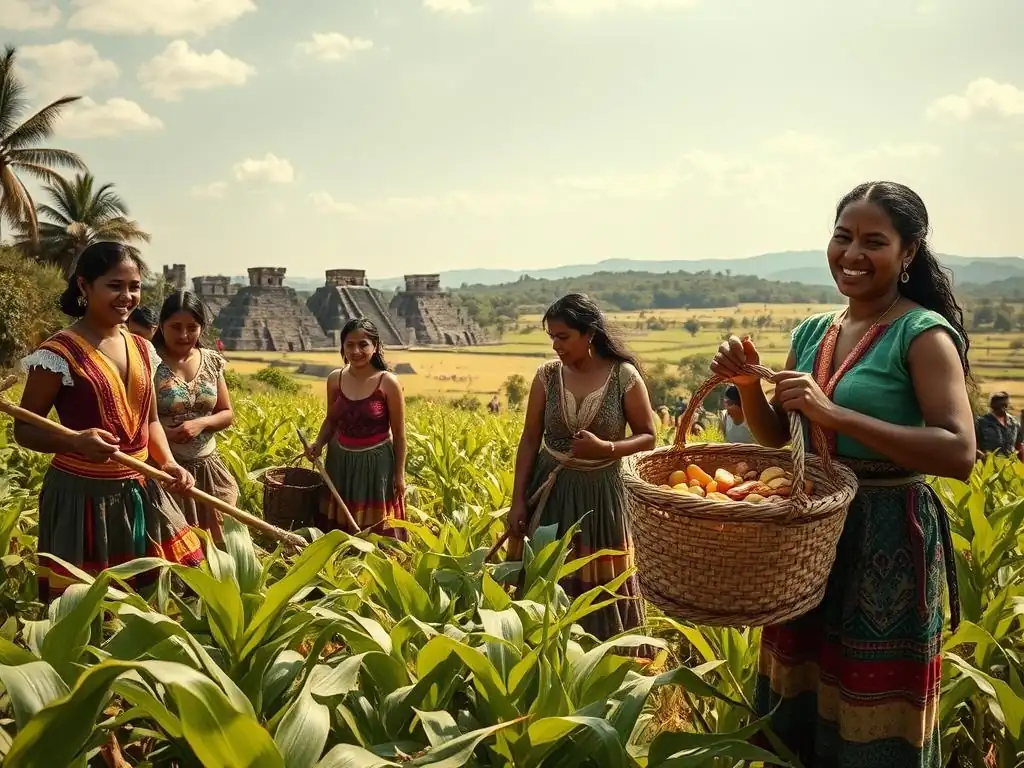
The role of women in Maya agriculture is a multifaceted aspect of their society that highlights the intricate balance of gender roles. In Maya culture, agriculture was not just an economic activity but also a vital element of their social fabric. The division of labor in agricultural practices reveals significant differences between male and female roles, influenced by cultural beliefs and regional variations.
Differences Between Male and Female Agricultural Roles
In Maya society, men and women had distinct responsibilities in agricultural practices. Men generally undertook tasks that were perceived as more physically demanding, such as plowing fields, clearing land, and managing larger livestock. They often participated in the cultivation of staple crops like maize, which was considered a male-dominated crop due to its central role in Maya cosmology and economy.
Conversely, women were primarily responsible for the cultivation of smaller crops, such as chili peppers, beans, and squash, often referred to as the "Three Sisters" in Maya agriculture. Women also engaged in activities like planting, weeding, and harvesting, as well as processing food for family consumption. This division of labor underscores the complementary nature of gender roles, where both men and women played crucial roles in sustaining their households and communities.
Regional Variations in the Role of Women in Agriculture
The role of women in agriculture varied significantly across different regions of the Maya civilization, influenced by local customs, environmental conditions, and economic structures. In highland regions, where the geography was more rugged, women often took on more substantial roles in subsistence farming to support their families, particularly during times of drought or crop failure. Their involvement in agriculture became essential for community survival.
In coastal areas, women participated in both agriculture and fishing, showcasing their adaptability and diversified roles. Here, they often engaged in trade, selling surplus produce and fish in local markets. Regional variations highlight how Maya women adapted to their environments and societal needs, showcasing their resilience and resourcefulness.
Challenges Faced by Maya Women in Agriculture
Despite their integral role in agriculture, Maya women faced numerous challenges that hindered their contributions and recognition within their communities.
Socioeconomic Barriers to Women’s Participation
One of the primary challenges faced by Maya women in agriculture is the socioeconomic barriers that limit their access to resources. Women frequently encountered obstacles in obtaining land ownership, which was primarily controlled by men. This lack of access to land ownership restricted their ability to make independent agricultural decisions and invest in their farms.
Additionally, women had limited access to agricultural education and training, which further constrained their ability to enhance productivity or adopt new farming techniques. Economic disparities also meant that women often had to balance agricultural work with household responsibilities, leading to time constraints and increased workloads.
Impact of Colonization on Women’s Agricultural Roles
The arrival of European colonizers had a profound impact on the roles of women in Maya agriculture. Colonization disrupted traditional agricultural practices and imposed new economic systems that marginalized women’s contributions. The introduction of cash crops and market-oriented agriculture often sidelined traditional farming methods that women had relied on for generations.
Furthermore, colonial policies frequently reinforced patriarchal structures, further limiting women's autonomy in agricultural decision-making. The erosion of traditional land rights and the imposition of foreign land ownership systems diminished the role of women in agricultural production. This historical shift not only affected Maya women's economic status but also had lasting implications on their social standing within their communities, reshaping the landscape of gender roles in agriculture.
Conclusion: Legacy of Maya Women in Agriculture
The legacy of Maya women in agriculture is profound and multifaceted, significantly shaping not only the agricultural practices of their time but also influencing subsequent generations. Their roles extended far beyond mere food production; they were vital to the sustenance of their communities and the transmission of agricultural knowledge. By cultivating various crops, managing household economies, and participating in trade, Maya women established a foundation that allowed their societies to flourish.
This legacy can still be seen in contemporary Maya communities, where women continue to play an essential role in agriculture and economic life. Their historical contributions have been increasingly recognized, leading to a resurgence of interest in traditional practices and the empowerment of women within these communities. The sustainable agricultural methods they employed, often emphasizing biodiversity and community collaboration, serve as valuable lessons for modern agricultural practices.
Lasting Influence on Modern Maya Communities
Today, the influence of Maya women in agriculture is evident in the preservation of traditional farming techniques and the role women play in local economies. Many contemporary Maya women are reclaiming their ancestral agricultural practices, such as milpa (swidden agriculture), which promotes crop diversity and environmental sustainability. This resurgence is not just about maintaining tradition; it also empowers women by enhancing their economic independence and leadership roles within their communities.
Furthermore, organizations and cooperatives led by Maya women are increasingly gaining recognition for their efforts to promote sustainable agriculture and fair trade. These initiatives not only honor the agricultural wisdom passed down through generations but also provide platforms for women to share their knowledge, advocate for their rights, and improve their socio-economic conditions. The integration of traditional agricultural practices with modern techniques demonstrates the adaptability and resilience of Maya women, ensuring that their contributions to agriculture remain relevant in today's world.
The Importance of Recognizing Women’s Contributions in History
Recognizing the contributions of Maya women in agriculture is essential for a complete understanding of the Maya civilization. Historically, the achievements of women have often been overlooked or minimized, leading to a skewed perspective of societal roles. By acknowledging the vital work of Maya women, historians and scholars can gain a more nuanced understanding of the economic structures and social dynamics of Maya life.
Moreover, this recognition fosters a greater appreciation for gender equity in historical narratives. It highlights the need to include women's perspectives and experiences in discussions about cultural heritage, agricultural practices, and economic development. Celebrating the legacy of Maya women not only honors their past contributions but also inspires future generations to recognize and value the role of women in agriculture and beyond. By ensuring that these stories are told, we can build a more inclusive history that reflects the diverse experiences of all members of indigenous societies.
- Introduction to Maya Women in Agriculture
- Historical Context of Women in Maya Society
- Importance of Agriculture in Maya Civilization
- Contributions of Maya Women to Agriculture
- Economic Impact of Women in Maya Agriculture
- Cultural Significance of Women in Maya Agricultural Life
- Comparison of Gender Roles in Agriculture
- Challenges Faced by Maya Women in Agriculture
- Conclusion: Legacy of Maya Women in Agriculture
Frequently Asked Questions
What was the role of Maya women in agriculture?
Maya women played a crucial role in agriculture, engaging in planting, harvesting, and managing crops, which were vital for their families and communities.
How did Maya women's agricultural practices differ from men’s?
While men often focused on larger-scale farming tasks, Maya women typically managed household gardens and smaller plots, emphasizing diversity and sustainability.
What crops were primarily cultivated by Maya women?
Maya women primarily cultivated staples such as maize, beans, and squash, which were essential for both nutrition and the economy of their communities.
Did Maya women have any economic roles beyond agriculture?
Yes, Maya women also participated in trade and craft production, contributing to the economy through the sale of goods and local market participation.
How did the contributions of Maya women impact their society?
The contributions of Maya women in agriculture strengthened their communities by ensuring food security, fostering economic stability, and maintaining cultural practices related to farming.
Final Reflection: The Enduring Legacy of Maya Women in Agriculture
The contributions of Maya women in agriculture are not just historical footnotes; they are vital threads in the fabric of contemporary society. As we explore the intricate roles these women played in agricultural practices and economic life, we uncover a narrative that resonates powerfully today. The resilience and ingenuity of Maya women have shaped not only their communities but also the broader agricultural landscape, reminding us that their influence continues to thrive in modern times.
The legacy of Maya women in agriculture is a testament to their strength and adaptability, influencing cultural and social dynamics across generations. Their roles as caretakers of the land and stewards of traditional knowledge have paved the way for sustainable practices and community resilience. As we reflect on their impact, we are reminded of the words of a Maya elder: The earth is our mother, and we are her children; we must nurture her as she nurtures us.
This wisdom encapsulates the ongoing relationship between Maya women and the land, highlighting the importance of their contributions in fostering sustainable agricultural practices that are increasingly relevant in today’s climate-conscious world.
As we consider the lessons learned from the remarkable history of Maya women in agriculture, I invite you to reflect on your own relationship with the land and the role you play in your community. How can you honor the legacy of these women by supporting sustainable practices and empowering those around you? Let their story inspire you to take action, whether through advocacy, education, or simply by cultivating a deeper appreciation for the agricultural traditions that sustain us all. Together, we can ensure that the voices and contributions of Maya women continue to resonate and inspire future generations.
Empower Your Knowledge: Step into the World of Maya Women!
Thank you for exploring the significant contributions of women in Maya agriculture and economic life with us! You've learned how these remarkable women shaped their communities, and now it’s time to take action and deepen your understanding even further.
Here are some powerful steps you can take:
- Join or create a local or online discussion group focused on Indigenous agricultural practices and the historical roles of women. Share insights and learn together!
- Visit an exhibit or read a book about Maya culture to uncover more stories of women's contributions. Expand your perspective!
- Share what you've learned on social media to inspire others about the vital roles women played in Maya society. Your voice can elevate these stories!
What aspects of Maya women's roles in agriculture and the economy surprised you the most, and why?