
Myth and Reality: The Portrayal of Mayan Deities in Art and Culture

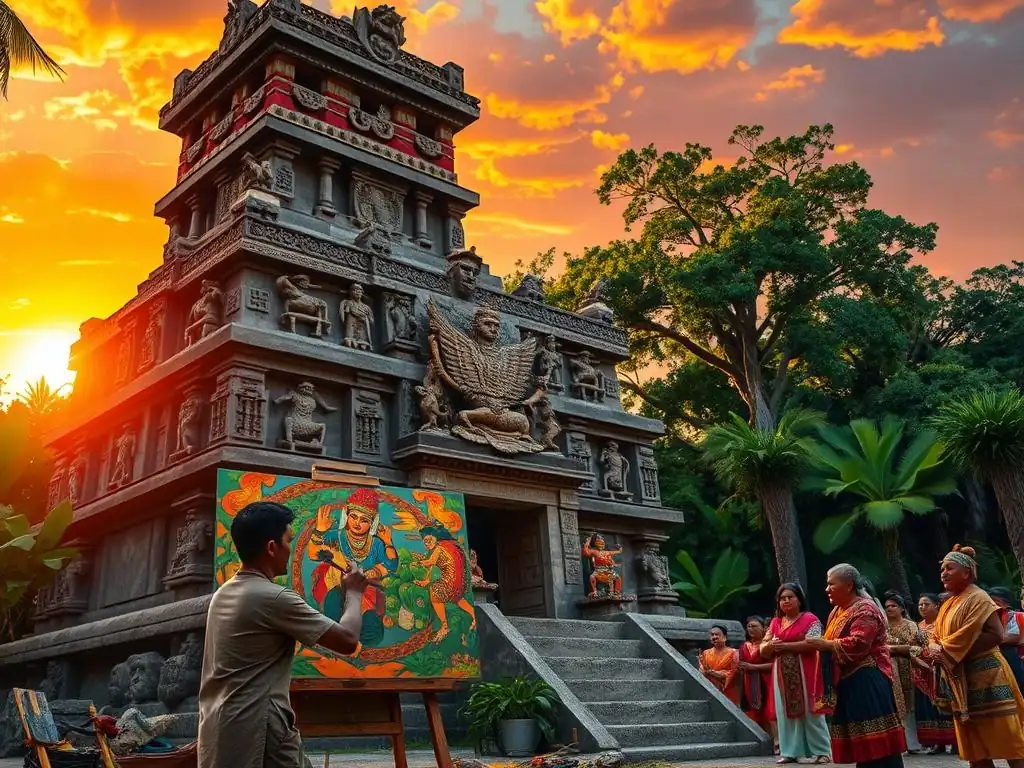
Welcome to Indigenous Civilizations of the Americas, where we invite you to embark on a fascinating journey through the vibrant tapestry of pre-colonial cultures. Our feature article, “Myth and Reality: The Portrayal of Mayan Deities in Art and Culture,” delves into the intricate representations of Mayan deities in art, revealing the profound significance these figures held in shaping the identity and beliefs of the Mayan civilization.
Prepare to uncover the rich narratives and artistic expressions that not only reflect the spirituality of the Mayans but also their enduring legacy in the cultural landscape of the Americas. Dive in and discover the stories that await you!
Introduction to Mayan Deities in Art
The Mayan civilization is one of the most fascinating cultures that flourished in the Americas long before European colonization. Known for their remarkable achievements in architecture, mathematics, astronomy, and a rich tapestry of religious beliefs, the Maya developed a complex pantheon of deities that played a pivotal role in their art and culture.
This article delves into the myth and reality surrounding the portrayal of Mayan deities in art, illuminating how these representations not only reflect the spiritual world of the Maya but also the socio-political dynamics of their societies. Through an examination of common myths associated with Mayan deities, we aim to provide a nuanced understanding of their significance and the diverse ways they are depicted in various forms of art.
Overview of Mayan Civilization and Its Beliefs
The Mayan civilization, which thrived in regions that now comprise Mexico, Guatemala, Belize, Honduras, and El Salvador, is renowned for its sophisticated society and rich cultural heritage. The Maya believed in a multitude of deities, each representing different aspects of life, nature, and the cosmos. Their religious practices were deeply intertwined with daily life, agriculture, and the changing seasons, making the worship of these deities essential for ensuring harmony and balance.
Central to Mayan belief was the idea of dualism—the coexistence of opposing forces, such as life and death, creation and destruction. This dualistic nature is often reflected in the art depicting their deities, illustrating their complexity and multifaceted roles in Mayan mythology. The importance of rituals, ceremonies, and offerings to these deities was paramount, as they were believed to intervene in human affairs, granting blessings or punishments based on the people's conduct.
Importance of Deities in Mayan Culture
Mayan deities were not merely abstract concepts; they were integral to the very fabric of Mayan society. Each deity held a specific function and was often associated with natural elements, celestial bodies, or agricultural cycles. For example:
- Itzamná: The creator god associated with wisdom and the heavens.
- Kukulkan: The feathered serpent god symbolizing the wind and rain.
- Chac: The rain god, vital for agriculture and fertility.
These deities influenced various aspects of life, including agriculture, health, and warfare, underscoring their significance in everyday existence. Furthermore, the portrayal of these deities in art served as a means of communication with the divine, with intricate carvings, murals, and pottery illustrating their attributes and myths. The artistic representation of Mayan deities is a vital area of study, revealing how these figures were perceived and revered across different regions and periods within the civilization.
Common Myths About Mayan Deities in Art
Despite the wealth of knowledge about Mayan culture, several myths persist regarding their deities and how they were represented in art. Understanding these misconceptions is crucial for a more accurate appreciation of Mayan heritage.
Myth 1: All Mayan Deities Were Anthropomorphic
One common myth is that all Mayan deities were depicted as human-like figures. While many deities were indeed anthropomorphic, others had zoomorphic or abstract representations. For instance, deities such as Kukulkan were often symbolized as serpents, reflecting their dual nature. This diversity in representation highlights the complexity of Mayan beliefs and the varied ways in which the divine was expressed in their art.
Myth 2: Mayan Deities Were Exclusively Male
Another misconception is that Mayan deities were predominantly male. In reality, the Mayan pantheon included a significant number of female deities, such as Ix Chel, the goddess of fertility and medicine, and Yaxche, the goddess of the earth. The presence of both male and female deities illustrates the balance of gender roles in Mayan spirituality and the importance of both in their cosmological understanding.
Myth 3: Mayan Art Depicts Deities in a Uniform Manner
Lastly, it is often assumed that the artistic depiction of Mayan deities was uniform across the civilization. However, regional variations and individual artistic styles influenced these portrayals. Different city-states and periods saw unique interpretations of the same deities, reflecting local beliefs, artistic traditions, and historical contexts. This variability is essential to understanding the richness and diversity of Mayan art and culture.
Realities of Mayan Deities in Art
The portrayal of Mayan deities in art reflects a complex and nuanced understanding of the divine that permeated ancient Mayan civilization. Unlike a rigid pantheon seen in some other cultures, Mayan deities were depicted in a multitude of ways, showcasing the intricate cultural beliefs and practices of the Maya. This section explores the realities surrounding the representation of these deities, emphasizing the diversity, gender fluidity, and rich symbolism found in their artistic depictions.
Reality 1: Diverse Representations of Mayan Deities
Mayan deities were not confined to a singular image or form; rather, they were depicted in a multitude of styles and contexts, reflecting the diverse beliefs across various Mayan city-states. For instance, the god Kukulkan, often associated with the feathered serpent, might be represented in both human and serpent forms, emphasizing different aspects of his character and role within the pantheon.
Artworks such as pottery, murals, and carvings illustrate this diversity, as they often incorporate local customs and specific attributes unique to different regions. The use of vibrant colors and intricate designs further demonstrates how Mayan artists sought to convey the power and significance of these divine figures, making each representation unique to its cultural context.
Reality 2: Gender Fluidity Among Mayan Deities
Gender fluidity is a striking feature in the portrayal of Mayan deities, challenging contemporary notions of gender. Many deities in the Mayan pantheon exhibit characteristics that transcend traditional gender roles. For example, the goddess Ix Chel, associated with fertility and medicine, is often depicted with both masculine and feminine attributes, highlighting the interconnectedness of gender in Mayan spirituality.
This fluidity is also evident in the portrayal of male deities who display traditionally feminine qualities, suggesting a more complex understanding of gender within Mayan culture. Such representations indicate that the Maya viewed gender as a spectrum rather than a binary, allowing for a richer and more inclusive depiction of their deities in art.
Reality 3: Symbolism and Context in Mayan Artistic Depictions
Symbolism plays a crucial role in the portrayal of Mayan deities, with specific motifs and colors imbued with meaning. For instance, the color red often symbolizes power and life, while blue can represent the sky and water, both vital elements in Mayan cosmology. The positioning of deities within artworks also conveys significant messages; a deity depicted at the center may denote importance or centrality to the Mayan worldview.
Moreover, the context in which these artworks were created—such as during rituals or for specific ceremonies—adds layers of meaning to the depictions. Understanding the historical and cultural context is vital to interpreting the artistic representations of deities, as each piece often served both aesthetic and functional purposes within Mayan society.
The Role of Art in Representing Mayan Deities
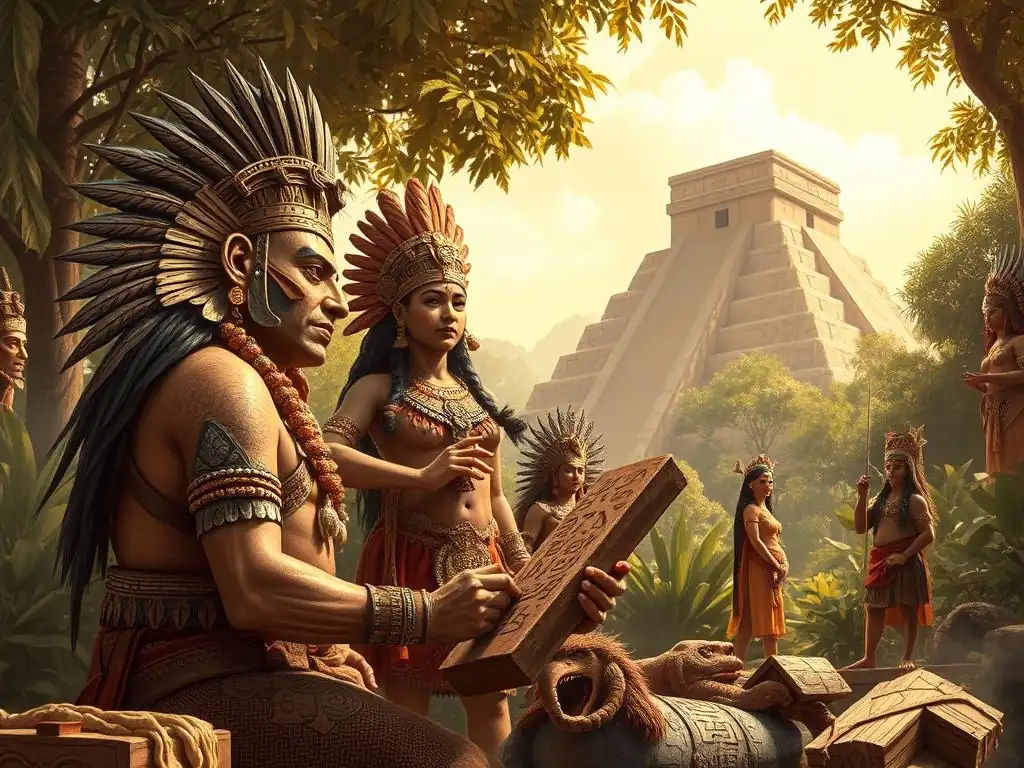
Art was not merely a form of aesthetic expression in Mayan civilization; it was a vital medium for communicating the divine and reflecting the intricate relationship between the gods and the people. The artistic techniques and styles employed by Mayan artisans played a significant role in how deities were represented, and the influence of religion deeply permeated these art forms.
Artistic Techniques and Styles in Mayan Civilization
Mayan artists utilized various techniques to create their works, including painting, sculpture, and ceramics, each contributing to the portrayal of deities in unique ways. The use of polychrome pottery, for instance, allowed for vibrant and detailed images that brought deities to life, while carved stone stelae served as monumental testaments to religious beliefs and important historical events.
Each technique carried its own significance, often tied to the function of the artwork—whether for ceremonial purposes, commemoration, or decoration. The precision and skill displayed in these artworks underscore the reverence with which Mayans approached their deities, infusing each piece with a sense of sacredness.
The Influence of Religion on Mayan Art Forms
Religion was the cornerstone of Mayan society, influencing all aspects of life, including art. The portrayal of deities in art was intricately linked to religious practices, with many artworks created for specific rituals or as offerings to the gods. Temples, adorned with elaborate carvings and murals depicting divine figures, were central to religious ceremonies, serving as physical manifestations of the connection between the gods and the Maya.
Additionally, the cyclical nature of Mayan cosmology, which tied the natural world to the divine, was reflected in the themes and subjects of their art. This connection reinforced the belief that the divine was ever-present in the lives of the Maya, further emphasizing the importance of accurately representing their deities through art.
Case Studies of Significant Artworks Featuring Mayan Deities
Several notable artworks exemplify the portrayal of Mayan deities, each serving as a testament to the intricacies of Mayan spirituality and artistic expression.
- The Temple of the Inscriptions at Palenque:
- This temple features detailed carvings depicting the ruler Pakal and his association with the sun god. The intricate designs are not just artistic but also tell the story of divine kingship.
- The Dresden Codex:
- This ancient manuscript includes depictions of various deities, showcasing their roles in rituals and the Mayan calendar. The detailed illustrations provide a wealth of information about the deities' attributes and the rituals associated with them.
- Stela 1 from Tikal:
- The stela features a representation of a Mayan ruler alongside deities, illustrating the close relationship between the divine and royal authority. The inscriptions and imagery highlight the importance of divine favor in governance.
These artworks not only serve as artistic achievements but also as historical documents that offer insights into the religious and cultural significance of Mayan deities, reinforcing the idea that art was a vital medium for expressing and understanding their complex spiritual world.
The Cultural Impact of Mayan Deities in Modern Art
The legacy of Mayan deities continues to reverberate through contemporary art, influencing artists who seek to reconnect with their ancestral roots and express their cultural identity. The intricate narratives and symbolism associated with these deities serve as rich sources of inspiration, often leading to innovative interpretations that blend traditional elements with modern aesthetics. Artists today are not merely replicating ancient motifs; they are engaging in a dialogue with the past, reinterpreting these figures to address contemporary issues such as identity, spirituality, and the environment.
In various forms of art, from painting and sculpture to textiles and digital media, the representation of Mayan deities often challenges stereotypes and misconceptions perpetuated by colonial narratives. This cultural impact is particularly significant in regions where indigenous communities strive for recognition and representation. Through the lens of modern art, Mayan deities are portrayed as dynamic figures, not relics of a bygone era. This revitalization allows for a deeper understanding of the role these deities played in ancient society and their continued relevance in today's world.
Contemporary Interpretations of Mayan Deities
Contemporary artists have taken the essence of Mayan deities and infused them with modern themes and techniques. For instance, the use of vibrant colors and abstract forms can be seen in works that depict gods such as Kukulkan and Ix Chel, reflecting their roles as deities of creation and fertility. By reinterpreting these figures, artists are able to create a bridge between the past and present, allowing audiences to explore the complexities of Mayan mythology.
Moreover, many artists incorporate elements of personal narrative into their representations of deities. This approach humanizes these figures, making them relatable to contemporary audiences. For example, the struggles and triumphs of modern indigenous peoples may be mirrored in the stories of ancient gods, illustrating a continuity of cultural resilience. Through exhibitions and public installations, these contemporary interpretations invite viewers to engage with the rich tapestry of Mayan mythology, fostering a greater appreciation for the culture's depth and diversity.
The Influence of Mayan Art on Modern Indigenous Cultures
Mayan art has profoundly influenced modern indigenous cultures across Central America and beyond. Artists draw from the traditional techniques and iconography of their ancestors, infusing their work with a sense of pride and identity. This resurgence of interest in Mayan artistic practices serves as a means of cultural reclamation, allowing contemporary artists to assert their heritage while addressing the complexities of modern life.
In many cases, the influence of Mayan art extends beyond aesthetics; it encompasses themes of environmental stewardship, community, and resistance against colonization. For example, the depiction of natural elements in Mayan deities often serves as a reminder of the interconnectedness of life and the environment, a message that resonates strongly in today's context of climate change. This cultural dialogue fosters a sense of unity among indigenous peoples, reinforcing the idea that their artistic expressions are not only a reflection of the past but also a vital part of their ongoing narrative.
Conclusion: Understanding the Legacy of Mayan Deities in Art and Culture
The portrayal of Mayan deities in art and culture serves as a testament to the enduring legacy of the Mayan civilization. By examining how these figures are represented through various artistic forms, we gain insight into the values, beliefs, and experiences of a culture that continues to thrive despite centuries of adversity. The integration of contemporary themes alongside traditional elements highlights the adaptability and resilience of Mayan culture, reaffirming the importance of these deities in both historical and modern contexts.
The Importance of Debunking Myths for Cultural Appreciation
Debunking myths surrounding Mayan deities is crucial for fostering a genuine appreciation of their cultural significance. Misrepresentations often stem from colonial narratives that simplify or distort the complexities of Mayan beliefs. By providing accurate information and context, educators and artists can help dismantle these stereotypes, encouraging a deeper understanding of the rich narratives associated with these deities. This process not only honors the ancestors but also empowers contemporary indigenous communities by reclaiming their stories and identities.
Future Directions in the Study of Mayan Deities in Art
The study of Mayan deities in art is an evolving field, with new research and perspectives emerging regularly. Future directions may include interdisciplinary approaches that combine anthropology, art history, and cultural studies to explore the multifaceted roles of these deities in both ancient and modern contexts. Additionally, the use of technology, such as virtual reality and digital storytelling, offers innovative ways to engage audiences with Mayan mythology, making it accessible to a wider public.
As more artists and scholars delve into the portrayal of Mayan deities, the potential for cultural revitalization and appreciation grows. This ongoing exploration not only enriches our understanding of Mayan civilization but also highlights the importance of preserving and celebrating indigenous cultures in the face of globalization and change.
- Introduction to Mayan Deities in Art
- Common Myths About Mayan Deities in Art
- Realities of Mayan Deities in Art
- The Role of Art in Representing Mayan Deities
- The Cultural Impact of Mayan Deities in Modern Art
- Conclusion: Understanding the Legacy of Mayan Deities in Art and Culture
- What are Mayan deities and their significance in art?
- How did the Maya portray their deities in artistic expressions?
- What is the impact of Mayan art on modern understanding of their culture?
- Are there specific deities commonly featured in Mayan art?
- How does the website contribute to the understanding of Mayan deities in art?
Frequently Asked Questions
What are Mayan deities and their significance in art?
Mayan deities represent various aspects of life, nature, and the cosmos. They are often depicted in art to convey religious beliefs, cultural values, and the societal importance of these figures to the Maya civilization.
How did the Maya portray their deities in artistic expressions?
The Maya utilized a variety of artistic methods, including sculpture, pottery, and murals, to depict their deities. Each portrayal was rich in symbolism, reflecting the deities' roles in mythology, agriculture, and daily life.
What is the impact of Mayan art on modern understanding of their culture?
Mayan art serves as a vital resource for understanding their societal structures, religious beliefs, and historical narratives. It provides insights into their daily life and the enduring legacy of Mayan civilization.
Are there specific deities commonly featured in Mayan art?
Yes, certain deities like Itzamná, the god of creation, and Kukulkan, the feathered serpent god, frequently appear in Mayan art. Their representations often emphasize their importance in the Mayan cosmology.
How does the website contribute to the understanding of Mayan deities in art?
The website offers a comprehensive exploration of the diverse indigenous cultures, highlighting the achievements and impact of the Maya. It provides valuable resources for those interested in the artistic representations of Mayan deities and their cultural significance.
Final Reflection: The Enduring Legacy of Mayan Deities in Art
The portrayal of Mayan deities in art remains a vibrant testament to the rich cultural heritage of the Maya civilization, highlighting their complex beliefs and values that resonate even today. As we navigate a world increasingly influenced by globalization, the significance of understanding and appreciating these ancient representations becomes ever more crucial. The intricate depictions of Mayan deities in art not only serve as a window into the past but also as a reminder of the profound connection between culture and identity.
The influence of Mayan deities in art extends beyond mere aesthetics; it shapes our understanding of cultural narratives and spiritual beliefs. The reverence for these deities continues to inspire contemporary artists and scholars alike, fostering a dialogue that bridges ancient wisdom with modern expressions. As the renowned anthropologist David Freidel once said, “The Maya were not just a people of the past; they are a living culture that continues to evolve.” This ongoing engagement with Mayan mythology and artistry underscores the importance of preserving and celebrating these narratives in our increasingly homogenized world.
As we reflect on the themes explored in this article, I invite you to consider how the stories and symbols of Mayan deities can inspire your own creative expressions and cultural understanding. Embrace the opportunity to delve deeper into the rich tapestry of Mayan art and mythology, allowing it to inform your perspective and enrich your life. By honoring the legacy of these ancient deities, we not only pay tribute to their historical significance but also empower ourselves to create a more inclusive and culturally aware future.
Unveil the Mysteries of Mayan Culture!
Thank you for exploring the fascinating world of Mayan deities and their rich portrayal in art and culture. You've gained valuable insights into the interconnectedness of these ancient rituals and modern interpretations. Now, it's time to take the next step and dive even deeper into this captivating heritage.
Here are some exciting actions you can take:
- Visit a local museum or exhibit showcasing Mayan artifacts, and don't forget to share your experience with us!
- Engage with a community focused on indigenous cultures, whether through a forum or social media group, to discuss your thoughts on Mayan mythology.
- Create or share artwork inspired by Mayan deities to help keep this incredible culture alive and relevant!
What aspect of Mayan mythology resonates most with you, and how can it enhance your understanding of culture today?