
Exploring the Architectural Marvels of the Moche Civilization: A Journey Through Time

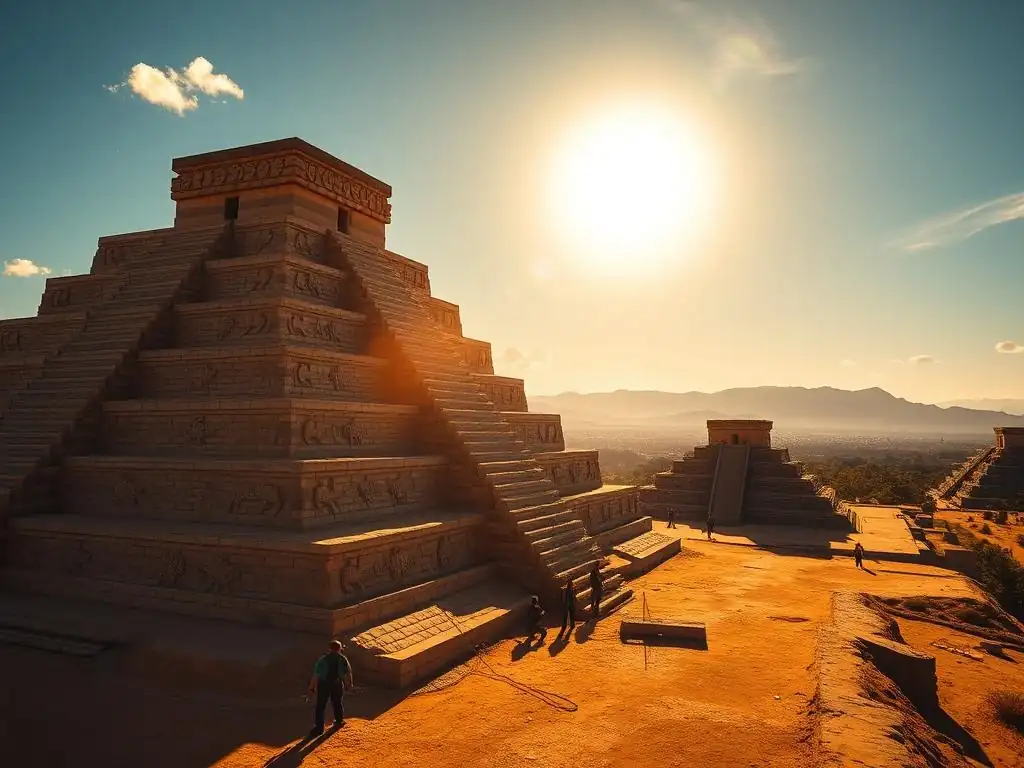
Welcome to "Indigenous Civilizations of the Americas"! Dive into the rich tapestry of history as we uncover the Moche civilization architectural achievements that not only showcase their ingenuity but also reflect the vibrant culture that flourished long before European contact. From monumental structures to complex irrigation systems, the Moche left an indelible mark on the landscape of ancient Peru. As you journey through this exploration, prepare to be captivated by the stories of resilience, innovation, and artistry that shaped their world. Join us as we unravel the mysteries of these architectural marvels and their lasting impact on civilization.
Introduction to the Moche Civilization Architectural Achievements
The Moche civilization, flourishing along the northern coast of present-day Peru from approximately 100 to 800 AD, stands as a testament to the ingenuity and creativity of pre-Columbian cultures. Renowned for its impressive architectural achievements, the Moche left behind a rich legacy of monumental structures that showcase their advanced understanding of engineering and urban planning.
This article delves into the extraordinary architectural accomplishments of the Moche, exploring not only the physical structures they created but also the cultural and societal contexts that informed their designs. By examining the architectural marvels of the Moche civilization, we gain insight into the complexities of their society and the lasting impact of their innovations.
Overview of the Moche Civilization and Its Historical Context
The Moche civilization emerged in a region characterized by a diverse landscape of deserts, rivers, and mountains, which shaped their agricultural practices and societal organization. Centered around the river valleys of the Moche and Chicama, this civilization developed sophisticated irrigation systems that allowed for productive agriculture, enabling them to support a large population.
The Moche are often celebrated for their elaborate ceremonial centers, such as Huaca del Sol and Huaca de la Luna, which served not only as religious sites but also as political hubs. These monumental structures were constructed using adobe bricks and were adorned with intricate murals and sculptures, reflecting the Moche's belief systems and social hierarchies. As we explore their architectural achievements, it becomes clear that their constructions were not merely functional; they were imbued with cultural significance, serving as expressions of Moche identity and power.
Importance of Architecture in Moche Society
Architecture played a crucial role in the social and political life of the Moche civilization. It was a means of demonstrating power and authority, with monumental structures designed to impress and intimidate both subjects and rivals. The scale and complexity of these buildings reflect the organization and labor mobilization capabilities of the society, highlighting their advanced socio-political structure.
Moreover, Moche architecture was deeply intertwined with their religious practices. Temples and ceremonial sites were not just physical spaces; they were sacred realms where rituals and offerings took place, connecting the people to their deities. The architectural forms and alignments often had astronomical significance, showcasing the Moche's understanding of the cosmos and their place within it.
Key Architectural Features of the Moche Civilization
The architectural achievements of the Moche civilization are marked by several distinctive features that set them apart from other cultures of the time. From the materials they used to the techniques they employed, each aspect of Moche architecture reflects their innovative spirit and adaptability to their environment.
Building Materials Used in Moche Architecture
The Moche primarily utilized locally sourced materials in their construction projects. Adobe, a mixture of clay, sand, and straw, was the primary building material due to its abundance and suitability for the region's climate. This material allowed for the creation of large structures with thick walls that could withstand the harsh weather conditions typical of the coastal desert.
Additionally, the Moche employed stone in certain high-status constructions, particularly in ceremonial sites where durability and grandeur were paramount. The use of these materials not only demonstrates their resourcefulness but also their understanding of the architectural principles necessary for creating enduring structures.
Distinctive Construction Techniques of the Moche
Moche architects and builders developed sophisticated construction techniques that facilitated the creation of their monumental structures. One notable method was the use of a technique known as "wattle and daub," where a framework of wooden poles was filled with a mixture of mud and straw. This approach not only provided structural integrity but also insulation against temperature fluctuations.
Moreover, the Moche were adept at creating complex terraced platforms and stepped pyramids, a hallmark of their architectural style. The careful planning and execution of these designs reveal a high level of engineering skill and an understanding of landscape dynamics, enabling the Moche to create impressive urban centers that have withstood the test of time.
Through this exploration of the Moche civilization's architectural achievements, we uncover a world where creativity, functionality, and spirituality converge, leaving an indelible mark on the history of indigenous cultures in the Americas.
Major Architectural Sites of the Moche Civilization
The Moche civilization, flourishing in northern Peru between approximately 100 and 800 AD, is renowned for its impressive architectural achievements, which reflect their advanced engineering skills and cultural sophistication. Among the most significant sites are the monumental structures known as huacas, which served both practical and ceremonial purposes. Below are three of the most notable architectural sites that exemplify Moche ingenuity and legacy.
Huaca del Sol: The Great Pyramid of the Moche
Huaca del Sol, or the "Temple of the Sun," stands as one of the largest adobe structures in the Americas, towering at about 45 meters (approximately 148 feet) high. Constructed around 100 AD, this massive pyramid was built using millions of adobe bricks, showcasing the Moche's engineering prowess. The structure served as a political and religious center, reflecting the sociopolitical hierarchy of Moche society.
Archaeological excavations at Huaca del Sol have revealed intricate murals and layers of construction that indicate its significance over time. The site was not just a ceremonial hub but also a symbol of power, as it was believed to be the residence of the Moche rulers. The careful alignment of its architecture suggests that it may have also been used for astronomical observations, further underlining the sophistication of Moche builders.
Huaca de la Luna: A Temple of Ritual Significance
Adjacent to Huaca del Sol is the Huaca de la Luna, or the "Temple of the Moon," which holds great ritual and cultural importance. This site is renowned for its well-preserved murals that depict intricate scenes of Moche mythology, including powerful deities and animals. Constructed primarily between 500 and 800 AD, Huaca de la Luna was used for ceremonial purposes, where sacrifices likely took place, as evidenced by the remains of ritual offerings found by archaeologists.
The architecture of Huaca de la Luna features a series of terraces and platforms that present a stark contrast to the more austere Huaca del Sol. Its decorative facades, adorned with vibrant frescoes and reliefs, reveal the Moche's artistic talents and their deep connection to their religious beliefs. The temple not only served as a site for worship but also as a community gathering place, reinforcing social cohesion among the Moche people.
The Archaeological Site of Sipán: A Royal Burial Complex
The archaeological site of Sipán, discovered in the 1980s, is one of the most significant Moche sites, particularly known for its royal burial complexes. The site features an elaborately constructed tomb belonging to a Moche ruler, referred to as the "Lord of Sipán." This burial complex, dating back to around 300 AD, included rich grave goods, such as gold and silver artifacts, textiles, and pottery, showcasing the wealth and status of the Moche elite.
Sipán is remarkable not only for its wealth but also for its unique architectural layout, which includes a series of pyramidal structures and ceremonial platforms. The site reveals insights into Moche burial practices and the importance of the afterlife in their culture. The intricate designs and elaborate decorations found within the tomb reflect the advanced craftsmanship of the Moche civilization, further solidifying their architectural legacy.
The Role of Religion in Moche Architectural Design
Religion was a central aspect of Moche civilization, deeply influencing their architectural designs. Temples and other structures were often constructed with religious intentions, serving as spaces for worship, rituals, and community gatherings. The interplay between architecture and spirituality is evident in how the Moche integrated their beliefs into the very fabric of their buildings.
Temples and Their Significance in Moche Beliefs
Moche temples, such as Huaca del Sol and Huaca de la Luna, were more than mere structures; they embodied the Moche worldview and cosmology. These temples served as focal points for religious activities and were believed to be the dwelling places of deities. The Moche constructed these monumental buildings to demonstrate their devotion and to facilitate communication with the divine.
Rituals conducted at these sites were often elaborate, involving offerings and sacrifices intended to appease the gods and ensure agricultural fertility, good fortune, and societal stability. The importance of these religious practices is reflected in the scale and complexity of their architectural designs, which were deliberately constructed to inspire awe and reverence among worshippers.
Iconography in Moche Architecture: Symbols and Meanings
Moche architecture is distinguished by its rich iconography, which plays a crucial role in conveying religious and cultural meanings. The use of symbols such as animals, deities, and mythological scenes in murals and sculptures reveals the Moche's deep spiritual beliefs and their connection to the natural world.
For example, the imagery of the feline, often representing power and agility, appears frequently in Moche art and architecture, symbolizing the prowess of warriors and the divine. Additionally, the presence of supernatural figures in the decorative elements of temples and pyramids underscores the Moche's reverence for their gods and the belief in a spiritual realm that influences daily life.
This intricate use of iconography not only beautified their structures but also served as a narrative tool, communicating the values and stories that were integral to Moche identity. The architectural achievements of the Moche civilization, therefore, are not merely physical manifestations but are imbued with profound spiritual significance, reflecting a culture that cherished the interplay between the earthly and the divine.
Urban Planning and Infrastructure of the Moche Civilization
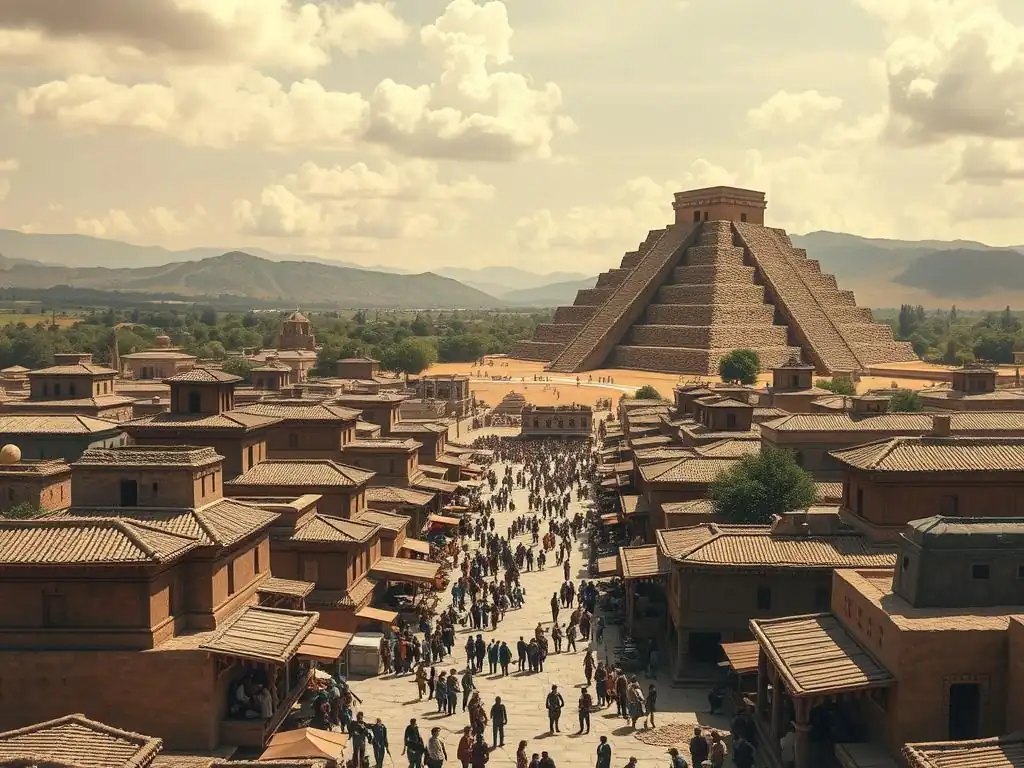
The Moche civilization, which thrived along the northern coast of Peru from approximately 100 to 800 CE, is renowned for its sophisticated urban planning and infrastructure. Their cities were strategically located near vital resources, such as fertile river valleys that facilitated agriculture, and proximity to the Pacific Ocean that supported fishing and trade. The Moche utilized an intricate network of roads and pathways that connected their urban centers, allowing for efficient movement of goods and people.
Moche urban planning reflects a remarkable understanding of their environment, as they designed cities that catered to both residential and ceremonial functions. The layout of these cities was often dictated by the natural landscape, incorporating hills, rivers, and valleys into their designs. Key features included large ceremonial complexes, residential areas, and agricultural zones, all harmoniously integrated to support the community's social and economic activities.
Layout of Moche Cities: A Study of Urban Design
The layout of Moche cities showcases a blend of functionality and ceremonial significance. One of the most notable urban centers is the city of Huacas del Sol y de la Luna, which features a vast adobe pyramid—Huaca del Sol—serving as a monumental structure for religious and political activities. This pyramid was surrounded by residential areas, workshops, and plazas that facilitated community gatherings.
The Moche also employed a grid pattern in their urban design, which allowed for organized growth. Streets were often lined with adobe structures that housed families and artisans, reflecting a communal lifestyle. The careful planning of these cities indicates a centralized authority capable of mobilizing labor for construction projects and managing resources effectively.
Water Management Systems: Canals and Irrigation Techniques
A crucial aspect of Moche architectural achievements lies in their advanced water management systems. The Moche developed an extensive network of canals that diverted water from rivers to irrigate their crops, ensuring agricultural productivity in an arid environment. This system not only allowed for the cultivation of various crops, including maize and beans, but also supported the growth of their urban centers.
The sophistication of Moche irrigation techniques is evidenced by the construction of terraced fields and reservoirs, which helped to optimize water usage and manage seasonal fluctuations. These innovations in water management enabled the Moche to sustain large populations and contributed to the civilization's overall prosperity. Their ability to harness water resources highlights their ingenuity and adaptability to challenging environmental conditions.
Comparison of Moche Architecture with Other Indigenous Civilizations
The architectural achievements of the Moche civilization can be understood more fully through comparisons with other indigenous cultures of the Americas, such as the Nazca and Inca civilizations. These comparisons reveal both unique characteristics and shared influences across these civilizations.
Moche vs. Nazca: Architectural Styles and Techniques
While both the Moche and Nazca civilizations flourished in Peru, their architectural styles reflect distinct cultural identities. The Moche are known for their monumental adobe structures, such as the Huacas, which served as ceremonial centers. In contrast, the Nazca civilization is renowned for its geoglyphs and underground aqueducts, emphasizing their connection to the arid environment.
The Moche architecture is characterized by intricate reliefs and decorative motifs, often depicting deities and mythological scenes. Nazca structures, on the other hand, exhibit a more utilitarian approach, focusing on functionality and the use of available resources. This contrast highlights the diverse architectural responses to environmental challenges and cultural expressions within the region.
Moche vs. Inca: Influences and Innovations in Architecture
The Inca civilization, which emerged after the Moche, was significantly influenced by Moche architectural innovations. The Inca adopted the use of adobe and stone in their constructions, which can be traced back to Moche techniques. However, the Inca elevated these practices by integrating advanced engineering skills, such as precise stone-cutting and the construction of extensive road networks.
Moche architecture, with its emphasis on monumental structures and complex irrigation systems, laid the groundwork for the Inca's more extensive urban planning and architectural achievements. The Inca capital of Cusco, with its impressive stone structures and administrative centers, reflects a continuation and evolution of Moche architectural principles, showcasing how earlier civilizations shaped the architectural landscape of the Andes.
The Legacy of Moche Architectural Achievements
The Moche civilization, which flourished in northern Peru from approximately 100 to 800 CE, is renowned for its remarkable architectural achievements. The Moche people constructed intricate temples, massive pyramids, and elaborate urban centers that showcased not only their engineering prowess but also their rich cultural and religious life.
One of the most iconic structures is the Huaca del Sol, a vast adobe pyramid that served as a ceremonial center and a symbol of Moche power. This architectural achievement reflects the sophisticated understanding of materials and construction techniques that the Moche possessed, allowing them to create lasting monuments that have withstood the test of time.
In addition to their monumental architecture, the Moche were adept at urban planning, as seen in the layout of their cities, which included residential areas, workshops, and ritual spaces. The use of mud brick and adobe allowed for the construction of complex structures that were both functional and aesthetically impressive.
The intricate decorative motifs found on their buildings, often depicting deities and mythological scenes, illustrate a deep connection to their beliefs and social hierarchies. The legacy of Moche architecture is not solely confined to its structural components; it represents a narrative of cultural identity and resilience, influencing subsequent civilizations in the Andean region.
Lasting Impact on Subsequent Cultures in the Region
The architectural innovations of the Moche civilization significantly influenced later Andean cultures, particularly the Nazca and the Inca. The Inca, who rose to prominence in the 15th century, adopted many Moche construction techniques, including the use of adobe and the integration of agricultural terraces into their urban designs. The Moche's complex irrigation systems also laid the groundwork for the agricultural practices of future societies, highlighting their understanding of landscape and resource management.
Additionally, the symbolic elements of Moche architecture, such as the use of ceremonial platforms and the arrangement of urban spaces, were echoed in Inca architecture, which emphasized both religious significance and social order. The architectural feats of the Moche served as a blueprint for governance and urban development, showcasing their lasting impact on Andean civilization. This continuity of architectural practices reflects a shared cultural heritage, underscoring the importance of the Moche as a foundational civilization in the development of architecture in the Americas.
Preservation Efforts for Moche Architectural Sites
Preserving the architectural legacy of the Moche civilization is crucial for understanding not only their own culture but also the broader historical and cultural context of the Andean region. Various organizations and governmental bodies have initiated preservation efforts to protect Moche sites such as the Huacas del Moche complex and the ancient city of Sipán. These efforts include archaeological excavations, restoration projects, and the establishment of protected areas to prevent further degradation due to environmental factors and human activity.
International collaboration has also played a role in the preservation of Moche architecture. Programs involving local communities, archaeologists, and cultural heritage organizations aim to raise awareness about the significance of these sites and promote sustainable tourism practices. Education initiatives within local communities not only help to protect these valuable sites but also empower residents by fostering a sense of pride in their cultural heritage. The ongoing preservation efforts are vital in maintaining the integrity of Moche architectural sites for future generations, allowing for continued exploration and appreciation of their remarkable achievements.
Conclusion: The Enduring Fascination with Moche Civilization Architecture
The architectural marvels of the Moche civilization continue to captivate scholars, archaeologists, and visitors alike. The sophisticated construction techniques and artistic expressions found in Moche architecture offer invaluable insights into the complexities of their society and worldview. As researchers continue to study and uncover the nuances of Moche architecture, the fascination with their achievements only deepens, revealing the intricate connections between their built environment and cultural identity.
Reflections on the Importance of Moche Architectural Heritage
Moche architectural heritage serves as a testament to the ingenuity and resilience of indigenous cultures in the Americas. The preservation and study of these sites remind us of the importance of recognizing and respecting the legacies of ancient civilizations. By understanding the architectural achievements of the Moche, we gain a greater appreciation for the diverse cultural contributions that have shaped the history of the Americas. The Moche civilization's emphasis on monumental construction and urban planning invites reflection on the relationship between architecture, society, and identity.
Future Research Directions in Moche Architecture Studies
Future research in Moche architecture studies holds great potential for uncovering new insights into their societal structures, religious practices, and technological advancements. Scholars are increasingly utilizing advanced techniques such as remote sensing and 3D modeling to analyze Moche sites from new perspectives, offering opportunities for innovative interpretations of their built environment. Additionally, interdisciplinary approaches that integrate archaeology, anthropology, and art history can provide a more holistic understanding of Moche architecture and its role within the broader Andean cultural landscape.
As interest in indigenous architectural practices continues to grow, the Moche civilization remains a focal point for discussions about heritage preservation, cultural identity, and the interplay between the past and present. Engaging with Moche architectural achievements not only enriches our understanding of their civilization but also fosters a deeper appreciation for the rich tapestry of indigenous cultures that continue to thrive today.
- Introduction to the Moche Civilization Architectural Achievements
- Key Architectural Features of the Moche Civilization
- Major Architectural Sites of the Moche Civilization
- The Role of Religion in Moche Architectural Design
- Urban Planning and Infrastructure of the Moche Civilization
- Layout of Moche Cities: A Study of Urban Design
- Water Management Systems: Canals and Irrigation Techniques
- Comparison of Moche Architecture with Other Indigenous Civilizations
- Moche vs. Nazca: Architectural Styles and Techniques
- Moche vs. Inca: Influences and Innovations in Architecture
- The Legacy of Moche Architectural Achievements
- Conclusion: The Enduring Fascination with Moche Civilization Architecture
- What are the key architectural achievements of the Moche civilization?
- How did the Moche civilization influence later cultures in the Americas?
- What materials were primarily used in Moche architecture?
- Are there any notable sites related to Moche architecture that can be visited today?
- How does the study of Moche architecture contribute to our understanding of indigenous cultures?
Frequently Asked Questions
What are the key architectural achievements of the Moche civilization?
The Moche civilization is renowned for its sophisticated pyramids, intricate temples, and stunning irrigation systems that demonstrate advanced engineering skills and artistry.
How did the Moche civilization influence later cultures in the Americas?
The Moche's architectural innovations and agricultural practices set a precedent that influenced subsequent civilizations, contributing to the development of urban centers across the region.
What materials were primarily used in Moche architecture?
Moche architects primarily utilized adobe bricks, stone, and ceramics, showcasing their ability to adapt to the environment and utilize available resources effectively.
Yes, significant archaeological sites such as Huaca del Sol and Huaca de la Luna offer insight into Moche architectural achievements and can be explored by visitors interested in ancient cultures.
How does the study of Moche architecture contribute to our understanding of indigenous cultures?
Examining Moche architecture helps us appreciate the diversity and sophistication of indigenous cultures in the Americas, highlighting their social structure, religious beliefs, and technological advancements prior to European contact.
Final Reflection: The Enduring Legacy of Moche Civilization Architectural Achievements
The architectural achievements of the Moche civilization are not just relics of the past; they are a testament to human ingenuity and cultural expression that resonate profoundly in today's world. As we explore the intricate designs and monumental structures left behind by the Moche, we recognize their relevance in contemporary discussions about sustainable architecture and cultural preservation. The Moche's ability to harmonize their structures with the environment serves as a powerful reminder of the importance of integrating tradition with innovation in our modern architectural practices.
The influence of Moche architecture extends beyond mere aesthetics; it shapes our understanding of ancient societies and their relationship with the land. The intricate craftsmanship and engineering prowess displayed in their temples and ceremonial sites continue to inspire architects and historians alike. As we reflect on their achievements, we are reminded of the words of architect Louis Kahn: A great building must begin with the unmeasurable, must go through measurable means when it is being designed and in the end must be unmeasurable.
The Moche civilization embodies this philosophy, blending the tangible and intangible in their architectural legacy.
As we conclude this exploration of the Moche civilization's architectural marvels, I invite you to reflect on how these ancient achievements can inform our present and future. Consider how you can incorporate lessons from the past into your own life or work, whether through sustainable practices, cultural appreciation, or innovative design. The Moche remind us that architecture is not merely about constructing buildings; it is about creating spaces that resonate with history, culture, and the environment. Let us carry forward their legacy by honoring the past while building a more thoughtful and connected future.
Unveil Your Adventure Through Ancient Moche Wonders!
Thank you for taking the time to explore the incredible architectural feats of the Moche civilization! You’ve uncovered fascinating insights into a remarkable culture that shaped history. Now, it's your turn to dive deeper and connect with this legacy in meaningful ways.
Here’s how you can engage further with the Moche's rich heritage:
- Join a virtual tour of Moche archaeological sites to experience their grandeur firsthand.
- Share your newfound knowledge with friends or family; discussing these marvels spreads awareness and appreciation!
- Explore local museums or cultural events focused on indigenous history; you'll be amazed at the opportunities available in your community!
What aspect of Moche architecture intrigues you most, and how will you share it with others?