
Sacred Structures: The Role of Temples in Moche Society and Spiritual Life

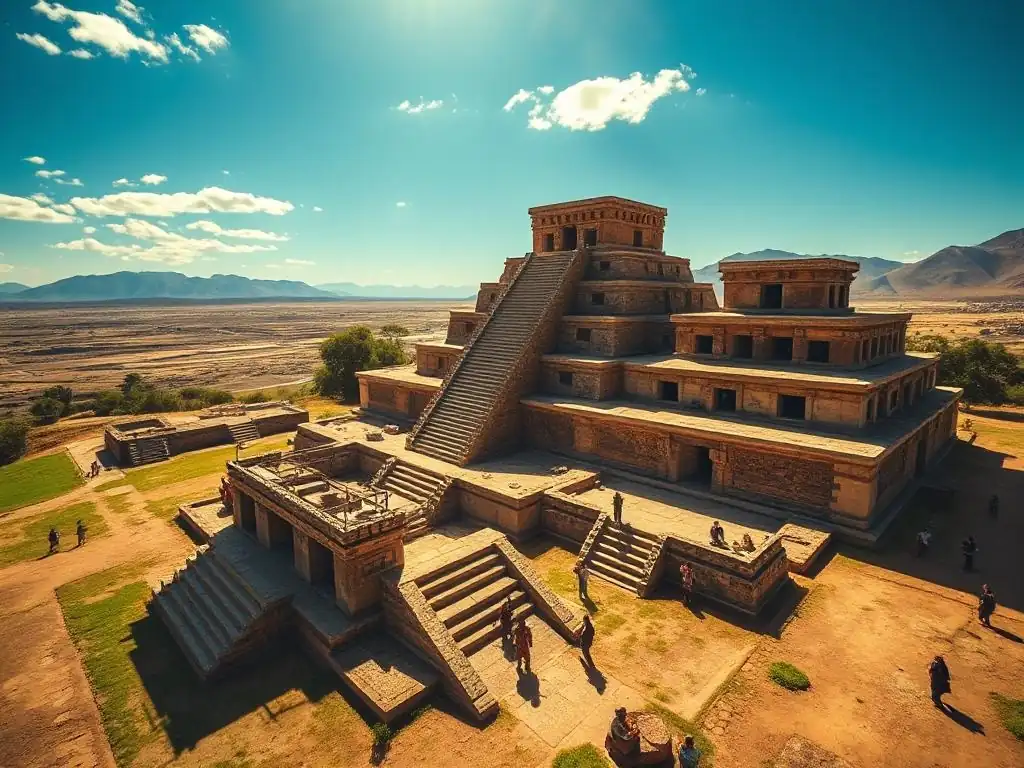
Welcome to Indigenous Civilizations of the Americas, where we invite you to embark on a captivating journey through the rich tapestry of indigenous cultures that flourished long before European influence. In our featured article, "Sacred Structures: The Role of Temples in Moche Society and Spiritual Life," we delve into the fascinating world of the Moche, exploring their remarkable temples and the profound spirituality that permeated their society.
What secrets lie within these ancient structures, and how did they shape the lives and beliefs of the Moche people? Prepare to uncover the answers as you dive deeper into this extraordinary civilization and its enduring legacy.
- Introduction to Moche Temples and Spirituality
- The Architectural Features of Moche Temples
- The Role of Temples in Moche Spiritual Life
- Moche Temples and Their Influence on Society
- Symbolism and Art in Moche Temples
- The Legacy of Moche Temples and Spirituality
- Conclusion: The Enduring Significance of Moche Temples
- Frequently Asked Questions
- Final Reflection: The Enduring Legacy of Moche Temples and Spirituality
- Unveil the Mysteries of Moche Temples!
Introduction to Moche Temples and Spirituality
The Moche civilization, flourishing along the northern coast of Peru from approximately 100 to 800 CE, is renowned for its remarkable cultural achievements, particularly in architecture and spirituality. Among the most significant structures they built are their temples, which served not only as places of worship but also as focal points for social, political, and economic activities.
This article delves into the intricate relationship between Moche temples and the spirituality of their society, highlighting how these sacred structures were integral to their understanding of the cosmos, ancestors, and daily life. By exploring the architectural innovations and spiritual significance of Moche temples, we can gain valuable insights into the broader cultural landscape of this fascinating civilization.
Overview of Moche Civilization
The Moche civilization is often celebrated for its advanced achievements in various fields, including agriculture, ceramics, metallurgy, and urban planning. Emerging around the rivers of the Moche Valley, this culture was characterized by a complex social hierarchy and a rich array of artistic expressions.
Key features of the Moche civilization include:
- Agricultural Techniques: Moche society utilized sophisticated irrigation systems to support their agriculture, enabling them to cultivate crops such as maize, beans, and potatoes.
- Craftsmanship: Moche artisans were renowned for their pottery, which often depicted scenes of daily life, mythology, and rituals. Their intricate designs and use of molds showcased advanced techniques.
- Social Structure: The society was stratified, with a ruling elite, skilled artisans, and laborers. The elite class often controlled the temples and religious practices, intertwining their power with spiritual authority.
The Moche civilization's ability to adapt to its environment while fostering a rich cultural identity laid the foundation for a vibrant society that thrived for centuries.
Importance of Temples in Moche Society
Temples in Moche society were more than just architectural marvels; they were pivotal to the spiritual and communal life of the people. These structures served multiple purposes, reflecting the complex interplay between religion, politics, and daily life.
- Religious Significance: Moche temples were dedicated to various deities, often associated with natural elements such as water and fertility. Rituals conducted within these sacred spaces were believed to appease the gods, ensuring agricultural fertility and community well-being.
- Social and Political Centers: Temples also functioned as administrative hubs where leaders made decisions impacting the community. They were sites for gatherings, festivals, and ceremonies that reinforced social cohesion and collective identity.
- Architectural Innovations: The construction of Moche temples showcased advanced engineering techniques, including the use of adobe bricks and intricate decoration. Notable examples include the Huaca del Sol and Huaca de la Luna, which featured stepped platforms and intricate murals that depicted mythological narratives.
Moche temples were vital to the civilization's spirituality and societal structure. They embodied the connection between the divine and the terrestrial, reflecting the Moche people's values and beliefs while serving as enduring symbols of their cultural legacy.
The Architectural Features of Moche Temples
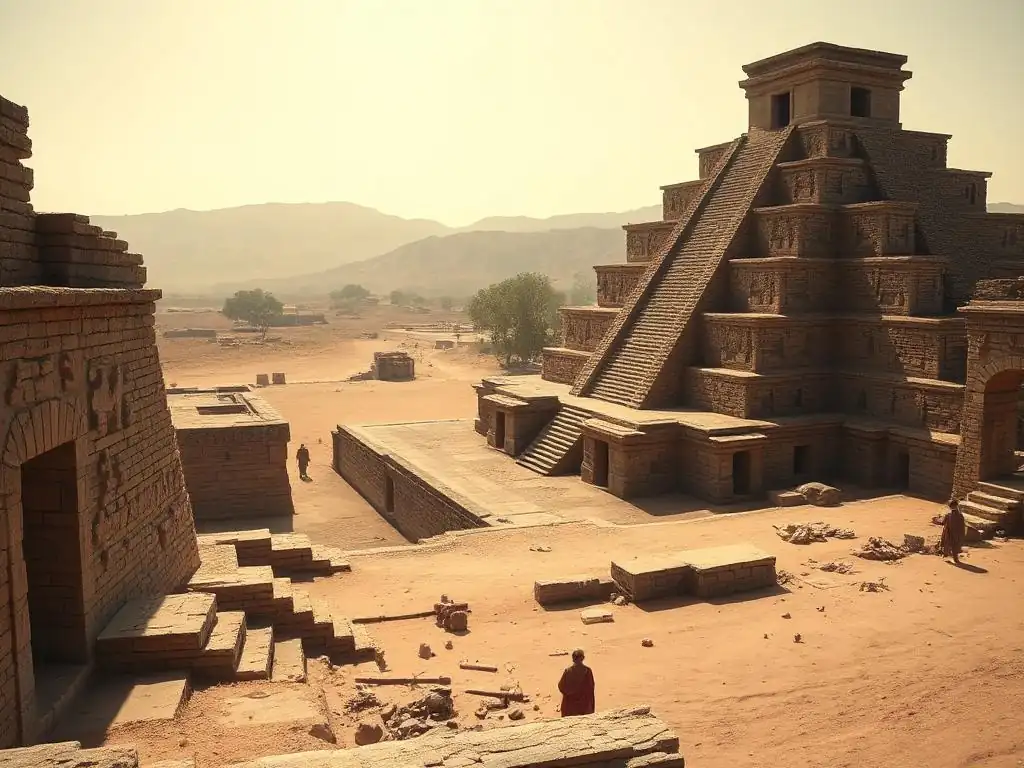
Moche temples stand as monumental representations of the architectural ingenuity and spiritual beliefs of the Moche civilization. These structures were not merely places of worship; they served as centers of social, political, and economic activities. The design and construction of Moche temples reflect a deep understanding of both engineering and the symbolic significance of their form.
Design and Construction of Moche Temples
The design of Moche temples showcases a distinctive aesthetic that incorporates both functionality and spirituality. Moche temples typically exhibit a rectangular layout with multiple platforms and terraces. These structures were often built on elevated ground, signifying their importance in the landscape. The temples were designed with a clear hierarchy, with the most sacred spaces located at the top, accessible only to priests and select elites.
Construction methods were advanced for their time, involving a combination of Adobe bricks and stone materials. The Moche utilized a technique known as wattle and daub, where wooden frames were filled with a mixture of mud and straw to create strong walls. This method allowed for the rapid construction of large structures while ensuring durability against the elements.
The Moche also incorporated intricate frescos and relief carvings into the temple design, often depicting deities, animals, and scenes from their mythology. These artistic elements not only enhanced the visual impact of the temples but also served as a narrative tool, conveying the spiritual beliefs and societal values of the Moche people.
Materials Used in Moche Temple Structures
The choice of materials in Moche temple construction was influenced by the local environment and available resources. The primary materials included:
- Adobe Bricks: Made from a mixture of clay, sand, and straw, these bricks were essential for constructing the walls of temples. Their thermal properties helped maintain a stable internal temperature.
- Stone: While not as commonly used as adobe, stone was utilized in specific areas, particularly for foundations and decorative features. The Moche often sourced stone from nearby riverbeds, ensuring easy access to this material.
- Wood: Wood was used for structural support and roofing. However, due to climatic conditions, many wooden elements have not survived the test of time.
- Decorative Elements: The Moche enhanced their temples with plaster and vibrant pigments, which were derived from natural minerals and plants. These materials were essential for the frescos and carvings that adorned the temples, adding to their spiritual significance.
The combination of these materials not only reflects the Moche’s practical engineering skills but also their artistic aspirations, allowing them to create spaces that resonated with their spiritual practices.
Notable Examples of Moche Temples
Several significant examples of Moche temples remain as testaments to their architectural prowess and cultural depth. Among the most prominent are:
- Temple of the Sun (Huaca del Sol):
- This massive structure, part of the complex at Moche Valley, is one of the largest adobe structures in the Americas. It served as a ceremonial site and a royal burial ground, illustrating the fusion of political and spiritual power.
- Temple of the Moon (Huaca de la Luna):
- Located adjacent to the Temple of the Sun, this temple is renowned for its intricate murals and ceremonial platforms. The murals depict various deities and ritual activities, providing insight into the spiritual life of the Moche civilization.
- Huaca de la Reina:
- This temple complex features multiple levels and was likely used for both religious and administrative purposes. Archaeological findings suggest it played a crucial role in the Moche's socio-political structure.
- Huaca Cao Viejo:
- This site is notable for its elaborate burial practices and the discovery of the Lady of Cao, a Moche elite woman believed to be a ruler or priestess. The temple's architecture reflects the Moche's beliefs in leadership and spirituality.
These notable examples highlight the diversity and complexity of Moche temple architecture, demonstrating how these sacred structures were integral to the Moche's spiritual life and societal organization.
The Role of Temples in Moche Spiritual Life
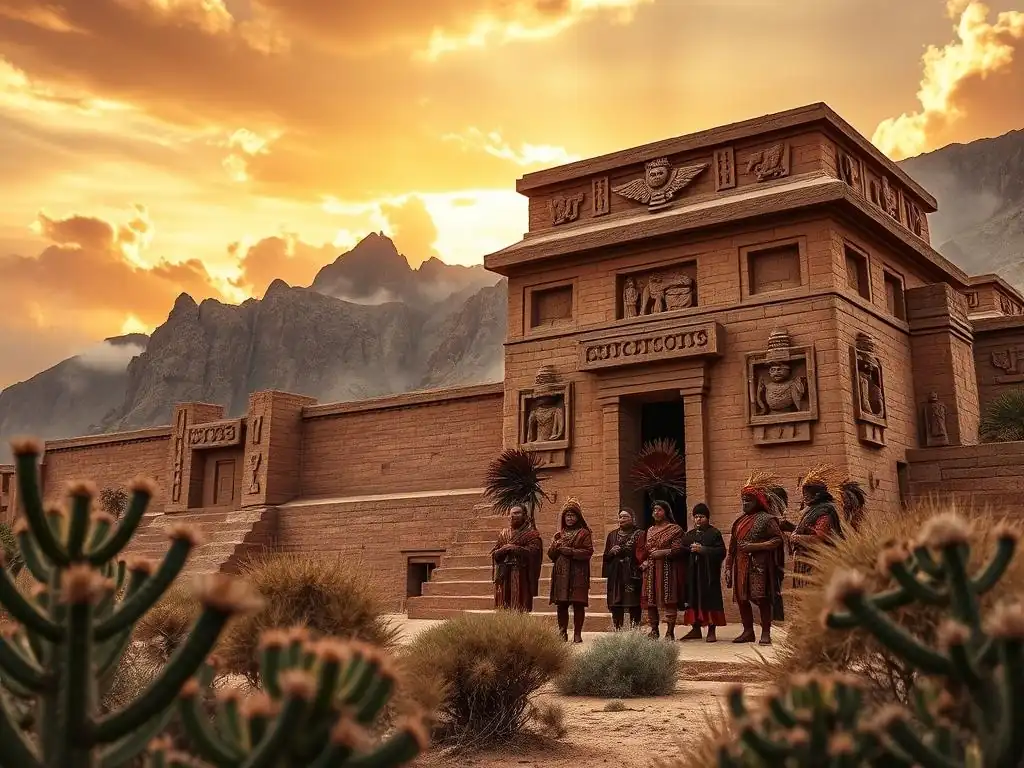
The temples of the Moche civilization were not merely architectural feats; they were central to the spiritual and social fabric of Moche society. These sacred structures served as both places of worship and venues for complex religious practices that shaped the cultural identity of the Moche people. Their design and construction reflect profound spiritual beliefs and a deep connection to the natural and supernatural worlds.
Religious Practices Associated with Moche Temples
Moche temples were integral to various religious practices that demonstrated the civilization's rich spiritual life. One of the main rituals conducted within these sacred spaces was the offering of sacrifices, which often included both animals and humans. These sacrifices were believed to appease the gods and ensure agricultural fertility, vital for the Moche's agrarian lifestyle.
- Types of Sacrifices:
- Animal Sacrifices: Typically involving llamas and guinea pigs, these offerings were made to honor deities and seek favor.
- Human Sacrifices: Archaeological evidence suggests that human sacrifices were performed during significant events, such as the dedication of a new temple or to mark important agricultural cycles.
In addition to sacrifices, ceremonial feasting was a common practice in Moche temples. During these gatherings, community members would partake in food and drink offerings, reinforcing social bonds and communal identity. The remains of these feasts often include pottery fragments and food remnants, which provide insight into dietary practices and social hierarchies within Moche society.
Temples as Centers of Community and Rituals
The Moche temples functioned as civic and religious centers, where community life revolved around shared spiritual experiences. The architecture of these temples often included large plazas that facilitated gatherings for rituals, festivals, and markets, making them multifunctional spaces.
- Key Functions of Temples:
- Ritual Gatherings: Moche temples hosted seasonal ceremonies tied to agricultural cycles, such as harvest rituals, which reinforced the community's reliance on and connection to the earth.
- Social Cohesion: The communal aspect of temple activities fostered unity among the Moche people, creating a sense of belonging and shared purpose.
Moreover, the temples served as repository of knowledge, where priests and priestesses conducted teachings about cosmology, mythology, and moral conduct, shaping the spiritual and ethical framework of Moche society.
Deities Worshipped in Moche Temples
Moche spirituality was characterized by a pantheon of deities, each representing different aspects of life and nature. The temples were dedicated to these gods, and the Moche engaged in rituals that honored their divine attributes.
- Prominent Deities:
- Ai Apaec: Known as the "Decapitator," Ai Apaec was a principal deity associated with fertility and agriculture. Temples dedicated to him often featured intricate carvings depicting his fearsome visage.
- The Moon Goddess (Mama Quilla): Revered for her connection to femininity and agriculture, rituals honoring Mama Quilla were crucial for ensuring bountiful harvests.
- The Sea God (Kukulkan): As a vital source of sustenance, the Sea God was worshipped through offerings made at coastal temples, highlighting the Moche's relationship with marine resources.
The worship of these deities was accompanied by elaborate iconography and artistic expressions, including pottery and textiles adorned with intricate designs that conveyed spiritual beliefs and societal values. This rich tapestry of worship not only reflects the Moche's religious fervor but also demonstrates their understanding of the interconnectedness of life, nature, and the divine.
Moche temples were vital to the civilization's spirituality and social structure, playing a crucial role in their religious practices, community life, and the worship of deities. Through these sacred structures, the Moche forged a profound connection with their environment and the cosmos, leaving a legacy that continues to fascinate historians and archaeologists today.
Moche Temples and Their Influence on Society
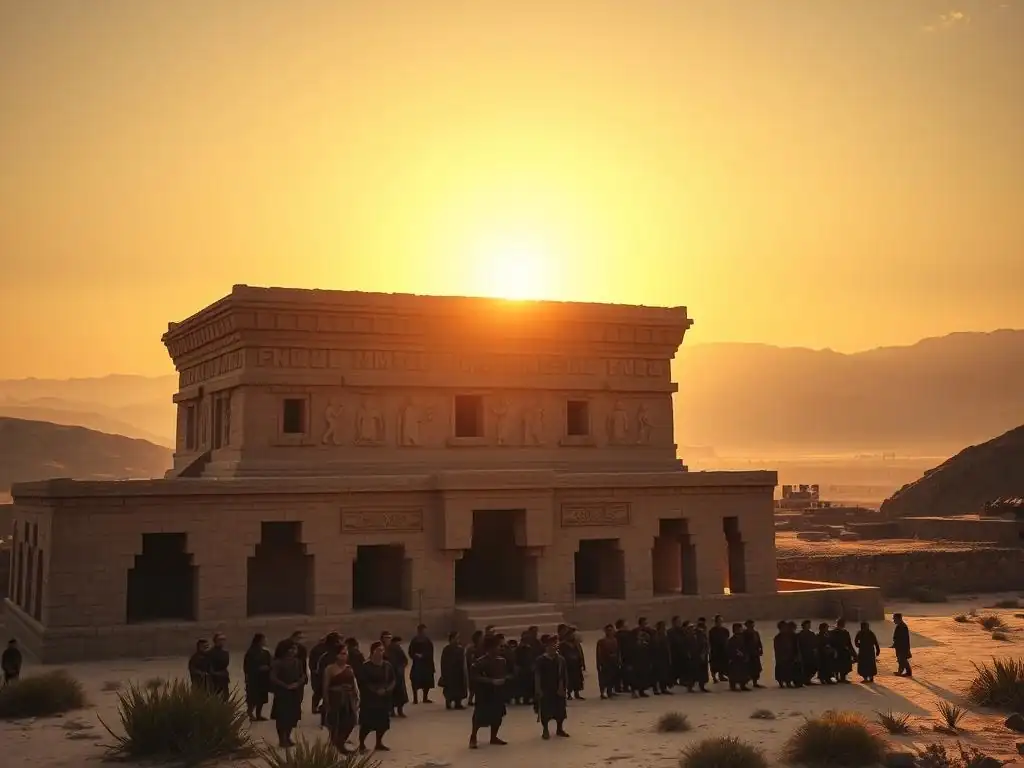
The Moche civilization, prominent in Northern Peru from approximately 100 to 800 CE, is renowned for its remarkable architectural achievements, particularly its temples. These sacred structures were not merely places of worship; they played multifaceted roles that intertwined spirituality, politics, and economics, profoundly influencing Moche society. Their architecture, often characterized by intricate adobe construction and artistic embellishments, reflects both the ingenuity of the Moche people and their deep spiritual beliefs.
Temples as Political and Economic Hubs
Moche temples served as pivotal centers of political power and economic activity. The largest and most significant temple complexes, such as the Huaca del Sol and Huaca de la Luna, were strategically positioned to exert control over surrounding areas and resources. These structures were often built using vast amounts of labor, showcasing the organizational capabilities of Moche leaders.
- Political Authority: The ruling elite of the Moche civilization utilized temples as symbols of their authority. The construction and maintenance of these grand edifices demonstrated the rulers’ ability to mobilize labor and resources, thereby reinforcing their political power. Temples were often the sites of important rituals that legitimized the rulers’ divine right to govern.
- Economic Activities: Temples also functioned as economic hubs where trade occurred. They facilitated the exchange of goods not only among Moche communities but also with neighboring cultures. Artifacts such as pottery, textiles, and food items found in temple contexts indicate that these spaces were integral to both local economies and wider trade networks.
The Connection between Temples and Moche Identity
The Moche temples were deeply embedded in the cultural identity of their people. They acted as focal points for community gatherings and religious ceremonies, fostering a sense of shared identity among the Moche.
- Ceremonial Significance: Rituals conducted at these temples often included offerings to deities and ancestral spirits, reinforcing communal beliefs and traditions. The elaborate ceremonies, which could involve music, dance, and sacrifice, played a crucial role in solidifying social cohesion.
- Artistic Expression: The decoration of Moche temples with vibrant murals and sculptures depicted important myths and historical events, serving not only as religious symbols but also as historical narratives. This artistic expression allowed the Moche to convey their identity and worldview, making the temples a canvas for cultural storytelling.
The structure and function of Moche temples also contributed to the establishment and reinforcement of social hierarchies within Moche society. The different roles associated with temple activities created a stratified social system.
- Elite vs. Commoners: Access to the temples was often limited to the elite, including priests and rulers. This exclusivity not only reinforced social stratification but also emphasized the power dynamics between different classes within Moche society. The elite controlled the rituals and the associated resources, further entrenching their status.
- Role of Priests: Priests held significant power due to their direct connection to the spiritual realm. They were responsible for conducting rituals, interpreting omens, and managing the temple’s resources. This role elevated them above commoners, illustrating how temples were not just places of worship but also centers of governance and control.
Moche temples were central to the civilization's political, economic, and social structures. They fostered a unique Moche identity while simultaneously reinforcing social hierarchies, reflecting the complex interplay between spirituality and everyday life in Moche society.
Symbolism and Art in Moche Temples
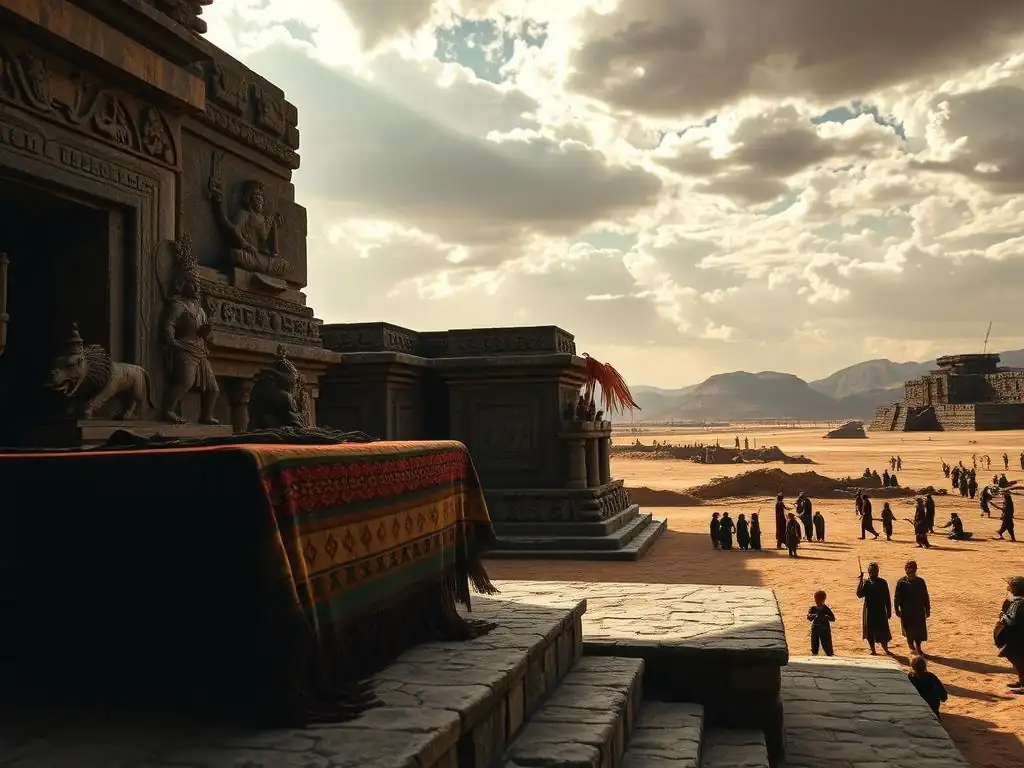
The temples of the Moche civilization are not only architectural marvels but also powerful symbols of their spirituality and societal structure. These sacred spaces served as focal points for religious rituals and were infused with rich iconography and artistic expressions that conveyed the Moche worldview. The art found within these temples reflects the complex beliefs and practices of the Moche people, illustrating their connection to the divine and the natural world.
Iconography of Moche Temples
Moche temples are adorned with intricate iconography that serves various purposes, from religious to political. The imagery often features deities, mythical creatures, and symbols of power. A prominent example is the depiction of the Moche deity Ai Apaec, often represented with a distinctive headdress and fanged face, symbolizing fertility and agriculture.
Key elements of Moche iconography include:
- Animals: Creatures such as the jaguar, owl, and various birds often symbolize different aspects of life and death, reflecting the Moche’s reverence for nature.
- Human Figures: Figures in ceremonial dress are frequently depicted, showcasing the importance of ritual and the role of the elites in Moche society.
- Geometric Patterns: These patterns not only serve as decoration but also convey deeper meanings related to cosmology and the universe's order.
The careful selection of these symbols illustrates the Moche's beliefs regarding the cosmos and the interconnectedness of life, death, and rebirth, emphasizing the spiritual significance of their temples.
Artistic Expressions in Moche Spirituality
Art in Moche society transcended mere decoration; it was a vital expression of their spirituality. The Moche excelled in various artistic forms, including pottery, metallurgy, and textiles, which often featured themes of spirituality.
Notable Artistic Practices:
- Pottery: Moche pottery is renowned for its realistic representations of human figures and animals, often used in funerary contexts. These vessels were not only utilitarian but also served as offerings to the gods, reinforcing the spiritual connection between the living and the divine.
- Metalwork: The Moche were skilled metalworkers who created intricate gold and silver ornaments. These pieces often depicted religious iconography, linking the material world to spiritual beliefs and practices.
- Textiles: The vibrant textiles of the Moche, often used in ceremonial contexts, featured symbolic motifs that conveyed messages about status, spirituality, and identity.
Through these artistic expressions, the Moche communicated their beliefs, values, and social hierarchies, reflecting a society deeply intertwined with its spiritual practices.
The Role of Murals and Reliefs in Temples
Murals and reliefs played a crucial role in Moche temples, serving as both decoration and narrative. These artworks not only enhanced the aesthetic of sacred spaces but also conveyed complex stories about the Moche gods, rituals, and cosmology.
Key Features of Moche Murals and Reliefs:
- Narrative Scenes: Many murals depict scenes of rituals, ceremonies, and mythological events, providing insights into the spiritual life of the Moche. These narratives often illustrate the relationship between humans and deities, emphasizing the importance of worship and offerings.
- Symbolic Use of Color: The Moche utilized vibrant colors in their murals, with specific hues often associated with different meanings. For example, red may symbolize life and fertility, while black could represent death and the underworld.
- Reliefs as Historical Records: Reliefs carved into temple walls often serve as historical records, depicting the achievements of rulers and ceremonial events. These artworks not only glorify the past but also reinforce the power of the ruling class within the spiritual context of Moche society.
By integrating these visual narratives into their temples, the Moche created spaces that were not only sacred but also educational, allowing the community to engage with their spirituality and history in a profound way.
The symbolism and art present in Moche temples provide a fascinating insight into the spiritual life of this ancient civilization. Through their iconography, artistic expressions, and the narrative power of murals and reliefs, the Moche crafted a rich tapestry of beliefs that shaped their society and left a lasting legacy in the Americas.
The Legacy of Moche Temples and Spirituality
Impact on Subsequent Cultures in the Region
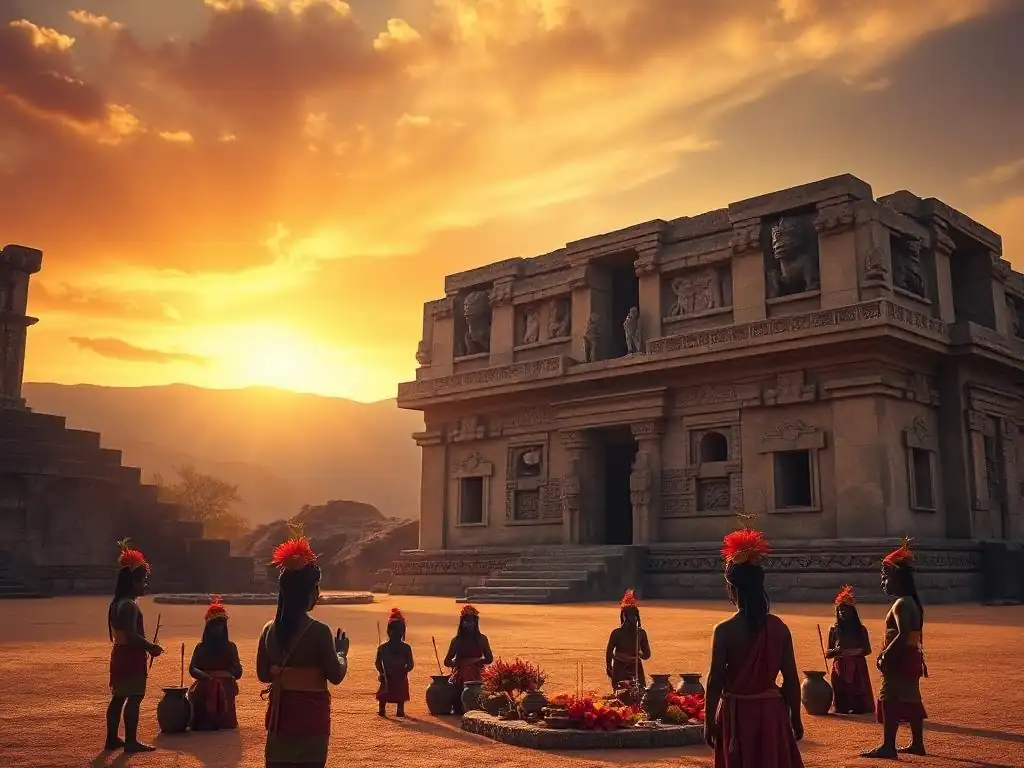
The Moche civilization, flourishing between 100 and 800 CE in modern-day Peru, left an indelible mark on the spiritual and architectural landscape of the Andean region. The intricate designs and monumental scale of Moche temples not only served religious purposes but also influenced subsequent cultures that emerged in the area.
One notable example is the Chimu culture, which rose after the decline of the Moche. The Chimu adopted and adapted Moche architectural styles, particularly in their urban centers such as Chan Chan. This city featured large adobe complexes that echoed the Moche's use of ceremonial spaces and intricate wall decorations. The influence of Moche temple designs can be seen in the way Chimu temples were constructed to align with celestial events, emphasizing the importance of astronomy in religious practices.
Additionally, the Inca Empire, which dominated the region from the 15th century onwards, incorporated elements of Moche spirituality into its own belief system. The Incas revered many Moche deities, particularly those associated with agriculture and fertility, which were crucial for their own agrarian society. The presence of Moche deities in Inca temples, such as Viracocha, highlights the continuity of religious practices and the blending of spiritual beliefs across cultures.
Preservation and Archaeological Studies of Moche Temples
The preservation of Moche temples presents significant challenges due to environmental factors and human activity. Many sites have suffered from erosion, natural disasters, and looting. However, recent archaeological initiatives have focused on the conservation and study of these sacred structures, revealing invaluable insights into Moche spirituality.
Archaeologists have employed advanced technologies, such as ground-penetrating radar and 3D modeling, to map and analyze the layouts of Moche temples without excavation. These methods allow historians to better understand the complex relationships between the temples, their surrounding landscapes, and the broader Moche urban planning.
One of the most prominent sites, the Huaca del Sol and Huaca de la Luna, has been the focus of extensive archaeological studies. Excavations have uncovered a wealth of artifacts, including ceremonial pottery, textiles, and remains of ritual offerings. These discoveries provide crucial evidence of the ceremonial practices associated with Moche temples, emphasizing their role as centers of ritual and community life.
Furthermore, international collaborations have emerged to ensure the ongoing preservation of these sites. Organizations work alongside local communities to promote sustainable tourism and raise awareness about the cultural significance of Moche temples, thus fostering a sense of pride and stewardship among descendants of the Moche civilization.
Reflections on Moche Spirituality in Contemporary Indigenous Practices
The spiritual practices of the Moche civilization continue to resonate within contemporary Indigenous cultures in Peru. Many modern indigenous groups have preserved elements of Moche spirituality, adapting ancient beliefs to fit within their current socio-cultural contexts.
For instance, some rituals related to agricultural cycles echo Moche practices, particularly those honoring deities associated with fertility and the earth. Festivals celebrating the harvest often include offerings reminiscent of Moche rituals, such as the use of maize and potatoes as sacrificial items. These practices not only maintain a connection to ancestral traditions but also reinforce communal bonds among Indigenous peoples.
Moreover, the symbolism found in Moche art and iconography informs contemporary spiritual expressions. The motifs of animals, mythical beings, and deities can be seen in modern crafts, textiles, and ceremonial attire, representing a continuity of identity and spiritual heritage.
The legacy of Moche temples and their associated spirituality has left a profound influence on subsequent cultures, informed ongoing archaeological studies, and continues to inspire the spiritual practices of contemporary Indigenous communities. The resilience and adaptability of these traditions highlight the lasting impact of the Moche civilization in the tapestry of Andean culture.
Conclusion: The Enduring Significance of Moche Temples
The legacy of Moche temples extends far beyond their physical structures, shaping not only the spiritual life of the Moche civilization but also influencing future generations. These sacred spaces were pivotal in organizing religious practices, reinforcing social hierarchies, and serving as centers for community gathering. The intricate designs, monumental scale, and the symbolic elements embedded in Moche temple architecture reflect a deep connection between the cosmos, humanity, and the divine.
Summary of Moche Temples' Role in Spiritual Life
Moche temples functioned as the heart of spiritual life within Moche society, serving various vital purposes:
- Ritual Practices: Temples were sites for elaborate ceremonies and rituals aimed at appeasing deities and ensuring agricultural fertility. These rituals often involved offerings, feasts, and sometimes human sacrifices, highlighting the Moche's complex understanding of life, death, and the afterlife.
- Cosmological Representation: The architecture of Moche temples often mirrored their cosmological beliefs. For instance, the layout and orientation of structures were meticulously planned to align with celestial bodies, reinforcing the connection between the earthly realm and the divine.
- Social Cohesion: Temples acted as focal points for communal identity, fostering a sense of belonging among the Moche people. They provided a space for social interaction, cultural expression, and the transmission of knowledge and traditions.
- Political Power: The physical presence of these monumental structures also symbolized the political power of the ruling elite, who often used temple construction as a means to demonstrate their authority and divine favor.
Final Thoughts on the Importance of Understanding Moche Architecture and Spirituality
Understanding Moche temples and spirituality is crucial for several reasons:
- Cultural Heritage: Moche architecture represents a rich cultural heritage that deserves preservation and study. It offers insights into the spiritual beliefs and practices of a civilization that significantly contributed to the cultural tapestry of the Americas.
- Interdisciplinary Insights: The study of Moche temples bridges various disciplines, including archaeology, anthropology, and art history. This interdisciplinary approach deepens our understanding of how ancient peoples interacted with their environment and shaped their societies.
- Contemporary Relevance: By exploring the Moche's architectural achievements and spiritual life, contemporary societies can appreciate the complexities of indigenous cultures and their enduring influence. This understanding fosters respect and recognition for indigenous knowledge systems and their contributions to global civilization.
Moche temples not only served as religious centers but also as vital components of societal organization, illustrating the intricate relationship between architecture, spirituality, and community in ancient Moche civilization. Recognizing the significance of these structures enriches our understanding of the Moche people and their enduring legacy in the landscape of indigenous civilizations of the Americas.
Frequently Asked Questions
What were the Moche temples used for?
Moche temples served as sacred spaces for religious ceremonies, reflecting the spiritual beliefs of the Moche civilization. They were central to their societal structure and community gatherings.
How did spirituality influence Moche architecture?
Moche architecture was deeply connected to their spirituality, with temples designed to honor deities and facilitate rituals. This integration of religion and architecture showcased their beliefs and values.
What role did rituals play in Moche life?
Rituals were vital in Moche society, serving to reinforce social order and community bonds. They engaged the community in worship, celebrating harvests, and marking important life events.
How do Moche temples reflect their achievements?
The complex design and construction of Moche temples highlight their engineering skills and artistic expression. These structures are a testament to their cultural advancements prior to European contact.
What is the lasting impact of Moche spirituality?
The spiritual practices of the Moche have influenced contemporary cultures, particularly in art and rituals. Their legacy continues to be explored and appreciated in modern archaeology and cultural studies.
Final Reflection: The Enduring Legacy of Moche Temples and Spirituality
The exploration of Moche temples and spirituality reveals their profound significance in shaping not only the religious practices of ancient societies but also their cultural identity. Today, as we navigate a world often disconnected from its spiritual roots, the lessons from the Moche civilization remind us of the essential role that sacred spaces play in fostering community, identity, and a deeper connection to the divine. The intricate architecture and the rituals performed within these temples serve as a testament to the enduring human quest for meaning and transcendence.
The influence of Moche temples extends beyond their historical context, resonating in contemporary discussions about spirituality and cultural heritage. These sacred structures were not merely places of worship; they were vibrant centers of social life, embodying the values and beliefs of the Moche people. As we reflect on their legacy, we recognize that “the temple is not just a building; it is a bridge connecting the earthly to the divine.” This perspective invites us to consider how our own spiritual practices and communal spaces can serve as vital links to our heritage and identity.
As we conclude this exploration of Moche temples and spirituality, I invite you to reflect on the sacred structures in your own life. Consider how these spaces—whether physical or metaphorical—shape your understanding of community and spirituality. Let the lessons from the Moche civilization inspire you to seek out and honor the sacred in your daily life, fostering connections that transcend time and place. Embrace the opportunity to create your own sacred spaces, nurturing a deeper relationship with yourself, others, and the world around you.
Unveil the Mysteries of Moche Temples!
Thank you for diving deep into the fascinating world of Moche society and the sacredness of their temples. We hope you now appreciate the crucial role these structures played in their spiritual and communal lives. Ready to take your journey further? Here are some exciting ways you can engage with this captivating topic:
- Explore Ancient Wisdom: Visit a local museum or explore online resources to discover artifacts or exhibits that showcase the Moche civilization.
- Share Your Insights: Discuss your findings with friends or share them on social media. Your reflections could inspire others to delve deeper!
- Join the Community: Participate in an online forum or group dedicated to Indigenous civilizations to connect with fellow enthusiasts.
Before you go, we’d love to hear from you: Which aspect of Moche spirituality or their temples resonates with you the most?