
The Legacy of the Moche Civilization PostConquest: Cultural Survivance and Adaptation

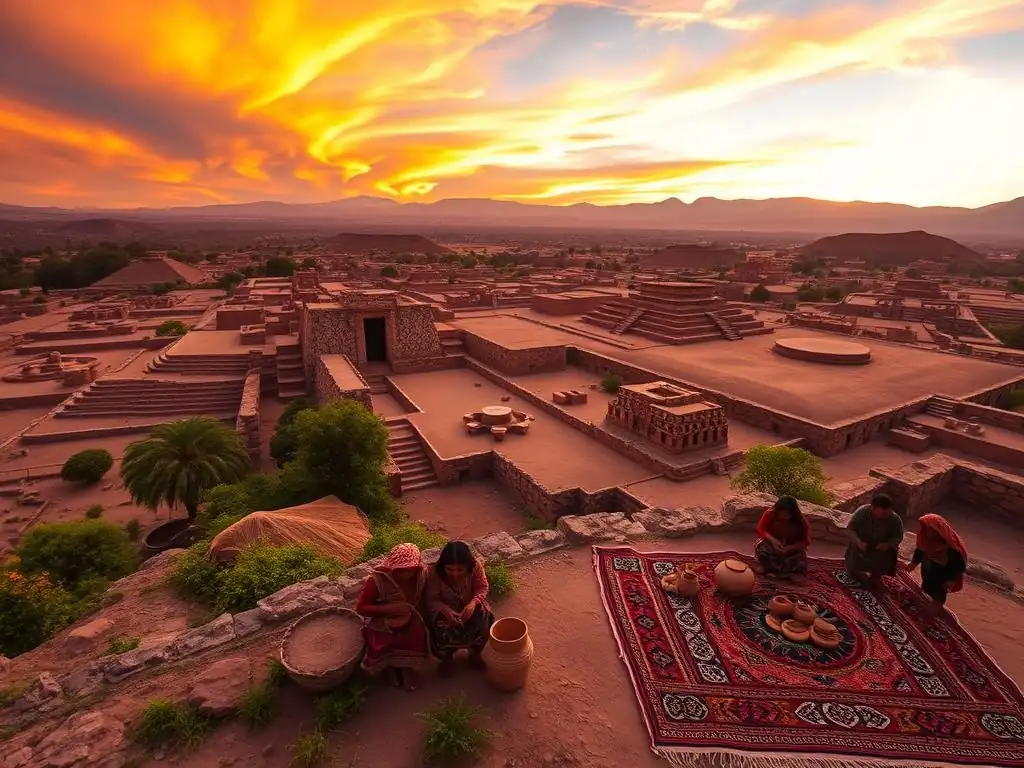
Welcome to Indigenous Civilizations of the Americas, where we invite you to journey into the rich tapestry of cultures that flourished across the continent long before European arrival. In this exploration, we shine a spotlight on the Moche civilization, renowned for its remarkable achievements and vibrant societal structures.
Our featured article, "The Legacy of the Moche Civilization PostConquest: Cultural Survivance and Adaptation," delves into the profound cultural legacy of the Moche, revealing how their traditions have persisted and adapted through time. Prepare to uncover the resilience and creativity of these ancient peoples, and let your curiosity guide you as you dig deeper into their captivating history.
Introduction to the Moche Civilization Cultural Legacy
The Moche civilization, known for its remarkable achievements in art, architecture, and agriculture, flourished along the northern coast of Peru from approximately 100 to 800 CE. This ancient society left an indelible mark on the cultural landscape of the Americas, characterized by intricate pottery, monumental adobe structures, and advanced irrigation systems. However, the arrival of European colonizers in the 16th century brought profound changes, leading to a complex interplay between cultural survivance and adaptation.
This article delves into the Moche civilization’s cultural legacy, exploring how their traditions persisted and evolved despite the challenges posed by conquest. By understanding this legacy, we gain valuable insights into the resilience of indigenous cultures and their ongoing influence in contemporary society.
Overview of Moche Civilization Before European Contact
Before European contact, the Moche civilization was a vibrant and sophisticated society with a rich cultural heritage. It was organized into complex political and social structures, often defined by powerful regional leaders and an intricate network of administrative centers. The Moche were skilled artisans, renowned for their exquisite pottery, metalwork, and textiles. Their ceramics often depicted scenes of daily life, mythology, and religious rituals, reflecting their deep connection to the natural world and the divine.
Key features of the Moche civilization included:
- Advanced Agricultural Practices: Utilizing a sophisticated irrigation system, the Moche cultivated crops such as maize, beans, and potatoes, which supported their population and economic stability.
- Architectural Marvels: The Moche are famous for their monumental constructions, such as the Huaca del Sol and Huaca de la Luna, large adobe pyramids that served religious and political functions.
- Rich Spiritual Life: Moche society was deeply spiritual, engaging in elaborate ceremonies that often involved offerings to deities, as evidenced by their intricate burial practices and artifacts.
This rich tapestry of life set the stage for the Moche civilization's eventual encounter with European powers, a pivotal moment in their history.
The Importance of Cultural Legacy in Indigenous Societies
Cultural legacy plays a crucial role in the identity and continuity of indigenous societies. It encompasses the traditions, beliefs, languages, artistic expressions, and practices passed down through generations. For the Moche civilization, this legacy is vital not only in understanding their historical context but also in recognizing its relevance in contemporary indigenous movements.
Several aspects highlight the importance of cultural legacy:
- Identity and Belonging: Cultural traditions provide a sense of belonging and identity to communities, fostering resilience against external pressures.
- Knowledge Preservation: Through oral traditions, art, and rituals, indigenous cultures preserve essential ecological knowledge and histories that inform their relationship with the land.
- Resistance and Adaptation: The survival of cultural practices in the face of colonization illustrates the capacity of indigenous societies to resist erasure and adapt to new realities while maintaining core elements of their identity.
The Impact of European Conquest on the Moche Civilization
The arrival of European colonizers marked a significant turning point for the Moche civilization, leading to dramatic shifts in their social, political, and cultural landscapes. The impact of European conquest was multifaceted, resulting in both immediate disruptions and long-term consequences that shaped the trajectory of Moche identity.
Changes in Social Structure PostConquest
Following the conquest, the social structures of the Moche civilization underwent significant transformations. The introduction of European governance and societal norms disrupted traditional hierarchies, leading to:
- Displacement of Leadership: The Spanish imposed new political systems that marginalized indigenous leaders, replacing them with colonial authorities.
- Social Stratification: The social dynamics shifted, often favoring Spanish settlers and undermining the established roles of Moche elites, which led to social unrest and resistance.
- Cultural Syncretism: While many aspects of Moche society were disrupted, the blending of Spanish and Moche practices resulted in new forms of cultural expression, evident in religious practices and artistic styles.
The Loss of Political Power and Its Effects on Moche Culture
The loss of political power significantly affected the Moche civilization's cultural integrity. As the Spanish sought to consolidate control, the Moche faced numerous challenges that altered their cultural landscape:
- Suppression of Traditions: Spanish colonization led to the suppression of traditional practices, rituals, and languages, as the colonizers sought to impose Christianity and European customs.
- Economic Exploitation: The Moche economy transformed under colonial rule, with many indigenous people forced into labor systems that prioritized Spanish agricultural and mining interests, undermining their traditional economic practices.
- Resilience and Adaptation: Despite these challenges, the Moche people demonstrated remarkable resilience, adopting and adapting elements of Spanish culture while striving to preserve their unique heritage.
The legacy of the Moche civilization is a testament to the enduring strength of indigenous cultures in the Americas. By examining the cultural survivance and adaptation of the Moche post-conquest, we can better appreciate the complexities of their history and the ongoing influence of their cultural legacy in contemporary society.
Cultural Survivance of the Moche Civilization
The Moche civilization, known for its intricate pottery, monumental architecture, and sophisticated irrigation systems, has left a significant cultural legacy that persisted even after European conquest. This cultural survivance is characterized by the ongoing practices, beliefs, and traditions that have adapted but remained integral to the identity of the descendants of the Moche people. The resilience of these communities is evident in their ability to navigate the challenges posed by colonial influences while maintaining a strong connection to their ancestral heritage.
Continuation of Traditional Practices in PostConquest Society
Despite the upheaval caused by Spanish colonization, many of the Moche's traditional practices continued to thrive in modified forms. Agricultural practices, such as the cultivation of maize and quinoa, remained central to daily life. Rituals and celebrations linked to agricultural cycles were adapted to include new elements introduced by European settlers while preserving core Moche customs. These adaptations allowed for a seamless integration of old and new, ensuring that Moche cultural practices persisted in the face of colonial pressures.
The Role of Oral Traditions in Preserving Moche Heritage
Oral traditions have played a vital role in preserving the cultural legacy of the Moche civilization. Storytelling, myths, and legends were passed down through generations, serving not only as a means of entertainment but also as a method of imparting knowledge about Moche history, values, and cosmology. Elders in Moche communities became custodians of these oral traditions, ensuring that the collective memory of their ancestors remained alive. This oral transmission has been crucial in reinforcing community identity and continuity, allowing modern Moche descendants to maintain a sense of belonging and pride in their heritage.
Adaptation of Moche Art and Craftsmanship in New Contexts
Moche art and craftsmanship underwent significant transformation post-conquest, yet many traditional techniques and motifs were preserved and adapted to fit new contexts. While the introduction of European styles and materials influenced Moche artisans, they often blended these with traditional practices. For example, pottery styles evolved to incorporate European themes while still reflecting Moche iconography. This fusion resulted in a unique artistic expression that maintained the essence of Moche culture while also appealing to new audiences, demonstrating the adaptability and resilience of Moche artisans.
Adaptation Strategies Employed by the Moche Communities
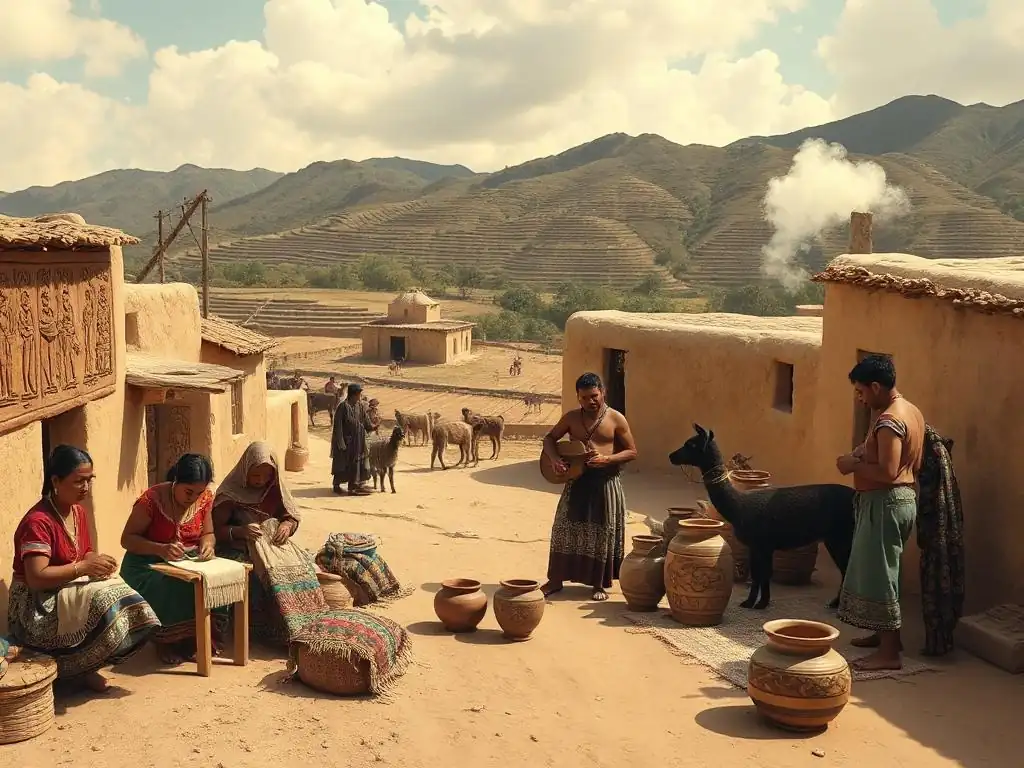
In response to the challenges posed by Spanish colonization, Moche communities employed various adaptation strategies that allowed them to survive and thrive. These strategies included syncretism, the adoption of new agricultural practices, and the evolution of language and communication methods. Each of these adaptations exemplified the ingenuity and resilience of the Moche people, showcasing their ability to integrate new elements while preserving their cultural identity.
Syncretism: Blending Indigenous and European Beliefs
One of the most notable strategies employed by Moche communities was syncretism, the blending of indigenous beliefs with European religious practices. This integration allowed Moche people to adopt elements of Christianity while retaining their traditional spiritual frameworks. Celebrations and rituals were often modified to incorporate Christian saints alongside Moche deities, fostering a unique spiritual landscape. This syncretic approach not only facilitated coexistence with colonial authorities but also reinforced the persistence of Moche cultural identity amidst changing circumstances.
Utilization of New Agricultural Techniques and Crops
The introduction of European agricultural techniques and crops provided Moche communities with new opportunities for sustenance and economic development. Moche farmers adopted European methods such as plowing and crop rotation, which improved yields and diversified their agricultural output. Additionally, crops like wheat and barley were integrated into traditional diets, creating a more varied food system. This adaptability not only enhanced food security but also allowed Moche farmers to incorporate new agricultural knowledge while maintaining their traditional farming practices.
The Evolution of Moche Language and Communication PostConquest
The Moche language, once a vibrant means of communication, faced significant challenges post-conquest due to the imposition of Spanish as the dominant language. However, Moche communities demonstrated resilience by incorporating Spanish vocabulary and structures into their language, creating a hybrid form of communication. This evolution allowed speakers to navigate both their indigenous identity and the colonial context, showcasing the adaptability of the Moche people in preserving their linguistic heritage. Efforts to revitalize and promote the Moche language continue today, reflecting a commitment to cultural survivance and identity.
The Moche Civilization Cultural Legacy in Modern Times
The Moche civilization, which flourished along the northern coast of Peru from approximately 100 to 800 AD, left a profound cultural legacy that continues to influence modern Peruvian society. Elements such as their advanced agricultural techniques, intricate pottery, and monumental architecture serve as testaments to their ingenuity. Today, the Moche’s artistic expressions and societal structures can be observed in various aspects of contemporary life, from tourism to local crafts, showcasing how their cultural legacy persists in the fabric of modern society.
The Moche civilization's contributions extend beyond mere artifacts; they represent a continuous thread of identity for many indigenous communities in Peru. By examining the various ways in which Moche cultural elements have been preserved and adapted, we can appreciate the resilience and creativity of the descendants of this remarkable civilization.
Influence on Contemporary Peruvian Identity
The legacy of the Moche civilization plays a crucial role in shaping contemporary Peruvian identity. Many Peruvians today take pride in the achievements of their Moche ancestors, which are often reflected in national symbols, festivals, and educational curricula. The vibrant motifs found in Moche pottery and textiles continue to inspire modern artisans who seek to keep these traditions alive.
Moreover, the Moche’s achievements in engineering and agriculture are celebrated as part of Peru’s rich historical narrative. The construction of extensive irrigation systems, for instance, has informed modern agricultural practices and water management strategies. This connection to Moche innovations underscores their lasting impact on Peru's cultural and historical landscape.
Revitalization Efforts of Moche Cultural Practices
In recent years, there has been a concerted effort to revitalize Moche cultural practices as part of broader initiatives to recognize and preserve indigenous heritage. Community-led programs aim to educate younger generations about Moche traditions, including their crafts, rituals, and agricultural techniques. Workshops and cultural festivals have become platforms for showcasing Moche art forms, such as ceramics and textiles, thereby encouraging participation and fostering a sense of pride among indigenous communities.
Additionally, collaborations between local artisans, scholars, and cultural institutions have led to the development of educational resources that highlight the significance of Moche culture. These efforts not only help to keep Moche traditions alive but also promote a greater appreciation of Peru’s diverse indigenous heritage among the wider public.
The Role of Archaeology in Understanding Moche Survivance
Archaeology plays a pivotal role in understanding the survivance of Moche culture in modern Peru. Excavations of Moche sites, such as the Huaca del Sol and Huaca de la Luna, have unearthed a wealth of artifacts that provide insight into their societal structure, religious practices, and daily life. These findings inform contemporary understanding of the Moche and allow for a more nuanced appreciation of their contributions to regional history.
Furthermore, the integration of archaeological findings with oral histories from indigenous communities has enriched our understanding of the Moche’s cultural legacy. This interdisciplinary approach fosters a more holistic view of how the Moche civilization has adapted and endured, revealing the dynamic interactions between past and present.
Conclusion: The Enduring Legacy of the Moche Civilization
The Moche civilization’s cultural legacy is a testament to their ingenuity and resilience, evident in the ways their traditions have persisted and evolved over time. From modern-day agricultural practices to artistic expressions, the Moche have left an indelible mark on Peruvian culture that continues to thrive.
Reflections on Moche Cultural Resilience
The resilience of Moche culture is reflected in the ongoing efforts to reclaim and celebrate their heritage. Many indigenous people in Peru view their connection to the Moche not just as a link to the past but as a foundation for their identity today. This cultural resilience demonstrates the ability of communities to adapt while maintaining ties to their ancestral roots, ensuring that the Moche legacy remains a vibrant part of Peru's cultural narrative.
Future Directions for Research on Moche Civilization Cultural Legacy
Future research on the Moche civilization's cultural legacy should focus on interdisciplinary approaches that combine archaeology, anthropology, and indigenous knowledge systems. By engaging with local communities and prioritizing their perspectives, researchers can uncover new dimensions of Moche survivance. Additionally, exploring the effects of globalization on Moche descendants will provide valuable insights into how they navigate their identity in a rapidly changing world. This holistic methodology will not only deepen our understanding of the Moche but also contribute to the preservation of their rich cultural heritage for future generations.
- Introduction to the Moche Civilization Cultural Legacy
- The Impact of European Conquest on the Moche Civilization
- Cultural Survivance of the Moche Civilization
- Adaptation Strategies Employed by the Moche Communities
- The Moche Civilization Cultural Legacy in Modern Times
- Conclusion: The Enduring Legacy of the Moche Civilization
Frequently Asked Questions
What is the Moche civilization known for?
The Moche civilization, which thrived in ancient Peru, is renowned for its advanced pottery, intricate metalwork, and impressive irrigation systems that supported their agriculture.
How did the Moche civilization influence modern cultures?
The Moche civilization's cultural legacy includes contributions to art, architecture, and agricultural techniques, many of which are still reflected in the practices and traditions of modern Andean societies.
What are some key achievements of the Moche civilization?
Notable achievements of the Moche civilization include their elaborate ceremonial centers, such as Huaca del Sol and Huaca de la Luna, and their sophisticated social organization that facilitated trade and cultural exchange.
How did the Moche adapt post-conquest?
After the conquest, Moche communities demonstrated cultural survivance by integrating Spanish influences while retaining key elements of their traditions, such as textiles and agricultural practices.
What role does the Moche civilization's cultural legacy play today?
Today, the Moche civilization's cultural legacy serves as a vital part of Peruvian identity, influencing contemporary art, folklore, and community practices that celebrate their rich heritage.
Final Reflection: Embracing the Moche Civilization's Cultural Legacy
The legacy of the Moche civilization is not merely a relic of the past; it is a vibrant thread woven into the fabric of contemporary culture. Today, as we navigate an increasingly globalized world, understanding the resilience and adaptability of the Moche people offers profound insights into how cultures can survive and thrive despite historical challenges. The Moche's ability to blend their ancient traditions with new influences serves as a powerful reminder of the enduring nature of cultural identity.
Cultural survivance is not just a concept; it is a lived experience that continues to shape communities today. The Moche civilization's legacy can be seen in the ongoing practices of their descendants, who honor their ancestors while embracing modernity. This dynamic interplay between tradition and change underscores the importance of cultural heritage in fostering community resilience. Cultural legacy is not a static monument; it is a living dialogue between the past and the present.
As we reflect on the lessons from the Moche civilization, let us consider how we can honor our own cultural legacies in our daily lives. I invite you to explore your heritage, engage with your community, and recognize the threads of history that connect us all. By doing so, we not only celebrate the past but also empower ourselves to shape a future that respects and nurtures the rich tapestry of human experience.
Unveil the Enduring Legacy of the Moche!
Thank you for joining us on this exploration of the Moche civilization's remarkable ability to adapt and thrive after conquest. Your interest highlights the resilience and rich cultural narrative that continues to shape indigenous identities today. Now, it’s your turn to actively engage with this legacy!
Here are a few impactful ways you can continue your journey:
- Dive Deeper into Moche history by visiting a local museum or cultural center that features indigenous artifacts and stories. Support the preservation of this rich heritage!
- Share Your Insights! Discuss what you learned with friends or through social media. Encourage others to appreciate the enduring influence of indigenous cultures.
- Get Involved in community-led initiatives that aim to celebrate and protect indigenous heritage. Your voice can make a difference!
As you reflect on the Moche civilization's vibrant legacy, consider this: How can we draw lessons from the Moche's adaptability to enhance our understanding of modern cultural identities?