
The Moche Civilization: A PreColumbian Society Encountering European Intrigue

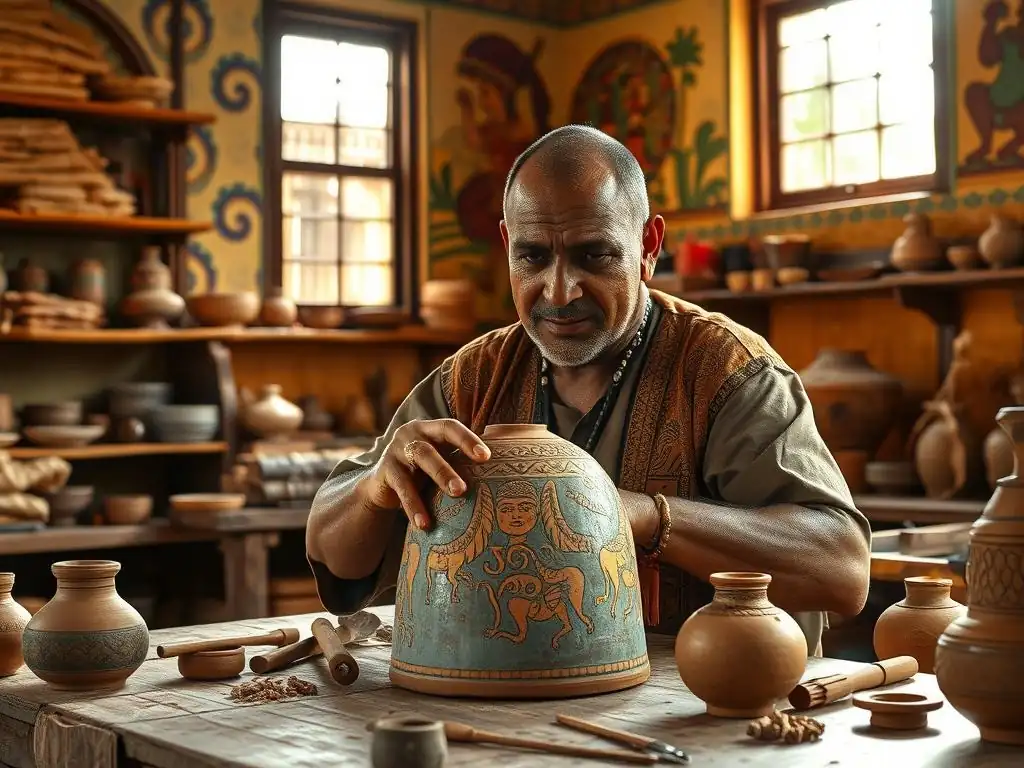
Welcome to Indigenous Civilizations of the Americas, where we invite you on an enlightening journey through the rich tapestry of indigenous cultures that flourished across the continent long before European contact. Here, you will uncover the extraordinary cultural achievements of the Moche civilization, a pre-Columbian society that not only crafted stunning artwork and intricate architecture but also navigated the complexities of societal life with remarkable sophistication. What secrets lie behind their impressive legacy? Dive deeper into the vibrant world of the Moche and discover how their innovations continue to resonate today. Your exploration starts now!
Introduction to the Moche Civilization
The Moche civilization, a remarkable pre-Columbian society, flourished along the northern coast of present-day Peru from approximately 100 CE to 800 CE. Known for their advanced agricultural techniques, intricate pottery, and monumental architecture, the Moche left a lasting legacy that continues to captivate historians and archaeologists alike.
This article delves into the cultural achievements of the Moche civilization, illuminating their innovations and societal structures, while also examining the interactions they had with European explorers and conquerors. By understanding the Moche's accomplishments and the historical context of their civilization, we can gain invaluable insights into the complexities of indigenous societies prior to European contact.
Overview of the Moche Civilization
The Moche civilization is characterized by its sophisticated social hierarchy and rich cultural tapestry. This society was organized into various city-states, each ruled by a lord who wielded significant power. The Moche people were adept at irrigation, allowing them to cultivate a range of crops, including maize, beans, and cotton, which were essential for their sustenance and trade.
Their artistic expressions, particularly in ceramics and textiles, were not merely functional but also served as a medium for storytelling and religious expression. The Moche are renowned for their highly detailed pottery that often depicted scenes of daily life, mythology, and ritual practices. These artifacts provide a window into the beliefs and values of the Moche people.
Significance of Moche Cultural Achievements
The cultural achievements of the Moche civilization are significant for several reasons:
- Artistry and Craftsmanship: Moche pottery and metalwork are considered some of the finest examples of pre-Columbian art. Their ability to create lifelike representations of human figures and animals showcases their artistic skills.
- Architecture: The Moche constructed impressive pyramids, such as the Huaca del Sol and Huaca de la Luna, which served as ceremonial centers and burial sites. These structures reflect their architectural ingenuity and religious significance.
- Agricultural Innovation: The Moche developed extensive irrigation systems that transformed arid landscapes into fertile agricultural land, demonstrating their understanding of environmental management and sustainability.
These achievements not only highlight the Moche's cultural richness but also their ability to adapt and thrive in a challenging environment.
Historical Context of the Moche Civilization
Understanding the historical context of the Moche civilization is crucial for appreciating their cultural achievements and the eventual impact of European contact.
Geographical Location and Environment
The Moche civilization thrived in a coastal region characterized by a stark contrast between arid deserts and fertile river valleys. The Moche Valley, with its rivers fed by Andean glaciers, provided the necessary water for agriculture. This unique environment shaped their agricultural practices and contributed to their economic stability.
- Coastal Influence: The proximity to the Pacific Ocean allowed for fishing and trade, enabling the Moche to establish connections with other cultures.
- Natural Resources: The region was rich in resources, including metals such as gold and silver, which were essential for their craftsmanship and trade networks.
Timeline of the Moche Civilization's Development
The Moche civilization's development can be traced through several key phases:
- Early Development (100 CE - 300 CE): Initial agricultural practices and the formation of social structures.
- Cultural Flourishing (300 CE - 600 CE): Peak of artistic and architectural achievements, marked by the construction of monumental structures and the production of exquisite pottery.
- Decline and Contact (600 CE - 800 CE): Internal strife and environmental challenges led to a gradual decline, coinciding with the arrival of European explorers, which would further alter the course of Moche history.
Understanding this timeline provides insight into the resilience and adaptability of the Moche civilization, as well as the profound changes that would come with European contact.
Cultural Achievements of the Moche Civilization
The Moche civilization, flourishing from approximately 100 to 800 CE in what is now northern Peru, is renowned for its impressive cultural achievements that reflect their sophisticated society. These achievements span various domains, including art, architecture, agriculture, and textiles, showcasing the ingenuity and creativity of the Moche people. Their contributions not only highlight their advancements but also set a foundation for understanding the complexities of pre-Columbian cultures in the Americas.
Art and Pottery: Masterpieces of Moche Society
Moche art is distinguished by its remarkable pottery, characterized by intricate designs and a wide array of forms, including utilitarian vessels, ceremonial objects, and figurative art. The Moche artisans were adept at creating stirrup-spout bottles, which served both functional and aesthetic purposes. Many of these bottles depicted various aspects of Moche life, including scenes of ritual, agriculture, and daily activities.
The use of polychrome techniques allowed Moche pottery to feature vibrant colors and detailed relief work, illustrating animals, mythological figures, and human forms. One of the most famous examples is the “Lord of Sipán” pottery, which showcases elite figures adorned in elaborate attire. This pottery not only served as a reflection of their artistic skills but also played a role in their religious and social practices, indicating status and beliefs.
Architecture: Iconic Structures and Their Functions
The architectural achievements of the Moche civilization are exemplified by monumental structures such as the Huacas—large ceremonial platforms or pyramids built primarily from adobe bricks. The two major Huacas, Huaca del Sol and Huaca de la Luna, served as both religious centers and burial sites for elite individuals.
These structures were not only impressive in scale but also in their construction techniques, which involved layering bricks and incorporating drainage systems to withstand the region's climatic conditions. The murals found on the walls of the Huaca de la Luna are particularly significant, depicting deities and ceremonial scenes that provide insight into Moche religion and cosmology. The architectural prowess of the Moche highlights their organizational skills and the importance they placed on ceremonial and communal activities.
Agricultural Innovations: Techniques and Impact
Agriculture was a cornerstone of Moche society, and their innovative techniques allowed them to thrive in the arid coastal environment of Peru. The Moche developed an extensive irrigation system, utilizing canals and aqueducts to channel water from rivers to their fields. This mastery of water management enabled them to cultivate a variety of crops, including maize, beans, and potatoes, supporting a growing population.
Additionally, the Moche practiced crop rotation and terracing, which enhanced soil fertility and maximized agricultural yield. These practices not only sustained their communities but also contributed to the Moche economy, allowing them to engage in trade with neighboring cultures. The agricultural innovations of the Moche civilization were crucial for their survival and laid the groundwork for future agricultural practices in the region.
Textile Production: Craftsmanship and Cultural Significance
Textile production in the Moche civilization was a highly developed craft, with textiles serving both practical and symbolic roles in their society. The Moche were skilled weavers, utilizing cotton and wool from domesticated animals to create elaborate garments, ceremonial attire, and decorative textiles. The patterns and colors in Moche textiles often held cultural significance, conveying messages of status, identity, and spirituality.
Textiles were not only used for clothing but also played a role in rituals and offerings, showcasing their importance in Moche religious practices. The detailed imagery woven into these textiles often depicted scenes of mythology, daily life, and flora and fauna, providing a rich narrative of Moche culture. As a result, Moche textiles are considered masterpieces that reflect their artistic sensibilities and social values.
The Encounter with European Intrigue
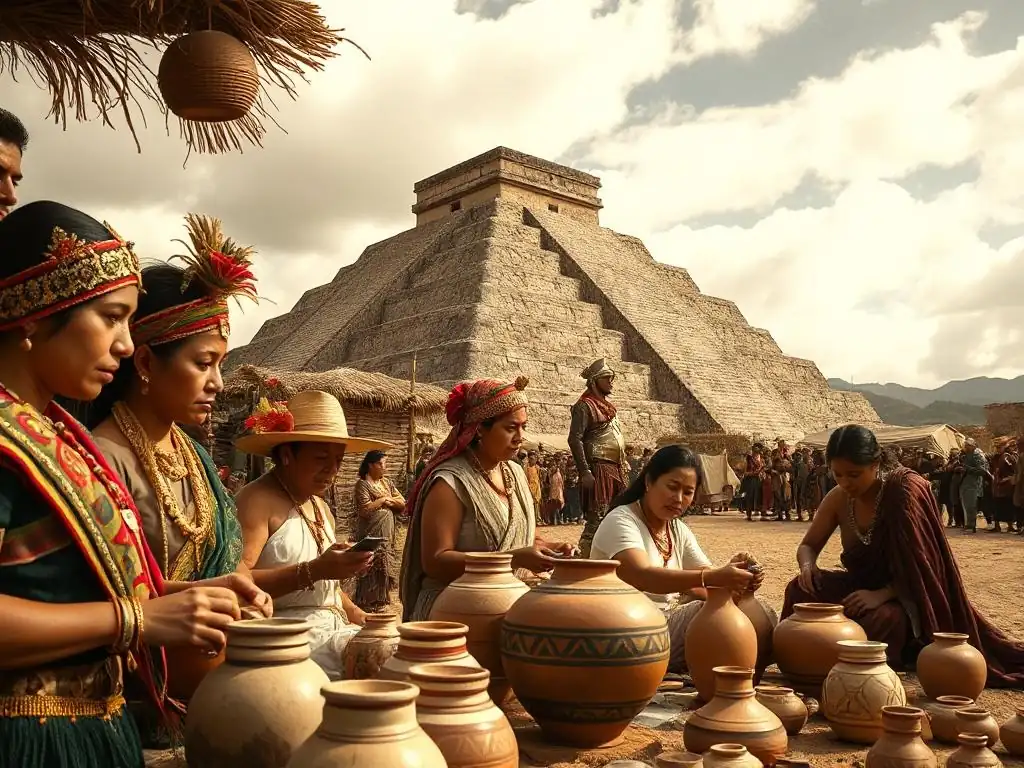
The interaction between the Moche civilization and European explorers marked a significant turning point in their history, characterized by initial contacts, subsequent impacts, and the Moche's resilience in the face of change. These encounters reveal the complexities of cultural exchange and the challenges faced by indigenous societies during the age of exploration.
Initial Contacts: The Arrival of Europeans
The first significant European contact with the Moche civilization can be traced back to the early 16th century, when Spanish conquistadors, driven by ambitions of wealth and power, arrived in the region. The arrival of Francisco Pizarro and his expedition in the early 1530s marked a critical juncture for the Moche. Initially, these encounters were marked by curiosity and intrigue, as Moche leaders engaged with the Spanish, showcasing their wealth and culture.
However, the dynamics quickly shifted as the Spanish sought to exploit the resources of the land and subjugate its people. The Moche, who were accustomed to interactions with neighboring cultures, found themselves facing a foreign force with different intentions, leading to a complex interplay of cooperation and conflict.
Impact of European Intrigue on Moche Society
The intrusion of European powers had profound effects on Moche society. The Spanish introduced new diseases, such as smallpox, which decimated indigenous populations who had no immunity. This loss of life disrupted Moche social structures, weakening their communities and diminishing their ability to resist foreign domination.
Moreover, the Spanish imposed their own systems of governance and forced labor, disrupting traditional Moche practices and livelihoods. The quest for gold and silver led to heavy exploitation of the local populace, as the Moche were compelled to work in mines and agricultural plantations under harsh conditions. This economic exploitation fundamentally altered the Moche way of life and further marginalized their cultural practices.
Resistance and Adaptation: Moche Responses to European Influence
Despite the overwhelming challenges posed by European contact, the Moche civilization exhibited remarkable resilience and adaptability. Some Moche leaders attempted to negotiate and forge alliances with the Spanish, leveraging their strategic position to mitigate the impacts of colonization. In some cases, Moche communities integrated aspects of Spanish culture, such as adopting new agricultural techniques or trade practices.
However, resistance also emerged, as groups within Moche society sought to reclaim autonomy and protect their cultural heritage. This resistance manifested in various forms, from armed confrontations to subtle acts of defiance, highlighting the complexities of indigenous responses to European encroachment. The legacy of the Moche civilization is thus marked not only by their cultural achievements but also by their enduring spirit in the face of dramatic change and adversity.
Legacy of the Moche Civilization
The Moche civilization, flourishing from approximately 100 to 800 CE along the northern coast of present-day Peru, is renowned for its advanced engineering, artistry, and societal organization. The legacy of the Moche is profound, particularly in their architectural innovations and intricate pottery that continue to inspire admiration today. Their monumental constructions, including the Huaca del Sol and Huaca de la Luna, serve as testaments to their sophisticated understanding of construction techniques and agricultural irrigation systems. Moreover, the Moche's complex social hierarchy and vibrant religious practices highlight their cultural richness and resilience, leaving an indelible mark on subsequent Andean civilizations.
Lasting Impact on Indigenous Cultures
The cultural achievements of the Moche civilization significantly influenced later indigenous cultures across the Andes region. The artistic styles and techniques developed by the Moche, particularly in ceramics and textiles, were adopted and adapted by subsequent civilizations, such as the Nazca and the Inca. These cultures integrated Moche motifs and iconography into their own artistic expressions, ensuring that Moche aesthetics endured through time.
Furthermore, the Moche's agricultural practices, including advanced irrigation techniques, laid the groundwork for sustainable farming methods utilized by later Andean societies. This legacy of innovation contributed to the resilience and adaptability of indigenous cultures in the face of changing environmental and social conditions.
Preservation of Moche Heritage in Modern Times
In contemporary Peru, efforts to preserve and promote the heritage of the Moche civilization are increasingly important. Archaeological sites, museums, and cultural initiatives play a crucial role in educating both locals and visitors about Moche history and achievements. Local communities are often engaged in preserving traditional practices and rituals that echo Moche heritage, fostering a sense of pride and identity.
Additionally, academic research and public awareness campaigns help to highlight the significance of Moche contributions to the broader narrative of indigenous cultures in the Americas. Through these efforts, the rich legacy of the Moche civilization continues to thrive, connecting past and present.
Conclusion: The Moche Civilization in the Context of European Contact
As European powers began to explore and colonize the Americas, the Moche civilization's legacy took on a new dimension. The arrival of Spanish conquistadors brought significant challenges and disruptions to indigenous societies, including the Moche. However, the cultural achievements of the Moche remain a vital part of the historical tapestry of the Americas, illustrating the resilience of indigenous cultures in the face of external pressures.
Reflection on Moche Cultural Achievements and Their Importance
The cultural achievements of the Moche civilization are not merely relics of the past; they are essential components of the identity of modern indigenous peoples. Moche pottery, with its intricate designs and depictions of daily life, provides invaluable insights into their society, beliefs, and practices. These artistic expressions continue to inspire contemporary artists and scholars alike, serving as a bridge between ancient traditions and modern interpretations. Recognizing the importance of these achievements allows for a deeper understanding of the complexities of indigenous histories and their contributions to global heritage.
Final Thoughts on the Intersection of Indigenous and European Histories
The intersection of indigenous and European histories during the period of contact is a poignant reminder of the resilience of cultures like the Moche. While European colonization sought to impose new systems and beliefs, the legacy of the Moche civilization persisted, influencing future generations and shaping the cultural landscape of the Americas.
It is crucial to acknowledge this intersection, as it fosters a more nuanced understanding of historical narratives and celebrates the enduring spirit of indigenous cultures in the context of a rapidly changing world. Through this lens, the Moche civilization stands as a powerful symbol of cultural achievement and resilience amidst the tumult of European contact.
- Introduction to the Moche Civilization
- Historical Context of the Moche Civilization
- Cultural Achievements of the Moche Civilization
- The Encounter with European Intrigue
- Legacy of the Moche Civilization
- Conclusion: The Moche Civilization in the Context of European Contact
- What are the key cultural achievements of the Moche civilization?
- How did the Moche civilization influence other cultures?
- What role did the Moche civilization play in the trade networks of ancient Peru?
- How did the arrival of Europeans affect the Moche civilization?
- What can we learn from the Moche civilization today?
Frequently Asked Questions
What are the key cultural achievements of the Moche civilization?
The Moche civilization is renowned for its advanced pottery, intricate metalwork, and impressive architectural feats, including the construction of large ceremonial complexes.
How did the Moche civilization influence other cultures?
The Moche had a significant impact on subsequent Andean societies through their artistic styles, agricultural innovations, and religious practices, which were adopted and adapted by later cultures.
What role did the Moche civilization play in the trade networks of ancient Peru?
The Moche were integral to the trade networks of their time, exchanging goods such as textiles, ceramics, and foodstuffs, which helped them establish political and economic ties with neighboring regions.
How did the arrival of Europeans affect the Moche civilization?
The arrival of Europeans led to drastic changes, including the decline of the Moche due to disease, warfare, and the disruption of their established societal structures.
What can we learn from the Moche civilization today?
Studying the Moche civilization provides valuable insights into sustainable practices, artistic expression, and the complexity of pre-Columbian societies, which can inform modern approaches to cultural preservation.
Final Reflection: The Enduring Legacy of the Moche Civilization
The cultural achievements of the Moche civilization resonate powerfully in today's world, reminding us of the rich tapestry of human history that shapes our present. As we navigate a global landscape increasingly influenced by diverse cultures, understanding the complexities of societies like the Moche offers invaluable insights into resilience, innovation, and the intricate relationships between civilizations. The Moche, with their remarkable artistry and engineering feats, stand as a testament to the creativity and adaptability of human beings in the face of external challenges.
The Moche civilization's influence extends beyond mere historical curiosity; it serves as a lens through which we can examine contemporary cultural dynamics. Their sophisticated irrigation systems and intricate pottery not only highlight their ingenuity but also inspire modern discussions on sustainability and artistic expression. As historian John H. Rowe once said, The past is not dead; it is not even past.
This sentiment underscores the importance of recognizing how the legacies of ancient societies like the Moche continue to inform our understanding of identity, creativity, and community in today's world.
As you reflect on the Moche civilization's cultural achievements, consider how their story can inspire your own journey. Embrace the lessons of resilience and creativity that the Moche exemplified, and let them guide you in your personal and professional endeavors.
The past holds a wealth of knowledge that can empower us to forge a brighter future, reminding us that every culture, no matter how distant in time or geography, contributes to the rich mosaic of human experience. Take a moment to ponder how you can incorporate the spirit of innovation and cultural appreciation into your life, ensuring that the legacy of the Moche and other civilizations continues to thrive in our collective consciousness.
Unveil the Legacy of the Moche Civilization!
Thank you for diving into the fascinating world of the Moche civilization! You’ve explored their rich history and the intriguing encounters with European powers. Now, let's take your newfound knowledge a step further and engage with this captivating theme.
Here’s how you can further immerse yourself in the legacy of the Moche and other Indigenous cultures:
- Explore local museums or exhibits showcasing artifacts from pre-Columbian civilizations and learn more about their profound impact on history.
- Join a community discussion or forum focused on Indigenous histories to share your insights and discover diverse perspectives.
- Consider visiting archaeological sites to experience the rich heritage of the Moche firsthand.
What aspect of the Moche civilization intrigues you the most, and how do you plan to delve deeper into their history? Let's continue the conversation!