
The Moche Civilization: Unearthing the Origins of a Forgotten Empire

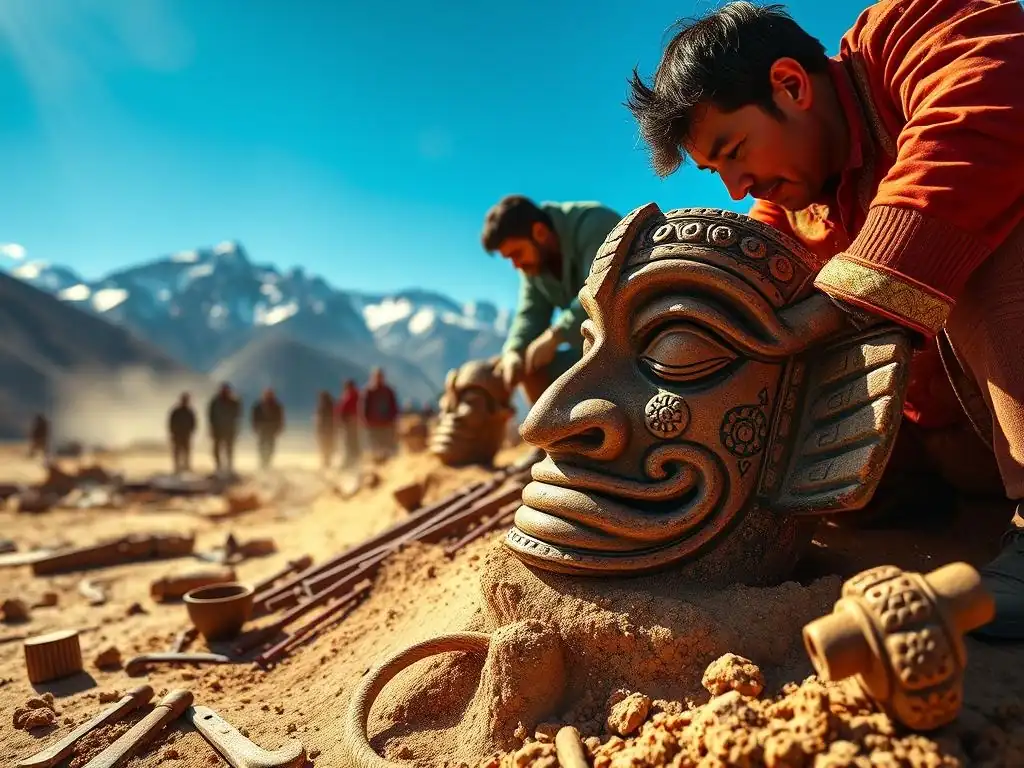
Welcome to Indigenous Civilizations of the Americas, where we invite you to embark on an enlightening journey through the rich tapestry of indigenous cultures that flourished across the Americas long before European contact. Our featured article, "The Moche Civilization: Unearthing the Origins of a Forgotten Empire," delves into the Moche civilization history and achievements, revealing the remarkable innovations and societal structures of this intriguing society.
Prepare to uncover the legacies of the Moche, as we explore their artistry, engineering, and the mysteries that still captivate historians today. Join us as we peel back the layers of time and spark your curiosity about the vibrant civilizations that shaped our world.
Introduction to the Moche Civilization
The Moche civilization, a remarkable yet often overshadowed culture of ancient Peru, flourished between approximately 100 and 800 AD along the northern coast of what is now Peru. This civilization is renowned for its advanced agricultural practices, sophisticated pottery, and monumental architecture, which reflect a society rich in artistic expression and technological innovation. The Moche people are celebrated for their intricate and vibrant ceramics, intricate metalwork, and elaborate irrigation systems that enabled them to thrive in the arid coastal environment.
Exploring the Moche civilization history and achievements not only sheds light on the complexities of their society but also highlights the profound influence they had on subsequent cultures in the region. As we delve deeper into the Moche, we uncover a tapestry of achievements that speak to their ingenuity and resilience. Understanding the Moche’s legacy is essential for appreciating the broader narrative of indigenous civilizations in the Americas, serving as a testament to the diverse and rich histories that predate European contact.
Overview of Moche Civilization History and Achievements
The Moche civilization is characterized by its remarkable achievements in various domains, including agriculture, art, and architecture. They developed advanced irrigation techniques that transformed the arid landscape into fertile farmland, allowing for the cultivation of diverse crops such as maize, beans, and potatoes. This agricultural prowess supported a complex society with a stratified social structure, evident in the monumental ceremonial centers that dotted their landscape.
Art and craftsmanship flourished in Moche society, particularly in pottery and metallurgy. Moche artisans created stunning pottery adorned with intricate designs and lifelike representations of human and animal figures. Their metalwork, often utilizing gold and silver, produced exquisite jewelry and ceremonial items that showcased their technological skills and artistic sensibilities.
The Moche were also known for their impressive architectural feats, including the construction of large adobe pyramids, such as the Huaca del Sol and Huaca de la Luna. These structures served not only as religious centers but also as symbols of political power, reflecting the social hierarchy within Moche society.
Importance of Studying Indigenous Civilizations
Studying indigenous civilizations like the Moche is crucial for several reasons. Firstly, it enriches our understanding of human history by revealing the diverse ways societies have adapted to their environments and organized themselves socially and politically. Secondly, examining these cultures fosters a greater appreciation for the contributions of indigenous peoples to global heritage, challenging the often Eurocentric narratives that dominate historical discourse.
Understanding the Moche and other indigenous civilizations also provides valuable insights into contemporary issues, such as cultural preservation and the impacts of colonialism. By recognizing the achievements and struggles of these civilizations, we can better support the rights and identities of indigenous communities today.
Historical Context of the Moche Civilization
Geographical Location of the Moche Empire
The Moche civilization thrived in a distinct geographical area characterized by its coastal plains, river valleys, and the foothills of the Andes Mountains. The civilization primarily occupied the valleys of the Moche and Chicama rivers, which provided essential water resources for agriculture. The Moche's strategic location allowed them to engage in trade with neighboring cultures, contributing to their economic prosperity and cultural exchange.
The coastal environment also influenced their lifestyle, as they relied on both agriculture and fishing to sustain their communities. This duality is reflected in their art, which often depicted marine life and agricultural themes, showcasing their deep connection to the land and sea.
Timeline of Key Events in Moche Civilization History
- 100 AD: Emergence of the Moche civilization, marked by the establishment of agricultural practices and social organization.
- 300 AD: Peak of artistic production, particularly in pottery and metalwork, with the development of distinctive Moche styles.
- 400-600 AD: Construction of monumental architecture, including the Huaca del Sol and Huaca de la Luna, serving as centers of religious and political power.
- 700 AD: Expansion of trade networks, facilitating the exchange of goods and cultural practices with neighboring civilizations.
- 800 AD: Decline of the Moche civilization, attributed to a combination of ecological factors, internal strife, and possible invasions.
Understanding this timeline provides a framework for exploring the complexities of Moche society, their achievements, and the factors that led to their eventual decline. As we continue to unearth the history of the Moche civilization, we gain invaluable insights into the resilience and ingenuity of indigenous cultures in the Americas.
Cultural Achievements of the Moche Civilization
The Moche civilization, thriving in the northern coastal regions of present-day Peru from approximately 100 to 800 CE, is renowned for its rich cultural achievements that reflect their advanced societal structure and intricate belief systems. Their contributions to architecture, art, and religion not only highlight their creativity and skill but also provide insight into their daily lives and social organization. The Moche were particularly known for their monumental constructions, exquisite artistic expressions, and complex religious practices that played a central role in their society.
Architectural Marvels: Temples and Pyramids
One of the most striking features of Moche civilization is its impressive architectural achievements, particularly the construction of ceremonial pyramids and temples. The Huaca del Sol and Huaca de la Luna are two of the most significant structures, showcasing the Moche's advanced engineering and organizational skills.
- Huaca del Sol: This massive adobe structure is one of the largest pyramids in the Americas. Built from millions of mud bricks, it served as a ceremonial center and was likely associated with agricultural rituals.
- Huaca de la Luna: Located adjacent to Huaca del Sol, this pyramid is adorned with intricate murals depicting Moche deities and mythological themes. It functioned as a religious site where rituals and sacrifices were conducted.
The construction techniques employed by the Moche, including the use of sun-dried bricks and layered construction methods, demonstrate their understanding of architectural resilience and aesthetic design. These structures were not only practical but also symbolized the power and religious devotion of the Moche elite.
Artistic Expressions: Pottery, Textiles, and Metalwork
The Moche civilization is celebrated for its remarkable artistic expressions, particularly in pottery, textiles, and metalwork. Their artisans produced intricately designed ceramics that often featured realistic human and animal figures, reflecting the Moche's connection to their environment and mythology.
- Pottery: Moche pottery is distinguished by its polychrome decoration and innovative forms, including stirrup-spouted vessels. These pieces often depicted scenes of daily life, rituals, and supernatural beings, providing a glimpse into their cultural values and beliefs.
- Textiles: The Moche were skilled weavers, creating elaborate textiles using cotton and wool. Their vibrant patterns and colors highlighted their artistic expertise and served as indicators of social status and identity.
- Metalwork: Moche artisans excelled in metallurgy, producing intricate gold and silver ornaments, tools, and ceremonial items. The use of alloy techniques allowed them to create sophisticated designs, showcasing their technological advancements.
These artistic accomplishments not only served practical purposes but also played a crucial role in religious and social contexts, reinforcing the Moche's identity and status within their society.
The Role of Religion in Moche Society
Religion was a fundamental aspect of Moche civilization, deeply embedded in their daily lives and societal structure. The Moche believed in a pantheon of gods associated with natural elements, agriculture, and fertility, which influenced their rituals and practices.
- Rituals and Sacrifice: The Moche conducted elaborate ceremonies to appease their deities, which often included offerings and human sacrifices. Evidence suggests that these rituals were vital for ensuring agricultural fertility and societal stability.
- Religious Leaders: The priests and religious leaders held significant power in Moche society, acting as intermediaries between the gods and the people. Their influence extended to political matters, as they were often involved in governance and decision-making processes.
- Art and Religion: Many artistic works, particularly pottery and murals, depicted religious themes and narratives, illustrating the Moche's reverence for their gods and the importance of spiritual beliefs in their culture.
The Moche's religious practices not only shaped their individual identities but also fostered a sense of community and continuity within their civilization.
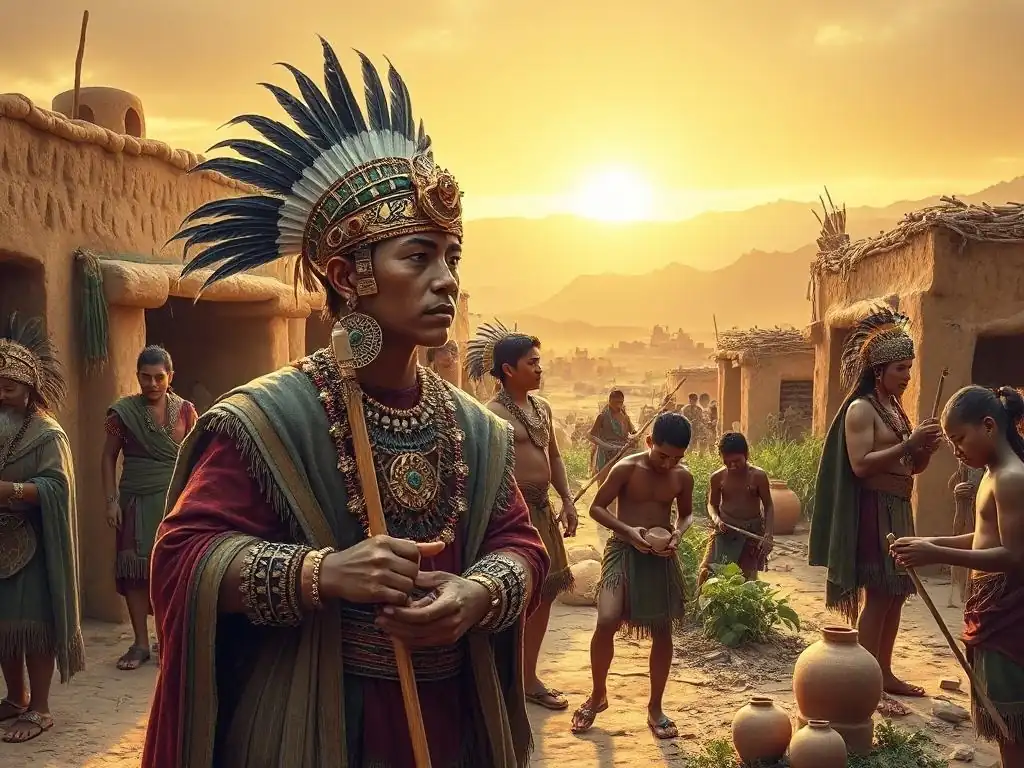
The social structure of the Moche civilization was complex and hierarchical, characterized by distinct classes that played specific roles within their society. This organization facilitated the functioning of their political, economic, and religious systems, allowing for the development of a sophisticated culture.
Hierarchical Organization: Rulers and Nobility
At the top of the Moche social hierarchy were the rulers and nobility, who wielded considerable power and influence over their subjects.
- The Ruler: Often viewed as a divine figure, the ruler was believed to be chosen by the gods and responsible for maintaining order and prosperity within the civilization. This individual had ultimate authority over political, military, and religious matters.
- Nobility: Below the ruler were the elite class members, including nobles and high-ranking priests. They played crucial roles in governance, land ownership, and the administration of resources. The nobility often engaged in elaborate displays of wealth and power, reinforcing their status within society.
This hierarchical organization allowed for centralized control and facilitated the Moche's ability to mobilize resources for monumental construction projects and military endeavors.
Daily Life of Common People in the Moche Empire
While the elite enjoyed privileges, the daily lives of common people in the Moche civilization were centered around agriculture, craftsmanship, and community activities.
- Agriculture: The majority of the Moche population were farmers, cultivating crops such as maize, beans, and potatoes. They utilized advanced irrigation techniques to maximize agricultural productivity, which was essential for sustaining their society.
- Craftsmanship: Many commoners were skilled artisans, producing pottery, textiles, and tools for both local use and trade. These crafts were integral to their economy and cultural expression.
- Community Life: Social gatherings, festivals, and communal work were vital aspects of daily life. These activities fostered social cohesion and allowed for the exchange of ideas and resources among community members.
Despite their lower status, common people played a critical role in maintaining the Moche civilization and contributing to its cultural richness.
Gender Roles and Family Structure in Moche Society
Gender roles in Moche society were distinct yet complementary, with specific responsibilities assigned to men and women.
- Men: Typically, men were responsible for farming, fishing, and engaging in trade. They often held positions of authority within the community and were involved in decision-making processes.
- Women: Women primarily focused on domestic duties, including child-rearing, cooking, and textile production. However, they also participated in agricultural work and held significant influence within family and community structures.
- Family Structure: The family unit was central to Moche society, with extended families often living together. Kinship ties were essential for social support, resource sharing, and maintaining cultural traditions.
This duality of gender roles and the importance of family dynamics contributed to the overall stability and continuity of the Moche civilization, highlighting the interdependence of men and women in their society.
Economic Practices of the Moche Civilization
The economic practices of the Moche civilization were intricate and multifaceted, reflecting their sophisticated understanding of agriculture, trade, and craftsmanship. The Moche people, who thrived in the northern coast of present-day Peru from approximately 100 to 800 CE, developed a complex economy that was primarily agrarian but also encompassed extensive trade networks and remarkable craftsmanship, particularly in ceramics.
Their economy was characterized by a strong reliance on irrigation, innovative agricultural techniques, and a network of trade that connected them to various neighboring cultures. This allowed the Moche to not only sustain their population but also to foster cultural exchanges that enriched their society and contributed to their achievements.
Agricultural Innovations: Irrigation and Crop Cultivation
Agricultural innovation was at the heart of the Moche economic system. They developed advanced irrigation systems that enabled them to cultivate crops in the arid coastal desert of Peru. These systems included:
- Canals and Reservoirs: The Moche constructed extensive canal networks that diverted water from rivers to their fields, allowing for the irrigation of crops such as maize, beans, and sweet potatoes.
- Terracing: They also built terraces on the hillsides, optimizing land use and reducing soil erosion, which helped sustain agricultural productivity over generations.
The ability to produce surplus food not only supported a growing population but also allowed for specialization in other crafts and trades, further enhancing their economy.
Trade Networks and Economic Interactions with Neighboring Cultures
The Moche civilization established extensive trade networks that connected them to various regions throughout the Andes and the coastal areas. They traded a range of goods, including:
- Textiles: The Moche were known for their intricate textiles, which were highly valued and exchanged with neighboring cultures.
- Metals: They also traded in precious metals such as gold and silver, used in jewelry and ceremonial items.
- Crafted Goods: Pottery, tools, and other crafted goods were exchanged for resources that were not locally available, such as tropical fruits and marine products.
These economic interactions not only facilitated the exchange of goods but also ideas and cultural practices, leading to a rich tapestry of shared influences among the civilizations of ancient Peru.
The Importance of Ceramics in Moche Economy
Ceramics played a crucial role in the Moche economy, serving both practical and symbolic purposes. The Moche are renowned for their distinctive pottery, which was characterized by:
- Functional Use: Moche ceramics were used for cooking, storage, and serving food and beverages, showcasing their advanced techniques in shaping and firing clay.
- Artistic Expression: They crafted elaborate ceremonial vessels, often adorned with intricate designs and figurative representations of deities, animals, and daily life, which were not only functional but also served as status symbols and religious offerings.
The production of these ceramics was a significant economic activity, providing jobs and fostering skilled craftsmanship within Moche society. The art of pottery also reflected the cultural identity of the Moche, making it an essential component of their legacy.
Decline of the Moche Civilization
The decline of the Moche civilization is a complex phenomenon influenced by various factors, including environmental changes, social upheaval, and economic challenges. By the end of the 8th century CE, the once-thriving Moche culture began to wane, leading to its eventual collapse.
Factors Leading to the Fall of the Moche Empire
Several key factors contributed to the decline of the Moche civilization:
- Internal Conflict: Evidence suggests that social stratification and possible political strife may have led to internal conflicts, weakening the unity of the Moche state.
- Resource Depletion: Over-reliance on intensive agriculture and irrigation could have led to soil degradation and depletion of local resources, impacting food production and economic stability.
- Cultural Shifts: The rise of neighboring cultures and shifts in trade routes may have diminished the Moche's influence and economic power, leading to their eventual decline.
These factors combined to create a perfect storm that undermined the stability of the Moche civilization.
The Impact of Climate Change on Moche Society
Climate change played a pivotal role in the decline of the Moche civilization. Archaeological evidence indicates that the region experienced significant fluctuations in climate, particularly in the form of prolonged droughts and irregular rainfall patterns. These changes had a profound impact on:
- Agricultural Output: Drought conditions likely reduced crop yields, leading to food shortages and increased competition for resources.
- Water Supply: The reliance on irrigation systems meant that any disruptions in water availability could severely affect agricultural productivity, exacerbating societal stress.
The combination of these environmental pressures likely led to increased mortality rates and social unrest, contributing to the Moche civilization's decline.
Legacy of the Moche Civilization in Later Cultures
Despite its decline, the legacy of the Moche civilization has endured and influenced later cultures in the region. The Moche's advancements in irrigation, agriculture, and craftsmanship left a lasting mark on subsequent Andean societies. Their achievements can be observed in:
- Cultural Practices: Elements of Moche art, religion, and social organization were adapted and incorporated by later civilizations, such as the Nazca and the Inca.
- Technological Innovations: The irrigation techniques and agricultural practices developed by the Moche were built upon by later societies, contributing to the agricultural development of the Andes.
Today, the Moche civilization is celebrated for its rich cultural heritage, and its contributions continue to be studied and admired for their complexity and sophistication.
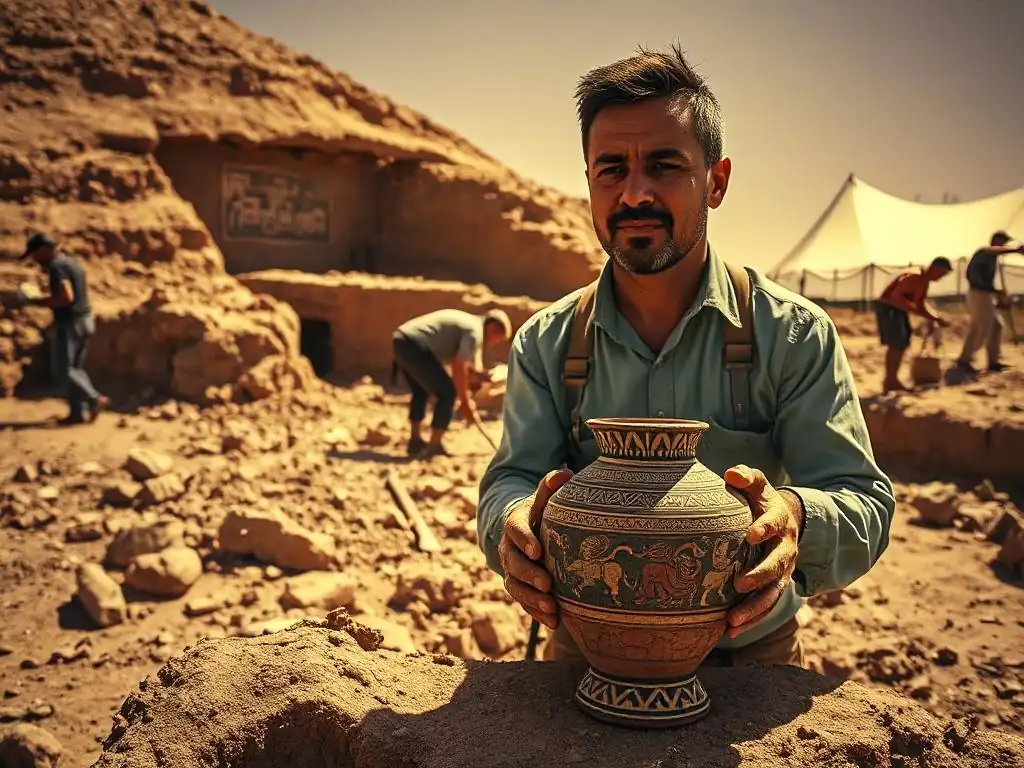
The Moche civilization, which flourished along the northern coast of present-day Peru from approximately 100 AD to 800 AD, has captivated archaeologists and historians alike with its rich cultural heritage and remarkable achievements. Numerous archaeological discoveries have shed light on this once-thriving society, revealing intricate details about their daily lives, rituals, and artistry. Excavations of Moche sites have uncovered monumental architecture, elaborate ceramics, and significant burial sites, all of which contribute to our understanding of Moche civilization history and achievements.
Archaeological work has primarily focused on key sites such as Huaca del Sol and Huaca de la Luna, large ceremonial complexes that served as the political and religious heart of Moche society. These sites have yielded an array of artifacts, including finely crafted pottery, metalwork, and textiles, which illustrate the Moche's advanced techniques and artistic sensibilities. Furthermore, the discovery of intricate irrigation systems highlights their agricultural prowess and adaptation to the arid coastal environment.
Major Excavations and Findings
One of the most significant excavations of the Moche civilization occurred at Huaca de la Luna, where a series of stepped pyramids were uncovered. The site revealed a wealth of wall murals depicting ritualistic scenes and deities, providing insights into Moche religious practices and mythology. Notably, the discovery of a burial site containing numerous offerings, including ceramics and human sacrifices, underscores the importance of ceremonial practices in Moche culture.
Another pivotal excavation took place at the site of Sipán, where the tomb of the Lord of Sipán was unearthed. This burial, dating to around 300 AD, is considered one of the most important archaeological finds in the Americas. The tomb contained an astonishing array of treasures, including intricate gold ornaments, ceremonial regalia, and elaborate pottery. This discovery not only showcased the wealth and power of Moche elites but also revealed the sophisticated craftsmanship and artistry that characterized Moche society.
The Role of Archaeology in Understanding Moche History and Achievements
Archaeology plays a crucial role in reconstructing the Moche civilization's history and achievements, as it provides tangible evidence of their cultural practices, social structures, and technological advancements. Through careful excavation and analysis, archaeologists can piece together the complex narrative of the Moche people, illuminating aspects of their lives that written records may not fully convey.
The artifacts recovered from Moche sites serve as valuable primary sources, allowing researchers to examine the nuances of Moche art, religion, and governance. By studying the iconography on pottery and murals, scholars can gain insights into Moche cosmology and societal hierarchy. Additionally, the examination of burial practices and grave goods offers a glimpse into the Moche's beliefs about the afterlife and the significance of social status.
Overall, archaeological discoveries have significantly advanced our understanding of the Moche civilization's history and achievements, revealing a society that was not only rich in culture but also marked by complexity and innovation.
Conclusion: The Lasting Impact of the Moche Civilization
The legacy of the Moche civilization extends far beyond its historical timeline, influencing subsequent cultures and leaving an indelible mark on the region's heritage. The Moche's achievements in art, architecture, and engineering continue to inspire admiration and study, as their innovations laid the groundwork for future Andean societies.
Reflections on Moche Civilization History and Achievements
Reflecting on Moche civilization history and achievements, it becomes evident that this culture was characterized by a unique blend of artistry and functionality. The Moche people excelled in various fields, including agriculture, metallurgy, and ceramics, showcasing their ability to adapt to challenging environmental conditions while creating stunning works of art. Their intricate pottery, often adorned with detailed depictions of their mythology and daily life, remains a testament to their creative spirit.
Furthermore, the Moche civilization's complex social structure and religious practices highlight the importance of community and spirituality in their lives. The ceremonial centers and monumental architecture serve as reminders of their organizational skills and collective identity, underscoring the profound impact they had on the cultural landscape of ancient Peru.
The Importance of Preserving Indigenous Heritage
Preserving the legacy of the Moche civilization is essential for understanding the broader context of indigenous heritage in the Americas. As modern societies continue to evolve, the significance of ancient cultures such as the Moche must be recognized and celebrated. Archaeological sites and artifacts not only provide insights into the past but also serve as powerful symbols of identity and resilience for contemporary indigenous communities.
Efforts to protect and preserve Moche sites and artifacts are crucial for ensuring that future generations can learn from and appreciate this remarkable civilization. By fostering a deeper understanding of the Moche's contributions to history and culture, we honor their legacy and promote a greater appreciation for the rich tapestry of indigenous civilizations that have shaped the Americas.
References and Further Reading on Moche Civilization
To gain a deeper understanding of the Moche civilization, its history, and its remarkable achievements, the following references and resources are highly recommended. These materials provide insights into various aspects of Moche culture, including their art, architecture, social structure, and technological innovations.
Books
-
"Moche Art and Archaeology in Ancient Peru" by Christopher B. Donnan
This comprehensive volume delves into the artistic and archaeological findings related to the Moche. It provides detailed analyses of Moche pottery, textiles, and monumental architecture, making it an essential resource for anyone interested in Moche artistic expressions.
-
"The Moche of Ancient Peru" by Helaine Silverman
In this book, Silverman explores the political and social structures of the Moche civilization. It discusses their agricultural practices, religious beliefs, and the implications of their societal organization on their long-term sustainability.
-
"Ancient Peru: The Moche" by Mary A. P. C. Grieve
This text is aimed at younger audiences or those new to the subject, offering a straightforward overview of the Moche civilization, its daily life, and its historical significance.
Academic Journals
-
"Journal of Anthropological Archaeology"
This peer-reviewed journal often features articles related to Moche archaeology and anthropology, presenting the latest findings from excavations, analyses, and theoretical discussions.
-
"Latin American Antiquity"
This journal includes numerous studies focusing on the Moche civilization, providing insights into the latest archaeological discoveries and interpretations of Moche artifacts and structures.
Online Resources
-
The Moche Project (http://www.mocheproject.org)
This website provides access to ongoing research, excavation reports, and educational resources related to Moche archaeology. It is an excellent source for those looking to understand current scholarly work on the Moche.
-
Smithsonian National Museum of the American Indian
The museum's website features articles and resources about the indigenous cultures of the Americas, including the Moche. It includes digital exhibits showcasing Moche artifacts and their significance.
Documentaries and Videos
-
"The Moche: Lords of the Desert"
This documentary explores the achievements of the Moche civilization, including their engineering feats, agricultural innovations, and artistic prowess, providing a visual and narrative context to their history.
-
"Lost Cities of the Ancients: The Moche"
This film investigates the urban centers of the Moche and their architectural marvels, shedding light on the complexity of their society and its eventual decline.
Conclusion
The Moche civilization's rich history and achievements are documented in various scholarly and popular resources. By engaging with these texts and multimedia sources, one can appreciate the sophistication and cultural legacy of the Moche, contributing to the broader understanding of pre-Columbian civilizations in the Americas.
- Introduction to the Moche Civilization
- Historical Context of the Moche Civilization
- Cultural Achievements of the Moche Civilization
- Social Structure of the Moche Civilization
- Economic Practices of the Moche Civilization
- Decline of the Moche Civilization
- Archaeological Discoveries Related to Moche Civilization
- Conclusion: The Lasting Impact of the Moche Civilization
- References and Further Reading on Moche Civilization
Frequently Asked Questions
What is the Moche civilization known for?
The Moche civilization is renowned for its advanced engineering, intricate pottery, and impressive pyramid structures. They thrived in northern Peru from approximately 100 to 800 AD.
What were some key achievements of the Moche civilization?
The Moche are famous for their remarkable metalworking, sophisticated irrigation systems, and the elaborate artistic representations found in their ceramics, showcasing their daily life and beliefs.
How did the Moche civilization influence later cultures?
The Moche laid the groundwork for future Andean societies through their agricultural techniques, artistic traditions, and religious practices, which were integrated into cultures such as the Inca.
What role did religion play in Moche society?
Religion was central to Moche life, influencing their agriculture, festivals, and art. They worshiped deities associated with nature and the underworld, reflected in their elaborate burial practices and iconography.
How did the Moche civilization decline?
The decline of the Moche civilization is attributed to a combination of factors, including environmental changes, such as droughts, and internal conflicts, ultimately leading to the fragmentation of their society around the 8th century AD.
Final Reflection: Rediscovering the Legacy of the Moche Civilization
The Moche civilization's history and achievements resonate profoundly in today's world, reminding us of the rich tapestry of human innovation and cultural expression. As we unearth the remnants of this forgotten empire, we not only uncover their remarkable advancements in agriculture, architecture, and artistry but also recognize the enduring impact of their legacy on contemporary society. The Moche civilization stands as a testament to the resilience and creativity of humanity, urging us to appreciate the complexities of our past while inspiring us to shape our future.
Culture is a living entity, continuously evolving yet deeply rooted in its origins. The Moche civilization's influence can still be felt in modern Peruvian culture, from traditional crafts to agricultural practices. Their intricate pottery and monumental architecture serve as a reminder of the ingenuity that can flourish even in the face of adversity. As we reflect on their achievements, we are reminded of the words of historian Alfred W. Crosby: History is the story of human beings, and the Moche were human beings, just like us.
Their story invites us to explore our own identities and connections to the past, fostering a deeper appreciation for the diverse narratives that shape our world.
As we conclude our exploration of the Moche civilization, I invite you to reflect on the lessons gleaned from their history. Consider how the achievements of this ancient empire can inspire your own pursuits, whether in creativity, innovation, or community building. Let the Moche's legacy encourage you to embrace your roots while forging new paths forward. In doing so, we honor not only the Moche civilization but also the countless stories of resilience and achievement that continue to shape our shared human experience.
Unveil the Mysteries of the Moche Civilization!
Thank you for diving into the captivating world of the Moche Civilization! Your interest in this remarkable empire not only enriches your understanding but also helps keep their legacy alive. Now, let’s take your newfound knowledge a step further!
Take action now:
- Explore further: Delve deeper into the Moche culture by visiting your local library or utilizing online resources to uncover more about their incredible achievements in art, architecture, and agriculture.
- Share your findings: Discuss what you’ve learned about the Moche with friends or join an online forum to exchange ideas with fellow history enthusiasts.
- Experience it live: If possible, visit a museum or cultural site featuring Moche artifacts to appreciate their artistry and craftsmanship firsthand.
What insights can we draw from the Moche’s innovative practices that could inspire contemporary society?