
Moche Myths and Legends: Understanding Their Historical Context

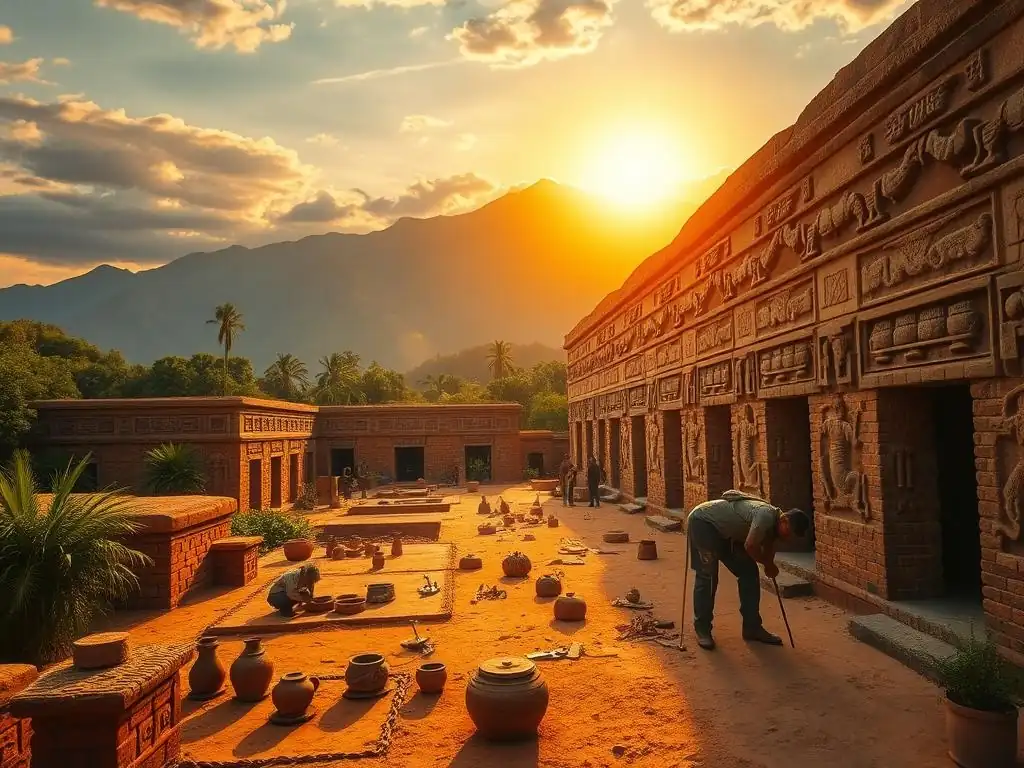
Welcome to Indigenous Civilizations of the Americas, where we invite you to embark on an enlightening journey through the rich tapestry of indigenous cultures that flourished long before European footprints touched our shores. In this exploration, we delve into the captivating world of the Moche civilization, uncovering their myths and legends that not only reflect their intricate beliefs but also offer profound insights into their historical context.
What stories did the Moche weave into their daily lives, and how do these narratives resonate with their legacy today? Join us as we unravel the mysteries behind these ancient tales and discover the enduring impact of the Moche on the cultural landscape of the Americas.
-
Moche Myths and Legends History: Understanding Their Historical Context
- The Importance of Moche Myths and Legends in History
- Historical Context of the Moche Civilization
- Understanding Moche Myths
- Major Themes in Moche Myths and Legends
- Common Characters and Deities in Moche Mythology
- The Significance of Moche Legends
- Comparative Analysis of Moche Myths and Legends
- Legacy of Moche Myths and Legends Today
- Conclusion: The Enduring Impact of Moche Myths and Legends on History
- Frequently Asked Questions
- Final Reflection: Embracing the Legacy of Moche Myths and Legends
- Uncover the Secrets of Moche Heritage!
Moche Myths and Legends History: Understanding Their Historical Context
The Moche civilization, flourishing on the northern coast of present-day Peru from approximately 100 to 800 CE, is renowned for its advanced society, intricate artistry, and rich mythology. Their myths and legends are not merely stories; they serve as vital components that offer insights into the Moche worldview, values, and societal norms.
By exploring Moche myths and legends, we can gain a deeper understanding of how these narratives shaped their historical context and contributed to their legacy. This article delves into the significance of these tales, the role of oral traditions, and the historical backdrop of the Moche civilization, highlighting their remarkable achievements and contributions to the broader tapestry of Indigenous cultures in the Americas.
The Importance of Moche Myths and Legends in History
Defining Moche Myths and Legends
Moche myths and legends encompass a rich collection of narratives that reflect the beliefs, rituals, and societal structures of the Moche people. These stories often feature gods, mythical creatures, and heroic figures, serving to explain natural phenomena, human behavior, and the origins of their civilization. Central themes in Moche mythology include creation, fertility, and the duality of life and death, which illustrate the Moche's deep connection to their environment and the cycles of nature.
The Role of Oral Tradition in Moche Culture
The transmission of Moche myths and legends primarily occurred through oral tradition, a practice that played a crucial role in preserving their culture and history. Storytellers, often revered figures within the community, would recount these tales during ceremonies and gatherings, ensuring that the values and lessons embedded within them were passed down through generations. This oral tradition not only maintained the cultural identity of the Moche but also fostered a sense of community and belonging, as shared stories reinforced social bonds.
Historical Context of the Moche Civilization
Overview of the Moche Civilization
The Moche civilization is characterized by its sophisticated social structure, impressive architectural achievements, and advanced agricultural practices. Centered around the Moche Valley, this civilization developed a thriving economy based on agriculture, fishing, and trade. The Moche are particularly known for their monumental constructions, such as the Huaca del Sol and Huaca de la Luna, which served both religious and administrative purposes. Their art, often depicted in pottery and metalwork, showcases intricate designs and motifs drawn from their mythology.
Key Achievements and Contributions of the Moche
The Moche civilization made significant contributions to various fields, including agriculture, engineering, and art. They developed advanced irrigation systems that allowed for the cultivation of diverse crops, which supported their growing population. Artistically, the Moche are celebrated for their detailed pottery and metalwork, which often illustrated scenes from their myths and legends, providing a visual narrative of their cultural identity. Furthermore, their architectural prowess is evident in their ceremonial complexes, which have offered valuable insights into their religious practices and societal organization.
By understanding the historical context of Moche myths and legends, we can appreciate the intricate interplay between mythology, culture, and history that defined this remarkable civilization.
Understanding Moche Myths
Moche mythology is a rich tapestry woven from the threads of the civilization's beliefs, values, and experiences. The Moche people, who thrived in northern Peru from approximately 100 to 800 AD, crafted a complex narrative system that not only explained the natural world but also reflected their social, political, and spiritual lives. Their myths often revolved around themes of creation, agriculture, and the afterlife, showcasing their deep connection to the environment and their understanding of life’s cyclical nature.
Moche myths were communicated through various mediums, including oral traditions, ceramics, textiles, and monumental architecture. These narratives served not only as entertainment but also as educational tools, imparting moral lessons and cultural knowledge to future generations. Through the lens of their myths, the Moche people conveyed their understanding of cosmic order, the importance of community, and the reverence they held for their deities.
Major Themes in Moche Myths and Legends
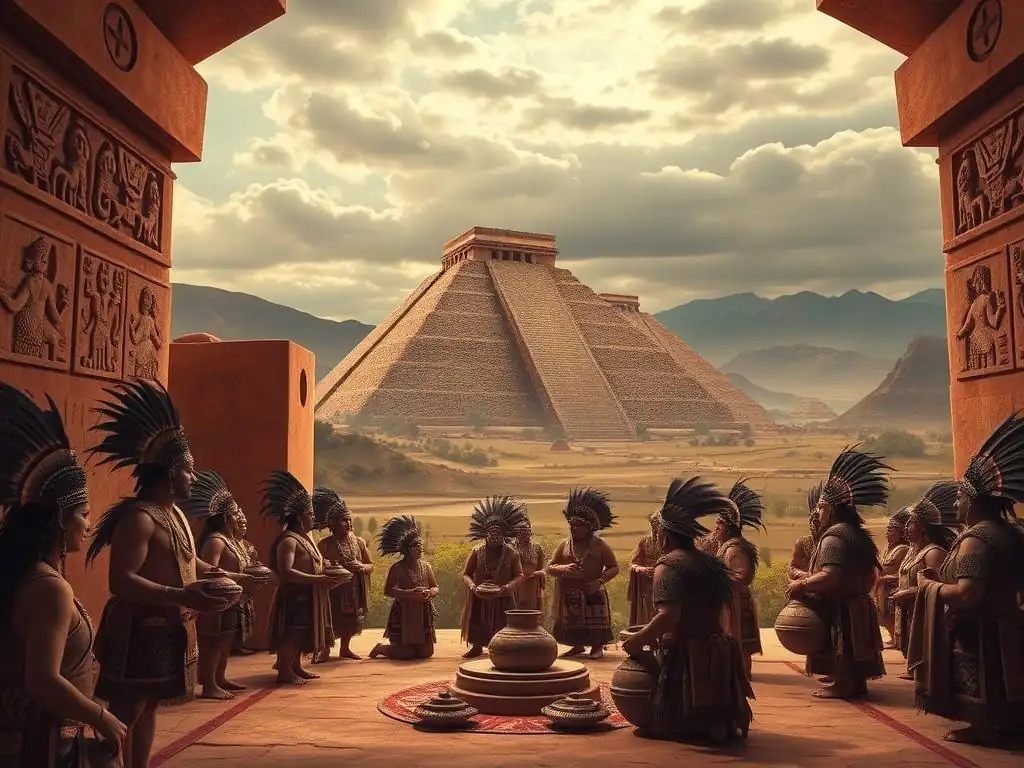
The Moche myths encapsulated several major themes that were pivotal to the civilization's worldview:
- Creation and Cosmology: Many myths detail the origins of the earth, the sky, and humanity. The Moche believed in a primordial time when gods created the world and established the natural order, often represented through dualities such as life and death, fertility and drought.
- Agriculture and Fertility: Given their reliance on agriculture, a significant focus of Moche mythology was on the cycles of planting and harvest. Deities associated with fertility and agriculture, such as the Moon Goddess, played crucial roles in ensuring bountiful yields.
- Death and the Afterlife: The Moche had a profound belief in life after death, which is evident in their elaborate burial practices and funerary offerings. Myths surrounding the underworld and the journey of the soul reflect their understanding of mortality and the spiritual realm.
Understanding these themes allows us to appreciate how the Moche integrated their environmental and social realities into a coherent mythological framework.
Common Characters and Deities in Moche Mythology
Moche mythology is populated with a variety of characters and deities, each embodying specific aspects of their worldview:
- The Decapitator: A prominent figure often associated with warfare and sacrifice, the Decapitator symbolizes power and the consequences of conflict. His image frequently appears in Moche art, illustrating the civilization's martial culture.
- The Moon Goddess (Mama Quilla): As a central deity, the Moon Goddess is linked to agriculture, fertility, and the lunar cycles. She is revered for her role in guiding the planting and harvesting seasons, representing the nurturing aspects of nature.
- The Hero Twins: Common in many Andean cultures, the Hero Twins embody the ideals of bravery and adventure. Their stories often involve quests that reflect Moche values of resilience and loyalty.
These characters not only served as figures of worship but also as archetypes that conveyed the moral and ethical standards of Moche society.
The Significance of Moche Legends
Moche legends hold significant importance within the context of their civilization, serving as a cultural lens through which we can understand their values, practices, and social dynamics. These narratives were not simply stories; they were integral to the identity and cohesion of Moche society.
How Legends Reflect Moche Social Structure
Moche legends provide insight into the hierarchical nature of their society. The portrayal of gods and heroes often mirrors the social stratification present among the Moche people, with rulers and elites frequently depicted in positions of power and authority.
The legends often emphasize communal values, showcasing the importance of collaboration and shared purpose. For example, tales of agricultural deities highlight the community's reliance on collective effort for successful harvests, reinforcing the idea that individual actions have implications for the wider community. This interdependence is crucial in understanding how the Moche operated within their social structures.
The Influence of Moche Legends on Art and Architecture
The artistic expression of the Moche civilization is deeply intertwined with their myths and legends. Ceramics, textiles, and monumental architecture were often adorned with imagery depicting mythological themes, characters, and narratives.
- Ceramic Art: Moche pottery is renowned for its intricate designs and sculptural forms that often illustrate mythological scenes. These ceramics served both functional and ceremonial purposes, allowing the Moche to express their beliefs through everyday objects.
- Architecture: The construction of temples and pyramids, such as the Huaca del Sol and Huaca de la Luna, was heavily influenced by their mythology. These structures often served as sites for rituals and ceremonies that honored their deities, reinforcing the connection between their spiritual beliefs and physical spaces.
The legends of the Moche civilization not only enriched their cultural identity but also played a fundamental role in shaping their artistic and architectural legacy, leaving a profound impact on the history of the Americas.
Comparative Analysis of Moche Myths and Legends
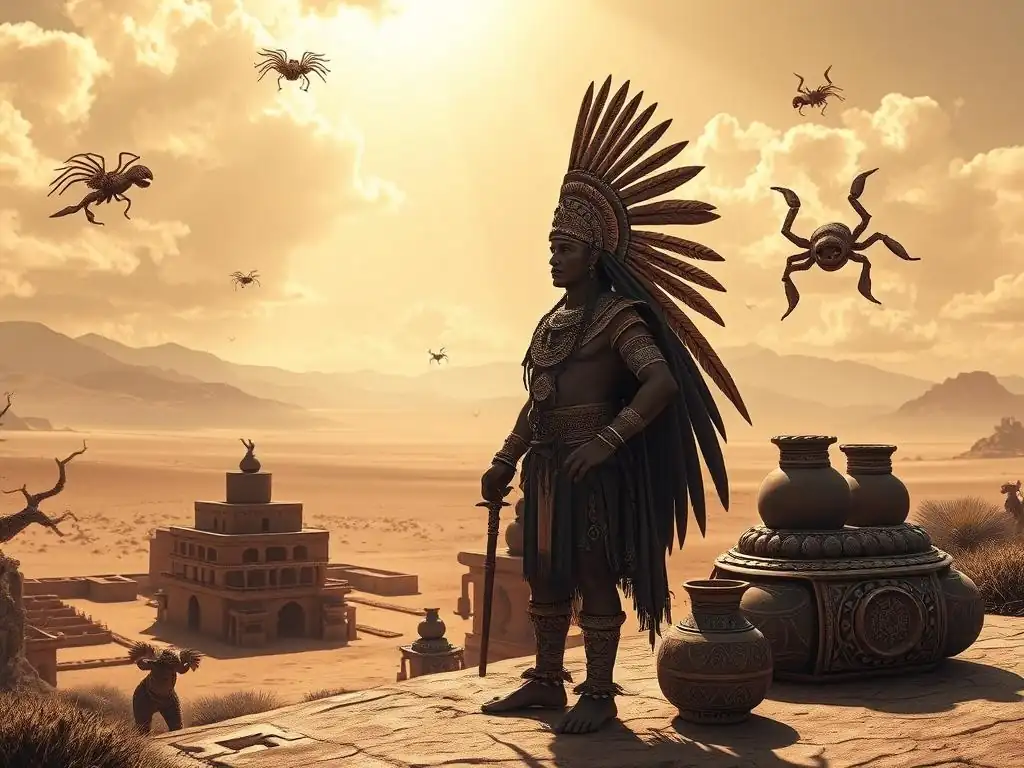
The Moche civilization, which thrived on the northern coast of Peru from approximately 100 to 800 CE, is renowned for its rich tapestry of myths and legends that encapsulate its cultural and spiritual beliefs. A comparative analysis of these myths reveals both shared themes with other indigenous cultures in the Americas and unique narratives that set the Moche apart. This analysis helps to contextualize the historical significance of Moche myths and their role in shaping societal norms, religious practices, and community identity.
Similarities with Other Indigenous Myths in the Americas
Moche myths often echo themes found in other indigenous cultures across the Americas, highlighting universal concerns such as creation, the afterlife, and the relationship between humans and the natural world. For example, many indigenous myths emphasize the idea of duality, a concept seen in Moche stories that feature opposing forces—such as life and death or fertility and drought.
Additionally, like the myths of the Iroquois or the Navajo, Moche legends often include anthropomorphic deities that embody natural elements. These deities, such as the Moche’s moon goddess, played a crucial role in agricultural cycles and were believed to influence the fertility of the land. This interconnectedness of myths across cultures indicates a shared human experience and the fundamental need to explain the mysteries of existence.
Unique Aspects of Moche Myths in Historical Context
While Moche myths share similarities with other indigenous beliefs, they also contain distinctive elements that reflect the civilization's unique environmental and social context. The Moche were primarily agrarian, relying heavily on intricate irrigation systems for their agriculture. This dependence on water is mirrored in their myths, which often portray water as a divine gift and a source of life.
Moreover, Moche legends frequently highlight their complex social structure, which included a powerful elite and skilled artisans. Myths surrounding the Sipán ruler, for example, emphasize themes of power, sacrifice, and the divine right to rule, showcasing how mythology was intertwined with political authority. Such narratives not only served to legitimize the ruling class but also reinforced the cultural values central to Moche society.
Legacy of Moche Myths and Legends Today
The legacy of Moche myths and legends continues to resonate in contemporary society, influencing both indigenous and non-indigenous cultures. These ancient narratives play a crucial role in the identity and cultural continuity of the descendants of the Moche civilization.
Moche Myths in Contemporary Indigenous Culture
Today, many contemporary indigenous groups in Peru and surrounding areas draw inspiration from Moche myths. These stories often serve as a means of cultural revitalization, fostering a sense of pride and identity among indigenous peoples. Rituals, festivals, and artistic expressions, such as pottery and textile designs, frequently incorporate motifs and narratives derived from Moche mythology, demonstrating its enduring relevance.
Furthermore, the themes of resilience and harmony with nature found in Moche myths resonate with modern environmental movements among indigenous communities, as they advocate for the protection of their ancestral lands and resources. This connection underscores the importance of preserving indigenous narratives as a means of cultural and ecological advocacy.
Preservation of Moche Legends in Modern Society
The preservation of Moche legends in modern society can be observed through various channels, such as academic research, cultural festivals, and community storytelling. Archaeological efforts and ethnographic studies have revived interest in Moche culture, and initiatives aimed at educating the public about these myths have emerged.
Museums often feature exhibitions that showcase Moche artifacts alongside explanatory narratives of their myths, providing a platform for the public to engage with this ancient civilization. Additionally, local communities often host storytelling events where elders share Moche legends, ensuring that these narratives are passed down through generations. This blend of academic and community efforts plays a vital role in maintaining the legacy of Moche myths and ensuring their survival in a rapidly changing world.
Conclusion: The Enduring Impact of Moche Myths and Legends on History
The Moche civilization, which flourished in northern Peru from approximately 100 to 800 AD, is renowned not only for its remarkable achievements in agriculture, architecture, and artistry but also for its rich tapestry of myths and legends. These narratives played a crucial role in shaping the social and cultural identity of the Moche people. The myths often conveyed essential truths about their existence, serving as a medium through which they understood the world around them.
The legends surrounding their deities, particularly the duality of the warrior and the woman, reflect the intricate relationship between gender roles and societal expectations. The stories of the Moche gods, such as Ai Apaec, provide insights into their values, fears, and aspirations, which were deeply intertwined with their environment and agricultural practices. Furthermore, Moche myths acted as a vehicle for preserving knowledge, allowing subsequent generations to connect with their heritage and traditions.
The influence of Moche myths extends beyond their civilization, as they have permeated the understanding of Andean cultures. Today, scholars and enthusiasts alike recognize the significance of these narratives in studying pre-Columbian history. By analyzing the Moche myths, modern researchers gain a deeper appreciation for the complexities of ancient Andean societies and their lasting legacies on contemporary indigenous cultures.
Summary of Moche Myths and Legends Significance
Moche myths and legends are significant in several ways that illuminate the civilization's cultural landscape. Firstly, they serve as a historical lens through which we can understand the social structures and belief systems of the Moche people. The narratives often illustrated the interplay between deities and humans, showcasing the Moche's reverence for the natural world and their agricultural practices.
Secondly, these myths contributed to the construction of a collective identity among the Moche people. They provided a shared narrative that reinforced community bonds, as members of society engaged in rituals and storytelling that celebrated their heritage. The legends often featured moral lessons or cautionary tales, further embedding ethical teachings within the fabric of Moche society.
Finally, Moche myths have had a remarkable enduring impact on contemporary Andean cultures. Elements of these ancient stories continue to be reflected in modern indigenous practices, art, and spiritual beliefs, highlighting the resilience and continuity of Moche cultural influences over the centuries.
Reflection on the Historical Value of Moche Culture
The historical value of Moche culture is profound, as it serves as a testament to the sophistication and ingenuity of pre-Columbian societies. The civilization's advances in irrigation, architecture, and metallurgy are well documented, but equally important are the myths and legends that reveal the philosophical and spiritual dimensions of Moche life.
These narratives provide crucial context for understanding Moche society's relationship with its environment, illustrating how they interpreted natural phenomena through the lens of myth. Such reflections underscore the importance of mythology in shaping cultural practices and community identity, as well as in facilitating the transmission of knowledge across generations.
Moreover, the archaeological discoveries linked to Moche civilization, including intricate pottery and monumental structures, often depict scenes from their myths, bridging the gap between history and storytelling. This interplay between the tangible and intangible aspects of Moche culture enriches our understanding of their contributions to human civilization, emphasizing the need to appreciate and preserve these narratives as part of our shared heritage.
The Moche myths and legends are far more than mere stories; they encapsulate the essence of a civilization that has left an indelible mark on history, offering insights that continue to resonate today.
Frequently Asked Questions
What are the Moche myths and legends?
Moche myths and legends are traditional narratives that convey the cultural beliefs and values of the Moche civilization, focusing on their gods, creation stories, and heroic figures.
How do Moche myths reflect their society?
Moche myths provide insight into the social structure, religious practices, and daily life of the Moche people, illustrating their relationship with nature and the supernatural.
What role did agriculture play in Moche mythology?
Agriculture was central to Moche life, and many myths emphasize the importance of fertility, irrigation, and the agricultural calendar, highlighting their dependence on natural cycles.
How were Moche myths preserved and transmitted?
Moche myths were primarily transmitted through oral traditions, art, and ceramics, allowing their stories and teachings to be passed down through generations despite the absence of a written language.
What is the significance of studying Moche myths today?
Studying Moche myths today helps us understand the historical context of the Moche civilization and offers valuable insights into the cultural heritage of indigenous peoples in the Americas.
Final Reflection: Embracing the Legacy of Moche Myths and Legends
The exploration of Moche myths and legends reveals not only the rich tapestry of ancient Peruvian culture but also their enduring relevance in today's world. As we delve into the historical context of these narratives, we uncover the profound ways in which they shaped the identity of the Moche civilization and continue to resonate with contemporary audiences. The stories of gods, creation, and the interplay between life and death remind us that myths are not merely relics of the past; they are living narratives that inform our understanding of humanity.
Cultural narratives like those of the Moche serve as a bridge connecting us to our ancestors, offering insights into their values, beliefs, and experiences. The impact of these myths extends beyond academic interest; they inspire artists, writers, and thinkers to explore themes of existence and morality. As the renowned anthropologist Claude Lévi-Strauss once said, “Myth is a language that speaks to the heart of humanity.” This sentiment underscores the importance of preserving and sharing these stories, as they hold the power to enrich our cultural landscape and foster a deeper appreciation for our shared history.
As you reflect on the Moche myths and legends, I invite you to consider how these ancient stories can inform your own life and values. What lessons can you draw from their narratives? Whether it’s the themes of resilience, community, or the quest for understanding, let these myths inspire you to embrace your own story and contribute to the ongoing tapestry of human experience. In doing so, we honor the legacy of the Moche and ensure that their wisdom continues to illuminate our path forward.
Uncover the Secrets of Moche Heritage!
Thank you for diving into the fascinating world of Moche myths and legends with us! Your interest in these rich narratives not only unveils a unique history but also brings their wisdom to life in our modern world. Now, let’s take actionable steps to deepen your engagement and understanding of this incredible culture.
- Explore further: Delve into more articles about indigenous myths to compare various stories from across the Americas and enrich your perspective.
- Join a community: Engage in online forums or attend local events centered around indigenous heritage to connect with others who share your passion.
- Share your insights: Discuss your favorite Moche myth with friends or on social media to ignite conversations about cultural history and its relevance in today's society.
Which Moche legend resonates with you, and how do you see its teachings applied in the contemporary world?