
The Impact of Climate Change on Indigenous Heritage Sites: Challenges and Solutions


Welcome to Indigenous Civilizations of the Americas, where we embark on a journey through the rich tapestry of indigenous cultures that flourished long before European colonization. Here, we delve into the profound achievements and vibrant societies that have shaped the very essence of the Americas. In our featured article, "The Impact of Climate Change on Indigenous Heritage Sites: Challenges and Solutions," we uncover the pressing issues facing these invaluable sites and explore innovative preservation efforts.
What are the hidden stories behind these cultural legacies, and how can we safeguard them for future generations? Join us as we unravel the complexities of climate change and its effects on indigenous heritage, inviting you to explore deeper into a world where history and nature intertwine.
Introduction to Climate Change and Indigenous Heritage Sites
The intricate tapestry of indigenous cultures across the Americas is woven with a rich history and profound connections to the land. However, the looming threat of climate change poses significant challenges to these cultures, particularly their heritage sites. Climate change is not just an environmental issue; it directly threatens the very foundations of indigenous identity, history, and cultural practices.
This article delves into the impact of climate change on indigenous heritage sites, exploring the multifaceted challenges that arise and potential solutions to mitigate these effects. By understanding the unique relationship between indigenous peoples and their heritage, we can better appreciate the urgency of protecting these invaluable sites in the face of a changing climate.
Understanding Indigenous Heritage Sites
Indigenous heritage sites encompass a diverse array of locations that hold historical, cultural, and spiritual significance for indigenous communities. These sites may include:
- Sacred landscapes: Areas that hold spiritual importance, such as mountains, rivers, and forests.
- Archaeological sites: Remnants of past civilizations that offer insights into ancient ways of life.
- Traditional structures: Buildings and monuments that reflect architectural practices and cultural values.
These sites are not merely physical locations; they are integral to the identity, traditions, and continuity of indigenous peoples. As custodians of their heritage, indigenous communities view these sites as living entities that embody their stories and ancestral knowledge.
Importance of Preserving Indigenous Heritage
Preserving indigenous heritage is critical for several reasons:
- Cultural Identity: Heritage sites are essential for maintaining cultural practices and traditions that define indigenous identities.
- Historical Knowledge: They serve as repositories of historical knowledge, providing insights into past civilizations and their interactions with the environment.
- Biodiversity Conservation: Many heritage sites are tied to traditional ecological knowledge, which plays a crucial role in biodiversity conservation efforts.
The loss of these sites would not only erase the physical remnants of indigenous cultures but also disrupt the transmission of knowledge and traditions to future generations.
Overview of Climate Change Effects
The effects of climate change are pervasive and far-reaching, affecting various aspects of the environment and indigenous heritage sites. Key impacts include:
- Altered weather patterns: Changing precipitation and temperature levels can lead to deterioration of structures.
- Rising sea levels: Coastal heritage sites are particularly vulnerable to flooding and erosion.
- Increased frequency of extreme weather events: Natural disasters such as hurricanes, wildfires, and droughts can devastate both the environment and cultural landmarks.
Understanding these effects is crucial for developing effective conservation strategies that address the unique challenges faced by indigenous heritage sites.
The Challenges Posed by Climate Change to Indigenous Heritage Sites
Rising Temperatures and Their Effects on Structures
As global temperatures continue to rise, many indigenous heritage sites face structural challenges. Increased heat can lead to:
- Material degradation: Traditional building materials may weaken or decay faster.
- Changes in land stability: Permafrost thawing and soil erosion can undermine the foundations of historic sites.
Increased Natural Disasters: Floods, Fires, and Erosion
The escalation of natural disasters poses a direct threat to indigenous heritage sites. Key concerns include:
- Flooding: Increased rainfall and storm surges can inundate coastal and riverine sites, leading to significant damage.
- Wildfires: Higher temperatures and prolonged droughts increase the risk of wildfires, threatening both natural and cultural landscapes.
- Erosion: Coastal erosion and riverbank instability can wash away archaeological sites and sacred lands.
Loss of Biodiversity and Its Impact on Cultural Practices
Climate change also contributes to the decline of biodiversity, which is crucial for many indigenous communities:
- Disruption of traditional practices: Loss of plant and animal species affects food sources, medicinal plants, and cultural rituals.
- Threat to traditional ecological knowledge: As ecosystems change, the knowledge of how to sustainably manage these resources may be lost.
Economic Challenges Faced by Indigenous Communities
The economic implications of climate change on indigenous heritage sites can be profound:
- Loss of tourism revenue: Heritage sites often attract visitors, and their degradation can lead to declines in tourism, impacting local economies.
- Increased costs for conservation efforts: Indigenous communities may face rising costs associated with the preservation and restoration of their heritage sites in the face of climate change.
Understanding these challenges is crucial for implementing effective conservation strategies and ensuring the resilience of indigenous heritage sites in a changing world.
Case Studies on Climate Change Affecting Indigenous Heritage Sites
Understanding the intricate relationship between climate change and indigenous heritage sites is crucial for effective conservation efforts. Through various case studies, we can observe how these environmental shifts impact cultural practices, sacred sites, and traditional knowledge. Here, we explore two significant case studies that highlight the challenges faced by indigenous communities and their heritage sites in the face of climate change.
Case Study 1: The Effects of Climate Change on the Sacred Sites of the Arctic Inuit
The Arctic region, home to the Inuit people, is experiencing rapid climate change characterized by rising temperatures, melting ice, and permafrost thawing. These environmental changes threaten numerous sacred sites that hold significant cultural and spiritual value. For instance, traditional hunting grounds and burial sites are becoming increasingly vulnerable to erosion and flooding.
One notable example is the site of Iqaluit, where significant cultural artifacts and burial grounds have been compromised due to rising sea levels. The Inuit have observed changes in the migration patterns of animals, which directly affects their traditional hunting practices. The loss of these sacred sites not only impacts their cultural identity but also disrupts their connection to the land, which is central to their heritage.
Additionally, the Inuit's oral histories, which often include references to specific landscapes and weather patterns, are at risk of being lost if these locations are eroded or submerged. The community has been actively engaged in documenting these changes through storytelling and community meetings, emphasizing the need for immediate action to protect their heritage.
Case Study 2: The Response of the Torres Strait Islanders to Coastal Erosion
The Torres Strait Islanders, located between Australia and Papua New Guinea, are facing severe coastal erosion exacerbated by climate change. Rising sea levels and increased storm intensity have led to the loss of significant cultural sites, including ceremonial grounds and traditional fishing areas.
In response to these challenges, the Torres Strait Islander community has initiated several adaptation strategies. One effective approach has been the establishment of community-led programs that prioritize the restoration of mangroves and coral reefs, which serve as natural barriers against coastal erosion. By enhancing these ecosystems, the Islanders not only protect their land but also restore traditional fishing practices that are integral to their culture.
Moreover, the community has engaged in advocacy efforts with local governments to secure funding for climate resilience projects. These initiatives highlight the importance of integrating indigenous knowledge and practices in broader climate change adaptation strategies, ensuring that the cultural heritage of the Torres Strait Islanders is preserved for future generations.
Lessons Learned from These Case Studies
The case studies of the Arctic Inuit and the Torres Strait Islanders reveal several critical lessons for climate change adaptation and heritage conservation:
- Community Engagement: Involving local communities in decision-making processes fosters a sense of ownership and responsibility towards heritage preservation. Engaging with indigenous knowledge holders can lead to more effective and culturally relevant conservation strategies.
- Integration of Traditional Knowledge: Indigenous communities possess unique knowledge about their environments and adaptive strategies. Incorporating this knowledge into climate adaptation plans enhances the resilience of heritage sites.
- Collaboration with Scientists and Policymakers: Building partnerships between indigenous communities, scientists, and policymakers can facilitate the development of comprehensive strategies that address both cultural preservation and climate change.
- Proactive Measures: Implementing proactive measures, such as ecosystem restoration and sustainable land management, can mitigate the impacts of climate change on heritage sites, ensuring their survival in the face of ongoing environmental changes.
Solutions and Strategies for Protecting Indigenous Heritage from Climate Change
To effectively address the challenges posed by climate change on indigenous heritage sites, a multipronged approach is essential. This involves community collaboration, the integration of traditional knowledge, policy advocacy, and the use of technology.
Community-Led Conservation Efforts
Empowering indigenous communities to lead conservation efforts is fundamental in protecting their heritage. Community-led initiatives encourage the participation of local members in monitoring and preserving their cultural sites. Such efforts often include:
- Cultural revitalization projects: These initiatives focus on restoring traditional practices, languages, and ceremonies that foster a sense of identity and continuity.
- Collaborative land management: Indigenous peoples can work with governmental and environmental organizations to develop sustainable land-use plans that account for cultural significance and environmental health.
Integration of Traditional Knowledge in Preservation Strategies
Traditional ecological knowledge (TEK) plays a pivotal role in effective heritage conservation. By integrating TEK into preservation strategies, we can develop more resilient approaches that respect and utilize indigenous practices. This can involve:
- Training programs: Educating younger generations about traditional practices ensures the transmission of knowledge crucial for heritage conservation.
- Research collaboration: Partnering with academic institutions to study indigenous practices can yield valuable insights into sustainable land management and climate adaptation.
Policy Recommendations for Heritage Conservation
Effective policy frameworks are essential for addressing the threats posed by climate change to indigenous heritage sites. Policymakers should consider the following recommendations:
- Recognition of indigenous rights: Ensure that indigenous communities have legal rights over their ancestral lands and heritage sites.
- Funding for conservation projects: Allocate resources specifically for the preservation of indigenous heritage in the context of climate change.
- Integration of climate change impact assessments: Mandate assessments that consider the implications of climate change on cultural heritage when planning development projects.
Role of Technology in Monitoring and Preservation
Advancements in technology offer innovative solutions for monitoring and preserving indigenous heritage sites. Some key applications include:
- Remote sensing: Utilizing satellite imagery to track changes in land use, erosion, and vegetation can provide valuable data for conservation efforts.
- Digital documentation: Creating digital archives of heritage sites through 3D modeling and photography helps preserve cultural artifacts and sites that may be at risk of loss.
- Community mapping: Engaging indigenous communities in mapping their cultural landscapes can enhance understanding and visibility of heritage sites, fostering greater advocacy for their protection.
By implementing these solutions and strategies, we can work towards a sustainable future that honors and protects the rich heritage of indigenous cultures in the face of climate change.
Collaboration between Indigenous Communities and Organizations
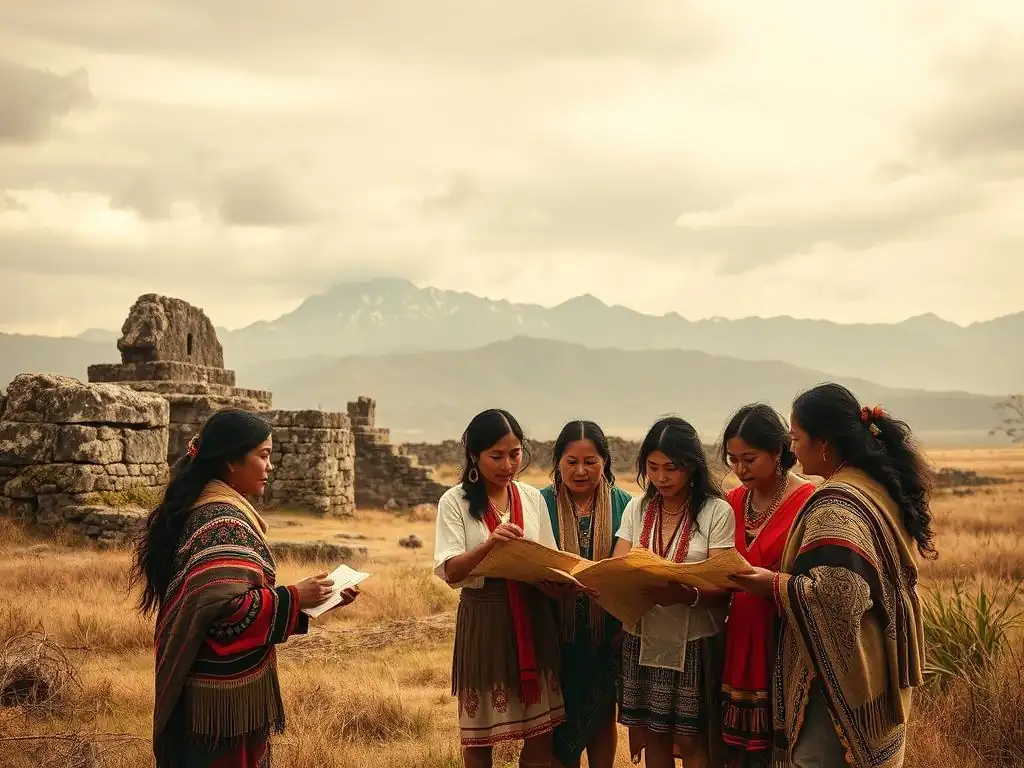
Collaboration between Indigenous communities and various organizations is crucial for the preservation of indigenous heritage sites threatened by climate change. These partnerships leverage the unique knowledge and cultural insights of Indigenous peoples alongside the resources and expertise of governmental and non-governmental organizations. By working together, stakeholders can create strategies that not only protect heritage sites but also honor and integrate Indigenous perspectives, ensuring a more holistic approach to conservation.
Importance of Partnerships in Heritage Conservation
Partnerships are essential in heritage conservation for several reasons:
- Shared Knowledge: Indigenous communities possess ancestral knowledge about their land, which includes historical, cultural, and ecological insights that are invaluable in managing heritage sites.
- Resource Allocation: Organizations often have access to funding, technology, and scientific expertise that can bolster conservation efforts. Collaboratively, these resources can be directed toward addressing specific climate-related threats.
- Empowerment: Involving Indigenous communities in decision-making processes empowers them and enhances the legitimacy of conservation efforts. This fosters a sense of ownership and responsibility towards heritage preservation.
- Cultural Relevance: Collaborations ensure that conservation methods are culturally relevant and sensitive to Indigenous practices and beliefs, which is essential for the resilience of these sites.
Examples of Successful Collaborations: The National Park Service and Native American Tribes
One prominent example of collaboration is the partnership between the National Park Service (NPS) and various Native American tribes. These collaborations have led to significant initiatives:
- Cultural Resource Management: The NPS has engaged tribes in managing cultural resources within national parks, allowing for the integration of Indigenous perspectives in the stewardship of these lands.
- Joint Research Projects: Collaborative research projects have been established to study the impacts of climate change on sacred sites, enabling tribes to contribute their knowledge and experiences.
- Education and Training Programs: Programs have been developed to educate park staff and tribal members about traditional ecological knowledge, fostering mutual understanding and respect.
These efforts demonstrate the effectiveness of partnerships in addressing the challenges posed by climate change to Indigenous heritage sites.
Future Directions for Collaborative Efforts
Looking ahead, several directions can enhance collaborative efforts between Indigenous communities and organizations:
- Policy Advocacy: Joint advocacy for policies that protect Indigenous rights and heritage sites in the context of climate change can strengthen conservation initiatives.
- Increased Funding: Establishing dedicated funding sources for collaborative projects will enable more comprehensive conservation strategies.
- Interdisciplinary Approaches: Encouraging interdisciplinary collaborations that bring together scientists, cultural experts, and Indigenous leaders can yield innovative solutions to climate challenges.
- Community Engagement: Continued engagement with local communities in research and decision-making processes will ensure that conservation efforts are aligned with their needs and values.
Conclusion: The Future of Indigenous Heritage in the Face of Climate Change
As climate change poses significant threats to Indigenous heritage sites, the need for effective conservation strategies becomes more pressing. The challenges are multifaceted, but collaborative efforts hold the promise of preserving these vital cultural treasures.
Recap of Key Challenges and Solutions
The primary challenges facing Indigenous heritage sites include:
- Erosion and Damage: Rising sea levels and extreme weather events can lead to the erosion of coastal sites and damage to sacred landscapes.
- Loss of Biodiversity: Climate change threatens the ecosystems that Indigenous peoples rely on, which can diminish their cultural practices and heritage.
- Cultural Displacement: As environmental conditions change, Indigenous communities may be forced to relocate, leading to the loss of connection to their heritage sites.
Solutions lie in fostering partnerships, integrating Indigenous knowledge, and advocating for policies that prioritize heritage conservation.
Call to Action for Preservation Efforts
It is imperative for individuals, organizations, and governments to take action to support the preservation of Indigenous heritage sites. This includes:
- Funding Initiatives: Allocating resources specifically for climate change adaptation and heritage conservation efforts.
- Supporting Indigenous Rights: Upholding Indigenous sovereignty and rights in conservation discussions and decision-making.
- Raising Awareness: Promoting the importance of Indigenous heritage and the impacts of climate change through education and outreach initiatives.
Final Thoughts on Cultural Resilience
Cultural resilience is at the heart of Indigenous heritage preservation. By embracing the strengths of Indigenous communities and fostering collaborative efforts, we can not only protect these invaluable sites but also empower Indigenous peoples to adapt to the changing climate. The future of Indigenous heritage lies in our collective ability to acknowledge the past while actively working towards a sustainable and inclusive future.
References
List of Sources and Further Reading on Indigenous Heritage and Climate Change
- United Nations Educational, Scientific and Cultural Organization (UNESCO)
- UNESCO has published multiple reports and guidelines addressing the impact of climate change on world heritage sites, including indigenous cultural sites. Their resources provide insights into the challenges faced and strategies for conservation.
- National Park Service (NPS)
- The NPS offers a wealth of information on the preservation of indigenous heritage sites within U.S. national parks. Their climate change adaptation strategies emphasize community involvement and traditional ecological knowledge.
- Intergovernmental Panel on Climate Change (IPCC)
- The IPCC reports include chapters that discuss the implications of climate change for cultural heritage. These documents provide scientific backing for the urgency of addressing climate impacts on indigenous sites.
- The National Trust for Historic Preservation
- This organization focuses on protecting historic places and the stories they tell, including indigenous heritage sites. They provide case studies and reports on the effects of climate change and offer recommendations for preservation.
- Cultural Survival
- An organization that advocates for the rights of indigenous peoples, Cultural Survival publishes resources on how climate change disproportionately affects indigenous communities and their heritage sites. Their materials often highlight grassroots initiatives and solutions.
- The Smithsonian Institution
- The Smithsonian has conducted extensive research on indigenous cultures and the impacts of climate change on heritage. Their publications and exhibitions often explore the intersection of climate change and cultural preservation.
- World Monuments Fund
- This fund supports the preservation of endangered cultural heritage sites worldwide, including those threatened by climate change. Their reports and initiatives often feature indigenous sites and the specific challenges they face.
- Local Indigenous Organizations
- Various indigenous organizations are actively documenting the effects of climate change on their heritage. Engaging with these organizations provides firsthand accounts and localized solutions that may not be covered in larger studies.
By exploring these sources, readers can gain a deeper understanding of the complex relationship between climate change and indigenous heritage sites, as well as the various strategies being implemented to ensure their preservation for future generations.
- Introduction to Climate Change and Indigenous Heritage Sites
- The Challenges Posed by Climate Change to Indigenous Heritage Sites
- Case Studies on Climate Change Affecting Indigenous Heritage Sites
- Solutions and Strategies for Protecting Indigenous Heritage from Climate Change
- Collaboration between Indigenous Communities and Organizations
- Conclusion: The Future of Indigenous Heritage in the Face of Climate Change
- References
- What is the main focus of the article on indigenous heritage sites?
- How does climate change specifically affect indigenous heritage sites?
- What are some challenges faced by indigenous communities regarding climate change?
- Are there any solutions proposed in the article to address these challenges?
- Why is it important to focus on climate change's impact on indigenous heritage?
Frequently Asked Questions
What is the main focus of the article on indigenous heritage sites?
The article explores the impact of climate change on indigenous heritage sites, highlighting the challenges these communities face and potential solutions to preserve their cultural legacies.
How does climate change specifically affect indigenous heritage sites?
Climate change leads to rising sea levels, extreme weather events, and shifting ecosystems, which pose significant threats to the physical integrity and cultural significance of indigenous sites.
What are some challenges faced by indigenous communities regarding climate change?
Indigenous communities encounter resource scarcity, loss of traditional knowledge, and difficulties in maintaining cultural practices, all exacerbated by the effects of climate change on their heritage sites.
Are there any solutions proposed in the article to address these challenges?
The article discusses various adaptive strategies, including community-led conservation efforts, collaboration with scientists, and the integration of traditional ecological knowledge to protect and restore heritage sites.
Why is it important to focus on climate change's impact on indigenous heritage?
Understanding this impact is crucial for safeguarding cultural heritage, preserving identity, and promoting sustainable practices that respect both the environment and the significant contributions of indigenous cultures.
Final Reflection: Embracing the Resilience of Indigenous Heritage Amid Climate Change
The intersection of climate change and indigenous heritage sites is a pressing issue that demands our immediate attention. As we witness the devastating effects of climate change, it becomes increasingly clear that these cultural treasures are not just relics of the past; they are vital components of our shared human experience. The urgency to protect and preserve these sites is not merely an environmental concern but a moral imperative that resonates deeply within our global community.
The ongoing dialogue surrounding climate change and indigenous heritage sites highlights the resilience and adaptability of indigenous cultures in the face of adversity. These communities have long been stewards of their environments, possessing invaluable knowledge that can guide us toward sustainable solutions. As we navigate this complex landscape, we must remember the words of indigenous activist Winona LaDuke: The land is not just ours; it is a part of us.
This profound connection underscores the importance of integrating indigenous perspectives into climate action and heritage conservation efforts, ensuring that their voices are heard and respected.
As we reflect on the challenges and solutions presented in this article, I invite you to consider your role in this critical conversation. How can you contribute to the preservation of indigenous heritage sites in the face of climate change? Whether through advocacy, education, or simply raising awareness, each of us has the power to make a difference. Let us commit to honoring these cultural legacies and working together to forge a sustainable future that respects both our planet and its diverse inhabitants.
Safeguard Our Heritage: Take Action Now!
Thank you for taking the time to learn about the profound impact of climate change on Indigenous heritage sites. Your interest is the first step towards making a difference! Now, let's turn knowledge into action and ensure the preservation of these invaluable sites for future generations.
Here are some practical steps you can take today:
- Join a local conservation group dedicated to protecting Indigenous heritage or cultural sites in your community.
- Share this article with friends and family to raise awareness about the effects of climate change on these vital locations.
- Consider participating in workshops or events that promote the preservation of Indigenous culture and heritage.
What unique ways do you envision contributing to the safeguarding of Indigenous heritage sites? We’d love to hear your thoughts in the comments!