
The Interplay Between Tourism and Heritage Conservation: Striking a Balance

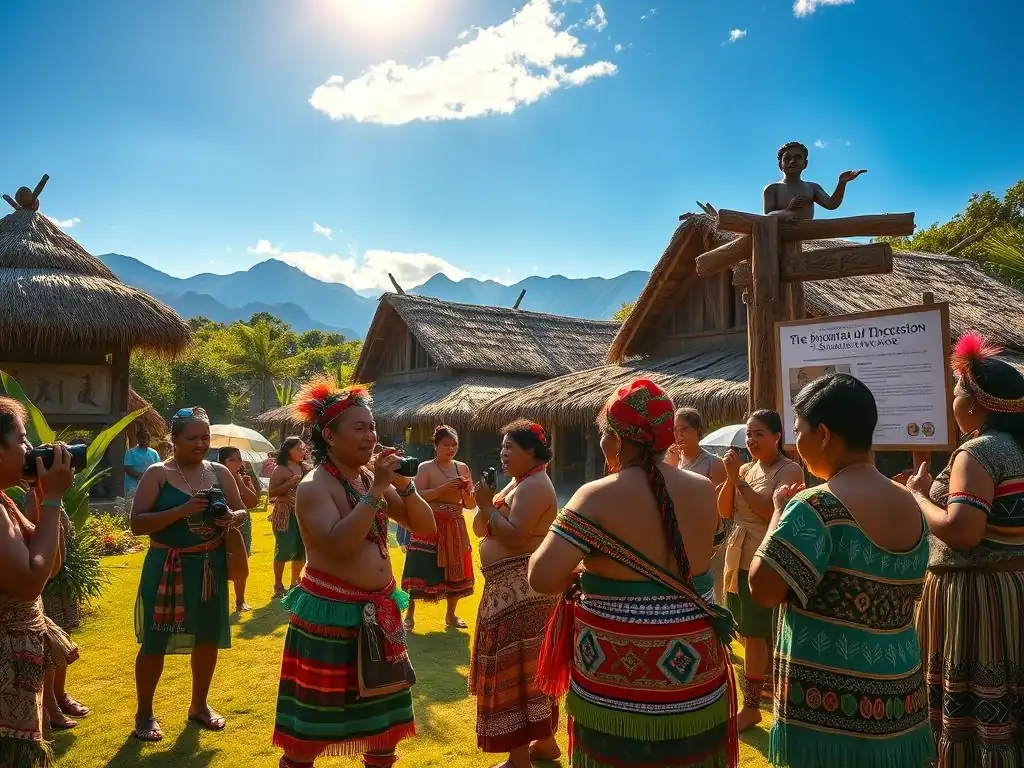
Welcome to Indigenous Civilizations of the Americas, where we invite you to embark on a captivating journey through the rich tapestry of indigenous cultures that flourished long before European contact. In our featured article, "The Interplay Between Tourism and Heritage Conservation: Striking a Balance," we delve into the intricate relationship between indigenous tourism and heritage conservation. Discover how these vital aspects not only celebrate the legacies of ancient societies but also challenge us to protect their enduring heritage. Join us as we uncover the stories, achievements, and lasting impacts of these remarkable civilizations, igniting your curiosity to explore further!
-
The Interplay Between Indigenous Tourism and Heritage Conservation: Striking a Balance
- Introduction to Indigenous Tourism and Heritage Conservation
- The Benefits of Indigenous Tourism for Heritage Conservation
- Challenges in Balancing Indigenous Tourism and Heritage Conservation
- Strategies for Sustainable Indigenous Tourism and Heritage Conservation
- Case Studies: Successful Models of Indigenous Tourism and Heritage Conservation
- The Role of Policy and Regulation in Balancing Tourism and Conservation
- Conclusion: Finding the Right Balance between Indigenous Tourism and Heritage Conservation
-
Frequently Asked Questions
- What is the focus of the article "The Interplay Between Tourism and Heritage Conservation: Striking a Balance"?
- How does indigenous tourism contribute to heritage conservation?
- Why is it important to balance tourism and conservation?
- What role do indigenous communities play in tourism?
- How can travelers support indigenous tourism and heritage conservation?
- Final Reflection: Balancing Heritage and Tourism for a Sustainable Future
- Embrace, Protect, and Experience Our Heritage!
The Interplay Between Indigenous Tourism and Heritage Conservation: Striking a Balance
Introduction to Indigenous Tourism and Heritage Conservation
Indigenous tourism and heritage conservation are two interconnected fields that play a crucial role in preserving the rich cultural tapestry of the Americas. As the world becomes increasingly aware of the significance of indigenous cultures, the tourism sector has begun to recognize the potential of showcasing these unique heritages.
This article explores the dynamic relationship between indigenous tourism and heritage conservation, emphasizing the need to strike a balance that allows for economic growth while safeguarding the cultural identities and traditions of indigenous peoples. By understanding this interplay, stakeholders can foster sustainable practices that benefit local communities and honor their heritage.
Defining Indigenous Tourism and Its Importance
Indigenous tourism is a form of travel that emphasizes the experiences and perspectives of indigenous peoples. It offers tourists the opportunity to engage with indigenous communities, learn about their traditions, and appreciate their histories. This type of tourism can take many forms, including cultural tours, arts and crafts workshops, and immersive experiences in traditional lifestyles.
The importance of indigenous tourism lies in its ability to:
- Empower Indigenous Communities: It provides a platform for indigenous voices and allows communities to share their stories, ensuring that they have control over how their culture is represented.
- Generate Economic Opportunities: By attracting visitors, indigenous tourism can create jobs and stimulate local economies, helping to alleviate poverty and improve living standards.
- Promote Cultural Exchange: It encourages dialogue between indigenous peoples and tourists, fostering greater understanding and respect for diverse cultures.
Overview of Heritage Conservation in Indigenous Contexts
Heritage conservation refers to the practices and policies aimed at preserving cultural, historical, and natural resources for future generations. In the context of indigenous cultures, this includes safeguarding traditional knowledge, languages, sacred sites, and practices that define their identity.
Key aspects of heritage conservation in indigenous contexts include:
- Collaboration with Indigenous Peoples: Successful conservation efforts often involve working closely with indigenous communities to ensure their perspectives and needs are prioritized.
- Legal Protections: Many governments and organizations are establishing laws and frameworks that protect indigenous heritage, recognizing its intrinsic value.
- Sustainable Practices: Conservation initiatives are increasingly incorporating sustainable methods that respect the environment and the cultural significance of the resources being protected.
The Benefits of Indigenous Tourism for Heritage Conservation
The relationship between indigenous tourism and heritage conservation is not merely transactional; it is symbiotic. When managed effectively, indigenous tourism can significantly enhance heritage conservation efforts.
Economic Impact of Indigenous Tourism on Local Communities
One of the most tangible benefits of indigenous tourism is its economic impact. By attracting visitors to indigenous territories, communities can generate revenue that can be reinvested in conservation projects and local development.
- Job Creation: Tourism can create a variety of jobs, from guides and artisans to hospitality staff, fostering economic resilience.
- Funding for Conservation: Revenue from tourism can be directed towards preserving cultural sites, funding educational programs, and supporting traditional practices.
- Stimulating Local Business: Increased tourism can benefit local businesses, from restaurants to craft markets, creating a thriving economic ecosystem that supports heritage conservation.
Cultural Preservation through Indigenous Tourism Initiatives
Indigenous tourism initiatives often prioritize cultural preservation as a core value. By sharing their stories and traditions with visitors, indigenous communities can reinforce their cultural identities and ensure that their heritage is not only preserved but also celebrated.
- Cultural Workshops and Experiences: Many tourism initiatives include workshops where visitors can learn traditional crafts, music, or dance, fostering a deeper appreciation for indigenous cultures.
- Storytelling and Oral Histories: These initiatives often emphasize the importance of storytelling, allowing indigenous peoples to share their histories and perspectives directly with visitors.
Enhancing Awareness and Education about Indigenous Cultures
Indigenous tourism serves as a powerful educational tool, helping to raise awareness about the histories, struggles, and triumphs of indigenous peoples. Through authentic experiences, tourists can gain insights that challenge stereotypes and promote a more nuanced understanding of indigenous cultures.
- Educational Programs: Many indigenous tourism operators offer educational programs that highlight the significance of cultural practices and the impacts of colonization.
- Community Engagement: By engaging with visitors, indigenous communities can foster a sense of responsibility among tourists to advocate for and support heritage conservation efforts.
The interplay between indigenous tourism and heritage conservation is vital for both preserving cultural identities and promoting sustainable economic development. By striking a balance between these two areas, we can ensure that indigenous cultures not only survive but thrive in the modern world.
Challenges in Balancing Indigenous Tourism and Heritage Conservation
The relationship between indigenous tourism and heritage conservation is complex and often fraught with challenges. As the demand for authentic cultural experiences increases, many indigenous communities find themselves at a crossroads. While tourism can foster economic development and cultural exchange, it also poses significant risks to the preservation of cultural identities and natural environments. Finding a balance between promoting tourism and protecting heritage requires careful consideration of various factors, including environmental sustainability, cultural integrity, and community involvement.
Environmental Concerns Related to Increased Tourism
One of the primary challenges of increased indigenous tourism is the environmental impact that often accompanies higher visitor numbers. Popular tourist destinations may experience:
- Resource Depletion: Increased demand for water, energy, and food can strain local resources, disrupting traditional practices and ecological balance.
- Habitat Disturbance: Construction of tourism infrastructure, such as hotels and roads, can lead to habitat destruction and fragmentation. This can endanger local wildlife and disrupt ecosystems that indigenous communities rely on for sustenance.
- Waste Management Issues: Higher tourist volumes generate significant waste, including plastics and food waste, which can overwhelm local waste management systems and lead to pollution of land and waterways.
To mitigate these environmental concerns, it is crucial to implement sustainable practices that prioritize ecological health while supporting indigenous communities.
Cultural Appropriation and Misrepresentation of Indigenous Cultures
Cultural appropriation poses another significant challenge in the realm of indigenous tourism. When elements of indigenous cultures are commodified or misrepresented for tourist consumption, it can lead to:
- Loss of Authenticity: Authentic cultural practices may be altered or diluted to cater to tourist expectations, undermining the true essence of the culture.
- Stereotyping: Misrepresentation can contribute to harmful stereotypes, reducing complex cultures to simplistic narratives that do not accurately reflect the lived experiences of indigenous peoples.
- Exploitation: Indigenous communities may not receive fair compensation for their cultural expressions, resulting in economic exploitation while outsiders profit from their heritage.
Addressing these issues requires a commitment to ethical tourism practices that respect and honor indigenous cultures.
Over-Tourism and Its Effects on Heritage Sites
Over-tourism is a pressing issue that affects many heritage sites associated with indigenous cultures. The influx of visitors can lead to:
- Wear and Tear on Sites: Increased foot traffic can damage sacred sites, archaeological remains, and natural landscapes, threatening their integrity and longevity.
- Community Displacement: As tourism grows, local communities may be pushed out of their homes due to rising living costs and the prioritization of tourist accommodations over local needs.
- Cultural Erosion: The constant presence of tourists can alter traditional ways of life, leading to a gradual erosion of cultural practices and community cohesion.
Strategies must be developed to manage tourism effectively, ensuring that heritage sites are preserved for future generations while allowing indigenous communities to thrive.
Strategies for Sustainable Indigenous Tourism and Heritage Conservation
To effectively balance indigenous tourism with heritage conservation, a variety of strategies can be employed. These approaches aim to promote sustainable tourism practices that respect both the environmental and cultural integrity of indigenous communities.
Community-Led Tourism Initiatives
Empowering indigenous communities to lead their tourism initiatives is a fundamental strategy for sustainable development. This approach allows communities to:
- Set Their Own Terms: Indigenous communities can determine how their culture and heritage are presented and shared, ensuring authenticity and respect.
- Economic Independence: Community-led initiatives can provide direct economic benefits, allowing communities to invest in their own development and conservation efforts.
- Cultural Preservation: By taking charge of tourism, communities can prioritize the preservation of their cultural practices and traditions, fostering intergenerational knowledge transfer.
Best Practices in Heritage Site Management
Implementing best practices in heritage site management is crucial for protecting both natural and cultural resources. Key strategies include:
- Visitor Education: Educating tourists about the significance of heritage sites and the importance of respectful behavior can help mitigate negative impacts.
- Sustainable Practices: Employing sustainable practices, such as limiting visitor numbers and promoting eco-friendly transportation options, can reduce environmental impacts.
- Regular Monitoring: Continuous monitoring of heritage sites allows for timely interventions to address potential threats and ensure their preservation.
Collaborations between Indigenous Communities and Tourism Operators
Building strong collaborations between indigenous communities and tourism operators is essential for creating a sustainable tourism framework. Effective partnerships can facilitate:
- Shared Knowledge: Tourism operators can learn from indigenous communities about cultural practices and sustainable management, leading to enriched visitor experiences.
- Resource Sharing: Collaborative efforts can pool resources, expertise, and funding to support conservation projects and community development.
- Joint Marketing Efforts: By working together, indigenous communities and tourism operators can create marketing strategies that highlight authentic experiences while promoting cultural respect.
Through these collaborative approaches, it is possible to create a tourism model that honors indigenous cultures while ensuring the conservation of their heritage.
Case Studies: Successful Models of Indigenous Tourism and Heritage Conservation
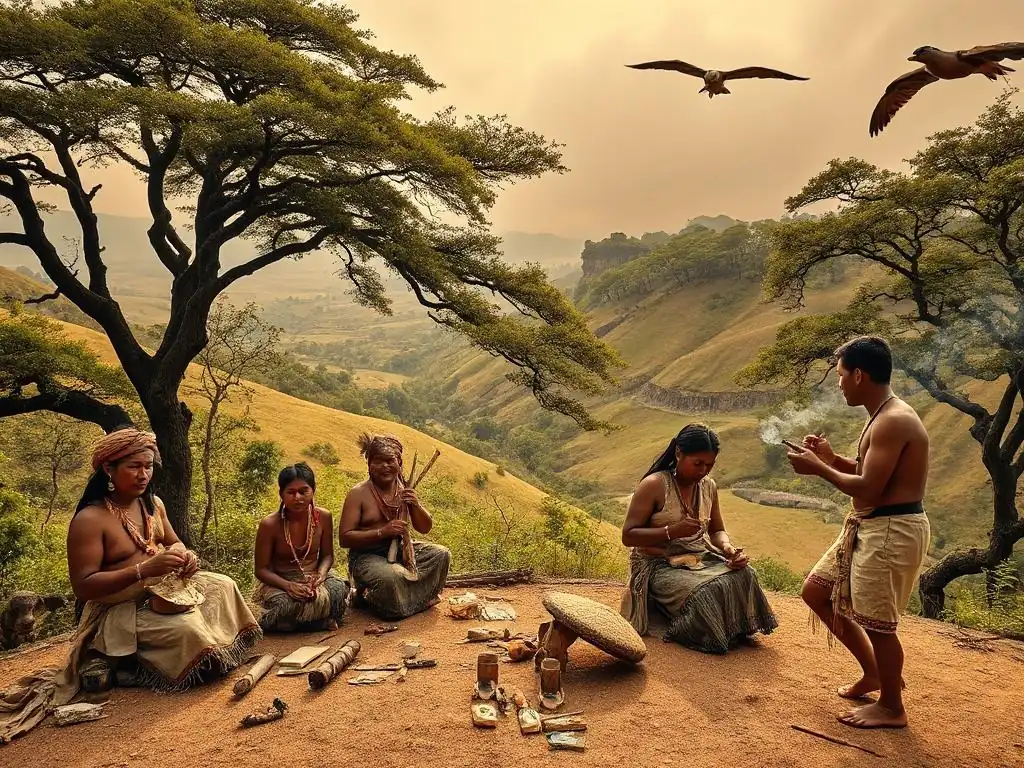
Indigenous tourism can serve as a powerful tool for heritage conservation, allowing indigenous communities to share their culture while preserving their traditions and environments. Here, we explore two compelling case studies that illustrate successful models of indigenous tourism and heritage conservation.
Case Study 1: The Maori Tourism Initiatives in New Zealand
The Maori of New Zealand have developed various tourism initiatives that not only promote their culture but also prioritize the conservation of their heritage. One of the most notable projects is the Te Puia in Rotorua, which features geothermal wonders and showcases traditional Maori arts and crafts. Visitors can engage in cultural performances, such as the haka, and participate in workshops led by Maori artisans.
This initiative is grounded in the principle of kaitiakitanga, which emphasizes guardianship and conservation of the land and culture. Profits from these tourism projects are reinvested into the community, funding educational programs and conservation efforts. Furthermore, the Maori have successfully lobbied for cultural protocols that protect their heritage sites from exploitation, ensuring that tourism practices align with their values and traditions.
Case Study 2: The Xhosa Cultural Heritage Projects in South Africa
The Xhosa people in South Africa have taken significant steps to enhance their cultural heritage through tourism. Initiatives like the Xhosa Cultural Village allow visitors to immerse themselves in Xhosa traditions, including traditional music, dance, and storytelling. This engagement not only educates tourists but also instills a sense of pride in the Xhosa community about their heritage.
The Xhosa projects often emphasize the importance of sustainable practices. For example, local artisans are involved in creating authentic crafts sold to tourists, which helps to maintain traditional skills and provides economic benefits to the community. These initiatives are supported by partnerships with conservation organizations that help preserve natural landscapes, ensuring that tourism does not harm the environment. By focusing on sustainability, the Xhosa people manage to balance tourism and heritage conservation effectively.
The Role of Policy and Regulation in Balancing Tourism and Conservation
Effective policy and regulation are crucial in ensuring that indigenous tourism supports rather than undermines heritage conservation. Governments and organizations must work together to create frameworks that promote sustainable practices, protecting both the cultural and environmental attributes of indigenous communities.
Government Policies Supporting Indigenous Tourism and Heritage Conservation
In many countries, governments have recognized the importance of indigenous tourism for both economic development and cultural preservation. Policies often include:
- Funding and Grants: Governments can provide financial support for indigenous-led tourism initiatives, enabling communities to develop their own projects that reflect their cultural identity.
- Training Programs: Initiatives that offer training for indigenous individuals in hospitality and tourism management can empower communities to take charge of their cultural narrative.
- Legal Protections: Establishing laws that protect indigenous lands and cultural expressions from exploitation helps secure a foundation for sustainable tourism practices.
These policies foster a collaborative relationship between indigenous communities and governmental bodies, ensuring that tourism initiatives align with conservation goals.
International Guidelines for Sustainable Tourism Practices
International organizations, such as the United Nations World Tourism Organization (UNWTO), have developed guidelines that encourage sustainable tourism practices worldwide. Key principles include:
- Respect for local cultures: Tourism should honor and reflect local traditions, ensuring authentic experiences for visitors while protecting cultural integrity.
- Environmental Sustainability: Guidelines stress the need for tourism activities to minimize environmental impact, promoting conservation and responsible resource management.
- Community Involvement: Sustainable tourism practices should involve local communities in decision-making processes, ensuring that they benefit from tourism while preserving their heritage.
By adhering to these international guidelines, indigenous tourism can thrive alongside heritage conservation, creating a balanced approach that respects culture and promotes sustainability.
Conclusion: Finding the Right Balance between Indigenous Tourism and Heritage Conservation
Finding the right balance between indigenous tourism and heritage conservation is crucial for the sustainability of both cultural heritage and tourism initiatives. Indigenous communities possess unique cultural identities, traditions, and histories that can greatly enrich the tourism experience. However, the influx of tourists can sometimes threaten these same cultural assets if not managed properly. Striking this balance requires a collaborative approach that prioritizes the voices and needs of indigenous peoples while promoting responsible tourism practices.
To achieve this balance, stakeholders must engage in meaningful dialogue, ensuring that indigenous communities are not just participants but leaders in tourism development. This involves recognizing their rights to their cultural heritage and enabling them to establish guidelines that govern how their traditions and sites are presented to visitors. Investments in education and training for indigenous guides can also enhance the visitor experience while ensuring that cultural narratives are shared authentically.
Ultimately, a successful model of indigenous tourism should not only provide economic benefits but also foster appreciation and respect for indigenous cultures. By promoting ethical tourism practices that align with conservation efforts, we can help safeguard the rich heritage of indigenous peoples for generations to come.
The Future of Indigenous Tourism and Its Role in Conservation Efforts
The future of indigenous tourism holds significant promise, especially as awareness of cultural preservation grows among travelers. Today’s tourists are increasingly seeking authentic experiences that connect them with local cultures and histories. This trend can provide indigenous communities with the opportunity to showcase their heritage while benefiting economically from tourism.
As indigenous tourism evolves, it can become a powerful tool for conservation efforts. By highlighting traditional practices, land management techniques, and ecological knowledge passed down through generations, indigenous tourism can educate visitors about the importance of preserving both cultural and natural resources. Collaborations between indigenous communities and conservation organizations can create programs that protect sacred sites while promoting sustainable tourism practices.
Looking ahead, technology will also play a crucial role in shaping indigenous tourism. Digital storytelling, virtual reality experiences, and social media platforms can help amplify indigenous voices and share their narratives with a global audience. However, it is essential that these technologies are used ethically and that indigenous communities retain control over their stories and representations.
Call to Action for Stakeholders in Indigenous Tourism and Heritage Conservation
For indigenous tourism and heritage conservation to thrive, a collective effort is needed from all stakeholders involved. Here are some actionable steps that can be taken:
- Empower Indigenous Communities: Ensure that indigenous peoples are engaged as equal partners in the development of tourism initiatives. Their insights and expertise are vital for authentic representation and sustainable practices.
- Promote Ethical Tourism Practices: Encourage tourists to respect local customs and environments. This can be achieved through educational materials that inform visitors about culturally appropriate behavior and the significance of the sites they are visiting.
- Invest in Training and Capacity Building: Develop training programs for indigenous guides and community members to enhance their skills in tourism management, hospitality, and cultural presentation. This investment will ensure that they can effectively communicate their heritage while providing quality experiences to visitors.
- Foster Partnerships: Create alliances between indigenous communities, conservation organizations, and tourism operators. These partnerships can lead to innovative solutions that benefit both cultural heritage and tourism sustainability.
- Advocate for Policy Changes: Support policies that recognize and protect indigenous rights, particularly concerning land use and cultural heritage. Advocacy at local, national, and international levels is essential to ensure that tourism development aligns with conservation goals.
By taking these steps, stakeholders can work together to create a sustainable model for indigenous tourism that not only respects and preserves cultural heritage but also enhances the livelihoods of indigenous communities. This balanced approach is essential for the future of both indigenous tourism and heritage conservation.
Frequently Asked Questions
What is the focus of the article "The Interplay Between Tourism and Heritage Conservation: Striking a Balance"?
The article emphasizes the relationship between tourism and heritage conservation, particularly how indigenous cultures can benefit from responsible tourism while preserving their cultural heritage.
How does indigenous tourism contribute to heritage conservation?
Indigenous tourism can provide economic benefits that incentivize the protection and preservation of cultural sites and practices, ensuring that these heritage elements are maintained for future generations.
Why is it important to balance tourism and conservation?
A balance is crucial to prevent overexploitation of cultural sites, allowing for the sustainable development of tourism that respects and protects indigenous heritage while also providing economic opportunities for local communities.
What role do indigenous communities play in tourism?
Indigenous communities are essential in shaping tourism narratives, guiding visitors through their cultural practices and histories, which fosters a deeper understanding and appreciation of their heritage.
How can travelers support indigenous tourism and heritage conservation?
Travelers can support this cause by choosing responsible tour operators, engaging in culturally respectful activities, and advocating for the rights and benefits of indigenous peoples in tourism practices.
Final Reflection: Balancing Heritage and Tourism for a Sustainable Future
The interplay between tourism and heritage conservation is more relevant today than ever, as we witness the growing impact of indigenous tourism on cultural preservation and community empowerment. As global travel continues to rise, the challenge lies in ensuring that the rich tapestry of our heritage is not only preserved but celebrated in a way that respects the traditions and values of indigenous communities. The urgency of this balance cannot be overstated, as it shapes the future of both tourism and the cultural legacies we hold dear.
Cultural heritage is not merely a relic of the past; it is a living narrative that continues to evolve and influence our societies. The ongoing dialogue surrounding indigenous tourism and heritage conservation highlights the importance of collaboration between local communities and tourists.
By fostering mutual respect and understanding, we can create experiences that honor the stories and traditions of indigenous peoples while providing them with the economic opportunities that tourism can offer. As the saying goes, “Heritage is not what we inherit from our ancestors, but what we pass on to our children.” > This quote encapsulates the essence of our responsibility to safeguard these legacies for future generations.
As you reflect on the insights shared in this article, consider how you can contribute to the balance between tourism and heritage conservation in your own life. Engage with indigenous tourism in a way that honors and respects local cultures, and advocate for practices that prioritize sustainability and preservation.
By becoming a conscious traveler and a steward of heritage, you can help ensure that the stories of indigenous communities continue to thrive, enriching not only your own experiences but also the lives of those who share their heritage with you. Let us all commit to being part of the solution, fostering a world where tourism and heritage conservation coexist harmoniously.
Embrace, Protect, and Experience Our Heritage!
Thank you for taking the time to explore the critical relationship between tourism and heritage conservation. Your interest in these issues is vital for preserving our rich cultural landscapes for future generations. Now, it’s time to put that knowledge into action!
Here are a few steps you can take to make a difference:
- Join a local heritage conservation group or volunteer your time. Your involvement can directly contribute to the safeguarding of invaluable cultural sites.
- Plan your next trip around heritage tourism— choose destinations that prioritize sustainability and responsible practices. Every journey can support conservation efforts!
- Share your experiences on social media or with friends, spreading awareness about the importance of maintaining a balance between tourism and heritage conservation.
What unique experiences have you had that influenced your view on heritage conservation while traveling? We encourage you to share your thoughts below!