
Indigenous Heritage Conservation: The Role of International Law and Agreements


Welcome to Indigenous Civilizations of the Americas, where we embark on an enlightening journey through the rich tapestry of indigenous cultures that flourished long before European contact. Discover the profound indigenous cultural heritage protection efforts that not only celebrate these remarkable societies but also ensure their legacies endure for future generations.
In our featured article, "Indigenous Heritage Conservation: The Role of International Law and Agreements," we delve into the vital role that legal frameworks play in safeguarding these invaluable traditions. Join us as we uncover the stories, achievements, and ongoing preservation efforts that continue to resonate today—your exploration starts here!
Indigenous cultural heritage protection is a pivotal area of focus in the broader context of heritage conservation. As we delve into the complex tapestry of indigenous civilizations that flourished across the Americas prior to European colonization, it becomes clear that the preservation of their cultural heritage is not only a matter of respecting the past but is also essential for the identity and continuity of contemporary indigenous communities.
This article explores the significance of international law and agreements in safeguarding indigenous heritage, highlighting how legal frameworks can empower indigenous groups to protect their cultural expressions, traditions, and historical sites. Through a comprehensive understanding of these mechanisms, we can appreciate the vital role they play in ensuring that indigenous voices are respected in the ongoing narrative of our shared human heritage.
Understanding Indigenous Cultural Heritage Protection
Definition of Indigenous Cultural Heritage
Indigenous cultural heritage encompasses a wide range of tangible and intangible assets, including:
- Artifacts and Artworks: Objects created by indigenous peoples that reflect their cultural practices and beliefs.
- Languages and Oral Traditions: The languages spoken and the stories passed down through generations, which encapsulate unique worldviews and histories.
- Traditional Knowledge: Practices related to agriculture, medicine, and environmental stewardship that are rooted in indigenous cultures.
- Sacred Sites: Locations of spiritual significance that hold historical and cultural importance for indigenous communities.
This multifaceted definition illustrates the depth and richness of indigenous cultural heritage, which is integral to the identity and continuity of indigenous peoples.
Importance of Protecting Indigenous Heritage
Protecting indigenous cultural heritage is essential for several reasons:
- Cultural Identity: Heritage is vital for maintaining the identities of indigenous communities, fostering a sense of belonging and continuity.
- Historical Context: Safeguarding heritage allows for the preservation of history, ensuring that past narratives are not lost or misrepresented.
- Social Justice: Protecting heritage is a matter of rights, acknowledging the historical injustices faced by indigenous groups and providing them with agency over their cultural expressions.
- Biodiversity and Sustainability: Indigenous knowledge systems often encompass sustainable practices that contribute to environmental conservation, making their protection crucial for ecological health.
Overview of International Law and Agreements
Key International Treaties and Conventions
Numerous international treaties and conventions have been established to support indigenous cultural heritage protection, including:
- UN Declaration on the Rights of Indigenous Peoples (UNDRIP): This landmark document affirms the rights of indigenous peoples to maintain and strengthen their distinct cultural identities and practices.
- Convention on the Recognition and Enforcement of Foreign Arbitral Awards: While primarily focused on arbitration, it has implications for indigenous claims regarding cultural property.
- Convention for the Safeguarding of the Intangible Cultural Heritage: This UNESCO convention specifically seeks to protect the intangible cultural heritage of communities, including indigenous groups, worldwide.
These agreements underscore the international commitment to recognizing and safeguarding the cultural heritage of indigenous peoples, providing a framework for advocacy, protection, and sustainable development. Through a thorough understanding of these legal instruments, we can better appreciate their significance in the ongoing efforts for indigenous cultural heritage protection.
The Role of International Law in Indigenous Heritage Protection
International law plays a pivotal role in the protection of Indigenous cultural heritage by establishing frameworks that recognize the rights of Indigenous peoples and their connection to their ancestral lands and cultural practices. Instruments like the United Nations Declaration on the Rights of Indigenous Peoples (UNDRIP) emphasize the importance of respecting Indigenous cultures, traditions, and the right to maintain and strengthen their distinct identities. This framework outlines key principles, such as the need for free, prior, and informed consent regarding any activities that might affect Indigenous territories and heritage.
Furthermore, international treaties and conventions, such as the Convention on Biological Diversity and the 1972 UNESCO World Heritage Convention, highlight the significance of safeguarding Indigenous heritage. These agreements call for the involvement of Indigenous communities in decision-making processes related to heritage conservation, thereby empowering them to play an active role in preserving their cultural legacy.
By promoting international collaboration and setting standards for the protection of Indigenous heritage, international law serves as a critical tool in combating the impacts of colonization and ensuring that Indigenous voices are heard in discussions about their cultural preservation.
Legal Frameworks Supporting Indigenous Rights
Legal frameworks supporting Indigenous rights are essential for the comprehensive protection of Indigenous cultural heritage. These frameworks can be divided into international, national, and indigenous-specific legislation.
- International Frameworks:
- UNDRIP: Affirms the rights of Indigenous peoples to maintain their cultural practices and protect their heritage.
- Convention on Biological Diversity: Recognizes the role of Indigenous peoples in biodiversity conservation and sustainable use.
- National Legislation:
- Countries like Canada and New Zealand have enacted laws that recognize Indigenous rights and provide mechanisms for consultation and participation in heritage management.
- The Native American Graves Protection and Repatriation Act (NAGPRA) in the United States exemplifies national efforts to return ancestral remains and cultural items to Indigenous tribes.
- Indigenous Laws and Governance:
- Many Indigenous communities have established their own legal systems that govern their cultural heritage practices, ensuring that their traditional knowledge and customs are respected and preserved.
These legal frameworks create a multi-layered approach to Indigenous rights, reinforcing the need for collaboration between Indigenous communities, national governments, and international bodies to protect and promote Indigenous cultural heritage.
Case Studies of Successful Implementations
Several notable case studies illustrate the successful implementation of legal frameworks to protect Indigenous cultural heritage:
- The Maori of New Zealand: The Treaty of Waitangi (1840) established a legal foundation for Maori rights. Recent settlements have seen the return of significant cultural sites and resources, allowing the Maori to maintain their cultural practices and heritage.
- The Zapatista Movement in Mexico: This movement has highlighted the rights of Indigenous peoples in Chiapas, advocating for land rights and cultural recognition. The San Andrés Accords of 1996 marked a significant step in recognizing Indigenous autonomy and cultural heritage.
- The Indigenous Land Corporation (ILC) in Australia: The ILC has supported various projects aimed at conserving Indigenous cultural heritage, including land management initiatives that integrate traditional ecological knowledge. These efforts demonstrate how legal frameworks can empower Indigenous communities to actively engage in heritage conservation.
These case studies reflect the potential for legal frameworks to facilitate the recognition and protection of Indigenous cultural heritage, showcasing successful collaborations between Indigenous peoples and governmental organizations.
Challenges in Indigenous Cultural Heritage Protection
Despite the established legal frameworks, numerous challenges persist in the protection of Indigenous cultural heritage. These challenges can hinder the effectiveness of international law and agreements in safeguarding Indigenous rights and heritage.
Legal Challenges Faced by Indigenous Communities
Indigenous communities often encounter legal challenges that impede their ability to protect their cultural heritage. For instance, limited access to legal resources and representation can make it difficult for Indigenous groups to navigate complex legal systems. Additionally, many Indigenous rights are still not fully recognized in national constitutions or laws, leading to ongoing disputes over land and resource rights.
Furthermore, the burden of proof often lies with Indigenous communities to demonstrate their historical and cultural ties to specific lands or artifacts, which can be particularly challenging given the historical context of colonization and displacement. This legal imbalance can result in inadequate protection for Indigenous heritage sites and cultural practices.
Conflicts Between National Laws and International Agreements
Conflicts between national laws and international agreements pose significant challenges to Indigenous cultural heritage protection. In many instances, national laws may prioritize economic development, resource extraction, or infrastructure projects over the rights of Indigenous peoples. This can lead to situations where Indigenous rights, as outlined in international agreements, are overlooked or violated.
For example, projects such as mining or logging may proceed without adequate consultation or consent from Indigenous communities, contravening the principles established in UNDRIP. Such conflicts not only undermine the legal protections afforded to Indigenous peoples but also threaten the sustainability of their cultural heritage.
Resolving these conflicts requires a concerted effort from both national governments and international bodies to align domestic laws with international obligations, ensuring that Indigenous rights are upheld in practice.
Economic Pressures and Exploitation of Indigenous Lands
Economic pressures and exploitation of Indigenous lands present another significant challenge to cultural heritage protection. Rapid industrialization, urbanization, and globalization often lead to encroachments on Indigenous territories, threatening their cultural and ecological integrity.
Indigenous communities frequently face the dilemma of balancing economic development with the preservation of their cultural heritage. In many cases, the lure of financial gain from resource extraction can overshadow the importance of protecting sacred sites and traditional practices. This exploitation not only erodes Indigenous cultures but also exacerbates social inequalities and environmental degradation.
Addressing these economic pressures requires a holistic approach that recognizes the value of Indigenous knowledge and practices in sustainable development. Collaborative efforts between Indigenous communities, governments, and private sectors can foster economic opportunities while simultaneously safeguarding cultural heritage.
Strategies for Effective Heritage Conservation
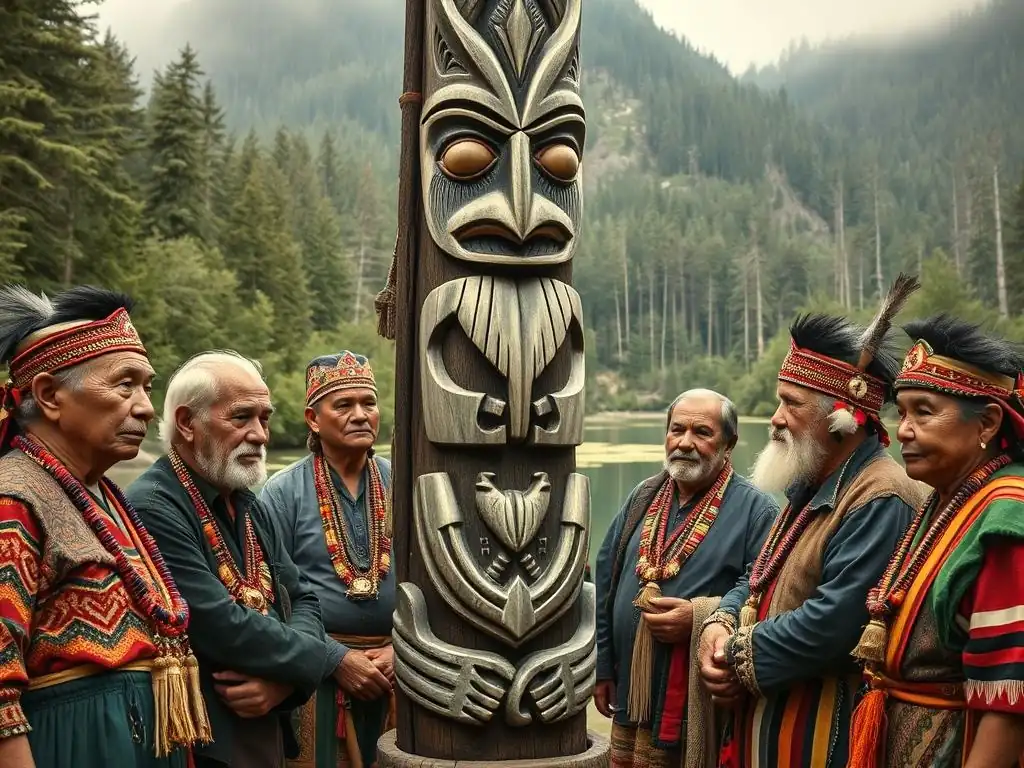
Effective heritage conservation of Indigenous cultural heritage requires a multifaceted approach that incorporates various strategies to ensure the preservation of traditions, languages, and artifacts. These strategies often include legal frameworks, community engagement, and sustainable development practices that respect Indigenous rights and sovereignty.
One key strategy is the integration of traditional knowledge into conservation practices. Indigenous communities possess valuable insights into their cultural heritage that can guide conservation efforts. By recognizing and valuing this knowledge, conservationists can develop more effective and culturally appropriate strategies. This integration often leads to more sustainable outcomes, as traditional practices are typically designed with long-term ecological stewardship in mind.
Additionally, the use of technology in documenting and preserving Indigenous heritage has become increasingly prominent. Digital archiving, GIS mapping, and virtual reality can help in recording oral histories, traditional practices, and significant sites, making them accessible to wider audiences while ensuring their continued relevance.
Collaborations Between Indigenous Communities and Governments
Collaborative efforts between Indigenous communities and governments are crucial for effective heritage conservation. Such collaborations create a platform for open dialogue, allowing Indigenous voices to be heard in decision-making processes. By working together, both parties can develop policies that respect Indigenous rights while addressing the needs of the broader society.
Governments can facilitate this collaboration by recognizing Indigenous land rights and sovereignty. This recognition empowers communities to manage their cultural heritage and ensures that conservation efforts align with their values and traditions. In many regions, co-management agreements have been established, allowing Indigenous communities to work alongside governmental bodies in managing cultural resources effectively.
Moreover, funding and resource allocation from governmental agencies can significantly enhance conservation efforts. By providing financial support for community-led projects, governments can help ensure that Indigenous heritage is preserved for future generations while fostering economic development within these communities.
The Role of NGOs in Supporting Indigenous Heritage
Non-Governmental Organizations (NGOs) play a vital role in supporting Indigenous cultural heritage protection. They often act as intermediaries, facilitating communication between Indigenous communities and government entities, and providing resources necessary for conservation projects.
Many NGOs focus on capacity-building initiatives that empower Indigenous groups to take the lead in heritage conservation. This includes training programs in heritage management, legal rights education, and funding assistance to develop cultural programs. By equipping Indigenous communities with the tools and knowledge needed to protect their heritage, NGOs help to ensure that conservation efforts are sustainable and driven by the communities themselves.
Furthermore, NGOs often engage in advocacy work, raising awareness about the importance of Indigenous heritage and the threats it faces. By mobilizing public support and influencing policy at various levels, these organizations can lead to stronger legal protections and greater recognition of Indigenous cultural rights.
Best Practices for Community-Led Conservation Efforts
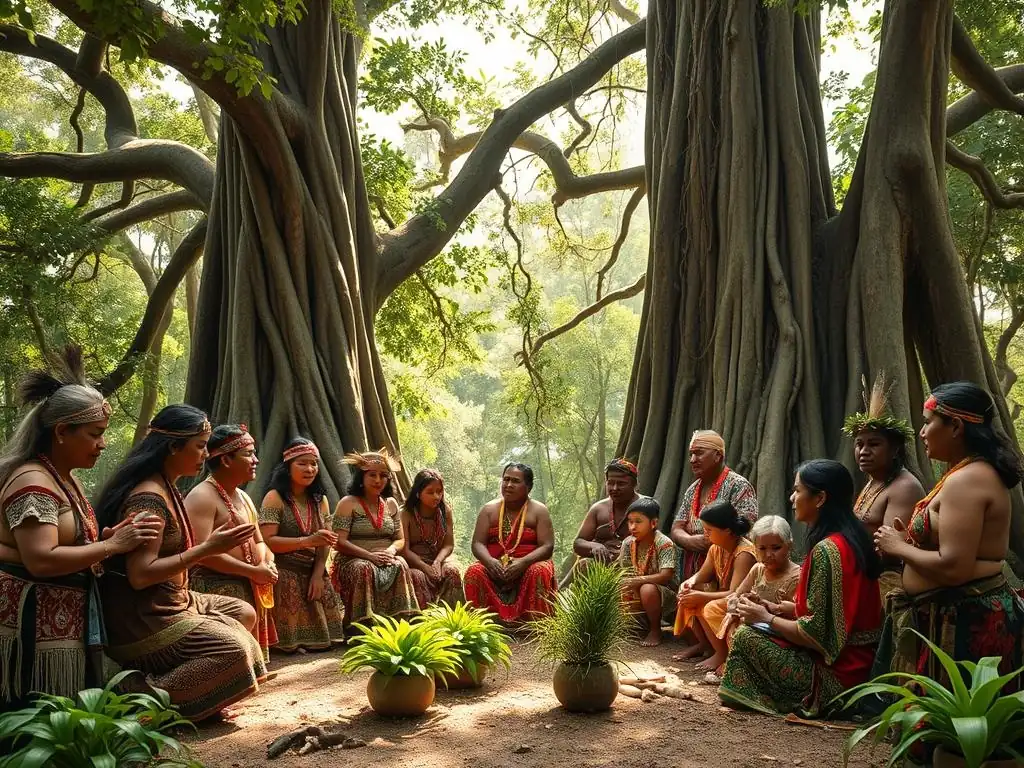
Community-led conservation efforts have proven to be some of the most effective strategies for protecting Indigenous cultural heritage. Best practices in this area often include:
- Participatory Planning: Involving community members in the planning process ensures that conservation efforts reflect their values and priorities.
- Cultural Revitalization Programs: Initiatives aimed at revitalizing languages, traditional crafts, and ceremonies help strengthen cultural identity and promote heritage conservation.
- Intergenerational Knowledge Transfer: Encouraging the transmission of traditional knowledge from elders to younger generations is essential for maintaining cultural practices and ensuring their continued relevance.
- Sustainable Practices: Incorporating sustainable resource management practices helps protect natural landscapes and cultural sites, ensuring they can be preserved for future generations.
By focusing on these best practices, Indigenous communities can create robust frameworks for heritage conservation that not only protect their cultural heritage but also enhance community cohesion and resilience.
Future Directions for Indigenous Cultural Heritage Protection
The future of Indigenous cultural heritage protection is shaped by evolving international laws and societal awareness. Several key areas are emerging that will influence how cultural heritage is preserved and respected globally.
Emerging Trends in International Law
Recent trends in international law have begun to recognize the significance of Indigenous cultural heritage. Instruments such as the United Nations Declaration on the Rights of Indigenous Peoples (UNDRIP) emphasize the importance of protecting Indigenous identities, cultures, and traditional knowledge. These legal frameworks are increasingly being adopted by nations worldwide, leading to more robust protections for Indigenous heritage.
Additionally, regional agreements, such as the American Convention on Human Rights, offer further avenues for Indigenous groups to seek redress and protection for their cultural heritage. The integration of Indigenous rights into national laws has also seen an uptick, reflecting a growing recognition of the need for legal frameworks that support the conservation of Indigenous heritage.
The Importance of Education and Awareness
Education and awareness play a crucial role in Indigenous cultural heritage protection. By raising awareness about the importance of Indigenous cultures and the challenges they face, society can foster greater respect and understanding. Educational programs that include Indigenous perspectives in school curricula can contribute to a broader appreciation of cultural diversity.
Moreover, community workshops and public campaigns can engage both Indigenous and non-Indigenous individuals in discussions about heritage conservation. These initiatives help demystify Indigenous cultures and encourage collaborative efforts in protection and preservation.
Advocacy for Stronger Legal Protections
Advocacy for stronger legal protections is essential for ensuring the sustainability of Indigenous cultural heritage. Organizations, both Indigenous-led and non-governmental, must continue to push for legal reforms that recognize and enforce Indigenous rights over their cultural heritage. This includes advocating for laws that prevent unauthorized use of Indigenous cultural expressions and ensuring that communities have the right to consent before any development occurs on their traditional lands.
Strong advocacy efforts can lead to the establishment of heritage protection laws that are inclusive of Indigenous perspectives, ultimately fostering a more equitable legal landscape for cultural heritage conservation. By building coalitions and engaging with policymakers, advocates can drive meaningful change that respects the rights and traditions of Indigenous peoples.
Conclusion: The Path Forward for Indigenous Heritage Conservation
The journey toward effective indigenous heritage conservation is multifaceted, requiring a robust framework that integrates international law, community engagement, and respect for traditional practices. As we reflect on the various aspects of indigenous cultural heritage protection, it becomes clear that a collaborative approach is vital to ensure the survival and flourishing of these rich cultures.
Strengthening international agreements, enhancing local governance, and fostering partnerships between indigenous communities and external organizations are essential steps forward. By addressing the historical injustices faced by indigenous peoples and recognizing their rights to their cultural heritage, we can create a more equitable and just framework for conservation efforts. The path ahead will require ongoing commitment and collaboration from all stakeholders, including governments, NGOs, and indigenous communities themselves.
Summary of Key Points
- Importance of International Law: International frameworks such as the United Nations Declaration on the Rights of Indigenous Peoples (UNDRIP) provide essential guidelines for the protection of indigenous cultural heritage. These laws help recognize the rights of indigenous peoples to their lands, resources, and cultural expressions.
- Role of Local Communities: Engaging local indigenous communities in heritage conservation efforts is critical. Their knowledge, traditions, and history are invaluable assets that must be respected and integrated into conservation practices.
- Collaborative Partnerships: Building partnerships between indigenous groups, governmental bodies, and non-governmental organizations can enhance the effectiveness of conservation strategies. Such collaborations can lead to shared resources and collective action that respect indigenous perspectives.
- Education and Awareness: Raising awareness about the significance of indigenous cultural heritage is key to fostering appreciation and support for conservation efforts. Educational initiatives can empower both indigenous and non-indigenous communities to advocate for the protection of these vital cultural treasures.
- Sustainable Practices: Integrating sustainable practices in the conservation of indigenous heritage ensures that future generations can continue to experience and benefit from these cultural sites and traditions. This involves balancing economic development with the preservation of cultural identity.
Call to Action for Global Support in Indigenous Heritage Protection
To protect indigenous cultural heritage effectively, a global call to action is necessary. Here are some steps that individuals, organizations, and governments can take:
- Advocate for Policy Changes: Support policies that recognize and enforce the rights of indigenous peoples, particularly concerning their cultural heritage. This includes advocating for the inclusion of indigenous voices in decision-making processes.
- Promote Cultural Education: Encourage educational institutions to incorporate indigenous history and culture into their curricula. This helps foster respect and understanding among younger generations.
- Support Indigenous Initiatives: Contribute to or partner with organizations led by indigenous peoples that focus on heritage conservation. These initiatives are often grounded in cultural knowledge and practices that are crucial for effective protection.
- Raise Awareness Through Campaigns: Utilize social media and community events to raise awareness about the importance of indigenous cultural heritage protection. Sharing stories, art, and traditions can help galvanize support for these efforts.
- Engage in Sustainable Tourism: When visiting areas with indigenous cultural significance, practice sustainable tourism that respects local customs and contributes to the community. This can help provide economic support while also promoting heritage conservation.
By taking these actions, we can collectively contribute to the protection and preservation of indigenous cultural heritage, ensuring that these vibrant cultures continue to thrive for generations to come. 🌍✨
- Understanding Indigenous Cultural Heritage Protection
- Overview of International Law and Agreements
- The Role of International Law in Indigenous Heritage Protection
- Challenges in Indigenous Cultural Heritage Protection
- Strategies for Effective Heritage Conservation
- Collaborations Between Indigenous Communities and Governments
- The Role of NGOs in Supporting Indigenous Heritage
- Best Practices for Community-Led Conservation Efforts
- Future Directions for Indigenous Cultural Heritage Protection
- Conclusion: The Path Forward for Indigenous Heritage Conservation
- What is the main focus of the article "Indigenous Heritage Conservation: The Role of International Law and Agreements"?
- Why is indigenous cultural heritage protection significant?
- How do international laws assist in the protection of indigenous cultures?
- What role do agreements play in indigenous heritage conservation?
- How can individuals contribute to the protection of indigenous cultural heritage?
Frequently Asked Questions
What is the main focus of the article "Indigenous Heritage Conservation: The Role of International Law and Agreements"?
The article discusses the importance of protecting indigenous cultural heritage through international law and agreements, highlighting how these frameworks support the rights and achievements of indigenous cultures before European colonization.
Why is indigenous cultural heritage protection significant?
Protecting indigenous cultural heritage is crucial because it safeguards the unique identities, traditions, and histories of indigenous peoples, ensuring their contributions to society are recognized and preserved for future generations.
How do international laws assist in the protection of indigenous cultures?
International laws provide a legal framework that empowers indigenous communities to assert their rights, promote their cultures, and combat the exploitation of their heritage, fostering respect for their historical significance.
What role do agreements play in indigenous heritage conservation?
Agreements, both bilateral and multilateral, facilitate collaboration between governments and indigenous communities, ensuring that their voices are heard and that their cultural practices and sites are preserved and respected.
How can individuals contribute to the protection of indigenous cultural heritage?
Individuals can support indigenous heritage protection by educating themselves, advocating for indigenous rights, participating in cultural events, and respecting the traditions and practices of indigenous peoples in their communities.
Final Reflection: The Vital Importance of Indigenous Cultural Heritage Protection
Indigenous cultural heritage protection is not just a matter of preserving the past; it is a crucial element in shaping our collective future. As we navigate an increasingly globalized world, the significance of recognizing and safeguarding the cultural identities of Indigenous peoples has never been more relevant. The frameworks established by international law and agreements serve as vital tools in this endeavor, ensuring that the voices of Indigenous communities are not only heard but respected. The urgency of this issue is underscored by the ongoing threats to Indigenous heritage, making our commitment to protection imperative.
Cultural heritage is the lifeblood of Indigenous communities, influencing their identity, traditions, and connection to the land. The impact of international agreements on Indigenous cultural heritage protection continues to resonate across the globe, fostering a greater understanding of the need for respect and collaboration. As we witness the revitalization of Indigenous languages, practices, and customs, it becomes clear that these efforts are not merely about preservation; they are about empowerment. Cultural heritage is a bridge between the past and the future, a source of identity and continuity.
This ongoing dialogue between cultures highlights the necessity of protecting Indigenous heritage as a means of fostering social cohesion and mutual respect.
As we reflect on the insights shared in this article, I invite you to consider your role in the protection of Indigenous cultural heritage. Think about how you can contribute to this vital cause, whether through advocacy, education, or simply by honoring the traditions and histories of Indigenous peoples in your own life. Let us commit to being stewards of cultural heritage, recognizing its profound significance not only for Indigenous communities but for humanity as a whole. Together, we can ensure that the rich tapestry of Indigenous cultures continues to thrive for generations to come.
Unveil the Power of Your Voice for Indigenous Heritage!
Thank you for exploring the vital topic of Indigenous heritage conservation through international law and agreements. Your dedication to understanding these complex issues is a powerful step toward making a difference. Now, let's channel that knowledge into action!
Here's how you can get involved:
- Advocate for Indigenous Rights: Reach out to local representatives and support policies that protect Indigenous heritage. Your voice is crucial!
- Join or Support Organizations: Connect with groups dedicated to preserving Indigenous culture. Participate in events, volunteer, or contribute to initiatives that resonate with your values.
- Spread Awareness: Share what you’ve learned today on social media. Use these platforms to educate others about the significance of supporting Indigenous heritage.
How do you plan to champion Indigenous heritage in your community? Share your thoughts—your insights could inspire others!