
Alliances and Rivalries: The Political Landscape of PreColumbian Andes

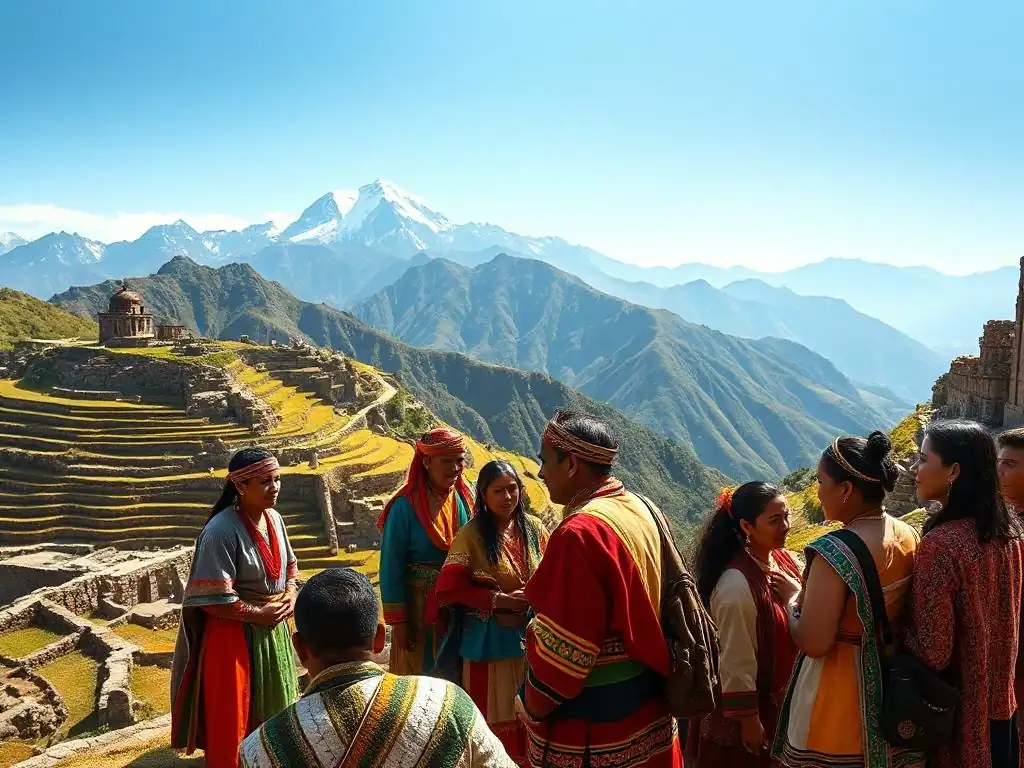
Welcome to Indigenous Civilizations of the Americas, where we delve into the rich tapestry of cultures that flourished long before European contact. Our latest article, "Alliances and Rivalries: The Political Landscape of PreColumbian Andes," invites you to discover the intricate political dynamics that shaped the lives and societies of the Andes' diverse indigenous peoples. From powerful alliances to fierce rivalries, the stories of these civilizations reveal not only their remarkable achievements but also their enduring influence on contemporary culture. Join us on this enlightening journey and uncover the hidden narratives that continue to resonate today!
- Introduction to PreColumbian Andes Political Dynamics
- Major Civilizations in the PreColumbian Andes
- Key Alliances in PreColumbian Andes Politics
- Significant Rivalries and Conflicts
- Political Strategies and Tactics
- The Influence of Geography on Political Dynamics
- Legacy of PreColumbian Andes Political Dynamics
- Conclusion: Reflections on PreColumbian Andes Political Dynamics
-
Frequently Asked Questions
- What were the main political dynamics in the PreColumbian Andes?
- How did alliances shape the societies of the PreColumbian Andes?
- What role did rivalries play in the rise of empires in the Andes?
- How did the political structures of the PreColumbian Andes compare to other indigenous cultures?
- What is the lasting impact of PreColumbian Andes political dynamics on modern societies?
- Final Reflection: Understanding the Political Dynamics of the Pre-Columbian Andes
- Unveil the Rich Tapestry of Pre-Columbian Politics!
Introduction to PreColumbian Andes Political Dynamics
The PreColumbian Andes serve as a fascinating case study in the realm of political dynamics, showcasing the intricate web of alliances and rivalries that defined the region's diverse societies. Before European colonization, the Andes were home to a multitude of indigenous cultures, each with its unique governance structures, social hierarchies, and territorial ambitions.
Understanding these political dynamics is essential for grasping how these civilizations functioned and thrived over centuries. This article will delve into the complexities of the political landscape in the PreColumbian Andes, exploring the various alliances and rivalries that shaped the interactions between different groups, and examining their profound influence on the region's cultural and historical trajectory.
Overview of PreColumbian Andes Societies
The societies of the PreColumbian Andes were marked by a rich tapestry of cultural and political diversity. Major civilizations, such as the Inca, Moche, and Nazca, each developed their distinct political systems and societal structures.
- Inca Empire:
- The most prominent among these, the Inca Empire, unified a vast territory under a centralized government led by the Sapa Inca, who was considered both a political and religious leader.
- The empire utilized advanced agricultural techniques, extensive road networks, and a system of tribute that facilitated control over diverse populations.
- Moche Civilization:
- Renowned for their sophisticated irrigation systems and artistic achievements, the Moche were organized into a series of city-states, each led by powerful elites.
- Their political organization was characterized by local rulers who maintained autonomy while engaging in trade and warfare with neighboring polities.
- Nazca Culture:
- The Nazca, known for their iconic geoglyphs, developed a decentralized political structure focused on regional cooperation and religious practices.
- Their society was less hierarchical than that of the Incas, with a strong emphasis on communal decision-making.
These societies were not isolated; they interacted through trade, intermarriage, and military conflict, leading to a dynamic political landscape characterized by shifting alliances and rivalries.
Importance of Political Alliances and Rivalries
In the PreColumbian Andes, political alliances and rivalries played a pivotal role in shaping the social and cultural fabric of the region. The need for cooperation among neighboring groups often led to the formation of strategic alliances, which could enhance economic stability and provide mutual defense against external threats. Some key aspects of these dynamics include:
- Economic Collaboration:
- Alliances facilitated trade routes that connected various regions, allowing for the exchange of goods, resources, and ideas.
- For instance, the Inca established a vast network of roads that enabled not only the movement of troops but also the flow of trade between different cultures.
- Military Strategy:
- Rivalries often resulted in conflicts that could alter territorial boundaries and power structures.
- The Inca’s ability to forge alliances with smaller polities enabled them to expand their empire effectively, often incorporating rival territories through diplomacy before resorting to warfare.
- Cultural Exchange:
- Political interactions among different societies led to the sharing of technologies, agricultural practices, and religious beliefs, enriching the cultural landscape of the Andes.
The intricate political dynamics of the PreColumbian Andes were shaped by the interplay of alliances and rivalries, which not only influenced the governance and social organization of these civilizations but also left a lasting impact on their cultural heritage and historical legacy.
Major Civilizations in the PreColumbian Andes
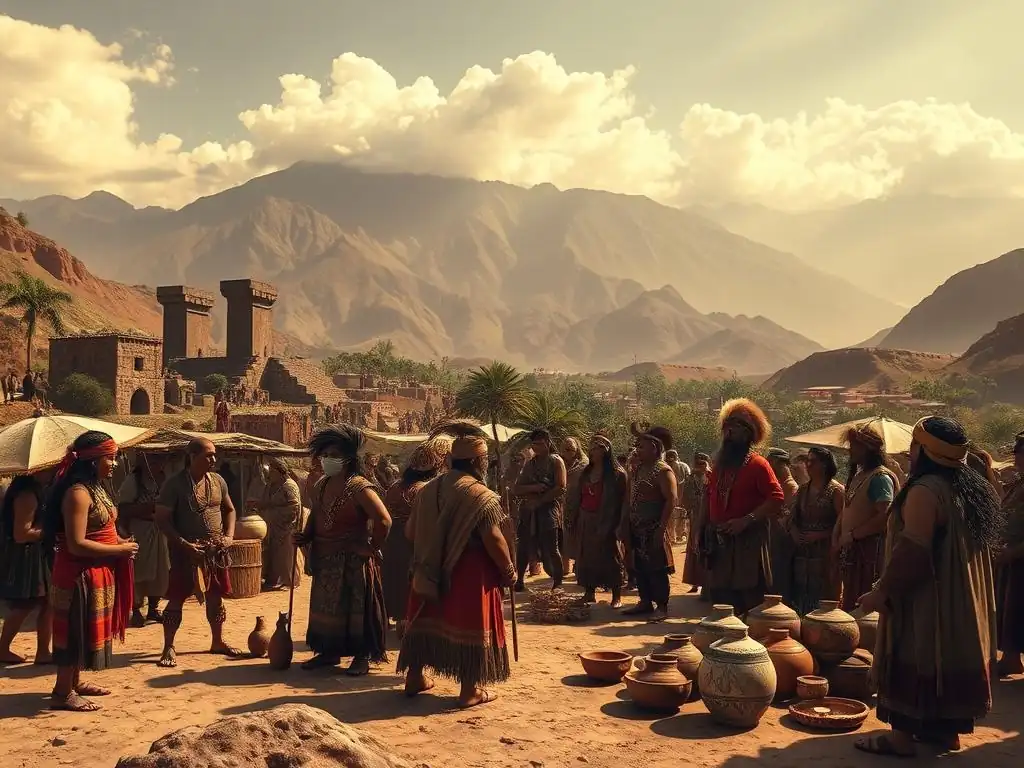
The PreColumbian Andes were home to several advanced civilizations, each contributing to the rich tapestry of political dynamics that characterized the region. Among these civilizations, the Inca Empire stands out as the most prominent, but earlier cultures such as the Wari and Tiwanaku laid essential groundwork for political organization. Understanding these civilizations is crucial for grasping the complexities of PreColumbian Andes political dynamics.
The Inca Empire: A Model of Political Structure
The Inca Empire, which flourished from the early 15th century until the Spanish conquest in the 16th century, exemplified a sophisticated political system characterized by centralization and efficient governance. The empire stretched along the western coast of South America, encompassing modern-day Peru, Ecuador, Bolivia, and parts of Chile and Argentina.
Key Features of Inca Political Structure:
- Sapa Inca: The supreme leader, believed to be a descendant of the sun god, held absolute power. The Sapa Inca was responsible for religious, military, and administrative functions, embodying the unity of the empire.
- Administrative Divisions: The empire was divided into four regions known as suyus: Chinchaysuyu, Antisuyu, Collasuyu, and Kuntisuyu. Each suyu was governed by an appointed official, ensuring local administration aligned with imperial policies.
- Mit'a System: This labor tax system required subjects to contribute a set amount of labor to state projects, including agriculture, construction, and military service. This system not only built infrastructure but also reinforced loyalty to the Inca state.
- Road Networks: The Incas developed an extensive network of roads that facilitated communication and trade across vast distances. These roads were essential for maintaining control over the diverse regions of the empire.
The Inca political structure was a remarkable example of how centralized authority can effectively manage a vast and diverse population, influencing subsequent political systems in the region.
The Wari and Tiwanaku: Influential Predecessors
Before the rise of the Inca Empire, the Wari and Tiwanaku civilizations emerged as significant players in the political landscape of the Andes. Their innovations and interactions laid the groundwork for later political dynamics.
Wari Civilization
- Timeframe: Circa 600-1100 CE, the Wari civilization thrived in central Peru.
- Political Organization: The Wari established a network of administrative centers connected by a system of roads, allowing for efficient governance and resource distribution.
- Urban Planning: The city of Wari featured sophisticated urban planning, including terraced agriculture and irrigation systems, which enhanced agricultural productivity and supported a growing population.
Tiwanaku Civilization
- Timeframe: Flourishing between 300-1000 CE near Lake Titicaca, the Tiwanaku civilization showcased remarkable achievements in agriculture and architecture.
- Religious and Political Center: Tiwanaku was both a religious hub and a political power, influencing regions in modern-day Bolivia and northern Chile. Its monumental architecture, such as the Akapana Pyramid, reflects the civilization's complexity.
- Trade Networks: Tiwanaku maintained extensive trade routes, enabling economic exchange and cultural diffusion among neighboring societies.
Both the Wari and Tiwanaku civilizations exemplified early forms of political organization that emphasized infrastructure, trade, and religious significance, providing a framework that the Inca would later expand upon.
Regional Variations in Political Organization
The PreColumbian Andes were not a monolithic political landscape; instead, regional variations in political organization were evident across different cultures and periods.
Factors Influencing Political Dynamics:
- Geography: The diverse topography of the Andes, including mountains, valleys, and plateaus, influenced settlement patterns and resource availability. This led to varying degrees of centralization and local governance.
- Cultural Interactions: The interactions among different societies, whether through trade, warfare, or alliances, shaped political structures. For instance, the exchange of goods and ideas among cultures could lead to the emergence of new political entities or the strengthening of existing ones.
- Social Structures: Different societies had distinct social hierarchies that influenced their political organization. For example, some cultures relied on kinship ties for governance, while others adopted more centralized systems akin to those of the Inca.
Examples of Regional Variations:
- Chavin Influence: The Chavin culture (900-200 BCE) is considered a precursor to later civilizations, establishing religious practices that would influence political authority.
- Moche and Nazca: These cultures (100-800 CE) exhibited decentralized political structures, with local leaders governing distinct polities, often linked by trade networks rather than centralized authority.
The political landscape of the PreColumbian Andes was marked by dynamic interactions among various civilizations, with the Inca Empire ultimately synthesizing earlier political innovations while adapting to regional conditions. The study of these political dynamics provides valuable insights into the complexities of Andean societies and their enduring legacy.
Key Alliances in PreColumbian Andes Politics
The Role of Alliances in Andean Political Dynamics
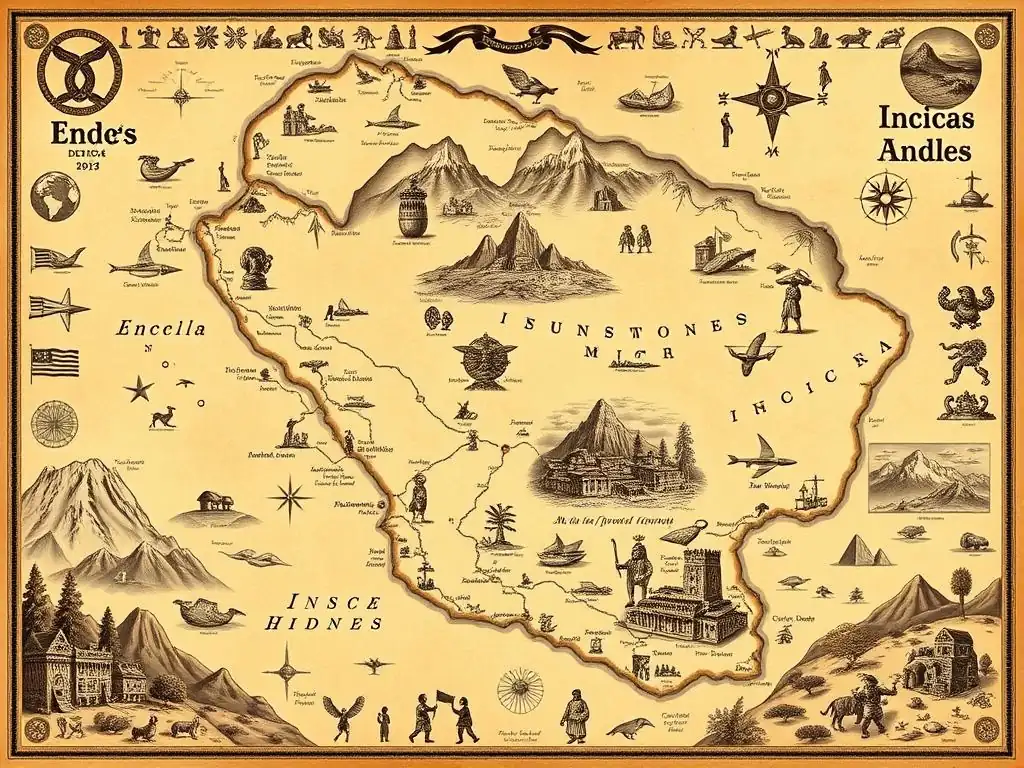
In the intricate tapestry of PreColumbian Andes political dynamics, alliances played a pivotal role in shaping the political landscape. These alliances were not merely agreements between groups; they were essential for survival, resource management, and cultural exchange among the diverse peoples of the Andes. The mountainous terrain of this region often led to isolation, making partnerships crucial for access to trade routes and agricultural lands.
Functions of Alliances:
- Military Support: Alliances provided mutual defense against common enemies, enhancing military strength.
- Resource Sharing: Through alliances, communities could share resources, such as water and arable land, vital for agricultural success.
- Cultural Exchange: Alliances fostered cultural interactions, promoting the exchange of agricultural techniques, religious practices, and social customs.
Moreover, these alliances often manifested through marriage arrangements, diplomacy, and trade agreements, further intertwining the fates of various groups.
Case Study: The Inca's Strategic Alliances
The Inca Empire, which emerged as a dominant force in the Andes, exemplifies the strategic use of alliances in establishing and maintaining political power. The Incas employed a variety of methods to forge alliances with neighboring tribes, particularly through the following strategies:
- Diplomacy and Marriage: The Incas often solidified their alliances through royal marriages. For instance, the marriage of Pachacuti Inca Yupanqui to a woman from the Chanca tribe helped to pacify and integrate this rival group into the empire.
- Conquest and Integration: The Incas would often conquer a territory and then offer the local leaders positions within the imperial structure. This approach not only quelled potential uprisings but also integrated local elites into the Inca governance system, as seen with the Wanka and Cuzco communities.
- Economic Incentives: The Inca Empire established trade agreements that benefited both the Incas and their allies. This included the redistribution of goods and resources, which helped to create a sense of shared prosperity and loyalty among allied states.
The effectiveness of these strategies allowed the Incas to expand their influence significantly, demonstrating that alliances were not merely defensive but also tools for expansion and governance.
The alliances formed in the PreColumbian Andes profoundly influenced the social and economic structures of the region. The interdependence fostered by these alliances resulted in several notable impacts:
- Economic Networks: Alliances led to the creation of extensive trade networks, facilitating the exchange of goods such as textiles, metals, and agricultural products. This interconnectedness contributed to the economic prosperity of allied states.
- Social Hierarchies: The alliances often resulted in the establishment of complex social hierarchies, where allied leaders gained increased status and power. This stratification was crucial for maintaining order and governance within increasingly expansive territories.
- Cultural Synthesis: Alliances were instrumental in the blending of cultures. They allowed for the exchange of agricultural techniques, religious beliefs, and artistic expressions, enriching the cultural landscape of the Andes.
The political dynamics of the PreColumbian Andes were deeply influenced by the formation and maintenance of alliances, which not only served as vital tools for survival and expansion but also reshaped the social and economic fabric of Andean societies. The legacy of these alliances continues to be felt in the region's cultural and historical narrative.
Significant Rivalries and Conflicts
Understanding Rivalries in the PreColumbian Andes
The PreColumbian Andes were marked by intricate political dynamics shaped by both alliances and rivalries among various cultures. These rivalries often stemmed from competition over resources, territorial expansion, and social dominance. The Andes region, characterized by its diverse geography, featured various ecological zones that provided differing resources. As such, control over these resources became a significant driver for conflict.
Key factors influencing these rivalries included:
- Geographical Barriers: The rugged terrain of the Andes created natural divisions that led to the emergence of distinct political entities. These entities, such as the Wari, Tiwanaku, and Inca, often viewed one another as both competitors and potential allies.
- Resource Scarcity: As populations grew, competition for fertile land and water sources intensified. This scarcity often led to military confrontations, as groups sought to expand their territories to secure vital resources.
- Cultural Identity: Emerging cultural identities played a crucial role in solidifying rivalries. Each civilization sought to assert its dominance, leading to tensions that could escalate into open conflict.
The impact of these rivalries was profound, influencing trade, military strategies, and the overall political evolution of the region.
Case Study: The Rivalry Between the Inca and Wari
One of the most notable rivalries in the PreColumbian Andes was between the Inca and the Wari. This conflict was not merely a struggle for land but also a competition for cultural and political hegemony.
- Wari Influence: The Wari civilization, which flourished from approximately 600 to 1100 CE, established a vast empire characterized by advanced urban planning and a complex administrative system. Their influence extended over significant portions of the Andes, posing a formidable challenge to emerging powers like the Incas.
- Inca Ascendancy: The Incas, rising to prominence in the late 15th century, sought to expand their territory and authority at the expense of the Wari. This expansion was marked by a series of military campaigns aimed at subduing rival factions and consolidating power.
- Military Strategies: The Inca employed innovative military strategies, including the use of well-trained armies and sophisticated logistics, which allowed them to effectively engage the Wari and other rivals. This military prowess was crucial in their eventual dominance over the region.
- Cultural Exchange and Assimilation: Despite the rivalry, interactions between the Inca and Wari also facilitated cultural exchange. The Incas adopted certain administrative practices and architectural styles from the Wari, which enriched their own culture and governance structures.
Consequences of Conflict on Political Evolution
The conflicts and rivalries within the PreColumbian Andes had far-reaching consequences on the political landscape of the region.
- Formation of Empires: The struggle for dominance led to the formation of larger, more centralized empires. The Inca Empire, in particular, emerged as a significant power by absorbing smaller rival states and integrating them into their administrative framework.
- Military Innovations: The need to navigate and dominate rival factions spurred military innovations, such as the development of new weaponry and tactics. These advancements not only solidified Inca power but also influenced subsequent political entities in the region.
- Cultural Homogenization: As rival states fell under Inca control, a process of cultural homogenization began. This included the spread of the Quechua language, Inca religious practices, and administrative systems, which laid the groundwork for a unified Andean identity.
- Long-term Political Legacies: The rivalries of the PreColumbian Andes set the stage for future political dynamics in the region. The conflicts established patterns of alliance and opposition that would influence Andean societies well into the colonial period and beyond.
In essence, the political dynamics of the PreColumbian Andes were deeply interwoven with the rivalries and conflicts among its civilizations, shaping the trajectory of Andean history.
Political Strategies and Tactics
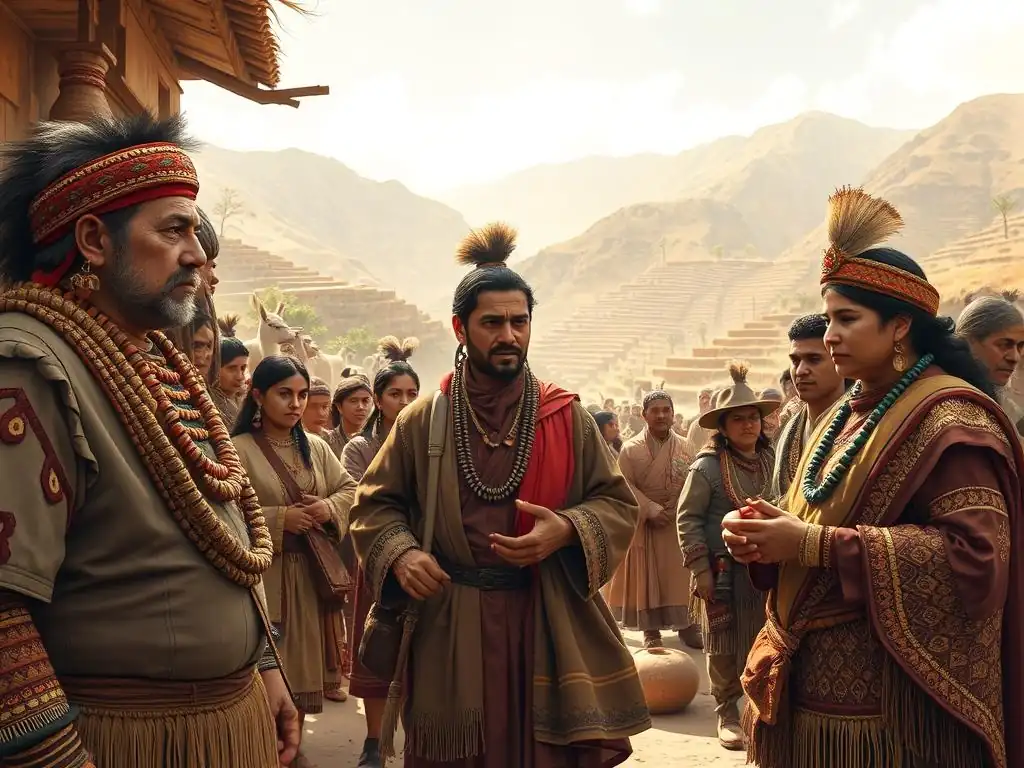
In the PreColumbian Andes, the intricacies of political dynamics were shaped by a variety of strategies and tactics that defined how societies interacted, formed alliances, and engaged in rivalries. These methods were not only essential for maintaining power but also for ensuring the survival of various cultures amidst a landscape marked by competition and conflict. Understanding these political strategies provides insight into the complexities of Andean civilization and its enduring legacy.
Diplomacy and Marriages as Tools of Alliance
Diplomatic endeavors and marriage alliances were pivotal in establishing and maintaining relationships between different Andean groups. Marriages were often orchestrated between ruling elites across various cultures, serving as a means to solidify alliances and reduce hostilities. Such unions were strategic, often arranged to strengthen ties with powerful neighboring polities or to incorporate lesser groups into larger political structures.
- Examples of Strategic Marriages:
- The Inca Empire, for instance, famously utilized marriages to expand their influence. The marriage of Sapa Inca to women from conquered tribes not only integrated those tribes into the Inca political sphere but also legitimized their rule over newly acquired territories.
- Similarly, the Tiwanaku culture engaged in marital alliances with neighboring groups, fostering relations that would facilitate trade and military cooperation.
These marriages were often celebrated through elaborate ceremonies, highlighting their significance. They served to publicly display commitment to alliances, reinforcing political bonds among diverse groups.
Warfare and Its Role in Shaping Political Landscapes
Warfare was a critical component of political dynamics in the PreColumbian Andes, acting both as a tool for expansion and a means of asserting dominance over rivals. The frequency of conflicts among various polities resulted in shifting power dynamics, where military prowess could elevate a society or decimate it.
- Key Aspects of Warfare:
- Territorial Expansion: Societies such as the Incas engaged in military campaigns to conquer and integrate neighboring regions, expanding their empire significantly. Their military organization allowed for rapid mobilization and effective tactics that could decisively influence the outcome of battles.
- Defense Strategies: Conversely, smaller polities often developed defensive strategies and forged alliances to protect themselves from larger aggressors. This led to the formation of coalitions, where multiple groups banded together to resist invasion.
Warfare also had socio-political ramifications; victory often brought wealth and resources, while defeat could lead to subjugation and cultural assimilation. The cycle of war and alliance redefined the political landscape, creating a dynamic environment where power was continuously contested.
Trade Relations as a Means of Political Power
Trade played a fundamental role in the political dynamics of the PreColumbian Andes, serving as a critical avenue for asserting power and influence. The establishment of trade routes facilitated not only the exchange of goods but also the flow of ideas and cultural practices, which in turn shaped political alliances.
- Trade Networks:
- Extensive Systems: The Andean region featured complex trade networks that connected various cultures and societies. The exchange of goods such as textiles, pottery, and agricultural products fostered interdependence among different groups.
- Economic Leverage: Control over trade routes allowed certain polities to exert economic influence over their neighbors. For instance, the ability of the Incas to manage and monopolize trade in specific regions enhanced their political power, as they could dictate terms and conditions of trade.
These trade relations were often reinforced through political agreements, where trade became a bargaining chip in diplomatic negotiations. Thus, the intersection of trade and politics was vital for the stability and growth of Andean societies, enabling them to navigate the challenges posed by competition and conflict.
The political strategies and tactics employed by PreColumbian Andean societies were diverse and multifaceted. Through diplomacy, warfare, and trade, these cultures navigated their complex political landscapes, leaving a legacy that continues to be studied and admired today.
The Influence of Geography on Political Dynamics
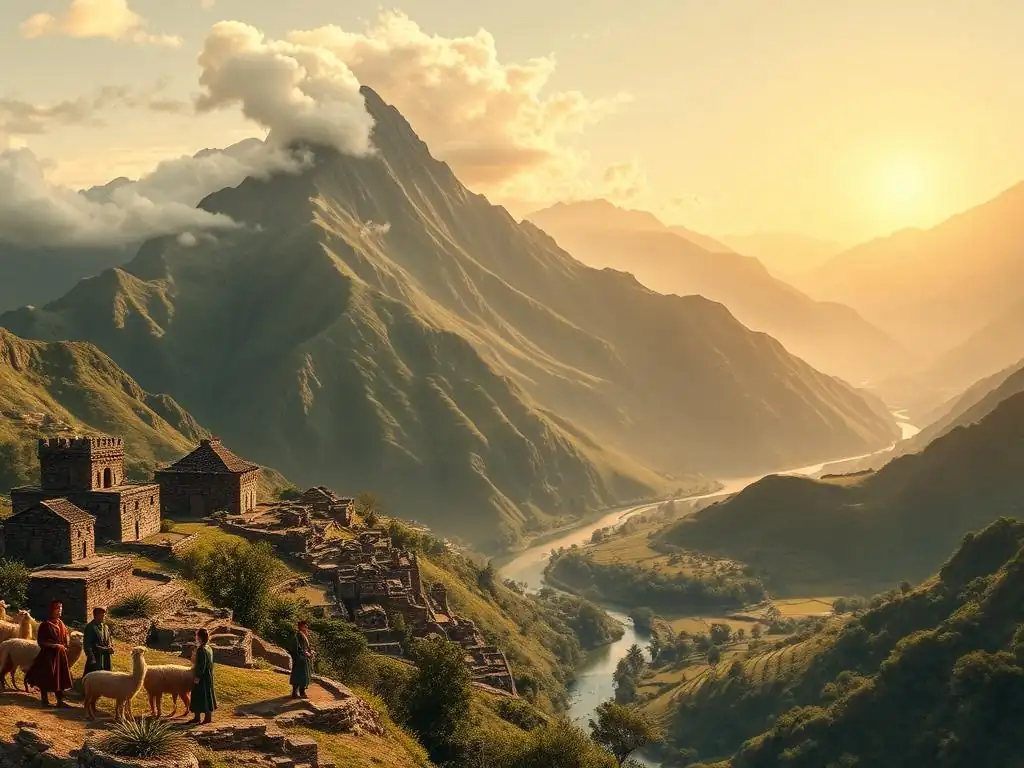
The Andean Geography and Its Impact on Alliances
The Andean region is characterized by its dramatic landscapes, which have significantly shaped the political dynamics of the societies that developed there. The towering peaks of the Andes Mountains, along with the valleys and plateaus, created a complex environment that influenced not only the daily lives of the indigenous peoples but also their political structures and alliances.
The verticality of the Andean geography led to a diversity of ecological niches, which allowed different groups to specialize in various forms of agriculture and resource management. For instance, while some communities thrived in the high-altitude regions through llama herding and tuber cultivation, others in the valleys focused on maize and fruit farming. This ecological diversity necessitated interdependence among groups, fostering alliances as they exchanged goods and resources.
Key Factors Influencing Alliances:
- Resource Distribution: The uneven distribution of resources such as water, fertile land, and minerals encouraged neighboring groups to form alliances to secure access to these essential commodities.
- Cultural Exchange: Alliances facilitated cultural interactions and the sharing of agricultural techniques, religious practices, and political strategies. For example, the exchange of agricultural products often led to collaborative efforts in farming and trade.
- Shared Threats: Common adversaries, such as rival groups or external threats, prompted the formation of alliances for mutual defense and cooperation.
Natural Barriers and Their Role in Rivalries
The natural barriers presented by the Andean topography not only fostered alliances but also intensified rivalries among the various groups inhabiting the region. The challenging terrain, including steep mountains, deep valleys, and expansive highlands, often isolated communities from one another, leading to the development of distinct cultural identities and political entities.
Impact of Natural Barriers on Rivalries:
- Isolation and Competition: The geographical separation created by mountains and valleys often resulted in competition for resources, as groups sought to expand their territories. This competition could escalate into conflict, particularly when valuable resources were at stake, such as water sources or arable land.
- Strategic Military Advantages: The Andean geography provided strategic military advantages for certain groups, allowing them to control key passes and trade routes. For instance, groups positioned in higher altitudes could utilize their terrain to launch surprise attacks on lower-lying rivals, reinforcing existing rivalries and leading to cycles of conflict.
- Cultural Distinctions: Natural barriers also contributed to the development of distinct languages, customs, and political structures, which further entrenched rivalries. Each group’s unique identity often fueled animosity towards neighboring communities, as they competed for dominance and influence in the region.
The intricate interplay between geography and political dynamics in the PreColumbian Andes shaped both alliances and rivalries. Understanding these geographical influences is crucial for comprehending the broader socio-political landscape of the Andean civilizations prior to European contact.
Legacy of PreColumbian Andes Political Dynamics
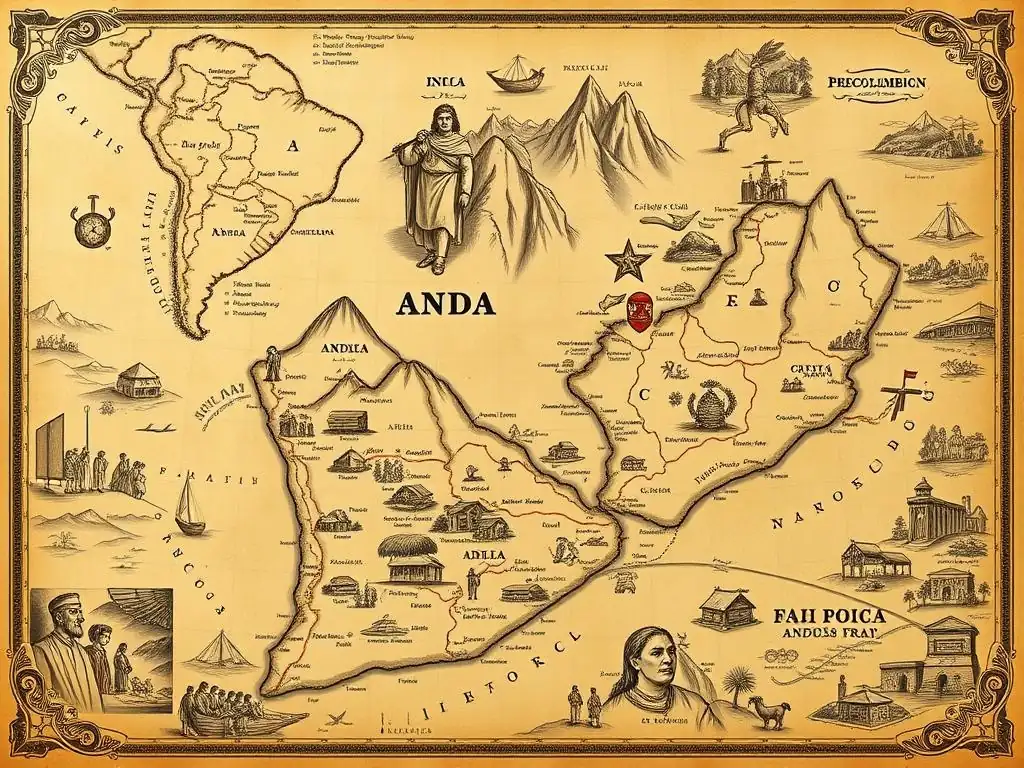
The political dynamics of the PreColumbian Andes were marked by intricate alliances and rivalries that shaped the region's sociopolitical landscape. These dynamics not only influenced the relationships among various indigenous groups but also laid the groundwork for contemporary governance structures in modern Indigenous communities. The legacies of these political frameworks can still be observed today, as many modern Indigenous societies draw upon traditional practices and structures that were established during the PreColumbian era.
Enduring Impact on Modern Indigenous Political Structures
The political systems of the PreColumbian Andes, particularly those of the Inca Empire and their predecessors, established a foundation for leadership, resource management, and social organization that continues to resonate today. Key aspects include:
- Decentralized Governance: Many PreColumbian societies operated with a decentralized system of governance where local leaders, or curacas, managed resources and maintained order within their communities. This model has influenced modern Indigenous governance, promoting self-determination and localized decision-making.
- Territorial Alliances: Alliances were often formed based on shared interests in land and resources. These alliances, sometimes formalized through marriage or trade agreements, demonstrated a high level of diplomacy and negotiation skills. Modern Indigenous groups often replicate these strategies, forming coalitions to address common issues such as land rights and cultural preservation.
- Cultural Identity and Leadership: Leadership in the PreColumbian Andes was closely tied to cultural identity, with leaders often seen as representatives of their peoples' heritage and values. Today, Indigenous leaders maintain this connection to cultural identity, emphasizing the importance of traditional knowledge and practices in their political roles.
The enduring impact of PreColumbian Andes political dynamics is evident in how contemporary Indigenous communities navigate their political landscapes, using historical precedents to inform modern practices.
Lessons from PreColumbian Political Alliances and Rivalries
The complex web of alliances and rivalries within the PreColumbian Andes offers several valuable lessons for both historical understanding and contemporary political strategies. These lessons include:
- Adaptability in Alliances: Indigenous groups in the Andes were skilled in forming and dissolving alliances based on the shifting political landscape. This adaptability allowed them to respond effectively to threats and opportunities. Modern Indigenous organizations can benefit from this flexibility, fostering relationships that can evolve with changing circumstances.
- Conflict Resolution: The ability to engage in diplomacy and negotiation was crucial for maintaining peace among rival groups. The historical precedent for conflict resolution through dialogue can inspire contemporary Indigenous leaders to prioritize peaceful negotiations in modern disputes, whether over land claims or resource management.
- Unity in Diversity: The diverse cultures within the Andean region often came together to face external threats, demonstrating that unity among diverse groups can be a powerful force. This lesson is particularly relevant today, as modern Indigenous movements strive for solidarity across different cultural and linguistic groups to advocate for common rights and interests.
- Strategic Resource Management: The management of resources, particularly in the face of competition, was a critical aspect of PreColumbian political dynamics. Understanding these strategies can inform modern practices in sustainability and resource allocation, ensuring that Indigenous communities thrive without compromising their cultural heritage.
The political alliances and rivalries of the PreColumbian Andes provide rich insights that inform both the historical narrative and contemporary Indigenous political practices. By learning from these dynamics, modern Indigenous communities can navigate their political landscapes with a greater understanding of their heritage and a strategic approach to modern challenges.
Conclusion: Reflections on PreColumbian Andes Political Dynamics
Summary of Alliances and Rivalries
The political landscape of the PreColumbian Andes was characterized by a complex web of alliances and rivalries that shaped the interactions among various cultures and civilizations. Key players such as the Inca Empire, Tiwanaku, and Wari engaged in intricate diplomatic maneuvers to expand their influence, control resources, and assert dominance over their neighbors.
- Inca Empire: The Inca utilized strategic marriages and military conquests to forge alliances with smaller tribes and consolidate power. Their impressive road networks facilitated communication and troop movements, allowing for rapid responses to both internal and external threats.
- Tiwanaku and Wari: These powerful states exhibited their own forms of political organization, with Tiwanaku emphasizing religious and cultural cohesion, while Wari focused on economic integration through trade networks. Their eventual decline opened the door for Inca expansion.
Notable Alliances
- The Confederation of the Collas: This alliance included several Aymara-speaking groups who banded together for mutual defense against the Inca.
- Chanca Confederation: A coalition of tribes that posed a significant threat to the Inca before their eventual subjugation.
Overall, the shifting alliances and rivalries in the PreColumbian Andes were significant in shaping the political dynamics that influenced trade, warfare, and cultural exchange.
The Importance of Understanding PreColumbian Political Systems
Understanding the political systems of the PreColumbian Andes is crucial for several reasons:
- Cultural Identity: The alliances and rivalries among indigenous groups played a pivotal role in shaping their identities. By studying these dynamics, we can appreciate the diversity and richness of Andean cultures.
- Historical Context: Analyzing the political strategies of these civilizations provides insight into how they responded to challenges such as resource scarcity, environmental changes, and the threat of invasion. Such knowledge helps us understand the legacy of these cultures in contemporary Andean societies.
- Impact on Civilization Development: The political dynamics, including warfare, diplomacy, and trade, were instrumental in the rise and fall of powerful empires. Recognizing these factors allows for a deeper understanding of how civilizations evolve and interact with one another.
- Lessons for Modern Governance: The historical approaches to alliances and conflict resolution can inform current political strategies and governance models, particularly in multi-ethnic societies.
The study of PreColumbian Andes political dynamics not only enriches our understanding of indigenous cultures but also offers valuable lessons applicable to contemporary society. The intricate tapestry of alliances and rivalries highlights the sophistication of these ancient civilizations and underscores their enduring impact on the Americas.
Frequently Asked Questions
What were the main political dynamics in the PreColumbian Andes?
The political dynamics in the PreColumbian Andes were characterized by alliances, rivalries, and the establishment of powerful empires like the Inca, which influenced both local and regional governance.
How did alliances shape the societies of the PreColumbian Andes?
Alliances among different groups often facilitated trade, enhanced military strength, and provided a means to manage conflicts, significantly affecting the socio-political landscape of the region.
What role did rivalries play in the rise of empires in the Andes?
Rivalries were a driving force in the expansion and consolidation of power for empires like the Inca, often leading to conquest and territorial expansion through strategic military and political maneuvers.
How did the political structures of the PreColumbian Andes compare to other indigenous cultures?
The political structures in the PreColumbian Andes were often more centralized and hierarchical, especially in empires like the Inca, compared to the more decentralized systems seen in other indigenous cultures across the Americas.
What is the lasting impact of PreColumbian Andes political dynamics on modern societies?
The political dynamics of the PreColumbian Andes have influenced modern indigenous governance, cultural identity, and social structures, leaving a legacy that continues to shape Andean cultures today.
Final Reflection: Understanding the Political Dynamics of the Pre-Columbian Andes
The intricate web of alliances and rivalries that characterized the political dynamics of the Pre-Columbian Andes remains profoundly relevant today. As we navigate an increasingly complex global landscape, the lessons drawn from these ancient societies remind us of the enduring nature of power struggles and the importance of strategic partnerships. The political dynamics of the Pre-Columbian Andes serve as a compelling reminder that history often echoes in contemporary governance and international relations.
The influence of these ancient political structures continues to resonate in our cultural and social landscapes. The alliances formed and rivalries forged among the various Andean civilizations not only shaped their destinies but also laid the groundwork for future interactions among diverse groups. This historical context enriches our understanding of modern political conflicts and collaborations, illustrating how the past informs the present. History is not a burden on the memory but an illumination of the soul.
– Lord Acton. This quote encapsulates the essence of how we can draw wisdom from the political dynamics of the Pre-Columbian Andes to navigate our current challenges.
As we reflect on the lessons of the Pre-Columbian Andes, I invite you to consider how these insights can be applied in your own life and community. Embrace the complexity of relationships, whether they be alliances or rivalries, and recognize their potential to shape our collective future. By understanding the historical context of political dynamics, we can foster more meaningful connections and navigate conflicts with greater awareness. Let us learn from the past to build a more harmonious and cooperative future.
Unveil the Rich Tapestry of Pre-Columbian Politics!
Thank you for immersing yourself in the intricate world of alliances and rivalries that shaped the political landscape of the Pre-Columbian Andes. Your interest has unlocked a deeper understanding of these fascinating civilizations! Now, it's time to take action and make your discoveries meaningful.
Here’s how you can further engage with this captivating topic:
- Explore local connections: Visit nearby museums or cultural institutions to learn about Indigenous history and the impact of Andean civilizations on contemporary society.
- Join the conversation: Share this article with friends or on social media to spark discussions about the influence of alliances and rivalries in today's world.
- Delve deeper: Consider reading books or articles on specific Andean civilizations that intrigue you, such as the Inca or Moche, to expand your knowledge.
Which aspect of the Pre-Columbian Andes inspires you the most to learn or explore further?