
How Environmental Challenges Influenced Andean Political Hierarchies

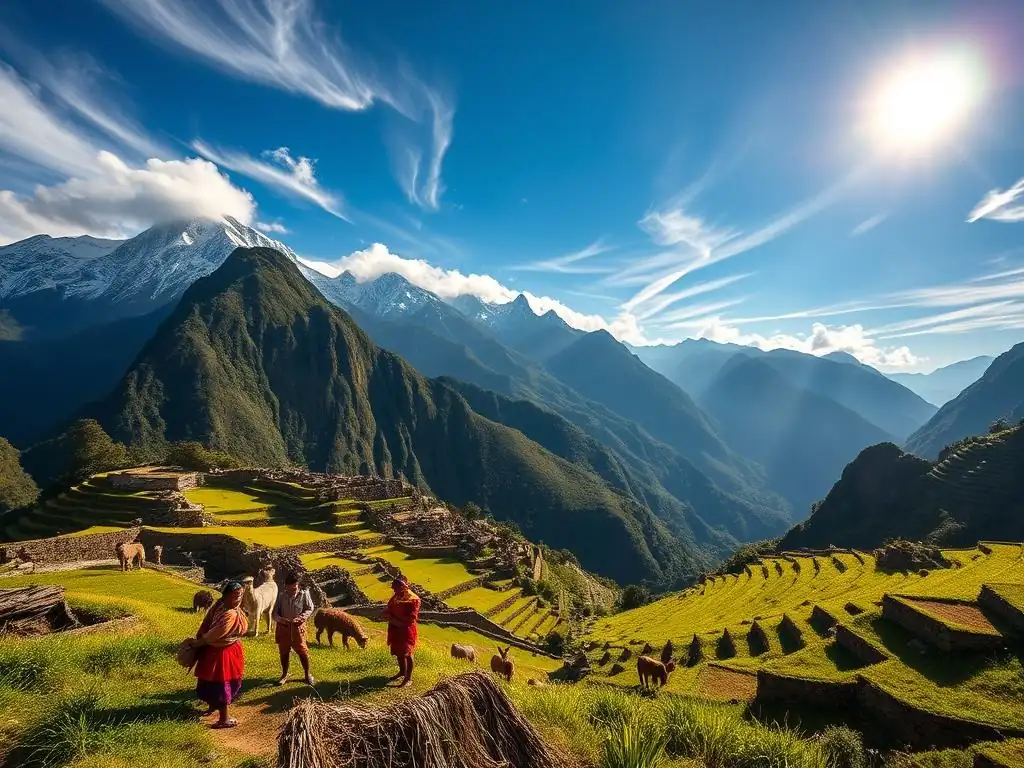
Welcome to Indigenous Civilizations of the Americas, where we invite you to embark on a captivating journey through the rich tapestry of indigenous cultures that flourished across the Americas long before European contact. In our featured article, “How Environmental Challenges Influenced Andean Political Hierarchies,” we delve into the intricate relationship between the Andean environment and its profound impact on social structures.
Prepare to uncover how natural landscapes shaped political dynamics and cultural resilience in the Andes, leaving a legacy that still echoes today. Join us as we explore these remarkable achievements and the enduring influence of these vibrant societies—your adventure into the past begins now!
- Introduction to Andean Political Hierarchies and Environment
- Historical Context of Andean Political Hierarchies
- The Role of Environmental Challenges in Andean Politics
- Adaptation Strategies of Andean Societies
- Case Studies: Environmental Influence on Specific Andean Civilizations
- The Interconnection Between Environment and Political Hierarchies
- Lasting Impacts of Environmental Challenges on Andean Political Structures
- Conclusion: The Legacy of Andean Political Hierarchies and Environment
-
Frequently Asked Questions
- What are the main environmental challenges faced by the Andean civilizations?
- How did these environmental factors impact political structures in the Andes?
- Can you explain the role of agriculture in Andean political hierarchies?
- What is the significance of Andean political hierarchies in understanding their cultures?
- How do Andean political hierarchies compare to other indigenous cultures in the Americas?
- Final Reflection: The Interconnection of Environment and Andean Political Hierarchies
- Unveil the Power of Environmental Awareness in Politics!
Introduction to Andean Political Hierarchies and Environment
The Andean region, characterized by its majestic mountains and diverse ecosystems, has been home to a plethora of indigenous civilizations that flourished long before European colonization. Understanding how environmental challenges influenced Andean political hierarchies provides critical insights into the socio-political dynamics that shaped these cultures.
The interplay between environmental conditions—such as altitude, climate, and resource availability—and the hierarchical organization of societies is a fascinating area of study. This article delves into the intricate relationship between these factors, exploring how the Andean civilizations adapted to their surroundings and constructed complex political systems that enabled them to thrive in one of the world's most challenging environments.
Overview of Andean Civilizations
The Andean civilizations, including the Inca Empire, Tiwanaku, and Wari, were renowned for their sophisticated social structures and impressive achievements in architecture, agriculture, and governance.
- Inca Empire:
- Spanning much of present-day Peru, Ecuador, and Bolivia, the Inca Empire (1438-1533 CE) was the largest empire in pre-Columbian America.
- Known for its monumental architecture, such as Machu Picchu, and advanced agricultural techniques, including terracing and irrigation systems.
- Tiwanaku:
- Located near Lake Titicaca, Tiwanaku was a major political and cultural center from around 300 to 1000 CE.
- Its society was characterized by monumental stone constructions and a complex social hierarchy that integrated various ethnic groups.
- Wari:
- Thriving between 500 and 1000 CE, the Wari civilization is often considered a precursor to the Inca Empire.
- They established a network of administrative centers across the Andes, showcasing their organizational prowess.
These civilizations were not only remarkable for their achievements but also for their ability to create and maintain political hierarchies that effectively managed the diverse challenges posed by their environment.
Importance of Environment in Shaping Societies
The Andean environment is marked by dramatic geographical features, including high altitudes, rugged terrain, and varying climates, all of which significantly influenced the development of political hierarchies.
- Resource Management:
- The scarcity of arable land necessitated innovative agricultural practices, leading to the establishment of trade networks and resource-sharing agreements among communities.
- Political leaders often had to mediate conflicts over land and water resources, reinforcing their authority and the hierarchical structure of society.
- Cultural Adaptations:
- Communities adapted their social organization to accommodate environmental challenges, such as seasonal variability in crop production and the need for collective labor in farming and construction projects.
- Rituals and religious practices often reflected the reverence for nature, further embedding environmental considerations into the political framework of these societies.
- Political Strategies:
- Leaders utilized environmental factors to legitimize their authority. For instance, control over irrigation systems or access to trade routes could enhance a ruler's power and influence.
- The ability to respond to environmental crises, such as droughts or flooding, was crucial for maintaining stability and ensuring the survival of the population.
The Andean civilizations exemplify how environmental challenges played a pivotal role in shaping political hierarchies. By examining this relationship, we gain a deeper understanding of the resilience and adaptability of these societies in the face of adversity.
Historical Context of Andean Political Hierarchies
Early Andean Societies and Governance Structures
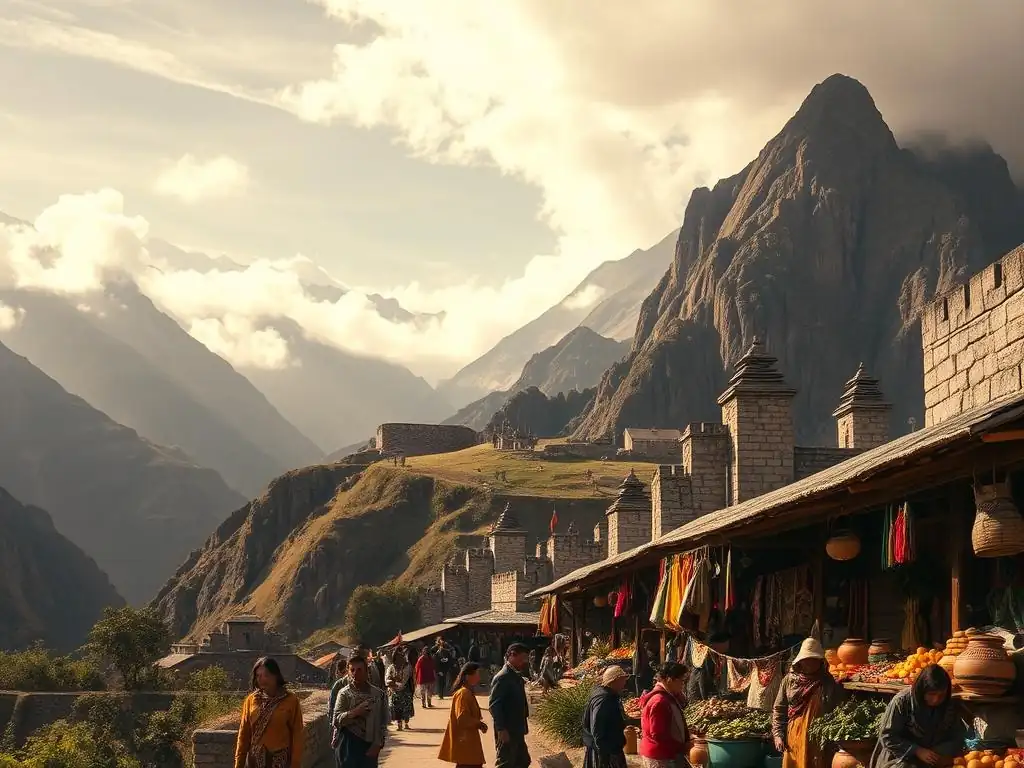
The Andean region, characterized by its diverse geography, including high mountains, valleys, and coastal areas, fostered the development of complex societies long before the rise of the Inca Empire. Early Andean societies, such as the Moche, Nazca, and Tiwanaku, established intricate governance structures that responded to their environmental contexts.
- The Importance of Environment: Environmental factors played a crucial role in shaping these early societies. The reliance on agriculture, particularly the cultivation of potatoes and quinoa, necessitated the development of irrigation systems. These systems required organized labor and a hierarchy to manage water distribution effectively.
- Social Stratification: Social hierarchies emerged as a result of resource management. Leaders often emerged from groups that excelled in agriculture, trade, or military prowess. These leaders were typically tasked with making decisions that directly impacted the community's ability to adapt to environmental challenges, such as droughts or floods.
- Religious Influence: Religion also played a significant role in governance. Many Andean societies practiced ancestor worship and revered nature deities. Leaders often held religious authority, enhancing their political power. This spiritual connection to the environment reinforced the importance of maintaining harmony with nature, further intertwining governance with ecological stewardship.
The interplay between environmental conditions and early governance structures laid the groundwork for the more centralized political systems that would follow, particularly under the Incas.
Major Civilizations: Incas and Their Political Systems
The Inca Empire, which emerged in the early 15th century, represents the pinnacle of Andean political hierarchies. The Incas developed a highly organized state that managed vast territories spanning diverse ecological zones.
- Centralized Administration: The Incas implemented a centralized administrative system, dividing their empire into four main regions, each governed by a local leader. This structure allowed them to efficiently manage resources and respond to regional environmental challenges. For example, the Tahuantinsuyo (the Inca Empire) was divided into the Chinchaysuyu, Antisuyu, Kuntisuyu, and Collasuyu, each with its own unique environmental conditions and agricultural products.
- Mit'a System: The Incas introduced the mit'a labor system, which required subjects to contribute labor to state projects, such as road construction and agricultural production. This system was crucial in maintaining the infrastructure needed for trade and communication across varied terrains. The mit’a also allowed for efficient management of agricultural production, directly linking the population's labor to the environment's productivity.
- Environmental Adaptation: The Incas were adept at environmental adaptation, utilizing terraces for agriculture in mountainous regions and establishing irrigation systems to support crop growth in arid areas. They recognized the importance of these adaptations not only for sustaining their population but also for reinforcing their political power. Successful management of the environment became a hallmark of Inca legitimacy, demonstrating their divine right to rule.
The Incas exemplified how Andean political hierarchies evolved in response to environmental challenges. Their governance systems, shaped by ecological factors, not only facilitated the management of resources but also fostered social cohesion and stability across diverse regions of their empire. The legacy of these structures continues to influence the understanding of Andean societies and their relationship with the environment.
The Role of Environmental Challenges in Andean Politics
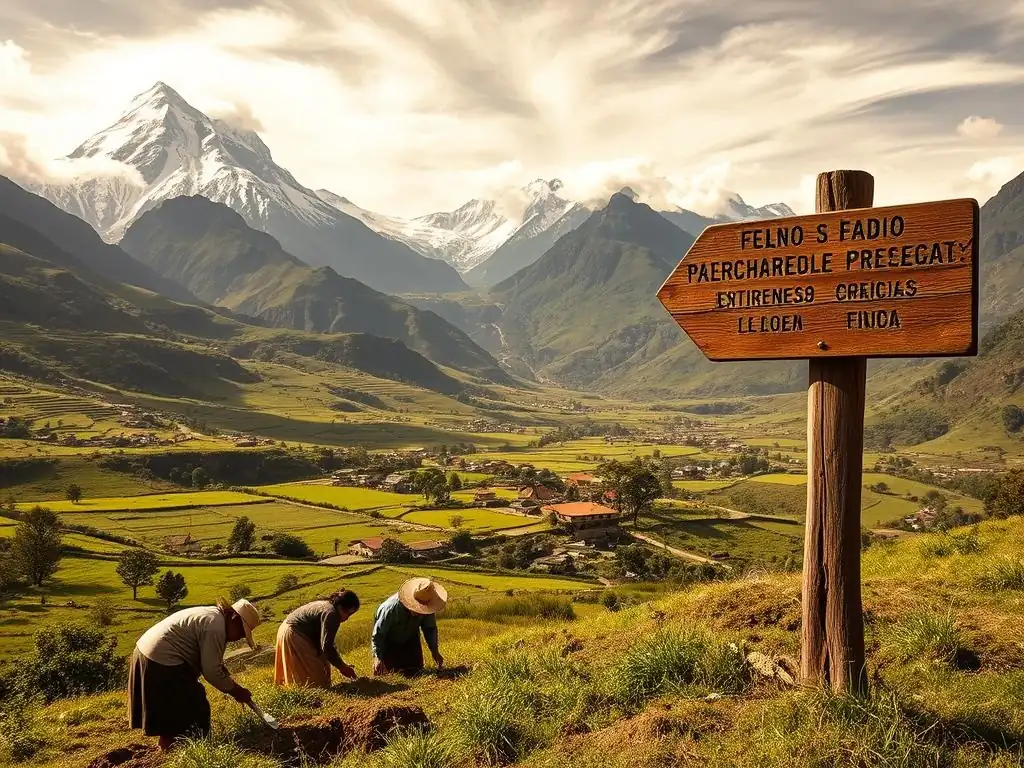
The Andean region, characterized by its diverse geography and unique climate, has played a pivotal role in shaping political hierarchies among indigenous cultures. The interplay between environmental challenges and social organization is significant, as leaders had to adapt to and manage the complexities presented by their surroundings. This section delves into how geographic features, climate variability, and natural disasters influenced Andean political hierarchies.
Geographic Features and Their Influence on Leadership
The Andes Mountains, with their dramatic elevations and varied landscapes, have always been a defining feature of Andean societies. The geographical diversity led to the emergence of distinct political entities, each adapting to its unique environment.
- Highland vs. Lowland Dynamics: The stark contrast between highland and lowland regions created different socio-political ecosystems. Highland communities often developed centralized leadership structures to manage resources like water and arable land, which were scarce due to altitude. In contrast, lowland societies, with more abundant resources, tended to have more decentralized political systems, allowing for a range of leadership styles.
- Territorial Control: Geographic features such as mountains, valleys, and rivers influenced territorial boundaries and resource distribution. Leaders had to navigate these natural barriers to establish control over trade routes and agricultural lands. Effective leadership often depended on understanding and managing these geographic complexities to maintain power and ensure community survival.
- Cultural Adaptations: Environmental features also fostered unique cultural adaptations that influenced leadership styles. For instance, Inca leaders utilized sophisticated agricultural techniques, such as terracing and irrigation, to maximize crop yields in challenging terrains. This technological advancement solidified their power, as they could provide for larger populations and maintain political stability.
Climate Variability and Resource Management
Climate variability posed significant challenges for Andean societies, affecting agricultural productivity and resource availability. Leaders had to develop strategies to manage these fluctuations effectively.
- Seasonal Variability: The Andean climate is marked by distinct wet and dry seasons. Effective political leaders had to anticipate these changes to organize agricultural activities and ensure food security. For example, they implemented communal granaries to store surplus crops during bountiful years, which could then be redistributed during lean seasons.
- Drought and Famine Responses: Periods of prolonged drought necessitated strong leadership to implement resource management strategies. Leaders often mobilized communities to build irrigation systems or engage in collective farming practices to mitigate the impacts of drought. The ability to respond effectively to climate-related challenges directly influenced a leader's legitimacy and authority.
- Cultural Resilience: Andean cultures developed rich agricultural practices, including the cultivation of drought-resistant crops such as quinoa and potatoes. These practices were not only essential for survival but also reinforced the authority of leaders who could successfully guide their communities through environmental challenges.
Natural Disasters: Impact on Political Stability
Natural disasters, such as earthquakes and landslides, have historically posed significant threats to Andean societies, impacting political stability and leadership structures.
- Disaster Preparedness and Response: Leaders were often judged by their ability to prepare for and respond to natural disasters. Effective disaster management strategies, such as establishing early warning systems or community drills, enhanced a leader's reputation and solidified their power. Conversely, failures in disaster response could lead to challenges to authority and social unrest.
- Resource Redistribution After Disasters: Following a natural disaster, effective leaders were required to redistribute resources equitably to maintain social cohesion. This involved prioritizing communal needs over individual interests, which in turn reinforced the leader's role as a protector and provider.
- Erosion of Political Authority: In cases where leaders failed to respond adequately to disasters, there was often a significant erosion of political authority. Social upheaval could lead to the emergence of new leaders or factions that promised better management of resources and more effective responses to environmental challenges.
Environmental challenges have played a crucial role in shaping Andean political hierarchies. The intricate relationship between geography, climate variability, and natural disasters has necessitated adaptive leadership strategies, influencing the stability and structure of Andean societies. Understanding these dynamics provides valuable insight into the resilience and complexity of indigenous cultures in the Americas.
Adaptation Strategies of Andean Societies
The Andean civilizations developed a range of adaptation strategies to navigate the unique environmental challenges presented by their mountainous terrain and diverse climates. These strategies not only ensured their survival but also significantly shaped the political hierarchies within these societies. The interplay between environmental factors and social organization played a crucial role in the evolution of political structures, influencing leadership roles and community dynamics.
Agricultural Innovations in Response to Environmental Changes
Agriculture was the cornerstone of Andean societies, and innovations in farming practices were essential for adapting to the harsh environmental conditions. Key agricultural techniques included:
- Terrace Farming: The Andean people constructed extensive terraces on steep mountainsides. This method maximized arable land while minimizing soil erosion. The terraces helped retain moisture and allowed for the cultivation of various crops, including potatoes, quinoa, and maize.
- Irrigation Systems: Advanced irrigation techniques were developed to manage water resources effectively. The use of canals and aqueducts allowed farmers to divert water from rivers to their fields, supporting crop growth even in arid regions.
- Crop Diversity: Andean farmers practiced polyculture, cultivating multiple crops simultaneously. This strategy not only reduced the risk of crop failure but also improved soil health and provided a more varied diet. For instance, root vegetables were often grown alongside grains to enhance soil fertility.
These agricultural innovations were not merely technical advancements; they also reinforced social hierarchies. Those who mastered these techniques often gained status and influence, leading to the establishment of distinct political roles within the community.
Infrastructure Development: Roads and Terracing
The Andean environment posed significant challenges for transportation and communication, prompting the development of sophisticated infrastructure. Two notable aspects of this infrastructure are:
- Road Networks: The construction of extensive road systems, such as the Inca Trail, facilitated trade, military movement, and cultural exchange. These roads connected diverse ecological zones, allowing societies to access a variety of resources. The strategic placement of roads also played a critical role in reinforcing political control, enabling leaders to move troops quickly and maintain influence over distant territories.
- Terracing: Beyond agriculture, terracing also served as a means of stabilizing the landscape and preventing landslides. The careful engineering of terraced fields required collective labor and cooperation, which in turn fostered social cohesion and reinforced political authority. Leaders who could organize and mobilize labor for these projects often solidified their power within the community.
The development of these infrastructures not only addressed environmental challenges but also created frameworks for political hierarchy, as leaders were often those best equipped to manage these complex systems.
Environmental challenges often led to crises, such as droughts or floods, which required effective social organization and cooperation among community members. Key elements include:
- Community Assemblies: In times of environmental stress, Andean societies often convened assemblies to discuss resource management and collective strategies for survival. These gatherings allowed for the pooling of knowledge and resources, fostering a sense of unity and shared purpose.
- Redistribution of Resources: Leaders played a crucial role in redistributing resources during crises. By ensuring fair access to food and water, they maintained social stability and garnered loyalty from their constituents. This redistribution was often accompanied by rituals and ceremonies that reinforced the leader's authority.
- Labor Alliances: Seasonal labor alliances were formed to tackle large-scale agricultural projects or to respond to emergencies. These alliances were essential for mobilizing manpower and resources, and they often reflected the political hierarchies that had developed within communities.
Through these adaptive strategies, Andean societies not only addressed the immediate environmental challenges but also laid the groundwork for enduring political hierarchies. The resilience and cooperation displayed in times of crisis contributed to the strength and stability of these civilizations, allowing them to thrive in a challenging environment.
Case Studies: Environmental Influence on Specific Andean Civilizations
The Inca Empire: Managing Resources and Power
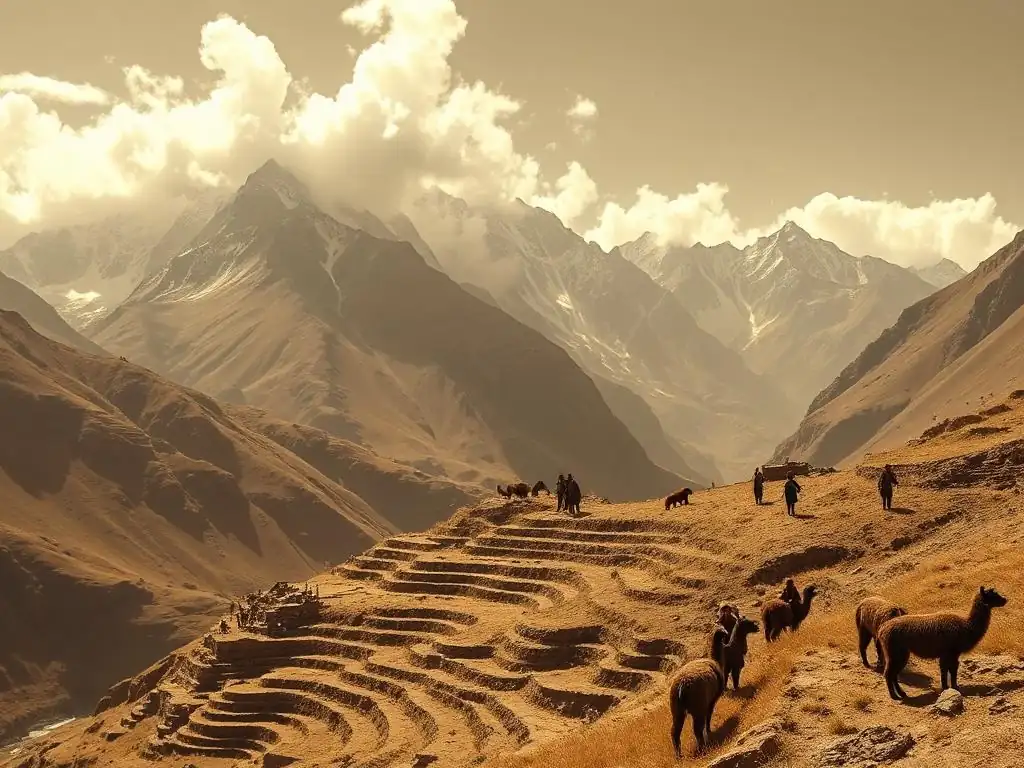
The Inca Empire, one of the most prominent civilizations in the Andes, offers a compelling case study of how environmental challenges shaped its political hierarchy. The empire, which spanned from modern-day Colombia to Chile, had to navigate a diverse range of climatic and geographical conditions, including high mountain ranges, arid deserts, and lush valleys.
Resource Management Strategies
To maintain control and support a vast population, the Incas developed sophisticated agricultural techniques, such as:
- Terracing: They constructed intricate terraces on steep mountainsides, allowing for effective farming in challenging terrains. This not only maximized arable land but also helped prevent soil erosion.
- Irrigation Systems: The Incas engineered extensive irrigation networks, diverting water from rivers to their fields. This innovation was crucial in arid regions, ensuring consistent crop yields.
These strategies demonstrate how environmental factors directly influenced the political structure of the Inca Empire. Leaders who effectively managed resources could consolidate power and maintain stability, reflecting a direct correlation between environmental adaptability and political authority.
Political Hierarchy and Environmental Control
The Inca political hierarchy was deeply interconnected with environmental management. The Sapa Inca, or emperor, was viewed as a divine figure responsible for the prosperity of the land. His ability to manage resources was paramount to his legitimacy. The empire's bureaucracy was structured to oversee agricultural production, irrigation projects, and the distribution of resources, highlighting the essential role of environmental stewardship in governance.
Tiwanaku: Environmental Adaptation and Political Structure
The Tiwanaku civilization, centered around Lake Titicaca in present-day Bolivia, offers another illustrative example of how environmental conditions influenced political hierarchies in the Andes. Unlike the Inca, Tiwanaku's political structure evolved in response to its unique ecological challenges.
Adaptive Agricultural Practices
Tiwanaku’s agricultural practices were tailored to its high-altitude environment, characterized by cold temperatures and short growing seasons. Key innovations included:
- Raised Field Agriculture: The civilization constructed raised fields (suka kollos) that helped retain heat and moisture, enhancing crop growth in a harsh climate. This technique allowed them to cultivate crops like potatoes and quinoa efficiently.
- Water Management: An intricate system of canals and reservoirs was developed to control water supply, crucial for both farming and sustaining the population.
These adaptive strategies not only supported the Tiwanaku society but also played a significant role in its political hierarchy. Leaders who could effectively implement and oversee these agricultural innovations gained prestige and power.
Political Implications of Environmental Adaptation
Tiwanaku's political organization reflected its environmental adaptation strategies. The ruling elite were often closely associated with agricultural success, which was vital for social cohesion and political stability. The society was organized into kinship groups, which facilitated the management of resources and labor. As environmental challenges fluctuated, the need for effective leadership became paramount, leading to the rise of influential figures who could navigate these complexities.
Conclusion
Both the Inca Empire and Tiwanaku illustrate the profound impact of environmental challenges on Andean political hierarchies. The management of resources and adaptation to ecological conditions were not only crucial for survival but also shaped the very structure of power within these civilizations. Understanding these dynamics provides valuable insights into the intricate relationship between environment and governance in the Andes.
The Interconnection Between Environment and Political Hierarchies
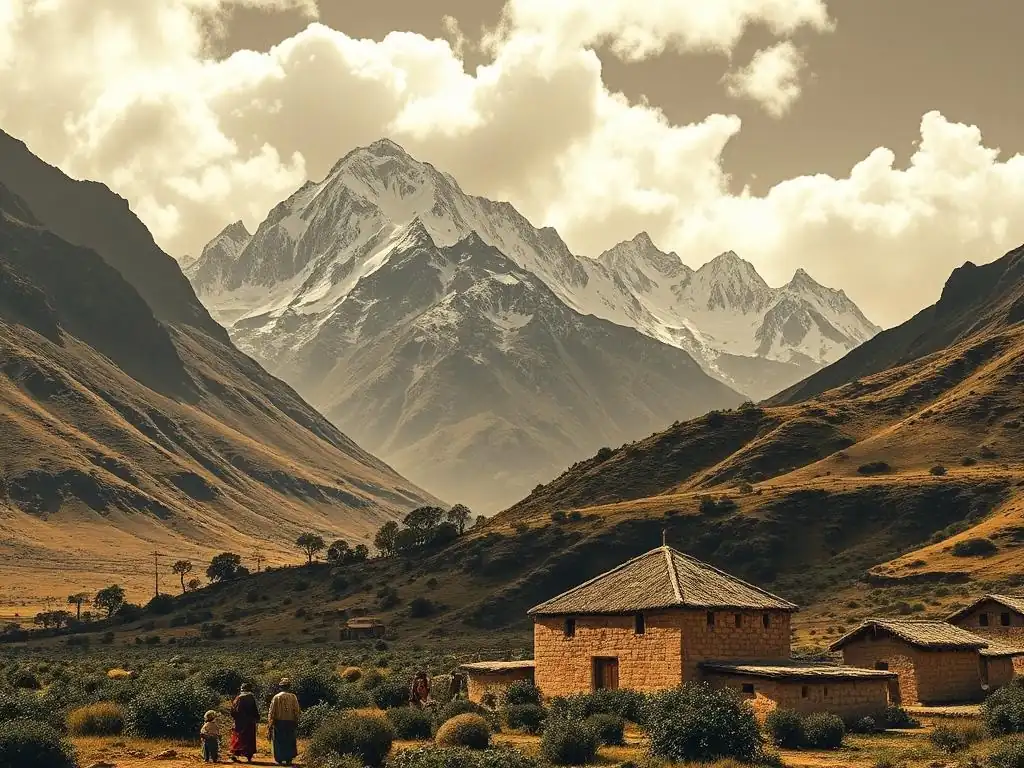
The Andean region presents a unique case study in how environmental factors intrinsically shaped political hierarchies. The diverse landscapes, ranging from towering mountains to arid plains, created a complex tapestry of ecological zones that influenced the social structures of indigenous societies. The intricate relationship between the environment and governance is evident in the way resources were managed, leadership emerged, and societal organization evolved.
How Environmental Factors Shaped Leadership Roles
In the Andean civilizations, such as the Inca Empire, environmental challenges directly influenced the roles of leaders. Leaders were often viewed as intermediaries between the people and the gods, tasked with ensuring harmony between human activities and the natural world. The harsh conditions of the high-altitude environments necessitated strong leadership to navigate challenges such as agriculture, resource allocation, and disaster management.
- Agricultural Adaptation: The Andean peoples developed advanced agricultural techniques, including terracing and irrigation systems, to cultivate crops in challenging terrains. Leaders who demonstrated proficiency in these techniques gained respect and authority, positioning them as pivotal figures in their communities.
- Resource Management: Control over vital resources, such as water and arable land, was a significant source of power. Leaders were responsible for the equitable distribution of these resources, which required not only tactical planning but also an understanding of environmental cycles. Their ability to adapt governance to changing climatic conditions established their legitimacy.
- Disaster Response: The Andean regions were prone to natural disasters, including earthquakes and floods. Effective leadership was crucial in mobilizing communities for disaster preparedness and response. Leaders who could demonstrate resilience and strategic foresight in the face of environmental threats solidified their positions within the political hierarchy.
The Relationship Between Environmental Sustainability and Governance
The interplay between environmental sustainability and governance in the Andean context is a testament to the foresight of indigenous leaders. The sustainable practices embedded in Andean societies were not merely lifestyle choices but integral to the political framework.
- Sustainable Practices: Indigenous Andean cultures practiced sustainable agriculture, utilizing crop rotation and polyculture to preserve soil fertility. Governance structures often included councils of elders who guided agricultural practices, emphasizing the community's collective responsibility for the environment.
- Cultural Beliefs: The Andean worldview often intertwined spirituality with nature, leading to governance systems that prioritized environmental stewardship. Leaders were expected to uphold these beliefs, reinforcing their authority through actions that respected natural cycles and resources.
- Long-term Planning: Effective governance in the Andean region required a long-term perspective, particularly in resource management. Leaders who could plan for future generations—considering both environmental sustainability and societal needs—enhanced their political power. This forward-thinking approach is evident in the construction of extensive road systems and storage facilities designed to endure fluctuating conditions.
The intricate relationship between Andean political hierarchies and environmental factors reveals a profound understanding of sustainability. Leaders who recognized the importance of their environment not only shaped their societies but also established frameworks that would influence future generations. The legacy of these practices continues to resonate, emphasizing the vital role of environmental stewardship in governance.
Lasting Impacts of Environmental Challenges on Andean Political Structures
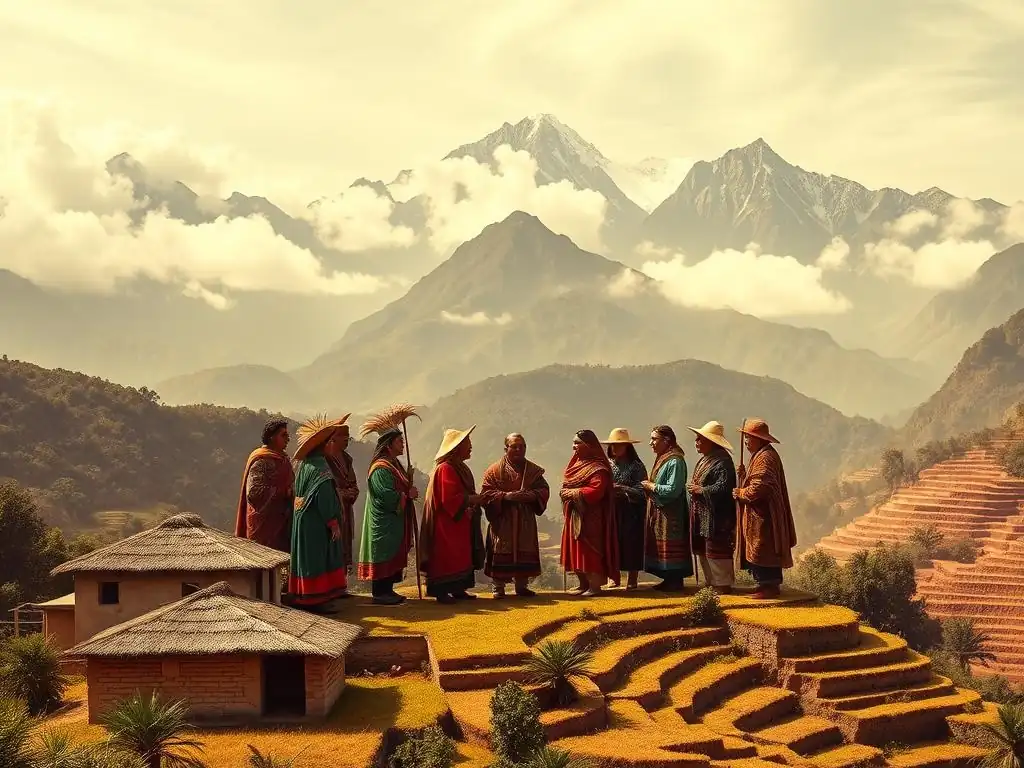
The Andean region, characterized by its diverse ecosystems and challenging geography, has long faced a variety of environmental challenges that have significantly influenced its political hierarchies. These challenges include fluctuations in climate, natural disasters, and the availability of resources like water and arable land. As societies adapted to these ever-changing conditions, their political structures evolved in ways that reflected the need for resilience and efficiency in governance.
The impact of environmental challenges on Andean political hierarchies can be understood through a historical lens. Ancient civilizations such as the Inca Empire developed sophisticated agricultural practices, including terracing and irrigation, to maximize productivity in mountainous terrains. These innovations necessitated a centralized authority to coordinate labor and resources, leading to the establishment of complex governance systems. The integration of environmental management into political decision-making became vital, as leaders were often judged by their ability to mitigate risks associated with environmental fluctuations.
Evolution of Governance in Response to Environmental Shifts
As environmental conditions shifted, so too did the governance structures within Andean societies. The ability to adapt to these changes was critical for survival and growth. For example:
- Climate Variability: The Andean region experienced periods of drought and excessive rainfall, which affected agricultural output. Leaders who could implement effective strategies to address these fluctuations often gained greater authority. This led to the emergence of political hierarchies that prioritized resource management and disaster preparedness.
- Resource Management: The competition for limited resources, especially water, shaped political alliances and rivalries. Control over irrigation systems became a source of power, leading to the development of administrative roles that specialized in environmental oversight. These roles were critical in establishing a governance model that prioritized sustainability.
- Cultural Integration: The environmental challenges faced by Andean societies fostered a connection between governance and spirituality. Leaders often invoked religious beliefs to legitimize their authority, positioning themselves as intermediaries between the people and the deities of nature. This integration of cultural elements into governance helped unify communities, even in times of crisis.
The interplay between environmental challenges and Andean political hierarchies illustrates a dynamic relationship where governance evolved not only in response to immediate needs but also as a reflection of broader cultural values and societal aspirations.
Lessons from Andean Political Hierarchies for Modern Environmental Governance
The historical experiences of Andean societies offer valuable insights for contemporary environmental governance. As modern societies face unprecedented environmental challenges, the following lessons can be drawn from Andean political hierarchies:
- Adaptive Governance: Flexibility in governance structures is essential for managing environmental variability. Andean leaders adapted their policies based on changing conditions, a practice that modern governments can emulate to enhance resilience against climate change.
- Community Involvement: The success of Andean governance often hinged on active community participation in resource management. Engaging local populations in decision-making processes fosters a sense of ownership and accountability, which is crucial for sustainable practices.
- Integrated Approaches: Successful governance in the Andean region combined environmental management with cultural and spiritual considerations. Modern policies should similarly integrate ecological, social, and cultural perspectives to create comprehensive solutions to environmental challenges.
- Long-term Planning: The foresight demonstrated by Andean leaders in anticipating environmental shifts underscores the importance of long-term planning in governance. By prioritizing sustainability and resilience, contemporary policymakers can better prepare for future environmental challenges.
The examination of Andean political hierarchies reveals a profound understanding of the interplay between environment and governance. By learning from these historical examples, modern societies can develop more effective strategies to address current and future environmental challenges, ensuring the sustainability of both their natural resources and their political structures.
Conclusion: The Legacy of Andean Political Hierarchies and Environment
Summary of Key Insights
The interplay between Andean political hierarchies and environmental challenges has shaped the governance structures of indigenous societies in the Andes region. Key insights into this relationship include:
- Resource Management: The Andean civilizations, particularly the Inca, developed sophisticated systems for managing agricultural resources. Terracing, irrigation techniques, and crop rotation were essential to maximize agricultural output in the challenging mountainous terrain.
- Social Stratification: Environmental factors influenced social hierarchies, as those who controlled water sources and fertile land often held higher status. The elites, including the Sapa Inca, were viewed as intermediaries between the gods and the people, reinforcing their power through religious and political means.
- Adaptive Strategies: The ability to adapt to environmental challenges, such as droughts or floods, was critical. For instance, the Inca's implementation of storehouses allowed for food preservation during lean times, showcasing their foresight in governance and resource management.
- Cultural Practices: Rituals and festivals were often tied to agricultural cycles, demonstrating how environmental factors were woven into the fabric of Andean societies. These practices reinforced the authority of the ruling classes while fostering community cohesion.
Relevance of Historical Context to Contemporary Issues in Governance
Understanding the relationship between Andean political hierarchies and environmental challenges provides valuable lessons for contemporary governance. Key areas of relevance include:
- Sustainable Development: The historical practices of Andean societies highlight the importance of sustainable resource management. Modern governments can learn from these indigenous methods to address current environmental issues, such as climate change and resource depletion.
- Community Engagement: The inclusivity seen in Andean governance, where local knowledge and practices were integral to decision-making, underscores the need for community involvement in contemporary political systems. Engaging indigenous perspectives can lead to more effective and culturally sensitive policies.
- Resilience Planning: The adaptive strategies employed by Andean civilizations serve as a model for resilience in the face of environmental challenges. Policymakers today can benefit from integrating traditional ecological knowledge into disaster preparedness and response plans.
- Cultural Heritage Preservation: Recognizing the contributions of Andean civilizations to environmental governance can foster respect for cultural heritage and promote efforts to preserve indigenous practices. This recognition is vital for building a more inclusive society that values diverse forms of knowledge.
The legacy of Andean political hierarchies, deeply intertwined with environmental factors, offers profound insights for contemporary governance. By learning from the past, modern societies can develop more resilient and equitable systems that honor the wisdom of indigenous cultures.
Frequently Asked Questions
What are the main environmental challenges faced by the Andean civilizations?
The Andean civilizations encountered harsh climatic conditions, including extreme altitudes and variable weather, which shaped their agricultural practices and resource management.
How did these environmental factors impact political structures in the Andes?
Environmental challenges necessitated the development of complex political hierarchies to manage resources, distribution, and labor, leading to more centralized governance systems.
Can you explain the role of agriculture in Andean political hierarchies?
Agriculture was central to Andean societies, providing not only sustenance but also a means to establish social status and power, influencing the dynamics of political authority.
What is the significance of Andean political hierarchies in understanding their cultures?
The political hierarchies reflect the socio-economic organization of Andean societies, revealing how they adapted to environmental challenges and maintained social cohesion.
How do Andean political hierarchies compare to other indigenous cultures in the Americas?
While many indigenous cultures had political structures, the Andean approach was unique due to its environmental adaptations, emphasizing collective resource management and strategic leadership in response to specific geographic challenges.
Final Reflection: The Interconnection of Environment and Andean Political Hierarchies
The intricate relationship between environmental challenges and Andean political hierarchies remains profoundly relevant today, as we grapple with the consequences of climate change and resource scarcity. The historical context provided in this article serves as a reminder that the governance structures we see in the Andes today are deeply rooted in the environmental realities of the past. Understanding this connection is essential as we navigate the complexities of modern political landscapes shaped by ecological factors.
The influence of environmental challenges on political hierarchies in the Andes is not merely a historical phenomenon; it continues to resonate in contemporary society. The ongoing struggles for land rights, water access, and sustainable development reflect the enduring impact of these environmental issues on social and political dynamics. As we witness communities advocating for their rights in the face of climate change, we are reminded of the words of environmentalist Wangari Maathai: It’s the little things citizens do. That’s what will make the difference. My little thing is planting trees.
This quote encapsulates the idea that individual and collective actions rooted in environmental awareness can reshape political structures and empower communities.
As we conclude this exploration, I invite you to reflect on your own relationship with the environment and its influence on your community. Consider how the lessons learned from Andean political hierarchies can inspire you to engage with environmental issues in your own life. Whether through advocacy, education, or sustainable practices, each of us has the power to contribute to a more equitable and environmentally conscious future. Embrace the challenge, and let your actions echo the wisdom of those who have navigated these complexities before us.
Unveil the Power of Environmental Awareness in Politics!
Thank you for exploring the intricate relationship between environmental challenges and political structures. Your engagement with this topic not only broadens your understanding but also highlights the importance of sustainable practices in our modern lives. Now, let's take these insights and turn them into action!
Here are a few practical steps you can take to make a difference:
- Educate yourself and others: Dive deeper into how environmental changes impact local communities by reading articles or joining online forums dedicated to this topic.
- Advocate for change: Reach out to local representatives and encourage policies that address environmental issues, drawing inspiration from successful practices around the world.
- Share your knowledge: Discuss these findings with friends or on social media platforms to raise awareness about the intersection of environmental issues and governance.
How will you use the lessons learned from political structures to inspire change in your community today?