
Gender Dynamics in Andean Governance: The Role of Women in Political Hierarchies

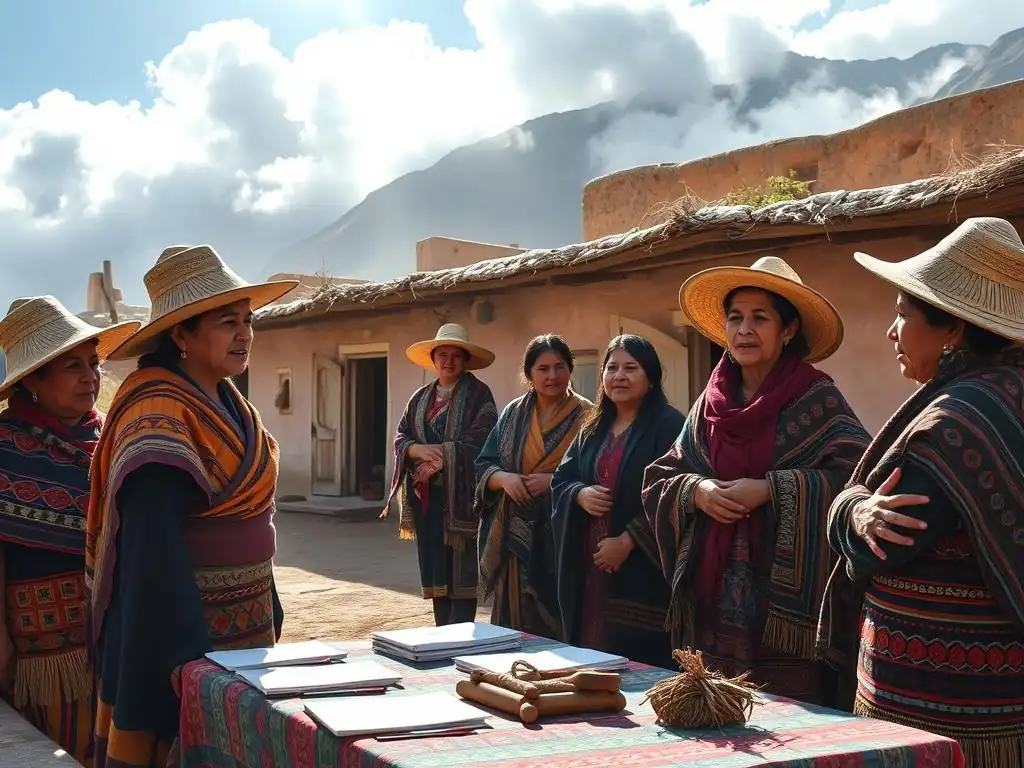
Welcome to Indigenous Civilizations of the Americas, where we invite you to embark on a journey through the rich tapestry of pre-colonial cultures that flourished across the continent. In this exploration, we shine a spotlight on the often-overlooked role of Andean women in governance, revealing how their influence shaped political hierarchies and societal structures.
Prepare to delve into the intricate dynamics of gender and power that defined these vibrant civilizations, and discover the lasting impact of their contributions. Join us as we uncover the stories that continue to resonate today, and ignite your curiosity to learn more about the remarkable legacies of indigenous peoples.
Introduction to Andean Governance
The governance systems of the Andean region, characterized by a rich tapestry of cultures and societies, showcase a unique interplay between traditional practices and the political hierarchies that governed them. In examining the role of women within these structures, we uncover a complex narrative that highlights their influence and contributions, often overlooked in mainstream historical accounts. This article delves into the gender dynamics in Andean governance, specifically focusing on the role of women within political hierarchies, illuminating their significance as agents of change and decision-makers in pre-Columbian and colonial societies.
Overview of Andean political systems
The Andean political landscape was marked by several sophisticated societies, including the Inca Empire, the Tiwanaku, and the Moche, each with distinct governance structures. These systems were often centralized, with powerful rulers and a complex bureaucracy. Key features of Andean governance included:
- Hierarchical Structures: Societies were typically organized in a tiered manner, with leaders at the top and various levels of officials and laborers below.
- Community Involvement: Local governance often involved community assemblies, where leaders made decisions collectively.
- Integration of Spirituality: Governance was intrinsically linked to spirituality, with leaders often seen as intermediaries between the gods and the people.
Understanding these systems is crucial to appreciating the nuanced roles that women played within them, as their contributions were often woven into the very fabric of governance and societal organization.
Importance of gender dynamics in governance
The study of gender dynamics within Andean governance is essential for several reasons:
- Representation: It helps to highlight the often-underrepresented voices of women in historical narratives, providing a more inclusive understanding of Andean societies.
- Impact on Policies: Women's roles in governance influenced policies that affected daily life, from agricultural practices to community welfare.
- Cultural Significance: Gender dynamics reflect broader cultural values and beliefs, showcasing how societies viewed femininity and masculinity in leadership roles.
By exploring these dimensions, we gain deeper insights into the complexity of Andean political hierarchies and the vital contributions of women.
Historical Context of Andean Women in Governance
Understanding the historical context of Andean women in governance requires a thorough examination of their roles in pre-Columbian societies and how these roles evolved over time.
Pre-Columbian societies and women's roles
In pre-Columbian Andean societies, women's roles varied significantly across different cultures, yet they often held substantial influence within their communities. Key aspects of their involvement included:
- Economic Contributions: Women were integral to agricultural production, textile creation, and trade, which were foundational to Andean economies.
- Social Structures: Many societies recognized women's leadership in domestic spheres, often granting them authority over family and community decisions.
- Religious Leadership: Women sometimes served as priestesses or spiritual leaders, wielding influence in both religious and political realms.
This multifaceted involvement indicates that women were not merely passive participants but active contributors to the governance and cultural life of their societies.
Evolution of women's status in Andean political hierarchies
As Andean societies evolved, particularly during and after the rise of the Inca Empire, the status of women in political hierarchies underwent significant transformations. Some key trends include:
- Increased Centralization: The rise of centralized empires often marginalized women's roles in formal governance, concentrating power in the hands of a few male leaders.
- Adaptation of Roles: Despite challenges, women adapted by finding new avenues for influence, such as engaging in diplomacy or serving as advisors to male leaders.
- Cultural Resilience: The enduring traditions of matriarchy and female leadership in some Andean cultures persisted, demonstrating the resilience of women's roles in times of change.
This evolution reflects broader socio-political trends and the enduring significance of women in shaping Andean governance, a narrative that continues to resonate today.
Key Figures: Influential Andean Women in Governance
Andean societies have a rich history of women playing vital roles in governance, often transcending traditional gender roles. These women contributed significantly to political frameworks, influencing decision-making processes and shaping the course of their communities. Notable figures from various Andean cultures exemplify the impact women had in political hierarchies, demonstrating that their voices were not only heard but also respected.
Notable female leaders in Andean history
Several women stand out in Andean history for their leadership and influence. One of the most renowned figures is Inca Empress Mama Ocllo, who, alongside her brother, helped establish the Inca Empire. Known for her intelligence and political acumen, she played a crucial role in consolidating power and promoting the cultural fabric of the empire.
Another prominent figure is Coya Asarpay, who governed during the late pre-Columbian period. Her leadership was marked by a commitment to social justice and economic stability, which endeared her to her people.
Moreover, Doña Isabel de Guevara, a prominent figure during the Spanish colonial era, exemplified the continued influence of Andean women in governance. She advocated for indigenous rights and played a crucial role in local political matters, showcasing the resilience of Andean women in navigating a changing political landscape.
Contributions of women to political decision-making
Andean women were not merely passive observers in political matters; they actively contributed to decision-making processes. Their roles varied from being advisors to local leaders to holding positions of authority themselves. Women often engaged in communal decision-making, where their insights were sought in matters concerning land use, resource management, and social organization.
In many Andean communities, women were responsible for maintaining social cohesion and mediating disputes. This informal power often translated into formal political influence, as their opinions were highly valued in community assemblies. Additionally, women played essential roles in rituals and ceremonies that underscored their status and influence, further embedding their presence in political structures.
The Role of Andean Women in Political Structures
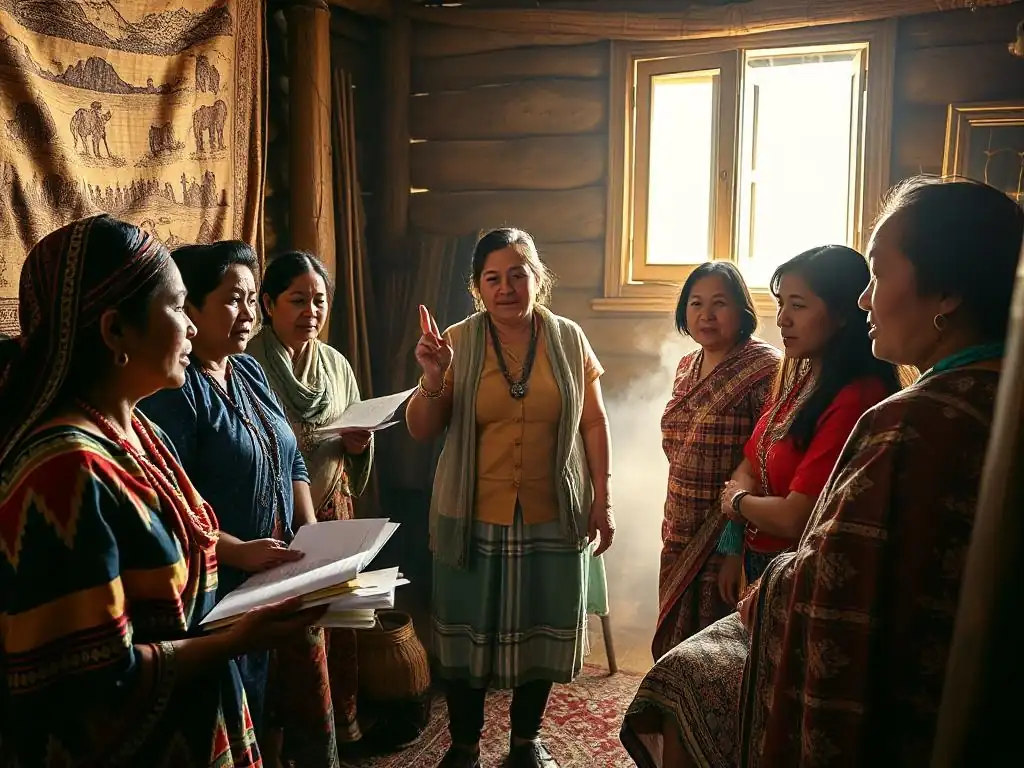
The integration of women into political structures in the Andean region reflects a unique understanding of governance that valued diverse perspectives. This inclusivity allowed for a more holistic approach to leadership, recognizing that women held valuable knowledge and experience relevant to governance.
Participation of women in local governance
In many Andean communities, women participated actively in local governance, serving as leaders in various capacities. They often held roles as mamakuna, or priestesses, which allowed them to influence decisions related to agriculture and community welfare. Their involvement ensured that women's perspectives were included in discussions about communal resources, thereby fostering a sense of collective responsibility.
Moreover, local councils would often include female representatives, allowing for an equitable discussion of issues affecting the community. This participation was crucial in ensuring that the needs and priorities of all community members, including women, were addressed.
Representation of women in regional political bodies
At a regional level, the representation of women in political bodies, although less prevalent than in local governance, still showcased their significance in the Andean political landscape. Women participated in broader political assemblies, where their roles ranged from advisors to leaders.
Historical records indicate that some women held positions akin to governors or regional leaders, further solidifying their influence in shaping policies that affected larger populations. The presence of women in these roles was significant, as it challenged the prevailing norms of gender roles and laid the groundwork for future generations of women in governance. Their contributions helped establish a precedent for women's involvement in political affairs, highlighting the importance of gender equity in decision-making processes.
Challenges Faced by Andean Women in Governance
The role of Andean women in governance has historically been marred by a multitude of challenges that have limited their political participation and influence. Despite their significant contributions to society, these women have often faced systemic barriers that hinder their full engagement in political hierarchies. Understanding these challenges is crucial for appreciating the historical context of women's governance in the Andes.
Societal barriers to political participation
Andean women have encountered various societal barriers that impede their political participation. Traditional gender roles often dictate that women should focus on domestic responsibilities, which can lead to their exclusion from political discourse and decision-making processes. This expectation not only diminishes their visibility in governance but also perpetuates a cycle of underrepresentation in political offices.
Additionally, cultural norms and values can create a challenging environment for women aspiring to leadership roles. The patriarchal structure prevalent in many Andean societies often results in the marginalization of women's voices, making it difficult for them to gain traction in political arenas. Furthermore, access to education and resources plays a significant role; many women may lack the necessary training or support to pursue political careers, thereby limiting their opportunities for leadership.
Impact of colonialism on women's political roles
The impact of colonialism on Andean women’s political roles has been profound and lasting. The arrival of European colonizers disrupted existing governance structures, which often included women in positions of authority. Colonial powers imposed new systems that marginalized indigenous knowledge and practices, resulting in the erosion of women's roles in political life.
During the colonial period, the introduction of new legal frameworks often sidelined traditional practices that empowered women. The suppression of indigenous governance models meant that women lost their status and influence within their communities. This historical context has had a lasting effect, as many contemporary Andean women still grapple with the remnants of these colonial structures, which continue to shape their political landscape.
Contemporary Perspectives on Andean Women in Governance
In recent years, there has been a noticeable shift in the dynamics of women's political engagement within Andean societies. As movements advocating for gender equality and women's rights gain momentum, the role of Andean women in governance is evolving, reflecting both resilience and adaptability.
Current trends in women's political engagement
Current trends indicate a significant increase in women's political engagement across the Andean region. Initiatives aimed at promoting gender parity in political representation have gained traction, leading to more women occupying leadership positions within local and national governments. These efforts are often supported by grassroots organizations that empower women to step into roles traditionally held by men.
Moreover, the rise of social media and digital platforms has provided Andean women with new avenues for activism and political expression. Women are increasingly using these tools to mobilize support, raise awareness about issues affecting their communities, and advocate for policy changes. This shift is crucial in challenging the historical narratives that have marginalized women's contributions to governance.
Case studies of modern Andean women leaders
Numerous case studies exemplify the growing influence of modern Andean women leaders in governance. For instance, María Eugenia Choque, an indigenous leader from Bolivia, has been instrumental in advocating for indigenous rights and environmental issues. Her work highlights the intersection of gender and environmental governance, showcasing how women can lead in addressing critical challenges within their communities.
Another prominent figure is Verónika Mendoza, a Peruvian politician known for her progressive stance on social justice and equality. Mendoza's rise to prominence reflects a broader trend of increasing female participation in politics, as she has successfully mobilized support from various demographics, including marginalized communities.
These case studies not only illustrate the potential of Andean women in governance but also serve as inspiration for future generations. As more women continue to break barriers and assume leadership roles, the landscape of Andean political hierarchies is likely to undergo significant transformation, fostering a more inclusive and equitable governance system.
The Impact of Andean Women in Governance on Society
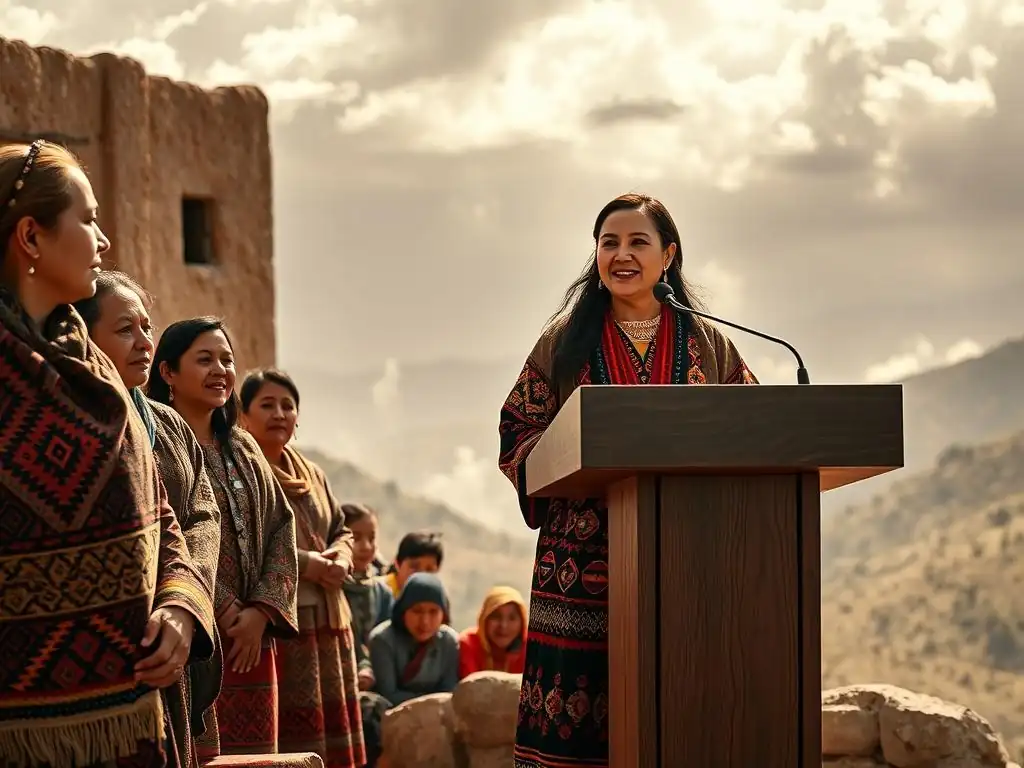
The role of Andean women in governance significantly shaped societal structures across various communities in the Andean region. Their contributions extended beyond mere participation in political hierarchies; they played crucial roles in fostering community cohesion, promoting social justice, and preserving cultural identity. Women often acted as mediators and caretakers within their societies, influencing decision-making processes that directly affected the well-being of their communities. Their unique perspectives and experiences enriched governance systems, highlighting the importance of inclusivity in leadership.
Contributions to community development and social justice
Andean women have historically been instrumental in community development initiatives, often taking the lead in projects that address local needs. Their involvement in agriculture, health, and education has not only improved living conditions but also empowered other women within their communities. For instance, women-led organizations have worked tirelessly to advocate for land rights, access to education, and healthcare services, ensuring that marginalized voices are heard.
Social justice movements in the Andean region owe much to the efforts of women who have fought against gender inequality and economic disparities. Their activism has resulted in significant legal reforms, including policies that promote women's rights and gender equity. Furthermore, by participating in local governance, Andean women have challenged traditional gender roles, demonstrating that leadership is not confined to male figures and fostering a more equitable society.
Influence on cultural preservation and representation
Andean women have also played a pivotal role in the preservation of cultural heritage and traditions. Through storytelling, textile production, and traditional practices, they have maintained the cultural narratives that define their communities. Their involvement in cultural representation ensures that Andean voices are reflected in broader societal discourses, from local festivals to national celebrations.
Moreover, women have often been the custodians of indigenous knowledge, passing down traditions and practices that are vital to the identity of Andean peoples. This transmission of culture not only strengthens community ties but also enhances the representation of women in cultural spaces, allowing them to assert their identities and challenge stereotypes.
Conclusion
Summary of the role of Andean women in governance
Andean women have played a transformative role in governance throughout history. Their contributions to community development, social justice, and cultural preservation highlight their significance within political hierarchies. By actively participating in decision-making processes, they have challenged gender norms and advocated for more inclusive governance structures, ultimately benefiting their communities.
Future prospects for gender equality in Andean political hierarchies
Looking ahead, the prospects for gender equality in Andean political hierarchies appear promising. As awareness of the importance of women's roles in governance continues to grow, there is an increasing push for policies that promote gender equity. Initiatives aimed at encouraging women's participation in politics, such as training programs and mentorship opportunities, are crucial for fostering a new generation of female leaders. The ongoing efforts to dismantle patriarchal structures and empower women can lead to more equitable and representative governance, ensuring that the voices of Andean women are not only heard but also respected in the political arena.
References
Key texts and studies on Andean women in governance
-
"Women in the Inca Empire: Gender and Power in the Andes" by Sarah C. Wright
This book explores the intricate roles women played in the political and social structures of the Inca Empire, highlighting specific examples of influential female figures and their contributions to governance.
-
"The Role of Women in Pre-Columbian Societies" by Patricia J. Sarro
Sarro’s work delves into the various roles that women occupied in Andean societies before European contact, examining how these roles translated into political influence and governance.
-
"Gendered Innovations in Science and Engineering" by Londa Schiebinger and Shannon A. B. M. M.
Although broader in scope, this text includes critical discussions on the governance structures in indigenous societies, emphasizing the significance of gender in leadership roles.
-
"Inca Women: The Hidden Power" by Dr. Ellen E. O'Connor
This research article provides insights into the power dynamics of Inca women, illustrating how their roles were both influential and often overlooked in historical narratives.
-
"Women, Power, and Society in Early Modern Peru" by Anahi M. Alarcon
Alarcon investigates the transitional period of governance in Peru, offering a nuanced perspective on how indigenous women's roles evolved during and after the Inca Empire.
Suggested further reading on gender dynamics in indigenous societies
-
"Gender and Indigenous Peoples: A Global Perspective" by A. M. Martínez
This comprehensive text examines gender dynamics across various indigenous cultures, providing a comparative analysis that enriches the understanding of Andean women's roles in governance.
-
"The Sacred Hoop: Recovering the Feminine in American Indian Traditions" by Paula Gunn Allen
Allen’s work focuses on the spiritual and cultural significance of women in Native American societies, offering parallels that can shed light on Andean gender dynamics.
-
"Women of the Andes: Patriarchy and Social Change in the Rural Communities of Peru" by Christine A. Hastorf
This book provides an in-depth analysis of the changing roles of women in Andean communities, particularly in the context of social and political transformations.
-
"Indigenous Women and Feminism: Politics, Activism and Culture" by Kim Anderson and Bonita Lawrence
This collection of essays highlights the activism and political engagement of indigenous women, offering insights that resonate with the governance structures in the Andes.
-
"Gender in the Archaeology of the Americas" by Sarah M. Nelson
Focusing on archaeological findings, this text discusses gender roles in ancient societies, including those in the Andean region, and how these roles influenced broader societal governance.
- Introduction to Andean Governance
- Historical Context of Andean Women in Governance
- Key Figures: Influential Andean Women in Governance
- The Role of Andean Women in Political Structures
- Challenges Faced by Andean Women in Governance
- Contemporary Perspectives on Andean Women in Governance
- The Impact of Andean Women in Governance on Society
- Conclusion
- References
- What is the focus of the article "Gender Dynamics in Andean Governance: The Role of Women in Political Hierarchies"?
- How did Andean women influence governance?
- What were some achievements of Andean women in governance?
- How does the article address the impact of colonization on Andean women?
- Why is the study of Andean women in governance important today?
Frequently Asked Questions
What is the focus of the article "Gender Dynamics in Andean Governance: The Role of Women in Political Hierarchies"?
The article explores the significant roles that Andean women played in political hierarchies and governance, highlighting their contributions to societal structures before European colonization.
How did Andean women influence governance?
Andean women were often involved in decision-making processes and held positions of power, which allowed them to influence political outcomes and community welfare within their societies.
What were some achievements of Andean women in governance?
Andean women contributed to economic stability and played a crucial role in community leadership, often leading social initiatives and preserving cultural practices that shaped their societies.
How does the article address the impact of colonization on Andean women?
The article discusses how European colonization disrupted existing power structures, resulting in a loss of autonomy for Andean women and diminishing their influence in governance and community affairs.
Why is the study of Andean women in governance important today?
Understanding the role of Andean women in governance provides insight into gender dynamics and highlights their historical contributions, which can inspire contemporary discussions on women's rights and leadership.
Final Reflection: Empowering Andean Women in Governance
The role of women in political hierarchies is not just a historical footnote; it is a vital component of contemporary governance. As we explore the intricate dynamics of gender within Andean political systems, it becomes clear that the contributions of Andean women in governance are essential for fostering inclusive and equitable societies. The strides made by women in these regions are not merely achievements of the past; they resonate deeply with the ongoing struggles for gender equality and representation today.
Clearly, the influence of Andean women in governance is profound and far-reaching. Their participation challenges traditional power structures and paves the way for a more balanced representation in political discourse. As we witness the ongoing evolution of these dynamics, we are reminded of the words of Ruth Bader Ginsburg: Women belong in all places where decisions are being made.
This sentiment underscores the importance of women's voices in shaping policies that affect their communities and the broader society, highlighting how their involvement is crucial for sustainable development and social justice.
As we reflect on the insights shared in this article, I invite you to consider your role in promoting gender equity in governance. How can you support the voices of Andean women in your own community? Whether through advocacy, education, or simply by amplifying their stories, your actions can contribute to a more inclusive future. Let us strive to ensure that the lessons learned from the past empower us to create a world where every woman has the opportunity to lead and influence the political landscape for generations to come.
Empower Change: Take Action for Gender Equity in Governance!
Thank you for exploring the important dynamics of gender in governance within the Andean region! Your interest in understanding the vital role of women in political hierarchies is a significant step towards promoting equality and representation. Now, let’s turn that knowledge into action:
- Engage with Your Community: Join or start a local discussion group focused on gender equity in governance. Share insights from this article to inspire meaningful conversations!
- Raise Awareness Online: Write a post or share this article on social media to emphasize the importance of women's contributions to political systems. Use the hashtag #WomenInGovernance to connect with others!
- Support Indigenous Women Leaders: Identify and support organizations that empower Indigenous women in political roles—consider donating your time or resources to help amplify their voices!
What initiatives have you observed that prioritize women’s leadership in your community? Let's engage in a discussion!