
Bridging Past and Present: The Relevance of Indigenous Writing in Contemporary Culture

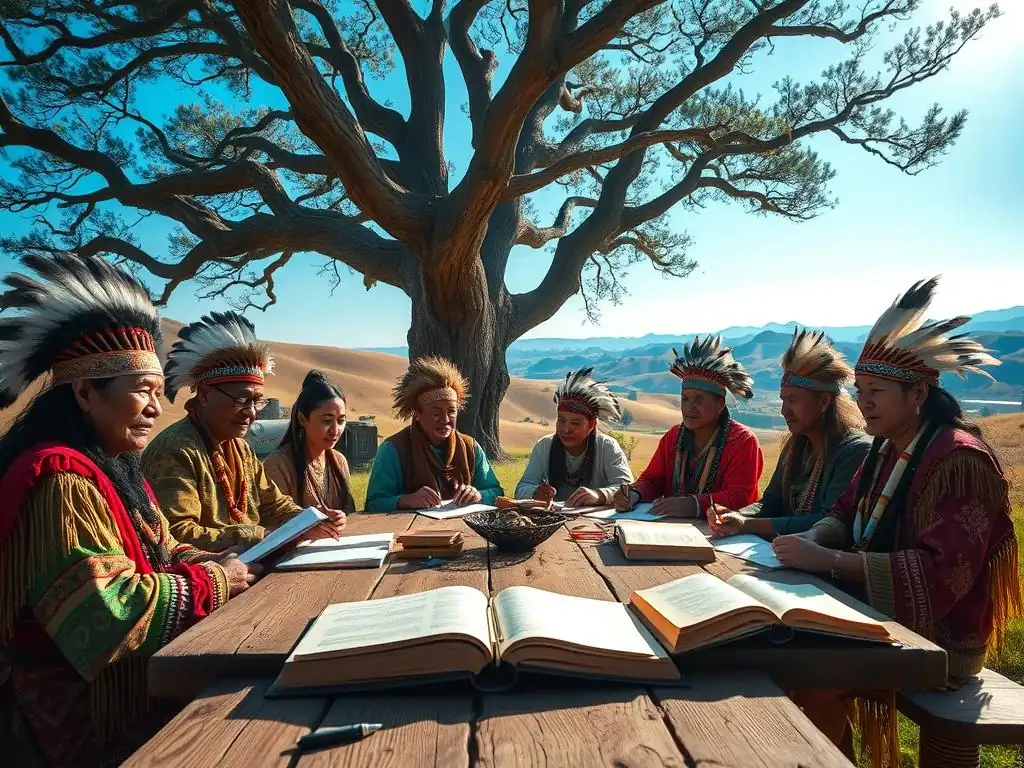
Welcome to Indigenous Civilizations of the Americas, where we delve into the rich tapestry of indigenous cultures that flourished across the Americas long before European arrival. In our featured article, “Bridging Past and Present: The Relevance of Indigenous Writing in Contemporary Culture,” we explore how ancient narratives resonate today, showcasing the profound achievements and societal structures of these vibrant civilizations. Prepare to uncover how the echoes of their wisdom shape our modern world, inviting you to reflect on their enduring legacy. Join us on this enlightening journey and discover the powerful connection between the past and present!
Indigenous writing, a rich tapestry of narratives and symbols, serves as a vital bridge connecting the past to the present. Before European colonization, diverse indigenous cultures across the Americas developed their own unique writing systems, reflecting their histories, philosophies, and worldviews. Today, as contemporary society grapples with issues of identity, representation, and cultural preservation, the significance of indigenous writing in contemporary culture has never been more relevant.
This article delves into how these ancient writing systems not only inform modern indigenous identities but also contribute to broader discussions of cultural resilience and revitalization. By examining the achievements and societal contributions of these writing traditions, we aim to illuminate their enduring impact on contemporary literature, art, and cultural expression.
The Historical Context of Indigenous Writing
Indigenous writing systems have a profound historical significance, often serving as the primary means of communication and record-keeping among various tribes and nations. From the intricate glyphs of the Maya to the pictographs of the Plains tribes, these writing forms encapsulate the beliefs, stories, and customs of their peoples. Understanding the historical context of these systems is crucial for appreciating their relevance in today's cultural landscape.
- Maya Hieroglyphics: This advanced writing system was used by the Maya civilization for over a millennium, encoding a wealth of knowledge about astronomy, history, and mythology.
- Inuit Inuktitut: This syllabic script reflects the linguistic heritage of the Inuit and continues to play an essential role in preserving their culture and language.
- Plains Indian Pictographs: These visual representations convey stories and events, serving as historical records that are still referenced in contemporary indigenous narratives.
Contemporary Relevance of Indigenous Writing
The resurgence of interest in indigenous writing systems is a testament to the resilience of these cultures. Today, as indigenous voices gain prominence in literature and art, their writing traditions are evolving to meet contemporary needs while remaining rooted in historical significance.
- Cultural Revitalization: Indigenous writing is pivotal in revitalizing languages and cultures that faced erasure due to colonization. By integrating traditional writing methods into modern contexts, communities are fostering a renewed sense of identity and belonging.
- Literary Contributions: Authors of indigenous descent are increasingly incorporating traditional writing styles and themes into contemporary literature, providing unique perspectives that challenge mainstream narratives.
- Artistic Expressions: Visual artists are embracing indigenous writing as a medium to convey cultural messages, creating works that resonate with both indigenous and non-indigenous audiences.
Challenges and Opportunities
Despite the growing appreciation for indigenous writing, challenges remain in the form of cultural appropriation, misrepresentation, and the ongoing struggle for indigenous rights. However, these challenges also present opportunities for dialogue, collaboration, and education.
- Cultural Appropriation: The commodification of indigenous writing by non-indigenous individuals can dilute its meaning and significance. It is crucial to approach these cultures with respect and understanding.
- Representation in Academia: Increased visibility of indigenous writing in academic institutions can foster greater awareness and appreciation of its relevance, leading to more inclusive curricula.
- Collaborative Projects: Initiatives that promote partnerships between indigenous writers and contemporary artists can lead to innovative works that honor traditional practices while addressing modern issues.
By exploring the intricate relationship between indigenous writing and contemporary culture, we can better understand its role as a powerful tool for communication, identity, and resilience. This ongoing dialogue not only honors the past but also paves the way for a more inclusive future, where indigenous voices are celebrated and recognized for their contributions to the broader cultural narrative.
- The Historical Context of Indigenous Writing
- Contemporary Relevance of Indigenous Writing
- Challenges and Opportunities
- What is the main focus of the article "Bridging Past and Present: The Relevance of Indigenous Writing in Contemporary Culture"?
- How does indigenous writing impact contemporary culture?
- Why is it important to study indigenous writing today?
- What are some examples of indigenous writing in contemporary culture?
- How can indigenous writing influence future generations?
Understanding Indigenous Writing Systems
Definition of Indigenous Writing
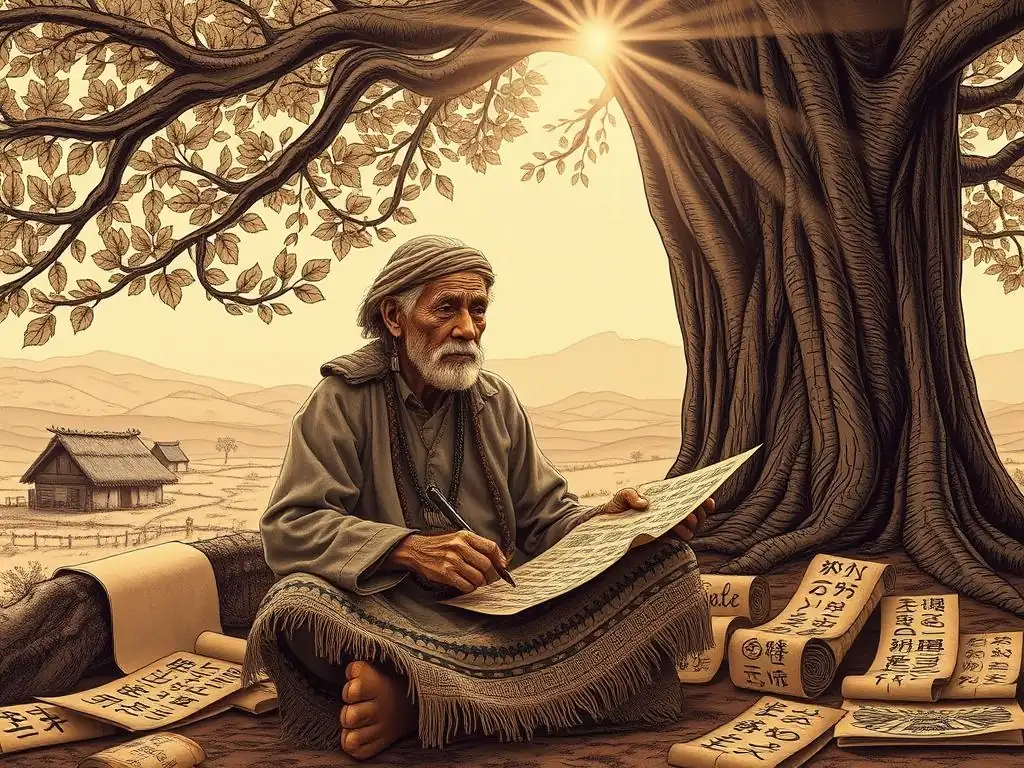
Indigenous writing refers to the various systems of written communication developed by indigenous peoples, particularly those in the Americas, prior to European contact. Unlike the standardized alphabets widely used today, many indigenous writing systems were unique to specific cultures and often intertwined with their oral traditions, reflecting the values, beliefs, and histories of their communities.
- Characteristics of Indigenous Writing:
- Symbolism: Many indigenous scripts utilized symbols or pictographs that represented ideas, objects, or narratives rather than phonetic sounds.
- Cultural Significance: Writing was often deeply tied to ceremonial practices and storytelling, serving not just as a means of communication but as a way to preserve cultural heritage.
- Diversity: Hundreds of indigenous cultures developed their own writing systems, each with distinctive features that reflect their unique worldviews and experiences.
Overview of Historical Indigenous Writing Practices
Historically, different indigenous civilizations across the Americas employed various writing practices that were integral to their societal functions. Notably, the Maya and the Inca had sophisticated systems that showcased their cultural sophistication and complexity.
- Maya Glyphs:
- The Maya civilization developed a highly advanced writing system known as Maya glyphs, composed of logograms and syllabic symbols. These glyphs recorded historical events, religious texts, and other significant aspects of Maya life.
- The decipherment of these glyphs has revealed insights into the political and social structures of Maya society, as well as their cosmology and mythology.
- Inca Quipu:
- The Inca, on the other hand, utilized a unique system called quipu, which involved knotted strings to convey information. Quipu served administrative purposes, functioning as a record-keeping system for various aspects of their empire, including census data and tribute records.
- While not a writing system in the traditional sense, quipu exemplifies the innovative approaches indigenous cultures took to document and transmit knowledge.
- North American Indigenous Scripts:
- Various tribes in North America, such as the Cherokee and the Cree, developed their own syllabaries and alphabetic systems. These writing systems were often created in the 19th century to promote literacy and preserve the languages and cultures of these communities.
The Role of Oral Traditions in Indigenous Cultures
In many indigenous cultures, oral traditions played a critical role in the transmission of knowledge, history, and cultural values. These traditions often complemented written forms of communication, serving as a bridge between generations.
- Storytelling as a Cultural Practice:
- Oral storytelling was not only a means of entertainment but also a vital mechanism for educating younger members of the community. Through storytelling, elders imparted wisdom, moral lessons, and cultural history, ensuring the continuity of their heritage.
- Many indigenous stories are rich in symbolism and serve to reinforce cultural identity, providing a sense of belonging and understanding of one's place in the world.
- Integration with Writing:
- As indigenous peoples began to adopt written forms of communication, the integration of oral traditions with these new systems became evident. Written accounts often mirrored oral narratives, preserving the essence of the culture while embracing new methods of documentation.
- This synthesis of oral and written traditions highlights the adaptability of indigenous cultures, demonstrating their resilience in the face of changing circumstances.
Understanding indigenous writing systems involves recognizing the diverse and rich historical practices that have shaped the cultural landscape of the Americas. These systems, rooted in oral traditions, continue to influence contemporary expressions of indigenous identity and creativity, showcasing the lasting impact of indigenous writing in contemporary culture.
The Evolution of Indigenous Writing
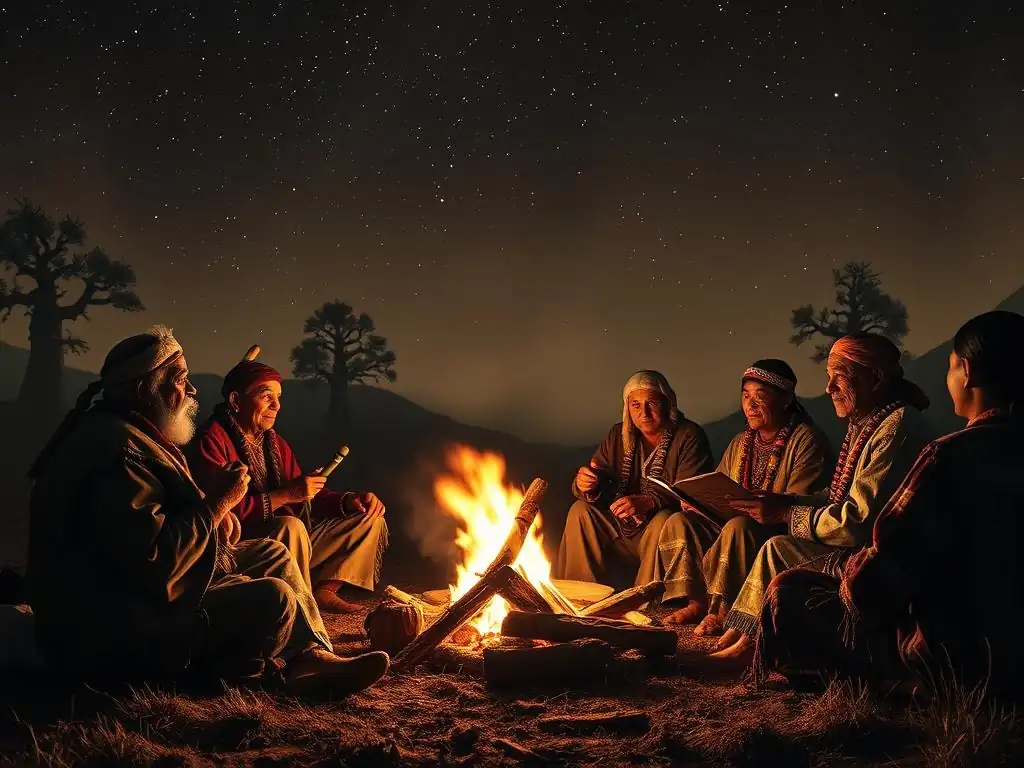
The evolution of indigenous writing in the Americas is a profound narrative that reflects the complex interplay between culture, language, and identity. This development spans centuries, showcasing how various indigenous societies transitioned from oral traditions to sophisticated writing systems. Understanding this evolution provides insight into the resilience and adaptability of indigenous cultures, especially in contemporary contexts where their writing continues to hold significance.
Historical Context of Indigenous Writing
Before the arrival of Europeans, many indigenous cultures in the Americas had rich oral traditions that conveyed history, spirituality, and knowledge. However, some societies developed unique writing systems that served as crucial means of communication and record-keeping.
- Mesoamerican Civilizations: The Maya civilization is renowned for its hieroglyphic writing, which dates back to at least 300 BCE. This complex system combined logograms and syllabic signs, allowing for the documentation of history, astronomy, and mythology. The Maya codices, created from bark paper, are significant artifacts that offer insight into their sophisticated understanding of the world.
- Andean Cultures: The Inca civilization utilized quipu, a system of knotted strings, to record numerical data and convey messages. While quipu is not a writing system in the traditional sense, it represents an innovative method of information storage that was crucial for managing the vast Inca Empire.
These early systems of writing were not only practical but also deeply intertwined with the social and religious fabric of indigenous cultures, emphasizing the importance of language in maintaining cultural identity.
Key Indigenous Writing Systems Across the Americas
Various indigenous writing systems emerged throughout the Americas, each reflecting the unique cultural contexts of the societies that created them. Here are some notable examples:
- Mayan Hieroglyphics:
- Characteristics: A combination of logograms and syllabic symbols.
- Usage: Used for religious texts, historical records, and monumental inscriptions.
- Legacy: Many Mayan texts are still being deciphered, revealing insights into their civilization.
- Incan Quipu:
- Characteristics: A series of colored cords with knots.
- Usage: Primarily for record-keeping, especially in accounting and census data.
- Legacy: While it lacks written language in the conventional sense, quipu represents a unique form of communication.
- Northwest Coast Indigenous Symbols:
- Characteristics: Carved symbols and totem poles that convey stories and lineage.
- Usage: Used in ceremonial contexts and as markers of identity.
- Legacy: These symbols continue to be a significant aspect of cultural heritage and storytelling.
- Cherokee Syllabary:
- Characteristics: Developed by Sequoyah in the early 19th century, this syllabary consists of 86 characters representing syllables.
- Usage: Allowed for the translation of English texts into Cherokee, fostering literacy within the community.
- Legacy: The syllabary remains in use today, promoting the preservation of the Cherokee language.
Transition from Oral to Written Forms
The transition from oral to written forms of communication in indigenous cultures was not merely a shift in medium but a transformation of how knowledge was shared and preserved.
- Cultural Significance: Oral traditions were integral to the identity of many indigenous communities, serving as vehicles for storytelling, education, and the transmission of cultural values. The introduction of writing systems allowed for the documentation of these traditions, ensuring their survival amidst external pressures.
- Impact on Identity: The ability to write and record stories, histories, and languages has empowered indigenous peoples in contemporary society. It has enabled them to reclaim their narratives, challenge stereotypes, and advocate for their rights through literature and other written forms.
- Modern Relevance: Today, indigenous writing in contemporary culture serves as a bridge between past and present. Authors and poets are increasingly using their native languages and storytelling techniques to explore themes of identity, resilience, and cultural pride, highlighting the continued relevance of indigenous perspectives in modern society.
The evolution of indigenous writing in the Americas is a testament to the ingenuity and adaptability of these cultures. By examining the historical context, key writing systems, and the transition from oral traditions, we can appreciate the depth of indigenous writing in contemporary culture and its crucial role in preserving the rich tapestry of indigenous identities.
Indigenous Writing in Contemporary Culture
The Impact of Indigenous Literature Today
Indigenous literature has emerged as a powerful force in contemporary culture, reshaping narratives and challenging historical perspectives. Authors such as Sherman Alexie, Louise Erdrich, and Joy Harjo have garnered significant acclaim, not only for their storytelling prowess but also for their ability to weave traditional Indigenous knowledge into modern contexts. These writers amplify Indigenous voices, bringing attention to issues such as identity, colonization, and resilience.
The impact of Indigenous literature can be seen in various literary genres, from poetry to novels and essays. For instance, poetry collections by Indigenous writers often explore themes of connection to land and culture, providing readers with a profound sense of place and identity. In fact, the Native American Literature Symposium has reported a significant increase in the publication and readership of Indigenous literature, demonstrating the growing relevance of these voices in contemporary discussions.
Moreover, Indigenous writing contributes to social movements and activism, addressing contemporary issues such as environmental justice and Indigenous rights. By employing storytelling as a form of resistance, writers have successfully engaged broader audiences, advocating for the recognition and respect of Indigenous sovereignty.
Celebrating Indigenous Voices in Modern Writing
Celebrating Indigenous voices in modern writing involves recognizing and promoting the diverse range of narratives that reflect the multifaceted experiences of Indigenous peoples. This celebration is evident in literary festivals, awards, and initiatives aimed at highlighting Indigenous authors. Events like the Wordcraft Circle of Native Writers and Storytellers play a crucial role in fostering a community where Indigenous voices are honored and amplified.
Anthologies, such as The Beast in the Garden: Stories from the Native American Renaissance, showcase a plethora of Indigenous perspectives, celebrating the richness of cultural heritage. These collections not only provide a platform for emerging writers but also serve to educate readers about the depth and diversity of Indigenous storytelling traditions.
Furthermore, collaborations between Indigenous and non-Indigenous authors have become increasingly common, enriching the literary landscape. Such partnerships allow for cross-cultural exchanges that deepen understanding and foster dialogue. These collaborations are essential in dismantling stereotypes and misconceptions about Indigenous peoples, promoting a more nuanced appreciation of their narratives.
Indigenous Writing as a Tool for Cultural Preservation
Indigenous writing serves as a vital tool for cultural preservation, allowing for the transmission of traditional knowledge, language, and practices across generations. By documenting oral histories and cultural stories, Indigenous authors ensure that their heritage remains alive and accessible.
Language revitalization efforts have also been bolstered by written works that incorporate Indigenous languages. For instance, the use of Dakota and Navajo languages in contemporary literature not only honors these languages but also fosters a sense of pride and identity among younger generations.
Moreover, Indigenous writing plays a crucial role in addressing historical trauma and cultural erasure. Through storytelling, Indigenous authors articulate the impacts of colonization, trauma, and resilience, creating a space for healing and reflection. This form of expression empowers Indigenous communities, encouraging individuals to reclaim their narratives and assert their identities in a contemporary context.
Indigenous writing in contemporary culture is not merely a reflection of the past; it is a dynamic force that shapes identities, fosters understanding, and preserves cultural heritage for future generations. By recognizing and supporting Indigenous authors, society can contribute to a more inclusive and representative literary landscape.
The Relationship Between Indigenous Writing and Identity
How Indigenous Writing Reflects Cultural Identity
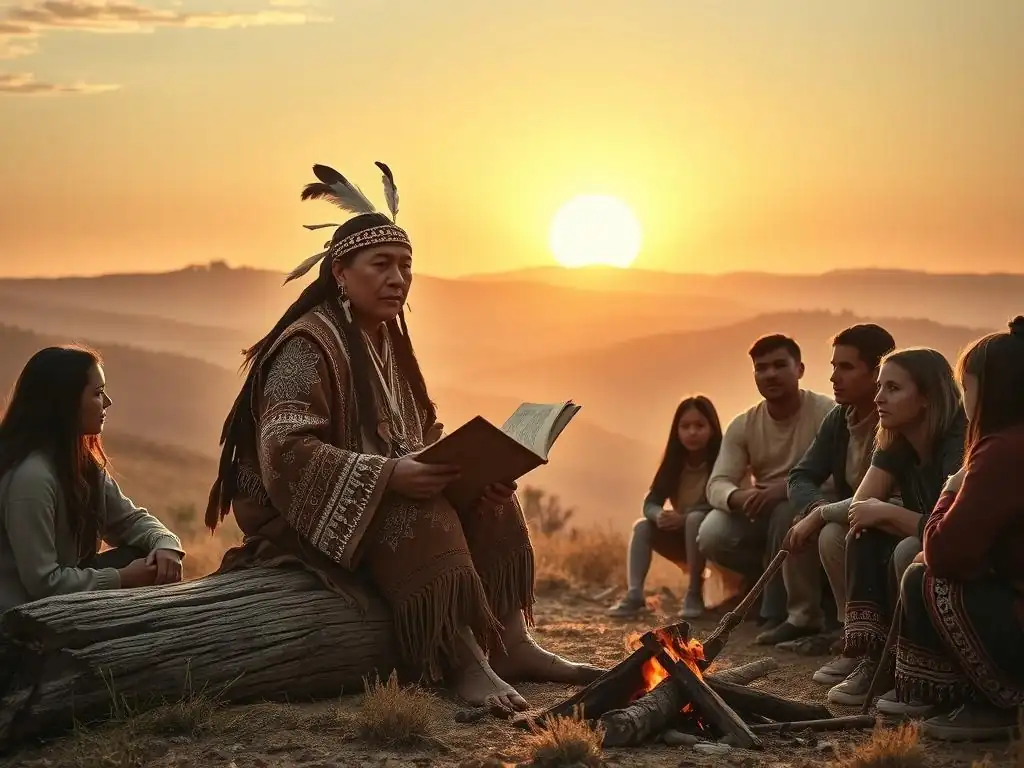
Indigenous writing serves as a vital expression of cultural identity, encapsulating the histories, beliefs, and traditions of various communities. Through the use of unique scripts and storytelling techniques, Indigenous authors convey their cultural narratives, preserving the intricacies of their heritage. For instance, the use of pictographs and ideograms in Native American cultures often illustrates spiritual beliefs and connections to the land, which are central to their identity.
Moreover, oral traditions, which have historically complemented written forms, play a crucial role in shaping cultural identity. Stories passed down through generations not only entertain but also educate younger members about their ancestry and values. This interplay between oral and written forms enhances the richness of Indigenous writing, ensuring that cultural identity remains dynamic and relevant. Many contemporary Indigenous writers weave these traditional narratives into their works, highlighting the continuity of cultural expression.
The Role of Language in Indigenous Communities
Language is a cornerstone of Indigenous identity, serving as a vessel for cultural expression and communal bonding. Each Indigenous language encompasses unique concepts and worldviews that reflect the community’s relationship with nature, spirituality, and social structure. For example, the Navajo language incorporates a complex system of verbs that convey the nuances of natural phenomena, showcasing the deep connection between the people and their environment.
Furthermore, the revitalization of Indigenous languages has become a significant movement within many communities. Efforts to teach and promote these languages are essential not only for preserving cultural heritage but also for fostering a sense of pride and belonging among younger generations. Bilingual education programs and community workshops are examples of how language revitalization is being embraced, allowing Indigenous writing to flourish in contemporary contexts.
Indigenous Writing and Its Influence on Contemporary Indigenous Identity
The resurgence of Indigenous writing in contemporary culture is a powerful testament to the resilience and adaptability of Indigenous identities. As Indigenous authors gain recognition on global platforms, their works provide critical perspectives on social, political, and environmental issues affecting their communities today.
Indigenous writing often challenges dominant narratives and stereotypes, reclaiming the stories of Indigenous peoples from colonial lenses. For example, authors like Tommy Orange and Joy Harjo use their platforms to address themes of displacement, identity, and belonging, resonating deeply with both Indigenous and non-Indigenous readers.
Moreover, contemporary Indigenous writing fosters a sense of community and solidarity among Indigenous peoples. It offers a space for dialogue and reflection, encouraging individuals to explore their identities in relation to their heritage. The impact of these writings is evident in various formats, from novels and poetry to essays and digital media, reflecting the diverse expressions of contemporary Indigenous identity.
Indigenous writing is not merely a means of communication; it is a profound reflection of cultural identity, a critical tool for language preservation, and a vital force in shaping contemporary Indigenous identities. The ongoing evolution of this writing system is essential in bridging the past with the present, ensuring that the voices of Indigenous peoples continue to resonate in today's cultural landscape.
Challenges Facing Indigenous Writers

Indigenous writers today continue to navigate a complex landscape shaped by historical, social, and cultural factors. Despite the rich traditions and unique perspectives that Indigenous literature offers, various challenges persist, affecting their visibility and representation in contemporary culture. Understanding these challenges is essential for appreciating the significance of Indigenous writing in contemporary culture.
Barriers to Publication and Representation
One of the most significant barriers Indigenous writers face is the difficulty in securing publication opportunities. Many mainstream publishing houses often overlook Indigenous narratives, favoring works that conform to dominant cultural narratives. This has led to a notable underrepresentation of Indigenous voices in literary markets.
- Limited Access to Resources: Many Indigenous writers lack access to the same resources as their non-Indigenous counterparts, such as writing workshops, mentorship programs, and literary agents. This disparity can hinder their ability to refine their craft and navigate the publishing landscape effectively.
- Cultural Misinterpretations: Publishers may not fully understand the cultural context of Indigenous stories, which can result in misrepresentation or the dilution of significant cultural elements. This leads to a reluctance among Indigenous authors to share their work with entities that do not respect or comprehend their cultural narratives.
- Market Preferences: There is a tendency in the publishing industry to prioritize stories that align with mainstream interests. This can marginalize Indigenous stories that tackle complex themes related to identity, colonialism, and spirituality, leading to their exclusion from broader literary conversations.
The Influence of Colonial Narratives on Indigenous Writing
Colonial narratives continue to exert a profound influence on how Indigenous writing is perceived and valued in contemporary culture.
- Stereotyping and Misrepresentation: Indigenous literature is often filtered through the lens of colonial stereotypes, which can distort the authenticity of Indigenous narratives. This misrepresentation shapes public perceptions and can lead to a continued cycle of misunderstanding and marginalization.
- Struggle for Authenticity: Indigenous writers frequently grapple with the pressure to conform to preconceived notions of what Indigenous literature should be. This struggle for authenticity can create tensions within the writing community, as authors strive to balance traditional storytelling methods with contemporary themes.
- Reclaiming Narratives: Many Indigenous writers actively work to reclaim their narratives from colonial frameworks. By challenging dominant narratives and presenting their stories on their terms, they contribute to a broader understanding of their cultures and histories. This reclamation is essential for fostering a more nuanced appreciation of Indigenous writing in contemporary culture.
Supporting Indigenous authors is crucial for fostering a diverse literary landscape that accurately reflects the richness of Indigenous cultures. There are several ways in which individuals and organizations can contribute to this support:
- Promoting Indigenous Literature: Encouraging the reading and promotion of Indigenous authors can help elevate their voices within literary circles. Book clubs, literary festivals, and educational institutions can play a vital role in showcasing Indigenous works.
- Creating Inclusive Publishing Practices: Publishers can actively seek out Indigenous manuscripts and ensure that their editorial teams include individuals with diverse cultural backgrounds. Inclusive practices can lead to more authentic representations of Indigenous experiences.
- Advocacy and Funding: Supporting initiatives that advocate for Indigenous writers and provide funding for literary projects can help bridge the gap in resources. Organizations that focus on Indigenous literacy and storytelling can empower writers and promote their works.
By understanding and addressing these challenges, we can better appreciate the role of Indigenous writing in contemporary culture and foster an environment where these voices can thrive.
The Future of Indigenous Writing
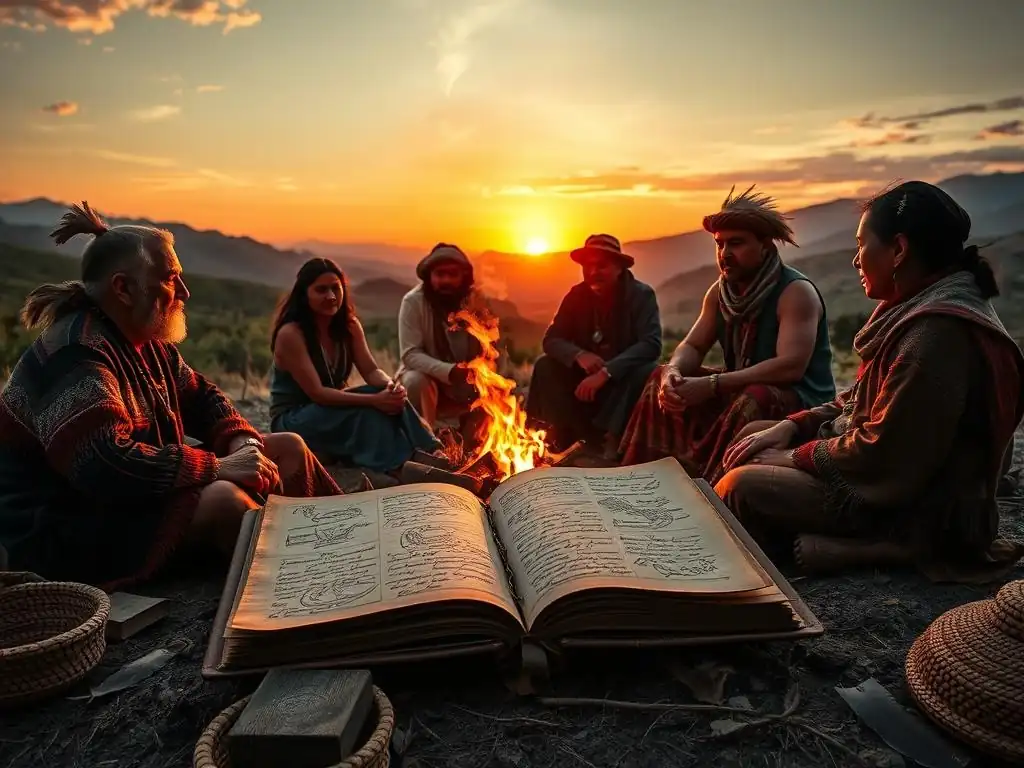
Emerging Trends in Indigenous Literature
The landscape of Indigenous literature is undergoing a significant transformation, reflecting the vibrant and diverse cultures of Indigenous peoples across the Americas. Contemporary Indigenous authors are increasingly exploring themes that resonate with both Indigenous and non-Indigenous audiences, resulting in a rich tapestry of narratives that challenge stereotypes and celebrate cultural identities.
- Revival of Oral Traditions: Many Indigenous writers are reinterpreting traditional oral stories through written forms, preserving their cultural heritage while making them accessible to a broader audience. This revival not only honors ancestral storytelling techniques but also infuses contemporary issues into the narratives, creating a dialogue between past and present.
- Focus on Intersectionality: Current Indigenous literature often addresses the intersections of identity, including aspects of gender, sexuality, and class. Writers such as Tommy Orange and Cherie Dimaline highlight the multifaceted nature of Indigenous identities, allowing readers to engage with the complexities of contemporary Indigenous life.
- Environmental Themes: The connection to land and nature remains a central theme in Indigenous writing. Authors are articulating Indigenous perspectives on environmental stewardship and climate change, emphasizing the urgency of these issues. Works like "Braiding Sweetgrass" by Robin Wall Kimmerer weave traditional ecological knowledge with contemporary environmental science, advocating for a symbiotic relationship with the earth.
The Role of Technology in Indigenous Writing
Technology plays a pivotal role in reshaping Indigenous writing and expanding its reach. The digital age has opened new avenues for Indigenous voices, enabling writers to share their work with global audiences and connect with one another in unprecedented ways.
- Social Media Platforms: Writers are utilizing platforms like Twitter, Instagram, and TikTok to share poetry, prose, and cultural insights. These platforms allow for real-time engagement and foster community-building among Indigenous peoples and their allies.
- E-Publishing and Online Journals: The rise of e-publishing has democratized the publishing process, allowing Indigenous authors to bypass traditional gatekeepers. Online literary journals focused on Indigenous content are emerging, providing vital spaces for new voices and innovative narratives.
- Digital Storytelling: The integration of multimedia elements in storytelling is becoming more common, with authors combining text with audio, video, and visual art. This approach not only enhances the storytelling experience but also reflects the dynamic nature of Indigenous cultures in the digital era.
Fostering Collaboration Between Indigenous and Non-Indigenous Writers
Collaboration between Indigenous and non-Indigenous writers is essential for fostering mutual understanding and respect for Indigenous narratives. Such partnerships can lead to more authentic representations of Indigenous experiences and contribute to a richer literary landscape.
- Mentorship Programs: Initiatives that pair Indigenous writers with established authors from diverse backgrounds can help nurture Indigenous talent. These mentorships provide valuable guidance while ensuring that Indigenous voices are heard and respected.
- Inclusive Writing Workshops: Writing workshops that include both Indigenous and non-Indigenous participants can create a space for shared learning and cultural exchange. These workshops can facilitate discussions on storytelling techniques, cultural sensitivity, and the importance of authenticity in representation.
- Joint Literary Events: Hosting literary festivals and events that showcase Indigenous and non-Indigenous authors promotes cross-cultural dialogue. These gatherings can serve as platforms for discussing pressing social issues, sharing diverse literary styles, and celebrating Indigenous literary contributions.
The future of Indigenous writing is bright, with emerging trends that reflect the resilience and creativity of Indigenous cultures. As technology continues to evolve, so too will the avenues for Indigenous voices to be amplified. By fostering collaboration and understanding between Indigenous and non-Indigenous writers, the literary world can move towards a more inclusive and representative future, ensuring that Indigenous writing in contemporary culture remains a vital and influential force.
Conclusion: The Significance of Indigenous Writing in Society
Recap of Indigenous Writing's Impact on Contemporary Culture
Indigenous writing serves as a vital bridge connecting the past to the present, allowing us to understand the rich tapestry of cultures that existed long before European colonization. This form of expression encapsulates the beliefs, traditions, and histories of various indigenous communities, highlighting their resilience and adaptability in the face of ongoing challenges.
The impact of indigenous writing on contemporary culture is multifaceted, influencing literature, art, and social discourse. For example, the resurgence of indigenous authors in mainstream literature has brought forward narratives that challenge dominant historical narratives and offer alternative perspectives on identity and belonging. Works by authors such as Leslie Marmon Silko and Sherman Alexie have won critical acclaim, emphasizing the importance of indigenous voices in discussions about cultural heritage and social justice.
Furthermore, indigenous writing has become an essential tool for activism. Many contemporary indigenous writers use their platforms to address pressing issues such as land rights, environmental concerns, and cultural preservation. By weaving these themes into their narratives, they not only educate readers about indigenous histories but also inspire action and solidarity.
Encouraging Further Exploration of Indigenous Literature
To fully appreciate the significance of indigenous writing in contemporary culture, it is essential to engage with a diverse range of indigenous literature. This encompasses not only novels and poetry but also oral traditions, playwrights, and essays that reflect the myriad experiences of indigenous peoples across the Americas.
Here are some suggestions for further exploration:
- Read Works by Indigenous Authors: Seek out novels, poetry collections, and essays by indigenous writers. Some notable recommendations include:
- "Ceremony" by Leslie Marmon Silko
- "The Lone Ranger and Tonto Fistfight in Heaven" by Sherman Alexie
- "The Round House" by Louise Erdrich
- Attend Indigenous Literature Events: Participate in book readings, festivals, and workshops that celebrate indigenous authors and their work.
- Engage with Indigenous Languages: Discover literature written in indigenous languages to appreciate the nuances of cultural expression and storytelling.
As readers engage with these texts, they not only deepen their understanding of indigenous cultures but also contribute to the ongoing conversation about representation and inclusion in contemporary literature.
Final Thoughts on the Relevance of Indigenous Writing in Modern Society
The relevance of indigenous writing in modern society cannot be overstated. It challenges us to confront our assumptions about history, culture, and identity while fostering empathy and understanding. Indigenous writing serves as a reminder of the diversity of human experience and the importance of preserving cultural narratives that have often been marginalized.
As we move forward, it is crucial to recognize the enduring legacy of indigenous writing and its role in shaping contemporary discourse. By supporting indigenous authors and advocating for the inclusion of their perspectives in literature and broader cultural conversations, we enrich our society as a whole.
Embracing indigenous writing in contemporary culture is not merely an act of acknowledgment but a commitment to fostering a more inclusive and equitable society, where all voices are heard and celebrated.
Frequently Asked Questions
What is the main focus of the article "Bridging Past and Present: The Relevance of Indigenous Writing in Contemporary Culture"?
The article explores the connection between historical indigenous cultures and their contemporary expressions through writing, emphasizing how these narratives shape modern identity.
How does indigenous writing impact contemporary culture?
Indigenous writing serves as a bridge between past and present, promoting cultural understanding, preserving traditions, and highlighting social issues faced by indigenous communities today.
Why is it important to study indigenous writing today?
Studying indigenous writing is crucial for recognizing the diversity of cultural perspectives and fostering respect for indigenous voices, which contribute to a richer, more inclusive understanding of history and culture.
What are some examples of indigenous writing in contemporary culture?
Contemporary indigenous writers, such as Linda Hogan and Tommy Orange, create works that reflect their unique experiences and heritages, addressing themes of identity, displacement, and resilience.
How can indigenous writing influence future generations?
Indigenous writing can inspire future generations by instilling a sense of pride in their heritage, encouraging creativity, and promoting activism for social justice and environmental issues within their communities.
Final Reflection: Embracing Indigenous Voices in Contemporary Culture
In an era where cultural narratives are constantly evolving, the relevance of Indigenous writing in contemporary culture cannot be overstated. As we navigate through the complexities of identity, history, and representation, Indigenous authors are reclaiming their stories and reshaping the literary landscape. Their works serve as powerful reminders of resilience and the importance of diverse perspectives in our shared human experience. The time has come for us to listen, learn, and amplify these voices that have long been marginalized.
The influence of Indigenous writing extends beyond literature; it permeates our cultural and social fabric, challenging us to confront historical injustices and embrace a more inclusive narrative. This ongoing dialogue fosters a deeper understanding of Indigenous cultures and their contributions to society. As we reflect on the past, we recognize the wisdom embedded in these stories, which often echo the sentiments of our shared humanity. > “The stories we tell are the stories we live,” reminds us of the profound impact narratives have on shaping our realities and futures.
As we move forward, I invite you to engage with Indigenous writing in your own life. Take the time to explore these narratives, reflect on their messages, and consider how they resonate with your own experiences. By doing so, you not only enrich your understanding of contemporary culture but also contribute to a broader movement of recognition and respect for Indigenous voices. Let us commit to bridging the past and present, ensuring that these vital stories continue to inspire and guide us into a more equitable future.
Embrace Indigenous Voices and Enrich Your Perspective!
Thank you for taking the time to explore the profound impact of Indigenous writing in shaping contemporary culture. You've glimpsed the rich narratives and perspectives that connect our past with the present.
Now, it’s time to take action and deepen your engagement with these powerful stories:
- Explore further: Dive into a local library or an online archive to discover works by Indigenous authors. Consider starting with celebrated writers such as Louise Erdrich or Sherman Alexie.
- Share your journey: Engage your friends and family in discussions about your newfound insights. Recommend a book or host a themed book club to foster meaningful conversations.
- Participate in community events: Seek out local Indigenous storytelling events or workshops. Getting involved not only helps preserve these traditions but also allows you to connect with the voices behind the writing.
How has Indigenous literature shifted your understanding of history and contemporary issues? We invite you to share your thoughts and stories in the comments below!