
Forgotten Scripts: Unearthing the Writing Systems of LesserKnown Indigenous Groups

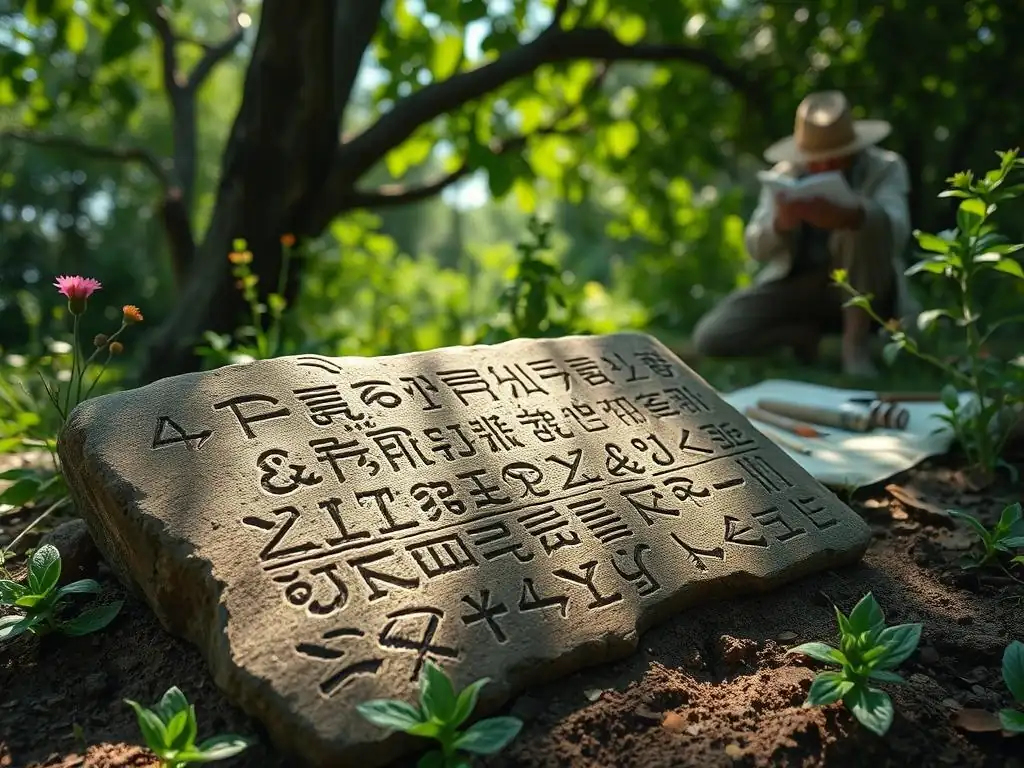
Welcome to Indigenous Civilizations of the Americas, where we embark on a fascinating journey through the rich tapestry of cultures that flourished long before European contact. Here, we delve into the intriguing history of indigenous writing systems, specifically exploring the lesser-known scripts that reveal the profound intellect and creativity of these vibrant societies. What secrets lie hidden within these forgotten texts?
Join us as we unearth the stories and achievements of indigenous groups, inviting you to discover their lasting impact on our world today. Dive deeper into this captivating topic and uncover the legacies that continue to resonate through time.
The study of indigenous writing systems offers a fascinating glimpse into the complex societies that flourished across the Americas long before European contact. While many are familiar with the renowned scripts of the Aztecs and Maya, numerous lesser-known indigenous cultures also developed their unique forms of written communication, each reflecting a profound understanding of their environment, beliefs, and social organization. This article aims to illuminate these forgotten scripts, exploring their historical significance, the contexts in which they were used, and their lasting legacy.
In examining the indigenous writing systems history, we not only celebrate the achievements of these cultures but also recognize the intricate tapestry of human expression that exists beyond the more widely recognized narratives. By delving into the scripts that have often been overlooked, we can appreciate the diversity and richness of indigenous cultures throughout the Americas, fostering a deeper understanding of their contributions to human knowledge and civilization.
Overview of Indigenous Writing Systems
The Americas are home to a myriad of indigenous writing systems, each with its own unique characteristics and purposes. Some of these scripts were primarily pictographic, while others developed into more complex systems of symbols representing sounds or ideas.
- Pictographic Systems: These scripts relied on images to convey meaning and were often used for record-keeping or storytelling.
- Phonetic Systems: Some cultures developed writing systems that represented sounds, allowing for more nuanced communication of language and ideas.
Understanding these systems is crucial for comprehending the historical narratives and cultural identities of the indigenous peoples of the Americas.
Significance of Lesser-Known Scripts
While mainstream education often highlights a handful of well-documented indigenous writing systems, many lesser-known scripts hold significant historical and cultural relevance.
- Cultural Identity: These scripts are a testament to the rich cultural identity of indigenous groups, encapsulating their histories, beliefs, and traditions.
- Linguistic Diversity: Each writing system provides insights into the linguistic diversity of the Americas, reflecting the unique features of the languages spoken by various tribes and nations.
- Historical Record: Lesser-known scripts often contain vital historical records that can shed light on trade, migration, and social organization, contributing to our understanding of pre-colonial societies.
By studying these scripts, we gain a fuller picture of the indigenous civilizations that once thrived, acknowledging their contributions to the broader tapestry of human history.
The Process of Unearthing Forgotten Scripts
The journey to uncover and understand these forgotten scripts involves a combination of archaeological discovery, linguistic analysis, and cultural interpretation.
- Archaeological Excavations: Many writing systems have been found inscribed on monuments, pottery, and other artifacts, requiring careful excavation and preservation.
- Linguistic Research: Scholars analyze these inscriptions to decipher their meanings and understand their grammatical structures.
- Cultural Context: Understanding the cultural practices of the peoples who created these scripts is essential for interpreting their significance accurately.
This multidisciplinary approach not only aids in decoding the writing systems but also reconnects contemporary indigenous communities with their historical narratives.
The exploration of lesser-known indigenous writing systems is vital for appreciating the rich and diverse heritage of the Americas. Through this examination, we honor the voices of those who came before us and recognize their enduring impact on our shared human experience.
- Overview of Indigenous Writing Systems
- Significance of Lesser-Known Scripts
- The Process of Unearthing Forgotten Scripts
- What is the focus of the article "Forgotten Scripts: Unearthing the Writing Systems of Lesser-Known Indigenous Groups"?
- Why are indigenous writing systems important in history?
- How did European colonization impact indigenous writing systems?
- Are there any examples of lesser-known indigenous writing systems mentioned in the article?
- How can the study of indigenous writing systems contribute to modern society?
Introduction to Indigenous Writing Systems History

The history of indigenous writing systems is a rich tapestry that reflects the diverse cultures and societies of the Americas. While many people are familiar with prominent scripts like the Maya glyphs or the Aztec pictographs, a vast array of lesser-known indigenous writing systems also flourished across the continent. This section delves into the significance of these systems, their unique characteristics, and the roles they played in the broader context of indigenous cultures.
Overview of Indigenous Writing Systems
Indigenous writing systems were not monolithic; they varied widely in form, function, and complexity. Some of these systems were logographic, where symbols represented words or phrases, while others were syllabic, using symbols to denote syllables or sounds. Below are some notable examples of lesser-known indigenous writing systems:
- The Olmec Glyphs: These early Mesoamerican symbols date back to around 1200 BCE and are considered one of the precursors to later writing systems in the region. The glyphs appear on artifacts and suggest a form of proto-writing.
- The Zapotec Script: Emerging around 500 BCE in what is now Oaxaca, this script features a mix of logographic and syllabic elements. It was used for recording important events and lineage, and it is one of the earliest known writing systems in the Americas.
- The Pictographs of the Plains Tribes: Various tribes in the Great Plains region, such as the Lakota and Cheyenne, used pictographs to document historical events, spiritual beliefs, and tribal stories. These symbols were often painted on hides or drawn on rock faces.
- The Inka Quipu: Though not a traditional writing system, the quipu utilized a series of knotted strings to convey information, including census data, tribute records, and historical accounts. Its complexity shows a sophisticated method of record-keeping.
These diverse systems serve as a testament to the intellectual and artistic achievements of indigenous peoples, showcasing their ability to communicate complex ideas and preserve their histories.
The Significance of Writing in Indigenous Cultures
The role of writing in indigenous cultures extends beyond mere communication; it is deeply intertwined with identity, spirituality, and governance. Here are several key points highlighting the significance of writing in these societies:
- Cultural Preservation: Writing systems allowed indigenous groups to document their history, myths, and practices, ensuring that knowledge was passed down through generations. For example, the Zapotec script provided a means to record the lineage of rulers and significant events, preserving cultural heritage.
- Religious and Spiritual Expression: Many writing systems contained sacred texts or symbols related to religious beliefs. The Maya glyphs, for instance, were often inscribed on temples and ceremonial objects, serving as a means to honor deities and commemorate important rituals.
- Political Organization: Writing facilitated the administration of complex societies. The use of quipus by the Inca Empire exemplifies this, as it enabled the central government to maintain control over vast territories and manage resources effectively.
- Social Identity: Scripts often played a role in defining group identity. The use of specific symbols or writing styles could signify membership in a tribe or community, promoting unity and cultural pride among its members.
- Inter-cultural Exchange: Writing systems also served as a bridge for communication and trade among different indigenous groups. As societies interacted, they exchanged ideas, practices, and scripts, fostering a dynamic cultural landscape.
The history of indigenous writing systems is a vital aspect of understanding the societal structures, beliefs, and achievements of indigenous cultures in the Americas. Recognizing these systems not only enriches our knowledge of their past but also highlights their enduring legacy in contemporary indigenous identities.
The Diversity of Indigenous Writing Systems
Indigenous writing systems across the Americas present a rich tapestry of linguistic and cultural diversity. While the most recognized scripts, such as those of the Maya and Aztec civilizations, have garnered considerable scholarly attention, many lesser-known systems also played vital roles in their respective societies. This section explores the breadth of these indigenous writing systems, examining both the prominent and the obscure, to illustrate their significance in the history of indigenous cultures.
Major Indigenous Writing Systems of the Americas
The Americas were home to several major writing systems, each with unique characteristics and historical contexts. Among the most notable are:
- Mayan Glyphs:
- Description: A sophisticated logo-syllabic script that was used by the ancient Maya civilization.
- Usage: Primarily for religious texts, historical records, and monumental inscriptions.
- Significance: It provides insights into the Maya's complex society, including their astronomy, mythology, and political history.
- Nahuatl Script:
- Description: Employed by the Aztecs, this system utilized pictographs and ideograms.
- Usage: Used for historical records, poetry, and codices that documented various aspects of Aztec life.
- Significance: It reflects the Aztec worldview and their societal structure.
- Inca Quipu:
- Description: A unique non-written system that used knotted strings to convey information, rather than a traditional script.
- Usage: Primarily for record-keeping and accounting.
- Significance: Highlights the Inca's innovative approaches to information management and communication.
These major systems illustrate the advanced literacy and record-keeping practices of indigenous cultures prior to European contact, laying the groundwork for understanding the broader spectrum of indigenous writing.
Lesser-Known Indigenous Writing Systems
In addition to the prominent writing systems, numerous lesser-known scripts contributed to the rich history of indigenous communication. Some of these include:
- The Cherokee Syllabary:
- Invented by: Sequoyah in the early 19th century.
- Characteristics: A syllabary that represents the sounds of the Cherokee language using unique symbols.
- The Tzeltal Script:
- Origin: Found in the highlands of Chiapas, Mexico.
- Characteristics: A limited number of glyphs used primarily for ritualistic purposes.
- The Mixtec Codices:
- Description: These pictorial manuscripts, created by the Mixtec people, combine writing and imagery to convey stories and genealogies.
- Significance: They provide critical historical insights into the Mixtec civilization and its rulers.
Unique Features and Characteristics
Lesser-known indigenous writing systems often exhibit unique attributes that distinguish them from more prominent scripts. For example:
- Syllabic Nature: Many lesser-known systems, like the Cherokee syllabary, focus on representing syllables rather than individual phonemes or entire words.
- Pictorial Elements: Systems such as the Mixtec codices blend visual art with writing, creating a narrative style that conveys complex information through imagery.
- Cultural Context: The use of these systems is often deeply intertwined with the cultural practices and beliefs of the communities, highlighting their significance beyond mere communication.
These unique features not only reflect the linguistic diversity of indigenous cultures but also emphasize the integral role of writing in preserving and transmitting knowledge and traditions.
Geographical Distribution of Lesser-Known Scripts
The geographical distribution of lesser-known indigenous writing systems reveals the vast array of cultures that utilized these scripts. Key regions include:
- North America:
- Cherokee Syllabary: Predominantly used in the southeastern United States, primarily among Cherokee communities.
- Central America:
- Tzeltal and Mixtec Scripts: Found in modern-day Mexico, particularly within the indigenous communities of Chiapas and Oaxaca.
- South America:
- Andean Quipu: Utilized primarily in the Incan territories across Peru, Bolivia, and Ecuador, showcasing a unique form of record-keeping.
| Region | Writing System | Characteristics |
|---|---|---|
| North America | Cherokee Syllabary | Syllabic, invented by Sequoyah |
| Central America | Tzeltal Script | Pictorial, used for ritualistic purposes |
| South America | Andean Quipu | Knotted strings for record-keeping |
The geographical spread of these scripts highlights the localized nature of indigenous writing systems, shaped by the distinct cultural and linguistic landscapes of the Americas. Each script serves as a testament to the ingenuity and complexity of indigenous thought, communication, and identity throughout history.
The Historical Context of Indigenous Writing Systems

The Emergence of Indigenous Scripts
The emergence of indigenous writing systems in the Americas can be traced back to the complex social structures and rich cultural traditions that developed among various groups long before European contact. These scripts were not merely functional tools for record-keeping; they were deeply intertwined with the identity, spirituality, and governance of the societies that created them.
Indigenous scripts, such as the Maya hieroglyphs, are notable examples of sophisticated writing systems that emerged around 300 BCE. The Maya civilization, located in present-day Mexico, Guatemala, Belize, and Honduras, developed a full-fledged writing system that combined logograms and syllabic symbols. This system was used for various purposes, including religious texts, historical records, and astronomical observations.
Other indigenous groups, like the Zapotecs, produced their own forms of writing, often inscribed on monuments and pottery. The Zapotec script, which dates back to 500 BCE, utilized pictographic elements and was instrumental in recording historical events and lineage.
Notably, the development of these writing systems was often influenced by the practical needs of their societies. For instance, the need for trade, governance, and the recording of rituals drove the evolution of these scripts. As a result, many indigenous writing systems reflect the unique cultural priorities and environmental contexts of their creators.
Influences on Indigenous Writing Systems from Neighboring Cultures
Indigenous writing systems did not develop in isolation; they were influenced by interactions with neighboring cultures. These influences can be observed in both the iconography and structural elements of various scripts across the Americas.
- Cultural Exchange: The movement of people, goods, and ideas facilitated the exchange of knowledge between different indigenous groups. For example, the Olmec civilization, often referred to as the "mother culture" of Mesoamerica, had a significant impact on subsequent civilizations, including the Maya and Zapotecs. The Olmec's use of symbols and early forms of writing laid the groundwork for more complex systems.
- Technological Innovations: The introduction of new materials and tools often influenced writing practices. The availability of more durable surfaces, such as stone and clay, allowed for the preservation of written records. This is evident in the stone carvings of the Maya and the clay tablets of the Mixtec.
- Religious and Political Factors: Many indigenous writing systems were closely tied to religious practices and political power. The influence of spiritual beliefs often shaped the symbolic meanings of the scripts. For instance, the Inca utilized quipus—knotted strings used for record-keeping—which, while not a writing system in the traditional sense, served a similar purpose in the administration of their vast empire.
- Regional Variations: The geographic proximity of various cultures led to the adoption and adaptation of writing techniques. For example, the use of pictographs in the Great Plains and the Pacific Northwest was influenced by the need to communicate across diverse linguistic groups, leading to the development of unique regional systems.
The history of indigenous writing systems is a testament to the ingenuity and adaptability of these cultures. The emergence of scripts was influenced by a myriad of factors, including social structure, cultural practices, and interactions with neighboring societies. Understanding this historical context is crucial in appreciating the depth and diversity of indigenous writing systems throughout the Americas.
Case Studies of Forgotten Indigenous Writing Systems

The Tifinagh Script of the Tuareg People
Historical Background
The Tifinagh script, used by the Tuareg people of North Africa, is one of the oldest writing systems still in use today. Its origins trace back to the Berber-speaking communities around 2500 BCE, with influences from ancient Phoenician and Egyptian scripts. The Tuareg, a nomadic Berber group, primarily inhabit regions in Mali, Niger, and Algeria. Historically, the Tifinagh script served as a means for recording oral traditions, trade transactions, and cultural narratives, preserving the rich heritage of the Tuareg people through generations.
Features of Their Writing System
The Tifinagh script consists of a series of geometric symbols that represent consonants, with vowels often implied rather than explicitly written. This abjad system comprises around 30 distinct characters, each with unique phonetic sounds. The script is written from left to right and can be found inscribed on various surfaces, including rock art, textiles, and manuscripts. A notable characteristic of Tifinagh is its adaptability; the script has evolved over the centuries, with modern adaptations being used in educational contexts and cultural revitalization efforts.
Impact on Their Society
The Tifinagh script holds immense cultural significance for the Tuareg people. It acts as a symbol of their identity and resistance against external influences, particularly during periods of colonization and globalization. The preservation and promotion of Tifinagh in contemporary society have fostered a sense of unity among the Tuareg, reinforcing their cultural pride and heritage. Moreover, the script plays a crucial role in education, with initiatives aimed at teaching Tifinagh in schools, thereby ensuring the survival of their indigenous writing systems history.
The Cherokee Syllabary
Historical Background
Developed in the early 19th century by Sequoyah, a Cherokee silversmith, the Cherokee syllabary revolutionized the way the Cherokee people communicated in written form. Sequoyah, motivated by a desire to preserve the Cherokee language and culture, created a syllabary consisting of 85 characters, each representing a syllable rather than an individual sound. The introduction of the syllabary in 1821 allowed for increased literacy among the Cherokee, leading to the establishment of newspapers, books, and educational institutions.
Features of Their Writing System
The Cherokee syllabary is unique in its design, comprising symbols that are visually distinct yet phonemically coherent. Each character corresponds to a specific syllable, enabling the transcription of the Cherokee language in a way that is both accessible and efficient. The syllabary is typically written from left to right and has been integrated into various forms of media, including literature and digital communication. Its user-friendly nature has contributed to its longevity and adaptability in contemporary contexts.
Impact on Their Society
The impact of the Cherokee syllabary on Cherokee society has been profound. It has facilitated the preservation of the Cherokee language, serving as a tool for cultural expression and identity. The emergence of written communication through the syllabary has bolstered community cohesion, enabling the sharing of stories, traditions, and news across the Cherokee Nation.
Additionally, the syllabary has empowered the Cherokee people in their struggles for self-determination, providing a means to articulate their rights and resist assimilation. As a cornerstone of indigenous writing systems history, the Cherokee syllabary continues to be celebrated and taught, ensuring its relevance for future generations.
The Challenges of Preserving Indigenous Writing Systems
Threats to Indigenous Writing Systems
The preservation of indigenous writing systems faces several significant threats, primarily stemming from historical, social, and political factors. Understanding these threats is crucial to appreciating the fragile state of these unique cultural artifacts.
Cultural Erosion and Language Loss
Cultural erosion, exacerbated by globalization and colonization, poses a major threat to indigenous writing systems. Many indigenous languages, which are often closely tied to their writing systems, are diminishing as younger generations adopt dominant languages, such as Spanish or English. This trend leads to a loss of cultural identity and heritage, as languages encapsulate unique worldviews and traditions.
- Statistics indicate that over 40% of the world’s languages are endangered, with many indigenous languages at the forefront of this crisis.
- A decline in fluent speakers directly impacts the transmission of traditional knowledge, including the writing systems that have historically conveyed this information.
Additionally, as elders pass away without passing down their language and scripts, the knowledge of these writing systems fades, creating a vicious cycle of cultural loss.
Lack of Documentation and Study
Another critical challenge is the lack of adequate documentation and scholarly study of indigenous writing systems. Many scripts were never formally recorded or were documented in ways that do not respect their cultural significance.
- Limited academic resources: There is often a shortage of researchers focused on indigenous writing systems, leading to gaps in knowledge and understanding.
- Fragmentary evidence: Many scripts exist only in fragmented forms, making it difficult for researchers to piece together their full contexts and meanings.
The combination of these factors results in a disconnection between the community’s heritage and academic recognition, further jeopardizing the survival of these writing systems.
Efforts to Revitalize Forgotten Scripts
Despite these challenges, numerous initiatives and collaborations are underway to revitalize indigenous writing systems and ensure they are not lost to history.
Community Initiatives
Communities play a pivotal role in the revitalization of their writing systems, often spearheading grassroots efforts to reclaim their heritage. These initiatives can take various forms:
- Workshops and Classes: Local organizations often host workshops to teach younger generations about their scripts and languages. This hands-on approach helps revive interest and engagement among youth.
- Cultural Festivals: Celebrating indigenous culture through festivals can include exhibitions of traditional writing and storytelling, highlighting the importance of these scripts in contemporary contexts.
- Digital Platforms: Some communities have turned to technology, creating websites and social media campaigns that promote their writing systems, making them accessible to a broader audience.
Academic Research and Collaboration
Academic institutions are increasingly recognizing the importance of indigenous writing systems and collaborating with indigenous communities to document and study these scripts.
- Interdisciplinary Approaches: Scholars from linguistics, anthropology, and history are working together to create comprehensive studies that respect and incorporate indigenous perspectives.
- Grants and Funding: Various grants are now available to support research on indigenous languages and scripts, providing resources for both community-led and academic projects.
Through these collaborative efforts, there is hope for a renewed appreciation and revitalization of indigenous writing systems, ensuring that their histories and cultural significance are preserved for future generations.
The Importance of Recognizing Indigenous Writing Systems

Contributions to Understanding Indigenous Civilizations
Indigenous writing systems play a crucial role in unraveling the complexities of pre-colonial societies in the Americas. These systems, often overlooked in mainstream historical narratives, provide invaluable insights into the social, political, and cultural dynamics of various indigenous groups. For instance, the use of pictographs, hieroglyphs, and syllabaries can reveal information about trade practices, religious beliefs, and governance structures.
- Documentation of Oral Histories: Many indigenous writing systems were developed to record oral traditions, allowing for the preservation of stories, laws, and genealogies that might otherwise be lost. For example, the Maya glyphs not only document historical events but also encapsulate mythological narratives central to Maya identity.
- Linguistic Diversity: Indigenous writing systems also showcase the linguistic diversity present in the Americas prior to European contact. Each system reflects unique phonetic structures and cultural contexts, helping researchers understand the evolution of languages. The Inca's quipu, a system of knotted strings, is particularly notable as it indicates a sophisticated method of data management, showcasing the complexity of Inca bureaucracy.
- Interconnectivity of Cultures: The analysis of these writing systems highlights the interconnectivity between different indigenous groups. For instance, the similarities between the Nahuatl writing system and other Mesoamerican scripts reveal shared cultural practices and exchanges that have shaped regional identities.
In recognizing these contributions, scholars can construct a more nuanced understanding of the diverse indigenous civilizations that thrived before European colonization, emphasizing their achievements and innovations in literacy and communication.
The Role of Writing in Cultural Identity
Writing systems serve as a key component in the formation and expression of cultural identity among indigenous groups. The act of writing goes beyond mere communication; it embodies the heritage, values, and worldviews of a people. This is particularly evident in indigenous writing systems, which often intertwine with cultural practices and identity formation.
- Expressions of Sovereignty: For many indigenous communities, the preservation and revitalization of their writing systems are acts of sovereignty. Efforts to reclaim scripts like the Cherokee syllabary or the Ojibwe writing system reflect a commitment to cultural resilience and self-determination, allowing these groups to assert their identity in a contemporary context.
- Cultural Transmission: Writing also plays a vital role in the transmission of culture across generations. By documenting rituals, traditions, and community knowledge, indigenous writing systems facilitate continuity and education within their societies. For example, the Rongo Rongo script of Easter Island is believed to encapsulate a wealth of cultural knowledge, despite the challenges posed by its incomplete understanding.
- Reinforcement of Community Bonds: The shared use of writing systems can reinforce communal ties and identity among indigenous peoples. Writing becomes a medium through which collective memory is preserved, fostering a sense of belonging and mutual understanding. This is evident in the Mesoamerican codices, which served not only as historical records but also as tools for community cohesion and identity affirmation.
The recognition of indigenous writing systems is essential for appreciating the rich cultural identities and histories of indigenous groups. By examining these scripts, we gain insights into their worldviews and the profound impact of writing on societal development and cultural resilience.
Conclusion: The Future of Indigenous Writing Systems History

The exploration of indigenous writing systems history is essential not only for understanding the past but also for shaping the future of indigenous cultures. As we unearth the scripts of lesser-known indigenous groups, we recognize the importance of preserving these voices and the knowledge they encapsulate. This conclusion serves as a call to action for continued research and community engagement.
The Need for Continued Research and Preservation
The diverse indigenous writing systems that have emerged throughout the Americas highlight the rich tapestry of cultural expressions prior to European colonization. Despite their significance, many of these scripts remain under-researched and at risk of being forgotten. There are several reasons why continued research and preservation efforts are critical:
- Cultural Significance:
- Indigenous writing systems are not merely historical artifacts; they represent the identity and worldview of their creators. Understanding these systems allows us to appreciate the complexities of indigenous cultures.
- Language Revitalization:
- Many indigenous communities are working to revitalize their languages. Researching writing systems can provide crucial insights into these languages and help facilitate their revival.
- Historical Context:
- By studying these lesser-known scripts, we can gain a deeper understanding of pre-colonial history, trade, diplomacy, and social structures among indigenous groups.
- Interdisciplinary Collaboration:
- The study of indigenous writing systems benefits from collaboration across disciplines, including anthropology, linguistics, history, and art history. Engaging scholars from various fields can lead to more robust findings.
- Technological Advances:
- Modern technology, such as digital archiving and analysis tools, can aid in the preservation of fragile texts and facilitate research that was previously impossible.
Encouraging Communities to Embrace Their Writing Heritage
To ensure the longevity of indigenous writing systems, it is imperative to encourage communities to embrace their writing heritage. Here are several strategies that can foster this connection:
- Educational Initiatives:
- Develop programs that educate younger generations about their cultural heritage, including workshops that teach traditional writing systems and their meanings.
- Community Engagement:
- Involve local communities in research projects, ensuring that they have agency over their cultural narratives. This can lead to greater interest and investment in preserving their writing systems.
- Cultural Celebrations:
- Organize events that celebrate indigenous literature and writing, allowing community members to share stories and scripts, thus fostering pride in their heritage.
- Digital Platforms:
- Utilize social media and online platforms to share knowledge about indigenous writing systems, creating a digital repository that can be accessed globally.
- Support for Artists and Scholars:
- Provide funding and resources for indigenous artists and scholars to explore and express their cultural narratives through writing, art, and performance.
By implementing these strategies, we can contribute to a vibrant movement that not only preserves indigenous writing systems history but also revitalizes the cultural identities of indigenous communities across the Americas. The journey of rediscovery is ongoing, and with collective efforts, we can ensure that these ancient scripts are recognized, celebrated, and carried forward into the future.
Call to Action
Engaging with and supporting the preservation of indigenous writing systems is vital for maintaining cultural heritage and diversity. As custodians of rich histories and languages, indigenous communities contribute significantly to our understanding of human civilization. Here are some ways you can take action:
- Educate Yourself: Immerse yourself in the study of indigenous writing systems. Understanding their complexities, uses, and significance can foster appreciation and respect for these cultures.
- Support Indigenous Authors: Purchase and promote works by indigenous authors and scholars that highlight their languages and writing systems. This not only supports the current generation but also helps keep these languages alive for future ones.
- Participate in Advocacy: Join or support organizations dedicated to the preservation of indigenous languages and scripts. Engaging with these communities can amplify their voices and needs.
- Share Knowledge: Use your platforms to raise awareness about the importance of indigenous writing systems. Whether through social media, blogs, or discussions, you can help spread the word.
How Readers Can Support Indigenous Writing System Preservation
The preservation of indigenous writing systems requires collective effort and dedication. Here are several actionable steps that readers can take:
- Volunteer: Many organizations working to preserve indigenous languages and scripts welcome volunteers. This could involve teaching, archiving materials, or helping with community outreach programs.
- Donate: Financial contributions to non-profits focused on language preservation can help them continue their vital work. Your support can fund educational programs, workshops, and resource creation.
- Attend Workshops: Participate in community workshops aimed at teaching indigenous languages and writing systems. This not only enriches your understanding but also shows support for indigenous educators and communities.
- Engage in Cultural Exchanges: Attend cultural events or exchange programs that focus on indigenous cultures. Engaging directly with indigenous communities strengthens relationships and promotes mutual understanding.
- Advocate for Policy Change: Lobby for policies that protect and promote indigenous languages and scripts in educational systems, ensuring they receive the recognition they deserve.
Resources for Further Exploration of Indigenous Writing Systems
To delve deeper into indigenous writing systems and their histories, consider the following resources:
| Resource Type | Title/Link | Description |
|---|---|---|
| Books | The Languages of Native North America | A comprehensive overview of the languages spoken by indigenous peoples. |
| Academic Journals | Journal of Indigenous Languages | A peer-reviewed journal focused on studies related to indigenous languages. |
| Documentaries | In Search of the First Language | Explores the origins and evolution of writing systems, including indigenous scripts. |
| Online Courses | Indigenous Language Revitalization | A course offered by various universities focusing on revitalizing indigenous languages. |
| Community Projects | Local Indigenous Language Centers | Often provide resources and workshops on indigenous writing and language preservation. |
By leveraging these resources, readers can enhance their understanding and appreciation of indigenous writing systems, contributing to their ongoing preservation and revitalization.
Frequently Asked Questions
What is the focus of the article "Forgotten Scripts: Unearthing the Writing Systems of Lesser-Known Indigenous Groups"?
The article emphasizes the diverse indigenous writing systems developed by lesser-known groups in the Americas, showcasing their historical significance and contributions to cultural identity.
Why are indigenous writing systems important in history?
Indigenous writing systems provide insight into the social structures, beliefs, and historical narratives of these cultures, helping to preserve their heritage and enrich our understanding of human civilization.
How did European colonization impact indigenous writing systems?
European colonization often led to the suppression of indigenous languages and writing systems, resulting in the loss of valuable historical records and cultural knowledge that could have been shared with future generations.
Are there any examples of lesser-known indigenous writing systems mentioned in the article?
Yes, the article highlights several forgotten scripts, detailing their origins, usage, and the cultural contexts in which they flourished, emphasizing their importance in the broader narrative of indigenous history.
How can the study of indigenous writing systems contribute to modern society?
Studying these writing systems fosters a deeper appreciation for cultural diversity, promotes linguistic preservation, and encourages a broader understanding of the contributions made by indigenous groups throughout history.
Final Reflection: Reviving the Voices of Indigenous Writing Systems
In an age where digital communication dominates, the forgotten scripts of lesser-known indigenous groups remind us of the rich tapestry of human expression that has been overlooked for far too long. As we navigate a world increasingly focused on globalization, it is crucial to recognize the significance of these unique writing systems, which serve as vital links to cultural identity and heritage. The resurgence of interest in indigenous writing systems is not merely an academic endeavor; it is a powerful statement about the value of diversity in our collective narrative.
The exploration of indigenous writing systems has profoundly influenced our understanding of cultural history and identity. These scripts are not just remnants of the past; they are living testaments to the resilience and creativity of indigenous peoples. The ongoing efforts to document and revitalize these writing systems highlight the importance of preserving cultural heritage in a rapidly changing world. As the renowned linguist Edward Sapir once said, Language is a guide to social reality.
This underscores the idea that by understanding these scripts, we gain deeper insights into the worldviews and experiences of the communities they represent.
As we reflect on the lessons from this exploration, I invite you to consider how you can contribute to the preservation and appreciation of indigenous cultures in your own life. Engage with these narratives, support indigenous voices, and advocate for the recognition of their histories. By doing so, you not only honor the past but also help to ensure that these unique writing systems continue to inspire future generations. Let us commit to fostering a world where every voice is heard and valued, enriching our shared human experience.
Uncover Mysteries: Join the Revolution of Indigenous Writing!
Thank you for taking the time to immerse yourself in the fascinating world of lesser-known indigenous writing systems. By exploring these unique scripts, you've gained insight into the rich tapestry of human expression and culture. Now, let’s turn that knowledge into action!
Here are some powerful ways you can engage further:
- Dive deeper: Research and learn about a specific indigenous group's writing system. Consider exploring its history and cultural significance to gain a richer understanding.
- Share your knowledge: Discuss what you've learned with friends or on social media. Start a conversation to raise awareness about these captivating scripts and their importance.
- Join a community: Connect with organizations or online forums dedicated to indigenous cultures. Engaging with others who share your passion can broaden your perspective and deepen your appreciation.
Which indigenous script will you explore next, and what about it resonates with you? Share your thoughts in the comments below!