
The Intersection of Art and Language: Indigenous Writing as Cultural Expression

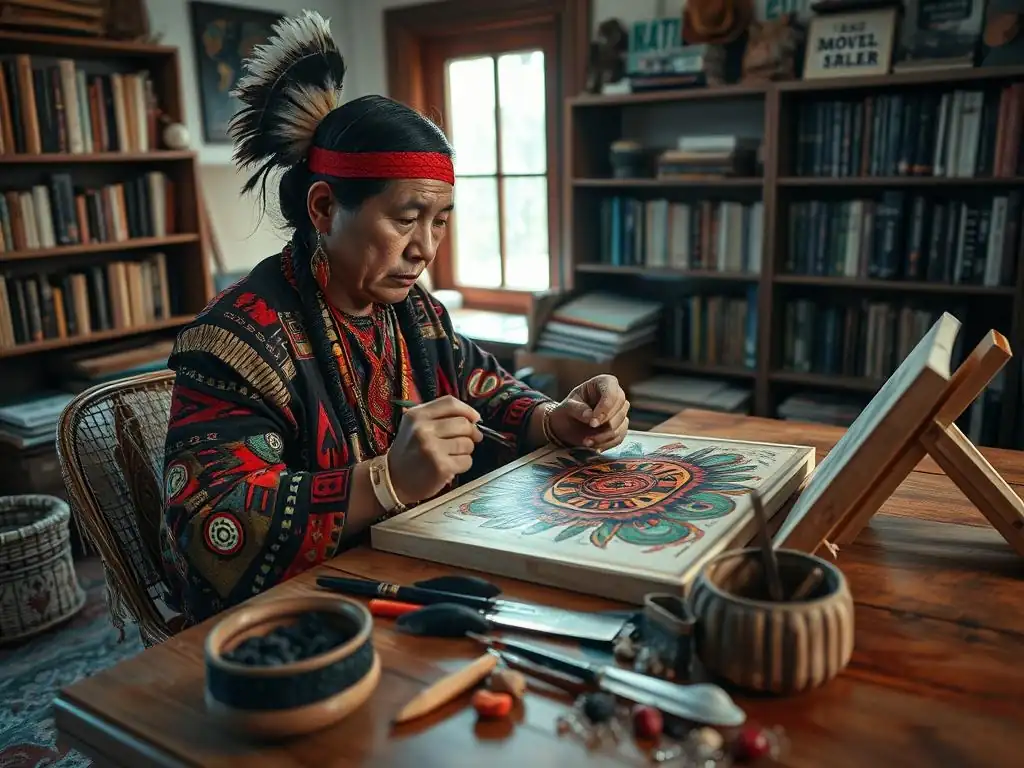
Welcome to Indigenous Civilizations of the Americas, where we delve into the rich tapestry of diverse cultures that flourished across the continent long before European influence reshaped their landscapes. Here, we invite you to explore the profound connections between art and language—two vital forms of expression that tell the stories of indigenous peoples. Our featured article, “The Intersection of Art and Language: Indigenous Writing as Cultural Expression,” reveals how these creative outlets not only reflect the essence of their societies but also preserve their legacies for generations to come.
Ready to embark on a journey that uncovers the beauty and depth of indigenous art and language? Dive in and discover the narratives that have shaped a vibrant cultural heritage!
Indigenous art and language are powerful conduits of cultural expression, weaving together the stories, beliefs, and identities of diverse communities across the Americas. This article explores the intricate relationship between these two forms of expression, focusing on how indigenous writing systems have served not only as a means of communication but also as a vital element of cultural identity and heritage.
By examining the achievements of various indigenous civilizations, we can gain insight into their unique worldviews and the profound impact of their artistic and linguistic practices. The discussion will shed light on the importance of preserving these expressions, particularly in the face of ongoing challenges posed by colonization and globalization.
Understanding Indigenous Art and Language Expression
Definition and Importance of Indigenous Art
Indigenous art encompasses a wide array of visual, performative, and written forms, each reflecting the distinct cultures and histories of indigenous peoples. It serves as a means of storytelling, preserving traditions, and expressing communal values. Artifacts such as pottery, weaving, carving, and painting are not merely aesthetic; they carry profound meanings tied to identity, spirituality, and ancestral knowledge.
- Key Aspects of Indigenous Art:
- Symbolism: Many indigenous artworks incorporate symbols that convey deeper spiritual or cultural significance.
- Materiality: The choice of materials often reflects the environment and available resources, linking the artwork with the land.
- Community Involvement: Artistic practices are frequently communal activities, reinforcing social bonds and cultural continuity.
The Role of Language in Cultural Identity
Language is a cornerstone of cultural identity among indigenous peoples. It encapsulates unique worldviews, traditions, and histories, serving as a vehicle for cultural transmission. Indigenous languages are often rich in vocabulary that reflects the environment, social relationships, and spiritual beliefs of the community.
- Importance of Language:
- Cultural Continuity: Language preservation is crucial for maintaining cultural practices and community cohesion.
- Identity: Speaking an indigenous language fosters a sense of belonging and connection to ancestral roots.
- Communication of Knowledge: Language facilitates the sharing of traditional ecological knowledge and cultural narratives.
Historical Context of Indigenous Writing Systems
Overview of Indigenous Cultures in the Americas
Prior to European colonization, the Americas were home to a multitude of indigenous civilizations, each with its own distinct languages, traditions, and artistic expressions. From the intricate societies of the Aztecs and Mayans to the diverse tribes of North America, these cultures developed sophisticated systems for recording and transmitting knowledge.
- Notable Indigenous Cultures:
- Maya Civilization: Renowned for their hieroglyphic writing and remarkable achievements in mathematics and astronomy.
- Inca Empire: Utilized quipu, a system of knotted strings, for record-keeping and communication.
- North American Tribes: Developed various forms of pictographic writing and oral traditions that preserved history and cultural narratives.
Evolution of Indigenous Writing as Cultural Expression
The evolution of indigenous writing systems reflects the dynamic interplay between language, art, and culture. Many indigenous communities utilized visual symbols to convey complex ideas and histories, integrating these symbols into their artistic practices.
- Writing Systems and Their Functions:
- Pictographs: Used by various tribes to document events, stories, and social structures.
- Hieroglyphs: Employed by cultures such as the Maya to encode religious and historical texts.
- Quipu: Highlighting the innovative approaches to record-keeping and communication in the absence of a written alphabet.
By understanding the intersection of art and language, we can appreciate the rich tapestry of indigenous cultural expression that continues to influence contemporary societies and foster understanding across cultures.
Features of Indigenous Writing Systems
Indigenous writing systems vary significantly across cultures, reflecting the unique histories, languages, and art forms of different groups. Many of these systems were not purely linguistic; they often incorporated visual elements that served both artistic and communicative purposes. Common features include:
- Pictographs and Ideograms: Many indigenous scripts utilized pictographs—simple drawings that represent objects or concepts. For instance, the Maya used glyphs that were both pictorial and phonetic, allowing for a rich expression of language and thought.
- Cultural Context: The context in which these writing systems were developed and used is crucial. They often emerged from the daily lives, beliefs, and practices of indigenous peoples, making them deeply intertwined with their social and cultural identity.
- Integration of Art and Function: Writing was typically not seen as a separate entity from art. Instead, the two coexisted, with designs often embellishing written texts, thereby enhancing the aesthetic experience of language.
- Oral Traditions: Many indigenous cultures relied heavily on oral traditions, which influenced their writing systems. Texts would often serve to complement oral storytelling rather than replace it, creating a symbiotic relationship between spoken and written language.
Visual Elements in Indigenous Art and Language
The integration of visual elements in indigenous writing systems highlights the significance of aesthetics in communication. Various indigenous cultures have utilized visual art forms to convey complex messages and cultural narratives. Key aspects include:
- Color and Form: Colors and shapes often have specific meanings in indigenous art, which can enhance understanding of the written word. For instance, colors might symbolize different emotions, seasons, or sacred elements, making written communication more profound.
- Motifs and Patterns: Repeated motifs in art can signify important cultural stories or beliefs. These patterns often accompany written language, enriching the text with visual storytelling that deepens the viewer's engagement.
- Spatial Arrangement: The arrangement of symbols or pictographs on a surface can convey meaning beyond the individual symbols. For example, the placement of symbols might indicate relationships or sequences in a narrative, enhancing the overall interpretation of the text.
Symbolism and Meaning in Indigenous Writing
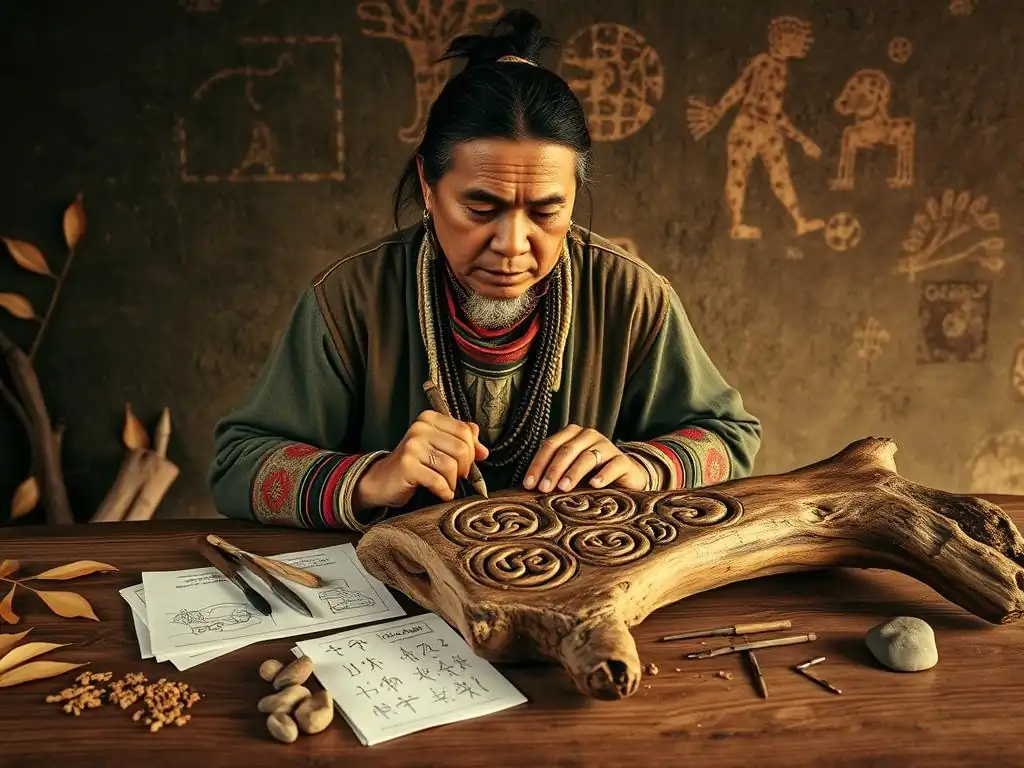
Symbolism plays a pivotal role in indigenous writing, as it allows for multi-layered meanings and interpretations. Each symbol or character can represent not just a sound or word, but also broader concepts and cultural beliefs. Important points include:
- Cultural Signifiers: Many symbols in indigenous writing are tied to specific cultural narratives, beliefs, and practices. For instance, a certain animal may represent a clan or family lineage, adding depth to the written expression.
- Religious and Spiritual Significance: Writing often serves to document spiritual beliefs and practices. Symbols may invoke deities or communicate sacred stories, tying the act of writing to the spiritual life of the community.
- Evolution of Meaning: Over time, the meanings of symbols can evolve as cultures change. This dynamic nature showcases how indigenous writing systems are living forms of expression that adapt to contemporary contexts while retaining historical significance.
The Relationship Between Language and Art
The interplay between language and art in indigenous cultures is a fundamental aspect of cultural expression. Language and art are not merely complementary; they are interdependent. Key insights into this relationship include:
- Narrative Construction: Language is often used to construct narratives that are visually represented through art. This dual expression allows for richer storytelling, where words and images together create a fuller experience.
- Cultural Identity: Both language and art serve as vital expressions of cultural identity. Indigenous art forms often depict language in visually striking ways, reinforcing communal ties and shared histories.
- Emotional Resonance: The combination of language and art evokes emotions and responses that either element alone may not achieve. Together, they create a deeper connection with the audience, fostering empathy and understanding.
How Art Enhances Language Expression
Art enhances language expression by providing a visual context that can amplify the meanings conveyed through words. This enhancement occurs in several ways:
- Embodiment of Concepts: Artistic representations can embody abstract concepts, making them more accessible. For instance, a visual depiction of a cultural story can anchor the narrative in a tangible form, facilitating comprehension.
- Engagement of the Senses: Art appeals to the senses, drawing viewers into the experience of language. The interplay of colors, shapes, and textures can evoke feelings that words alone may not fully capture.
- Cultural Transmission: Through the integration of art and language, cultural knowledge is transmitted across generations. Artistic interpretations of stories and symbols ensure that language remains vibrant and relevant within the community.
Case Studies of Indigenous Art as Linguistic Expression
Examining specific case studies can illuminate the profound relationship between indigenous art and language expression. Notable examples include:
- The Codices of the Maya: These ancient texts combine intricate illustrations with hieroglyphic writing, showcasing how visual art serves to enhance and clarify the written language. The codices function as both historical documents and artistic masterpieces, preserving the Maya civilization's knowledge and beliefs.
- The Petroglyphs of North America: Rock carvings created by various indigenous peoples often include symbols that convey linguistic messages. These carvings serve as both historical records and artistic expressions, reflecting the languages and cultures of the groups that created them.
- The Totem Poles of the Pacific Northwest: These elaborate structures tell stories through their carvings, which can include clan symbols and historical narratives. The visual elements not only express language but also reinforce social structures within indigenous communities.
The intersection of art and language in indigenous cultures is a rich area of exploration that reveals the profound connections between visual expression and linguistic communication. Through understanding these dynamics, we can appreciate the intricate ways in which indigenous peoples convey their identities, histories, and worldviews.
Contemporary Indigenous Art and Language Practices
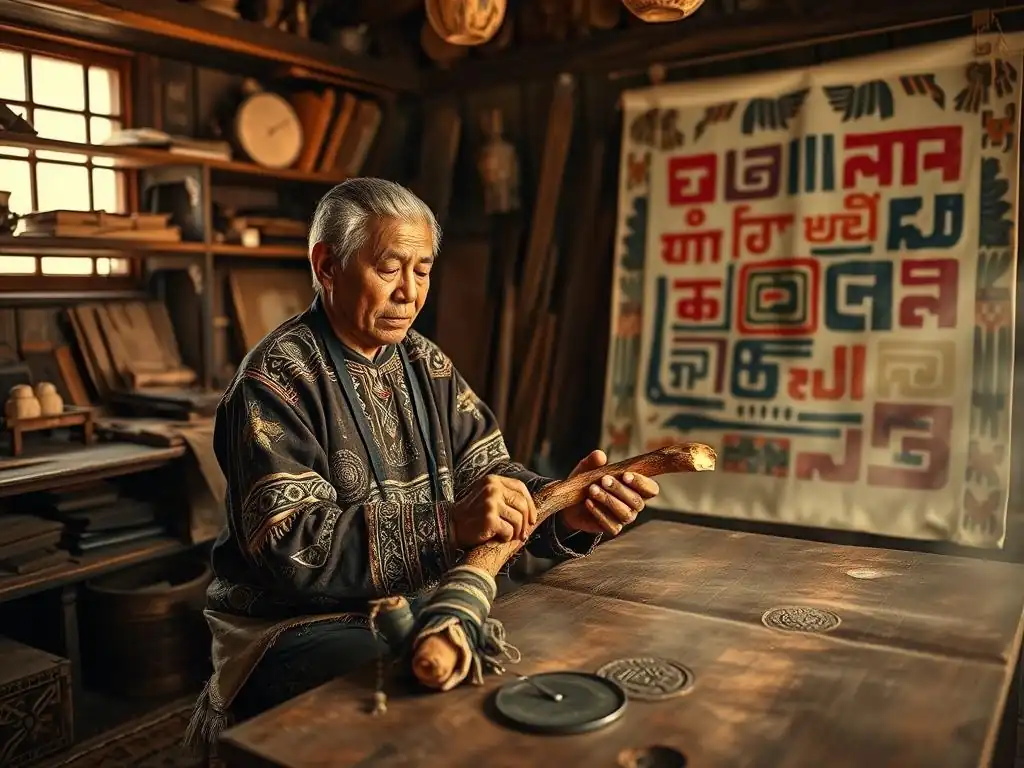
Contemporary Indigenous art and language practices represent a vibrant tapestry of cultural expression that bridges traditional and modern elements. Indigenous artists today often draw upon their ancestral languages, integrating them into their artwork to convey complex narratives and preserve linguistic heritage. This intersection of art and language not only honors Indigenous histories but also challenges prevailing stereotypes and misconceptions about Indigenous identities.
Artists are increasingly utilizing various mediums—such as painting, sculpture, installation, and digital art—to explore themes relevant to their communities. This contemporary expression often reflects ongoing struggles for rights, recognition, and sovereignty, while simultaneously celebrating resilience and cultural pride. Many Indigenous creatives are also collaborating with linguists and language activists to ensure that their work fosters a deeper understanding and appreciation of their native languages.
Revitalization of Indigenous Languages through Art
The revitalization of Indigenous languages is a critical aspect of cultural preservation, and art serves as a powerful vehicle for this mission. Many Indigenous communities are employing artistic practices to teach and promote their languages among younger generations. For instance, murals, poetry, and storytelling often incorporate Indigenous words, phrases, and idioms, allowing artists to express cultural narratives while simultaneously engaging audiences with the beauty of their language.
Workshops and community-based initiatives frequently focus on integrating language learning into artistic creation. By using art as a tool for teaching language, practitioners are finding innovative ways to enhance fluency and cultural understanding, ensuring that these languages thrive in contemporary contexts. Through exhibitions and performances, Indigenous artists are not only showcasing their talents but also inviting the public to engage with their languages, fostering dialogue and connection.
Modern Indigenous Artists and Their Contributions
Modern Indigenous artists are making significant contributions to the global art landscape, redefining how Indigenous cultures are perceived and understood. Artists such as Nikki McClure, Yoshua Okón, and Raven Chacon are using their platforms to address themes of identity, colonialism, and environmental justice. Their works often incorporate Indigenous languages, symbolisms, and stories that resonate with both Indigenous and non-Indigenous audiences.
One prominent example is Marie Watt, a member of the Seneca Nation, whose textile art blends traditional and contemporary techniques to explore themes of community and resilience. In her work, she often incorporates language—using phrases from her own culture that reflect her heritage and the importance of storytelling. This approach not only elevates her art but also serves as a means of cultural education and engagement.
Through exhibitions in major galleries and participation in international art fairs, modern Indigenous artists are also creating spaces for dialogue about social issues affecting their communities. Their contributions challenge the art world to reconsider its narratives and embrace a more inclusive understanding of cultural expression.
Challenges Facing Indigenous Art and Language Expression
Despite the vibrant resurgence of Indigenous art and language practices, numerous challenges persist. These challenges are often rooted in the historical impacts of colonization, societal marginalization, and ongoing cultural appropriation. Artists must navigate a complex landscape where their cultural expressions are sometimes misunderstood or exploited.
The Impact of Colonization on Indigenous Writing
The impact of colonization on Indigenous writing systems has been profound and often devastating. Many Indigenous languages were systematically suppressed, leading to a significant loss of linguistic diversity and the erasure of traditional storytelling methods. This historical trauma continues to affect contemporary Indigenous artists and writers, as they strive to reclaim and revitalize their languages and narratives.
Colonial narratives have often framed Indigenous cultures as relics of the past, undermining the dynamic and evolving nature of Indigenous expression. This misrepresentation can create barriers for artists seeking to assert their identities and share their work within broader cultural conversations. The challenge lies in combating these stereotypes while fostering a deeper appreciation for the richness and complexity of Indigenous languages and art forms.
Preservation Efforts for Indigenous Cultural Heritage
Preservation efforts for Indigenous cultural heritage are critical in countering the effects of colonization and ensuring that Indigenous languages and art forms endure. Numerous organizations and initiatives are dedicated to supporting Indigenous artists and communities in their quests for cultural revitalization. These efforts often include:
- Language immersion programs: Fostering fluency among younger generations through education and community engagement.
- Artistic grants and funding: Providing resources for Indigenous artists to create and showcase their work.
- Collaborative projects: Encouraging partnerships between Indigenous communities and academic institutions to document and preserve Indigenous languages and art practices.
Moreover, exhibitions and cultural festivals dedicated to Indigenous art are increasingly gaining visibility, offering platforms for artists to share their work and educate the public. These initiatives not only celebrate Indigenous creativity but also play a crucial role in ensuring that Indigenous voices are heard and respected in contemporary discourse. Through these preservation efforts, Indigenous communities are actively reclaiming their narratives and asserting their cultural identities in the face of ongoing challenges.
Future Directions for Indigenous Art and Language
As we move forward into a new era, the intersection of indigenous art and language expression is poised for significant evolution. Emerging trends indicate a growing recognition of the importance of preserving and revitalizing indigenous languages alongside artistic practices. Future directions may include:
- Interdisciplinary Collaborations: There is a promising opportunity for artists, linguists, and cultural historians to collaborate on projects that explore the synergies between visual art and language. Such partnerships can result in innovative works that reflect the richness of indigenous cultures.
- Integration of Modern Media: The use of digital platforms and social media can amplify indigenous voices and art forms. Creators are increasingly utilizing video, animation, and interactive installations to express their cultural narratives, reaching wider audiences and fostering deeper engagement.
- Educational Initiatives: Educational programs that focus on indigenous art and language are gaining traction. These initiatives can empower younger generations to embrace their heritage, ensuring that both language and artistic traditions are passed down and adapted for contemporary contexts.
The Role of Technology in Indigenous Art and Language Revitalization
Technology plays a pivotal role in the revitalization of indigenous art and language expression. Various technological advancements are being harnessed to support and promote cultural heritage:
- Language Apps and Online Resources: A plethora of applications and websites dedicated to indigenous languages are emerging. These resources facilitate language learning and preservation, allowing speakers and learners to connect with their heritage in accessible ways.
- Digital Storytelling: Indigenous artists and storytellers are leveraging digital tools to craft narratives that blend traditional storytelling with modern technology. This form of expression not only preserves oral histories but also reinterprets them for contemporary audiences.
- Virtual Exhibitions: Museums and cultural institutions are increasingly hosting virtual exhibitions, showcasing indigenous art and language in immersive formats. This not only broadens access but also allows for a global audience to appreciate and learn about indigenous cultures.
Building Awareness and Appreciation for Indigenous Expression
Creating awareness and appreciation for indigenous art and language expression is essential for fostering cultural understanding and respect. Several strategies can be employed to enhance visibility:
- Community Events and Festivals: Hosting events that celebrate indigenous art and language can engage local communities and encourage participation. Such gatherings provide platforms for artists to showcase their work and for audiences to learn about the significance of these expressions.
- Educational Programming: Integrating indigenous art and language into school curricula can help cultivate an appreciation among younger generations. Workshops, guest speakers, and art projects can offer hands-on experiences that deepen understanding and respect for indigenous cultures.
- Collaborative Projects: Initiatives that involve partnerships between indigenous artists and non-indigenous communities can promote cultural exchange. These collaborations can lead to a greater appreciation of diverse cultural expressions and help dismantle stereotypes.
Conclusion
The intersection of indigenous art and language expression is a vital aspect of cultural identity and continuity. As we recognize the importance of these expressions, it is crucial to support initiatives that promote their preservation and revitalization.
Summary of Indigenous Art and Language Intersection
Indigenous art and language are deeply intertwined, serving as vehicles for cultural expression, identity, and history. Artworks often convey stories, beliefs, and social values, while languages encapsulate the nuances of these artistic expressions. Understanding this intersection allows for a richer appreciation of the complexities and vibrancy of indigenous cultures.
The Importance of Supporting Indigenous Cultural Expression
Supporting indigenous cultural expression is not merely an act of preservation; it is a recognition of the inherent value of diversity in human experience. By fostering environments where indigenous art and language can thrive, we contribute to the resilience and empowerment of indigenous communities. This support is fundamental in ensuring that future generations can engage with and celebrate their cultural heritage, ultimately enriching the broader tapestry of global culture.
- Understanding Indigenous Art and Language Expression
- Historical Context of Indigenous Writing Systems
- Features of Indigenous Writing Systems
- Visual Elements in Indigenous Art and Language
- Symbolism and Meaning in Indigenous Writing
- The Relationship Between Language and Art
- How Art Enhances Language Expression
- Case Studies of Indigenous Art as Linguistic Expression
- Contemporary Indigenous Art and Language Practices
- Challenges Facing Indigenous Art and Language Expression
- Future Directions for Indigenous Art and Language
- Conclusion
- What is the significance of indigenous art and language expression in cultural identity?
- How does indigenous writing contribute to the understanding of cultural expression?
- In what ways do art forms enhance communication in indigenous cultures?
- How do indigenous languages influence contemporary art practices?
- What are some examples of indigenous artistic expressions linked to language?
Frequently Asked Questions
What is the significance of indigenous art and language expression in cultural identity?
Indigenous art and language expression are crucial for preserving cultural identity and traditions. They convey historical narratives and values intrinsic to various indigenous communities.
How does indigenous writing contribute to the understanding of cultural expression?
Indigenous writing serves as a means of cultural expression, reflecting the worldviews and experiences of indigenous peoples. It allows for the documentation of their stories and languages, fostering a deeper appreciation of their cultures.
In what ways do art forms enhance communication in indigenous cultures?
Art forms like painting, sculpture, and textiles are powerful tools for communication, conveying messages and emotions that may not be easily expressed through words. They provide a visual language that complements spoken languages.
How do indigenous languages influence contemporary art practices?
Indigenous languages often inspire contemporary art practices by incorporating traditional symbols and themes. This fusion promotes a renewed interest in indigenous heritage and encourages artists to explore their cultural roots.
What are some examples of indigenous artistic expressions linked to language?
Examples include storytelling through visual art, where symbols represent specific narratives, and the use of language in poetry or song. These forms highlight the interconnectedness of art and language in conveying cultural heritage.
Final Reflection: The Power of Indigenous Art and Language Expression
The intersection of art and language is more relevant today than ever, as it serves as a vital means of preserving and celebrating Indigenous cultures. In a world that often prioritizes homogenization, the unique narratives and artistic expressions of Indigenous peoples remind us of the richness and diversity of human experience. This connection between art and language not only fosters cultural identity but also challenges us to reconsider our understanding of communication and expression in a broader context.
Cultural expression through Indigenous writing and art has profoundly shaped our social landscape, creating spaces for dialogue and understanding. The stories conveyed through these mediums not only reflect the histories and traditions of Indigenous communities but also invite all of us to engage with their perspectives. As the renowned poet and activist Joy Harjo once said, We are all connected to the earth and to each other through our stories.
This interconnectedness emphasizes the importance of recognizing and valuing Indigenous narratives as essential components of our shared humanity.
As we reflect on the lessons gleaned from the intersection of art and language, I invite you to consider how you can incorporate these insights into your own life. Take a moment to explore Indigenous art and literature, allowing their stories to inspire your understanding of cultural expression. By doing so, you not only honor the voices of Indigenous peoples but also enrich your own perspective, fostering a deeper appreciation for the diverse tapestry of human experience. Let us commit to amplifying these narratives and ensuring that they continue to resonate for generations to come.
Unleash Your Creativity through Indigenous Art and Language!
Thank you for diving into the fascinating world of Indigenous writing and its rich cultural expression. Your exploration of this profound intersection has equipped you with a deeper understanding of how art and language intertwine to convey stories and traditions. Now, it's time to channel that inspiration into action!
Here are some empowering steps you can take:
- Join a local Indigenous art or language workshop to immerse yourself in these vibrant cultures and develop your creative skills.
- Explore and share Indigenous literature: Read works by Indigenous authors and share your newfound insights on social media to spark meaningful conversations with friends and family.
- Create your own piece of art or writing inspired by the lessons learned from Indigenous cultures, and consider showcasing it within your community.
Now, let’s keep the dialogue going! How do you envision your creative expression contributing to the celebration of Indigenous cultures?