
The Impact of Colonization on Indigenous Gender Roles and Family Structures

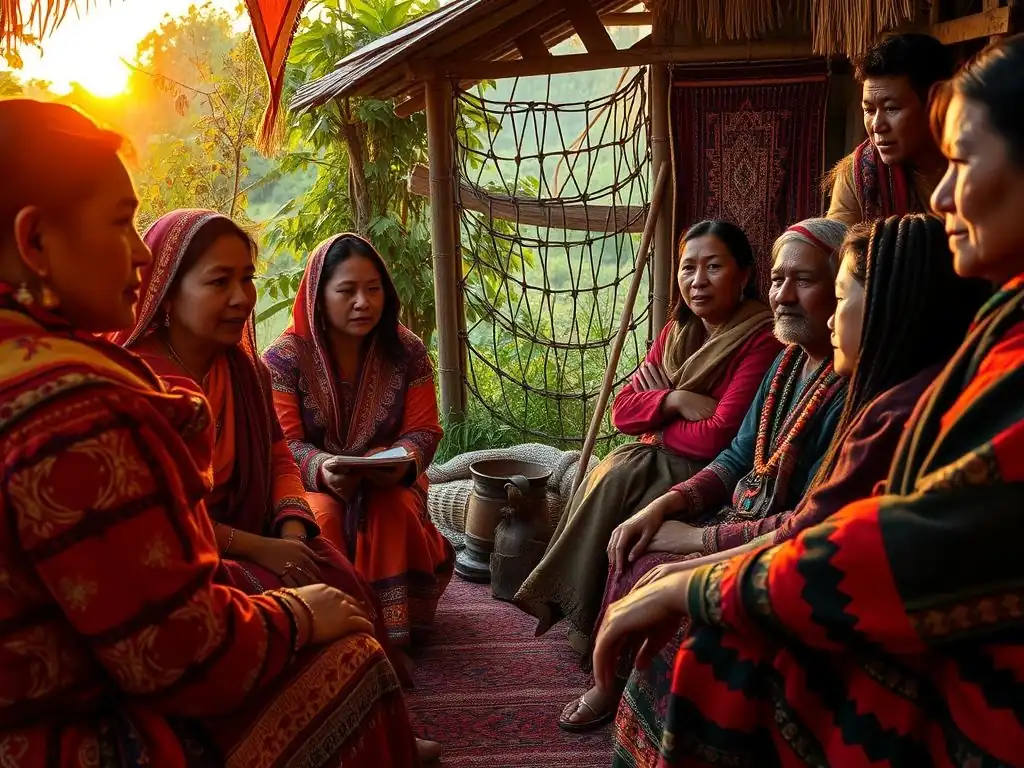
Welcome to "Indigenous Civilizations of the Americas"! Here, we invite you to embark on a journey through the rich tapestry of indigenous cultures that flourished across the Americas long before European influences reshaped their destinies. Our featured article, “The Impact of Colonization on Indigenous Gender Roles and Family Structures,” delves into the profound shifts in gender dynamics and familial frameworks brought about by colonization.
Discover how these changes not only redefined societal norms but also left an indelible mark on contemporary indigenous communities. Are you ready to uncover the intricate layers of history and resilience? Let’s explore this captivating narrative together!
- Introduction to Indigenous Gender Roles and Family Structures
- Historical Context of Indigenous Societies
- The Effects of Colonization on Indigenous Gender Roles
- The Impact of Colonization on Family Structures
- Resilience and Adaptation of Indigenous Gender Roles
- Conclusion: Understanding the Long-term Impact of Colonization
- Further Reading and Resources
-
Frequently Asked Questions
- What were the traditional indigenous gender roles in pre-colonial societies?
- How did colonization affect indigenous family structures?
- What is the significance of understanding indigenous gender roles today?
- How have modern indigenous communities revitalized their gender roles?
- What role does education play in reshaping perceptions of indigenous gender roles?
- Final Reflection: Understanding the Enduring Impact of Colonization on Indigenous Gender Roles
- Explore the Resilience of Indigenous Cultures!
Introduction to Indigenous Gender Roles and Family Structures
Indigenous cultures across the Americas have long been characterized by their unique gender roles and family structures, which played a critical role in shaping their societies. Prior to European colonization, these roles were often fluid and deeply intertwined with cultural practices, spiritual beliefs, and ecological knowledge. Understanding the indigenous gender roles impact is vital for appreciating the complexities and diversities of these cultures.
This article will delve into how colonization disrupted traditional family structures and gender roles, leading to profound changes that resonated through generations. By exploring the historical context and contemporary implications, we aim to provide a nuanced understanding of how these indigenous societies were transformed during and after the colonial period.
Overview of Indigenous Gender Roles
Indigenous gender roles varied significantly across different cultures, reflecting the unique social, economic, and environmental circumstances of each community. In many indigenous societies, gender was not strictly binary; instead, roles were often defined by a person's skills, contributions, and spiritual identity.
- Roles of Men and Women:
- Men often engaged in hunting, warfare, and decision-making within communal settings.
- Women typically managed agricultural practices, gathered resources, and took care of domestic responsibilities, thereby holding significant power within their families and communities.
- Two-Spirit Individuals: Many indigenous cultures recognized Two-Spirit individuals, who embodied both masculine and feminine qualities. These individuals often held special roles within their communities, serving as healers, mediators, or spiritual leaders.
This fluid understanding of gender roles contributed to the resilience and adaptability of indigenous societies, allowing them to thrive in diverse environments.
Importance of Family Structures in Indigenous Cultures
Family structures within indigenous cultures were often matrilineal or patrilineal, influencing inheritance, social organization, and community dynamics.
- Matrilineal Societies: In cultures like the Iroquois, lineage and property were passed through the female line, granting women significant authority in social and political matters.
- Patrilineal Societies: Conversely, in some Plains tribes, lineage was traced through males, which influenced family dynamics and roles.
The family unit served as the cornerstone of social life, where knowledge, culture, and traditions were transmitted across generations. Elders played a crucial role in educating the youth, ensuring that cultural practices and values were preserved. The interconnectedness of family structures and gender roles fostered a sense of community and belonging, which was vital for the survival of indigenous identities.
Purpose of the Article: Exploring the Impact of Colonization
This article seeks to illuminate the profound changes wrought by European colonization on indigenous gender roles and family structures. The imposition of foreign norms and values, coupled with violence and displacement, led to significant disruptions in these traditional systems.
- Loss of Autonomy: Colonization often stripped indigenous communities of their autonomy, leading to a reconfiguration of gender roles and family dynamics. Traditional practices and beliefs were undermined, with European patriarchal values frequently taking precedence.
- Cultural Resilience: Despite these challenges, many indigenous communities have demonstrated remarkable resilience, adapting and redefining their gender roles and family structures in response to colonial pressures.
By examining these themes, we aim to provide a deeper understanding of how colonization has left a lasting impact on indigenous gender roles and family structures, shaping the contemporary realities of indigenous peoples today.
Historical Context of Indigenous Societies
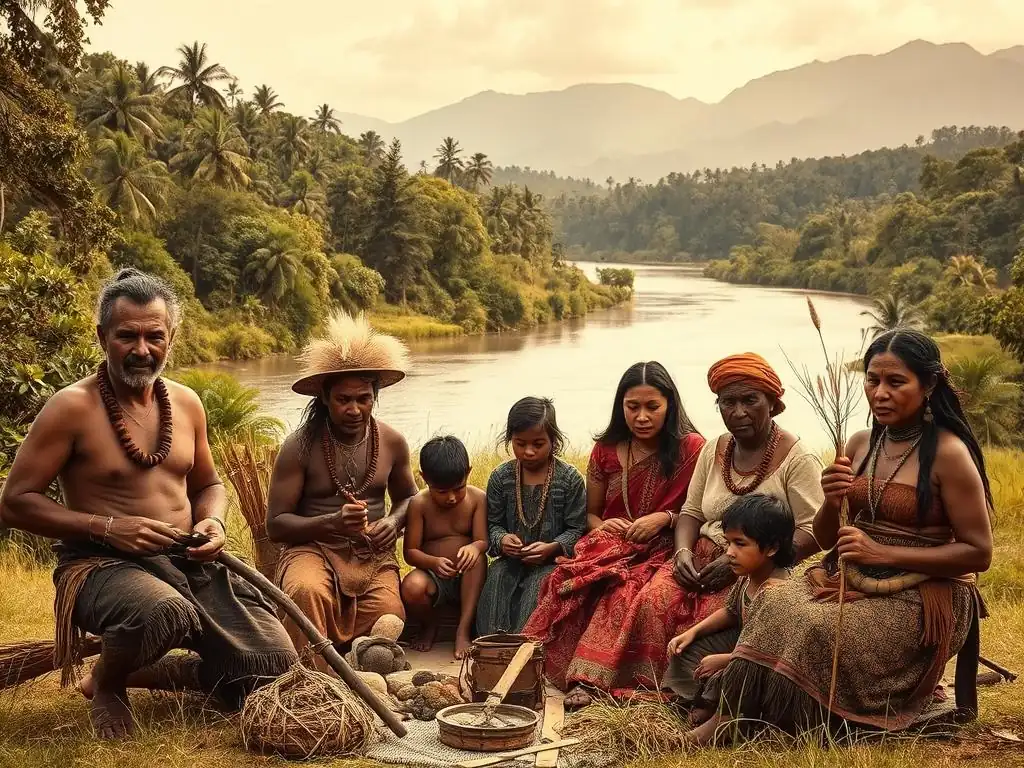
Understanding the impact of colonization on indigenous gender roles and family structures necessitates an exploration of the pre-colonial context. Indigenous societies across the Americas were rich in diversity, with each culture developing unique systems of gender roles and familial organization. This historical context lays the groundwork for comprehending how colonial forces disrupted and transformed these traditional structures.
Pre-Colonization Gender Roles
Before European contact, indigenous gender roles were often fluid and varied significantly from one culture to another. Many societies recognized multiple gender identities beyond the binary male and female classifications. For instance:
- Matriarchal Societies: In some indigenous cultures, such as the Iroquois, women held significant power within their communities. They were responsible for agricultural production and had considerable influence in decision-making processes.
- Complementary Roles: Many tribes operated on a system of complementary gender roles, where men and women had distinct but equally valued responsibilities. For example, while men often engaged in hunting and warfare, women were central to gathering, crafting, and social organization.
- Gender Fluidity: Some cultures included individuals who identified as two-spirit, a term used by many Native American tribes to describe a person embodying both masculine and feminine qualities. These individuals often held special roles within their communities, such as healers or spiritual leaders.
The flexibility in gender roles allowed for a dynamic social structure that adapted to the needs of the community.
Family Structures Before European Contact
Indigenous family structures were diverse and often reflected the cultural values and social organization of each group. Key characteristics included:
- Extended Families: Many indigenous communities operated on extended family systems, where multiple generations lived together. This structure provided mutual support and reinforced social bonds.
- Clan Systems: Clans were common in many tribes, where lineage and kinship played a crucial role in identity and social organization. For example, among the Navajo, clan membership defined personal relationships and responsibilities within the community.
- Marriage Practices: Marriage customs varied widely. Some tribes practiced polygamy, while others adhered to monogamous relationships. Marriages were often strategic, serving to strengthen alliances between families or clans.
These family structures were integral to the social fabric of indigenous communities, facilitating cooperation, resource sharing, and cultural transmission.
Diversity Among Indigenous Cultures
The Americas were home to an incredible diversity of indigenous cultures, each with its own distinct practices regarding gender roles and family structures. This diversity can be observed through various lenses:
- Geographical Influence: The environment played a significant role in shaping gender roles. For instance, coastal tribes often had different roles related to fishing and trade compared to inland tribes focused on agriculture and hunting.
- Cultural Practices: Rituals and traditions influenced gender roles. In some cultures, ceremonial roles were distinctively gendered, while others allowed for more fluid participation across genders.
- Adaptation and Change: Indigenous cultures were not static; they evolved over time, responding to environmental changes, inter-group interactions, and external pressures. This adaptability often included shifts in gender roles and family structures.
The rich tapestry of indigenous cultures illustrates that there was no monolithic experience of gender or family before colonization. Understanding this diversity is crucial to grasping the profound impact colonization had on these structures, leading to significant transformations that would reverberate through generations.
The Effects of Colonization on Indigenous Gender Roles
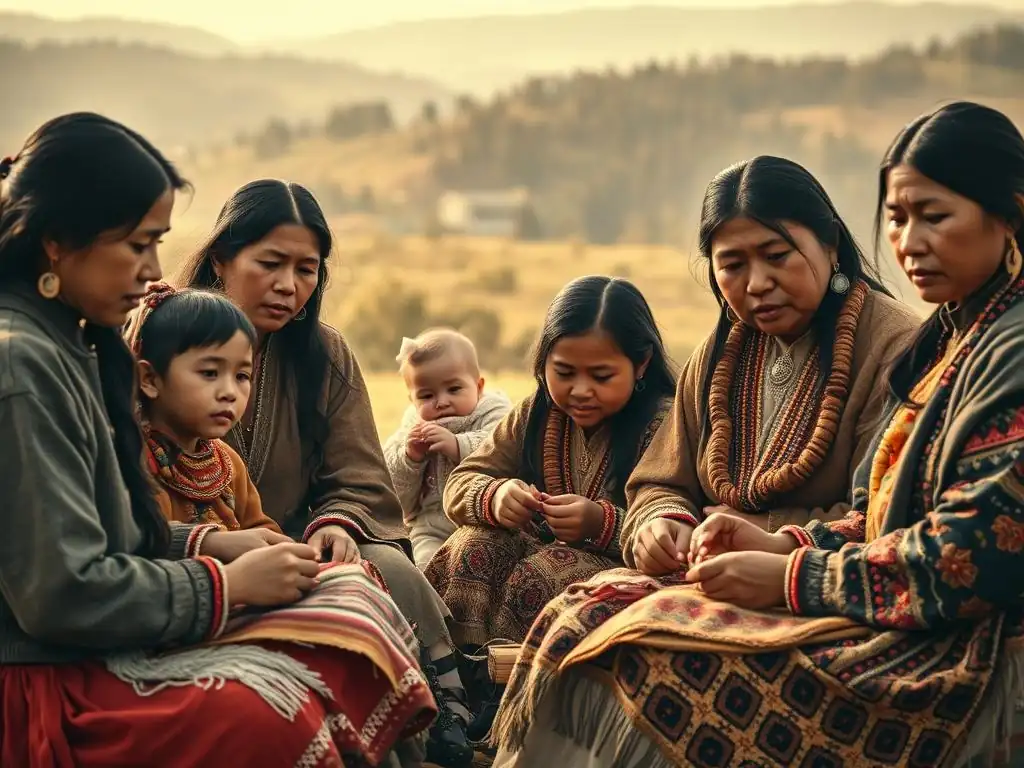
The arrival of European colonizers in the Americas had profound and often devastating effects on indigenous gender roles and family structures. These changes were not merely superficial; they altered the very fabric of indigenous societies, impacting labor division, leadership dynamics, and cultural norms.
Disruption of Traditional Gender Roles
Colonization introduced a myriad of disruptions to the established gender roles within indigenous communities. Traditionally, many indigenous cultures had fluid and distinct gender roles that allowed for a balance of power and shared responsibilities between men and women.
Changes in Labor Division
With the onset of colonization, the division of labor began to shift dramatically. European settlers imposed their own economic systems and expectations, often devaluing the roles that indigenous women had played in agriculture, trade, and community sustenance. For example:
- Agricultural Practices: Indigenous women were often responsible for farming and food production. Colonizers introduced new crops and farming techniques but frequently overlooked the contributions of women, leading to a downplaying of their roles.
- Craftsmanship and Trade: Many indigenous women were skilled artisans, creating textiles, pottery, and other goods. The colonization process disrupted traditional trade networks, reducing women's economic power and forcing them into more domestic roles.
The changes in labor division not only diminished women's status within their communities but also led to a loss of traditional knowledge and skills that had been passed down through generations.
Impact on Leadership and Decision-Making
The impact of colonization extended beyond labor to influence leadership structures within indigenous societies. Traditionally, many tribes entrusted women with significant roles in decision-making, particularly regarding family and community welfare. However, the imposition of European patriarchal systems marginalized these voices.
- Political Roles: In various indigenous cultures, women held positions of power and influence. Colonization often led to the exclusion of women from political processes, reinforcing male dominance in leadership.
- Community Decisions: The European focus on hierarchical structures diminished the collaborative decision-making processes that many indigenous groups valued. As a result, women's insights and contributions were frequently overlooked, fundamentally altering social dynamics.
Introduction of European Gender Norms
European colonization brought with it rigid gender norms that starkly contrasted with indigenous practices. These norms often imposed binary gender roles that did not align with the more fluid understandings of gender present in many indigenous cultures.
- Marriage and Family Structures: European colonial powers often enforced monogamous marriage models, undermining the diverse family structures that existed within indigenous societies. This shift not only affected personal relationships but also impacted community cohesion and kinship networks.
- Cultural Assimilation: Efforts to assimilate indigenous peoples into European culture further entrenched these gender norms. Missionaries and colonial authorities promoted the idea of women as homemakers, which contradicted the active roles they had previously held in their communities.
The introduction of European gender norms not only disrupted indigenous family structures but also led to a long-lasting legacy of gender inequality that continues to affect indigenous populations today.
The impact of colonization on indigenous gender roles was profound and multifaceted, disrupting traditional practices and introducing foreign norms that reshaped gender dynamics and family structures. The long-term consequences of these changes continue to resonate within indigenous communities, highlighting the need for recognition and understanding of their historical experiences.
Case Studies of Gender Role Changes in Specific Indigenous Groups
Colonization brought profound transformations to the gender roles and family structures of indigenous groups in the Americas. These changes varied significantly across different cultures, influenced by numerous factors including the nature of contact with colonizers, local customs, and resistance strategies. Here are some notable case studies that illustrate these shifts:
The Iroquois Confederacy
The Iroquois, known for their matrilineal society, experienced significant changes due to European colonization. Traditionally, women held substantial power, managing familial assets and participating in decision-making processes. With the arrival of European settlers, these roles began to shift. The introduction of European gender norms, which often emphasized male authority, challenged the Iroquois' matrilineal lineage.
As alliances formed with European powers, Iroquois men began to adopt more militaristic and political roles, while women’s influence in governance started to diminish. However, the Iroquois maintained some of their traditional practices, and many women still played crucial roles in social and political spheres, especially during times of crisis.
The Lakota Sioux
The Lakota Sioux had a distinct gender system where both men and women had defined roles, but these roles were flexible and adaptable. Women were responsible for the home and the cultivation of crops, while men hunted and engaged in warfare. The arrival of Europeans disrupted this balance.
With the decline of the buffalo population and the imposition of reservations, traditional roles were challenged. Men struggled to fulfill their hunting roles as their territory shrank, leading to increased poverty and social strain. In response, Lakota women began to take on additional responsibilities, including economic activities such as crafting and trading, which helped sustain their families. This shift not only reinforced women’s roles in their communities but also paved the way for emerging leadership among women in the face of adversity.
The Taino People
The Taino people of the Caribbean had a relatively egalitarian social structure before colonization. Women participated in agriculture and had roles in the spiritual and political realms. The arrival of Christopher Columbus in 1492 marked the beginning of devastating changes for the Taino.
Colonial rule imposed European gender norms that marginalized women. The Taino population faced drastic declines due to violence, enslavement, and diseases brought by Europeans. The social fabric of Taino society unraveled, leading to a significant loss of traditional gender roles and family structures. The impact was profound, as the matrifocal systems that once empowered women were disrupted, leading to the erosion of their status and roles in the community.
The Mapuche of Chile
The Mapuche people resisted Spanish colonization fiercely, which allowed them to maintain many of their traditional practices longer than other indigenous groups. Within Mapuche society, women traditionally held important roles in agriculture and weaving, while also participating in community decision-making.
However, the Spanish imposed new social structures that undermined these roles. The introduction of European land tenure systems disrupted communal land ownership, which affected women’s access to resources. Despite these challenges, Mapuche women adapted by becoming active in resistance movements, asserting their roles in both family and community contexts. This resilience highlighted the importance of women in maintaining cultural identity and continuity amidst colonization.
Conclusion
These case studies illustrate the complex and varied impacts of colonization on indigenous gender roles across different cultures. While colonization often led to the erosion of traditional roles and structures, many indigenous women found ways to adapt and assert their importance within their communities. Understanding these historical changes is crucial for recognizing the ongoing influence of colonization on contemporary indigenous gender roles and family dynamics.
The Impact of Colonization on Family Structures
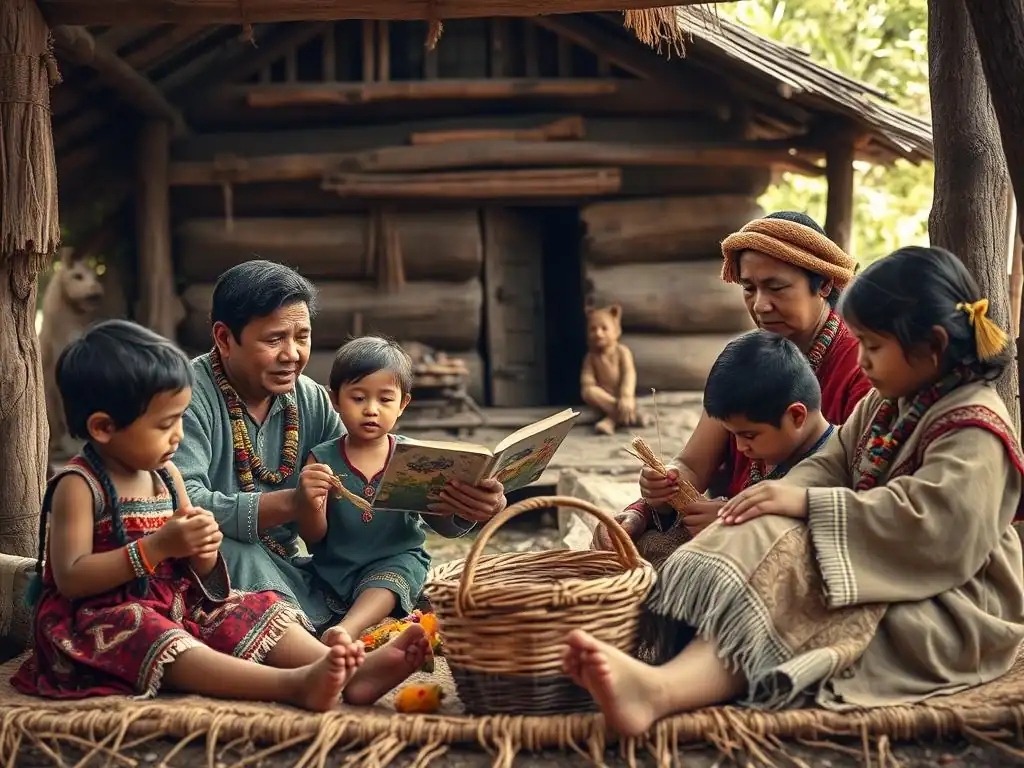
The arrival of European colonizers in the Americas brought profound changes to indigenous family structures, reshaping the dynamics that had existed for centuries. These alterations were not merely superficial; they affected the core of indigenous societies, influencing everything from daily life to cultural identity.
Changes in Family Dynamics
Colonial forces introduced new social norms and economic pressures that forced many indigenous communities to adapt their family dynamics. The impact of colonization on indigenous gender roles significantly altered how families operated, leading to a variety of changes.
Shift from Extended Families to Nuclear Families
Traditionally, many indigenous cultures operated within extended family systems, where multiple generations lived together and shared resources. This structure provided a robust support system and facilitated the transmission of cultural values and knowledge. However, as colonization progressed:
- Economic Pressures: The imposition of European economic systems often required families to become more self-sufficient, leading to a shift towards smaller, nuclear families.
- Displacement: Forced relocations and land dispossession made it difficult for extended families to maintain their traditional living arrangements, resulting in smaller family units that could more easily adapt to new circumstances.
- Cultural Assimilation: As colonizers promoted individualism and private property, many indigenous families began to adopt these values, diminishing the role of extended kinship networks.
This transition had lasting implications, as the nuclear family model began to dominate, leading to a dilution of communal bonds that had previously defined indigenous societies.
Changes in Marriage Practices
Colonization also brought significant changes to marriage practices among indigenous peoples. Traditional customs, which often emphasized alliances between families and communities, were undermined by colonial ideologies. Some key impacts include:
- Introduction of Monogamy: Many indigenous cultures traditionally practiced forms of polygamy, which allowed for complex social and political alliances. Colonization often imposed monogamous structures, limiting marital choices.
- Legal Recognition: European legal systems marginalized indigenous marriage practices, often failing to recognize traditional unions. This loss of legal status affected the rights of indigenous women and children within their communities.
- Gender Roles: The colonial emphasis on strict gender roles further complicated marriage dynamics, often elevating patriarchal norms and constraining women's autonomy in choosing partners.
These changes in marriage practices not only altered personal relationships but also impacted community cohesion and cultural continuity.
Loss of Traditional Family Roles
The effects of colonization led to a significant loss of traditional family roles within indigenous societies. The imposition of foreign values and social structures disrupted the established roles that had governed family life for generations.
- Disempowerment of Women: Traditional roles often placed women as central figures in family and community life, responsible for nurturing, education, and cultural preservation. Colonization frequently marginalized these roles, restricting women's influence and autonomy.
- Disruption of Cultural Transmission: The breakdown of traditional family structures hindered the transmission of cultural knowledge and practices, as elders were often displaced or lost. This disruption diminished the ability of younger generations to connect with their heritage.
- Erosion of Social Cohesion: As families adapted to colonial pressures, the once-strong communal bonds weakened, leading to fragmentation within indigenous societies. This disintegration had long-term effects on social cohesion and identity.
The loss of traditional family roles and the imposition of colonial structures created a legacy of change that continues to resonate in contemporary indigenous communities. Understanding these impacts is crucial to recognizing the resilience and ongoing efforts of indigenous peoples to reclaim and revitalize their family structures and gender roles in the face of historical challenges.
The colonization of the Americas significantly disrupted indigenous families, leading to profound psychological and social effects that reverberate through generations. One of the most immediate impacts was the breakdown of traditional family structures, which were often based on communal living and shared responsibilities. Colonizers imposed nuclear family models that emphasized individualism and private ownership, undermining the collective nature of indigenous life. This shift created a sense of disconnection, as family members found themselves estranged from their communities and cultural practices.
Loss of Cultural Identity
As colonizers sought to assimilate indigenous peoples into their own cultural frameworks, many indigenous families faced pressure to abandon their traditional languages, customs, and values. This forced cultural assimilation had a devastating effect on family dynamics. Parents often struggled to maintain their cultural heritage while navigating the pressures of colonial society, leading to a sense of identity crisis. Children raised in such environments frequently experienced confusion about their cultural roots, which could manifest as feelings of inadequacy or alienation.
Trauma and Intergenerational Effects
The psychological trauma inflicted by colonization—through violence, displacement, and systemic oppression—has had lasting effects on indigenous families. Many individuals experienced direct trauma, and this pain often extends beyond the individual, affecting family members and subsequent generations. Intergenerational trauma can lead to mental health issues such as depression, anxiety, and substance abuse. The inability to address these traumas within the family unit further exacerbates social challenges, making it difficult for families to heal and rebuild.
Changes in Gender Roles
Colonization also altered traditional gender roles within indigenous families. Indigenous societies often had distinct roles for men and women that were integral to their cultural identity. However, colonization imposed Eurocentric values that frequently marginalized women's roles, treating them as secondary to men. This shift not only undermined women's authority within families but also affected the division of labor and decision-making processes. The disruption of gender roles can lead to conflict within families, as individuals grapple with expectations that clash with their cultural upbringing.
Resilience and Adaptation
Despite these challenges, many indigenous families have shown remarkable resilience and adaptability. Some have sought to reclaim their cultural practices and values, fostering a strong sense of identity that can counter the negative impacts of colonization. Community-based initiatives aimed at healing and cultural revitalization often involve families working together to restore traditional practices, thereby strengthening bonds and fostering a renewed sense of belonging. This resilience highlights the enduring strength of indigenous families in the face of adversity, showcasing the importance of cultural continuity in healing from the impacts of colonization.
The psychological and social effects of colonization on indigenous families are profound and multifaceted. From the loss of cultural identity and the burden of trauma to the shifts in gender roles, these impacts continue to shape the lives of indigenous peoples today, underscoring the need for ongoing support and understanding of their unique challenges and strengths.
Resilience and Adaptation of Indigenous Gender Roles
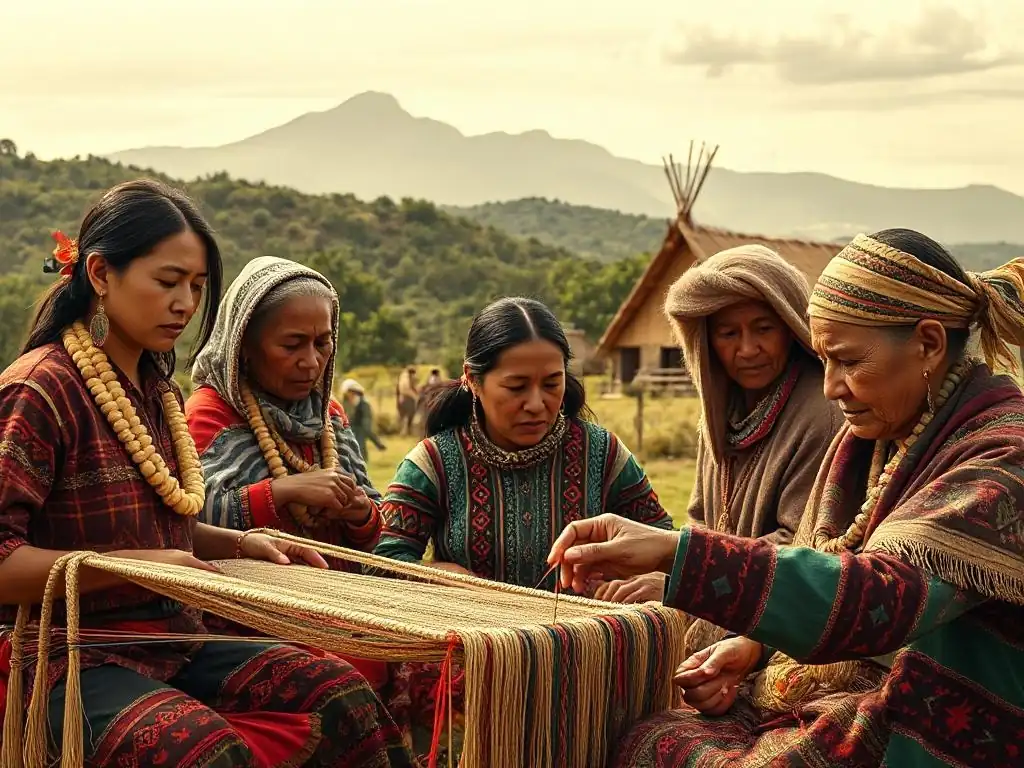
The impact of colonization on indigenous gender roles was profound, yet many communities demonstrated remarkable resilience and adaptability in maintaining and transforming these roles. As European settlers imposed their patriarchal frameworks, indigenous societies often faced significant challenges to their traditional gender structures. However, many indigenous cultures responded by reinterpreting gender roles to fit their contemporary circumstances, allowing for a dynamic evolution of societal norms.
Revitalization of Gender Roles in Contemporary Indigenous Communities
In recent decades, there has been a noticeable revitalization of indigenous gender roles, driven by a resurgence of cultural pride and activism. Many contemporary indigenous communities are reclaiming traditional practices that honor the roles of both men and women, often emphasizing their complementary functions within the family and society.
- Cultural Revitalization Movements: Initiatives aimed at preserving and promoting indigenous languages, traditions, and ceremonies play a crucial role in this revitalization. These movements help to reinforce the importance of gender roles that existed prior to colonization, allowing for a re-examination of their significance in modern contexts.
- Leadership and Representation: Indigenous women, in particular, are stepping into leadership roles within their communities and beyond. They are not only advocating for women's rights but are also highlighting the historical contributions of women in their cultures, which were often overlooked due to colonial narratives.
This revitalization process fosters a sense of identity and belonging, enabling indigenous peoples to navigate the complexities of modern life while honoring their ancestral practices.
Intergenerational Transmission of Cultural Values
The transmission of cultural values across generations is vital for the preservation of indigenous gender roles. Elders play a crucial role in this process, imparting knowledge and traditions to the younger generations.
- Storytelling and Education: Traditional stories often serve as vehicles for teaching young people about gender roles and responsibilities. Through narratives, children learn about the contributions of their ancestors, reinforcing the value of their cultural heritage.
- Ceremonial Participation: In many indigenous cultures, participation in rituals and ceremonies is a way to instill values related to gender roles. These practices not only foster community bonds but also educate individuals about their roles within the family structure.
This intergenerational transmission ensures that indigenous gender roles remain relevant and respected, even as societal changes occur.
Role of Indigenous Women in Reclaiming Identity
Indigenous women are at the forefront of efforts to reclaim cultural identity and redefine gender roles impacted by colonization. Their leadership is crucial in shaping new narratives and practices that honor historical traditions while addressing contemporary challenges.
- Activism and Advocacy: Many indigenous women are engaged in activism that addresses issues such as land rights, environmental justice, and social equity. By advocating for these causes, they are simultaneously challenging colonial legacies and asserting their roles as key decision-makers within their communities.
- Cultural Production: Indigenous women are also reclaiming their cultural narratives through art, literature, and performance. These mediums allow them to express their identities and highlight the significance of their roles in family and society, thus contributing to a broader understanding of indigenous gender roles.
The active involvement of indigenous women in these spheres not only enriches their communities but also serves as a powerful testament to the resilience and adaptability of indigenous gender roles amidst the ongoing impacts of colonization.
Conclusion: Understanding the Long-term Impact of Colonization
Summary of Indigenous Gender Roles Impact
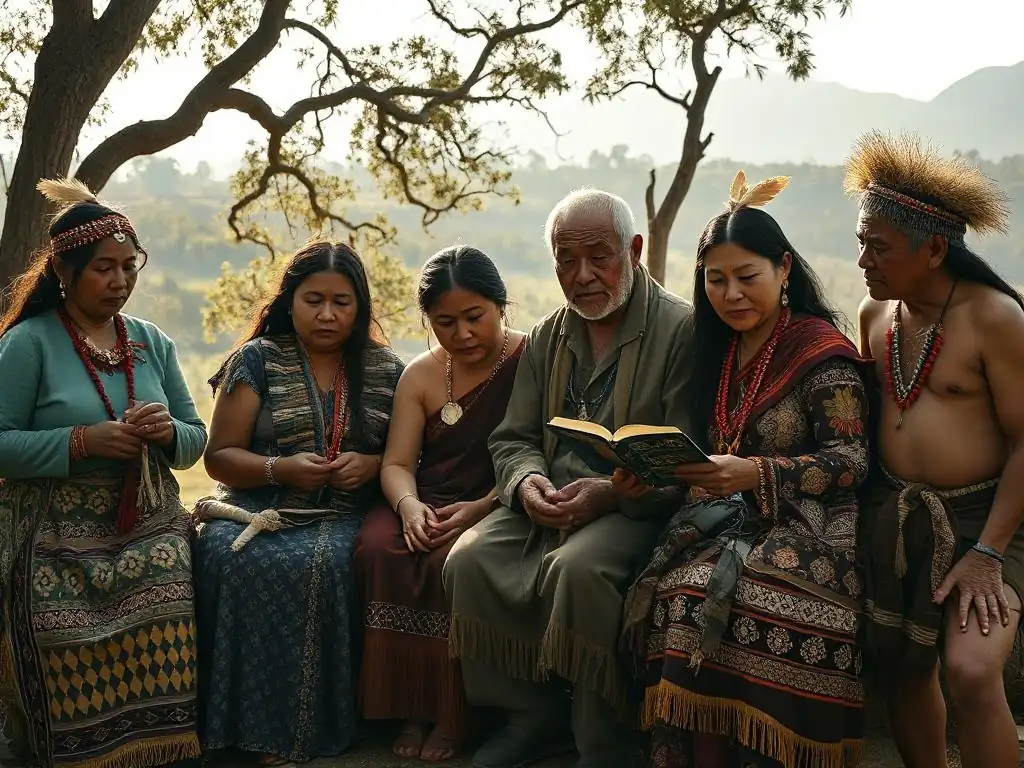
The impact of colonization on indigenous gender roles is profound and multifaceted. Prior to European contact, many indigenous societies in the Americas operated under systems of gender roles that were distinct, dynamic, and often significantly different from European norms. For instance, in some cultures, women held positions of power, serving as leaders, healers, and decision-makers within their communities. The Iroquois Confederacy, for example, emphasized matrilineal descent, where inheritance and family lineage were traced through the female line, granting women considerable influence in political and social spheres.
However, with the advent of colonization, these structures faced severe disruption. European patriarchal norms were imposed upon indigenous societies, leading to a marginalization of women’s roles and a redefinition of gender norms. This shift often resulted in the loss of traditional practices, knowledge, and power dynamics that had sustained indigenous communities for centuries. The introduction of European legal systems further entrenched these changes, as indigenous women frequently found themselves stripped of rights and relegated to subordinate roles within their families and communities.
Colonization also brought about significant shifts in family structures. The imposition of nuclear family ideals contrasted sharply with many indigenous cultures that valued extended family and communal living. Consequently, the traditional support systems that existed within these communities began to erode, leading to increased vulnerability and dislocation for indigenous families.
The Importance of Recognizing and Preserving Indigenous Family Structures
Recognizing and preserving indigenous family structures is crucial for the survival of these cultures and their inherent values. Indigenous family systems are typically characterized by interconnectedness and a strong sense of community. For many tribes, these connections extend beyond biological ties, encompassing a broader network of relationships that provide emotional and practical support.
Preserving these structures is not only a matter of cultural heritage but also of social justice. Understanding the unique family dynamics and gender roles within indigenous cultures can foster respect and appreciation for their contributions to society. It is essential to acknowledge that these systems have adapted and persisted despite centuries of colonization and oppression.
Furthermore, revitalizing indigenous family structures can empower communities to reclaim their traditions and practices. Initiatives aimed at supporting indigenous education, cultural transmission, and community gatherings can strengthen these familial ties. The role of women, in particular, is vital in this process, as they often serve as the custodians of cultural knowledge and practices, ensuring the continuation of their heritage for future generations.
Call to Action: Supporting Indigenous Rights and Cultural Preservation
To truly honor the enduring impact of colonization on indigenous gender roles and family structures, it is imperative to take action in support of indigenous rights and cultural preservation. Here are several ways individuals and organizations can contribute:
- Advocate for Indigenous Rights: Support policies and legislation that protect the rights of indigenous peoples, including land rights, cultural expression, and self-determination.
- Educate Yourself and Others: Engage with indigenous histories and perspectives. Attend workshops, read literature authored by indigenous writers, and participate in cultural events to gain a deeper understanding of these communities.
- Support Indigenous Organizations: Contribute to or volunteer with organizations dedicated to preserving indigenous cultures, such as those focused on language revitalization, traditional practices, and community health.
- Promote Awareness: Use social media and other platforms to raise awareness about the impacts of colonization on indigenous gender roles and family structures. Share stories, achievements, and challenges faced by these communities.
By actively engaging in these efforts, we can contribute to the healing and revitalization of indigenous cultures, ensuring that their legacies and contributions endure for generations to come.
Further Reading and Resources
Recommended Books and Articles on Indigenous Gender Roles
Understanding the impact of colonization on indigenous gender roles is essential for comprehending the broader narratives of indigenous cultures. Below are some recommended books and articles that provide in-depth insights into this topic:
-
"Women and Gender in the American West" by Elizabeth Jameson and Sheila L. C. McManus
This book explores the transformation of gender roles in the American West, including the experiences of indigenous women before and after colonization.
-
"Decolonizing Feminism: Challenging Connections Between Settler Colonialism and Heteropatriarchy" by Andrea Smith
Smith's work examines how colonialism has influenced gender roles within indigenous societies, offering a critical perspective on the intersections of race, gender, and colonial power dynamics.
-
"Indigenous Women and Feminism: A Gendered Perspective" by Jennifer Adese
This article discusses the unique challenges faced by indigenous women and how their roles have changed due to external pressures from colonial societies.
-
"The Gendered Politics of Indigeneity" by Kim Anderson
Anderson provides a comprehensive analysis of how indigenous identities and gender roles are shaped by historical and contemporary colonization processes.
These resources will equip readers with a more nuanced understanding of indigenous gender roles and their evolution over time, highlighting the profound impact of colonization.
Relevant Organizations Supporting Indigenous Cultures
Several organizations are dedicated to supporting and promoting indigenous cultures, particularly in relation to gender roles and family structures. Here are a few notable ones:
-
Native Women's Association of Canada (NWAC)
NWAC is committed to advocating for the rights of indigenous women and girls, focusing on issues such as violence prevention, health, and economic development.
-
First Nations Development Institute
This organization works to promote economic development and social change within indigenous communities, emphasizing the importance of preserving traditional gender roles and cultural practices.
-
American Indian College Fund
This fund supports higher education for indigenous students and promotes cultural awareness through scholarships and educational initiatives.
-
Indigenous Women's Network
A grassroots organization that works to empower indigenous women and foster leadership roles within their communities, addressing the impact of colonization on gender dynamics.
These organizations play a critical role in advocating for indigenous rights and preserving cultural heritage, particularly concerning gender roles and family structures.
Educational Programs and Initiatives for Cultural Awareness
Cultural awareness is vital for understanding the complexities of indigenous gender roles and the effects of colonization. Here are some educational programs and initiatives designed to enhance cultural knowledge:
-
Indigenous Studies Programs
Many universities offer Indigenous Studies programs that include courses on gender roles, family structures, and the historical impact of colonization. These programs encourage critical thinking and provide students with the tools to engage with indigenous issues respectfully.
-
Cultural Exchange Programs
Initiatives that promote cultural exchange between indigenous and non-indigenous communities help foster understanding and respect for diverse gender roles and family structures.
-
Workshops and Seminars
Organizations often host workshops and seminars focused on indigenous cultures, providing opportunities for participants to learn about traditional gender roles and the changes brought on by colonization.
-
Online Resources and Webinars
Various platforms offer online webinars and resources that discuss indigenous gender roles, featuring speakers from indigenous communities who share their perspectives and experiences.
These educational programs and initiatives are essential for cultivating a deeper understanding of indigenous cultures and the impact of colonization on gender roles and family structures. By engaging with these resources, individuals can contribute to a more informed and respectful dialogue surrounding indigenous issues.
Frequently Asked Questions
What were the traditional indigenous gender roles in pre-colonial societies?
Indigenous cultures often had distinct gender roles, with men typically involved in hunting and warfare, while women focused on agriculture, gathering, and family care. These roles were based on cultural practices and varied significantly among different tribes.
How did colonization affect indigenous family structures?
Colonization imposed European norms, disrupting traditional family structures. Many indigenous families faced displacement, and the introduction of new economic systems changed the dynamics of family roles and responsibilities.
What is the significance of understanding indigenous gender roles today?
Recognizing the historical context of indigenous gender roles helps in understanding current issues related to gender equality and the resilience of indigenous communities, as well as their ongoing struggles against stereotypes and oppression.
How have modern indigenous communities revitalized their gender roles?
Many indigenous communities are actively working to revitalize and reclaim traditional gender roles by integrating cultural practices into contemporary life, promoting gender equity, and supporting inclusive family structures.
What role does education play in reshaping perceptions of indigenous gender roles?
Education is crucial in challenging misconceptions and fostering respect for indigenous cultures. It helps in disseminating knowledge about historical gender roles and the impact of colonization, leading to a better understanding of diversity within indigenous societies.
Final Reflection: Understanding the Enduring Impact of Colonization on Indigenous Gender Roles
The legacy of colonization continues to shape the lives of Indigenous peoples today, profoundly influencing their gender roles and family structures. As we navigate a world increasingly aware of social justice and equity, it is crucial to recognize how historical injustices have lasting repercussions on Indigenous communities. The impact of colonization on Indigenous gender roles is not just a relic of the past; it is a contemporary issue that demands our attention and action.
Cultural resilience and adaptation are evident in the ongoing evolution of Indigenous gender roles, which reflect a dynamic interplay between tradition and modernity. The challenges faced by Indigenous families today are rooted in centuries of disruption and displacement, yet many communities are reclaiming their identities and redefining their roles. As stated by a prominent Indigenous leader, We are not just survivors of colonization; we are thrivers, reshaping our narratives and building futures that honor our ancestors.
This perspective underscores the importance of understanding the historical context while recognizing the agency of Indigenous peoples in redefining their identities.
As you reflect on the insights shared in this article, consider how you can contribute to the recognition and support of Indigenous gender roles and family structures in your own community. Engage with Indigenous voices, advocate for their rights, and educate yourself and others about the ongoing impacts of colonization. By doing so, you not only honor the rich heritage of Indigenous cultures but also play a part in fostering a more equitable society. The journey toward understanding and healing is collective, and every step taken in solidarity can help reshape the future for Indigenous peoples.
Explore the Resilience of Indigenous Cultures!
Thank you for taking the time to delve into the profound impact of colonization on Indigenous gender roles and family structures. Your engagement with this topic is crucial in understanding and appreciating the resilience and richness of Indigenous cultures. Now, it’s time to act and amplify those voices!
Here are some ways you can take meaningful steps:
- Engage with Indigenous authors and artists by exploring their works and sharing them within your community.
- Participate in local discussions or workshops focused on Indigenous history to deepen your understanding and support ongoing cultural education.
- Advocate for Indigenous rights by joining campaigns that promote cultural preservation and social justice within Indigenous communities.
What actions will you take to support and uplift Indigenous narratives in your community?