
Understanding Gender Roles in Indigenous Societies: A PreColonial Perspective

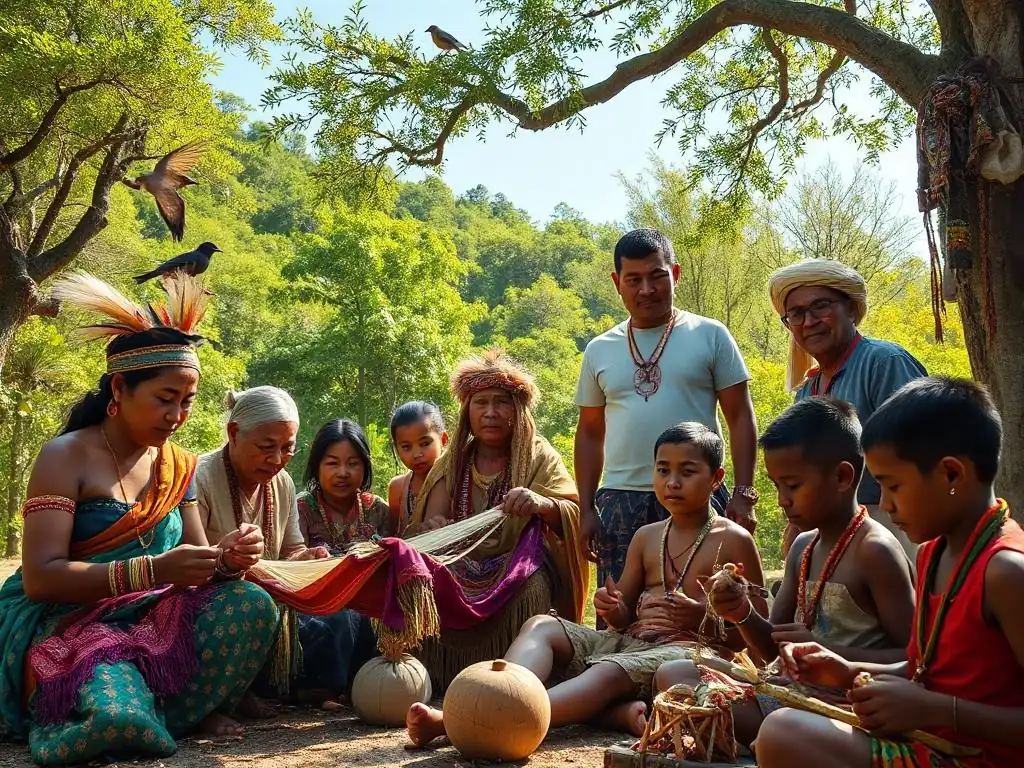
Welcome to Indigenous Civilizations of the Americas, where we delve into the rich tapestry of indigenous cultures that flourished long before European contact. In our featured article, "Understanding Gender Roles in Indigenous Societies: A PreColonial Perspective," we invite you to uncover the intricate dynamics of gender roles that shaped the lives and societies of these remarkable peoples. Prepare to be intrigued as we explore how these roles not only defined community structures but also left an enduring legacy that resonates to this day.
Ready to embark on a journey through history? Let’s dive deeper into the complexities of gender within these vibrant cultures!
Introduction to Gender Roles in Indigenous Cultures
The exploration of gender roles in Indigenous cultures provides a fascinating insight into the intricate social fabrics that characterized the diverse societies of the Americas before European colonization. Unlike the often rigid gender binaries seen in many contemporary cultures, Indigenous societies displayed a wide range of gender expressions and roles that were deeply intertwined with their cultural practices, spiritual beliefs, and community structures. Understanding these roles not only sheds light on the lived experiences of Indigenous peoples but also highlights their resilience and adaptability in the face of environmental and social changes.
Definition of Gender Roles in Indigenous Societies
Gender roles in Indigenous societies can be understood as the expectations, responsibilities, and norms associated with different genders within a community. These roles were often fluid and varied significantly across different cultures and regions. In many cases, men and women engaged in complementary activities that were vital for the survival and prosperity of their communities. For instance, while men might have taken on roles related to hunting and warfare, women often held responsibilities in agriculture, gathering, and nurturing, forming a balanced and interdependent system.
Moreover, some Indigenous cultures recognized additional gender identities beyond the binary male and female classifications. These identities, often referred to as Two-Spirit individuals in many Native American cultures, held unique social and spiritual roles, enriching the community's diversity and cultural practices.
Importance of Studying Gender Roles in PreColonial Context
Investigating gender roles in precolonial Indigenous societies is crucial for several reasons. Firstly, it allows us to appreciate the complexity and richness of Indigenous cultures, often overshadowed by Eurocentric narratives. By examining these roles, we can challenge stereotypes and misconceptions that have historically marginalized Indigenous voices.
Secondly, understanding these roles provides valuable insights into how Indigenous societies functioned sustainably and harmoniously with their environments. Gender roles were often designed to ensure communal well-being and adaptability, reflecting a deep-rooted understanding of ecological balance and social responsibility.
Lastly, the study of gender roles in Indigenous cultures can inform contemporary discussions on gender equality and social justice. Learning from these diverse practices can inspire modern movements aimed at creating more inclusive and equitable societies.
Overview of Indigenous Cultures in the Americas
The Indigenous cultures of the Americas are incredibly diverse, reflecting a multitude of languages, traditions, and social structures. From the Arctic to the southern tip of South America, these cultures have thrived for thousands of years, each developing unique adaptations to their environments.
Diversity of Indigenous Societies
Indigenous societies in the Americas range from nomadic groups, such as the Plains tribes who followed bison herds, to sedentary agricultural communities like the Maya and the Aztec, who built complex city-states. Each society had its own distinct customs, belief systems, and social hierarchies that influenced their gender roles. For example, in many agricultural societies, women's roles as nurturers and caretakers were elevated due to their contributions to food production and family stability, whereas in more militarized societies, men's roles were often highlighted in the context of warfare and protection.
Historical Context: PreColonial Era
The precolonial era, spanning thousands of years before European contact, was marked by the development and flourishing of these diverse cultures. This period saw significant advancements in technology, art, and social organization, laying the foundation for rich cultural legacies. Understanding the historical context of these societies is essential to grasp the dynamics of gender roles within them.
Many Indigenous cultures operated under systems of governance that recognized the value of both male and female contributions, often leading to shared decision-making processes. This collaborative approach fostered a sense of community and mutual respect, illustrating that gender roles were not merely constraints but rather frameworks that allowed for cooperation and harmony within the society.
Through this exploration, we can better appreciate the depth and complexity of gender roles in Indigenous cultures, recognizing their importance in shaping the identities and histories of these societies.
Gender Roles in Specific Indigenous Cultures
Understanding gender roles in Indigenous cultures requires an appreciation of the unique social structures, beliefs, and practices that varied widely across different groups. Each culture had its own perspective on gender, often influenced by environmental factors, spirituality, and economic systems. This section delves into specific Indigenous cultures in North America, Mesoamerica, and South America, illustrating the diversity and complexity of gender roles.
Gender Roles in North American Indigenous Tribes
North American Indigenous tribes exhibited a wide range of gender roles, often intertwined with their spiritual beliefs and societal needs. For many tribes, gender roles were not strictly binary; instead, they recognized multiple gender identities, including Two-Spirit individuals, who embodied both masculine and feminine traits.
- Plains Tribes: Among Plains tribes like the Lakota and Cheyenne, men primarily engaged in hunting and warfare, while women were responsible for gathering, cooking, and maintaining the home. However, women also played crucial roles in decision-making and tribal governance, particularly in matters concerning the community's welfare.
- Northeast Tribes: In tribes such as the Iroquois, women held significant power, particularly in agriculture and clan leadership. The Iroquois Confederacy was notable for its matrilineal structure, where lineage and inheritance passed through the female line, granting women considerable influence in political decisions.
- Northwest Coast Tribes: For tribes like the Haida and Tlingit, gender roles were more fluid, with both men and women involved in crafting, trade, and ritual practices. Women were often esteemed as powerful figures in their communities, taking on roles as shamans and leaders in ceremonial contexts.
Gender Roles in Mesoamerican Cultures
Mesoamerican cultures, including the Aztec and Maya, had distinct and complex gender roles that were often linked to their cosmologies and agricultural practices.
- Aztec Society: In Aztec culture, gender roles were sharply defined but allowed for some flexibility. Men were typically warriors, priests, or traders, while women managed domestic spheres, including weaving and child-rearing. However, women could also own property and participate in market activities, reflecting a degree of economic independence.
- Maya Civilization: The Maya civilization recognized gender roles with significant societal functions for both men and women. Men were often involved in agriculture and politics, while women engaged in household management and textile production. Notably, some women, such as Queen Itzamna, wielded political power, influencing their societies' governance.
Gender Roles in South American Indigenous Groups
In South America, Indigenous cultures displayed diverse interpretations of gender roles, often influenced by their environments and social structures.
- Andean Cultures: In the Inca Empire, gender roles were clearly defined, with men primarily handling agricultural production and military endeavors. Women were expected to manage the household and textile work, but they also participated in agricultural activities and had roles in religious ceremonies. The Inca society valued reciprocity, where both genders contributed to the community's wellbeing.
- Amazonian Tribes: Many tribes in the Amazon, such as the Yanomami, exhibit more egalitarian gender roles. Men hunt and engage in warfare, while women gather and cultivate crops. However, women's roles in decision-making and community organization are often significant, showcasing a balance between gender responsibilities.
The Impact of Environment on Gender Roles
The environment played a crucial role in shaping gender roles across Indigenous cultures in the Americas. Factors such as geography, climate, and available resources influenced the division of labor, social structures, and cultural practices.
How Geography Shaped Gender Roles in Indigenous Cultures
Geographical features often dictated the subsistence strategies of Indigenous groups, leading to distinct gender roles. For instance:
- Coastal vs. Inland Societies: Coastal tribes often engaged in fishing and trade, where both men and women contributed to subsistence. In contrast, inland societies focused on agriculture and hunting, leading to more defined gender roles where men hunted and women cultivated crops.
- Arctic Cultures: In Arctic regions, harsh climates required collaborative survival strategies. Both genders participated in hunting, fishing, and gathering, leading to a more egalitarian division of labor, as survival depended on everyone’s contribution.
Variations in Gender Roles Based on Subsistence Strategies
Subsistence strategies, including hunting, gathering, agriculture, and trade, significantly influenced gender roles in Indigenous cultures.
- Hunter-Gatherer Societies: In many hunter-gatherer societies, gender roles were less rigid, as both men and women contributed to food acquisition. This often led to shared responsibilities and decision-making.
- Agricultural Societies: In societies that relied on agriculture, gender roles were typically more defined, with men often responsible for land management and women for planting, harvesting, and processing food. However, women’s roles in agriculture were critical, as they ensured the community’s food security.
- Trade-Centric Cultures: In cultures where trade was a central economic activity, both genders participated in exchange networks, challenging the notion of strictly defined roles. Women often played vital roles in managing trade goods and negotiating, highlighting their importance in economic systems.
Through these explorations, it becomes evident that gender roles in Indigenous cultures were dynamic and deeply influenced by a combination of environmental factors, cultural beliefs, and social structures.
Gender Roles and Spirituality in Indigenous Societies
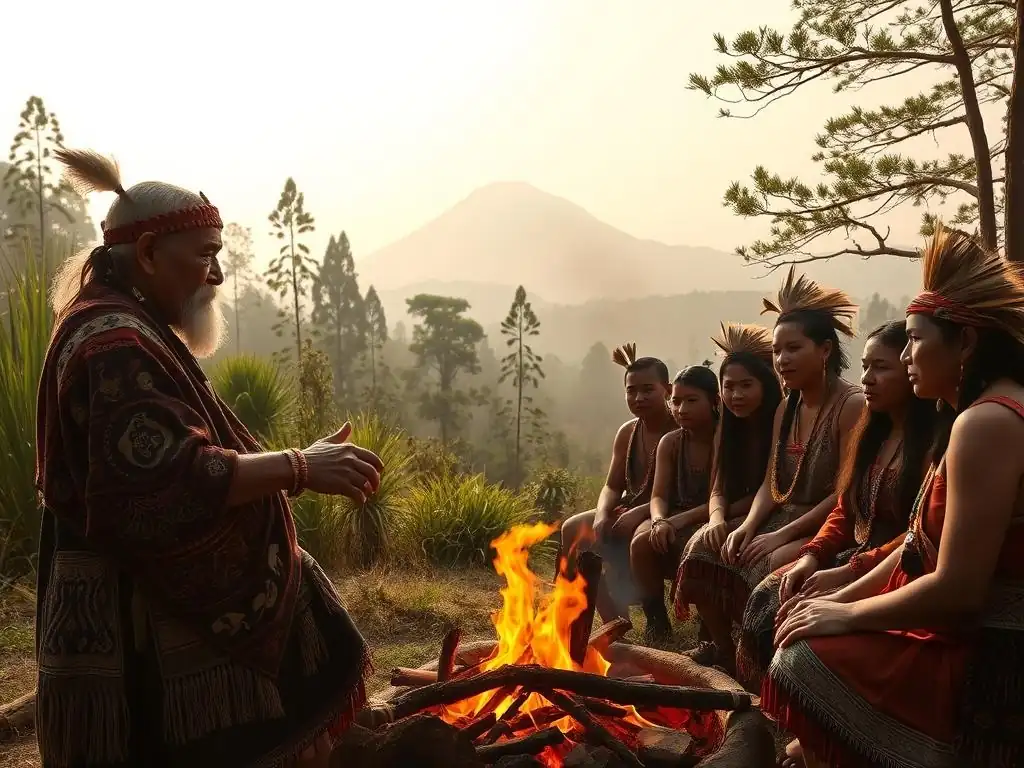
In many Indigenous cultures across the Americas, spirituality is deeply intertwined with gender roles, shaping not only religious practices but also the societal structure. Spiritual beliefs often dictate the roles men and women play within their communities, with each gender traditionally assigned specific responsibilities that contribute to the spiritual and cultural fabric of their society. This relationship between gender and spirituality is complex, as it varies widely among different cultures, yet some common themes can be observed.
For instance, many Indigenous societies view the natural world as imbued with spiritual significance, and gender roles often reflect this connection. Men might be associated with hunting and protecting the community, activities that are often linked to the spiritual realm of the hunt. Conversely, women frequently hold roles as nurturers and keepers of knowledge, particularly related to agriculture and healing practices. This division not only reinforces societal roles but also acknowledges the sacredness of both male and female contributions to the community's survival and well-being.
Gendered Spiritual Practices and Beliefs
Gendered spiritual practices manifest in various ways across Indigenous cultures. In many tribes, women are often the primary practitioners of rituals related to fertility, healing, and agriculture. For example, in some Native American cultures, women perform planting ceremonies to ensure bountiful harvests, invoking deities associated with fertility and the earth. These practices highlight the essential role women play in sustaining life, both physically and spiritually.
Men, on the other hand, frequently engage in rituals focused on hunting, warfare, and protection. Their spiritual practices might include vision quests or warrior ceremonies, which are intended to connect them with their ancestors and the spiritual forces that guide their actions. Such rituals not only serve to affirm their roles within the community but also reinforce the belief that spiritual strength is tied to masculinity.
These gendered spiritual practices create a balance within Indigenous belief systems, emphasizing that both men and women are vital to the spiritual health of their communities. This duality is often expressed through myths and stories that celebrate the contributions of both genders, fostering a deep respect for the roles each plays in the spiritual landscape of Indigenous cultures.
The Role of Women in Ceremonial Life
Women often occupy central roles in ceremonial life, overseeing rituals that are crucial to the community's spiritual and cultural identity. In many cases, they serve as healers, shamans, or leaders of sacred ceremonies, reflecting their deep knowledge of medicinal plants, ancestral traditions, and spiritual teachings. For instance, among the Pueblo peoples, women are integral to the kachina ceremonies, where they embody the spirits of ancestors and the natural world, reinforcing communal ties and cultural continuity.
Moreover, women's participation in ceremonies often extends beyond mere roles; they are seen as custodians of cultural heritage. Through storytelling, dance, and song, women transmit knowledge and values to the next generation, ensuring that traditions are preserved and adapted over time. This role is not only vital for cultural survival but also underscores the importance of women in maintaining the spiritual health of their communities.
In some cultures, women's ceremonial roles are further enhanced through the concept of duality, where both male and female energies are honored in rituals. This understanding fosters respect for balance and harmony within the community, highlighting the significance of gender roles as central to spiritual practice.
Changes in Gender Roles Due to European Colonization
The arrival of European colonizers dramatically altered the gender dynamics within Indigenous societies. Initially, Indigenous communities experienced a complex interplay of interactions that reshaped traditional roles. While some European practices were integrated into Indigenous life, the overarching impact of colonization often led to the disruption of established gender roles and the imposition of patriarchal structures.
Initial Interactions and Their Impact on Gender Dynamics
During the early interactions between Indigenous peoples and European settlers, Indigenous communities often engaged in trade and cultural exchange. These interactions introduced new goods and ideas, which sometimes led to shifts in gender roles. For example, European goods such as metal tools altered traditional practices, impacting the roles men and women held in food production and craftsmanship.
However, these exchanges were not without consequences. The European view of gender, which typically emphasized male dominance and female subservience, began to permeate Indigenous societies. As settlers imposed their values, the previously balanced gender roles within many Indigenous cultures faced challenges. The introduction of European legal systems and religious beliefs often marginalized women's roles, leading to a devaluation of their contributions in both domestic and spiritual spheres.
Long-Term Effects of Colonization on Gender Roles
The long-term effects of colonization on gender roles in Indigenous cultures have been profound and enduring. As European settlers established more permanent colonies, traditional gender roles were increasingly disrupted. Women were often stripped of their power and influence within their communities, as colonial systems enforced patriarchal structures that sidelined female leadership.
Furthermore, the imposition of European economic practices led to changes in labor dynamics, where Indigenous women's roles as producers and custodians of the land were undermined. This shift not only affected their economic independence but also diminished their influence in spiritual practices and decision-making processes within the community.
The impact of colonization continues to resonate today, as many Indigenous communities strive to reclaim and revitalize their traditional gender roles amidst ongoing challenges. Efforts to restore balance and recognize the importance of both genders in spiritual and cultural practices are integral to the broader movement for Indigenous rights and cultural preservation. In this context, understanding the historical shifts in gender roles is essential for fostering a renewed appreciation of the contributions of both men and women in Indigenous societies.
Conclusion: The Legacy of Gender Roles in Indigenous Cultures
The gender roles in Indigenous cultures were complex, multifaceted, and deeply intertwined with the social, economic, and spiritual life of each community. These roles were not static; they evolved in response to environmental conditions, cultural exchanges, and internal dynamics within the societies. Understanding the legacy of these roles provides valuable insight into the historical context and the resilience of Indigenous peoples.
Many Indigenous societies emphasized balance and reciprocity between genders, often viewing them as complementary forces rather than hierarchical ones. For instance, in many tribes, men and women had distinct but equally important roles, contributing to the community's overall health and well-being. This reciprocal relationship can be seen in agricultural societies where women often held significant power in food production, while men might take on roles in hunting or warfare.
The lasting impact of these gender dynamics can be observed in contemporary Indigenous communities, where there is a revival of traditional practices and a re-examination of gender roles. This ongoing relationship with the past can provide a framework for addressing modern societal issues, such as gender inequality and cultural appropriation, by drawing on the strength and wisdom of Indigenous traditions.
Continuing Influence of PreColonial Gender Roles Today
The influence of precolonial gender roles is evident in many aspects of contemporary Indigenous life. As communities strive to reclaim their cultural heritage, there is a renewed interest in traditional gender roles that promote equality and respect. This resurgence can be seen in various initiatives aimed at empowering Indigenous women and recognizing their vital contributions to society.
In many communities, the revitalization of traditional practices, such as weaving, storytelling, and agricultural techniques, has led to a renaissance in gender roles that honor both men and women. Moreover, the involvement of Indigenous men in advocacy for women's rights highlights a shift toward a more inclusive understanding of gender, where both genders work collaboratively to address their community's challenges.
Additionally, these historical roles contribute to discussions around gender fluidity and non-binary identities within Indigenous contexts, showcasing the diversity of gender expressions that existed long before European colonization. This rich tapestry of gender perspectives continues to influence contemporary movements for social justice, human rights, and environmental activism among Indigenous peoples.
Importance of Preserving Indigenous Gender Perspectives
Preserving Indigenous gender perspectives is crucial for several reasons. First, it honors the heritage and wisdom of Indigenous peoples, ensuring that traditional knowledge is not lost to history. By valuing these perspectives, communities can foster a sense of identity and continuity that strengthens their cultural fabric.
Second, preserving these perspectives can challenge the dominant narratives that often marginalize or misrepresent Indigenous cultures. By shedding light on the diverse gender roles that existed, we can promote a more nuanced understanding of Indigenous societies and their contributions to human history.
Finally, the preservation of Indigenous gender perspectives is vital for contemporary social justice efforts. As Indigenous communities advocate for their rights, recognizing and integrating traditional gender roles can empower individuals and foster resilience. This preservation effort contributes to the broader movement for gender equality and respect for all identities, aligning with the principles of equity and justice in today's world.
References and Further Reading on Gender Roles in Indigenous Cultures
Exploring the complexities of gender roles in Indigenous cultures requires a commitment to understanding their histories, values, and contemporary expressions. Below are some recommended resources for further study.
Recommended Books and Articles
| Title | Author(s) | Description |
|---|---|---|
| Women and Power in Native North America | Susan A. S. R. McNally | A comprehensive exploration of women's roles and power dynamics in Indigenous societies. |
| Gendered Justice: The Pursuit of Diversity in Native America | K. Tsianina Lomawaima | Discusses the intersection of gender and justice within Indigenous contexts. |
| The Sacred Hoop: Recovering the Feminine in American Indian Traditions | Paula Gunn Allen | An essential work on the significance of feminine values in Indigenous cultures. |
| Decolonizing Gender: Transnational Feminism and Native American Studies | T. K. Tsosie and C. M. S. G. | Explores gender through a decolonial lens, focusing on Indigenous perspectives. |
Online Resources and Documentaries on Indigenous Gender Roles
- Indigenous Feminisms: A digital platform that showcases the voices and experiences of Indigenous women and their contributions to gender discussions.
- PBS Documentaries: Includes several documentaries that highlight Indigenous cultures, such as We Shall Remain, which explores historical narratives and may touch upon gender roles.
- The National Museum of the American Indian: Offers various online exhibitions and resources that explore Indigenous gender roles and cultural practices.
- YouTube Channels: Several Indigenous creators share insights through interviews, discussions, and storytelling that reflect on gender roles within their cultures.
These resources offer valuable insights into gender roles in Indigenous cultures, enriching the understanding of their historical and contemporary significance.
- Introduction to Gender Roles in Indigenous Cultures
- Overview of Indigenous Cultures in the Americas
- Gender Roles in Specific Indigenous Cultures
- The Impact of Environment on Gender Roles
- Gender Roles and Spirituality in Indigenous Societies
- Changes in Gender Roles Due to European Colonization
- Conclusion: The Legacy of Gender Roles in Indigenous Cultures
- References and Further Reading on Gender Roles in Indigenous Cultures
- What are the gender roles in Indigenous cultures?
- How did gender roles impact the daily life of Indigenous peoples?
- Were gender roles in Indigenous societies influenced by spiritual beliefs?
- How did European colonization affect gender roles in Indigenous societies?
- What are some notable achievements of Indigenous women related to gender roles?
Frequently Asked Questions
What are the gender roles in Indigenous cultures?
Gender roles in Indigenous cultures were often fluid and varied significantly between different tribes, emphasizing collaboration and community over strict divisions. Both men and women had vital roles in social and economic activities.
How did gender roles impact the daily life of Indigenous peoples?
Gender roles shaped the division of labor, with men typically involved in hunting and warfare, while women were often responsible for agriculture, gathering, and maintaining the home. This division was based on practical needs and community well-being.
Were gender roles in Indigenous societies influenced by spiritual beliefs?
Yes, many Indigenous cultures incorporated spiritual beliefs into their understanding of gender roles, often viewing them as interconnected with nature and the cosmos. This perspective influenced rituals, leadership, and community responsibilities.
How did European colonization affect gender roles in Indigenous societies?
European colonization disrupted traditional gender roles, imposing foreign values that often undervalued women's contributions and altered their status in society. This led to significant changes in social structures and community dynamics.
Indigenous women played crucial roles in agriculture, trade, and governance, often serving as leaders and healers. Their contributions were integral to the survival and prosperity of their communities, showcasing the importance of gender equity in Indigenous cultures.
Final Reflection: Embracing the Complexity of Gender Roles in Indigenous Cultures
Understanding gender roles in Indigenous cultures is not just an academic pursuit; it is a vital lens through which we can examine the intricate tapestry of human relationships and societal structures. As we navigate a world increasingly aware of the nuances of gender identity and expression, the insights gleaned from precolonial Indigenous societies serve as a powerful reminder of the diverse ways in which communities have historically understood and enacted gender roles. This exploration challenges us to rethink our assumptions and embrace a more inclusive narrative that honors the richness of Indigenous experiences.
The study of gender roles in Indigenous cultures reveals a profound legacy that continues to shape contemporary discussions around identity, power, and community. By recognizing the fluidity and multiplicity of gender within these societies, we can appreciate the ongoing influence of these traditional frameworks on modern social movements. As noted by Indigenous scholar Kim Anderson, Indigenous cultures have always had a place for gender diversity, and it is essential to reclaim these narratives in our fight for justice and equality.
This acknowledgment not only honors the past but also empowers current and future generations to advocate for a more equitable society.
As we reflect on the lessons learned from Indigenous perspectives on gender roles, I invite you to consider how these insights can inform your own understanding of identity and community. Take a moment to engage with the stories and experiences of Indigenous peoples, and challenge yourself to apply these lessons in your daily life. By doing so, we can collectively foster a deeper respect for diversity and work towards dismantling the rigid constructs that often limit our understanding of gender. Let us carry forward the wisdom of Indigenous cultures as we strive for a more inclusive and compassionate world.
Embrace and Elevate Indigenous Perspectives Today!
Thank you for exploring the complex world of gender roles in Indigenous societies. Your curiosity and engagement with this vital topic contribute to a deeper cultural understanding and appreciation. Now that you have expanded your knowledge, it’s time to take meaningful actions that honor this heritage and encourage discussions within your community.
Here’s how you can get involved:
- Share Your Insights: Start a conversation with friends or family about your new understanding. Utilize social media to raise awareness about Indigenous gender roles and their importance.
- Attend Local Events: Explore opportunities in your community that celebrate Indigenous culture. Whether through art exhibitions, lectures, or workshops, participating in these events enhances your understanding.
- Join or Support Organizations: Connect with groups that champion Indigenous rights and heritage. Your support can help amplify their voices and initiatives.
What aspects of Indigenous gender roles have surprised you the most, and how can you share these insights with others?