
Resilience of Indigenous Family Structures: Surviving Colonization and Cultural Disruption

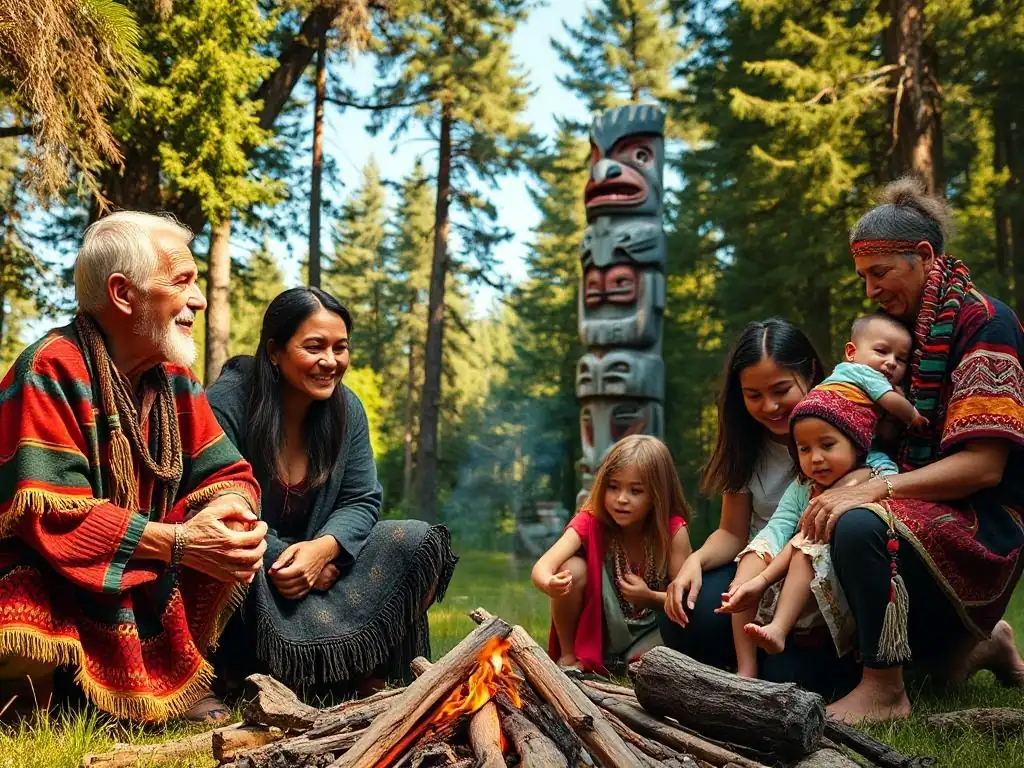
Welcome to Indigenous Civilizations of the Americas, where we invite you to journey through the rich tapestry of indigenous cultures that flourished long before European contact. Dive into our featured article, "Resilience of Indigenous Family Structures: Surviving Colonization and Cultural Disruption," to uncover the profound ways these communities adapted and thrived despite facing immense challenges.
Discover the strength of indigenous family structures and their enduring legacy—an exploration that promises to open your eyes to the resilience and ingenuity of these remarkable societies. Join us as we honor their stories and insights, encouraging you to delve deeper into this vital aspect of history.
- Introduction to Indigenous Family Structures Resilience
- Historical Context of Indigenous Family Structures
- Resilience of Indigenous Family Structures
- Gender Roles within Indigenous Family Structures
- Case Studies of Resilient Indigenous Families
- Modern Challenges Facing Indigenous Family Structures
- The Future of Indigenous Family Structures
- Conclusion: The Enduring Resilience of Indigenous Family Structures
-
Frequently Asked Questions
- What are the key aspects of indigenous family structures discussed in the article?
- How did colonization affect indigenous family resilience?
- What achievements of indigenous cultures are noted in relation to their family structures?
- How can understanding indigenous family structures today help contemporary societies?
- What is the lasting impact of indigenous family structures on modern indigenous communities?
- Final Reflection: The Enduring Strength of Indigenous Family Structures
- Embrace the Strength of Indigenous Resilience!
Introduction to Indigenous Family Structures Resilience
The resilience of Indigenous family structures is a testament to the enduring strength and adaptability of Indigenous cultures across the Americas. Before European colonization, diverse Indigenous groups developed intricate family systems that were deeply intertwined with their social, cultural, and spiritual lives. These family structures not only served as the foundation for community life but also played a crucial role in the transmission of cultural values, traditions, and knowledge.
However, the arrival of European settlers brought significant disruptions, challenging these age-old systems and necessitating a remarkable resilience among Indigenous communities. In this article, we will explore the diverse Indigenous family systems, the importance of resilience in Indigenous cultures, and how these families have navigated the challenges posed by colonization and cultural disruption.
Overview of Indigenous Family Systems
Indigenous family systems vary widely across different cultures and regions, reflecting the unique values, beliefs, and practices of each community. However, some common characteristics can be identified:
- Extended Family Networks: Many Indigenous cultures emphasize extended family structures, where multiple generations live together or maintain close ties. This fosters a strong sense of community and shared responsibility for child-rearing and elder care.
- Role of Women: Women often hold significant power within these family systems, serving as decision-makers, caretakers, and keepers of cultural knowledge. Their roles can vary, but they are frequently central to the family’s well-being and cultural continuity.
- Kinship Ties: Kinship plays a critical role in defining relationships and social obligations. Systems of kinship can dictate everything from marriage practices to resource sharing, reinforcing community bonds and supporting collective resilience.
Importance of Resilience in Indigenous Cultures
Resilience in Indigenous cultures is not merely about survival; it encompasses the ability to adapt, innovate, and thrive despite external pressures. The significance of resilience can be highlighted in several key areas:
- Cultural Continuity: Resilience allows Indigenous families to maintain their cultural practices and beliefs in the face of colonization, ensuring the survival of languages, traditions, and ceremonies.
- Social Cohesion: Strong family ties foster social cohesion, enabling communities to support one another during times of crisis and change. This interconnectedness is crucial for mental and emotional well-being.
- Adaptation to Change: Indigenous families have shown remarkable adaptability, finding ways to incorporate new elements while retaining core cultural values. This hybridization can enrich their cultural practices and strengthen their identities.
The resilience of Indigenous family structures is a vital aspect of Indigenous identity and culture, showcasing their ability to endure and flourish amid historical and contemporary challenges. This resilience not only contributes to the survival of Indigenous communities but also enriches the broader tapestry of human experience.
Historical Context of Indigenous Family Structures
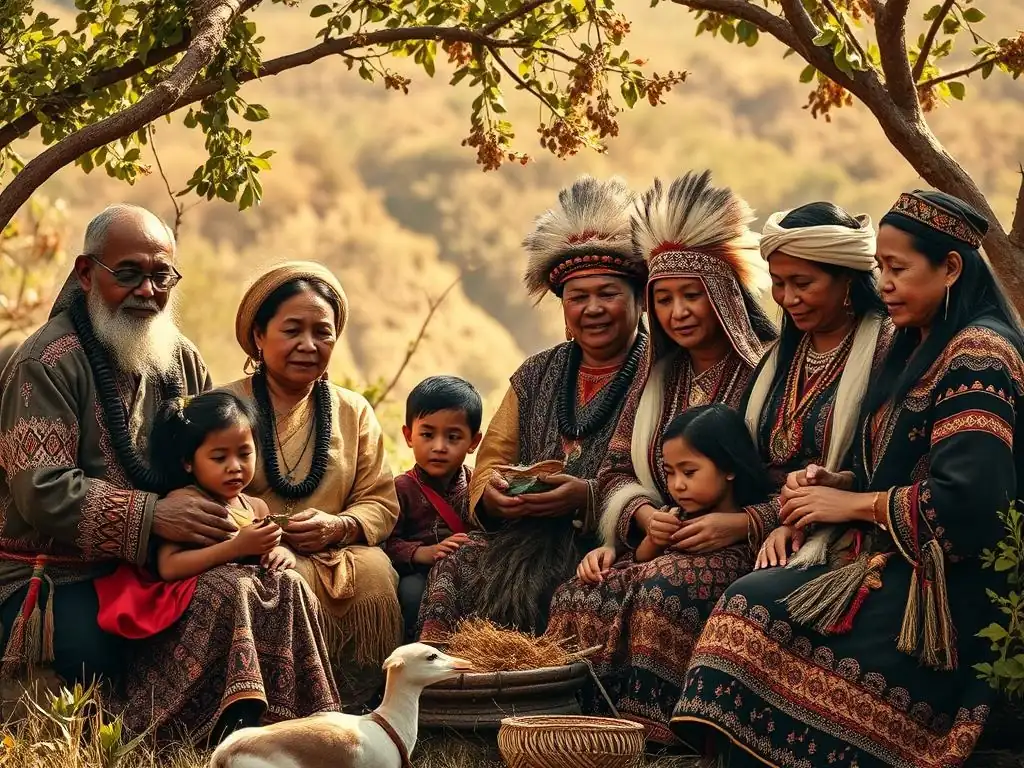
Indigenous family structures in the Americas were diverse and complex, shaped by a myriad of cultural, social, and environmental factors. Prior to European colonization, many Indigenous societies operated within systems that emphasized communal living, collective responsibility, and intergenerational ties. Families were often extended, incorporating multiple generations and branches of kin, which fostered a strong sense of community and support.
Key Characteristics of Indigenous Family Structures
- Kinship Systems: Kinship played a central role in Indigenous societies, often determining social organization and responsibilities. Many cultures employed matrilineal or patrilineal systems, where lineage and inheritance were traced through the mother or father's side, respectively.
- Roles and Responsibilities: Gender roles in these societies were typically complementary rather than hierarchical. Men and women often had distinct but equally valued roles, contributing to the economic, social, and spiritual well-being of the family and community.
- Cultural Practices: Family structures were deeply intertwined with cultural traditions, rituals, and languages. Storytelling, shared practices, and communal activities helped to reinforce familial bonds and cultural identity.
The resilience of these Indigenous family structures would soon be tested by the profound changes brought on by European colonization.
Impact of Colonization on Indigenous Societies
The arrival of European colonizers initiated a period of significant upheaval for Indigenous families across the Americas. Colonization brought about not only military confrontation and territorial dispossession but also profound cultural and social changes that disrupted traditional family structures.
Disruption of Kinship Systems
- Forced Displacement: Many Indigenous groups were forcibly removed from their ancestral lands, leading to the disintegration of established kinship networks. This displacement often resulted in families being separated from each other and their cultural practices.
- Introduction of New Social Norms: Colonizers imposed European social structures and norms, which often marginalized Indigenous ways of life. This included the introduction of patriarchal systems that undermined the matrilineal traditions of many Indigenous cultures.
Economic Changes
- Shift to Market Economies: The introduction of European trade systems altered economic practices. Indigenous families were often coerced into participating in a market economy that prioritized individual gain over communal well-being, challenging traditional roles and relationships.
Cultural Disruption and Its Effects on Family Dynamics
The cultural disruption brought about by colonization had lasting effects on Indigenous family dynamics. The imposition of foreign values and practices led to a fragmentation of communities and a crisis of identity for many Indigenous families.
Loss of Cultural Practices
- Erosion of Language and Traditions: Many Indigenous languages and cultural practices began to decline as colonizers promoted their own languages and customs. This loss had a direct impact on family cohesion and identity, as language is a vital tool for the transmission of culture and values.
- Missionization and Assimilation: Religious missions aimed at converting Indigenous peoples often sought to dismantle traditional family structures. The emphasis on nuclear families and European religious norms marginalized Indigenous practices, leading to further fragmentation.
Resilience and Adaptation
Despite these challenges, Indigenous families displayed remarkable resilience. Many adapted their family structures and cultural practices in response to the pressures of colonization. This adaptability is evident in various forms:
- Revival of Traditions: Many Indigenous communities have worked to revive and maintain their cultural practices, often incorporating them into contemporary contexts.
- Strengthened Kinship Networks: In times of crisis, extended kinship networks have provided vital support, reinforcing the importance of community and family in preserving identity and cultural heritage.
The resilience of Indigenous family structures remains a testament to the strength and adaptability of these communities in the face of colonization and cultural disruption.
Resilience of Indigenous Family Structures
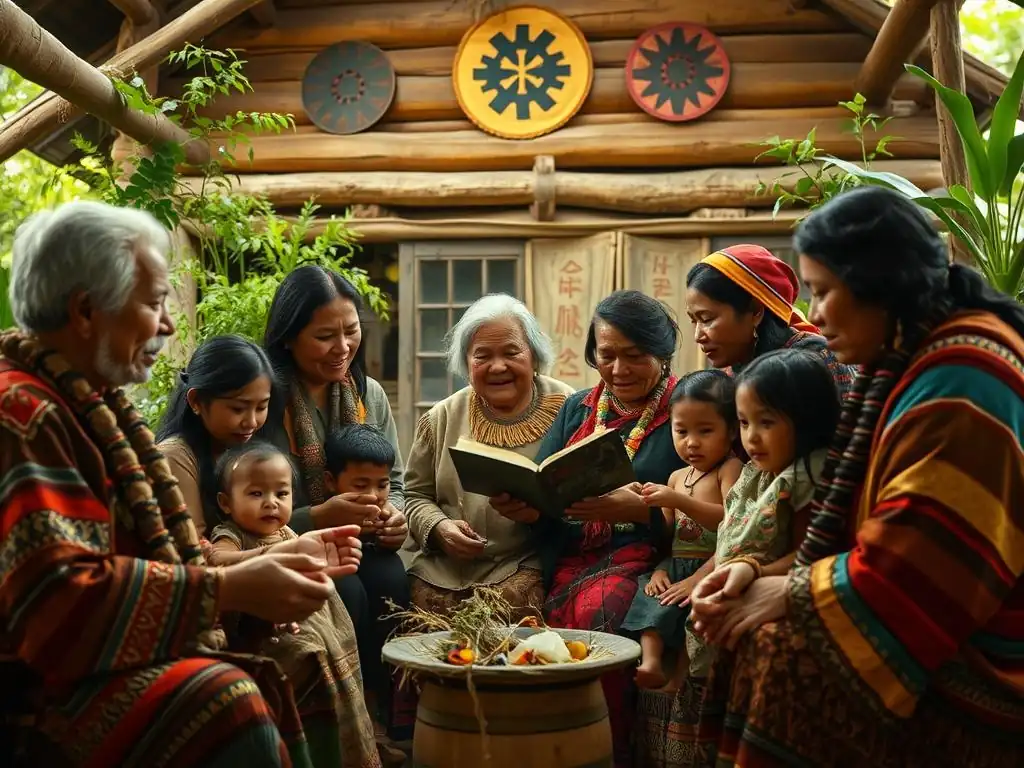
Strategies for Maintaining Family Cohesion
Indigenous family structures have demonstrated remarkable resilience throughout history, particularly in the face of colonization and cultural disruption. One of the key strategies for maintaining family cohesion has been the emphasis on interdependence and collaboration among family members. This reliance on collective support systems fosters a sense of unity and belonging, which is crucial for psychological and emotional well-being.
- Communication and Storytelling: Regular communication within families helps to strengthen bonds. Storytelling, in particular, plays a vital role in passing down knowledge, values, and traditions from one generation to the next. This practice not only reinforces family ties but also instills a sense of identity and purpose.
- Community Engagement: Many Indigenous families maintain their cohesion by actively participating in community events and rituals. This engagement creates a network of support that extends beyond the immediate family, allowing for shared resources and emotional backing.
- Adaptation and Flexibility: Indigenous families often exhibit adaptability in their structures and roles. This flexibility allows them to navigate changes and challenges effectively, ensuring that family members can rely on one another in times of need.
Role of Extended Families in Resilience
Extended families, consisting of multiple generations and relatives, play a pivotal role in the resilience of Indigenous family structures. Their involvement provides a broader support network, ensuring that cultural values and practices continue to thrive.
- Resource Sharing: Extended families often pool resources, whether it be food, childcare, or financial support. This sharing mitigates the pressures of economic hardship and allows for a more sustainable way of living.
- Cultural Transmission: Grandparents and elders are instrumental in educating younger generations about their heritage. This cultural transmission not only preserves traditional knowledge but also reinforces family identity and pride.
- Emotional Support: The presence of extended family members provides emotional stability. Having multiple caregivers and mentors helps children and young adults navigate the complexities of life, ensuring that they have various perspectives and advice available to them.
Preservation of Cultural Practices and Traditions
The preservation of cultural practices and traditions is central to the resilience of Indigenous family structures. Despite centuries of colonization and cultural erasure, many Indigenous communities have successfully maintained their unique customs through various means.
- Ceremonies and Rituals: Engaging in traditional ceremonies and rituals reinforces cultural identity. These practices not only celebrate heritage but also strengthen familial bonds, as families gather to participate in time-honored traditions.
- Arts and Crafts: Creative expression through arts and crafts serves as a vital outlet for cultural preservation. Many families engage in traditional arts, such as weaving, pottery, and beadwork, which are passed down through generations, keeping the culture alive.
- Language Revitalization: Language is a crucial component of cultural identity. Many Indigenous families prioritize the teaching and use of their native languages, ensuring that linguistic heritage is preserved. This effort not only fosters a sense of belonging but also reinforces the values and worldview embedded in the language.
The resilience of Indigenous family structures is a multifaceted phenomenon, deeply rooted in strategies for maintaining cohesion, the roles of extended families, and the preservation of cultural practices and traditions. These elements work together to ensure that Indigenous families not only survive but thrive, fostering a rich cultural legacy for future generations.
Gender Roles within Indigenous Family Structures
Indigenous family structures have historically been shaped by distinct gender roles that not only dictate the responsibilities within the household but also contribute significantly to the resilience of these families in the face of colonization and cultural disruption. Understanding the dynamic interplay between gender and family resilience offers insights into how indigenous communities have navigated challenges while maintaining their cultural identity and social cohesion.
The Influence of Gender on Family Resilience
Gender roles within indigenous families are not merely about division of labor; they embody a system of values and responsibilities that reinforce familial bonds and community ties. Resilience in indigenous family structures has often stemmed from a balanced distribution of roles that empower both men and women.
- Complementary Roles:
- Men often engage in physical labor and protection, while women typically manage the domestic sphere, including nurturing children and maintaining cultural practices. This division fosters a sense of mutual respect and dependence that strengthens family ties.
- In many indigenous cultures, these roles are not strictly defined but rather fluid, allowing individuals to step into roles as needed, which enhances adaptability in times of crisis.
- Cultural Transmission:
- Gender roles play a crucial part in the transmission of cultural knowledge. Elders, regardless of gender, pass down traditions and teachings to younger generations, ensuring that cultural practices endure despite external pressures.
- For instance, storytelling, which is often a communal activity, involves both men and women, helping to weave together the fabric of cultural identity.
Women’s Roles in Cultural Preservation
Women have been pivotal in preserving indigenous cultures through their roles as caretakers and educators. Their contributions are often underappreciated but are foundational to the resilience of indigenous family structures.
-
Custodians of Tradition:
Women traditionally hold the responsibility for teaching children about cultural practices, languages, and histories. This role is crucial in maintaining cultural continuity, especially during periods of upheaval.
-
Community Leadership:
In many indigenous societies, women also take on leadership roles in community decision-making processes. Their voices contribute to the resilience of the family unit and the broader community, as they advocate for the preservation of cultural practices and social justice.
-
Economic Contributions:
Women often engage in subsistence farming, crafting, and trading, which not only supports their families economically but also reinforces social networks that are vital during challenging times. This economic agency is a cornerstone of resilience, allowing families to adapt and thrive.
Men’s Contributions to Family and Community Resilience
While women play a crucial role in cultural preservation, men also contribute significantly to the resilience of indigenous family structures through various means.
-
Protection and Provisioning:
Traditionally, men have taken on roles as providers and protectors. Their involvement in hunting, fishing, and gathering resources is not just about sustenance but also about ensuring the safety and stability of their families during crises.
-
Mentorship and Role Modeling:
Men often serve as mentors to younger generations, instilling values of strength, responsibility, and community involvement. This mentorship is crucial for fostering resilience as it prepares youth to face challenges and maintain cultural identity.
-
Community Engagement:
Men frequently participate in community governance and activism, addressing issues such as land rights and cultural preservation. Their engagement in these areas helps bolster family and community resilience, ensuring that indigenous voices are heard and respected.
Through understanding the distinct yet interconnected roles of men and women within indigenous family structures, we can appreciate the depth of their resilience. By valuing these contributions, we not only honor their historical significance but also recognize the ongoing strength of indigenous cultures in the face of modern challenges.
Case Studies of Resilient Indigenous Families
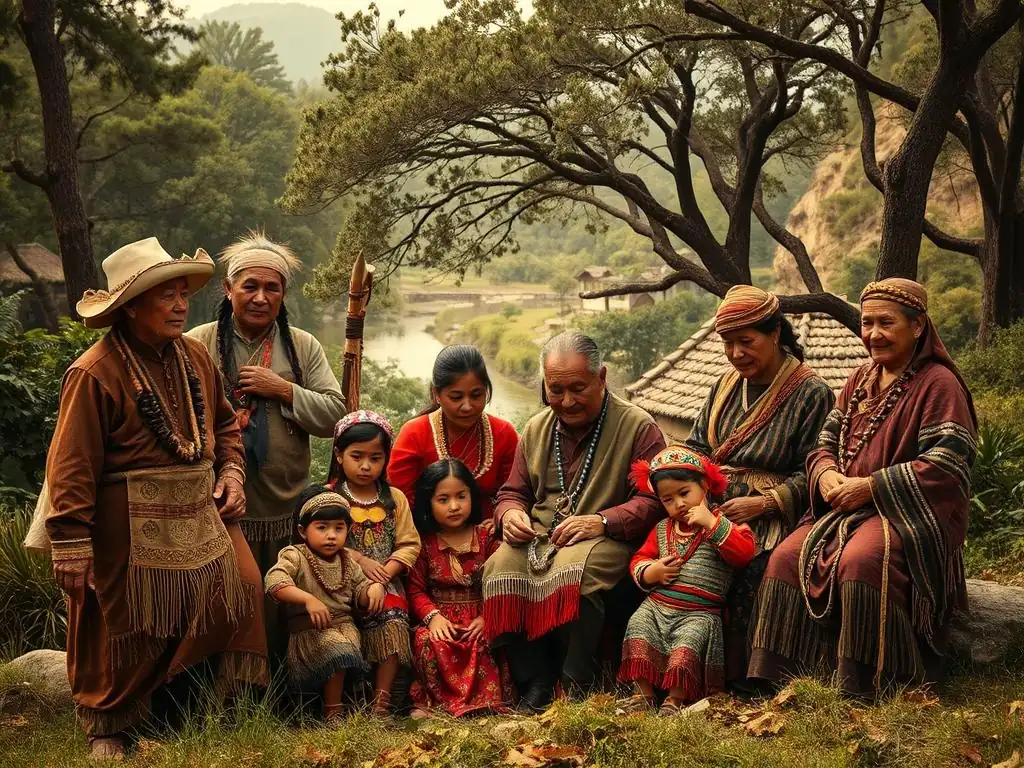
The resilience of Indigenous family structures is a testament to the adaptability and strength of these communities in the face of colonization and cultural disruption. By examining specific case studies, we can gain deeper insights into how families within different tribes navigated challenges while preserving their cultural identity and familial bonds.
The Navajo Nation, one of the largest Indigenous tribes in the United States, has demonstrated remarkable resilience through its unique family structures. Central to Navajo society is the concept of kinship, which extends beyond the nuclear family to encompass a broader network of relatives. This interconnectedness is crucial for emotional and financial support, particularly during times of hardship.
Key Aspects of Resilience in Navajo Family Structures:
- Matriarchal Influence:
- Traditionally, Navajo families are matrilineal, meaning lineage and inheritance are traced through the mother. This structure empowers women, granting them significant authority in familial and community decisions.
- Elders play a vital role in imparting cultural knowledge, ensuring that traditions are passed down through generations.
- Adaptation to Change:
- The Navajo Nation has adapted to external pressures, such as economic hardships and government policies, by reinforcing traditional values while integrating modern practices.
- For instance, the use of community-based programs to support families in need showcases a blend of traditional and contemporary approaches to welfare.
- Cultural Revitalization:
- Efforts to revitalize the Navajo language and cultural practices have been integral to family resilience. Language immersion schools and cultural workshops foster a sense of identity among younger generations.
- Community gatherings, such as sweat ceremonies and singing ceremonies, serve as platforms for families to reinforce their cultural ties.
Case Study 2: The Ojibwe Tribe
The Ojibwe Tribe, known for their rich cultural heritage and historical significance, presents another compelling example of resilience in Indigenous family structures. The Ojibwe have faced numerous challenges, including land dispossession and forced assimilation, yet their family units have remained strong.
Key Aspects of Resilience in Ojibwe Family Structures:
- Extended Family Networks:
- Ojibwe families often consist of extended kin, fostering a supportive environment where members share responsibilities for childcare, elder care, and community involvement.
- This extended network allows families to pool resources and knowledge, enhancing their adaptability to changing circumstances.
- Cultural Practices and Harvesting:
- The Ojibwe maintain a connection to their ancestral lands through practices such as wild rice harvesting and berry picking, which not only provide sustenance but also strengthen family bonds and cultural identity.
- Seasonal gatherings for these activities reinforce communal ties and educate younger generations about their heritage.
- Resilience through Education:
- Ojibwe communities have established educational initiatives that incorporate traditional teachings alongside modern curricula. This approach nurtures a strong sense of cultural pride and identity among youth.
- Programs aimed at reducing the dropout rate emphasize the importance of both academic success and cultural heritage, ensuring that Ojibwe youth remain connected to their roots.
The exploration of these case studies highlights the Indigenous family structures' resilience in the face of historical and contemporary challenges. Through the lens of the Navajo Nation and the Ojibwe Tribe, we see how cultural practices, kinship dynamics, and community support systems play a crucial role in sustaining Indigenous identities and family cohesion.
Modern Challenges Facing Indigenous Family Structures
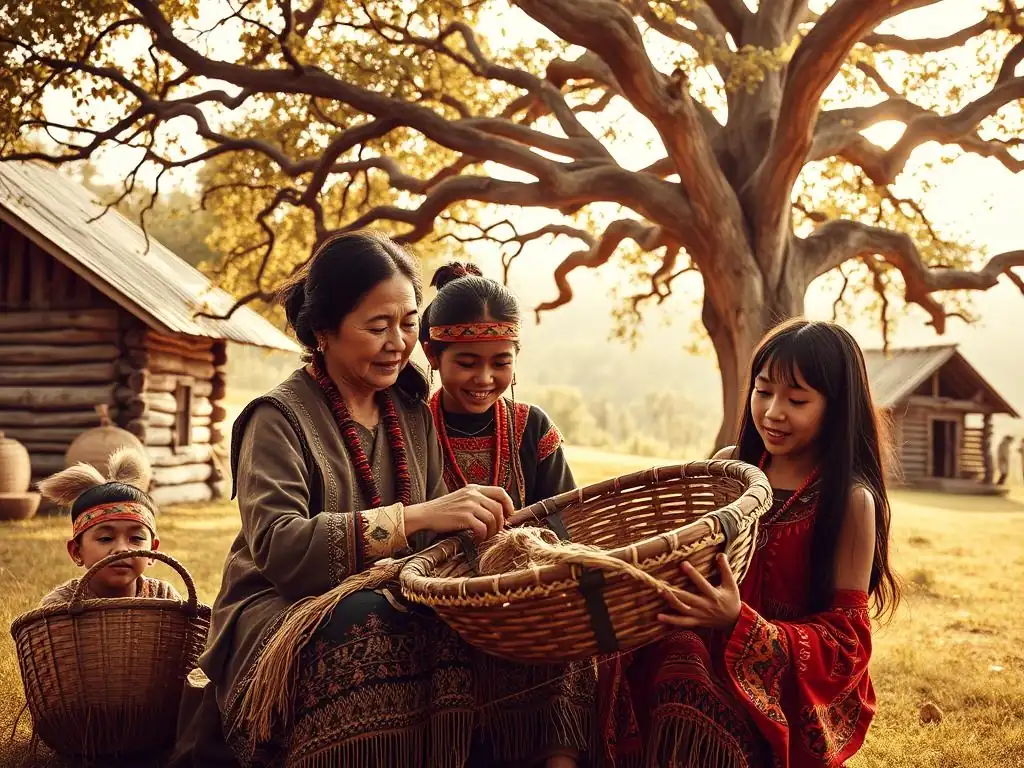
Indigenous family structures have demonstrated remarkable resilience throughout history, particularly in the face of colonization and cultural disruption. However, modern challenges continue to threaten these familial bonds. The intersection of historical trauma, economic disparities, and social changes creates a complex environment in which Indigenous families navigate their identities and cultural heritage.
Key challenges include:
- Cultural Displacement: The ongoing impact of colonization has led to the erosion of traditional practices and languages, undermining familial ties.
- Economic Struggles: Limited access to resources and employment opportunities can strain family dynamics, forcing members to migrate for better prospects.
- Health Disparities: High rates of chronic diseases and mental health issues within Indigenous communities can impact family wellbeing and cohesion.
These challenges necessitate a deeper understanding of how Indigenous families adapt and maintain their cultural identities amidst adversity.
Socioeconomic Factors Affecting Resilience
Socioeconomic factors play a crucial role in the resilience of Indigenous family structures. Economic instability, poverty, and lack of access to quality education significantly affect family dynamics and the ability to uphold cultural practices.
- Employment Opportunities: Many Indigenous communities face high unemployment rates, limiting their financial independence. This economic strain can lead to increased stress within families, impacting relationships and community ties.
- Access to Resources: The lack of access to healthcare, housing, and education further exacerbates socioeconomic challenges. Families often rely on community support systems, but these can be stretched thin due to limited resources.
- Intergenerational Trauma: Historical injustices have resulted in intergenerational trauma, affecting mental health and family cohesion. Understanding and addressing these traumatic experiences is essential for strengthening family structures.
Despite these challenges, many Indigenous families employ innovative strategies to maintain resilience. For instance, community-led initiatives often emphasize cultural education and economic empowerment, fostering a sense of unity and identity.
The Role of Education in Upholding Family Structures
Education serves as a cornerstone for the resilience of Indigenous family structures. It not only provides individuals with skills and knowledge but also plays a pivotal role in preserving cultural heritage and promoting community cohesion.
- Culturally Relevant Education: Implementing education that reflects Indigenous histories, languages, and values is critical. Programs that incorporate traditional teachings help strengthen familial bonds by fostering a sense of pride and identity among youth.
- Family Involvement: Engaging families in the educational process can enhance the learning experience for children. When parents and elders participate in educational initiatives, they reinforce the importance of cultural transmission and support the academic success of younger generations.
- Lifelong Learning: Education is not limited to formal schooling; it extends to community-based learning and mentorship. Families that prioritize lifelong learning create environments that encourage resilience, adaptability, and cultural continuity.
Education is a powerful tool that not only enhances individual potential but also fortifies Indigenous family structures against the pressures of modern society. By focusing on culturally relevant practices and promoting family involvement, Indigenous communities can ensure the survival and thriving of their cultural legacies.
The Future of Indigenous Family Structures
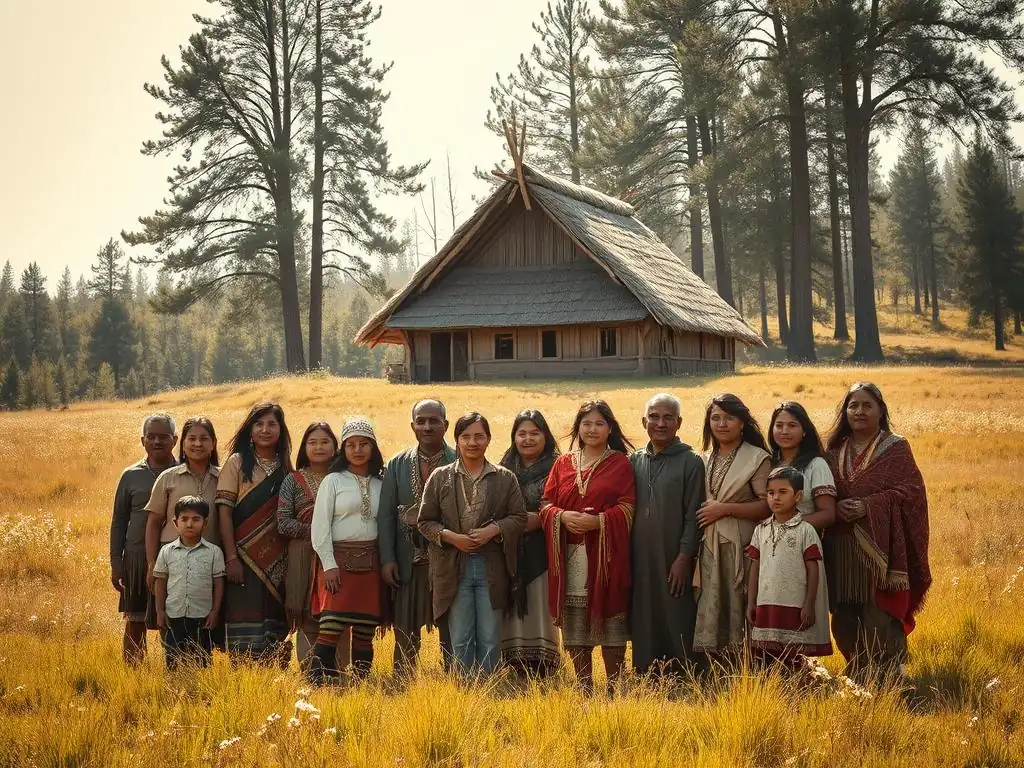
The resilience of Indigenous family structures is a testament to the strength and adaptability of these communities in the face of colonization and cultural disruption. As we look to the future, it is essential to recognize the ongoing efforts to revitalize these family structures and the critical role they play in nurturing cultural identity.
Revitalization Efforts and Community Initiatives
Many Indigenous communities are actively engaging in revitalization efforts aimed at restoring traditional family structures that have been impacted by colonization. These initiatives often focus on the following key areas:
- Cultural Education: Many communities are implementing educational programs that teach the values, languages, and traditions of their ancestors. This is particularly important for younger generations who may feel disconnected from their cultural heritage.
- Community Gatherings: Regular gatherings, such as powwows, cultural festivals, and family reunions, provide spaces for Indigenous families to connect, share stories, and reinforce their cultural identity. These events foster a sense of belonging and continuity.
- Elders' Role: Elders play a crucial role in the revitalization of Indigenous family structures. Their knowledge and experiences are invaluable in teaching younger generations about traditional practices, stories, and family roles. Elders often lead workshops and mentorship programs to ensure that cultural wisdom is passed down.
- Support Networks: Many Indigenous communities are establishing support networks that provide resources for families, including mental health services, parenting workshops, and assistance with navigating external systems like education and healthcare. These networks help families thrive in a modern context while maintaining their cultural integrity.
- Collaboration with NGOs: Indigenous groups are increasingly collaborating with non-governmental organizations to secure funding and resources for revitalization projects. These partnerships can enhance the reach and impact of community initiatives.
The Importance of Cultural Identity in Resilience
Cultural identity is a cornerstone of resilience for Indigenous family structures. It provides a sense of belonging and continuity that is vital for both individual and collective well-being. Here are some key aspects of how cultural identity contributes to resilience:
- Strengthening Family Bonds: A strong cultural identity fosters deeper connections among family members. Rituals, traditions, and shared values create a sense of unity that helps families navigate challenges together.
- Empowerment and Pride: Embracing cultural identity empowers Indigenous individuals and families. It instills pride in their heritage and achievements, countering the negative stereotypes and historical narratives perpetuated by colonization.
- Adaptation and Innovation: Resilient Indigenous families often blend traditional practices with contemporary realities. This adaptability allows them to thrive in a changing world while maintaining their cultural roots.
- Mental Health and Well-Being: Research has shown that a strong cultural identity positively impacts mental health outcomes in Indigenous populations. Families that engage with their culture tend to experience lower levels of depression and anxiety, contributing to overall resilience.
- Intergenerational Transmission: Cultural identity is passed down through generations, creating a legacy that strengthens family structures. By teaching younger members about their history and traditions, families ensure that their cultural identity endures.
The future of Indigenous family structures hinges on revitalization efforts and the steadfast importance of cultural identity. These elements work together to foster resilience, enabling Indigenous families to survive and thrive in the face of ongoing challenges. Through education, community initiatives, and the support of cultural practices, Indigenous families continue to adapt while honoring their rich heritage.
Conclusion: The Enduring Resilience of Indigenous Family Structures
Summary of Key Points
The exploration of Indigenous family structures reveals a remarkable tapestry of resilience that has allowed these communities to endure despite the significant challenges posed by colonization and cultural disruption. Key points include:
- Adaptation and Innovation: Indigenous families have continuously adapted their social structures and practices to address changing circumstances, including the imposition of colonial laws and the loss of traditional lands. This adaptability has been crucial in preserving cultural identity and community cohesion.
- Intergenerational Knowledge: The transmission of knowledge and cultural practices from one generation to the next has been a cornerstone of resilience. Elders play a vital role in teaching younger members about traditions, languages, and survival skills, ensuring that cultural heritage remains intact.
- Community Support Systems: Indigenous family structures often extend beyond the nuclear family, incorporating a broader network of kinship ties. This interconnectedness fosters strong community support systems that provide emotional, financial, and social assistance, crucial during times of crisis.
- Resistance and Activism: Many Indigenous communities have engaged in active resistance against colonial policies that threaten their family structures. This activism not only seeks to reclaim rights and lands but also aims to revitalize and strengthen Indigenous cultures and familial bonds.
Final Thoughts on the Importance of Family Resilience in Indigenous Communities
The resilience of Indigenous family structures is not merely a historical phenomenon; it is an ongoing testament to the strength and determination of these communities. As we reflect on the enduring impact of colonization, it is clear that the ability to adapt and thrive in the face of adversity remains a defining characteristic of Indigenous peoples.
Understanding the complexities of Indigenous family structures and their resilience is crucial for several reasons:
- Cultural Preservation: Family resilience plays a pivotal role in the preservation of cultural practices and languages, safeguarding them for future generations.
- Social Cohesion: Strong family and community ties contribute to social stability, helping to mitigate the effects of external pressures and fostering a sense of belonging.
- Empowerment and Healing: Recognizing the resilience of Indigenous family structures can empower communities in their healing journeys, inspiring pride in their heritage and identity.
- Policy Implications: Acknowledging the importance of these family structures in policy discussions can lead to more culturally sensitive and effective support systems, ensuring that Indigenous voices are heard and respected.
The resilience of Indigenous family structures is a powerful narrative of survival and strength. By honoring and understanding these familial dynamics, we can better appreciate the rich cultural landscapes of Indigenous communities and support their ongoing efforts to thrive in a rapidly changing world.
Frequently Asked Questions
What are the key aspects of indigenous family structures discussed in the article?
The article highlights the diversity and complexity of indigenous family structures, emphasizing their roles in community support, cultural transmission, and resilience against external pressures.
How did colonization affect indigenous family resilience?
Colonization disrupted traditional family dynamics and led to significant cultural dislocation, yet many indigenous families adapted and maintained their resilience through strong community ties and cultural practices.
What achievements of indigenous cultures are noted in relation to their family structures?
The article notes that indigenous cultures achieved remarkable social organization, established kinship networks, and developed sustainable practices that supported their families and communities.
How can understanding indigenous family structures today help contemporary societies?
Understanding these structures can offer insights into cultural resilience, promote cultural appreciation, and inform strategies for supporting indigenous rights and revitalizing cultural identity.
What is the lasting impact of indigenous family structures on modern indigenous communities?
The lasting impact includes the preservation of cultural values, practices, and social cohesion, which continue to play a crucial role in the identity and resilience of modern indigenous communities.
Final Reflection: The Enduring Strength of Indigenous Family Structures
The resilience of Indigenous family structures is not just a historical narrative; it is a living testament to the strength and adaptability of communities facing colonization and cultural disruption. Today, as we witness ongoing challenges to Indigenous rights and identities, the stories of survival and resistance embedded within these family structures resonate more than ever. They remind us that despite the forces of assimilation and oppression, Indigenous peoples have maintained their cultural integrity and familial bonds, showcasing an unwavering spirit that continues to inspire.
The influence of Indigenous family structures extends far beyond individual communities; it shapes the broader cultural and social landscape, fostering a sense of identity and belonging. These structures are not merely relics of the past; they are dynamic systems that adapt and thrive in contemporary society. As we reflect on this resilience, we can draw from the wisdom of Indigenous leaders who have articulated the importance of family in preserving culture. Our families are our first teachers, and through them, we learn the values that sustain us.
This perspective highlights the critical role families play in nurturing cultural continuity and community strength, emphasizing that the fight for Indigenous rights is intrinsically tied to the health of these familial bonds.
As we conclude this exploration of Indigenous family structures and their resilience, I invite you to reflect on your own connections and the role they play in your life. Consider how you can support Indigenous communities in their journey toward healing and empowerment. Whether through education, advocacy, or simply by honoring their stories, each of us has the power to contribute to a future where Indigenous cultures flourish. Let us carry forward the lessons of resilience and unity, ensuring that the legacy of Indigenous family structures continues to inspire generations to come.
Embrace the Strength of Indigenous Resilience!
Thank you for taking the time to explore the incredible resilience of Indigenous family structures amidst the challenges of colonization and cultural disruption. Your interest highlights the importance of understanding these powerful narratives. Now, let’s delve deeper and take meaningful action together!
- Join local Indigenous events or workshops to connect and learn firsthand about the rich traditions and values of Indigenous communities.
- Share this article with friends and family to spread awareness and foster conversations about Indigenous resilience and cultural survival.
- Consider volunteering with organizations that support Indigenous rights and the preservation of heritage — your involvement can make a significant difference!
How has learning about Indigenous family structures impacted your perspective on cultural resilience? Let's ignite a conversation in the comments below!