
Quipu and Memory: How the Incas Preserved History Through Knotted Strings

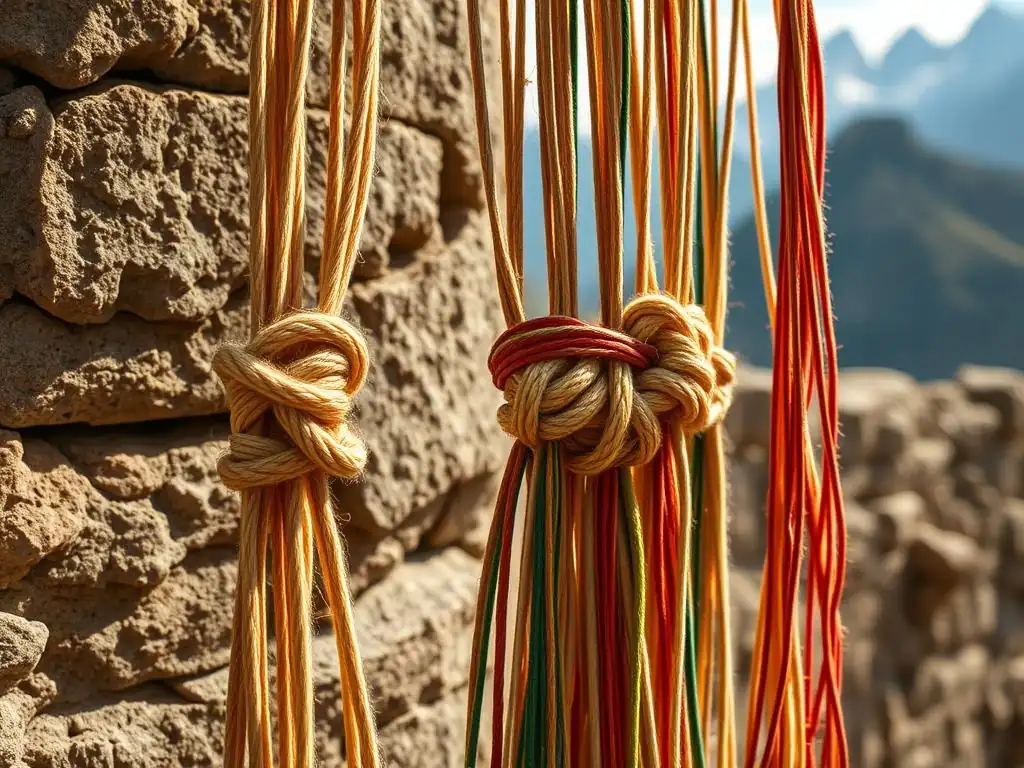
Welcome to Indigenous Civilizations of the Americas, where we invite you to embark on a fascinating journey through the rich tapestry of indigenous cultures that flourished long before European contact. In our featured article, “Quipu and Memory: How the Incas Preserved History Through Knotted Strings,” we delve into the remarkable ingenuity of the Inca civilization and their unique method of recording history through intricate knotted strings. Discover how these ancient tools transcended mere communication, becoming a vital part of their societal fabric.
Are you ready to unravel the mysteries of the past? Join us as we explore the enduring legacy of these incredible cultures and the stories they have left behind.
- Introduction to Inca Quipu and Memory Preservation
- The Role of Quipu in Inca History Preservation
- The Structure of Quipu and Its Significance
- The Process of Recording History with Quipu
- Comparing Quipu with Other Historical Record Systems
- The Legacy of Inca Quipu in Contemporary Understanding
- Conclusion: The Enduring Impact of Inca Quipu on Memory and History
- Frequently Asked Questions
- Final Reflection: The Enduring Legacy of Inca Quipu in History Preservation
- Unveil the Secrets of Indigenous History!
Introduction to Inca Quipu and Memory Preservation
The Inca civilization, renowned for its sophisticated society, remarkable engineering feats, and vast empire, also possessed a unique method of preserving history and information through the use of quipu. This intricate system of knotted strings served not only as a record-keeping tool but also as a means of communication and memory preservation in a culture that largely relied on oral traditions.
By examining the Inca quipu, we can gain insights into the complexities of their society, the significance of memory, and the ways in which they documented their achievements and history without a written language. This article delves into the Inca quipu history preservation, exploring how this fascinating system functioned and its lasting implications for understanding Inca culture and governance.
Overview of Inca Quipu System
The Inca quipu system, derived from the Quechua word for "knot," was a sophisticated method of recording information using a series of colored strings tied in various knots. Each quipu was a unique artifact, often composed of multiple strings of differing lengths and colors, each serving a specific purpose.
Key features of the quipu system include:
- Types of Knots:
- Single Knots: Used for basic counting.
- Complex Knots: Represented more complicated information, such as categories or multiple data points.
- Color Significance:
- Different colors represented distinct categories of information, such as textiles, agricultural produce, or census data.
- The color coding added another layer of meaning to the information stored within the knots.
- String Arrangement:
- The arrangement of strings on the quipu allowed for organized data storage, similar to a ledger or record book.
- The placement of knots and strings indicated the relationships between different data points.
Through this method, the Incas were able to maintain extensive records of their empire, from population counts to resource management, showcasing their advanced understanding of data organization.
Importance of Memory in Inca Society
Memory held a pivotal role in Inca society, particularly in the absence of a formal written language. The quipu was not merely a tool for record-keeping; it was a vital instrument for cultural continuity and communal identity.
Several factors highlight the importance of memory in Inca culture:
- Oral Tradition:
- The Incas relied heavily on oral history to transmit knowledge, stories, and cultural practices across generations.
- Quipu served as a complement to oral traditions, ensuring that vital information was preserved for future reference.
- Administrative Functions:
- The quipu was essential for the administration of the vast Inca Empire, enabling the storage of crucial information regarding taxes, tributes, and military organization.
- Accurate memory and record-keeping were vital for effective governance and resource distribution.
- Cultural Heritage:
- The preservation of history through quipu allowed the Incas to maintain their cultural identity and legacy, even in the face of external challenges and eventual colonization.
- By intertwining memory and identity, the quipu became a symbol of resistance and resilience.
The Inca quipu system was a remarkable achievement in history preservation, reflecting the ingenuity of the Inca civilization. Understanding its significance offers valuable insights into the broader context of Inca culture and society.
The Role of Quipu in Inca History Preservation
Definition and Function of Quipu in Inca Culture
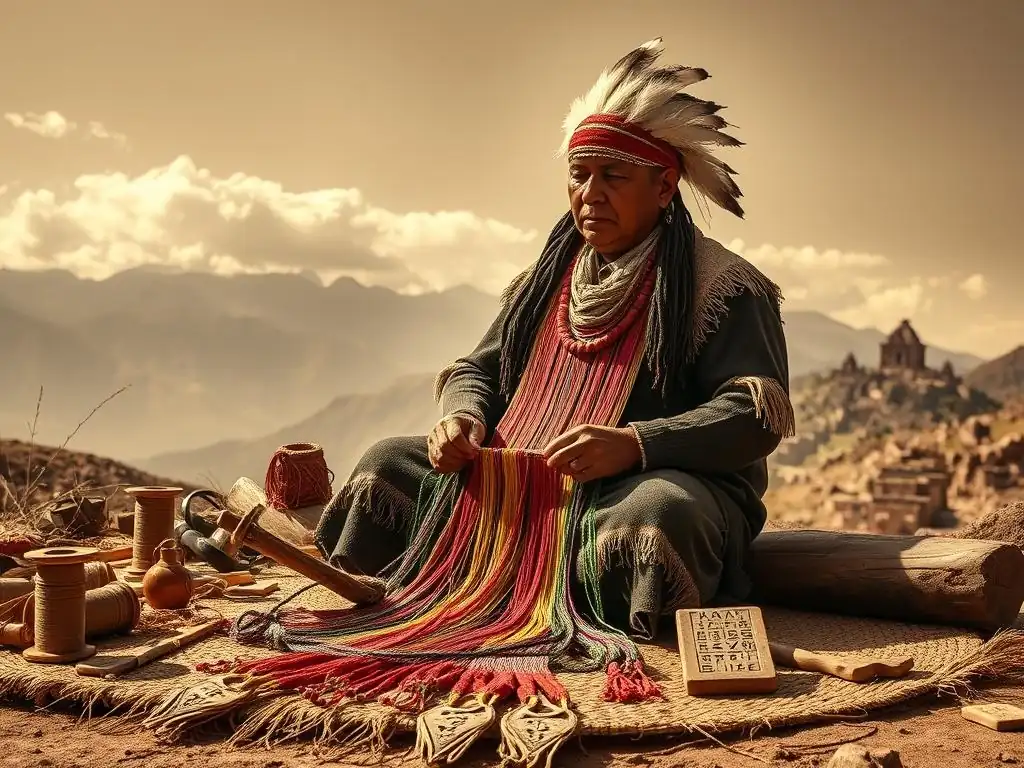
Quipu, a remarkable system of knotted strings, played a crucial role in the Inca civilization, serving as a sophisticated tool for communication and record-keeping. The term "quipu" derives from the Quechua word meaning "knot." This unique method, which consisted of various colored strings tied into intricate knots, was employed by the Incas to convey complex information and maintain administrative control over their vast empire.
- Structure: A typical quipu consists of a main cord with multiple pendant strings attached. The positioning, color, and type of knot used were significant in conveying specific meanings.
- Color Significance: Different colors represented various categories of information, such as accounting, census data, and tribute obligations. For instance, red might indicate wealth or military resources, while yellow could signify agricultural production.
- Knot Variations: The knots themselves varied in type (e.g., single, double, or figure-eight knots) and size, each corresponding to different data values. This intricate coding system allowed the Incas to encode numerical data effectively.
Quipu was primarily used by specially trained individuals known as "khipukamayuq," who were responsible for the creation, maintenance, and interpretation of these records. This practice underscores the importance of quipu not only as a record-keeping tool but also as a foundational aspect of Inca administrative and cultural identity.
How Quipu Served as a Historical Record
The Inca quipu system was instrumental in preserving history and facilitating the management of the empire's extensive resources. Through its unique encoding capabilities, quipu provided a means to document various aspects of Inca society.
- Administrative Records:
- Quipu functioned as a ledger for tracking resources, including agricultural yields, tax collections, and labor contributions. This meticulous record-keeping ensured that the centralized government could efficiently allocate resources and plan for the needs of the populace.
- Census Data:
- The Incas conducted regular censuses to assess population size and distribution. Quipu was utilized to record the number of people in various communities, their social status, and their contributions to the empire, allowing for effective governance and resource management.
- Historical Narratives:
- While primarily numerical, quipu also encoded narratives and stories of significant events. The khipukamayuq could recount historical occurrences, such as military victories or major societal changes, through a series of knots, effectively preserving oral histories for future generations.
- Cultural Transmission:
- Quipu served as a medium for transmitting knowledge across generations. As the Inca empire expanded, quipu facilitated the sharing of administrative practices and cultural norms, preserving the identity and heritage of diverse communities within the empire.
The Inca quipu history preservation was a multifaceted system that not only tracked numerical data but also encapsulated the rich tapestry of Inca culture and administration. Through its unique design and functionality, quipu stands as a testament to the ingenuity of the Inca civilization in preserving their history and managing their vast empire.
The Structure of Quipu and Its Significance
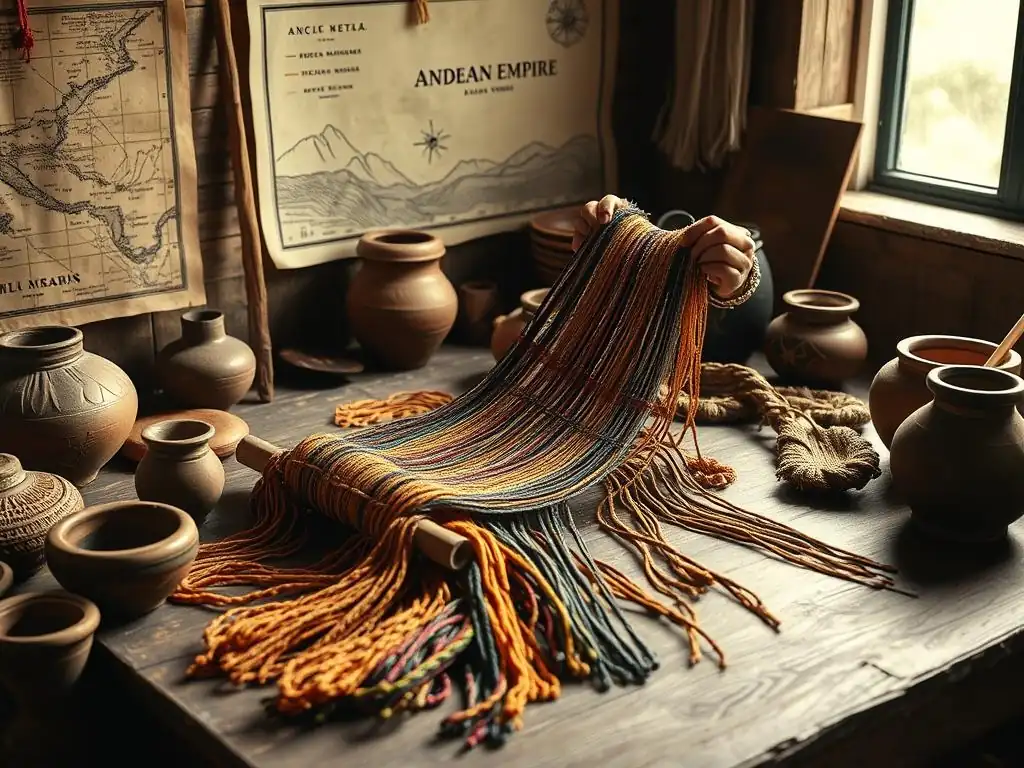
The Inca quipu, a remarkable system of knotted strings, served as a vital tool for the preservation of history and information in ancient Andean society. This intricate device was not merely a collection of strings; it represented a sophisticated method of record-keeping and communication that played an essential role in the administration and culture of the Inca Empire.
Components of Quipu: Knots, Strings, and Colors
At its core, a quipu consists of several key components that work together to encode information:
- Strings: The primary material of a quipu, typically made from cotton or llama wool, is carefully twisted and dyed. The length and thickness of these strings can vary, providing essential context for the information they convey.
- Knots: The knots tied in the strings are crucial to the quipu's function. Each knot can signify different values or categories, and they can be categorized into various types:
- Single knots represent units.
- Long knots may signify tens or hundreds, depending on their placement.
- Figure-eight knots can denote more complex information or categories.
- Colors: The colors of the strings play a significant role in conveying additional meaning. Different colors could indicate various subjects, such as:
- Red for military counts.
- White for agricultural data.
- Yellow for fiscal records.
This combination of knots, strings, and colors allowed the Inca to create a multi-layered, tactile language that effectively communicated complex information without written words.
Understanding the Encoding of Information in Quipu
The encoding of information in quipu is a fascinating interplay of mathematics and memory. The Inca civilization utilized this system to maintain records on various aspects of their society, including population counts, taxation, resource distribution, and even historical events.
- Numerical Encoding: At the heart of quipu's functionality is its ability to encode numerical data. The position of knots along the strings signifies different numerical values, allowing for the representation of large quantities efficiently. For instance:
- A knot positioned at the top of a string may represent a higher numerical significance than one positioned lower down.
- Categorization: Beyond mere numbers, quipu also facilitated the categorization of data. Different strings could represent different types of information, such as:
- Census data: Including population and demographics.
- Economic information: Such as tribute collected from various regions.
- Memory Aid: Quipus served not only as records but also as memory aids for the Inca administrators. When a quipu bearer recited the details encoded within the knots, they would often recall intricate stories and histories associated with the data, creating a living memory of the empire's past.
The Inca quipu system exemplifies an innovative approach to history preservation through its unique structural components and encoding techniques. This intricate method highlights the Inca's advanced understanding of record-keeping and their ability to convey complex information in a society that thrived long before the advent of written language. Understanding the structure and significance of quipu enriches our appreciation for the sophisticated societies that existed in the Americas prior to European colonization.
The Process of Recording History with Quipu
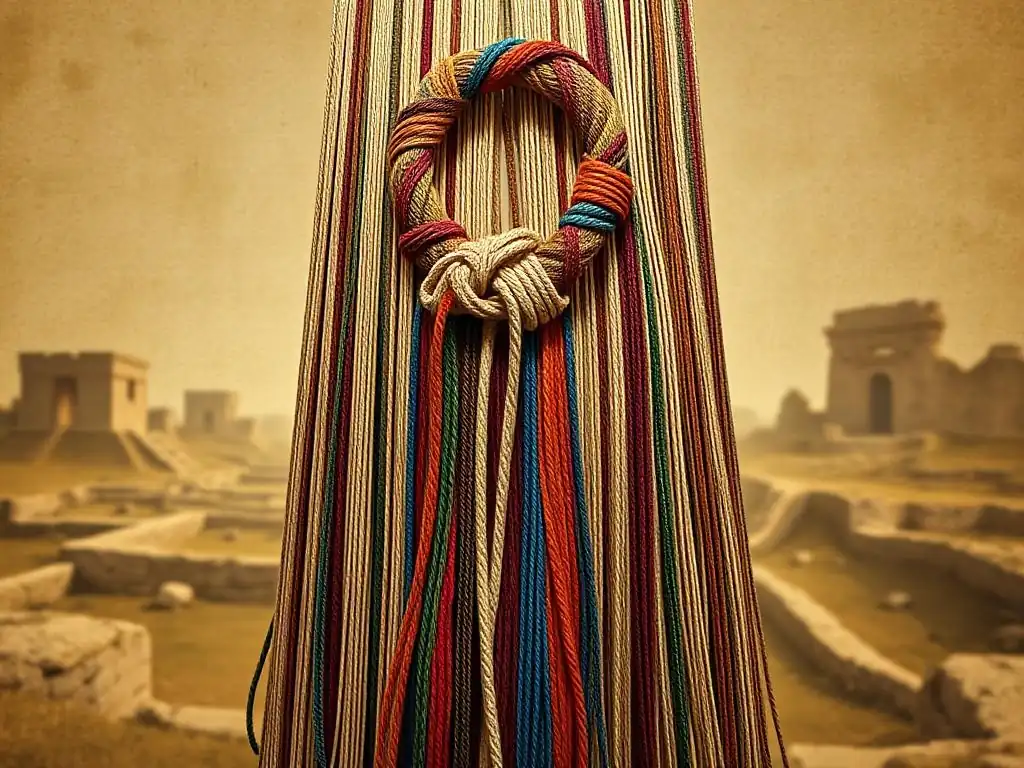
The Inca civilization developed a unique and intricate system for recording history and managing information using quipu, which translates to "knot" in Quechua. This system employed a series of colored strings, often made from cotton or wool, with various knots tied at different intervals. The process of recording history with quipu was sophisticated and multifaceted, allowing the Incas to maintain an organized repository of information without a written language.
Techniques Used by Inca Record Keepers
Inca record keepers, known as quipucamayocs, were highly trained individuals responsible for maintaining and interpreting quipus. They employed several techniques to ensure accurate and effective recording of data:
- Color Coding: Different colors represented various categories of information. For instance:
- Red might signify military matters.
- Green could denote agricultural data.
- Yellow might refer to taxation or resources.
- Knot Types and Placement: The type of knot (such as a simple knot, figure-eight, or long knot) conveyed different meanings, while the positioning of the knots along the string indicated numerical values or hierarchies.
- String Length and Thickness: The length and thickness of the strings also played a crucial role. Longer strings could indicate larger quantities or more significant events, while thinner strings might represent lesser details.
- Combination of Strings: Multiple strings could be combined to create a more comprehensive record, allowing for a richer narrative that encompassed various aspects of an event or situation.
- Oral Tradition Integration: Quipu was often used in conjunction with oral traditions, where quipucamayocs would narrate stories or events while displaying the quipu, enriching the understanding of the recorded history.
The combination of these techniques enabled the Incas to meticulously document their administrative, economic, and social history, preserving essential information for future generations.
Examples of Historical Events Documented in Quipu
Quipu serves as a testament to the Incas' advanced methods of documentation, highlighting significant historical events and practices. Some notable examples include:
- Census Records: Quipu was utilized to record population counts, vital for taxation and resource allocation. The Incas conducted regular censuses, and quipu provided a systematic way to track demographic changes.
- Military Campaigns: Notable military exploits, including victories and conquests, were often recorded with quipu. For instance, the quipu could document troop movements, supplies needed, and outcomes of specific battles.
- Agricultural Production: Quipu also played a crucial role in agricultural management. Records of crop yields, planting times, and harvest quantities were meticulously noted, allowing for efficient planning and distribution of resources.
- Tribute Payments: The Incas implemented a tribute system where various regions were required to pay taxes in the form of goods or labor. Quipu documented these obligations, ensuring that tribute collection was organized and systematic.
- Ceremonial Events: Important ceremonies, including religious rituals and festivals, were recorded in quipu. These records often outlined the participants, offerings made, and the significance of the events.
The preservation of history through quipu reflects the Inca's innovative approach to record-keeping and their understanding of the importance of memory in maintaining societal structure and continuity. The quipu not only served as a functional tool for administration but also as a cultural artifact that encapsulated the essence of Inca civilization.
Comparing Quipu with Other Historical Record Systems
Quipu vs. Written Language: Advantages and Limitations
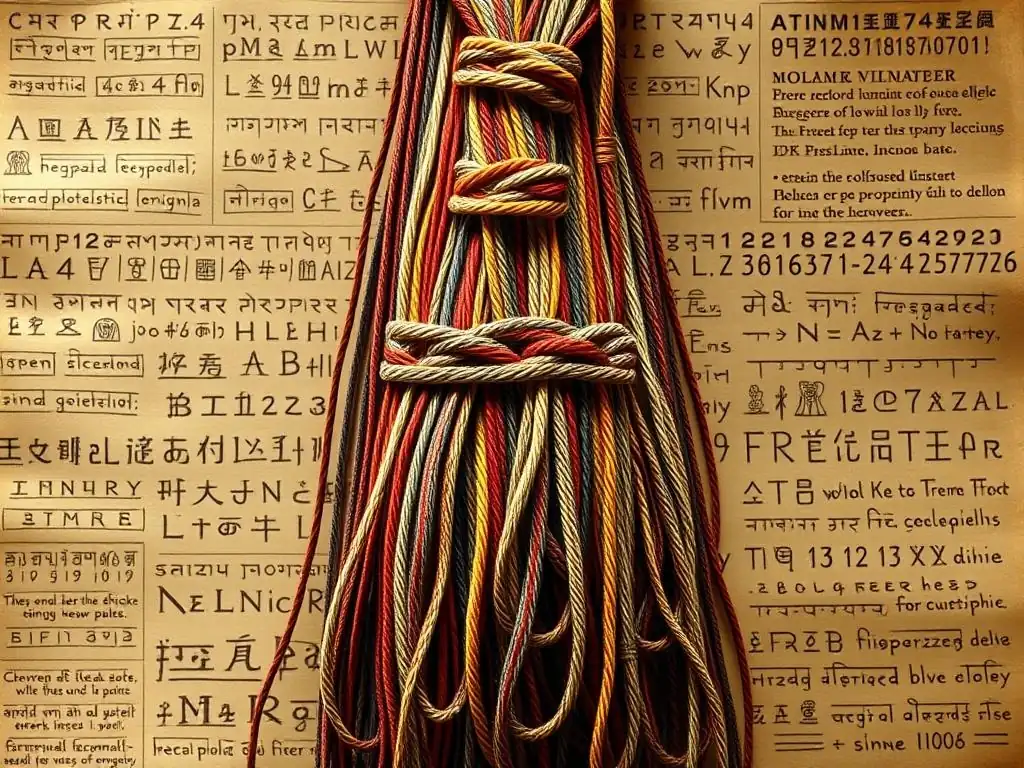
The Inca quipu system, a complex arrangement of knotted strings, served as a vital means of communication and record-keeping for the Inca Empire. Understanding its advantages and limitations in comparison to written language offers valuable insights into the adaptability of indigenous cultures in preserving history.
Advantages of Quipu
- Accessibility:
- Quipu was more accessible to the majority of the Inca population, many of whom were illiterate and did not have formal education in written language. This allowed for broader participation in record-keeping and information dissemination.
- Visual Representation:
- The visual nature of quipu allowed for information to be conveyed quickly. Different colors, knot types, and string arrangements could symbolize various concepts, making it easier to remember and communicate complex data.
- Flexibility:
- The adaptability of quipu meant that it could represent a wide range of information, from census data to tribute records. This flexibility was crucial for the administration of a vast empire.
- Memory Aid:
- The tactile and visual aspects of quipu acted as a memory aid, facilitating oral traditions. The knotted strings served as mnemonic devices, allowing keepers to recall extensive information during oral recitations.
Limitations of Quipu
- Ambiguity:
- Unlike written language, which can convey precise meanings through grammar and syntax, quipu's interpretation can be subjective. Without a standardized method of decoding, its meaning could vary among different users.
- Lack of Narrative:
- Quipu did not encapsulate narratives or complex ideas in the same way that written text could. This limited its ability to convey stories or detailed accounts of events, which are often crucial for historical preservation.
- Dependency on Memory:
- The effectiveness of quipu was heavily reliant on the memory of the individual interpreting it. If the quipu keeper was unavailable or unable to recall the associated meanings, the information could be lost.
- Limited Scope:
- While quipu was effective for administrative and numerical records, it was less suited for literary or philosophical exploration, which are often conveyed through written language.
Insights from Other Indigenous Civilizations on Memory Preservation
Indigenous cultures across the Americas developed various methods for preserving history and memory, each with unique characteristics influenced by their environments and societal structures. Examining these systems can provide a broader context for understanding the significance of quipu in history.
- Storytelling Traditions:
- Many indigenous groups, such as the Navajo and the Lakota, utilized storytelling as a primary means of preserving their history. Oral histories, passed down through generations, served not just as entertainment but as a method of cultural transmission, embedding morals and lessons within narratives.
- Pictographs and Petroglyphs:
- Civilizations like the Plains Indians and the Ancestral Puebloans used pictographs and petroglyphs to convey significant events and spiritual beliefs. These visual records were carved or painted on rocks and offered a form of historical documentation that complemented oral traditions.
- Ceremonial Objects:
- Various indigenous cultures crafted ceremonial objects imbued with historical significance. For example, the use of masks in rituals often carried stories of ancestors and historical events, serving as a living memory of cultural identity.
- Community Engagement:
- Memory preservation was often a communal effort, with entire communities participating in ceremonies and storytelling sessions. This collective approach ensured that history was not just an individual responsibility but a shared cultural legacy.
While quipu represents a unique and effective system of record-keeping for the Inca civilization, it is essential to recognize it within the broader tapestry of indigenous memory preservation techniques. Each method, whether oral, visual, or communal, reflects the values and needs of the respective cultures, enriching our understanding of their histories and contributions.
The Legacy of Inca Quipu in Contemporary Understanding
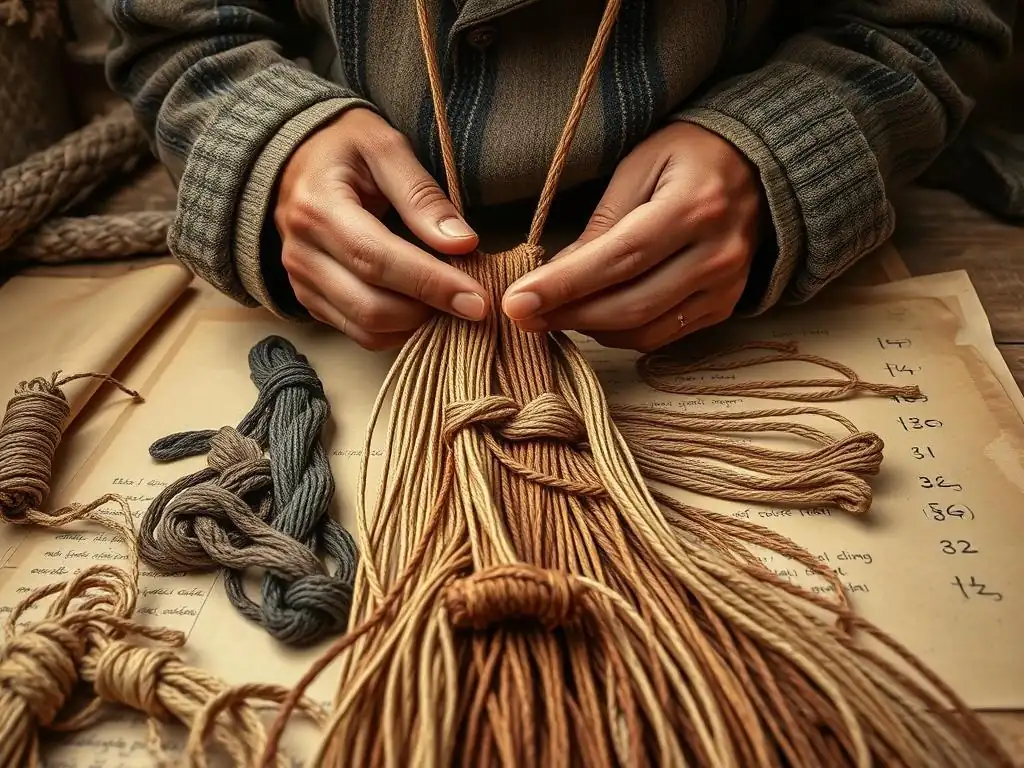
The Inca quipu, a sophisticated system of knotted strings, serves as a remarkable testament to the ingenuity and complexity of Inca civilization. This ancient tool not only facilitated the storage and transmission of information but has also left a lasting legacy that continues to influence contemporary understanding of pre-Columbian history. The legacy of Inca quipu extends beyond mere record-keeping; it embodies a unique perspective on how societies can preserve their histories without a written language.
One of the most significant aspects of the legacy of quipu is its role in challenging traditional narratives about literacy and civilization. The Inca used quipu as an effective means of communication, demonstrating that complex societies can thrive without the reliance on written text. This realization prompts modern historians and anthropologists to reevaluate their assumptions about cultural sophistication and the forms of knowledge that exist within non-literate societies.
Additionally, the quipu offers insight into the administrative and economic systems of the Inca Empire. By analyzing quipu records, researchers have been able to reconstruct aspects of Inca society, such as population statistics, taxation, and resource distribution. The concept of memory preservation through quipu is not merely a relic of the past; it serves as a template for understanding how oral and non-textual traditions can maintain cultural continuity over generations.
The Relevance of Quipu in Modern Historical Studies
In recent years, the study of Inca quipu has gained renewed attention among historians and archaeologists, highlighting its relevance in modern historical studies. The quipu's intricate design and the various knots and colors used in its construction are now recognized as valuable sources of information that provide insights into the socio-economic and political intricacies of the Inca Empire.
Researchers are employing advanced technologies to analyze quipu, including digital imaging and 3D modeling. This innovative approach allows historians to visualize and interpret the data encoded in quipu more effectively. For instance, studies have revealed that different knot types signify various numerical values, while the arrangement of strings can denote different categories of information.
Furthermore, the interdisciplinary nature of quipu research has sparked collaboration between historians, linguists, and computer scientists. This collaboration enhances the understanding of how Inca quipu functioned as a complex communication tool, bridging the gap between numerical data and narrative storytelling. As a result, quipu is increasingly recognized as a crucial element in reconstructing the broader historical narrative of the Americas before European contact.
The ongoing research related to Inca quipu is uncovering new dimensions of its use and significance. Scholars are delving into previously unexamined quipu specimens, leading to exciting discoveries that reshape our comprehension of Inca history. Recent findings have identified quipu that not only recorded numerical data but also conveyed messages related to cultural practices, rituals, and even personal narratives.
One notable project involves the analysis of quipu with the aid of machine learning algorithms. These algorithms are trained to recognize patterns within the knots and strings, enabling researchers to decode quipu more efficiently. This technological advancement holds the potential for breakthroughs in understanding the full scope of information quipu contained, including the possibility of narratives that reflect the lived experiences of Inca individuals.
Additionally, researchers are exploring the connections between quipu and other indigenous memory systems across the Americas. By comparing quipu with similar practices, such as the use of wampum by Native American tribes, scholars are gaining insights into the broader context of memory preservation techniques utilized by diverse cultures.
The ongoing research and discoveries surrounding Inca quipu continue to illuminate its critical role in the history of the Americas. As scholars strive to decode its complexities, the quipu serves as a powerful reminder of the diverse ways in which cultures preserve their histories, offering invaluable lessons for contemporary society regarding the importance of memory and storytelling.
Conclusion: The Enduring Impact of Inca Quipu on Memory and History
Preserving history is a crucial aspect of any civilization, and the Inca Empire was no exception. The Inca quipu, a sophisticated system of knotted strings, played a pivotal role in this process, allowing the Incas to maintain records and convey information across vast distances. This unique method of data storage not only represented the intricate social and economic structures of the Inca society but also exemplified the ingenuity of indigenous practices in history preservation.
Reflection on the Importance of Inca Contributions to History Preservation
The Inca civilization's contribution to history preservation through the quipu system is a testament to their advanced understanding of information management. Unlike written language, which was often limited to certain classes, the quipu was accessible and utilized by various members of society. This inclusivity allowed for a broader range of knowledge to be recorded and passed down, ensuring that important information about agriculture, census data, and historical events was preserved for future generations.
- Multi-faceted use of quipu:
- Administrative record-keeping: The quipu served as a tool for collecting and managing data related to labor, taxes, and resources.
- Cultural storytelling: Quipus were also used for oral traditions, encoding narratives that reflected the Inca worldview and historical significance.
- Education and training: The quipu system provided a means for teaching and learning, as individuals learned to interpret the knots and their meanings.
The Inca's innovative approach to memory and record-keeping has inspired modern historians and anthropologists, highlighting the importance of indigenous methods in understanding human history. The quipu remains a symbol of resilience, adaptability, and cultural richness, emphasizing the need to appreciate diverse methods of preserving history.
Final Thoughts on the Role of Quipu in Indigenous Civilizations
The legacy of the Inca quipu transcends mere historical records; it serves as a powerful reminder of the complex and diverse indigenous civilizations that once thrived in the Americas. As we reflect on the role of quipu in the preservation of history, it becomes evident that this unique system not only fulfilled practical needs but also played a significant role in the cultural identity of the Inca people.
- Cultural significance:
- Inca quipu is emblematic of the broader indigenous commitment to memory and cultural continuity.
- It challenges the Eurocentric view of history, showcasing alternative forms of knowledge transmission that were sophisticated and effective.
The Inca quipu system exemplifies how indigenous civilizations utilized innovative techniques to preserve their rich histories. By recognizing the importance of the quipu in Inca society, we deepen our understanding of the intricacies of indigenous culture and its lasting impact on historical preservation. As we continue to explore these themes, it is essential to honor and respect the contributions of the Inca and other indigenous peoples to the tapestry of human history.
Frequently Asked Questions
What is a quipu?
A quipu is a traditional Incan device made of knotted strings used for record-keeping and communication. It served as a way to preserve important information in the absence of a written language.
How did the Incas use quipus for history preservation?
The Incas utilized quipus to record various aspects of their civilization, including economic data, census information, and historical events. Each knot and string color carried specific meanings, allowing for a complex system of documentation.
What role did quipus play in Incan society?
In Incan society, quipus were crucial for administration and organization. They helped manage resources and maintain records, contributing to the empire's overall efficiency and governance.
Is there ongoing research about quipu?
Yes, there is continuous research into quipu, focusing on deciphering its meanings and understanding its significance in preserving Incan history. Scholars are working to unlock the secrets of these ancient records.
Why is the study of quipu important today?
Studying quipu is essential for understanding the cultural heritage of the Incas and other indigenous peoples. It provides insights into their sophisticated systems of communication and record-keeping, which are vital for appreciating their contributions to history.
Final Reflection: The Enduring Legacy of Inca Quipu in History Preservation
The intricate art of Inca quipu history preservation serves as a powerful reminder of how cultures can innovate to maintain their narratives and identities. Today, as we navigate an era dominated by digital information, the significance of preserving history through tangible means resonates deeply. The quipu, with its knotted strings, not only encapsulates the rich tapestry of Inca civilization but also challenges us to consider how we document and remember our own stories in a rapidly changing world.
The influence of quipu extends beyond its historical context; it continues to shape our understanding of memory and communication in contemporary society. As we reflect on the ways we record our histories, the quipu stands as a testament to human ingenuity and resilience. The ability of the Incas to convey complex information through a simple yet profound medium invites us to appreciate the diverse methods of storytelling that exist across cultures. Memory is the treasure house of the mind wherein the monuments thereof are kept and preserved.
– Thomas Fuller. This quote encapsulates the essence of how memory, much like the quipu, is a vital part of our collective identity.
As we conclude this exploration of the Inca quipu, I invite you to reflect on your own methods of preserving memories and stories. How do you document your experiences, and what narratives do you wish to pass on? Consider embracing the lessons of the quipu by finding creative ways to weave your history into the fabric of your life. Whether through writing, art, or shared conversations, let us honor the past while ensuring that our stories continue to resonate for generations to come.
Unveil the Secrets of Indigenous History!
Thank you for diving into the fascinating world of the Incas and their unique way of preserving history through quipu! Your interest in this rich cultural heritage highlights the importance of understanding and celebrating Indigenous civilizations. Now that you’re inspired, it's time to take action and further your journey of exploration.
Here are some impactful steps you can take:
- Explore further: Delve deeper into the history of the Incas and other Indigenous cultures by accessing our extensive resources and articles on indigenouscivilizationsofamericas.com.
- Join the conversation: Share your insights and thoughts about quipu and other forms of memory preservation in our community forum. **Your voice matters! **
- Preserve the knowledge: Start a project or a blog showcasing the stories of Indigenous peoples in your own community and **uncover** the forgotten histories that deserve to be told.
What story or piece of history from Indigenous civilizations inspires you the most, and how can you share it with others?