
Unraveling the Mysteries of Inca Quipu: Tools of Communication and Administration


Welcome to Indigenous Civilizations of the Americas, where we invite you to journey through the rich tapestry of pre-colonial cultures that shaped the continent. In our featured article, "Unraveling the Mysteries of Inca Quipu: Tools of Communication and Administration," we delve into the fascinating world of Inca quipu communication tools—an intricate system that not only facilitated record-keeping but also represented a profound understanding of information exchange.
As you explore the achievements and legacies of these remarkable societies, prepare to uncover the hidden stories and innovative practices that continue to resonate today. Your adventure into the depths of history starts here!
Introduction to Inca Quipu Communication Tools
The Inca civilization, which flourished in the Andes region of South America from the 15th to the 16th centuries, is known for its sophisticated societal structures and remarkable achievements. Among its many innovations, the Inca quipu stands out as a unique tool of communication and administration.
Far from being merely a simple string device, quipus were complex systems of knotted cords that played a crucial role in the management of the vast Inca Empire. These remarkable artifacts not only facilitated the recording of numerical data but also conveyed various forms of information, such as census records, tribute obligations, and even narratives.
The significance of the quipu transcends its practical applications; it embodies the intricate tapestry of Inca culture, reflecting their understanding of organization, record-keeping, and communication. As we delve deeper into the mysteries of Inca quipu communication tools, we will explore their historical context, the methodologies used in their construction, and their lasting impacts on the societies that followed.
The Historical Context of Inca Communication Systems
Understanding the Inca quipu requires a contextual examination of the communication systems that preceded it and coexisted in the Andean region. The Incas inherited a rich tradition of record-keeping, which included various methods of communication, such as oral traditions and pictorial representations. However, as the empire expanded, the need for a more efficient and reliable means of managing information became evident.
- Pre-Inca Communication Methods:
- Oral Traditions: Stories and historical accounts were passed down through generations orally, which created a rich cultural narrative but lacked permanence.
- Pictorial Records: Early societies used simple drawings and symbols on textiles and pottery to convey messages, though these were limited in scope.
- Inca Innovations:
- Quipu as a Record-Keeping Tool: The Inca quipu emerged as a revolutionary advancement, combining different colored cords and knot types to encode numerical and qualitative information.
- Administrative Efficiency: With the quipu, the Incas could track agricultural production, labor contributions, and population statistics, essential for managing their vast empire effectively.
- The Role of Chasquis:
- Messengers: The Inca employed a network of runners, known as chasquis, who were responsible for transporting messages and quipus across the expansive territory, ensuring swift communication.
By examining the historical context of Inca communication systems, we gain valuable insights into how quipus were not only tools of administration but also vital components of the Inca civilization's cultural identity. Each quipu represented a unique story of its own, intricately woven into the fabric of a society that thrived long before the arrival of European colonizers.
Understanding Inca Quipu: Definition and Components

What is Inca Quipu?
Inca quipu, often referred to as "talking knots," was a sophisticated communication and record-keeping tool used by the Inca civilization. This system consisted of a series of colored strings, each adorned with knots, which were utilized to convey information and manage various aspects of Inca society, including accounting, census data, and even narratives. The term "quipu" itself comes from the Quechua word for "knot," highlighting its fundamental role in the Inca administration and daily life.
Quipus were not merely tools; they represented a complex language of their own. Each knot's placement, type, and color contributed to the meaning, allowing for a nuanced form of communication that could encapsulate vast amounts of information. For instance, a single quipu could record data on population counts, tribute obligations, or agricultural production, showcasing the Inca's advanced organizational skills.
The use of quipu reflects the broader context of Inca society, where literacy in the European sense was absent, yet a rich tradition of oral history and record-keeping thrived. This reliance on quipu as a communication tool underscores the ingenuity of the Inca in creating an effective system that catered to their administrative and cultural needs.
The Physical Structure of Quipu: Knots and Strings
The physical structure of a quipu is both intricate and functional, comprising several essential components that together form a comprehensive communication device.
- Main Cord: The primary string from which other strings hang. It serves as the backbone of the quipu and can vary in length depending on the information it is intended to hold.
- Secondary Strings: These are attached to the main cord and can vary in length and color. Each secondary string represents a specific category of data, such as demographics, resources, or tribute.
- Knots: The knots tied in the strings are critical for encoding information. There are two primary types of knots:
- Single Knots: Typically represent a numerical value.
- Long Knots: Indicate larger quantities or can be used to separate different categories of data.
- Colors: The choice of colors for the strings also holds significance. Different colors could denote various categories of information, such as types of goods, geographic regions, or even specific groups within the Inca society.
The combination of these elements—cords, knots, and colors—allowed for a flexible and detailed representation of information. For example, an administrative quipu might use red strings to denote military resources and yellow for agricultural products, making it easier for administrators to assess the empire's capabilities at a glance.
Types of Quipu: Differentiating Between Administrative and Narrative Quipu
Quipu can be broadly classified into two primary types: administrative and narrative, each serving distinct purposes within Inca society.
- Administrative Quipu:
- Function: Primarily used for record-keeping, these quipus were essential for managing the vast Inca empire's resources, population, and tributes. They facilitated the efficient administration of labor and agricultural production.
- Characteristics: Typically characterized by a systematic arrangement of knots and colors that convey quantitative data. For instance, an administrative quipu might indicate the number of llamas in a herd or the amount of tribute due from a particular region.
- Example: A quipu used by a local governor to report on the agricultural yield would include knots corresponding to the quantity of crops produced, categorized by type.
- Narrative Quipu:
- Function: These quipus served a more storytelling purpose, capturing oral histories, myths, and significant events within the Inca culture. They were often used in conjunction with oral recitation.
- Characteristics: Narrative quipus might feature more intricate knot patterns and a variety of colors to convey deeper meanings or themes. The interpretation of these quipus often requires the expertise of a trained quipucamayoc, or quipu reader.
- Example: A narrative quipu could recount the tale of an important battle, with specific knots representing key figures or events, while the arrangement and color might indicate the narrative's emotional tone.
The differentiation between administrative and narrative quipu highlights the versatility of this communication tool and its integral role in preserving the Inca's cultural heritage and governance. The ability to convey both quantitative data and rich narratives through a single system underscores the sophistication of Inca quipu communication tools.
The Role of Inca Quipu in Administration

Inca Quipu as a Record-Keeping Tool
The Inca quipu, a remarkable tool made of colored, knotted strings, served as a sophisticated method for record-keeping within the vast Inca Empire. Unlike written language, the quipu system utilized a combination of knots, color variations, and string lengths to convey complex information. This unique approach allowed the Incas to maintain accurate records of various aspects related to their society.
- Knots: Each knot represented a numerical value or a specific piece of information. The position of the knot (whether it was tied on the main cord or branch strings) also indicated its significance.
- Colors: Different colors of strings were employed to categorize data. For instance, red strings might denote military records, while yellow could represent agricultural output.
- Structure: The arrangement of knots and strings created a multi-dimensional data representation, allowing for a more nuanced understanding of information than simple numeric systems.
The efficiency of quipu as a record-keeping tool was critical for managing the extensive territories of the Inca Empire, which stretched across various ecological zones and diverse populations.
The Use of Quipu in Accounting and Census
Quipu played a vital role in the accounting practices of the Inca civilization, particularly in managing resources and conducting censuses. The Incas utilized quipu to track agricultural production, labor distribution, and inventory of goods, ensuring that they could efficiently allocate resources across their empire.
- Agricultural Records:
- The Incas depended heavily on agriculture, and quipu allowed them to document crop yields and types. This information was crucial for planning agricultural activities and managing food supplies.
- Labor Management:
- Quipus were employed to record labor contributions from various communities, ensuring that obligations were met and resources were fairly distributed. This practice was essential for the implementation of the Mita system, which required labor contributions from the populace.
- Census Information:
- The quipu also functioned as a census tool, documenting population numbers and demographics. This data was indispensable for taxation and resource allocation, allowing the Inca administration to understand the needs of different regions.
By integrating quipu into their accounting and census processes, the Incas demonstrated an advanced understanding of administrative organization and resource management.
How Quipu Facilitated Incan Governance
The governance of the Inca Empire relied heavily on the effective use of quipu as a communication tool. This system enabled the centralized administration to maintain control over its vast territories and diverse populations.
- Decentralized Communication: Quipu allowed local administrators to relay critical information back to the central government in Cusco. By using quipu, messages about resource availability, population statistics, and local disputes could be conveyed without the need for a written language.
- Standardization of Information: The consistency in quipu use helped standardize information across the empire, ensuring that all local leaders interpreted data in a similar manner. This uniformity was crucial for implementing policies and regulations effectively throughout the Inca territories.
- Crisis Management: In times of crisis, such as famine or military threats, quipus enabled rapid communication of essential data. Local leaders could quickly inform the central authority about urgent issues, allowing for prompt responses to safeguard the empire’s well-being.
Through its multifaceted applications in governance, the quipu system exemplified the ingenuity of Inca civilization. As a tool of communication and administration, the Inca quipu not only facilitated efficient governance but also left a lasting legacy on the understanding of indigenous communication tools in historical contexts.
Inca Quipu as a Communication Tool
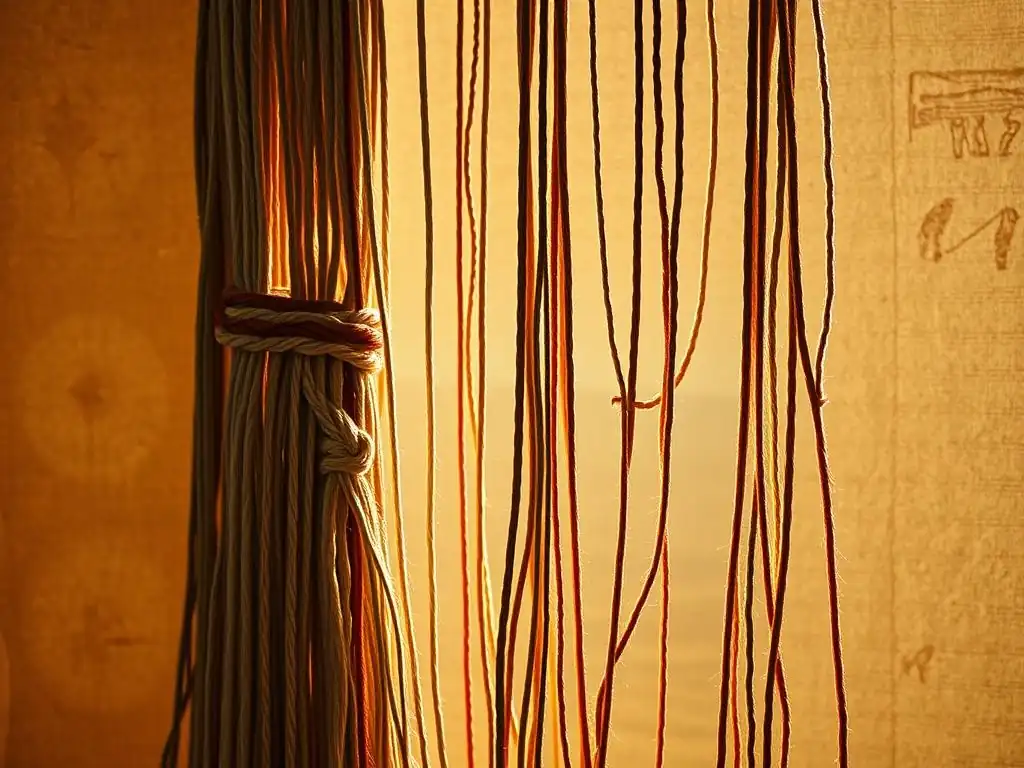
The Inca quipu, a remarkable system of knotted strings, served as a sophisticated communication tool that transcended mere record-keeping. This unique method of information transmission was vital for the Inca Empire, which, at its height, spanned vast and diverse territories across the Andes Mountains.
The Language of Knots: Decoding Quipu Communication
The quipu consists of a primary cord from which numerous pendant strings hang, each adorned with knots of varying types and placements. These knots and their configurations conveyed specific meanings, functioning similarly to a written language.
- Types of Knots:
- Single Knots: Typically used to denote basic numbers or quantities.
- Figure-Eight Knots: Often represented more complex values and were essential for administrative records.
- Long and Short Knots: Indicated the magnitude of the numbers involved, enhancing the quipu's communicative depth.
The color of the cords played a significant role in this system as well, with different hues representing various categories or subjects, such as accounting or census data. For instance, red cords could signify military matters, while yellow might relate to agricultural produce. This rich tapestry of colors and knots created a multi-layered communication system that was not only practical but also deeply symbolic.
Quipu in Cultural Transmission and Storytelling
Beyond administrative functions, quipus served as tools for cultural transmission and storytelling. Oral traditions were integral to Inca society, and quipus complemented these narratives by preserving historical accounts, genealogies, and mythologies.
- Historical Records: Quipus were used to keep track of significant events, such as the reigns of emperors or major battles. The knots could encapsulate a timeline of events, allowing future generations to understand their history.
- Genealogical Information: Families and lineages were documented through quipus, ensuring that heritage and social status were preserved. This was crucial in a society where lineage determined one’s role and responsibilities.
- Mythological Stories: Some quipus may have encapsulated spiritual narratives, helping to reinforce the cultural identity of the Inca people. By intertwining storytelling with the physical representation of knots, the quipu became a living document of Inca mythology.
This intricate relationship between quipu and oral tradition allowed the Inca to maintain a cohesive cultural identity, even in the absence of a written script.
The Importance of Quipu in Inca Society and Daily Life
The significance of quipu in Inca society extended far beyond communication; it was a foundational element of their administrative and daily life.
- Administrative Efficiency: The Inca Empire was vast, and managing resources across such a large area required an effective communication tool. Quipus enabled efficient tracking of agricultural production, tribute obligations, and population counts, which were crucial for resource allocation and taxation.
- Trade and Economy: Merchants used quipus to record transactions, ensuring that trade was conducted smoothly. This system fostered economic stability and growth, as it allowed for accurate accounting and inventory management.
- Education and Training: The quipu system also served as a pedagogical tool. Inca officials, known as khipukamayuq, were trained in quipu reading and interpretation, ensuring that knowledge was passed down and that the quipu could be used effectively in various contexts.
The Inca quipu was an essential communication tool that played a multifaceted role in the fabric of Inca society. Its ability to convey complex information through a series of knots and colors made it not only an administrative asset but also a cultural cornerstone that fostered identity and continuity in the face of change.
The Significance of Inca Quipu in Modern Understanding
Quipu and Its Legacy in Indigenous Cultures
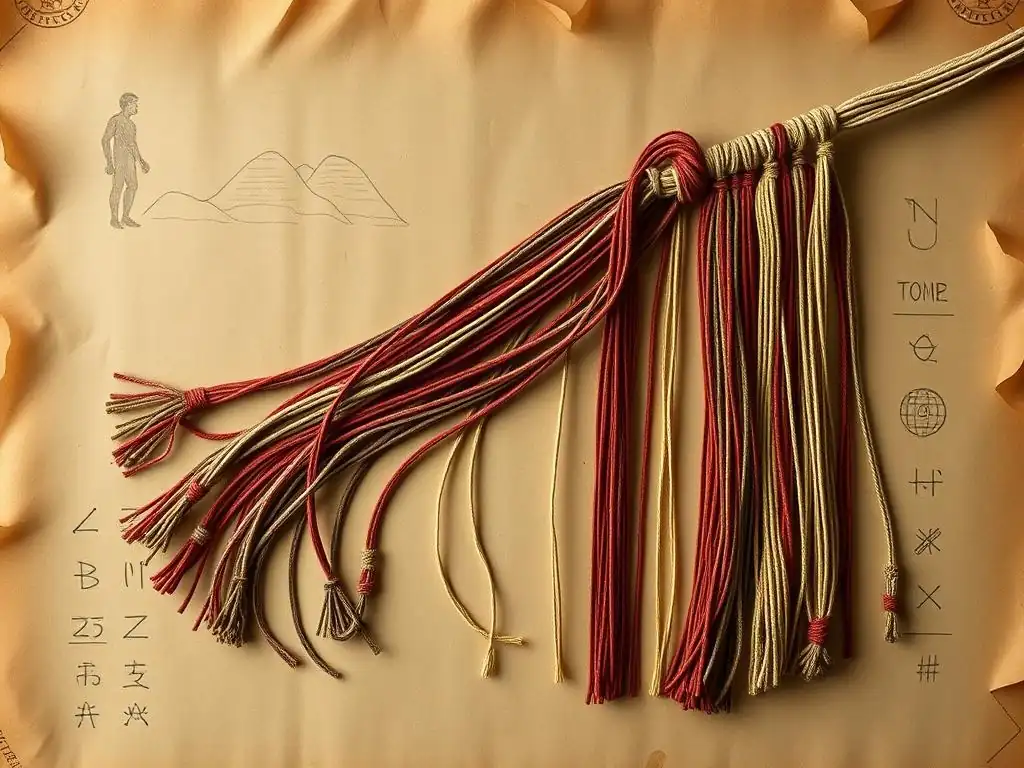
The Inca quipu, a remarkable system of knotted strings, serves not only as a tool for communication and administration but also as a vital link to understanding the legacy of indigenous cultures in the Americas. The term "quipu" translates to "knot" in Quechua, and these intricate devices were utilized by the Inca civilization to record numerical data, manage resources, and communicate information across vast territories.
The structure of a quipu typically consists of a main cord from which various colored strings hang. Each knot and color represents specific information, such as quantities, categories, or even narratives. This complex system reflects the advanced organizational skills of the Inca, showcasing their ability to maintain order and efficiency without a written language.
The historical significance of quipu extends beyond the Inca Empire; it symbolizes the broader indigenous legacy of the Americas. Various cultures utilized similar knotting techniques, indicating a rich tradition of information management and communication. For instance, some pre-Columbian societies in the Andes employed their own forms of knotted records, suggesting a shared understanding of the importance of preserving knowledge.
In contemporary discussions, quipu is increasingly recognized as a critical artifact for understanding indigenous ways of knowing. It challenges the Eurocentric narrative that often diminishes the complexity of non-written cultures, asserting that the Inca and other indigenous peoples possessed sophisticated systems of communication that were well adapted to their environments and needs.
Contemporary Interpretations and Research on Quipu
Modern research on the Inca quipu has opened new avenues for understanding not only its functionality but also its cultural significance. Scholars from various disciplines, including anthropology, archaeology, and linguistics, are employing innovative methods to decode and interpret these artifacts.
Recent studies have highlighted that quipu was not solely a numerical recording device; it may have also contained narrative elements, suggesting that it played a role in storytelling and cultural transmission. This interpretation points to a multifaceted approach to communication among the Inca, where numbers could be intertwined with cultural narratives to convey deeper meanings.
Notably, the work of researchers like Dr. Gary Urton has been instrumental in advancing our comprehension of quipu. Urton's analysis of the physical structure of quipus and their potential meanings has demonstrated that these artifacts are far more complex than previously understood. His investigations indicate that the arrangement of knots and the choice of colors may encode specific information related to administrative practices, lineage, and even rituals.
Additionally, contemporary interpretations of quipu have sparked interest in its application in modern contexts. Some educators and indigenous leaders are advocating for the revival of quipu as a pedagogical tool to teach about indigenous cultures and histories, promoting a greater appreciation for non-Western forms of knowledge.
Preservation Efforts of Quipu Artifacts
The preservation of quipu artifacts is crucial to ensuring that the legacy of the Inca and other indigenous cultures continues to be understood and appreciated. Many quipus are housed in museums and archaeological sites, where they are subjected to various environmental factors that may threaten their integrity.
Efforts to preserve these artifacts involve a combination of conservation techniques, including controlled climate environments, careful handling protocols, and digital documentation. By employing advanced imaging technologies, researchers are able to create high-resolution records of quipus, which can aid in analysis and interpretation while reducing the need for physical interaction with the original artifacts.
Moreover, collaboration with indigenous communities plays a pivotal role in preservation efforts. Many of these communities possess traditional knowledge related to quipu and can offer insights into their cultural significance. Engaging these communities in preservation initiatives not only honors their heritage but also fosters a sense of ownership over their cultural artifacts.
In addition to physical preservation, there is a growing movement to digitize quipu records, making them accessible to a wider audience. Online databases and virtual exhibitions can provide valuable resources for researchers, educators, and the public, ensuring that knowledge about the Inca quipu remains alive and relevant in contemporary society.
Through a combination of research, community involvement, and technological advancements, the legacy of the Inca quipu as a communication tool continues to be unraveled, revealing the profound impact of indigenous cultures on our understanding of history and knowledge systems.
Conclusion: The Enduring Impact of Inca Quipu Communication Tools
The Inca quipu, a unique system of knotted cords, served as an essential communication tool and administrative record-keeping device within the Inca Empire. This remarkable invention exemplified the ingenuity of the indigenous peoples of the Americas, showcasing their ability to develop sophisticated methods of information management without a written language. The enduring impact of Inca quipu communication tools can be observed in various spheres, including cultural identity, historical research, and modern-day applications.
Reflecting on the Importance of Inca Quipu in Indigenous History
The significance of quipu in indigenous history transcends its practical uses. As a communication tool, it represented a means of preserving knowledge, economics, and social organization. Quipu allowed for the management of vast territories and populations, facilitating record-keeping for agricultural production, taxation, and census data. The intricate system of knots, colors, and cord lengths enabled the Incas to maintain centralized control over their expansive empire.
Moreover, the quipu is a symbol of indigenous resilience and adaptability. Despite European colonization and subsequent attempts to suppress indigenous cultures, the knowledge and techniques of quipu-making have persisted among some communities. This continuity serves as a testament to the enduring legacy of Inca civilization and its contributions to human history.
In recent years, scholars have begun to recognize the quipu's potential as a valuable historical resource. Research into the meanings behind various knots and configurations offers insights into Inca governance and societal structures. As scholars continue to unravel these mysteries, the quipu stands as a bridge connecting contemporary society with the rich tapestry of indigenous heritage.
Future Directions for Quipu Research and Study
The exploration of Inca quipu communication tools is far from complete. Future research holds exciting potential for uncovering new dimensions of this complex system. Some areas of focus include:
- Technological Advancements: Utilizing modern imaging techniques, such as 3D scanning and digital modeling, can aid in the analysis of quipus, revealing features that may not be visible to the naked eye.
- Cross-Cultural Comparisons: By comparing quipu to similar systems of record-keeping in other indigenous cultures, researchers can develop a broader understanding of communication practices across the Americas.
- Linguistic Studies: Investigating whether quipu contains linguistic elements can provide insights into the ways the Incas communicated information, potentially leading to breakthroughs in our understanding of their language and culture.
- Cultural Revitalization Efforts: Engaging indigenous communities in the study and preservation of quipu can foster a sense of ownership and pride, ensuring that this remarkable aspect of their heritage is celebrated and maintained.
The study of Inca quipu communication tools is a multifaceted endeavor that not only enriches our understanding of Inca civilization but also highlights the resilience of indigenous cultures. As research continues to evolve, the mysteries of quipu promise to reveal new insights into the past, informing both historical narratives and contemporary cultural expressions.
Frequently Asked Questions
What is an Inca quipu?
An Inca quipu is a unique communication tool made of colored strings and knots, used by the Inca civilization for record-keeping and administration.
How did the Inca use quipu for communication?
The Inca utilized quipu to convey information through specific knots and colors, allowing them to manage taxes, census data, and historical records effectively.
What makes quipu significant in Inca society?
Quipu held significant importance as it was a primary method of communication and administration in the absence of a written language, showcasing the sophistication of Inca record-keeping.
Can modern researchers decipher quipu?
Yes, modern researchers are actively working to decode quipu, aiming to understand the nuances of the information encoded within these ancient tools, which still holds many mysteries.
What impact did quipu have on Inca administration?
Quipu contributed to efficient administrative practices by enabling the Inca to maintain organized records, thus facilitating trade, taxation, and resource management across their vast empire.
Final Reflection: The Enduring Legacy of Inca Quipu as Communication Tools
The exploration of Inca quipu as vital communication tools reveals not only the ingenuity of ancient civilizations but also their relevance in today's world. In an era where digital communication dominates, understanding how the Incas effectively managed information through intricate knot systems challenges us to reconsider the ways we convey and interpret data. The quipu stands as a striking reminder that communication transcends written language, emphasizing the importance of context and creativity in information sharing.
The influence of Inca quipu on our cultural and social landscape is profound and ongoing. The quipu serves as a symbol of the rich tapestry of human communication, reminding us that diverse methods of expression can coexist and thrive. As we navigate our increasingly complex world, the lessons of the quipu resonate more than ever. The quipu is a testament to the power of human ingenuity in the face of challenges.
This perspective encourages us to appreciate the various forms of communication that exist today, from visual art to digital media, and to recognize their potential to foster understanding across cultures.
As we reflect on the significance of Inca quipu, I invite you to consider how you can apply its lessons in your own life. Embrace the diversity of communication tools available to you, whether through storytelling, art, or technology. Let the legacy of the quipu inspire you to explore new ways of connecting with others, fostering dialogue, and sharing your unique voice in a world that thrives on collaboration and understanding. Together, we can honor the past while shaping a future rich in meaningful communication.
Thank you for immersing yourself in the captivating world of Inca quipu! By exploring this unique tool of communication and administration, you’ve taken a significant step toward understanding the complexities of an ancient civilization. Now, it's time to put this newfound knowledge into action.
Here’s how you can further engage with the incredible history of the Inca and inspire others to do the same:
- Dive Deeper: Research and explore a specific aspect of quipu that interests you—such as how the Incas meticulously recorded trade transactions or kept track of population statistics.
- Share Your Insights: Discuss what you've learned with friends, family, or on social media. Consider creating a brief post or video to raise awareness about the significance of quipu in Inca culture.
- Get Creative: Try crafting your own quipu using yarn and beads! This hands-on activity can enhance your understanding and appreciation of this intricate communication tool.
What aspect of Inca quipu fascinates you the most, and how do you see its principles influencing modern methods of record-keeping?