
Cultural Exchange or Cultural Erasure? Tiahuanaco in the Age of Conquest

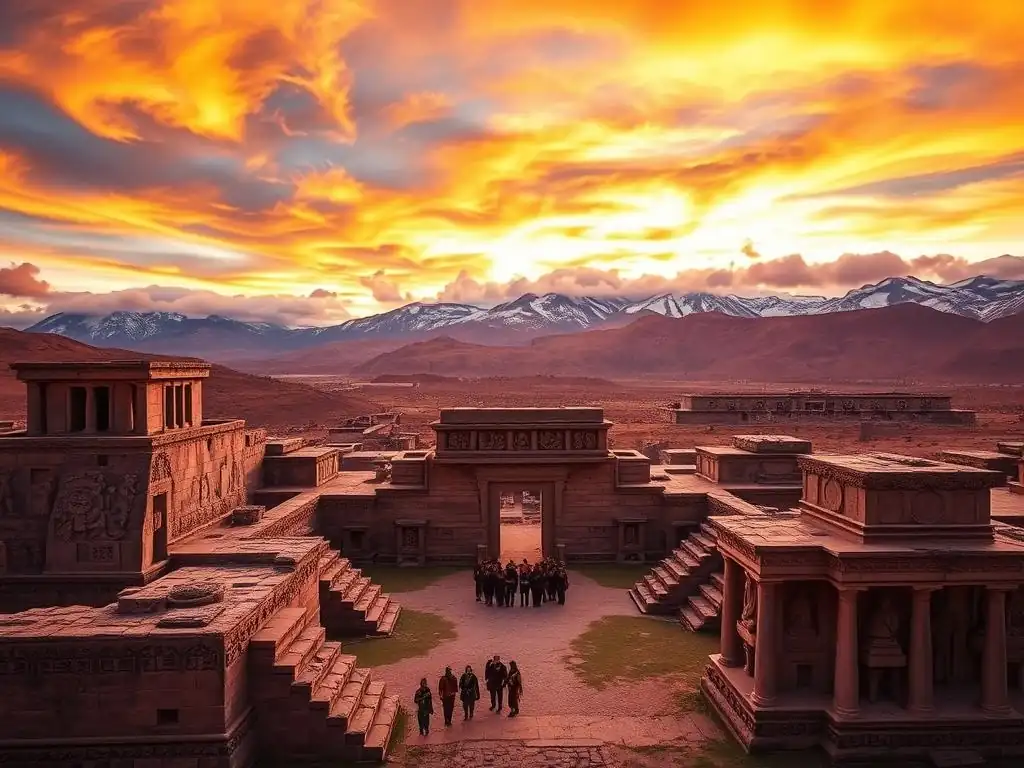
Welcome to Indigenous Civilizations of the Americas, where we invite you to embark on a fascinating journey through the rich tapestry of indigenous cultures that flourished long before European contact. Dive into our featured article, “Cultural Exchange or Cultural Erasure? Tiahuanaco in the Age of Conquest,” and discover the profound impact of the Tiahuanaco indigenous culture on society and the environment. As we unravel the complexities of cultural resilience and transformation, you'll be left pondering the enduring legacy of these remarkable civilizations. Join us as we explore the past and illuminate the stories that shaped our world.
- Introduction to Tiahuanaco Indigenous Culture and Its Impact
- Historical Context of Tiahuanaco Before European Contact
- The Age of Conquest: Initial Contact with Europeans
- Cultural Exchange: The Positive Aspects of Interaction
- Cultural Erasure: The Negative Consequences of Conquest
- Case Study: Specific Examples of Cultural Impact
- Contemporary Reflections on Tiahuanaco Culture
- Conclusion: Balancing Cultural Exchange and Erasure
-
Frequently Asked Questions
- What is the Tiahuanaco indigenous culture known for?
- How did European colonization affect Tiahuanaco culture?
- What aspects of Tiahuanaco culture had a lasting impact?
- How did Tiahuanaco engage in cultural exchange?
- What are the main themes explored in the article "Cultural Exchange or Cultural Erasure?"
- Final Reflection: The Enduring Legacy of Tiahuanaco in a Globalized World
- Engage, Explore, and Empower Cultural Heritage!
Introduction to Tiahuanaco Indigenous Culture and Its Impact
The Tiahuanaco civilization, one of the most significant indigenous cultures in the Americas, flourished in the Andean region long before the arrival of European colonizers. Known for its remarkable achievements in architecture, agriculture, and social organization, Tiahuanaco played a vital role in shaping the cultural landscape of pre-Columbian societies. This article delves into the complexities of Tiahuanaco's legacy, particularly in the context of European contact and conquest.
As we explore the cultural exchanges that occurred, we will also address the troubling aspects of cultural erasure that accompanied colonization. By examining the impact of Tiahuanaco indigenous culture, we aim to shed light on how these historical dynamics continue to resonate in contemporary discussions about identity and heritage.
Overview of Tiahuanaco Culture
The Tiahuanaco civilization was centered near the southern shores of Lake Titicaca, in present-day Bolivia, and is renowned for its sophisticated urban planning and monumental architecture. Key features of Tiahuanaco culture include:
- Architectural Innovations: The construction of impressive structures such as the Akapana pyramid and the Gateway of the Sun, which showcase advanced engineering techniques.
- Agricultural Practices: Tiahuanaco developed innovative farming methods, including raised-field agriculture, which allowed for efficient crop production in the challenging high-altitude environment.
- Artistic Expression: The civilization's artistic contributions, reflected in pottery, textiles, and stone carvings, demonstrate a rich cultural heritage and intricate craftsmanship.
These elements collectively highlight the Tiahuanaco civilization’s resilience and adaptability, illustrating how they thrived in a diverse and often challenging environment.
Significance of Tiahuanaco in Pre-Columbian History
Tiahuanaco is considered a cornerstone of Andean history for several reasons:
- Cultural Influence: The civilization's innovations and practices significantly influenced neighboring cultures, including the Inca Empire, which later emerged in the region.
- Trade Networks: Tiahuanaco was a pivotal hub in extensive trade networks that connected various indigenous groups across the Andes, facilitating the exchange of goods, ideas, and cultural practices.
- Religious and Ceremonial Center: As a major religious center, Tiahuanaco attracted pilgrims from distant regions, contributing to the spread of its spiritual beliefs and practices throughout the Andean region.
The significance of Tiahuanaco extends beyond its immediate geographical area, marking it as a vital player in the broader narrative of pre-Columbian civilizations.
Purpose of the Article: Examining Cultural Exchange vs. Erasure
This article seeks to critically examine the dichotomy of cultural exchange and cultural erasure that characterized the encounter between Tiahuanaco and European colonizers. By analyzing the following key aspects, we aim to provide a nuanced perspective on this historical phenomenon:
- Cultural Exchange: How interactions between Tiahuanaco and Europeans led to the exchange of ideas, technologies, and cultural practices.
- Cultural Erasure: The impact of colonization on Tiahuanaco's cultural identity and heritage, including the loss of traditional practices and knowledge.
Through this examination, we hope to illuminate the complexities of Tiahuanaco’s legacy and its lasting impact on indigenous cultures in the Americas, fostering a deeper understanding of the ongoing narratives of resilience and recovery among indigenous peoples today.
Historical Context of Tiahuanaco Before European Contact
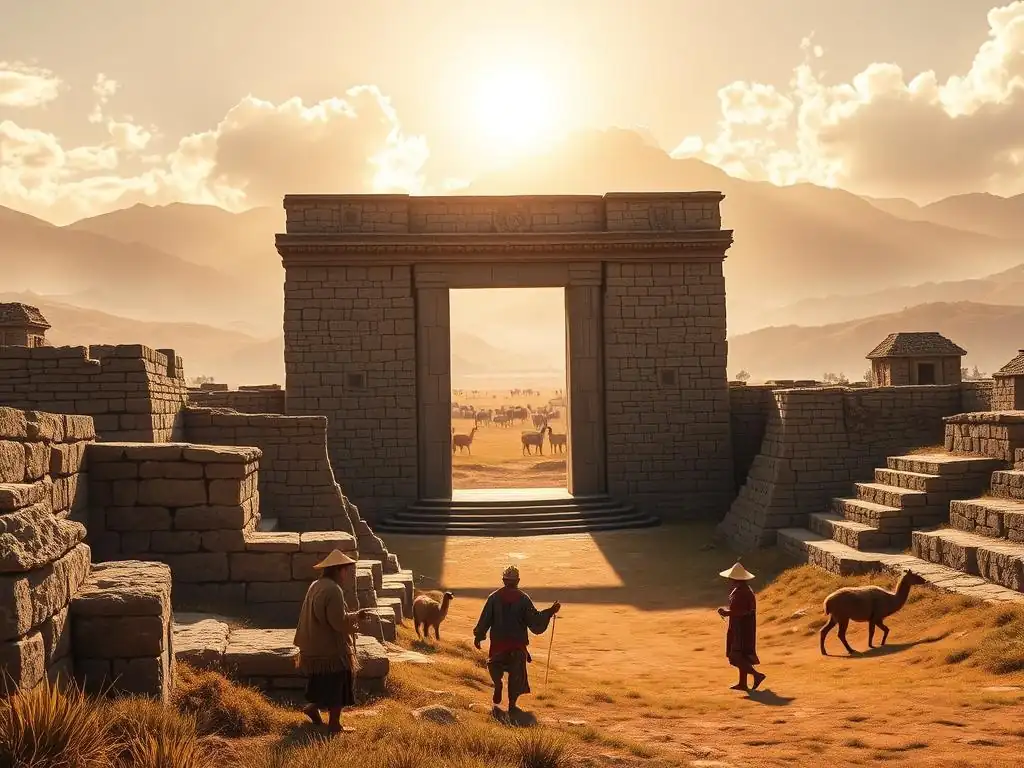
The Tiahuanaco civilization, located near the southern shores of Lake Titicaca in present-day Bolivia, was one of the most significant indigenous cultures in the Americas before European colonization. Flourishing between approximately 300 AD and 1000 AD, Tiahuanaco developed a complex society characterized by impressive architectural achievements, sophisticated agricultural practices, and extensive trade networks. The city of Tiahuanaco itself served as a central hub, influencing surrounding regions and cultures through its innovations and cultural practices.
The period leading up to European contact saw the Tiahuanaco civilization at its peak, with the establishment of a multi-ethnic society that engaged in cultural exchanges with neighboring groups. The region's unique geography, situated at high altitudes in the Andes, posed challenges that the Tiahuanaco people overcame through advanced agricultural techniques, including raised-field farming. This allowed them to support a dense population and foster a vibrant community that would have lasting impacts on future Andean civilizations.
Geographic Location and Influence of Tiahuanaco
The Tiahuanaco civilization was strategically located at the intersection of several key regions in the Andes. Nestled at an altitude of about 3,850 meters (12,600 feet) above sea level, the site of Tiahuanaco was ideally positioned to engage in trade with various cultures. The proximity to Lake Titicaca, one of the largest lakes in South America, provided vital resources such as fish and freshwater, while the surrounding highlands were rich in agricultural potential.
Key Influences on Tiahuanaco's Geographic Expansion:
- Trade Networks: Tiahuanaco established extensive trade routes connecting it with coastal cultures, such as the Moche and Nazca, as well as inland societies like the Wari. These interactions facilitated cultural exchange and the dissemination of Tiahuanaco's innovations, including pottery, textiles, and metallurgy.
- Cultural Exchange: As a melting pot of diverse ethnic groups, Tiahuanaco absorbed various cultural elements, which enriched its own practices and artifacts. This blending of traditions contributed to the distinctive artistic styles seen in Tiahuanaco ceramics and monumental architecture.
- Environmental Adaptation: The Tiahuanaco people innovatively adapted their agricultural practices to the harsh climate and high altitude, developing methods such as terrace farming and irrigation systems. This resilience allowed them to expand their influence and support a thriving population.
Socio-Political Structure of Tiahuanaco Society
The socio-political structure of Tiahuanaco was characterized by a hierarchical organization that facilitated governance and social cohesion. The society was led by a ruling elite, often considered to have divine connections, which played a crucial role in maintaining order and overseeing religious practices.
Key Features of Tiahuanaco's Socio-Political Organization:
- Ruling Elite: The elite class, comprised of priests and nobles, held significant power. They were responsible for making critical decisions regarding resource allocation, trade, and religious ceremonies, which reinforced their authority over the populace.
- Religious Significance: Religion was integral to Tiahuanaco society, with monumental architecture, such as the Akapana pyramid and the Gateway of the Sun, serving as focal points for spiritual and communal activities. The integration of religious beliefs into governance solidified the elite's control over the society.
- Labor Organization: The Tiahuanaco civilization employed a system of labor that involved communal work, particularly in agriculture and construction projects. This cooperation not only fostered a sense of community but also ensured the efficient management of resources.
Achievements of Tiahuanaco Indigenous Culture
The Tiahuanaco civilization is renowned for its remarkable achievements across various domains, including architecture, agriculture, and art. These accomplishments underscore the sophistication of Tiahuanaco indigenous culture and its enduring legacy.
Major Achievements:
- Architectural Innovations: Tiahuanaco is famous for its monumental architecture, which includes impressive stone structures, temples, and ceremonial sites. The use of large stone blocks, precisely cut and fitted together without mortar, showcases the advanced engineering skills of Tiahuanaco builders.
- Agricultural Techniques: The development of raised-field agriculture allowed the Tiahuanaco people to cultivate crops in a challenging environment. This technique not only increased crop yields but also improved water management, demonstrating their ingenuity in adapting to local conditions.
- Artistic Expression: Tiahuanaco artisans produced intricate pottery, textiles, and metalwork that reflected both their cultural identity and the influences of neighboring societies. The unique artistic styles and iconography found in Tiahuanaco artifacts provide insights into their beliefs and social structure.
The Tiahuanaco civilization stands as a testament to the complexity and richness of indigenous cultures in the Americas. Its geographic influence, socio-political organization, and remarkable achievements laid the groundwork for subsequent civilizations in the Andes, making it a pivotal player in the historical narrative of the region. The impact of Tiahuanaco indigenous culture continues to resonate, reflecting a legacy of innovation and resilience that shaped the course of Andean history.
The Age of Conquest: Initial Contact with Europeans
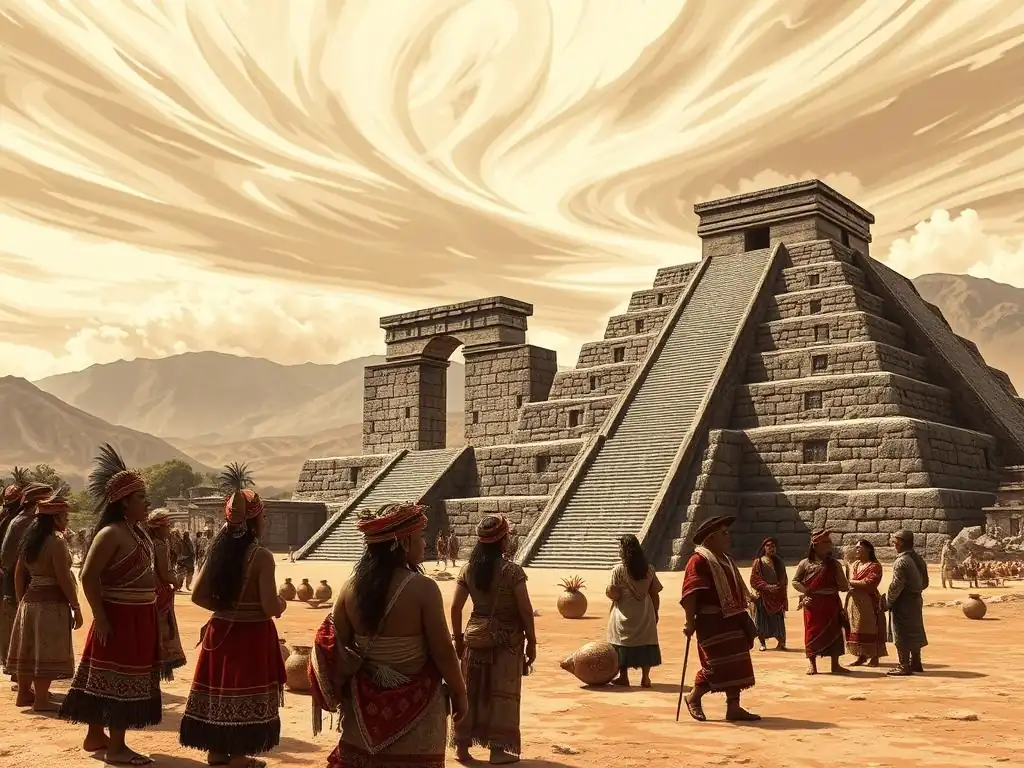
The Age of Conquest marked a significant turning point for the Tiahuanaco indigenous culture, which had flourished in the highlands of present-day Bolivia. As European explorers and conquistadors began their expeditions in the early 16th century, the once-isolated Tiahuanaco society faced unprecedented challenges and transformations. This period was characterized by a complex interplay of cultural exchange and cultural erasure, as the arrival of Europeans disrupted long-standing traditions and social structures.
The initial contact between European powers and the indigenous peoples of the Andes was not a singular event but rather a series of encounters that unfolded over decades. These interactions were often marked by violence, disease, and exploitation, leading to profound consequences for the Tiahuanaco civilization. Understanding this context is crucial for analyzing the impact of European colonization on Tiahuanaco culture.
Key Events During the Conquest of Tiahuanaco
The timeline of events surrounding the conquest of the Tiahuanaco region reveals a pattern of resistance and adaptation among indigenous peoples:
- 1532-1533: The Spanish Conquest initiated by Francisco Pizarro led to significant upheaval in the Andean region. Although Tiahuanaco was not the primary target of Pizarro’s expeditions, its influence and connections to the Inca Empire made it a focal point for the ensuing chaos.
- 1535: Spanish explorers led by Pedro de Valdivia reached the Tiahuanaco area, encountering the ruins of the once-magnificent city. The sight of these architectural wonders stirred both curiosity and greed among the Europeans.
- 1540s: The arrival of missionaries, particularly the Jesuits, aimed to convert indigenous populations to Christianity. This led to the introduction of European cultural elements and the suppression of indigenous practices.
- 1570s: The establishment of colonial administrative structures began to significantly alter the socio-political dynamics within Tiahuanaco and its surrounding territories, leading to the fragmentation of indigenous societies.
The disruption caused by these events was compounded by the spread of European diseases, to which indigenous populations had no immunity. This led to a dramatic decline in the Tiahuanaco demographic, forcing remaining communities to adapt to the new realities imposed by colonial rule.
European Perspectives on Tiahuanaco Culture
European explorers and chroniclers documented their encounters with Tiahuanaco culture, often through a lens of misunderstanding and prejudice. Their writings reflected a mix of fascination and disdain for indigenous practices:
- Architectural Marvels: Many Europeans were in awe of Tiahuanaco's monumental architecture, such as the Akapana pyramid and the Gateway of the Sun. These structures were often misinterpreted as relics of a primitive culture rather than evidence of advanced engineering and social organization.
- Cultural Misrepresentation: Accounts by figures like chronicler Cieza de León often portrayed Tiahuanaco as a site of "idolatry" and "superstition," reflecting the colonial mindset that dismissed the complexity of indigenous religions and societal structures.
- Scientific Interest: Some European intellectuals viewed Tiahuanaco's ruins as an opportunity for scholarly inquiry, leading to early anthropological studies that, while flawed, acknowledged the sophistication of the culture.
Despite these varying perspectives, the overarching narrative from European sources often contributed to a form of cultural erasure, as indigenous achievements were either downplayed or misrepresented to fit colonial ideologies.
Immediate Effects of European Arrival on Indigenous Communities
The arrival of Europeans had immediate and far-reaching effects on Tiahuanaco and other indigenous communities in the region:
- Population Decline: The introduction of diseases like smallpox led to catastrophic mortality rates among indigenous peoples, severely impacting social structures and community cohesion. Estimates suggest that some regions experienced population declines of up to 90%.
- Cultural Disruption: Traditional practices, languages, and belief systems were undermined as European settlers imposed their norms and values. This cultural disruption often resulted in the loss of indigenous knowledge and practices.
- Resistance and Adaptation: Despite these challenges, many indigenous groups displayed resilience, adapting elements of European culture while striving to preserve aspects of their own traditions. This synthesis of cultures created a new social landscape in the post-conquest era.
- Economic Exploitation: The Spanish established a system of forced labor, particularly through the encomienda system, which exploited indigenous labor for agricultural and mining activities. This economic exploitation further marginalized indigenous communities, impacting their traditional ways of life.
The encounter between Tiahuanaco indigenous culture and European powers represents a complex narrative of cultural exchange and erasure. The consequences of this period continue to resonate, highlighting the importance of understanding the resilience and adaptability of indigenous cultures in the face of conquest.
Cultural Exchange: The Positive Aspects of Interaction
Cultural exchange during the Age of Conquest was a complex and multifaceted phenomenon, particularly in the case of Tiahuanaco, an ancient civilization located near Lake Titicaca in present-day Bolivia. Rather than viewing this period solely through the lens of erasure and domination, it is crucial to recognize the positive aspects of interaction that emerged between Tiahuanaco indigenous culture and European settlers. This exchange fostered a unique blending of ideas, practices, and materials, which would ultimately shape the development of both cultures.
Mutual Influences Between Tiahuanaco and European Cultures
The encounter between Tiahuanaco and European cultures led to a significant degree of mutual influence. The Tiahuanaco civilization, known for its impressive architectural achievements and advanced agricultural techniques, introduced Europeans to sophisticated methods of managing water and soil in high-altitude environments. In turn, Europeans brought new technologies and materials, such as metal tools and livestock, which had a notable impact on local agricultural practices.
For instance, the introduction of European plows and tools facilitated the expansion of farming techniques among Tiahuanaco people, allowing them to cultivate previously unmanageable terrain. This exchange of agricultural knowledge and practices not only enriched the Tiahuanaco way of life but also improved food security in the region.
Additionally, there was an exchange of artistic and architectural styles. The Tiahuanaco culture's distinctive stonework, such as the well-known Gate of the Sun, influenced European perceptions of indigenous craftsmanship. Meanwhile, European artistic techniques found their way into local art forms, resulting in a unique fusion that enriched the cultural landscape of the region.
Exchange of Knowledge and Materials
The exchange of knowledge between Tiahuanaco and European settlers was profound, particularly in fields such as agriculture, astronomy, and engineering. Tiahuanaco was renowned for its intricate agricultural systems, which included raised field cultivation and sophisticated irrigation techniques designed to adapt to the challenging Andean environment. As Europeans interacted with Tiahuanaco farmers, they learned valuable lessons about sustainable agriculture that could be applied in their own settlements.
Furthermore, Tiahuanaco’s understanding of astronomy, evidenced by their alignment of structures with celestial bodies, intrigued European explorers. This knowledge contributed to the European understanding of the southern hemisphere's skies, enriching their navigational techniques.
In terms of materials, the Tiahuanaco people were adept at using local resources, such as stone and textiles, to create durable structures and intricate textiles. With the arrival of Europeans, new materials such as wool from sheep were introduced, which blended with traditional Tiahuanaco weaving techniques to produce innovative textile designs that reflected both cultures.
The Role of Trade in Cultural Interaction
Trade played a pivotal role in fostering cultural interaction between Tiahuanaco and European colonizers. The Tiahuanaco civilization had an extensive trade network that connected various indigenous groups across the Andes. When Europeans arrived, they tapped into these existing networks, facilitating the exchange of goods that would not only include local products but also European imports.
The introduction of European goods, such as glass beads, metal tools, and textiles, was met with enthusiasm by Tiahuanaco communities, who integrated these items into their daily lives and rituals. In return, Tiahuanaco's agricultural products, such as quinoa and potatoes, became highly sought after by Europeans, who recognized their nutritional value and adaptability.
This trade not only allowed for a flow of goods but also ideas and cultural practices. Marketplaces became melting pots of cultural exchange, where Tiahuanaco and European settlers shared knowledge, traditions, and innovations. The blend of indigenous and European cultural elements in these trade settings highlighted the dynamic nature of cultural interaction during this period.
The impact of Tiahuanaco indigenous culture on European settlers was not merely one of erasure; rather, it was characterized by a complex web of exchanges that shaped both societies. The mutual influences, knowledge sharing, and trading practices established a foundation for a unique cultural synthesis that continues to be studied and appreciated today.
Cultural Erasure: The Negative Consequences of Conquest
Destruction of Tiahuanaco Heritage and Sites
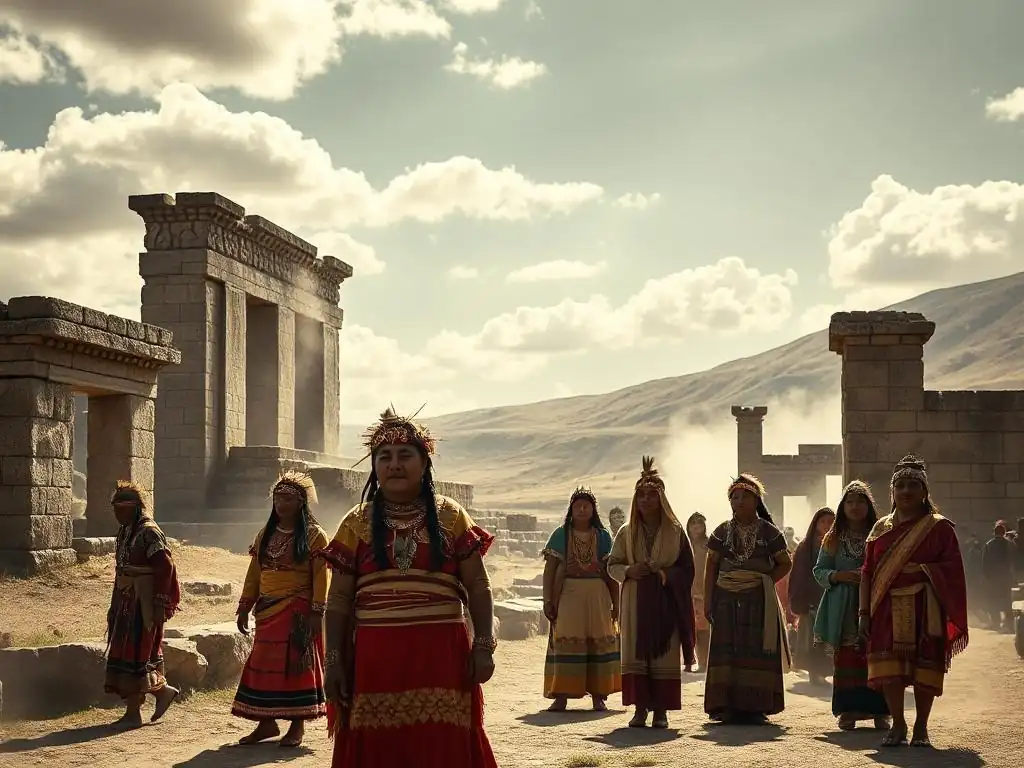
The arrival of European colonizers in the Americas marked a pivotal turning point for indigenous cultures, particularly for the Tiahuanaco civilization. This ancient culture, known for its monumental architecture and sophisticated agricultural practices, faced profound destruction following European contact. The Tiahuanaco indigenous culture impact was particularly evident in the physical degradation of its heritage sites, which included temples, religious structures, and urban landscapes.
- Significant Sites Affected: Key archaeological sites like the Temple of the Sun and the Akapana Pyramid suffered extensive damage. Many structures were repurposed or dismantled for colonial building projects, effectively erasing physical connections to the Tiahuanaco past.
- Cultural Symbolism: The destruction of these sites was not merely physical; it represented a symbolic erasure of Tiahuanaco identity. The spiritual and cultural significance of these structures was disregarded, severing ties to ancestral traditions and beliefs.
The loss of heritage sites has ongoing implications, as modern efforts to preserve and understand Tiahuanaco culture are often hindered by the scars left by conquest. Archaeological studies continue to reveal insights into this civilization, but the destruction wrought during the colonial era remains a painful chapter in the narrative of indigenous resilience.
Loss of Language and Traditional Practices
The Tiahuanaco indigenous culture impact extended beyond physical sites to encompass language and traditional practices. European colonization disrupted the transmission of indigenous languages, leading to a decline in linguistic diversity and the loss of traditional knowledge.
- Language Extinction: Indigenous languages, such as Aymara and Quechua, were marginalized, with many speakers coerced into adopting Spanish. This shift not only diminished linguistic heritage but also affected the cultural narratives and oral traditions integral to Tiahuanaco identity.
- Erasure of Knowledge Systems: The imposition of European norms led to the undermining of traditional agricultural practices, spiritual rituals, and social customs. Knowledge that had been passed down through generations began to fade, as colonizers often viewed indigenous practices as primitive or inferior.
The loss of language and traditional practices represents a profound cultural erasure, as these elements are foundational to the identity and continuity of the Tiahuanaco people. Efforts to revitalize indigenous languages are ongoing, highlighting the importance of reclaiming these lost aspects of culture.
The conquest had devastating effects on the social structures and community life of the Tiahuanaco civilization. The disruption of established societal frameworks led to significant changes in communal organization and daily life.
- Displacement and Disruption: The arrival of colonizers resulted in the displacement of Tiahuanaco communities, fracturing social ties and traditional roles. Many individuals were forced into labor systems that undermined their autonomy and cultural practices.
- Alteration of Governance: Traditional governance structures were dismantled or replaced with colonial systems, which marginalized indigenous leadership. The imposition of foreign governance disrupted community cohesion and eroded the authority of local leaders.
The consequences of these disruptions continue to resonate within contemporary Tiahuanaco communities, as they navigate the complexities of preserving their cultural identity while reconciling with a history marked by conquest and erasure. The resilience of these communities in seeking to honor their past and rebuild their social structures highlights the enduring impact of Tiahuanaco culture in the face of adversity.
Case Study: Specific Examples of Cultural Impact
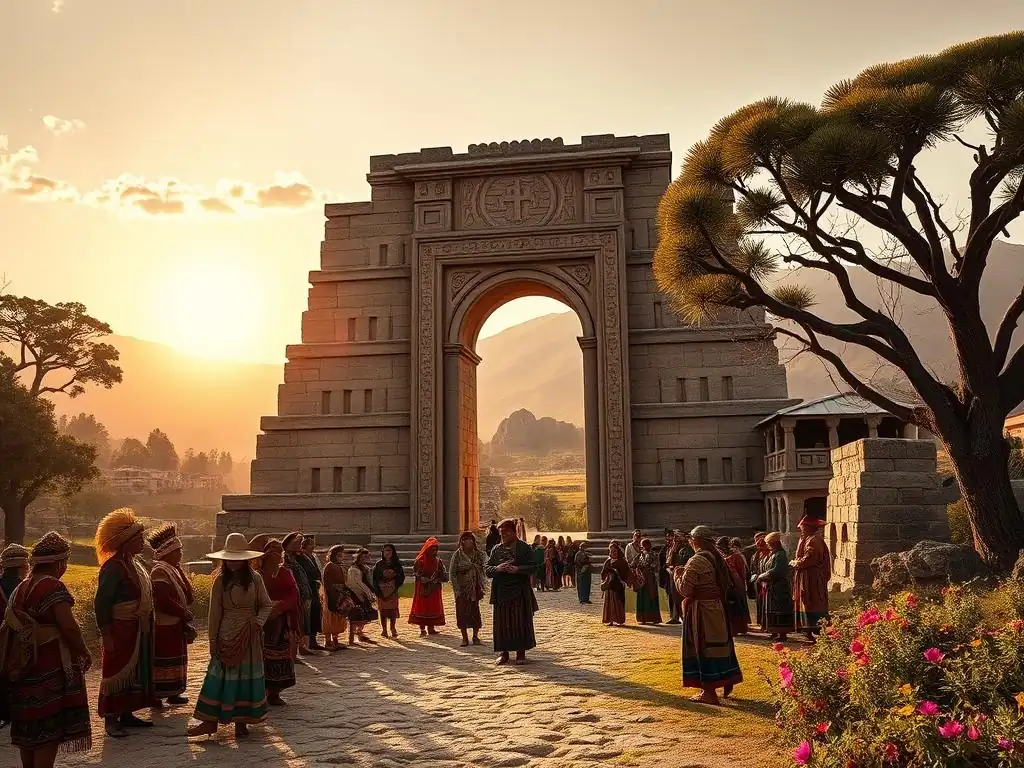
Analysis of Tiahuanaco Art and Architecture Post-Conquest
The art and architecture of Tiahuanaco, a prominent indigenous civilization in the Andes, underwent significant transformations following European contact in the 16th century. Prior to this period, Tiahuanaco was renowned for its impressive stone structures, intricate carvings, and ceremonial monuments, which reflected a deep cultural and spiritual significance. However, the arrival of Spanish conquistadors marked a pivotal shift in the preservation and expression of Tiahuanaco's artistic legacy.
Architectural Adaptations
- Introduction of European Styles: The Spanish colonizers brought with them their own architectural styles, leading to a fusion of Tiahuanaco's traditional techniques with European baroque influences. This resulted in new building practices that integrated local materials, such as adobe, with European designs.
- Destruction of Sacred Sites: Many Tiahuanaco structures, particularly those deemed sacred, were repurposed or destroyed by the colonizers. The Akapana pyramid, a central feature of the Tiahuanaco landscape, suffered from both neglect and purposeful dismantling, as stones were often repurposed for building colonial structures.
Artistic Expressions
- Shift in Subject Matter: Post-conquest art often reflected the new socio-political realities faced by the indigenous people. Traditional motifs such as the puma and condor were replaced or altered to include Christian iconography, demonstrating a blend of indigenous and colonial themes.
- Survival of Techniques: Despite these changes, many traditional Tiahuanaco artistic techniques persisted. Pottery, weaving, and textile arts continued to be practiced, albeit with new influences and adaptations. The use of color, patterns, and local materials remained integral to these art forms, showcasing resilience and innovation within the indigenous communities.
Changes in Religious Practices and Beliefs
The spiritual landscape of Tiahuanaco was profoundly affected by European colonization, as traditional religious practices were challenged and transformed. The imposition of Christianity led to a complex interplay between indigenous beliefs and the new faith.
Syncretism of Beliefs
- Integration of Catholicism: Many Tiahuanaco people began to incorporate elements of Catholicism into their existing belief systems. This resulted in the creation of syncretic practices, where indigenous deities were reinterpreted within a Christian framework, often leading to the veneration of saints alongside traditional gods.
- Pilgrimages and Rituals: Traditional rituals and ceremonies adapted to include Christian elements. For example, the annual celebrations of the sun god Inti were sometimes aligned with Catholic festivities, allowing communities to maintain their cultural identity while navigating colonial pressures.
Resistance and Continuity
- Preservation of Indigenous Rituals: Despite the attempts at cultural erasure, many Tiahuanaco communities actively resisted the complete abandonment of their religious practices. Sacred sites continued to be used for traditional ceremonies, albeit in secret or during periods of reduced colonial oversight.
- Revival Movements: In the 20th and 21st centuries, there has been a resurgence of interest in Tiahuanaco’s indigenous spirituality, leading to movements aimed at reclaiming and revitalizing traditional practices that had been suppressed during colonial rule.
The Transformation of Tiahuanaco Identity Over Time
The identity of the Tiahuanaco people has been a dynamic construct, influenced by historical events, cultural exchanges, and ongoing colonial impacts. Understanding this transformation is crucial to appreciating the resilience of Tiahuanaco indigenous culture.
Colonial Imposition and Identity
- Shifts in Self-Identification: Following European contact, many Tiahuanaco individuals began to identify more closely with broader indigenous identities, often seeking solidarity with other Andean cultures in response to colonial oppression. This shift was crucial for maintaining a sense of community and cultural pride.
- Legal and Social Marginalization: The colonial period brought about systemic marginalization, where Tiahuanaco people were often relegated to lower social and economic statuses. This experience of oppression reinforced a collective identity rooted in resistance and survival.
Modern-Day Reclamation
- Cultural Revitalization: In recent decades, there has been a concerted effort among Tiahuanaco descendants to reclaim their heritage, emphasizing the significance of their unique cultural contributions to the Andean region. This includes the revival of traditional languages, customs, and celebrations.
- Recognition and Reconciliation: Modern Bolivia has seen a movement towards recognizing the rights of indigenous peoples, with Tiahuanaco culture playing a significant role in national identity. This has fostered a renewed sense of pride and agency among Tiahuanaco communities, as they navigate their historical legacy and contemporary realities.
The impact of Tiahuanaco indigenous culture, particularly in the face of conquest and colonization, illustrates the complex interplay of resilience, adaptation, and transformation. Through the examination of art, religious practices, and identity, it becomes evident that the legacy of Tiahuanaco continues to shape the cultural landscape of the Andes today.
Contemporary Reflections on Tiahuanaco Culture
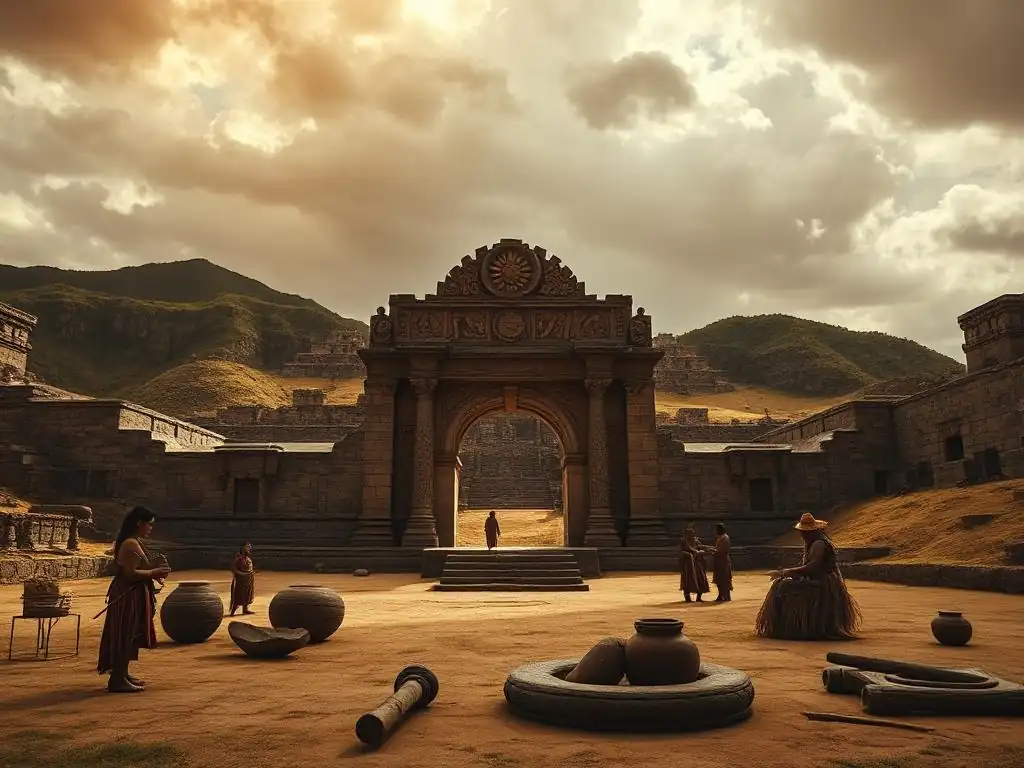
Reviving Tiahuanaco Heritage in Modern Times
In recent years, there has been a significant movement to revive and celebrate the heritage of Tiahuanaco, an ancient civilization that once thrived in present-day Bolivia. This revival is not merely an academic endeavor but also a grassroots effort driven by local communities seeking to reconnect with their indigenous roots.
- Cultural Festivals: Annual festivals celebrating Tiahuanaco's history and traditions have emerged, where traditional music, dance, and crafts are showcased. These events serve as a platform for cultural expression and education, fostering pride among younger generations.
- Educational Initiatives: Schools and community programs are increasingly incorporating Tiahuanaco history into their curricula. By educating children about their ancestors' achievements in architecture, agriculture, and astronomy, these initiatives aim to instill a sense of identity and belonging.
- Art and Craft Revitalization: Local artisans are reviving ancient Tiahuanaco pottery, textiles, and stone work, often blending traditional techniques with contemporary designs. This not only preserves the craftsmanship but also ensures economic viability for artisans.
Through these efforts, the legacy of Tiahuanaco is not only preserved but celebrated, creating a living connection between past and present.
The Role of Indigenous Movements in Cultural Preservation
Indigenous movements play a crucial role in the preservation and promotion of Tiahuanaco culture. These movements advocate for the rights of indigenous peoples and work tirelessly to ensure that their cultural heritage is recognized and respected.
- Political Advocacy: Indigenous organizations have successfully lobbied for policies that protect sacred sites, including Tiahuanaco. This advocacy is essential in preventing the exploitation of these sites for tourism or commercial purposes that do not benefit the local communities.
- Cultural Education: Many indigenous groups are establishing cultural education programs that teach the younger generation about Tiahuanaco’s history, language, and traditions. This cultural education is vital for sustaining their heritage in a rapidly changing world.
- Collaboration with Scholars: Indigenous leaders are partnering with researchers and historians to ensure that the narratives of Tiahuanaco are accurately represented in academic discourse. This collaboration helps challenge colonial perspectives and promotes a more nuanced understanding of the civilization's impact.
These movements not only preserve Tiahuanaco culture but also empower indigenous communities to assert their identity in the face of modern challenges.
Tiahuanaco's Influence on Present-Day Indigenous Identity
The influence of Tiahuanaco culture extends far beyond its historical timeline, significantly shaping the identity of contemporary indigenous communities in the Andes.
- Symbol of Resistance: Tiahuanaco serves as a potent symbol of resistance against colonization and cultural erasure. Many indigenous people view their connection to Tiahuanaco as a source of strength and resilience, reinforcing their cultural identity in a globalized world.
- Cultural Practices: Elements of Tiahuanaco's spiritual beliefs and agricultural practices are still evident in the rituals and customs of modern indigenous groups. The reverence for Pachamama (Mother Earth) and the use of terraced farming techniques can be traced back to Tiahuanaco traditions, illustrating continuity through centuries.
- Artistic Expression: Modern indigenous artists draw inspiration from Tiahuanaco motifs, blending ancient designs with contemporary artistic expressions. This fusion not only celebrates their heritage but also introduces Tiahuanaco culture to a broader audience, fostering appreciation and understanding.
Through these avenues, Tiahuanaco's profound impact on present-day indigenous identity is evident, showcasing a vibrant continuity of culture that honors the past while engaging with the present.
Conclusion: Balancing Cultural Exchange and Erasure
Summary of Tiahuanaco Indigenous Culture Impact
The Tiahuanaco civilization, which flourished around Lake Titicaca in present-day Bolivia, is a prime example of the rich tapestry of indigenous cultures that existed in the Americas before European contact. This culture, known for its remarkable architectural achievements and intricate agricultural practices, has left an indelible mark on the region's history. The impact of Tiahuanaco indigenous culture extends beyond its physical remnants; it is woven into the social, political, and spiritual fabric of contemporary Andean societies.
- Architectural Innovations: Tiahuanaco is renowned for its monumental stone structures, such as the Gateway of the Sun and the Akapana pyramid, showcasing advanced engineering and artistic skills. These constructions reflect not only aesthetic values but also the spiritual beliefs of the Tiahuanaco people, emphasizing their connection to the cosmos.
- Agricultural Practices: The civilization developed sophisticated agricultural techniques, including raised-field farming, which allowed them to thrive in the challenging highland environment. This innovation not only supported their population but also influenced agricultural methods in the region long after the civilization's decline.
- Cultural Exchange: Tiahuanaco was a hub of cultural exchange, interacting with neighboring cultures like the Wari and the Aymara. This interaction facilitated the sharing of ideas, technologies, and religious practices, enriching the cultural landscape of the Andes.
The Importance of Recognizing Cultural Legacy
Recognizing the cultural legacy of Tiahuanaco is essential for understanding the historical narrative of the Americas. This acknowledgment serves multiple purposes:
- Acknowledgment of Historical Contributions: By highlighting the achievements of Tiahuanaco, we honor the contributions of indigenous peoples to global civilization. Their innovations in architecture, agriculture, and social organization merit recognition alongside those of their European counterparts.
- Cultural Resilience: The survival of cultural practices, languages, and traditions among Andean communities today demonstrates the resilience of the Tiahuanaco legacy. This continuity underscores the importance of preserving and revitalizing indigenous cultures in the face of ongoing challenges.
- Promoting Inclusivity: Understanding the impact of Tiahuanaco culture fosters a more inclusive historical perspective, challenging the often Eurocentric narratives that dominate academic discourse. This inclusivity enriches our understanding of human history as a complex interplay of diverse cultures.
Final Thoughts on Cultural Exchange vs. Erasure in Historical Context
The arrival of Europeans in the Americas initiated a complex process of cultural exchange that was often accompanied by cultural erasure. In the case of Tiahuanaco, the consequences of this encounter were profound:
- Cultural Exchange: While some aspects of Tiahuanaco's culture were integrated into colonial practices, leading to a blending of traditions, this exchange often came at a cost. The imposition of European values and systems marginalized indigenous practices and languages.
- Cultural Erasure: The decline of the Tiahuanaco civilization was exacerbated by European conquest, which disrupted social structures and led to the loss of traditional knowledge. The impacts of colonization continue to resonate, as many indigenous cultures struggle to reclaim their heritage.
The legacy of Tiahuanaco indigenous culture is a testament to the enduring influence of pre-colonial civilizations in the Americas. Recognizing this impact is crucial in fostering a more equitable narrative that honors the complexities of cultural exchange and the realities of cultural erasure. As we navigate these historical dynamics, it is essential to advocate for the preservation and revitalization of indigenous cultures as vital components of our shared human heritage.
Frequently Asked Questions
What is the Tiahuanaco indigenous culture known for?
The Tiahuanaco indigenous culture is renowned for its advanced architecture, agricultural techniques, and complex societal structures that influenced subsequent civilizations in the Andes.
How did European colonization affect Tiahuanaco culture?
European colonization led to significant cultural erasure and disruption of the Tiahuanaco way of life, resulting in the loss of many traditional practices and belief systems.
What aspects of Tiahuanaco culture had a lasting impact?
The Tiahuanaco civilization's artistic achievements, such as stone masonry and ceramics, as well as its agricultural innovations, have had a long-lasting impact on Andean societies.
How did Tiahuanaco engage in cultural exchange?
Tiahuanaco was a hub for trade and cultural exchange, interacting with various neighboring civilizations, which led to the sharing of technological advancements and artistic styles.
What are the main themes explored in the article "Cultural Exchange or Cultural Erasure?"
The article examines the dual themes of cultural exchange and cultural erasure during the conquest era, focusing on how these dynamics affected the Tiahuanaco culture's legacy.
Final Reflection: The Enduring Legacy of Tiahuanaco in a Globalized World
The conversation surrounding Tiahuanaco and its indigenous culture is more relevant now than ever, as we grapple with the complexities of cultural exchange and erasure in our increasingly interconnected world. The impact of Tiahuanaco's rich history and cultural significance challenges us to reconsider how we honor and preserve indigenous identities amidst the forces of globalization. As we navigate this landscape, we must recognize that the stories of the past are not merely relics but living narratives that shape our present and future.
The influence of Tiahuanaco's indigenous culture resonates deeply within contemporary discussions about identity, heritage, and the preservation of cultural practices. The legacy of this ancient civilization serves as a powerful reminder of the resilience and ingenuity of indigenous peoples, who continue to assert their presence and significance in the face of historical and ongoing challenges. Cultural heritage is a bridge that connects us to our past, guiding us as we forge our future.
This sentiment encapsulates the importance of honoring the cultural contributions of Tiahuanaco, as we strive to create a more inclusive and respectful dialogue about cultural identity.
As we reflect on the lessons drawn from Tiahuanaco's history, I invite you to consider your own role in this ongoing narrative. How can you contribute to the preservation and celebration of indigenous cultures in your community? By actively engaging with and supporting indigenous voices, we can foster a deeper understanding of their rich heritage and ensure that their stories are not lost to the tides of time. Let us commit to being stewards of cultural diversity, recognizing that every culture enriches the tapestry of human experience and deserves to be celebrated.
Engage, Explore, and Empower Cultural Heritage!
Thank you for taking the time to delve into the intricate dynamics of cultural exchange and preservation as reflected in Tiahuanaco's history. Your interest in these vital conversations helps illuminate the rich tapestry of indigenous civilizations and their enduring legacy. Now, let’s channel that inspiration into action!
Here are some powerful ways you can make a difference:
- Dive deeper into indigenous cultures: Visit local museums or cultural centers to learn more about the history and contributions of indigenous peoples.
- Share your newfound knowledge with friends and family by organizing discussions or themed movie nights that highlight the themes you've explored.
- Join or support initiatives that advocate for the rights and recognition of indigenous communities—your voice matters!
What steps will you take to ensure the stories of indigenous cultures are not only shared but celebrated in your community?