
The Role of Tiahuanaco in the Spanish Conquest of the Andes

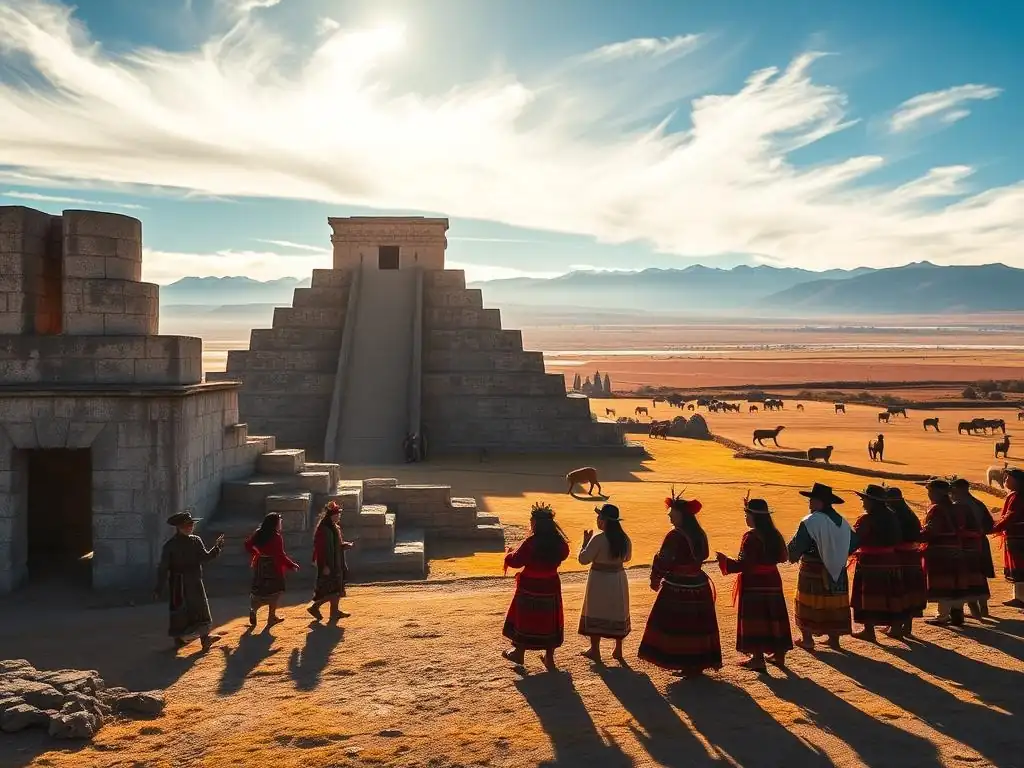
Welcome to Indigenous Civilizations of the Americas, where we invite you to embark on a fascinating journey through the rich tapestry of indigenous cultures that flourished long before European colonization. Today, we delve into the profound impact of Tiahuanaco on Andes culture, a civilization that not only shaped its environment but also left an indelible mark on the societies that followed.
What secrets did this ancient powerhouse hold, and how did its legacy influence the course of history during the Spanish conquest? Join us as we uncover the layers of Tiahuanaco's story, sparking curiosity and deepening your understanding of the remarkable achievements of these vibrant cultures.
- Introduction to Tiahuanaco and its Cultural Significance
- Context of the Spanish Conquest of the Andes
- Tiahuanaco's Role in Shaping Andes Culture
- The Intersection of Tiahuanaco and the Spanish Conquest
- Lasting Effects of Tiahuanaco on Modern Andes Culture
- Conclusion: The Enduring Influence of Tiahuanaco on Andes Culture
- Frequently Asked Questions
- Final Reflection: The Enduring Legacy of Tiahuanaco's Impact on Andes Culture
- Unveil the Legacy of Tiahuanaco: Join the Journey!
Introduction to Tiahuanaco and its Cultural Significance
The ancient city of Tiahuanaco, located near the southern shores of Lake Titicaca in present-day Bolivia, stands as a testament to the rich tapestry of pre-Columbian cultures that flourished in the Andes. Recognized for its remarkable architectural achievements and sophisticated societal structures, Tiahuanaco played a pivotal role in shaping the cultural landscape of the region long before the arrival of European conquerors. Its influence extended far beyond its immediate vicinity, impacting neighboring civilizations and leaving a lasting legacy that would resonate through centuries.
Understanding Tiahuanaco's impact on Andes culture is essential for comprehending the broader narrative of indigenous societies in the Americas and their interactions with European forces during the conquest. This article delves into the historical significance of Tiahuanaco, exploring its cultural contributions and the ways in which it influenced the dynamics of the Andes region during the tumultuous period of European contact.
Overview of Tiahuanaco Civilization
Tiahuanaco civilization emerged around 300 AD and thrived until approximately 1000 AD, marking it as one of the most influential cultures in the Andes. The city itself was a center of religious and political life, characterized by its impressive stone architecture, intricate pottery, and advanced agricultural techniques.
Key features of Tiahuanaco include:
- Architectural Innovations: Structures such as the Akapana pyramid and the Gateway of the Sun demonstrate the engineering prowess of the Tiahuanaco people.
- Agricultural Practices: The civilization developed advanced farming techniques, including raised-field agriculture, which enhanced productivity and supported a growing population.
- Cultural Artifacts: The art and artifacts produced by Tiahuanaco reflect a rich spiritual life, with numerous ceremonial objects and sculptures that convey their beliefs and societal values.
Through trade and cultural exchange, Tiahuanaco influenced various neighboring cultures, such as the Aymara and the Incas, contributing to the shared heritage of the Andes region.
Importance of Tiahuanaco in Pre-Columbian Andes Culture
Tiahuanaco's significance in the cultural fabric of the Andes cannot be overstated. The civilization served as a crucial hub for the exchange of ideas, goods, and technologies among various indigenous groups. Its legacy is evident in several key areas:
- Political Influence: Tiahuanaco's centralized authority and administrative systems set a precedent for subsequent Andean societies, including the rise of the Inca Empire.
- Religious Practices: The religious beliefs and practices established in Tiahuanaco influenced the spiritual life of later Andean civilizations, as seen in the incorporation of Tiahuanaco deities into Inca worship.
- Artistic Legacy: The artistic styles and motifs originating from Tiahuanaco can be observed in later Andean art forms, showcasing the continuity and evolution of indigenous artistic expression.
Tiahuanaco's impact on Andes culture is profound, shaping the social, political, and religious landscapes long before European contact. The remnants of this civilization continue to be a source of pride and identity for indigenous peoples in the region, underscoring the importance of preserving and studying their heritage.
Context of the Spanish Conquest of the Andes
Historical Background of Spanish Conquest
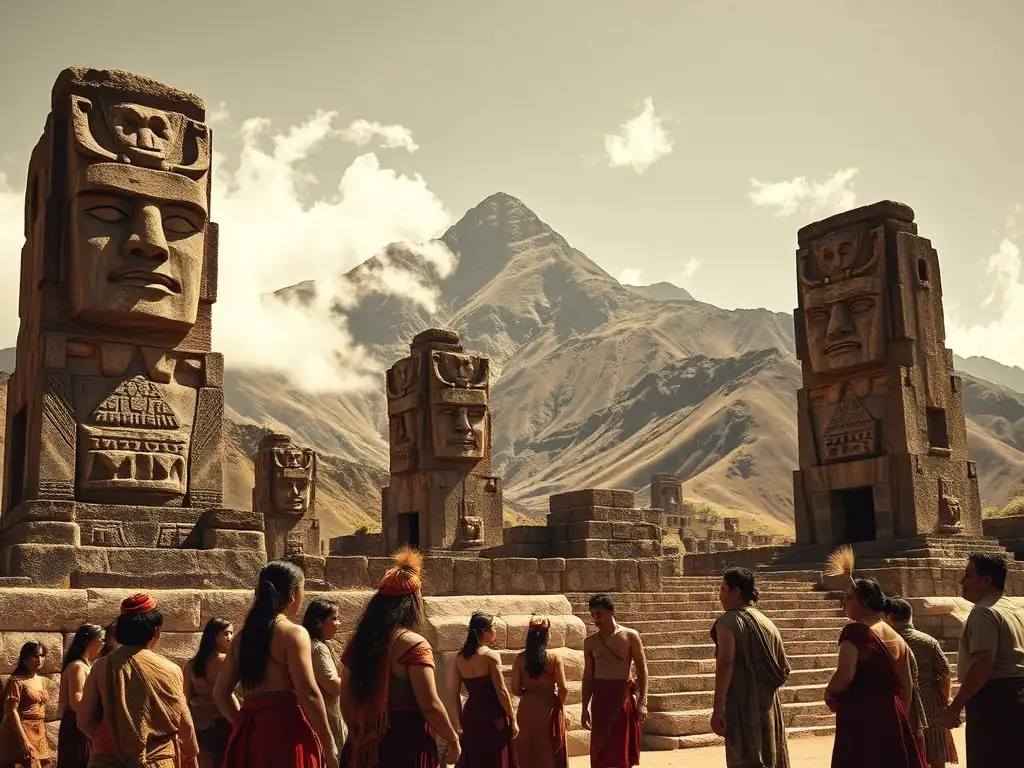
The Spanish conquest of the Andes, particularly during the 16th century, was marked by a series of military expeditions that sought to expand Spanish influence and control over the vast territories of South America. This period was characterized by the arrival of Spanish conquistadors, such as Francisco Pizarro, who capitalized on the existing political fragmentation and social upheaval within the region. The fall of the Inca Empire, which was the most significant indigenous civilization in the Andes, was a pivotal event, yet it was influenced by prior historical dynamics, including the legacy of cultures like Tiahuanaco.
Tiahuanaco, located near the southern shore of Lake Titicaca in modern-day Bolivia, was a significant pre-Columbian civilization that thrived between 300 AD and 1000 AD. Its architectural, agricultural, and societal innovations laid foundational aspects for subsequent Andean cultures, including the Inca. By the time the Spanish arrived, the decades of internal strife and civil wars among the Inca had weakened their grip on power, making them more susceptible to external conquest. The Spanish capitalized on these divisions, forging alliances with rival indigenous groups and exploiting existing grievances against the Inca rulers.
Indigenous Societies Before European Contact
Before European contact, the Andes was home to a myriad of indigenous societies, each with distinct cultures, languages, and traditions. Among these, Tiahuanaco's impact on Andes culture was significant. Its influence can be seen in various aspects of life, including agricultural practices, architectural styles, and religious beliefs.
- Cultural Achievements: Tiahuanaco was renowned for its monumental architecture, such as the Akapana Pyramid and the Gateway of the Sun, which showcased advanced engineering and artistic skills. The civilization's urban planning and agricultural innovations, like raised-field farming, contributed to sustainable food production, allowing for population growth and cultural development.
- Societal Structure: The hierarchical society of Tiahuanaco was characterized by a centralized authority that managed resources and labor. This structure influenced later Andean societies, including the Inca, who adopted and adapted these organizational principles to their own governance model.
- Religious Beliefs: The religious practices of Tiahuanaco emphasized the worship of deities associated with agriculture and fertility, which laid the groundwork for the spiritual beliefs of subsequent cultures in the Andes. The symbolism and rituals that originated in Tiahuanaco persisted, influencing Inca religious practices and their reverence for the natural world.
The arrival of the Spanish disrupted these rich traditions and complex societies, leading to profound changes that would reshape the cultural landscape of the Andes forever. By understanding the achievements and societal structures of indigenous civilizations like Tiahuanaco, we gain valuable insight into the resilience and adaptability of these cultures in the face of conquest and colonization.
Tiahuanaco's Role in Shaping Andes Culture
Cultural Achievements of Tiahuanaco
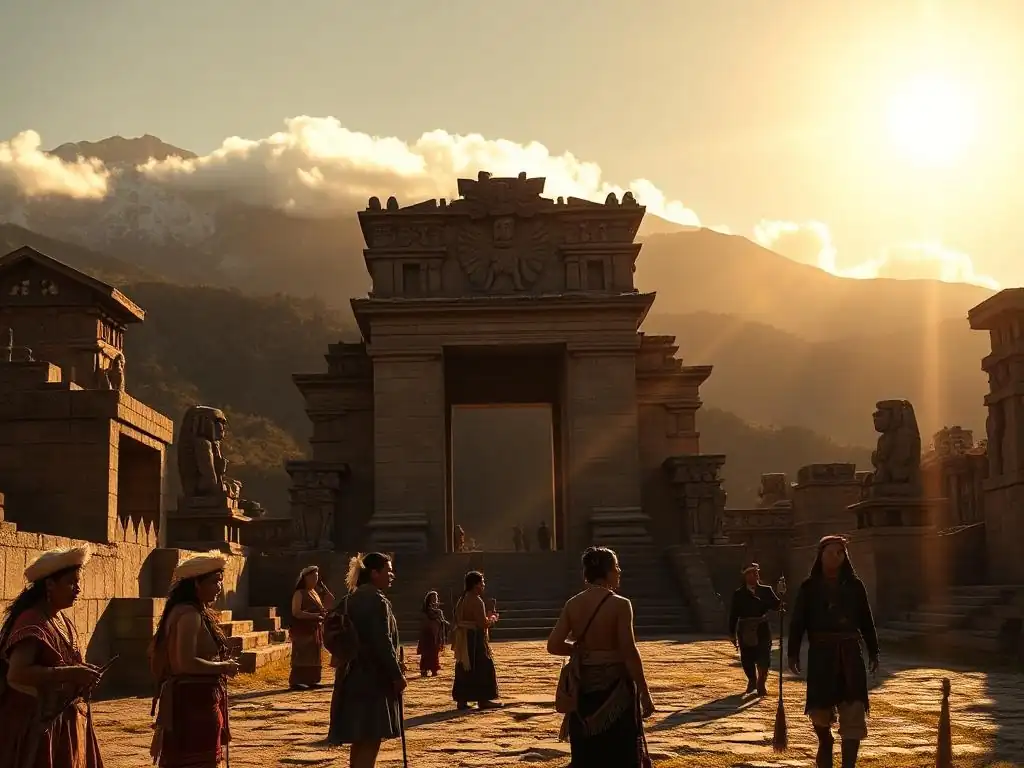
Tiahuanaco, located near Lake Titicaca in present-day Bolivia, stands as a monumental testament to the cultural achievements of pre-Columbian societies in the Andes. This ancient city, which flourished between 300 and 1000 CE, was not merely a political center but a vibrant hub of cultural and spiritual expression.
One of the most notable aspects of Tiahuanaco's culture is its intricate craftsmanship. The artisans of Tiahuanaco excelled in stone masonry, creating massive structures with precisely cut stones that fit together without the use of mortar. The Pumapunku site is a prime example, showcasing advanced engineering techniques and artistic designs. The Gateway of the Sun, adorned with reliefs and symbolic figures, reflects the city’s religious significance and its connection to the Andean cosmology.
Tiahuanaco also played a crucial role in the development of agricultural techniques that were foundational for sustaining large populations. The construction of raised-field agriculture allowed the civilization to thrive in the high-altitude environment. These raised fields not only improved drainage but also enhanced soil fertility, which led to increased crop yields. This agricultural innovation would later influence other Andean cultures, contributing to a more complex societal structure.
Tiahuanaco's Influence on Neighboring Civilizations
The influence of Tiahuanaco extended far beyond its geographic boundaries, impacting neighboring civilizations such as the Aymara, Inca, and various groups throughout the Altiplano region. The city served as a cultural and economic center, where goods, ideas, and technologies were exchanged, fostering regional interconnectedness.
The Inca Empire, which rose to prominence after the decline of Tiahuanaco, absorbed many elements of Tiahuanaco culture. For instance, the Inca adopted agricultural practices and religious beliefs that had been established at Tiahuanaco. The worship of the god Viracocha, a central figure in Tiahuanaco spirituality, persisted and evolved within Inca traditions, demonstrating a continuity of cultural practices.
Moreover, Tiahuanaco’s artistic styles and architectural techniques influenced the development of Inca construction methods. The use of large, finely cut stone blocks in Inca buildings can be traced back to the earlier practices established by Tiahuanaco builders. This architectural legacy is evident in significant Inca sites such as Sacsayhuamán, where the techniques of stone fitting and construction reflect Tiahuanaco’s advanced methodologies.
Architectural and Agricultural Innovations of Tiahuanaco
Tiahuanaco's architectural innovations are among its most remarkable contributions to Andean culture. The city is renowned for its grand structures, such as the Akapana Pyramid and the Temple of the Kalasasaya, which were constructed with a sophisticated understanding of geometry and astronomy. The layout of Tiahuanaco itself was oriented with celestial events, indicating the civilization’s expertise in astronomy and its integration with architectural design.
In addition to architectural prowess, Tiahuanaco was a pioneer in agricultural innovation. The raised-field systems they developed were not only efficient but also sustainable in the harsh Andean climate. These systems allowed for effective water management and crop cultivation, which included staples such as potatoes, quinoa, and llamas for transport and labor.
| Innovation Type | Description | Impact on Society |
|---|---|---|
| Architectural | Precision stone cutting and construction techniques | Established enduring structures |
| Agricultural | Raised-field agriculture and irrigation systems | Enhanced food production and security |
The legacy of Tiahuanaco’s architectural and agricultural innovations laid the groundwork for subsequent Andean civilizations, demonstrating their profound impact on Andes culture. As such, Tiahuanaco remains a pivotal chapter in the history of the Americas, embodying the creativity and resilience of indigenous peoples long before European contact.
The Intersection of Tiahuanaco and the Spanish Conquest
Tiahuanaco's Decline Prior to Spanish Arrival
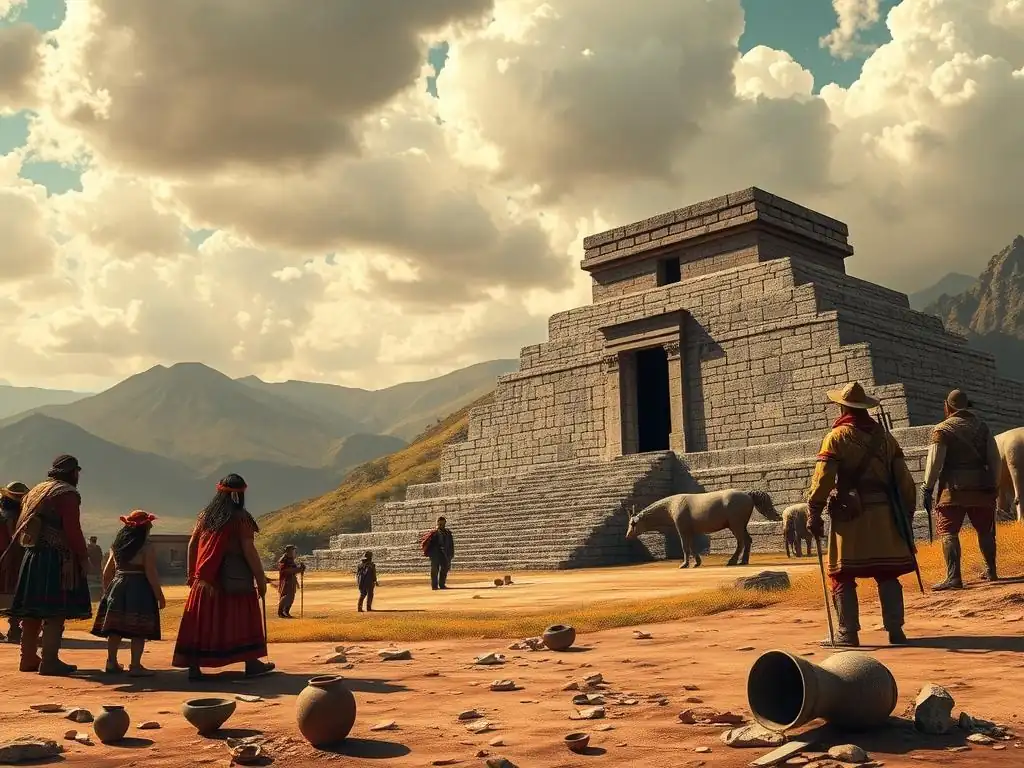
The civilization of Tiahuanaco, located near Lake Titicaca in present-day Bolivia, experienced significant decline long before the Spanish conquest of the Andes in the 16th century. By around 1000 AD, Tiahuanaco had reached its zenith, with monumental architecture, intricate textile production, and a complex social structure. However, by the time the Spanish arrived, the city was in a state of decline due to several factors:
- Environmental Changes: Climate fluctuations, such as prolonged droughts, severely impacted agriculture, which was the backbone of Tiahuanaco's economy. The depletion of local resources forced populations to migrate, leading to urban decay.
- Political Fragmentation: As resources dwindled, political power fractured. The once-unified state began to splinter into smaller, competing polities, which diminished Tiahuanaco’s influence in the region.
- Cultural Shifts: The rise of other cultures, such as the Aymara and later the Inca, further overshadowed Tiahuanaco. These groups absorbed many aspects of Tiahuanaco's culture while also introducing new practices.
As a result of these factors, by the time the Spanish arrived in the 1530s, Tiahuanaco was largely abandoned, with its monumental structures becoming relics of a once-great civilization. This decline would play a critical role in shaping how the Spanish interacted with the remnants of Tiahuanaco and the surrounding indigenous groups.
Spanish Perception of Tiahuanaco's Legacy
The Spanish conquistadors, arriving in the Andes, encountered the remnants of Tiahuanaco's once-flourishing culture. Their perception of Tiahuanaco's legacy was shaped by a mix of awe, misunderstanding, and opportunism. Key aspects of this perception included:
- Architectural Marvels: The Spanish were struck by the impressive stonework of Tiahuanaco, particularly the Gateway of the Sun and the Akapana pyramid. They viewed these structures as evidence of a high civilization, often attributing their construction to mythical beings rather than recognizing the indigenous ingenuity behind them.
- Cultural Misinterpretations: The Spanish often misinterpreted Tiahuanaco's religious and cultural practices. They viewed indigenous rituals through a Eurocentric lens, dismissing them as pagan and barbaric, which led to the suppression of these traditions during colonization.
- Utilization of Indigenous Labor: The remnants of Tiahuanaco's population, despite their decline, were seen as a resource. The Spanish utilized the indigenous people as laborers for mining and agriculture, often imposing harsh conditions that echoed the earlier exploitations of Tiahuanaco's own socio-political structures.
The Spanish perspective on Tiahuanaco significantly influenced their strategies during the conquest. Their admiration for the remnants of this civilization often coexisted with a relentless ambition to exploit its cultural and human resources.
Tiahuanaco's Impact on Indigenous Resistance during the Conquest
Despite its decline, Tiahuanaco's historical significance continued to resonate among the indigenous populations during the Spanish conquest. Several factors illustrate how Tiahuanaco's legacy impacted indigenous resistance:
- Cultural Identity: The memory of Tiahuanaco served as a powerful symbol of indigenous identity. Many groups, including the Aymara and others in the region, drew upon Tiahuanaco's legacy to assert their cultural heritage and resist Spanish domination.
- Political Alliances: The historical significance of Tiahuanaco influenced political alliances among various indigenous groups. Some sought to unite against the Spanish invaders, recalling the cooperative networks that had existed during Tiahuanaco's height to bolster their resistance.
- Rituals and Traditions: Indigenous populations used cultural practices and rituals rooted in Tiahuanaco's traditions as forms of resistance. These practices not only fostered community solidarity but also served to challenge the imposition of Spanish religious and cultural norms.
The enduring impact of Tiahuanaco on Andes culture was evident in the ways indigenous groups mobilized against the Spanish. Their resistance efforts were deeply intertwined with the legacy of Tiahuanaco, demonstrating that even in decline, the civilization's cultural influence persisted and inspired resilience among the Andean peoples.
Lasting Effects of Tiahuanaco on Modern Andes Culture
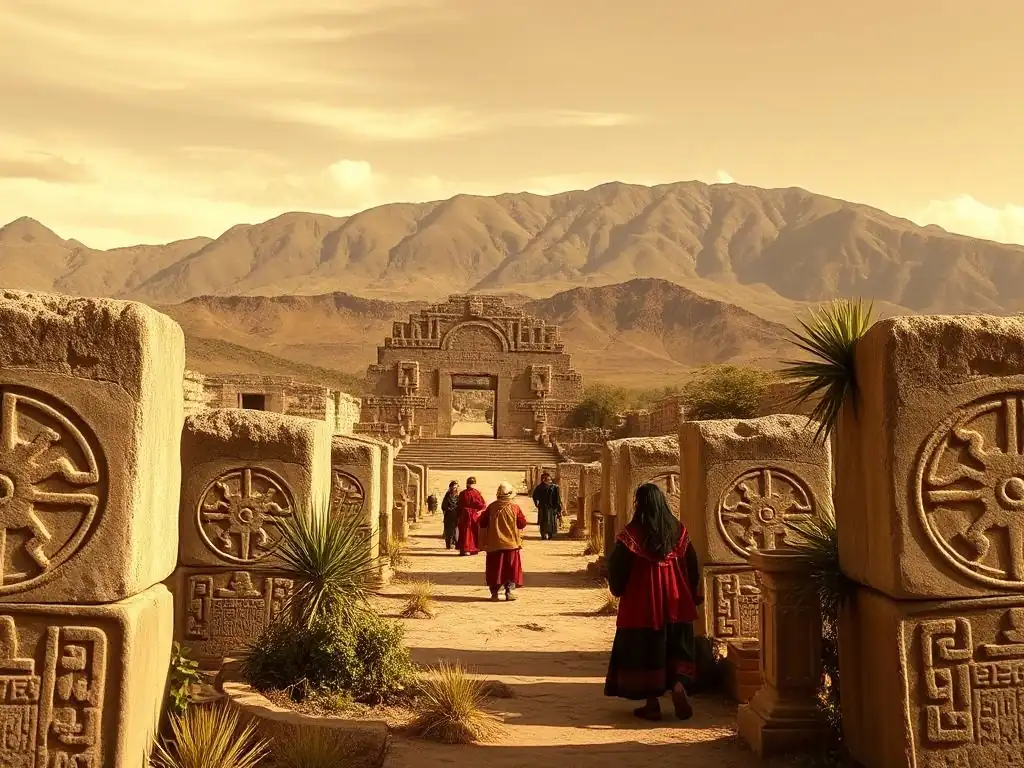
The ancient city of Tiahuanaco, located near the southern shore of Lake Titicaca in present-day Bolivia, has had a profound impact on the cultural landscape of the Andes region. Its influence extends far beyond its historical peak, shaping the identities, traditions, and social structures of contemporary Andean communities. Even centuries after the Spanish conquest, the remnants of Tiahuanaco's civilization continue to resonate within the cultural practices and beliefs of the indigenous peoples of the Andes.
Cultural Continuity and Transformation Post-Conquest
The Spanish conquest in the 16th century disrupted many indigenous societies, including those influenced by Tiahuanaco. However, rather than erasing these cultures, the conquest led to a complex process of cultural continuity and transformation.
- Syncretism of Beliefs: Many indigenous people blended their traditional beliefs with Catholicism introduced by the Spanish. For instance, the reverence for Pachamama (Mother Earth) remains central to Andean spirituality, often coexisting with Catholic rituals. This blend showcases the resilience of Tiahuanaco's cultural heritage.
- Preservation of Agricultural Practices: The agricultural techniques developed by Tiahuanaco, such as raised-field farming, have been adapted and preserved by modern communities. These practices demonstrate the enduring influence of Tiahuanaco's agrarian innovations in sustainable farming.
- Artistic Expressions: Tiahuanaco's artistic styles, characterized by intricate stonework and symbolic motifs, are still visible in contemporary Andean textiles and pottery. These artworks often reflect themes rooted in Tiahuanaco's cosmology, maintaining a connection to the past while evolving to meet modern expressions.
- Language Retention: The indigenous languages of the Andes, such as Aymara and Quechua, retain elements of Tiahuanaco's linguistic heritage. These languages not only preserve traditional stories and knowledge but also embody the continuity of cultural identity in the face of external pressures.
The Legacy of Tiahuanaco in Contemporary Indigenous Identity
In discussing Tiahuanaco's impact on Andes culture, it is essential to recognize its role in shaping contemporary indigenous identity. The legacy of this ancient civilization is evident in various aspects of life among Andean peoples today.
- Cultural Pride and Revival: Many indigenous communities in the Andes actively celebrate their Tiahuanaco heritage as a source of pride. Festivals and rituals that draw from Tiahuanaco traditions reinforce a sense of belonging and continuity, fostering a collective identity rooted in their ancient past.
- Political Movements: The re-emergence of Tiahuanaco's cultural significance has inspired political movements advocating for the rights and recognition of indigenous peoples. Leaders often invoke Tiahuanaco as a symbol of resistance against colonial legacies and a foundation for indigenous sovereignty.
- Tourism and Cultural Heritage: Tiahuanaco has become a focal point for cultural tourism, drawing visitors interested in its archaeological significance. This interest has spurred local economies while simultaneously promoting the preservation of Tiahuanaco's cultural legacy through educational programs and sustainable practices.
- Art and Literature: Contemporary artists and writers often reference Tiahuanaco in their works, using it as a backdrop to explore themes of identity, ancestry, and resilience. This creative engagement highlights the ongoing relevance of Tiahuanaco's cultural narratives in shaping modern Andean identity.
Tiahuanaco's impact on Andes culture is profound and multifaceted. The interplay of cultural continuity and transformation post-conquest, along with the enduring legacy of Tiahuanaco in contemporary indigenous identity, illustrates the resilience and adaptability of Andean cultures. By understanding these dynamics, we gain insight into the rich tapestry of history that continues to influence the lives of indigenous peoples in the Andes today.
Conclusion: The Enduring Influence of Tiahuanaco on Andes Culture
Summary of Tiahuanaco's Impact on the Spanish Conquest of the Andes
The city of Tiahuanaco, located near the southern shores of Lake Titicaca in modern-day Bolivia, played a critical role in shaping the cultural landscape of the Andes long before the arrival of Spanish conquistadors. Its influence extended into the Spanish conquest period, impacting both indigenous societies and the Spanish themselves.
- Cultural Heritage: Tiahuanaco was a center of immense cultural and architectural innovation. The monumental constructions, such as the Akapana Pyramid and the Gateway of the Sun, showcased advanced engineering techniques and artistic expression that left an indelible mark on the Andean peoples. This cultural heritage was not easily forgotten and served as a source of pride during the tumultuous times of the conquest.
- Political Legacy: The political structures that emerged from Tiahuanaco's influence were significant. The Tiahuanaco culture fostered a complex society with organized governance and trade networks. When the Spanish arrived, they encountered a fragmented political landscape shaped by the remnants of Tiahuanaco's systems, which affected their strategies for conquest. The Spanish often exploited these divisions, but they had to navigate the intricate web of alliances and rivalries that Tiahuanaco had established.
- Religious Practices: The religious beliefs and practices that evolved from Tiahuanaco also played a role in the resistance against Spanish colonization. The indigenous populations held onto their spiritual traditions, many of which were rooted in Tiahuanaco's teachings, which emphasized the importance of the natural world and ancestral reverence. This spiritual connection provided a sense of unity and resilience, allowing communities to resist foreign domination more effectively.
- Economic Networks: Tiahuanaco was a hub of trade, facilitating the exchange of goods across the Andes. The economic systems put in place by Tiahuanaco's influence continued to function even during the Spanish conquest. Indigenous groups maintained their trading practices, which became vital for survival amidst the upheaval caused by European intrusion.
Overall, Tiahuanaco's impact on Andes culture was profound, laying the groundwork for the social, political, and economic dynamics that characterized the region during the Spanish conquest.
Reflection on Tiahuanaco's Place in History and Its Relevance Today
Tiahuanaco's legacy transcends its historical timeline, continuing to resonate in contemporary Andean culture. Its ruins are not merely remnants of a bygone civilization; they are symbols of resilience and identity for indigenous communities in the region.
- Cultural Identity: Today, the indigenous peoples of the Andes often draw upon their Tiahuanaco heritage to assert their identity and cultural pride. Festivals celebrating traditional practices, crafts, and agricultural techniques reflect the enduring influence of Tiahuanaco's culture.
- Tourism and Education: The site of Tiahuanaco has become a significant tourist destination, attracting visitors who seek to understand the rich history of the Andes. This interest fosters educational opportunities that highlight the importance of indigenous cultures and their contributions to global heritage.
- Political Movements: In recent years, the resurgence of indigenous movements in Bolivia and beyond has brought Tiahuanaco's legacy to the forefront. Advocating for rights and recognition, these movements often reference Tiahuanaco as a symbol of indigenous strength and continuity.
- Archaeological Significance: Continued archaeological research at Tiahuanaco provides insights into pre-Columbian societies and their interactions. Findings contribute to a broader understanding of social organization, trade, and belief systems in ancient Andean cultures.
Tiahuanaco's impact on Andes culture remains significant, shaping not only the past but also influencing the present and future of indigenous identity and heritage in the Americas. The lessons learned from Tiahuanaco continue to inspire movements for cultural pride, unity, and resilience among indigenous communities today.
Frequently Asked Questions
What was Tiahuanaco's influence on Andes culture?
Tiahuanaco played a crucial role in shaping the social, political, and architectural developments in the Andes, laying the groundwork for later civilizations like the Inca.
How did Tiahuanaco's achievements affect its neighbors?
The innovative farming techniques, monumental architecture, and complex society of Tiahuanaco significantly influenced neighboring cultures, promoting trade and cultural exchange across the region.
What role did Tiahuanaco play during the Spanish Conquest?
During the Spanish Conquest, the legacy of Tiahuanaco's political and cultural structures affected the resistance and adaptation of indigenous groups in the Andes, impacting their interactions with the Spanish.
Are there any notable architectural features of Tiahuanaco?
Yes, Tiahuanaco is known for its impressive stone structures, such as the Gateway of the Sun and Puma Punku, showcasing advanced engineering and artistic craftsmanship.
How does Tiahuanaco's legacy persist today?
The cultural and historical significance of Tiahuanaco continues to influence modern Andean identity, with many communities celebrating their heritage and traditions rooted in this ancient civilization.
Final Reflection: The Enduring Legacy of Tiahuanaco's Impact on Andes Culture
Tiahuanaco's influence on the Andes culture remains profoundly relevant today, as we continue to explore the intricate tapestry of indigenous histories that shaped the region. The legacy of Tiahuanaco is not merely a relic of the past; it serves as a vital reminder of the resilience and complexity of Andean civilizations in the face of external challenges. The Spanish conquest may have altered the course of history, but the cultural echoes of Tiahuanaco resonate through the ages, reminding us of the rich heritage that preceded colonial encounters.
Culturally, Tiahuanaco has left an indelible mark on the social fabric of the Andes, influencing everything from agricultural practices to spiritual beliefs. The remnants of this ancient civilization continue to inspire contemporary Andean communities, fostering a sense of identity and continuity. As noted by historian John H. Rowe, > “The past is never dead; it’s not even past.” This observation underscores the ongoing relevance of Tiahuanaco's contributions, as they inform the cultural narratives and practices of modern Andean societies.
As we reflect on the lessons of Tiahuanaco's impact, let us embrace the opportunity to honor and learn from the past. I invite you to consider how the stories and traditions of ancient cultures can enrich your understanding of the present and shape a more inclusive future. By acknowledging the complexities of history and recognizing the enduring legacies of civilizations like Tiahuanaco, we can cultivate a deeper appreciation for the diverse cultural landscapes that continue to thrive in the Andes and beyond.
Unveil the Legacy of Tiahuanaco: Join the Journey!
Thank you for taking the time to explore the fascinating role of Tiahuanaco in the Spanish Conquest of the Andes. Your curiosity unlocks a deeper understanding of indigenous civilizations and their profound histories. Now, let's take that knowledge further and make a lasting connection!
- Dive Deeper: Explore additional resources on the impact of Tiahuanaco in contemporary Andean cultures by visiting our resource library dedicated to the indigenous civilizations of the Americas.
- Share Your Insights: Discuss this topic with friends or family—what surprised you most about Tiahuanaco's influence?
- Join the Community: Engage with fellow history enthusiasts on our forum, where you can share thoughts and ask questions about the legacy of these remarkable civilizations.
What aspect of Tiahuanaco’s history do you find most compelling, and how does this shape your perspective on the indigenous cultures of the Andes today?