
Examining the Role of Llamas in Tiahuanaco's Economy and Transportation

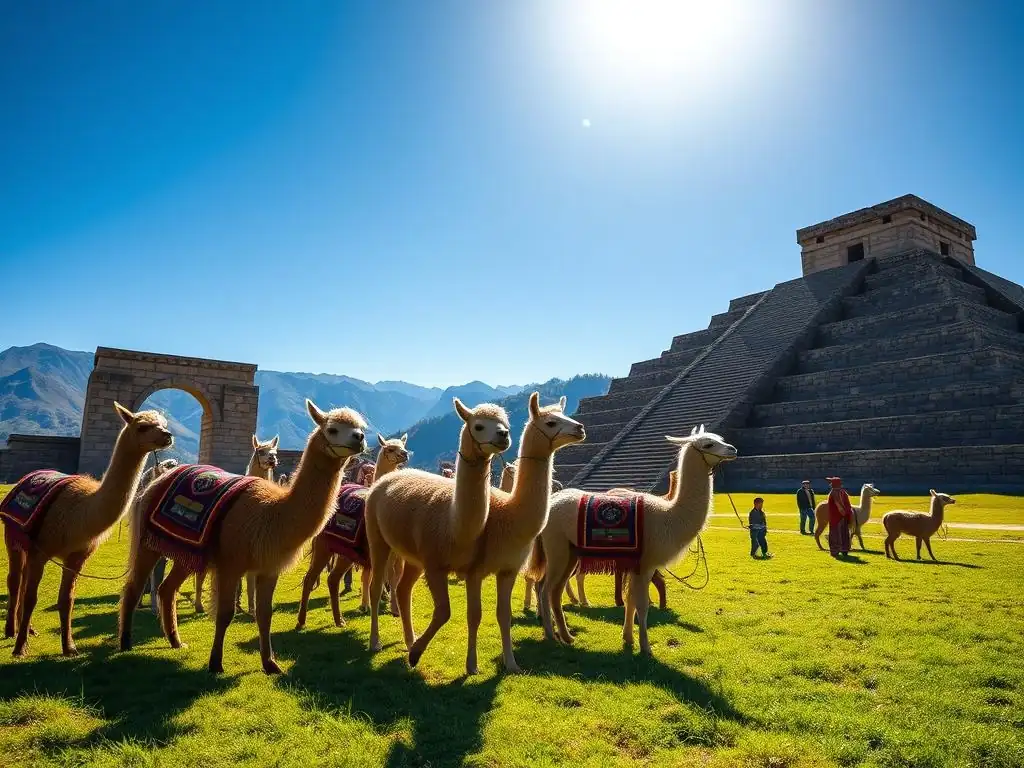
Welcome to Indigenous Civilizations of the Americas, where we invite you on a captivating journey through the rich tapestry of indigenous cultures that flourished long before European influence reshaped the continent. In our featured article, we delve into the importance of llamas in Tiahuanaco, uncovering how these remarkable animals were not just beasts of burden but pivotal to the economy and transportation of this ancient civilization. Join us as we explore their multifaceted roles and the lasting legacy they left behind, igniting your curiosity and inspiring a deeper understanding of Tiahuanaco’s vibrant culture.
Ready to discover the untold stories that shaped a civilization? Let’s dive in!
The ancient civilization of Tiahuanaco, located near Lake Titicaca in present-day Bolivia, is renowned for its extraordinary achievements in architecture, agriculture, and societal organization. Among its many contributions, the importance of llamas in Tiahuanaco stands out as a cornerstone of the economy and transportation systems that sustained this remarkable culture.
Llamas, with their unique adaptations and domesticated nature, served not only as pack animals but also as essential resources in agricultural practices and trade networks. This article delves into the multifaceted roles that llamas played in Tiahuanaco’s economy, examining how their use influenced societal development and facilitated commerce in the Andean region.
The Significance of Llamas in Tiahuanaco’s Agriculture
The agricultural practices of the Tiahuanaco civilization were heavily reliant on the llama, which provided labor and resources critical to farming.
- Pack Animals for Agriculture:
- Llamas were used to transport goods, supplies, and even agricultural products across the rugged Andean terrain, ensuring that farmers could access distant fields and markets.
- Their ability to navigate steep mountain paths made them indispensable for the transportation of crops like potatoes and quinoa.
- Fertilization and Soil Enrichment:
- Llama manure was a valuable resource that enriched the soil, enhancing crop yields and supporting sustainable agricultural practices.
- The use of manure as fertilizer demonstrates the Tiahuanaco’s adeptness at utilizing available resources for maximum agricultural productivity.
Llamas in Trade and Economic Exchange
Llamas were not only integral to agriculture; they also played a pivotal role in Tiahuanaco’s trade networks.
- Facilitating Trade Routes:
- As pack animals, llamas enabled the movement of goods over long distances, linking Tiahuanaco with other cultures and regions.
- This connectivity allowed for the exchange of products like textiles, ceramics, and food items, enriching Tiahuanaco's economy.
- Economic Impact:
- The llama trade contributed significantly to the wealth of the Tiahuanaco civilization, fostering interactions with neighboring cultures and expanding their economic influence.
- The establishment of trade routes utilizing llamas encouraged cultural exchanges that shaped the region's history.
The Cultural and Symbolic Importance of Llamas
Beyond their economic uses, llamas held cultural significance for the Tiahuanaco people.
- Cultural Symbolism:
- Llamas were often associated with rituals and religious practices, reflecting their esteemed status within the society.
- They appeared in art and mythology, symbolizing prosperity and the connection between the natural and spiritual worlds.
- Status and Identity:
- Ownership of llamas was a mark of wealth and social standing, contributing to the social hierarchy within Tiahuanaco society.
- Their presence in community events and ceremonies helped reinforce cultural identity among the Tiahuanaco people.
The importance of llamas in Tiahuanaco transcended mere utility; they were vital components of agricultural practices, trade networks, and cultural identity. Understanding the multifaceted roles of these remarkable animals provides a deeper insight into the complexities of Tiahuanaco society and its enduring legacy in the history of indigenous civilizations in the Americas.
- The Significance of Llamas in Tiahuanaco’s Agriculture
- Llamas in Trade and Economic Exchange
- The Cultural and Symbolic Importance of Llamas
- What was the primary role of llamas in Tiahuanaco's economy?
- How did llamas contribute to transportation in ancient Tiahuanaco?
- Were llamas used for anything besides transportation in Tiahuanaco?
- What impact did the llamas have on Tiahuanaco’s trade relationships?
- How did the importance of llamas influence Tiahuanaco's culture?
Introduction to Llamas in Tiahuanaco Culture
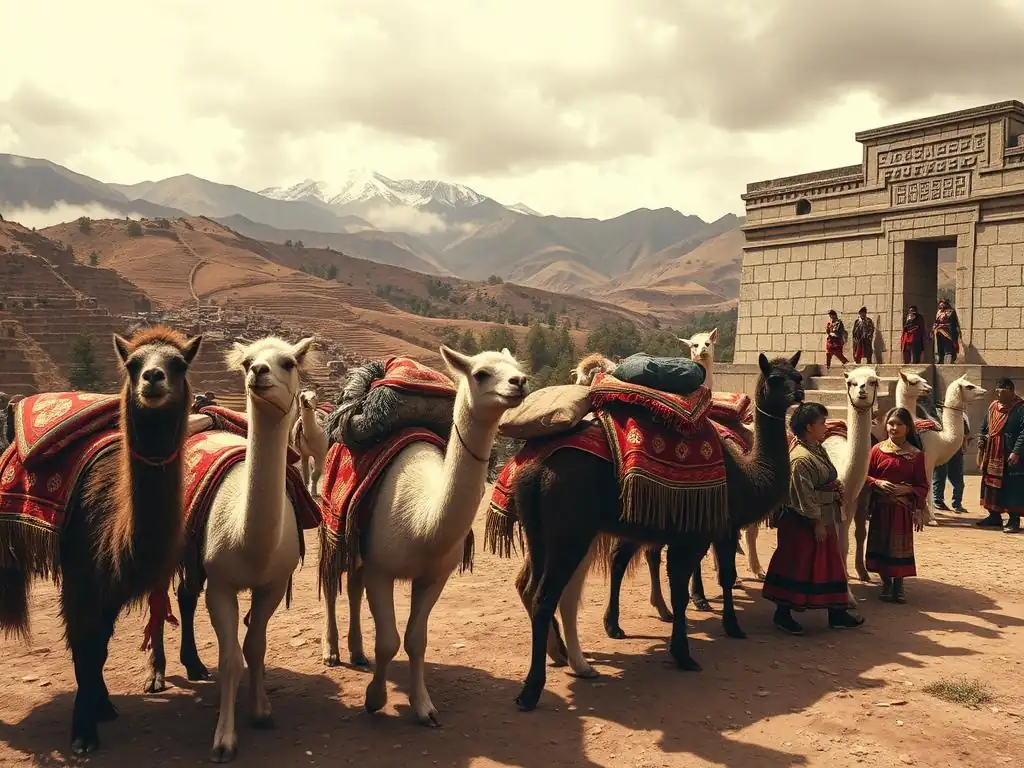
Llamas played a pivotal role in the economy and transportation of the Tiahuanaco civilization, a prominent culture that emerged in the highlands of present-day Bolivia around 400 AD. These remarkable animals were not only integral to the livelihood of the Tiahuanaco people but also served as a symbol of their ingenuity in adapting to the harsh Andean environment. This section delves into the multifaceted functions of llamas within Tiahuanaco society, highlighting their essential contributions to agriculture, trade, and transportation.
Overview of Tiahuanaco Civilization
The Tiahuanaco civilization flourished between 400 and 1000 AD, characterized by advanced agricultural practices and monumental architecture. Located near Lake Titicaca, Tiahuanaco became a significant cultural and political hub in the Andean region.
Key features of Tiahuanaco civilization include:
- Urban Planning: The city was meticulously planned, with impressive structures such as the Akapana Pyramid and the Gateway of the Sun.
- Agricultural Innovation: Tiahuanaco utilized advanced agricultural techniques, including raised field systems, which maximized crop yields in the challenging high-altitude environment.
- Cultural Achievements: The civilization is known for its unique pottery, textiles, and stone carvings, which reflect a rich spiritual and cultural life.
Llamas were central to the daily life and economy of Tiahuanaco, providing numerous benefits that were essential for the survival and prosperity of this civilization.
Significance of Llamas in Indigenous Cultures
Llamas have been domesticated by Andean cultures for thousands of years, serving as vital resources in both economic and cultural contexts. Their significance can be summarized in the following ways:
- Pack Animals: Llamas are naturally adapted to the mountainous terrain of the Andes, making them ideal pack animals for transporting goods. Their ability to carry heavy loads over long distances allowed for trade between various communities.
- Source of Food: Although not primarily raised for meat, llamas provided a source of protein through their meat when necessary. Additionally, their wool was harvested for textiles, contributing to the economy.
- Cultural Symbolism: In many indigenous cultures, llamas hold symbolic importance, often associated with fertility, wealth, and the connection to the Andean deities. They featured prominently in rituals and ceremonies, emphasizing their integral role in spiritual life.
Overall, llamas were indispensable to the economic and cultural fabric of Tiahuanaco and other indigenous civilizations throughout the Andes.
Main Keyword: Importance of Llamas in Tiahuanaco
The importance of llamas in Tiahuanaco cannot be overstated, as they were essential to the civilization's economic structure and daily activities. Their roles can be categorized into several key areas:
- Transportation and Trade:
- Llamas facilitated trade across the highlands, allowing Tiahuanaco to exchange goods with neighboring cultures. Their ability to navigate steep terrains made them invaluable for transporting food, textiles, and other goods.
- Agricultural Support:
- The llama's manure was utilized as a natural fertilizer, enhancing soil fertility for agricultural practices. This symbiotic relationship enabled the Tiahuanaco to maintain sustainable farming systems.
- Economic Backbone:
- The presence of llamas contributed to the economy by enabling the movement of goods and resources. Their reliability and endurance were crucial for the establishment of trade networks that connected Tiahuanaco with distant regions.
- Cultural Identity:
- The llama became a symbol of the Andean way of life, representing resilience and adaptation to the environment. In Tiahuanaco, llamas were often depicted in art and iconography, reflecting their esteemed status in society.
Llamas were not just animals but rather a cornerstone of Tiahuanaco's economy and culture. Their multifaceted roles underscore the profound relationship between the Tiahuanaco people and their environment, providing insights into their innovative adaptations and societal structures.
Economic Contributions of Llamas in Tiahuanaco

The Tiahuanaco civilization, flourishing in the highlands of present-day Bolivia from around 400 AD to 1000 AD, heavily relied on llamas for their economic activities. These remarkable animals were integral not only to transportation but also to the economy, influencing various aspects of daily life and commerce. Their significance can be understood through their roles in trade, agricultural practices, and overall societal development.
Role of Llamas in Trade and Commerce
Llama Drives and Trade Routes
Llamas were the backbone of Tiahuanaco's trade network, serving as reliable pack animals for transporting goods across challenging terrains. The high-altitude routes, often characterized by steep inclines and rugged landscapes, required sturdy and resilient animals. Llamas' ability to traverse these routes with relative ease made them indispensable for long-distance trade.
Tiahuanaco was strategically located near Lake Titicaca, which was a crucial hub for interregional trade. Llama caravans would navigate extensive trade routes that connected Tiahuanaco to other cultures, including the Aymara and Inca. These drives facilitated not only the exchange of local products but also the introduction of foreign goods, which enriched Tiahuanaco's economy.
Exchange of Goods and Services
The llama's role in facilitating trade extended beyond mere transportation. It enabled the exchange of various goods and services, such as textiles, ceramics, and agricultural products. The Tiahuanaco people engaged in reciprocal trade with neighboring societies, allowing for the distribution of surplus goods and the acquisition of essential resources.
Llamas were also used in ceremonial exchanges, highlighting their importance in social and economic interactions. Their presence in trade practices underscored their value as both economic assets and cultural symbols, integrating them deeply into the fabric of Tiahuanaco society.
The Impact of Llamas on Agricultural Practices
Fertilization and Soil Enrichment
Llamas played a significant role in Tiahuanaco's agricultural practices, particularly in soil management. Their dung was a vital resource for fertilization, providing essential nutrients to crops. This organic fertilizer improved soil quality, enhancing agricultural productivity.
The strategic use of llama dung allowed Tiahuanaco farmers to cultivate a variety of crops, including potatoes, quinoa, and maize. This agricultural abundance contributed to the overall prosperity of the civilization, as increased yields supported larger populations and fostered social development.
Transportation of Agricultural Products
In addition to enhancing soil fertility, llamas were crucial for the transportation of agricultural products from the fields to urban centers. The ability to carry heavy loads made them ideal for moving bulk supplies, such as grains and vegetables, to markets in Tiahuanaco.
This efficient transportation network ensured that food supplies were consistently available, supporting the population and contributing to the economic stability of the region. The reliance on llamas for transporting agricultural products exemplified their multifaceted contributions to Tiahuanaco's economy, reinforcing the importance of llamas in Tiahuanaco's agricultural and commercial systems.
The importance of llamas in Tiahuanaco cannot be overstated. They were not only essential for trade and transportation but also played a vital role in agricultural practices, contributing significantly to the economic success and sustainability of the Tiahuanaco civilization.
Transportation and Mobility in Tiahuanaco
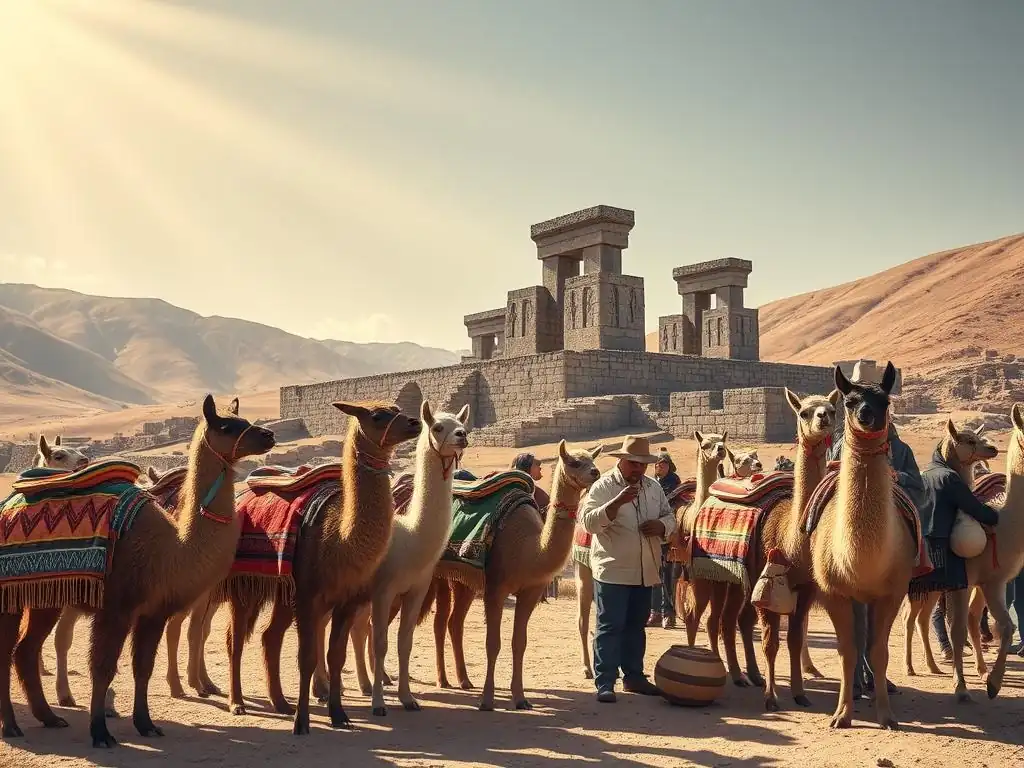
Llamas as Pack Animals
The importance of llamas in Tiahuanaco extended far beyond their role as agricultural companions; they were vital for transportation and mobility across the rugged Andean landscape. These domesticated animals were particularly well-suited for the high-altitude regions of the Altiplano, where they thrived in harsh climates and steep terrains.
Advantages of Using Llamas for Transportation
Llamas offered several advantages that made them an ideal choice for transportation in Tiahuanaco:
- Adaptability to Altitude: Llamas are naturally adapted to high altitudes, which allowed them to thrive in the mountainous regions where Tiahuanaco was located. Their ability to function efficiently in low oxygen environments made them invaluable for traversing the Andes.
- Strength and Endurance: Capable of carrying loads of up to 25-30% of their body weight, llamas were strong enough to transport goods over long distances. They could travel approximately 8-13 kilometers (5-8 miles) a day, making them reliable for both short and long hauls.
- Low Maintenance: Llamas are relatively easy to care for compared to other pack animals. They require less food and water, which was crucial in the arid regions surrounding Tiahuanaco.
- Social Structure: Llamas have a natural herd instinct, which facilitated the management of larger groups of animals during transport. They could be easily trained and led, ensuring efficient movement of goods and even people.
Comparison with Other Pack Animals
In contrast to other pack animals such as donkeys and mules, llamas offered unique benefits. For example:
| Feature | Llamas | Donkeys | Mules |
|---|---|---|---|
| Altitude Adaptation | Excellent | Limited | Moderate |
| Load Capacity | 25-30% of body weight | 20-25% of body weight | 25-30% of body weight |
| Maintenance Needs | Low | Moderate | Moderate |
| Temperament | Docile and trainable | Stubborn | Generally calm |
While llamas and mules share similar load capacities, llamas have the advantage of being more adaptable to extreme environments, making them superior for the specific needs of Tiahuanaco.
The Influence of Llama Transportation on Trade Networks
The role of llamas in Tiahuanaco's economy was instrumental not only in everyday transportation but also in the establishment and expansion of trade networks across the region.
Establishing Trade Links with Neighboring Cultures
Llama caravans facilitated trade interactions with neighboring cultures, allowing Tiahuanaco to exchange goods such as textiles, pottery, and agricultural products. The ability to transport items over long distances opened up new markets and fostered relationships with other civilizations, including:
- The Aymara people to the west
- The Inca tribes to the north
- Coastal communities to the south
Llamas enabled swift and efficient movement of goods, which was essential for the development of these trade links, enhancing economic stability and cultural exchange.
Expanding the Reach of Tiahuanaco's Economy
The use of llamas for transportation significantly expanded the economic reach of Tiahuanaco. As trade networks grew, so did the variety of goods available in Tiahuanaco markets. This not only enriched the local economy but also allowed Tiahuanaco to become a central hub for trade in the region. The surplus of goods generated from llama transportation contributed to:
- Increased agricultural production
- The flourishing of artisan crafts
- A more extensive social and political network
The importance of llamas in Tiahuanaco was multifaceted, serving as a pillar for transportation, trade, and economic expansion. Their unique attributes and capabilities played a crucial role in establishing Tiahuanaco as a prominent civilization in the pre-Columbian Americas.
Cultural Significance of Llamas in Tiahuanaco Society
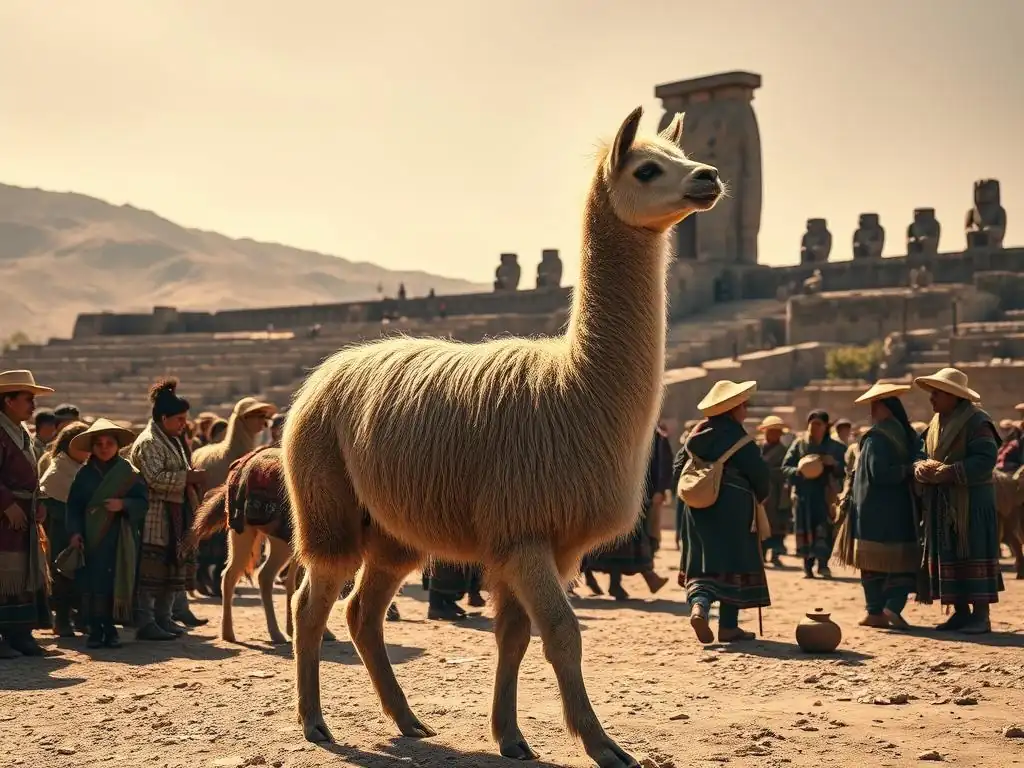
Llamas in Spiritual and Religious Practices
Llamas held a significant place in the spiritual and religious practices of the Tiahuanaco civilization, deeply intertwined with their cosmology and beliefs. They were not only viewed as valuable assets for their utility but also as sacred creatures that symbolized various aspects of life and the universe.
- Sacrificial Offerings: Llamas were often used in rituals and sacrifices, believed to appease the gods and ensure agricultural fertility. The Tiahuanaco people performed elaborate ceremonies where llamas were offered to deities, particularly during planting and harvest seasons. These rituals were thought to invoke blessings for abundant crops and protection from natural disasters.
- Mythological Associations: In Tiahuanaco mythology, llamas were associated with various gods and cosmological elements. They were often depicted as intermediaries between the earthly realm and the spiritual world. For instance, the llama was linked to the Andean deity Pachamama, the earth goddess, symbolizing the connection between nature and human sustenance.
- Burial Practices: The significance of llamas extended to funerary customs as well. It was common to include llama bones and artifacts in burial sites, reflecting their importance in the afterlife. This practice indicated a belief that llamas would accompany the deceased on their journey, providing support and sustenance in the next world.
Symbolic Representation of Llamas in Art and Culture
The symbolic representation of llamas permeated Tiahuanaco's art and cultural expressions, reflecting their importance beyond mere economic utility. This can be observed in various forms of artistic creation, showcasing the llama's multifaceted role within the society.
- Artistic Depictions: Llamas frequently appeared in pottery, textiles, and stone carvings. These representations often highlighted their physical attributes, such as their long necks and woolly coats, capturing the admiration that Tiahuanaco artisans had for these animals. The llamas depicted in art served as symbols of prosperity and vitality, embodying the essence of life within the Andean landscapes.
- Iconography and Motifs: In Tiahuanaco iconography, llamas were often incorporated into larger narratives that illustrated the relationship between humans and nature. They were depicted alongside agricultural scenes, emphasizing their role as both laborers and companions in the farming process. The presence of llamas in these motifs underscored their importance in sustaining the community’s livelihood.
- Cultural Identity: The llama became a cultural emblem for the Tiahuanaco civilization. Their significance extended beyond practicality, representing the resilience and adaptability of the people in a challenging environment. As a result, llamas were celebrated in festivals and community gatherings, reinforcing their role as a vital part of Tiahuanaco identity.
The importance of llamas in Tiahuanaco extends far beyond their economic contributions. They were integral to the spiritual, cultural, and artistic fabric of Tiahuanaco society, symbolizing a deep connection to the land, the divine, and communal identity. The reverence for llamas is a testament to the sophisticated worldview of the Tiahuanaco people, where every aspect of life was interrelated, grounded in respect for both nature and spirituality.
Challenges and Adaptations
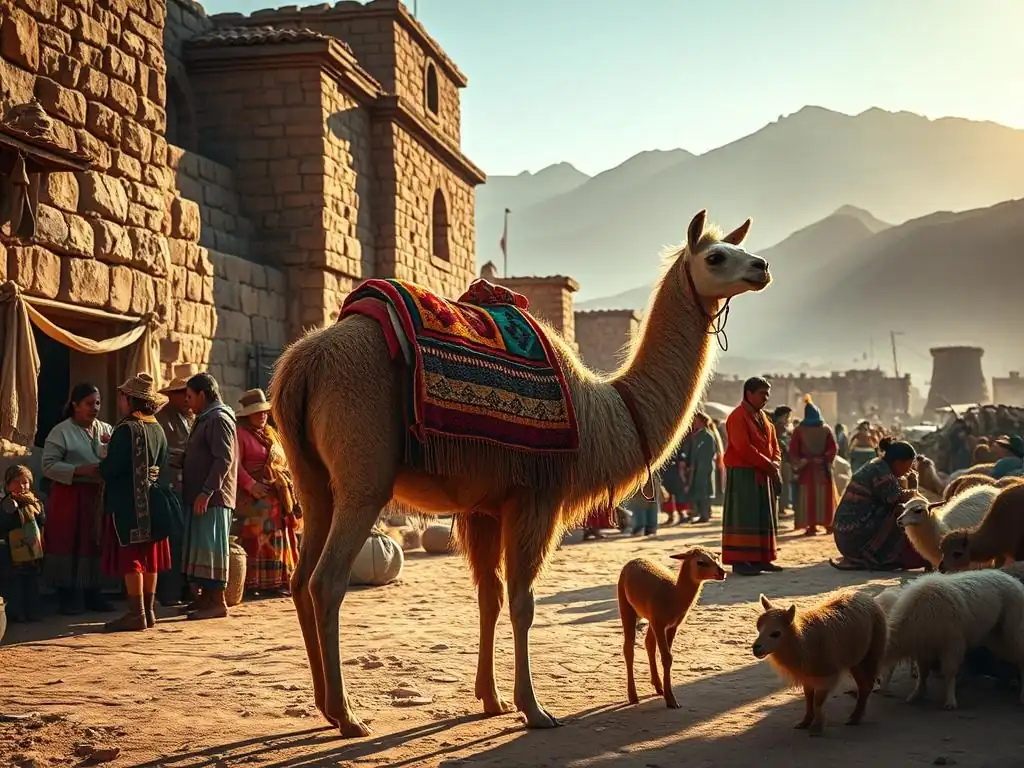
Environmental Factors Affecting Llama Utilization
The utilization of llamas in Tiahuanaco's economy was significantly influenced by various environmental factors that shaped their roles in transportation and agriculture. The region's unique geography, characterized by high altitudes and diverse climatic zones, posed both challenges and opportunities for llama herding and trade.
- Altitude: Tiahuanaco is situated at an elevation of approximately 3,850 meters (12,600 feet) above sea level. This high-altitude environment requires llamas to have specialized adaptations, such as increased lung capacity and efficient metabolism. These adaptations allow llamas to thrive in low-oxygen conditions, making them the ideal pack animals for traversing the rugged terrain of the Andes.
- Climate Variability: The climate in the Tiahuanaco region exhibits significant seasonal variations, including wet and dry periods. The llamas were well-suited to this climate due to their ability to graze on a variety of vegetation, including tough grasses and shrubs, which remained available even during drier months. This adaptability ensured a continuous supply of animals for labor and resources.
- Soil Conditions: The soil in the Tiahuanaco area varies from fertile to arid, impacting agricultural practices. Llamas played an essential role in supporting agriculture by transporting goods and supplies across these varied landscapes, including the movement of fertilizers and harvested crops. Their ability to navigate challenging terrains made them indispensable in maintaining agricultural productivity.
Adaptive Strategies of Tiahuanaco's Economy
The economy of Tiahuanaco was intricately linked to the effective management and utilization of llamas, which played a pivotal role in various economic strategies. These strategies were essential for overcoming the challenges posed by the environment and ensuring the sustainability of their civilization.
- Trade Networks: Llamas were central to Tiahuanaco’s extensive trade networks. They were used to transport goods such as textiles, pottery, and agricultural produce between Tiahuanaco and neighboring regions. The establishment of trade routes facilitated not only the exchange of materials but also cultural interactions, thereby enriching Tiahuanaco’s economy.
- Agricultural Support: The economy relied heavily on agriculture, and llamas contributed significantly by transporting agricultural inputs and outputs. Through their efficient movement, llamas helped farmers access remote fields, bringing seeds, tools, and fertilizers to areas that would otherwise be difficult to reach. This logistical support enhanced agricultural productivity and food security.
- Resource Management: Tiahuanaco's economy demonstrated a sophisticated understanding of resource management, particularly regarding llama husbandry. By selectively breeding llamas for desirable traits, such as strength and wool quality, Tiahuanaco maximized the utility of these animals. The wool produced was not only vital for clothing but also for trade, further solidifying the llama's importance in the local economy.
- Cultural Significance: Beyond practical uses, llamas held cultural significance in Tiahuanaco society. They were often featured in religious rituals and served as symbolic representations of wealth and status. This cultural aspect further integrated llamas into the socio-economic fabric of Tiahuanaco, highlighting their multifaceted importance in the civilization.
The importance of llamas in Tiahuanaco transcended mere economic utility; they were integral to the survival and prosperity of the civilization. By adapting to environmental challenges and employing strategic economic practices, the inhabitants of Tiahuanaco demonstrated a remarkable reliance on these animals, which ultimately shaped their societal structure and cultural identity.
Conclusion: The Lasting Importance of Llamas in Tiahuanaco's Legacy
Summary of Key Points
The significance of llamas in Tiahuanaco's economy and transportation systems cannot be overstated. Throughout this examination, we have uncovered several critical aspects that highlight their importance:
- Economic Backbone: Llamas served as a primary means of transport for goods across the challenging Andean landscape, facilitating trade and commerce within Tiahuanaco and with neighboring regions.
- Agricultural Assistance: Beyond transportation, llamas contributed to agricultural productivity by providing manure, which was used as a natural fertilizer, thus enhancing soil fertility.
- Cultural Symbolism: Within Tiahuanaco society, llamas were not just utilitarian animals; they held cultural and spiritual significance, often depicted in art and mythology, reflecting their integral role in the community.
- Adaptation to Environment: The adaptability of llamas to high-altitude environments made them essential to the livelihoods of the Tiahuanaco people, allowing them to thrive in a region that was otherwise challenging for agriculture and transport.
Reflection on Llamas' Role in Indigenous Economies of the Americas
The role of llamas extended far beyond the borders of Tiahuanaco, influencing various indigenous economies across the Americas. In many Andean cultures, llamas were pivotal for several reasons:
- Trade Networks: Llamas enabled the establishment of extensive trade networks, connecting disparate communities and fostering economic interdependence. Their ability to carry heavy loads made long-distance trade feasible, allowing goods such as textiles, pottery, and agricultural products to circulate widely.
- Cultural Exchange: The use of llamas in trade also facilitated cultural exchanges, as communities shared not only goods but also ideas, traditions, and practices. This interaction contributed to the rich tapestry of indigenous cultures throughout the region.
- Sustaining Communities: The reliance on llamas for transportation and agriculture helped sustain indigenous communities, allowing them to develop stable economies and complex societies. This stability enabled advancements in various fields, including architecture, astronomy, and art.
- Legacy of Sustainability: The practices surrounding llama herding and utilization reflect a deep understanding of sustainable agriculture and resource management, showcasing the ingenuity of indigenous peoples in harmonizing their livelihoods with the environment.
The importance of llamas in Tiahuanaco and their broader role in indigenous economies throughout the Americas underscores a legacy of resilience, adaptability, and cultural richness that continues to resonate today. The llama's contributions to transportation, agriculture, and community cohesion highlight not just an economic relationship but also a profound connection between humans and their environment.
Frequently Asked Questions
What was the primary role of llamas in Tiahuanaco's economy?
Llamas played a crucial role in Tiahuanaco's economy by providing transportation for goods and serving as a source of meat and wool.
How did llamas contribute to transportation in ancient Tiahuanaco?
In Tiahuanaco, llamas were essential for trade routes, enabling the movement of goods across difficult terrains in the Andes.
Were llamas used for anything besides transportation in Tiahuanaco?
Yes, llamas were also important for their wool, which was used to create clothing and textiles, as well as for their manure, which served as fertilizer.
What impact did the llamas have on Tiahuanaco’s trade relationships?
The use of llamas enhanced Tiahuanaco’s trade networks, allowing them to exchange goods with neighboring cultures, which boosted their economic stability.
How did the importance of llamas influence Tiahuanaco's culture?
Llamas were not only economically vital but also held cultural significance, often appearing in art and rituals that reflected their status in society.
Final Reflection: The Enduring Importance of Llamas in Tiahuanaco
The role of llamas in Tiahuanaco's economy and transportation remains profoundly relevant today, as it highlights the intricate relationship between culture, environment, and economy. In a world where globalization often overshadows local traditions, the historical significance of llamas serves as a reminder of the sustainable practices that once thrived in ancient civilizations. The llamas were not merely beasts of burden; they were integral to the survival and prosperity of Tiahuanaco, showcasing how communities can harmonize with their environment to foster growth and resilience.
Culturally, the legacy of llamas in Tiahuanaco continues to resonate, influencing contemporary discussions around sustainable agriculture and transportation. The llamas symbolize a connection to the land and the wisdom of indigenous practices that prioritize ecological balance. As we navigate modern challenges, such as climate change and resource depletion, we can draw inspiration from the past. In the heart of every culture lies a story of survival, adaptation, and respect for nature.
This quote encapsulates the essence of how Tiahuanaco thrived through its symbiotic relationship with llamas, reminding us that these lessons are timeless.
As we reflect on the importance of llamas in Tiahuanaco, I invite you to consider how these ancient practices can inform our present and future. What can we learn from the sustainable methods of the past to apply in our own lives? Let us embrace the spirit of innovation rooted in tradition, recognizing that the wisdom of our ancestors can guide us toward a more sustainable and harmonious existence. In doing so, we honor not only the legacy of Tiahuanaco but also our responsibility to the planet and future generations.
Unleash the Power of Llamas: Transform Your Understanding!
Thank you for diving into the fascinating world of Tiahuanaco and the integral role llamas played in its economy and transportation! You've gained valuable insights into how these remarkable animals influenced ancient society. Now, it’s time to take action and further your exploration of this captivating topic.
- Dive deeper: Research how llamas are utilized in modern Andean cultures and discover their significance in today's society.
- Share your knowledge: Discuss your newfound understanding with friends or on social media to inspire others about the rich history of indigenous civilizations.
- Construct a mini-exhibition: Create a visual board showcasing the role of llamas in Tiahuanaco, integrating images, facts, and your own reflections to share with your community.
How do you envision the legacy of llamas influencing current indigenous communities?