
The Importance of Textiles in Tiahuanaco Trade: Weaving Culture and Economy

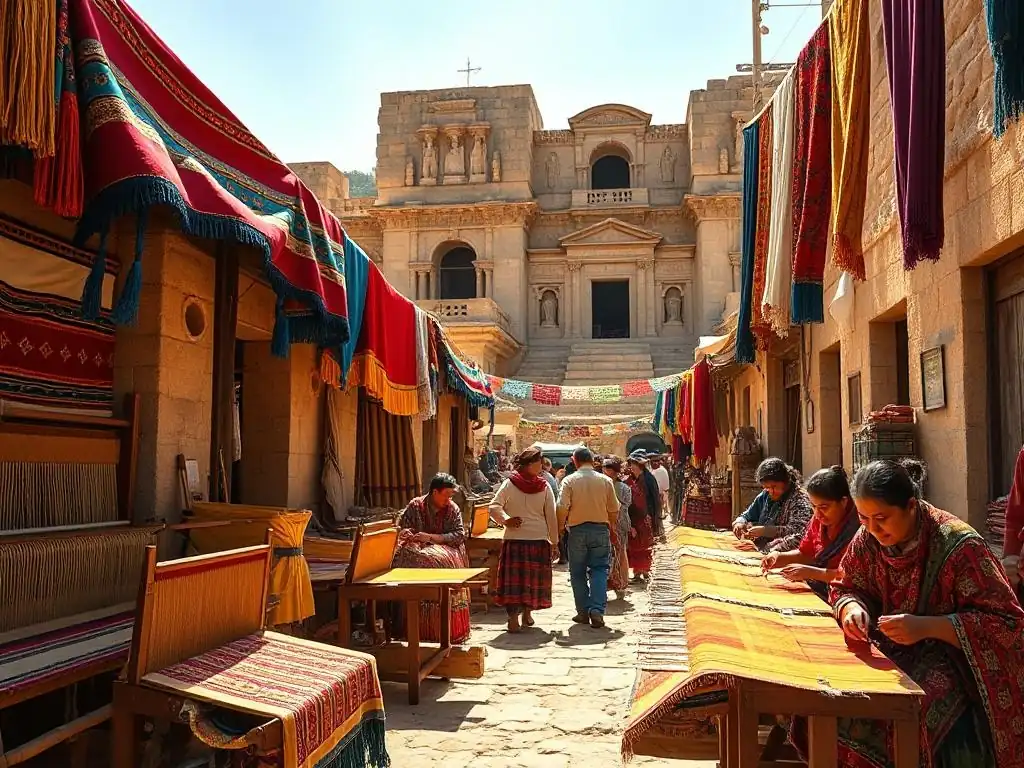
Welcome to Indigenous Civilizations of the Americas, where we delve into the rich tapestry of cultures that flourished long before European contact. In our featured article, "The Importance of Textiles in Tiahuanaco Trade: Weaving Culture and Economy," we invite you to uncover the intricate world of Tiahuanaco's textile trade history.
Discover how these vibrant fabrics not only shaped local economies but also served as a medium of cultural expression and connectivity among diverse societies. Join us on this journey to explore the threads that bind history with innovation, and get ready to be inspired by the legacies of these remarkable civilizations!
Introduction to Tiahuanaco Textile Trade History
The Tiahuanaco civilization, nestled in the highlands of present-day Bolivia, emerged as a significant cultural and economic hub between 300 and 1000 CE. Renowned for its impressive architectural achievements and advanced agricultural techniques, Tiahuanaco also boasted a vibrant textile trade that played a vital role in shaping its society. Textiles were not merely functional items but rather served as a medium of cultural expression, social stratification, and economic interaction. This article delves into the Tiahuanaco textile trade history, exploring its intricate relationship with culture and economy, and highlighting the profound impact textiles had on this ancient civilization.
Overview of Tiahuanaco Culture
Tiahuanaco was characterized by its unique cultural practices that encompassed religion, art, and social organization. The civilization thrived on the shores of Lake Titicaca, leveraging the rich resources of the region.
- Religious Beliefs: The people of Tiahuanaco practiced a complex religion centered around deities associated with nature and agriculture. They constructed monumental structures, such as the Kalasasaya Temple, which served as ceremonial centers and reflected their architectural prowess.
- Artistic Expression: The artistry of Tiahuanaco is evident in their pottery, metalwork, and textiles. The intricate designs found in their woven textiles showcased their advanced techniques and aesthetic sensibilities, often incorporating symbolic motifs that conveyed cultural narratives.
- Social Organization: Tiahuanaco society was highly stratified, with a ruling elite that controlled resources and trade. Textiles, as symbols of status and identity, played a crucial role in this social hierarchy, influencing both interpersonal relationships and community dynamics.
Significance of Textiles in Ancient Societies
Textiles have always held a significant place in ancient societies, serving multiple functions that extend beyond mere utility.
- Cultural Identity: In Tiahuanaco, textiles were a primary means of expressing cultural identity. Different weaving techniques and patterns were often associated with specific ethnic groups, reinforcing community bonds and cultural continuity.
- Ritualistic Use: Textiles were integral to various rituals and ceremonies. They were employed in offerings, clothing for the elite, and ceremonial garments, underscoring their importance in religious and social practices.
- Economic Relevance: As a commodity, textiles were pivotal in trade and economic exchanges, influencing local and regional economies. Their production required extensive labor and resources, reflecting the technological advancements of the Tiahuanaco people.
The Role of Textiles in Tiahuanaco Economy
Textiles were not only culturally significant but also served as a cornerstone of the Tiahuanaco economy, facilitating trade and economic prosperity.
Economic Impact of Textile Production
The production of textiles in Tiahuanaco was a labor-intensive process that involved various stages, from sourcing raw materials to weaving intricate designs.
- Labor Force: The textile industry provided employment to many artisans and laborers, contributing to the community's economic well-being. Women, in particular, played a critical role in weaving and textile production, passing down their skills through generations.
- Resource Allocation: The emphasis on textile production prompted the cultivation of specific crops such as cotton and alpaca wool, demonstrating an advanced understanding of agriculture and resource management.
- Economic Diversification: Textiles allowed for economic diversification, where communities could engage in trade with neighboring cultures, exchanging textiles for goods such as food, pottery, and metals.
Trade Networks and Textile Exchange
The Tiahuanaco civilization established extensive trade networks that facilitated the exchange of textiles across vast regions.
- Regional Trade: Textiles from Tiahuanaco were highly sought after, and they became a significant trade item within the Andean region. The intricate designs and high-quality materials made Tiahuanaco textiles valuable commodities.
- Cultural Exchange: Trade networks not only enabled the exchange of goods but also fostered cultural interactions, allowing for the sharing of techniques and styles among different societies.
- Strategic Alliances: Through textile trade, Tiahuanaco established strategic alliances with neighboring cultures, enhancing its political and economic power within the region.
Textiles as a Measure of Wealth and Status
In Tiahuanaco society, textiles transcended their practical use and became symbols of wealth and social status.
- Indicators of Wealth: The quality and quantity of textiles owned by an individual or family often indicated their wealth and social standing. Elaborate garments and richly decorated textiles were exclusive to the elite, reinforcing social hierarchies.
- Gift Economy: Textiles were also used in gift-giving practices, which played a crucial role in establishing and maintaining alliances. High-quality textiles were often exchanged as tokens of respect and goodwill among leaders and communities.
- Cultural Heritage: The preservation of textile techniques and patterns over generations reflects the enduring legacy of Tiahuanaco culture, emphasizing the importance of textiles in both historical and contemporary contexts.
The Tiahuanaco textile trade history reveals a rich tapestry of cultural significance and economic impact. By examining the intricate role of textiles, we gain a deeper understanding of how this ancient civilization thrived and influenced the broader Andean culture.
Weaving Techniques and Cultural Significance
The weaving techniques employed by the Tiahuanaco civilization reflect a profound cultural significance, intertwining artistry with practical functionality. This ancient society, which thrived around Lake Titicaca in present-day Bolivia, developed intricate methods that not only served the practical needs of clothing and trade but also conveyed deeper meanings related to their identity and beliefs.
Traditional Weaving Methods in Tiahuanaco
Traditional weaving methods in Tiahuanaco consisted primarily of backstrap weaving, a technique that allowed artisans to create textiles on a simple loom. This method involved anchoring one end of the loom to a stationary object and the other end around the weaver's body, thus allowing for flexibility and mobility. The Tiahuanaco people excelled in creating complex patterns and designs, often utilizing geometrical shapes that reflected their cosmology and surrounding environment.
The craftsmanship of Tiahuanaco textiles was remarkable, with weavers employing various techniques such as tapestry weaving and ikat dyeing. Tapestry weaving allowed for multi-colored designs to be woven directly into the fabric, creating vibrant narratives that depicted everyday life, mythology, and the natural world. Ikat dyeing involved resist-dyeing threads before weaving, resulting in beautiful patterns that were highly valued in trade.
Symbolism of Textiles in Tiahuanaco Society
Textiles in Tiahuanaco society were not merely utilitarian; they were imbued with symbolism and cultural significance. Different colors and patterns conveyed specific messages and were often associated with social status, community identity, and spiritual beliefs. For instance, textiles featuring certain motifs might represent agricultural fertility or the divine, establishing a connection between the material and the spiritual realms.
Moreover, textiles played a vital role in ceremonial contexts, where specific garments were worn during rituals and celebrations. This practice reinforced the idea that clothing was a reflection of one’s identity and a means to express cultural heritage. As such, textiles served as a medium for storytelling, preserving the history and values of the Tiahuanaco people across generations.
The Influence of Textiles on Identity and Community
Textile production in Tiahuanaco significantly influenced community identity and cohesion. The act of weaving was often a communal activity, bringing together individuals to share skills and stories. This collaboration fostered a sense of belonging and reinforced societal ties among community members.
Moreover, the distinct styles and patterns of textiles allowed for the expression of regional identities. Different communities within the Tiahuanaco civilization developed unique textile designs, which helped in distinguishing one group from another. This diversity not only enriched the cultural tapestry of the region but also played a crucial role in trade, as textiles became valuable commodities that facilitated exchanges between different communities.
Key Materials Used in Tiahuanaco Textiles
The richness of Tiahuanaco textiles can be attributed to the variety of materials utilized in their production. From natural fibers to dyes, the Tiahuanaco people demonstrated a sophisticated understanding of their environment and resource management.
Natural Fibers and Dyes in Tiahuanaco Textiles
Tiahuanaco textiles primarily relied on natural fibers such as cotton and llama wool. Cotton was cultivated in the warmer regions, while llama wool provided warmth and durability, making it ideal for various garments. The use of these fibers allowed for the creation of textiles that were not only functional but also aesthetically pleasing.
In addition to fibers, natural dyes derived from local plants, minerals, and insects played a significant role in textile coloration. For instance, cochineal insects were used to produce vibrant reds, while various plants provided a range of colors from yellows to blues. This connection to the natural environment underscored the Tiahuanaco people’s respect for their surroundings and their ability to harness resources sustainably.
Sources of Raw Materials for Textile Production
The sourcing of raw materials for textile production in Tiahuanaco was a well-organized process. Local agriculture provided cotton, which was essential for weaving, while llama herding supplied wool. The Tiahuanaco civilization had an extensive trade network that facilitated the exchange of raw materials, including fibers and dyes, both within and beyond their region.
Trade routes often extended to neighboring cultures, allowing for the acquisition of goods that were not locally available. This exchange was crucial in enriching Tiahuanaco textiles, as it introduced new colors and techniques, further enhancing the vibrancy and diversity of their textile production.
Sustainability and Resource Management in Textile Trade
Sustainability and resource management were cornerstones of the Tiahuanaco textile trade. The civilization practiced careful stewardship of their natural resources, ensuring that the fibers and dyes used in textiles were sourced in a way that preserved the environment. By implementing rotational practices in agriculture and managing llama herds judiciously, they maintained a balance that supported both their economy and ecological integrity.
The emphasis on sustainability not only ensured the longevity of their resources but also reinforced the cultural values of the Tiahuanaco people. Textiles became symbols of respect for nature, and the careful management of resources reflected a deep understanding of the interconnectedness of life, culture, and the environment—principles that remain relevant in contemporary discussions about sustainability today.
Comparison of Tiahuanaco Textiles with Neighboring Cultures
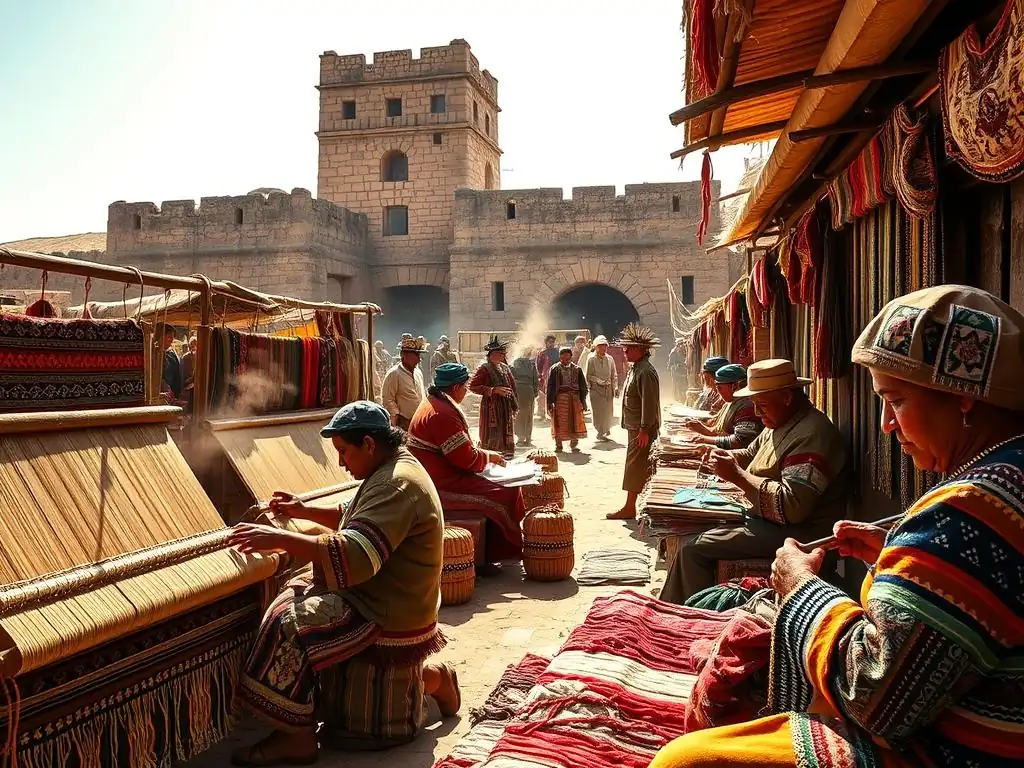
The textiles produced by the Tiahuanaco civilization are notable for their distinct characteristics and craftsmanship, which set them apart from the textiles of neighboring cultures such as the Wari and the Aymara. While Tiahuanaco textiles are renowned for their complex patterns and vibrant colors, Wari textiles tend to exhibit more subdued colors and simpler geometric designs. This difference reflects the unique aesthetic values and cultural expressions of each society.
Tiahuanaco artisans used techniques such as tie-dyeing and intricate weaving, which resulted in textiles that were not only functional but also highly artistic. The use of camelid fibers, primarily from llamas and alpacas, provided a soft yet durable material that could withstand the high-altitude climate of the Andes. In contrast, Aymara textiles often incorporated cotton and were characterized by their practicality, focusing on utilitarian designs suited for everyday wear.
Furthermore, the trade networks established by Tiahuanaco facilitated the exchange of textile products with neighboring cultures, allowing for a blending of styles and techniques. This cross-cultural interaction enriched the textile traditions of the region, leading to the development of hybrid styles that reflect the influences of both Tiahuanaco and its neighbors.
Textile Trade Practices in the Andes
Textile trade in the Andes was a vital aspect of the economy, serving as a means of exchange and cultural expression. The Tiahuanaco civilization, known for its advanced agricultural practices, produced surplus crops that allowed for the flourishing of textile trade. Textiles became valuable commodities, traded not only for food but also for other goods such as pottery, metals, and even labor.
The Tiahuanaco economy was characterized by a system of reciprocity, where communities exchanged textiles based on mutual benefit rather than strict monetary transactions. This practice reinforced social ties and contributed to the cohesion of Andean societies. Markets were established where artisans showcased their textiles, and these gatherings served as important social and economic hubs for the community.
Additionally, Tiahuanaco textiles were often used in ceremonial contexts, enhancing their significance beyond mere trade goods. The intricate designs and patterns were imbued with cultural meanings, making them sought after not only for their material value but for their symbolic importance during rituals and celebrations.
Influences from Other Indigenous Civilizations
The textile traditions of Tiahuanaco were significantly influenced by other indigenous civilizations throughout the Andes. The legacy of earlier cultures, such as the Paracas and Nazca, can be observed in the complex designs and dyeing techniques utilized by Tiahuanaco artisans. For instance, the use of bright colors and intricate motifs can be traced back to these earlier societies, highlighting a continuity of artistic expression.
Moreover, the expansion of trade networks allowed for the exchange of ideas and techniques between different cultures. As Tiahuanaco interacted with neighboring societies, such as the Wari and Aymara, it absorbed various textile practices, refining them into its own unique style. This dynamic exchange fostered a rich tapestry of textile production that reflected the diversity of the Andean cultures.
The adaptability of Tiahuanaco textile artisans to incorporate new influences while maintaining their distinctive identity is a testament to the cultural resilience of the civilization. Their ability to blend techniques and styles not only enhanced their own textile production but also contributed to the broader Andean textile heritage.
Archaeological Findings and Textile Artifacts
Archaeological excavations at Tiahuanaco sites have uncovered a wealth of textile artifacts that provide insight into the civilization's textile trade and cultural practices. These findings include fragments of woven textiles, dyes, and tools used in the textile-making process. The preservation of these artifacts has allowed researchers to analyze the techniques and materials employed by Tiahuanaco artisans.
Excavations in the region have revealed large quantities of textiles buried in ceremonial contexts, indicating their importance in rituals and social practices. These textiles often feature intricate designs that reflect the cultural beliefs and values of the Tiahuanaco people, offering a glimpse into their worldview.
Key Discoveries Related to Tiahuanaco Textile Trade
Among the most significant discoveries related to Tiahuanaco textile trade are the remnants of workshops where textiles were produced. These sites reveal not only the scale of textile production but also the complex organization of labor involved. Artisans likely specialized in different aspects of textile creation, from spinning and dyeing to weaving and finishing, allowing for a high level of craftsmanship.
Additionally, trade routes have been identified that connected Tiahuanaco with other Andean cultures, showcasing the extent of its influence and economic reach. The discovery of textile artifacts in these trade hubs highlights the importance of Tiahuanaco textiles in regional commerce and cultural exchange.
Analysis of Textile Artifacts and Their Implications
The analysis of textile artifacts from Tiahuanaco has profound implications for understanding the civilization's economy and social structure. By studying the materials used, such as the types of fibers and dyes, researchers can infer the technological advancements and resources available to Tiahuanaco artisans. For example, the presence of certain dyes indicates trade connections with coastal regions, suggesting a broader economic network.
Moreover, the intricate designs found on Tiahuanaco textiles can be interpreted as expressions of cultural identity, revealing the values and beliefs of the society. Patterns and motifs may have held specific meanings, often related to cosmology or social status, thus serving as a medium for communication among the Tiahuanaco people.
This analysis helps to reconstruct the social hierarchy within Tiahuanaco, as certain textiles may have been reserved for elite classes or used in specific ceremonial contexts, highlighting the role of textiles in social stratification and cultural expression.
Preservation Challenges of Tiahuanaco Textiles
Despite the wealth of textile artifacts uncovered, preserving Tiahuanaco textiles poses significant challenges. The delicate nature of organic materials like fibers means that many textiles do not survive well over time. Environmental factors, such as humidity and temperature fluctuations, can further deteriorate these artifacts, complicating preservation efforts.
Additionally, the excavation process can inadvertently damage fragile textiles if not conducted with care. It is essential for archaeologists and conservators to use specialized techniques to mitigate these risks and ensure that textiles are stored and displayed in conditions conducive to their preservation.
Efforts are being made to create controlled environments for the storage of Tiahuanaco textiles, utilizing technologies that regulate temperature and humidity. Furthermore, collaboration with local communities is crucial, as they often hold traditional knowledge regarding the care and handling of these cultural artifacts, fostering a more sustainable approach to preservation.
The textile trade history of Tiahuanaco is a rich tapestry woven from cultural exchanges, unique craftsmanship, and significant economic practices that continue to inform our understanding of this remarkable civilization.
The Legacy of Tiahuanaco Textile Trade
The Tiahuanaco civilization, which flourished in the Altiplano region of the Andes, is renowned for its advanced textile production and trade networks. The legacy of Tiahuanaco textile trade is profound, as it not only reflects the technological ingenuity of the society but also illustrates the interconnectivity of ancient Andean cultures. Textiles served multiple purposes, from functional garments to ceremonial adornments, each woven with intricate designs that conveyed social status, cultural identity, and spiritual beliefs.
The Tiahuanaco people utilized a variety of materials, including cotton and alpaca wool, to create textiles that were both durable and aesthetically pleasing. The vibrant colors achieved through natural dyes are indicative of the sophisticated knowledge of plant-based materials that these ancient weavers possessed. Moreover, the patterns found in Tiahuanaco textiles often held symbolic meanings, deeply intertwined with their cosmology and social structure.
Trade routes established by Tiahuanaco enabled the exchange of textiles across vast distances, facilitating cultural diffusion and economic integration among neighboring regions. This network not only enriched the Tiahuanaco economy but also contributed to the cultural tapestry of the Andean world, influencing subsequent civilizations such as the Inca. The significance of these textiles continues to be felt today, as they represent a vital aspect of Andean heritage and identity.
Lasting Impacts on Contemporary Indigenous Cultures
The textile traditions of Tiahuanaco have left an indelible mark on contemporary indigenous cultures in the Andes. Many present-day communities continue to engage in traditional weaving practices, passing down techniques and motifs that can be traced back to Tiahuanaco. This continuity of tradition is crucial for cultural preservation, as it fosters a sense of identity and belonging among indigenous peoples.
Furthermore, these textiles serve as a medium for storytelling and cultural expression. Modern artisans often incorporate historical designs and methods into their work, creating pieces that resonate with both ancestral heritage and contemporary aesthetics. The revival of these traditional practices has not only empowered artisans but has also created avenues for economic sustainability, as handcrafted textiles gain recognition in global markets.
The Tiahuanaco textile legacy is celebrated through various cultural festivals and events that highlight the importance of weaving in indigenous life. Such celebrations reinforce community bonds and educate younger generations about their rich heritage, ensuring that the knowledge and skills of Tiahuanaco weaving endure.
Reviving Traditional Weaving Techniques Today
In recent years, there has been a resurgence of interest in traditional weaving techniques that originated from Tiahuanaco. This revival is driven by a combination of cultural pride, economic necessity, and a growing appreciation for sustainable practices. Contemporary weavers are increasingly looking to their ancestors for inspiration, reviving age-old techniques and materials that align with modern ethical standards.
Workshops and educational programs aimed at young people are crucial in this revival process. By teaching traditional methods such as backstrap weaving and the use of natural dyes, these initiatives not only preserve cultural heritage but also empower a new generation of artisans. Additionally, collaborations between traditional weavers and contemporary designers have emerged, blending ancient techniques with modern design sensibilities to create innovative textile products.
The demand for handcrafted textiles is rising, driven by consumers' growing interest in sustainable and ethically produced goods. This trend provides valuable economic opportunities for artisans, allowing them to sustain their communities while keeping the legacy of Tiahuanaco weaving alive.
The Role of Tiahuanaco Textiles in Modern Economies
The Tiahuanaco textile trade has evolved into a significant contributor to modern economies in the Andean region. Textiles produced by contemporary artisans are increasingly seen as valuable commodities within both local and international markets. The revival of traditional weaving has led to the establishment of cooperatives and small businesses that focus on the production and sale of these textiles, providing livelihoods to many families.
Moreover, the integration of Tiahuanaco textiles into tourism has emerged as a vital economic strategy. Tourists often seek authentic cultural experiences, leading them to indigenous markets where they can purchase handmade textiles. This not only stimulates local economies but also fosters cultural exchange and appreciation for traditional craftsmanship.
Government initiatives and non-profit organizations are also playing a role in promoting Tiahuanaco textiles, providing training and resources to artisans to enhance their skills and market reach. By supporting these initiatives, communities can secure a sustainable future while honoring the rich legacy of their ancestors.
Conclusion: The Enduring Importance of Tiahuanaco Textiles
The textiles of Tiahuanaco are not merely remnants of the past; they continue to have a profound impact on culture, economy, and identity in the Andes. The intricate designs and techniques of Tiahuanaco weaving encapsulate a wealth of knowledge and tradition that has been preserved over centuries, making it a critical aspect of indigenous heritage.
Summary of Textile Trade Contributions to Culture and Economy
The Tiahuanaco textile trade significantly contributed to the cultural and economic landscape of the Andes. It fostered social cohesion through shared practices and beliefs, while also enabling economic exchange that benefited various communities. The textiles produced served as symbols of identity and status, while their trade facilitated the flow of ideas and cultural practices across regions.
Tiahuanaco textiles embody a rich history that continues to influence contemporary indigenous cultures and economies. Their significance extends beyond mere craftsmanship; they are integral to the identity and heritage of the Andean peoples.
Future Research Directions in Tiahuanaco Textile Studies
Future research in Tiahuanaco textile studies should focus on several key areas to further understand the complexities of this ancient civilization. First, interdisciplinary approaches that combine archaeology, anthropology, and textile science can yield new insights into the materials and techniques used by Tiahuanaco weavers.
Second, examining the socio-economic impacts of textile trade on neighboring cultures can deepen our understanding of Tiahuanaco's role in regional dynamics. Finally, documenting contemporary weaving practices and their connections to ancestral traditions will be essential in preserving this rich cultural heritage for future generations.
By pursuing these research directions, scholars can continue to uncover the profound significance of Tiahuanaco textiles in both historical and modern contexts.
- Introduction to Tiahuanaco Textile Trade History
- The Role of Textiles in Tiahuanaco Economy
- Weaving Techniques and Cultural Significance
- Key Materials Used in Tiahuanaco Textiles
- Comparison of Tiahuanaco Textiles with Neighboring Cultures
- Archaeological Findings and Textile Artifacts
- The Legacy of Tiahuanaco Textile Trade
- Conclusion: The Enduring Importance of Tiahuanaco Textiles
- What is the significance of textiles in Tiahuanaco's economy?
- How did Tiahuanaco's textile trade influence cultural exchange?
- What materials were commonly used in Tiahuanaco textiles?
- How did Tiahuanaco textiles reflect social status?
- What impact did European colonization have on Tiahuanaco textile traditions?
Frequently Asked Questions
What is the significance of textiles in Tiahuanaco's economy?
Textiles played a crucial role in the economic trade of Tiahuanaco, serving as valuable commodities that facilitated exchange with neighboring cultures and regions.
How did Tiahuanaco's textile trade influence cultural exchange?
The trade of textiles allowed for the sharing of artistic techniques and cultural practices, fostering a rich intercultural dialogue among various indigenous groups in the Americas.
What materials were commonly used in Tiahuanaco textiles?
Tiahuanaco artisans predominantly used cotton and alpaca wool, which were prized for their durability and aesthetic qualities, reflecting the region's rich natural resources.
Textiles often indicated social hierarchy, with intricate designs and high-quality materials reserved for elite members of society, showcasing wealth and influence within the community.
What impact did European colonization have on Tiahuanaco textile traditions?
European colonization led to a decline in traditional textile practices as foreign materials and techniques disrupted local economies and cultural expressions, significantly altering the textile landscape.
Final Reflection: Weaving the Threads of Tiahuanaco's Legacy
The intricate tapestry of Tiahuanaco's textile trade history is not just a relic of the past; it is a powerful testament to the interconnectedness of culture and economy that resonates in our modern world. As we explore how textiles shaped trade routes and social structures in ancient civilizations, we uncover a profound understanding of how these practices continue to influence contemporary societies. The legacy of Tiahuanaco reminds us that the threads of history are woven into the fabric of our present, shaping our identities and economies in ways we are only beginning to appreciate.
Cultural exchange and economic collaboration were at the heart of Tiahuanaco's textile trade, fostering a rich environment where creativity and commerce flourished. This historical narrative not only highlights the significance of textiles in ancient trade but also serves as a mirror reflecting our current globalized economy, where cultural artifacts continue to bridge gaps between communities. Textiles are not just materials; they are stories woven into the very fabric of our lives.
This quote encapsulates the enduring impact of textiles, reminding us that every piece carries with it a history, a culture, and a connection to those who came before us.
As we conclude our exploration of Tiahuanaco's textile trade history, I invite you to reflect on the role that textiles play in your own life and community. Consider how the stories woven into fabrics can inspire you to appreciate the cultural exchanges that shape our world today. Let us embrace the lessons of the past, recognizing that the threads of history are not merely remnants but vibrant connections that can guide us toward a more inclusive and understanding future.
Unveil the Threads of History: Take Action Today!
Thank you for diving into the rich tapestry of Tiahuanaco's textile trade and culture! By exploring the vital role textiles played in their economy, you’ve gained a deeper understanding of how interconnected trade and artistry shaped this ancient civilization. Now, it’s time to put that knowledge into action!
Here’s how you can further engage with this fascinating topic:
- Immerse Yourself: Visit a local museum or cultural center that features Indigenous textiles to see these stunning works of art in person and learn more about their significance.
- Join the Conversation: Share your insights or discoveries on social media to connect with others interested in Indigenous cultures and broaden the discussion.
- Get Creative: Try your hand at weaving or textile art! Explore online tutorials to start a small project that pays homage to the traditions of Tiahuanaco.
What aspect of Tiahuanaco's textile culture intrigues you the most, and how do you plan to incorporate that into your daily life? Let's discuss in the comments below!