
Rituals and Ceremonies: The Spiritual Practices of Tiahuanaco Society

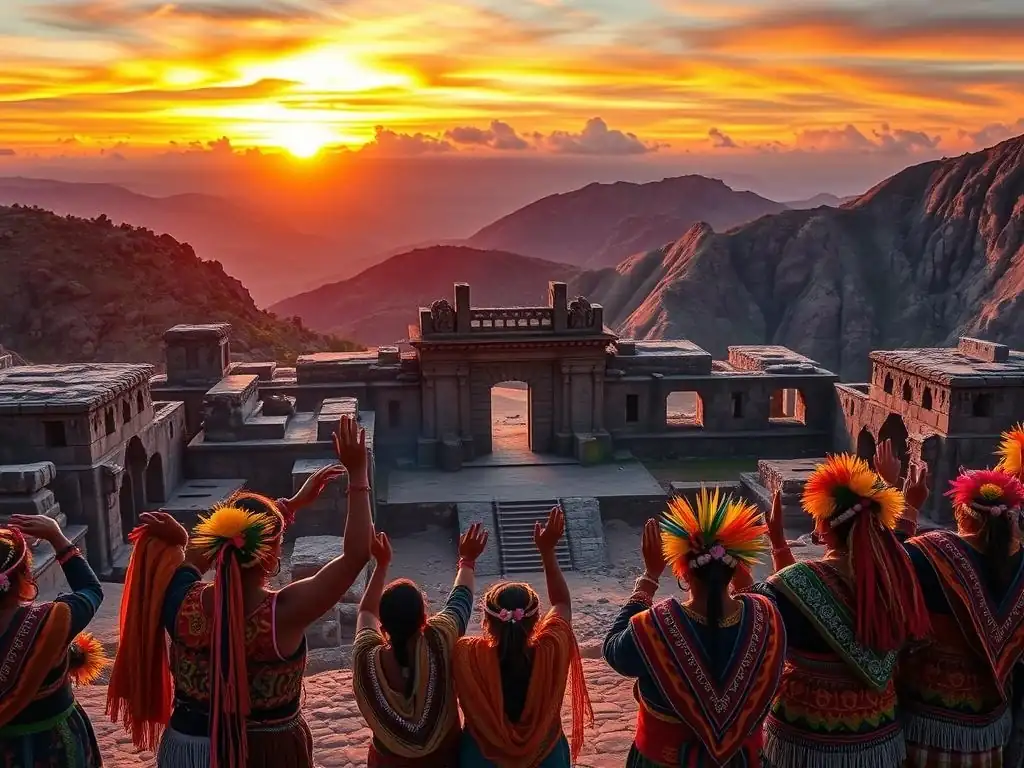
Welcome to Indigenous Civilizations of the Americas, where we invite you to embark on a journey through the rich tapestry of indigenous cultures that flourished long before European encounters. Here, you will uncover the fascinating world of the Tiahuanaco spiritual practices and rituals, a cornerstone of their society that reveals profound insights into their beliefs and values. What secrets lie within these ancient ceremonies? As you delve deeper into our exploration of Tiahuanaco culture, prepare to be captivated by the rituals that shaped a civilization and left an indelible mark on history. Your adventure into the past begins now!
- Introduction to Tiahuanaco Spiritual Practices and Rituals
- Historical Context of Tiahuanaco Spiritual Practices
- Key Elements of Tiahuanaco Ceremonies
- Major Rituals of Tiahuanaco Society
- The Role of Priests and Shamans in Tiahuanaco Rituals
- Tiahuanaco Spiritual Practices: Beliefs and Worldview
- Comparative Analysis of Tiahuanaco Rituals with Other Indigenous Cultures
- Legacy of Tiahuanaco Spiritual Practices
- Conclusion: The Enduring Significance of Tiahuanaco Rituals and Ceremonies
-
Frequently Asked Questions
- What were the primary spiritual practices of the Tiahuanaco society?
- How did Tiahuanaco's rituals impact their community?
- What types of ceremonies were prevalent in Tiahuanaco culture?
- How did Tiahuanaco's spiritual beliefs influence their architecture?
- What is the significance of rituals in understanding Tiahuanaco's legacy?
- Final Reflection: The Enduring Legacy of Tiahuanaco Spiritual Practices
- Embrace the Spirit: Ignite Your Journey Towards Sacred Practices
Introduction to Tiahuanaco Spiritual Practices and Rituals
The Tiahuanaco society, flourishing around Lake Titicaca in present-day Bolivia, boasts a rich tapestry of spiritual practices and rituals that were integral to their worldview and daily life. This article aims to delve into the Tiahuanaco spiritual practices rituals, exploring how these ceremonies reflected their beliefs and societal structure.
Through a comprehensive examination of their rituals, we can gain insights into the profound connection the Tiahuanaco people had with their environment, ancestors, and deities, shaping not only their spirituality but also their cultural identity. Understanding these practices is crucial for appreciating the legacy of Tiahuanaco society and its influence on subsequent civilizations in the Andes.
Overview of Tiahuanaco Society
Tiahuanaco, often considered one of the most significant pre-Columbian civilizations, emerged around 300 AD and lasted until approximately 1000 AD. This society was marked by:
- Complex Architecture: The Tiahuanaco people are renowned for their monumental architecture, including the famous Akapana Pyramid and the Gateway of the Sun. These structures often served both ceremonial and residential purposes.
- Agricultural Innovations: Utilizing advanced agricultural techniques, such as raised-field farming, the Tiahuanaco were able to sustain a large population in a challenging high-altitude environment.
- Social Hierarchy: Evidence suggests a well-defined social structure, with elites likely playing significant roles in religious and political life.
The spiritual life of the Tiahuanaco people was deeply intertwined with their society, as rituals often reinforced social cohesion, governance, and communal identity.
Importance of Rituals in Tiahuanaco Culture
Rituals in Tiahuanaco culture served multiple purposes, including:
- Connection to the Divine: Rituals were seen as a means to communicate with deities and ancestors. The Tiahuanaco believed that these ceremonies could influence agricultural fertility, weather patterns, and community well-being.
- Social Cohesion: Participating in communal rituals fostered a sense of unity among the people. Shared practices helped establish norms and values, reinforcing social bonds that were essential for survival in a complex society.
- Cultural Transmission: Rituals played a crucial role in passing down traditions, stories, and histories from one generation to the next. This oral tradition ensured that the spiritual and cultural identity of the Tiahuanaco was preserved despite changing circumstances.
Overall, the rituals of Tiahuanaco were not merely ceremonial acts; they were vital components of their society's structure and identity, reflecting their intricate beliefs and values that continue to resonate today.
Historical Context of Tiahuanaco Spiritual Practices
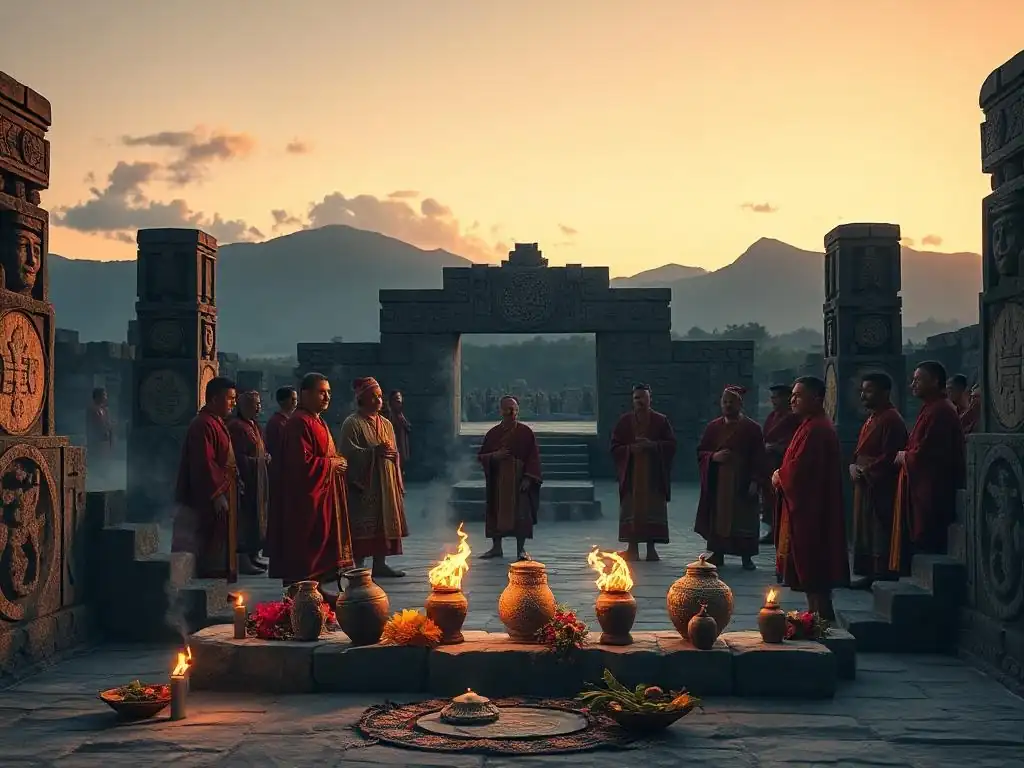
Tiahuanaco, an ancient civilization located near Lake Titicaca in present-day Bolivia, flourished between 300 AD and 1000 AD. This period was marked by a rich tapestry of spiritual beliefs and rituals that formed the backbone of Tiahuanaco society. Understanding the historical context of Tiahuanaco spiritual practices requires exploring the origins and influences that shaped these rituals.
Origins of Tiahuanaco Rituals
The origins of Tiahuanaco rituals can be traced back to the early agricultural societies that inhabited the Andean region. As communities began to settle and cultivate the land, they developed a profound connection to the environment, which manifested in their spiritual practices. Key elements contributing to the origins of these rituals include:
- Agricultural Cycles: The Tiahuanaco people revered the cycles of nature, particularly the agricultural seasons. Rituals were often aligned with planting and harvest times, celebrating the fertility of the land and ensuring bountiful crops.
- Ancestral Worship: Ancestors played a crucial role in Tiahuanaco spirituality. The civilization believed that the spirits of their forebears influenced their lives, leading to rituals that honored and appeased these ancestral spirits. This practice fostered a sense of continuity and community among the living.
- Natural Elements: The Tiahuanaco worldview was deeply rooted in the natural world. Mountains, rivers, and celestial bodies were personified and revered as deities. Rituals often involved offerings to these natural elements, seeking their favor and protection.
These foundational elements culminated in elaborate ceremonies, such as the Pachamama (Mother Earth) celebrations, where the Tiahuanaco people would perform offerings, music, and dance to honor their land and ancestors.
Influences on Tiahuanaco Spirituality
Tiahuanaco spiritual practices were not developed in isolation; they were influenced by various factors that shaped the broader Andean cultural landscape. Key influences include:
- Interregional Trade: Tiahuanaco was a significant trade hub, facilitating interactions with neighboring cultures. This exchange of goods also included spiritual ideas and practices, leading to a syncretism of beliefs. For instance, elements from the Moche and Nazca civilizations can be seen integrated into Tiahuanaco rituals, enriching their spiritual lexicon.
- Cosmological Beliefs: The Tiahuanaco people had a complex understanding of the cosmos, which influenced their rituals. They believed in a duality of existence, where the material and spiritual realms were interconnected. This belief system guided their ceremonial practices, emphasizing the importance of harmony with the universe.
- Political Structure: The centralized authority in Tiahuanaco society often utilized spiritual practices as a means of social cohesion and political control. Rituals were organized by the elite, reinforcing their power while simultaneously fostering a collective identity among the populace.
In essence, Tiahuanaco spiritual practices rituals were a reflection of the civilization's deep respect for nature, ancestors, and the cosmos, influenced by trade, cosmological understandings, and political structures that shaped their society. The legacy of these practices continues to resonate in the cultural memory of the Andean peoples today, highlighting the enduring impact of Tiahuanaco on the spiritual landscape of the Americas.
Key Elements of Tiahuanaco Ceremonies
The Tiahuanaco culture, which thrived around Lake Titicaca in present-day Bolivia, is renowned for its complex spiritual practices and elaborate rituals. Central to these ceremonies are key elements that reflect the society's beliefs, values, and connections to the cosmos. Understanding these elements provides insights into the profound spiritual life of the Tiahuanaco people, who engaged in rituals that not only reinforced their cultural identity but also maintained harmony with their environment.
Sacred Sites and Their Significance
Sacred sites played a pivotal role in Tiahuanaco spiritual practices. The most notable of these is the Puma Punku and Tiwanaku temple complex, which served as a ceremonial center. These sites were meticulously aligned with astronomical events, suggesting that the Tiahuanaco people had a sophisticated understanding of celestial movements.
- Puma Punku: This site features large stone blocks, some weighing over 100 tons, which are precisely cut and fitted together. It is believed that this was a site for important rituals dedicated to the gods, possibly linked to agricultural cycles and the fertility of the land.
- Akapana: Another significant structure, the Akapana pyramid is thought to have been a symbolic representation of the sacred mountain, a common theme in Andean cosmology. It is believed that rituals conducted here were aimed at honoring the earth and its deities.
- Alignment with Celestial Bodies: The orientation of these sites often corresponds with solstices and equinoxes, indicating that rituals were likely timed to coincide with these important astronomical phenomena, thus integrating their spiritual beliefs with the rhythms of nature.
These sacred sites were not merely physical locations but were imbued with spiritual significance, serving as conduits between the earthly realm and the divine. They exemplified the Tiahuanaco people's reverence for nature and their understanding of the universe.
Ritual Objects and Symbols
Ritual objects and symbols were integral to Tiahuanaco ceremonies, each carrying specific meanings and purposes that reinforced their spiritual beliefs.
- Sculptures and Statues: The Tiahuanaco civilization is famous for its intricate stone carvings, many of which depicted deities, ancestors, and animals. These sculptures were often placed in ceremonial contexts to invoke the presence of the divine and were believed to embody the spirits of the entities they represented.
- Ceremonial Offerings: Offerings played a crucial role in Tiahuanaco rituals, including food, textiles, and even human sacrifices in some instances. These were intended to appease the gods and ensure prosperity and fertility.
- Textiles: The use of textiles in rituals cannot be overstated. Woven fabrics, often adorned with geometric patterns and vibrant colors, were considered sacred. They were used in ceremonies to wrap offerings or as garments for priests and participants, symbolizing the connection between the spiritual and earthly realms.
- Instruments and Tools: Musical instruments, such as flutes and drums, were used to accompany rituals, creating a sacred atmosphere. The sounds produced were believed to elevate the spirit and invite the presence of deities.
- Pottery and Vessels: Ritual pottery, often decorated with symbolic motifs, was used for holding offerings or as part of burial practices. The designs on these vessels often conveyed messages or stories related to the spiritual beliefs of the Tiahuanaco people.
These ritual objects and symbols were not only functional but also deeply symbolic, reflecting the complex beliefs of the Tiahuanaco society regarding life, death, and the cosmos. Each element within their rituals was meticulously crafted to enhance the spiritual experience and connect participants with the divine.
Tiahuanaco spiritual practices and rituals were rich in symbolism and significance, intricately woven into the fabric of their society. The sacred sites and ritual objects served as essential components of their ceremonies, reflecting a deep respect for the interconnectedness of life and the cosmos. The legacy of these practices continues to be a subject of interest, highlighting the enduring impact of the Tiahuanaco civilization on the cultural landscape of the Americas.
Major Rituals of Tiahuanaco Society
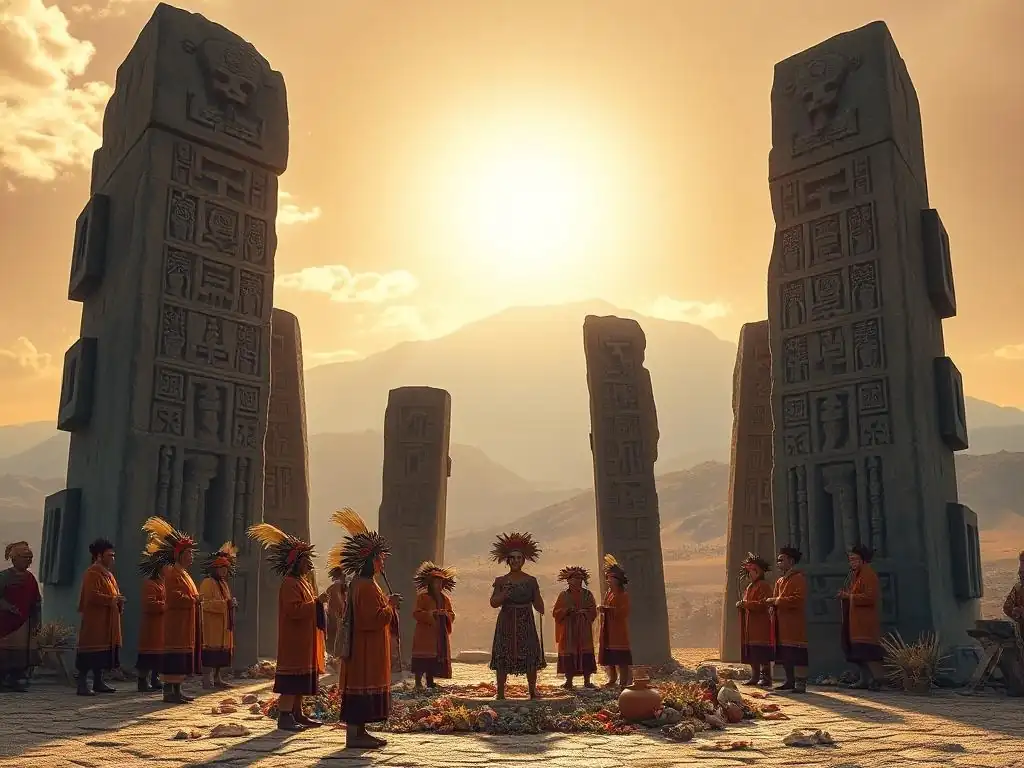
Agricultural Rituals and Their Spiritual Significance
Agricultural rituals in Tiahuanaco society were deeply intertwined with the community's spirituality and daily life. Central to these rituals was the worship of Pachamama, the Earth Mother, who was believed to provide fertility to the land. Farmers conducted ceremonies to ensure a successful harvest, which often included offerings of llama fetuses, maize, and other crops. These practices reflected a profound respect for nature and the belief that agricultural success was a divine blessing.
The Inti Raymi festival, celebrated during the winter solstice, exemplified the spiritual significance of agriculture. This ritual honored Inti, the Sun God, who was believed to be the source of life and growth. During this celebration, participants performed dances, made offerings, and built altars to invoke the sun's warmth for the upcoming planting season. The rituals not only reinforced communal ties but also emphasized the necessity of aligning human activities with celestial cycles.
Another critical aspect of these agricultural rituals was the use of ritualistic tools and symbols. For instance, the use of sacred stones or huacas during planting ceremonies was commonplace. These objects were believed to hold spiritual power and were often placed in fields to protect crops from pests and diseases. The integration of these elements illustrates how Tiahuanaco spiritual practices and rituals were designed to foster harmony between humans and the natural world.
Ceremonies for the Dead: Ancestor Worship
Ancestor worship held a prominent place in the spiritual practices of the Tiahuanaco culture. The belief in the ongoing presence of ancestors in the lives of the living led to elaborate funerary rituals designed to honor and appease the deceased. These ceremonies were not merely about mourning but were viewed as essential for ensuring the well-being of both the living and the dead.
One significant aspect of Tiahuanaco funerary practices was the construction of tombs and burial sites. These locations often contained offerings, including pottery, tools, and food. The presence of these items was believed to assist the deceased in their journey to the afterlife. The Chullpas, or funerary towers, are a notable example of Tiahuanaco's architectural endeavors in honoring their ancestors, serving as both burial sites and spiritual monuments.
Additionally, rituals such as the "Return of the Ancestors" were performed to celebrate the memory of significant figures within the community. During these ceremonies, families would gather to recount stories and share memories, reinforcing cultural identity and continuity. This practice not only honored the past but also served to strengthen familial bonds and communal ties, emphasizing the importance of ancestors in guiding and protecting the living.
Seasonal Festivals: Celebrating the Cycles of Nature
Seasonal festivals were crucial to Tiahuanaco spiritual practices, marking the rhythms of nature and the agricultural calendar. These celebrations were often linked to the solstices and equinoxes, reflecting the community's deep understanding of celestial movements and their impact on agricultural cycles.
One of the most important seasonal festivals was the Festival of the Sun, celebrated during the summer solstice. This event was marked by elaborate ceremonies that included rituals to honor Inti, the Sun God. Participants would wear vibrant costumes, perform traditional dances, and engage in communal feasting. The festival aimed to ensure the sun's continued strength and presence, which was essential for agricultural prosperity.
Another significant celebration was the harvest festival, which took place at the end of the growing season. This festival served as a time of gratitude, where the community would come together to give thanks for the bounty received. Rituals often included making offerings to Pachamama and conducting communal prayers, emphasizing the collective nature of Tiahuanaco society. The harvest festival not only reinforced the community’s connection to the land but also highlighted the significance of cooperation in achieving shared goals.
These seasonal festivals were more than mere celebrations; they were vital expressions of the Tiahuanaco people's worldview. Through these rituals, the community fostered a sense of unity and continuity, honoring the cycles of nature and the divine forces believed to govern them.
The Role of Priests and Shamans in Tiahuanaco Rituals
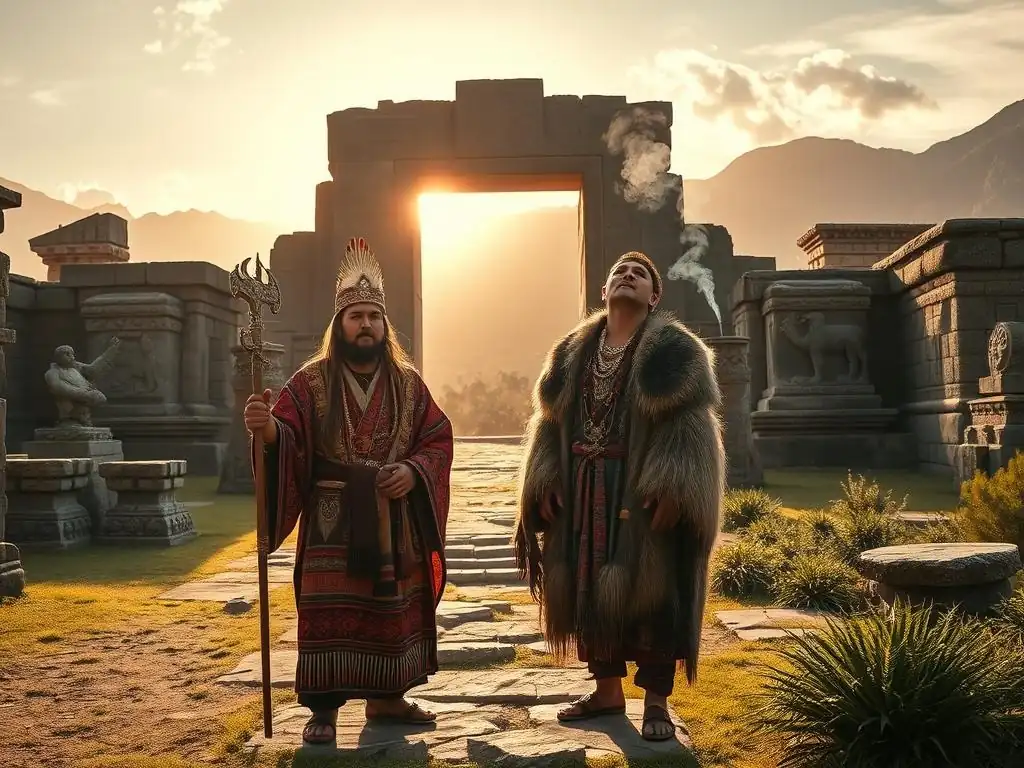
In the Tiahuanaco society, priests and shamans played a pivotal role in conducting rituals and ceremonies that were integral to the spiritual life of the community. These religious leaders acted as mediators between the gods and the people, and their influence extended beyond the spiritual realm into social and political spheres.
Responsibilities of Religious Leaders
The responsibilities of priests and shamans in Tiahuanaco were multifaceted and deeply rooted in the cultural fabric of the society. Their primary duties included:
- Conducting Rituals: Priests were responsible for leading various ceremonies, which often involved offerings to the deities. These rituals were crucial for ensuring agricultural fertility, weather patterns, and the well-being of the community.
- Interpreting Omens: Shamans utilized their spiritual insight to interpret signs and omens. This practice was believed to guide the community in decision-making, particularly regarding warfare, harvests, and migrations.
- Healing Practices: Many shamans were also healers, employing medicinal herbs and spiritual techniques to treat ailments. Their knowledge of medicinal plants was extensive, and they played a vital role in maintaining the health of the community.
- Preserving Knowledge: Priests and shamans were responsible for transmitting sacred knowledge and oral traditions. This included myths, legends, and historical narratives that defined Tiahuanaco identity.
- Connecting with Ancestors: Rituals often included elements that honored ancestors, reinforcing the community's ties to its past. This connection was vital for cultural continuity and identity.
The combination of these responsibilities highlights the profound respect and authority that priests and shamans held within Tiahuanaco society, reflecting their importance in maintaining the spiritual and societal order.
The Influence of Priestly Class on Society
The priestly class in Tiahuanaco wielded significant influence over various aspects of society, impacting not only spiritual life but also the political and social structures. Key points of influence include:
- Political Power: Many priests held political positions, allowing them to shape governance and policy. They often advised rulers, and their blessings were deemed necessary for legitimate leadership.
- Economic Control: Priests managed temple economies, overseeing the collection of tributes and offerings. This control over resources allowed them to influence economic activities and distributions within the community.
- Cultural Preservation: The priestly class played a crucial role in preserving Tiahuanaco culture through rituals that reinforced communal values and identity. These practices helped maintain social cohesion and continuity amid changing circumstances.
- Education and Training: Young individuals aspiring to become priests or shamans underwent rigorous training. This process ensured that knowledge, rituals, and practices were transmitted accurately through generations, solidifying the role of priests as educators.
- Social Hierarchy: The priestly class contributed to the establishment of a clear social hierarchy, where religious leaders were often venerated and respected. This hierarchy facilitated the organization of society and reinforced the authority of the priesthood.
The priests and shamans of Tiahuanaco were essential figures in the spiritual and social landscape of the civilization. Their rituals and practices not only connected the community with the divine but also shaped the political, economic, and cultural dimensions of Tiahuanaco life. The profound impact of these religious leaders is reflected in the lasting legacy of Tiahuanaco spiritual practices and rituals, which continue to be studied and appreciated today.
Tiahuanaco Spiritual Practices: Beliefs and Worldview
Cosmology and Its Reflection in Rituals
The Tiahuanaco civilization, which flourished around Lake Titicaca in present-day Bolivia, showcased a profound cosmology that intricately wove together their spiritual practices and daily life. Their beliefs were centered around duality and balance, symbolized by the interplay between the earth and the sky, male and female, and life and death. This dualistic worldview was reflected in their rituals, which often aimed to harmonize these opposing forces.
Key Components of Tiahuanaco Cosmology:
- Pachamama (Mother Earth): Central to Tiahuanaco beliefs, Pachamama was revered as the giver of life. Rituals often involved offerings to the earth, including crops and other goods, to ensure fertility and abundance.
- Inti (Sun God): The sun was a vital deity, representing warmth, light, and growth. Ceremonies aligned with solar cycles, such as the Inti Raymi festival, celebrated the sun's return and its life-giving properties.
- The Underworld: Tiahuanaco cosmology also included a rich narrative about the underworld, inhabited by ancestral spirits. Ritual practices often sought to honor these spirits, ensuring their guidance and protection.
Ritual Practices Reflecting Cosmology:
The Tiahuanaco society held numerous ceremonies reflecting their cosmological beliefs. These rituals often took place at significant architectural sites, like the Temple of Kalasasaya and the Gateway of the Sun, which were believed to connect the earthly realm with the divine. Each ritual was meticulously planned to coincide with seasonal changes, celestial events, or agricultural cycles, reinforcing the community's connection to the cosmos.
The Connection Between Nature and Spirituality
Tiahuanaco spiritual practices were deeply intertwined with their natural environment. The society’s reliance on agriculture made them acutely aware of the seasonal cycles and the elements, which they believed were imbued with spiritual significance. This relationship with nature informed their rituals, incorporating elements such as water, fire, and earth.
Elements of Nature in Tiahuanaco Rituals:
- Water: Seen as a purifying force, water played a crucial role in rituals, often used in offerings and blessings. The ceremonial use of water reflected the society's understanding of its life-sustaining properties.
- Fire: Fire symbolized transformation and purification. Rituals involving fire, such as the lighting of sacred fires during festivals, were essential for invoking spiritual presence and protection.
- Earth: The earth was honored through agricultural rituals, where communities would gather to give thanks for the harvest and ask for continued fertility. This connection to the land was vital for sustaining their way of life.
Rituals Grounded in Nature:
The Tiahuanaco engaged in various ceremonies that celebrated the changing seasons, such as planting and harvest festivals. These rituals not only reinforced their spiritual beliefs but also strengthened community bonds. Through these acts, they recognized the interconnectedness of life, emphasizing the importance of living in harmony with their surroundings.
The Tiahuanaco spiritual practices and rituals were deeply embedded in their cosmological beliefs and their connection to nature. By understanding these elements, we gain insight into how this remarkable civilization navigated their existence, fostering a holistic worldview that honored both the spiritual and the physical realms.
Comparative Analysis of Tiahuanaco Rituals with Other Indigenous Cultures
Similarities with Andean Rituals
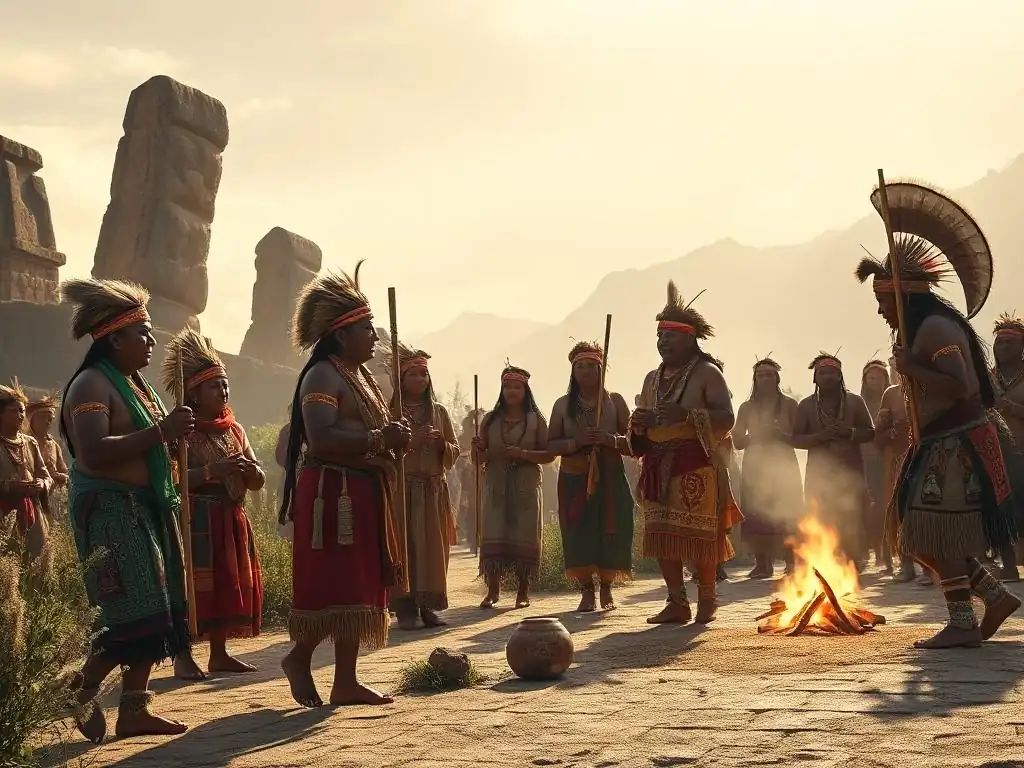
The Tiahuanaco society, situated near Lake Titicaca in modern-day Bolivia, shared numerous similarities with other Andean cultures, particularly in their spiritual practices and rituals. One of the most notable parallels is the emphasis on agricultural cycles, which were integral to the Andean way of life. Rituals often coincided with planting and harvesting seasons, showcasing a deep reverence for Pachamama, or Mother Earth. This connection to agriculture is reflected in the ceremonies that involved offerings of llama and maize, aimed at ensuring bountiful harvests.
Another similarity lies in the use of sacred spaces and architecture. The Tiahuanaco civilization constructed impressive ceremonial centers, like the Temple of the Sun and the Pumapunku, which served as focal points for rituals. These structures were akin to those found in other Andean cultures, such as the Inca, which also erected monumental architecture to house their deities and host rituals. Both cultures utilized the alignment of these structures with celestial events, such as solstices, to enhance the spiritual significance of their ceremonies.
Furthermore, the practice of ancestor veneration is prevalent in both Tiahuanaco and other Andean societies. Ancestors were often invoked during rituals to bless the living, ensuring continuity and protection. This reciprocal relationship with the past is a hallmark of Andean spirituality, where the past is interwoven with the present.
Differences from Mesoamerican Spiritual Practices
While the Tiahuanaco spiritual practices exhibit similarities to Andean rituals, they diverge significantly from those observed in Mesoamerican cultures. One of the primary differences is the role of human sacrifice. In contrast to Mesoamerican societies, such as the Aztecs and Maya, where human sacrifice was a common practice to appease gods, there is little evidence to suggest that Tiahuanaco engaged in this practice. Instead, their rituals focused more on offerings of food, textiles, and symbolic items, reflecting a different understanding of the relationship between the divine and the material world.
Additionally, the cosmological views of Tiahuanaco people differed markedly from those of Mesoamerican cultures. While Mesoamericans often emphasized a dualistic view of the cosmos, with opposing forces (e.g., night/day, earth/sky), Tiahuanaco spirituality was more integrated, focusing on the harmony between nature and humanity. Their rituals were centered around the cycles of nature, with a strong emphasis on water, which was critical in the high-altitude environment of the Andes.
The pantheon of deities also showcased notable contrasts. Tiahuanaco spirituality revolved around a more localized set of gods associated with natural elements and celestial bodies, such as the sun, moon, and stars. In contrast, Mesoamerican deities were often more anthropomorphic and had intricate mythologies surrounding their behavior and interactions with humans. The Tiahuanaco society's deities were less personified and more linked to the landscape and agricultural practices, illustrating a unique spiritual framework within the broader context of indigenous American cultures.
While Tiahuanaco spiritual practices share some common ground with other Andean rituals, they distinctly diverge from Mesoamerican spiritual practices in terms of sacrificial customs, cosmological perspectives, and deity representations, reflecting the rich diversity of indigenous beliefs across the Americas.
Legacy of Tiahuanaco Spiritual Practices
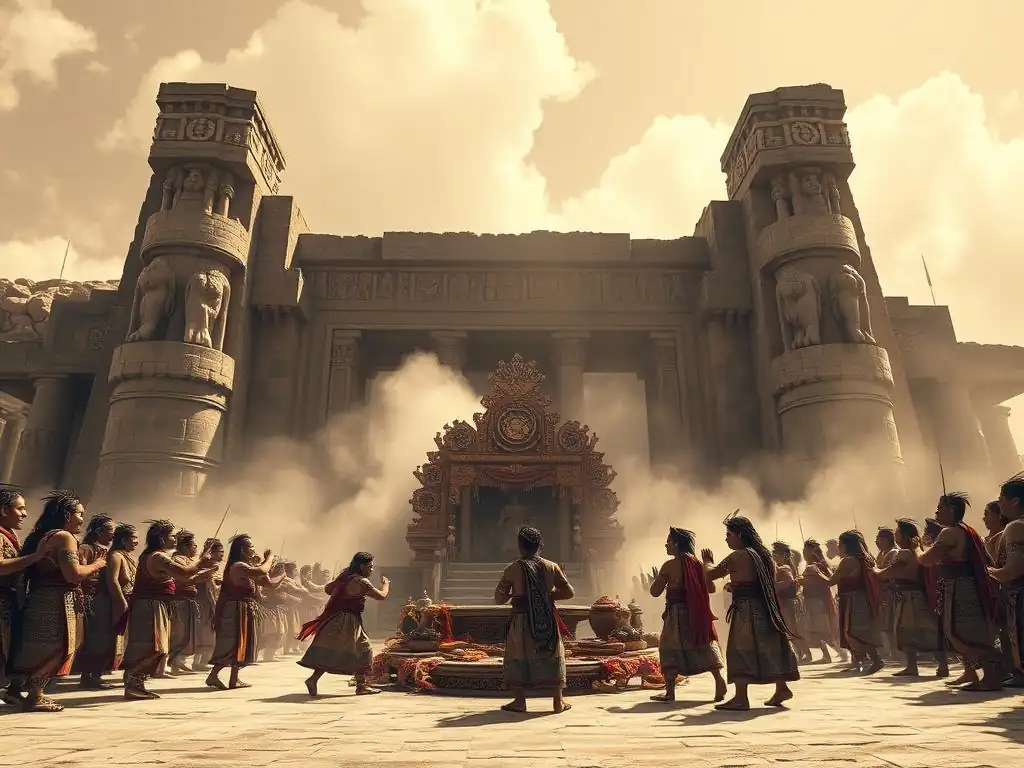
The Tiahuanaco civilization, flourishing around Lake Titicaca in present-day Bolivia, left a profound legacy in the realm of spiritual practices and rituals. These practices were not merely religious observances; they were integral to the social, political, and economic fabric of Tiahuanaco society. The civilization's spiritual beliefs centered around nature, ancestral worship, and the cosmos, which influenced their architectural designs, agricultural practices, and community organization.
Tiahuanaco spiritual practices were characterized by a deep reverence for the earth and the cosmos, evident in their monumental constructions such as the Gateway of the Sun and the Pumapunku site. These structures were not only architectural feats but also served as sacred sites for rituals that aligned with celestial events, emphasizing the civilization's astronomical knowledge. The rituals often involved offerings to deities, ceremonies for agricultural fertility, and rites to honor ancestors, which reinforced communal ties and a shared cultural identity.
Impact on Contemporary Indigenous Spirituality
The spiritual practices of Tiahuanaco have had a lasting impact on contemporary indigenous spirituality in the Andes region. Many modern indigenous groups continue to incorporate elements of Tiahuanaco beliefs into their own spiritual frameworks, creating a unique blend of ancient and contemporary practices.
- Syncretism of Beliefs:
- Modern Andean spirituality often reflects a syncretism of Tiahuanaco practices and Catholicism, with rituals that honor both indigenous deities and Christian saints.
- Festivals such as Inti Raymi, celebrating the sun god, echo ancient Tiahuanaco rituals and continue to play a vital role in community identity and cultural heritage.
- Revival of Ancient Rituals:
- Many communities are actively working to revive and maintain traditional rituals that can be traced back to Tiahuanaco, such as agricultural ceremonies that seek blessings from Pachamama (Mother Earth).
- These rituals not only foster spiritual connections but also serve to educate younger generations about their ancestral heritage.
- Cultural Resilience:
- The adaptation and continuation of Tiahuanaco spiritual practices demonstrate the resilience of indigenous cultures in the face of colonialism and globalization.
- Contemporary indigenous leaders often emphasize the importance of these spiritual practices in preserving cultural identity and community cohesion.
Preservation of Rituals in Modern Times
The preservation of Tiahuanaco rituals in modern times is a testament to the strength and vitality of indigenous cultures. Various efforts have been initiated to ensure that these ancient practices are not lost to time.
- Cultural Festivals: Many regions host annual festivals that celebrate Tiahuanaco's spiritual heritage, attracting both local participants and tourists. These festivals often include traditional music, dance, and reenactments of ancient rituals, fostering a sense of pride and continuity among participants.
- Education and Community Workshops:
- Workshops and educational programs are being organized to teach younger generations about Tiahuanaco rituals, ensuring the transmission of knowledge and skills that might otherwise fade.
- Elders within the community play a crucial role as custodians of tradition, sharing stories and practices that highlight the significance of their ancestral heritage.
- Documentation and Research:
- Researchers and anthropologists are working collaboratively with indigenous communities to document Tiahuanaco spiritual practices, creating resources that can be used for educational purposes and cultural revitalization.
- This documentation not only serves as a historical record but also empowers communities to reclaim and celebrate their spiritual heritage.
The legacy of Tiahuanaco spiritual practices remains a vital part of contemporary indigenous cultures in the Andes, illustrating the enduring connection between past and present. Through ongoing efforts to preserve and revitalize these rituals, communities continue to honor their ancestors and maintain their cultural identity.
Conclusion: The Enduring Significance of Tiahuanaco Rituals and Ceremonies
The Tiahuanaco civilization, renowned for its remarkable architectural and artistic achievements, also demonstrated a profound understanding of spirituality that permeated every aspect of its society. This conclusion emphasizes the lasting significance of Tiahuanaco spiritual practices and rituals, which continue to resonate within contemporary indigenous cultures and beyond.
Reflection on the Importance of Understanding Indigenous Spiritual Practices
Understanding the spiritual practices of the Tiahuanaco society is crucial for several reasons:
- Cultural Heritage: Tiahuanaco rituals are a vital part of the cultural heritage of the Andes. They provide insights into the values, beliefs, and worldviews of indigenous peoples, fostering a greater appreciation for their history and identity.
- Interconnectedness with Nature: Tiahuanaco spiritual practices often celebrated the connection between humanity and the natural world. By studying these rituals, we can learn about sustainable practices and the importance of respecting the environment, which is increasingly relevant in today’s ecological context.
- Influence on Modern Traditions: Many contemporary Andean communities incorporate elements of Tiahuanaco rituals into their spiritual practices. Understanding these connections helps bridge the gap between past and present, highlighting the continuity of indigenous traditions.
- Educational Value: The study of Tiahuanaco spiritual practices contributes to a broader understanding of world religions and mythologies. It demonstrates the diversity of spiritual expression and the universal quest for meaning that transcends cultures.
Final Thoughts on Tiahuanaco’s Influence on Religious Traditions
The rituals and ceremonies of the Tiahuanaco society have left an indelible mark on the spiritual landscape of the Andes. Key takeaways include:
- Syncretism: The blending of Tiahuanaco beliefs with other indigenous practices has given rise to rich syncretic traditions. This synthesis illustrates the adaptability and resilience of indigenous cultures in the face of change.
- Archaeological Significance: The archaeological evidence of Tiahuanaco spiritual practices, such as temples, altars, and ceremonial pathways, provides critical information about the civilization's religious life. These sites serve as a testament to the sophistication of their spiritual practices and their societal organization.
- Inspiration for Future Generations: The enduring legacy of Tiahuanaco rituals inspires both indigenous and non-indigenous individuals to explore the themes of spirituality, community, and the sacred. This exploration fosters a deeper understanding of the human experience and the diverse ways in which people seek connection with the divine.
The Tiahuanaco spiritual practices and rituals not only shaped the identity of their civilization but continue to influence religious traditions and cultural expressions today. Recognizing their significance allows us to honor the richness of indigenous cultures and the invaluable lessons they offer in our contemporary world.
Frequently Asked Questions
What were the primary spiritual practices of the Tiahuanaco society?
The spiritual practices of the Tiahuanaco society included intricate rituals that honored their deities, often involving offerings, music, and dance.
How did Tiahuanaco's rituals impact their community?
Tiahuanaco's rituals played a vital role in social cohesion, reinforcing community bonds and a shared identity through collective participation in ceremonies.
What types of ceremonies were prevalent in Tiahuanaco culture?
Tiahuanaco culture featured ceremonies such as harvest festivals, initiation rites, and solar celebrations, which were deeply tied to their agricultural cycles and spiritual beliefs.
How did Tiahuanaco's spiritual beliefs influence their architecture?
The spiritual beliefs of Tiahuanaco were reflected in their architecture, with structures like the Puma Punku and Akapana serving as sites for important rituals and ceremonies.
What is the significance of rituals in understanding Tiahuanaco's legacy?
Understanding Tiahuanaco's rituals provides insight into their cultural values, social structure, and the spiritual legacy that influenced later civilizations in the Andes.
Final Reflection: The Enduring Legacy of Tiahuanaco Spiritual Practices
The exploration of Tiahuanaco's spiritual practices and rituals reveals a profound connection between humanity and the cosmos that remains relevant today. In a world increasingly dominated by technology and individualism, the communal and spiritual aspects of Tiahuanaco society remind us of the importance of rituals in fostering a sense of belonging and purpose. The intricate ceremonies that once took place in this ancient civilization serve as a powerful reminder of our shared human experience and the need for connection in an ever-changing world.
The influence of Tiahuanaco's spiritual practices extends beyond the archaeological realm, resonating within contemporary cultural and social landscapes. These rituals not only shaped the identity of a civilization but also continue to inspire modern spiritual seekers and communities striving for deeper meaning. As we reflect on the significance of these ancient practices, we can echo the sentiment of renowned anthropologist Victor Turner, who stated, Ritual is a means of transforming the individual and the community, creating a shared identity and purpose.
This ongoing relevance highlights the importance of understanding and embracing the rituals that connect us to our past and to one another.
As we conclude this exploration of Tiahuanaco's spiritual practices, I invite you to reflect on the rituals in your own life. Consider how these practices can enhance your sense of community, identity, and connection to the world around you. Whether through personal rituals or communal ceremonies, let us honor the legacy of Tiahuanaco by integrating meaningful practices into our lives that foster unity, spirituality, and a deeper understanding of our place in the universe. Embrace the power of rituals, and allow them to guide you on your journey toward a more connected and fulfilling existence.
Embrace the Spirit: Ignite Your Journey Towards Sacred Practices
Thank you for diving into the fascinating world of Tiahuanaco’s rituals and ceremonies! Your exploration of these spiritual practices not only enriches your understanding of indigenous cultures but also inspires a deeper connection to the sacred traditions that resonate through time. Now, let's take the next step together!
- Discover your own spiritual practice: Dedicate some time this week to create a personal ritual that honors your beliefs or connects you with nature.
- Share your insights: Discuss the significance of rituals in your life with friends or loved ones—starting conversations can spark a deeper understanding and connection.
- Join a community event: Look for local gatherings that celebrate indigenous practices or cultural ceremonies to experience the richness of these traditions firsthand.
How might incorporating rituals into your daily life transform your personal journey and deepen your connection to the world around you?