
The Sun God: Central Deity in Tiahuanaco Spirituality and Its Cultural Importance

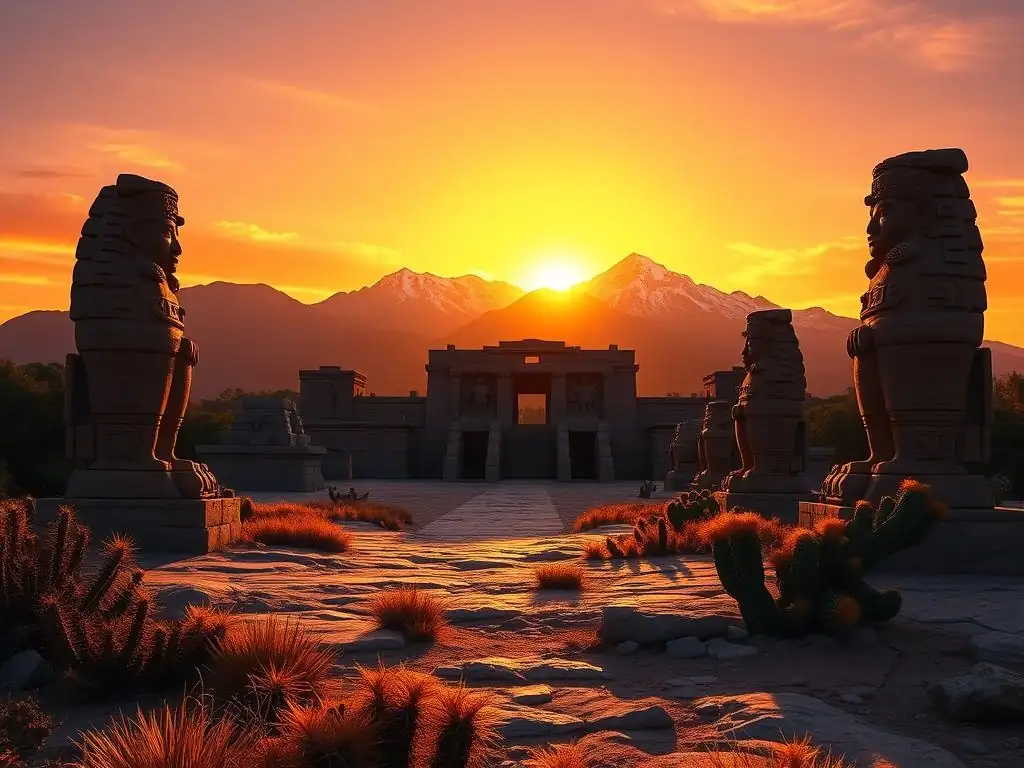
Welcome to Indigenous Civilizations of the Americas, where we invite you to embark on a captivating journey through the rich tapestry of pre-Columbian cultures. In this exploration, we delve into the profound significance of the Tiahuanaco Sun God, a central figure in the spirituality that shaped the lives and beliefs of the Tiahuanaco people. Discover how this deity not only illuminated their understanding of the cosmos but also influenced their societal structures and cultural practices.
As you navigate through our content, prepare to unearth the layers of history and wisdom that continue to resonate today. Join us as we shine a light on the remarkable achievements and enduring legacy of indigenous cultures across the Americas!
Tiahuanaco, an ancient civilization located near the shores of Lake Titicaca in present-day Bolivia, is renowned for its remarkable contributions to pre-Columbian culture, particularly in the realms of architecture, agriculture, and spirituality. Among the pantheon of deities revered by the Tiahuanaco people, the Sun God holds a pivotal position, symbolizing life, fertility, and the cyclical nature of existence.
This article delves into the significance of the Tiahuanaco Sun God, exploring its role within the broader context of Tiahuanaco spirituality and its enduring impact on the indigenous cultures of the Americas. By examining the intricate beliefs and practices surrounding this central deity, we can gain a deeper understanding of how the Sun God shaped the identity and values of the Tiahuanaco society.
Introduction to Tiahuanaco Spirituality
Tiahuanaco spirituality is an intricate tapestry woven from the threads of mythology, ritual, and the natural world. Central to this belief system is the reverence for various deities, with the Sun God emerging as the most significant figure. The relationship between the Tiahuanaco people and their spiritual beliefs is not merely one of worship but is deeply interwoven with their daily lives and cultural practices.
Overview of Tiahuanaco Culture
The Tiahuanaco civilization flourished between 300 AD and 1000 AD, characterized by its impressive architectural feats, such as the Gateway of the Sun and the Akapana pyramid. The society was highly organized, with advanced agricultural techniques that allowed them to thrive in the challenging high-altitude environment. Social structure, art, and spirituality were closely linked, with each aspect influencing and reinforcing the others.
- Key Aspects of Tiahuanaco Culture:
- Architecture: Monumental structures built with precision.
- Agriculture: Use of terracing and irrigation techniques.
- Art: Rich iconography reflecting spiritual beliefs and social status.
Importance of Religion in Tiahuanaco Society
Religion played a crucial role in the lives of the Tiahuanaco people, guiding their moral frameworks and social interactions. The worship of the Sun God was integral to agricultural cycles, influencing planting and harvesting times. Festivals and rituals dedicated to the Sun were common, fostering community cohesion and a shared identity.
The Sun God in Tiahuanaco Beliefs
The Sun God is not merely a deity; he embodies the essence of life and sustenance for the Tiahuanaco civilization. Understanding his role requires a deep dive into the mythology and practices associated with this powerful figure.
Definition and Role of the Tiahuanaco Sun God
The Tiahuanaco Sun God, often depicted with elaborate headdresses and iconography, represents the solar energy that sustains life. He is viewed as a creator and a protector, overseeing the agricultural cycles that were vital to the community's survival.
- Attributes of the Sun God:
- Creator of Life: Seen as the source of all vitality.
- Protector of the People: Responsible for safeguarding the community.
- Symbol of Power: The Sun God embodies authority and governance.
Symbolism of the Sun in Tiahuanaco Mythology
In Tiahuanaco mythology, the Sun is a multifaceted symbol, representing not only physical light but also enlightenment and knowledge. The cyclical nature of the sun's rise and fall mirrors the cycles of life, death, and rebirth, which were central to Tiahuanaco cosmology.
- Key Symbolic Themes:
- Life and Growth: The sun as a source of agricultural fertility.
- Cycles of Existence: The interplay of day and night reflecting life's transitions.
- Cultural Identity: The sun as a unifying emblem for the Tiahuanaco people.
The Sun God as a Central Figure in Tiahuanaco Spirituality
As the central figure in Tiahuanaco spirituality, the Sun God influenced various aspects of life, from governance to personal conduct. His worship was integral to the socio-political structure, often tying leadership and authority to divine favor.
- Cultural Practices:
- Rituals and Offerings: Regular offerings to ensure the Sun God's favor.
- Festivals: Celebrations that marked seasonal changes and agricultural milestones.
- Artistic Representations: Depictions in sculptures and textiles reflecting his significance.
Through this exploration of the Tiahuanaco Sun God, we uncover not just a deity of ancient lore, but a vital force that shaped the spiritual landscape and daily lives of a civilization that thrived in the high Andes.
Tiahuanaco Sun God Significance
The Tiahuanaco Sun God, often referred to as Inti in later Andean cultures, holds a place of paramount importance in the spiritual and cultural framework of Tiahuanaco civilization. This deity symbolizes not only the physical sun but also the life-giving energy it provides. The Sun God’s significance is deeply intertwined with the agricultural practices, societal structures, and religious beliefs of the Tiahuanaco people. As the center of their cosmology, the Sun God represented the cycle of life, death, and rebirth, embodying the belief that the sun's regular journey across the sky mirrored the human experience.
The reverence for the Sun God is evident in numerous archaeological findings and texts that indicate rituals and ceremonies dedicated to this deity. These practices were vital in maintaining the harmony between the natural world and human existence, showcasing the Tiahuanaco people's understanding of the interconnectedness of all life forms. The Sun God’s significance also extends to the political realm, where leaders often aligned themselves with this deity to legitimize their authority and governance, further solidifying its pivotal role in Tiahuanaco society.
The Sun God in Rituals and Ceremonies
Rituals and ceremonies surrounding the Tiahuanaco Sun God were crucial for maintaining the balance of life within their society. These rites often involved elaborate offerings and public celebrations, which were designed to invoke the deity's favor and ensure agricultural fertility. One of the most important ceremonies was the Inti Raymi, or Festival of the Sun, which marked the winter solstice. This event symbolized the rebirth of the sun and was celebrated with music, dance, and feasting, reinforcing community bonds and cultural identity.
The architectural remnants of Tiahuanaco, such as the Kalasasaya Temple, serve as evidence of the ceremonial spaces dedicated to the Sun God. This temple featured a sunken court where rituals were likely performed to honor the deity during solstices and equinoxes. Additionally, offerings of food, textiles, and even sacrifices were common during these events, reflecting the community's deep-seated belief in the necessity of appeasing the Sun God to ensure prosperity.
The Impact of the Sun God on Tiahuanaco Architecture
The architectural achievements of Tiahuanaco are profoundly influenced by the significance of the Sun God. Structures such as the Pumapunku and the Kalasasaya Temple were designed with astronomical alignments that corresponded with solar events. This indicates a sophisticated understanding of celestial movements and their implications for both agriculture and spirituality.
The Gateway of the Sun, a monumental stone structure, features intricate carvings that depict the Sun God, highlighting its central role in Tiahuanaco culture. This gateway is positioned to align with the sun's rays during specific times of the year, demonstrating the integration of religious beliefs into their architectural designs. The alignment of buildings with solar phenomena reflects a profound respect for the Sun God and emphasizes the importance of celestial events in the lives of the Tiahuanaco people.
Artistic Representations of the Sun God in Tiahuanaco Art
Artistic representations of the Tiahuanaco Sun God are prevalent in various forms, including pottery, textiles, and stone carvings. These artworks often depict the deity with rays emanating from its head, symbolizing its life-giving power. The intricate designs showcase not only the skill of Tiahuanaco artisans but also the deep spiritual connection the community had with the Sun God.
Iconography related to the Sun God often appears in ceremonial objects and everyday items, indicating its significance in both religious and social contexts. The use of gold and other reflective materials in these representations further underscores the deity's association with light and power. Additionally, the imagery of the Sun God frequently incorporates elements of nature, reinforcing the belief in the deity's role as a protector and nurturer of all living things.
Cultural Importance of the Sun God
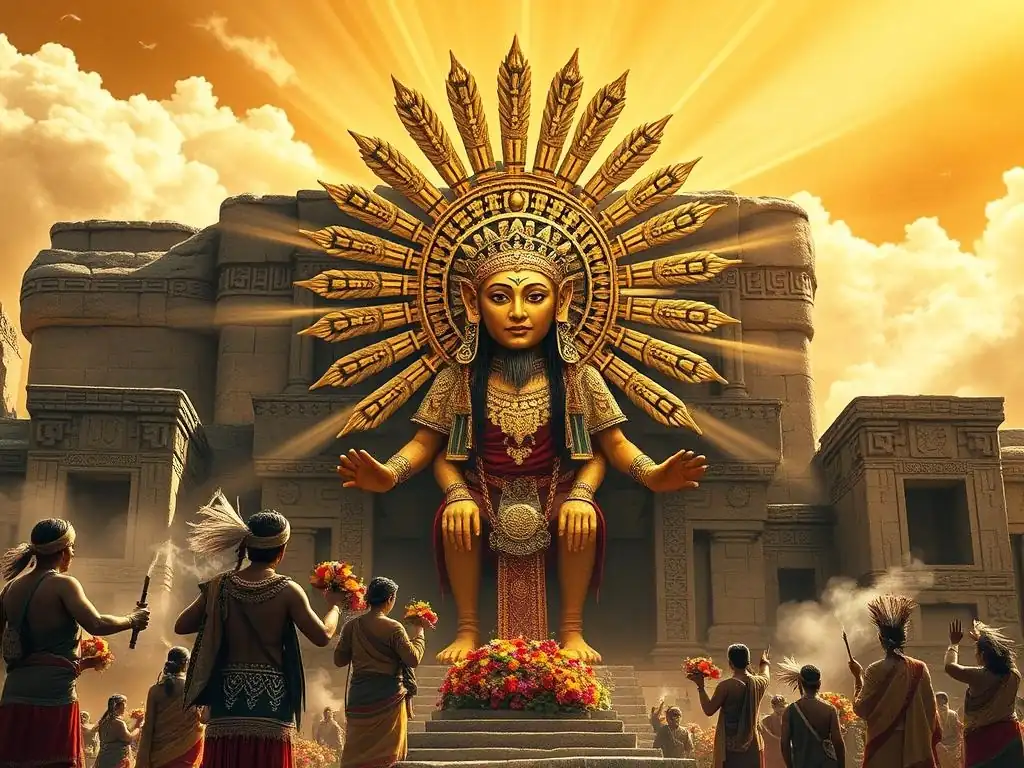
The cultural importance of the Sun God in Tiahuanaco extends beyond worship; it permeates various aspects of daily life and societal organization. As a symbol of fertility and abundance, the Sun God influenced agricultural cycles and practices, reinforcing the community's reliance on the sun for sustenance. The deity's presence is woven into the fabric of Tiahuanaco identity, providing a source of unity and purpose.
The Sun God and Agricultural Practices
Agriculture was the backbone of Tiahuanaco society, and the Sun God played a critical role in agricultural practices. The cyclical nature of planting and harvesting was closely tied to solar patterns, with farmers often consulting astrological signs to determine the best times for sowing and gathering crops. Rituals dedicated to the Sun God, such as offerings of the first fruits, aimed to secure blessings for bountiful harvests.
The Tiahuanaco civilization developed advanced agricultural techniques, including raised-field farming, which maximized productivity in the challenging Andean environment. The success of these methods was attributed to the Sun God’s favor, illustrating how deeply intertwined spirituality and practical life were in this civilization. This agricultural reliance on the Sun God ensured the community's survival and prosperity, reinforcing its cultural importance.
The Sun God in Tiahuanaco Cosmology
In Tiahuanaco cosmology, the Sun God occupies a central position within a broader pantheon of deities. The belief system is characterized by a dualistic view of the universe, where the Sun God represents light, life, and goodness, contrasting with other deities associated with darkness and chaos. This duality informs the moral and ethical code of the Tiahuanaco people, guiding their interactions with one another and the environment.
The Sun God is often depicted as a unifying force, bridging the earthly realm with the celestial. Myths surrounding the Sun God emphasize themes of creation, order, and harmony, serving as foundational narratives that shaped Tiahuanaco society. The cosmological significance of the Sun God fosters a sense of identity and belonging among the Tiahuanaco people, reinforcing their connection to their ancestors and the natural world.
The Sun God’s Influence on Social Structure and Governance
The influence of the Sun God extended into the realm of governance and social hierarchy within Tiahuanaco society. Leaders often claimed divine lineage or favor from the Sun God to legitimize their authority and assert their roles as intermediaries between the divine and the people. This connection to the Sun God not only reinforced the power of rulers but also provided a cohesive framework for societal organization.
The centrality of the Sun God in governance is reflected in the societal norms and rituals that accompanied leadership transitions. Ceremonies, such as coronations, often involved invoking the Sun God’s blessings, emphasizing the belief that the ruler's power was derived from divine support. This relationship between the Sun God and leadership structures illustrates the profound impact of spiritual beliefs on the political landscape of Tiahuanaco, shaping the civilization’s identity and legacy.
Legacy of the Tiahuanaco Sun God
The Tiahuanaco Sun God holds an essential place in the legacy of the Tiahuanaco civilization, influencing not just religious practices but also the cultural and social frameworks of the society. This deity was often associated with the sun, symbolizing strength, life, and the cyclical nature of existence. The architectural marvels such as the Kalasasaya Temple and the Pumapunku site exhibit intricate carvings and representations of the Sun God, signifying its paramount importance in Tiahuanaco spirituality.
The legacy of the Sun God extends beyond mere worship; it embodies the agricultural calendar of the Tiahuanaco people. Rituals and festivals centered around solar cycles were crucial for agricultural success, tying the community's survival to the veneration of this deity. The Sun God became a symbol of unity among the Tiahuanaco people, consolidating their cultural identity and providing a shared framework for understanding their place in the cosmos.
The Enduring Influence of the Sun God in Indigenous Beliefs
The Tiahuanaco Sun God’s influence persists in various indigenous beliefs across the Andes region. Many indigenous communities today still recognize similar solar deities, reflecting the cultural syncretism that has occurred over centuries. The reverence for the sun as a life-giving force is a common theme, illustrating how the Sun God of Tiahuanaco laid a foundational belief structure that resonates in contemporary practices.
For instance, festivals celebrating the Inti Raymi, or Festival of the Sun, continue to be significant in many Andean cultures, echoing the ancient traditions associated with the Tiahuanaco Sun God. This enduring influence highlights the resilience of indigenous beliefs, illustrating how historical narratives and spiritual practices have been preserved and adapted through generations.
Comparisons with Other Indigenous Sun Deities
In examining the Tiahuanaco Sun God, parallels can be drawn with other indigenous sun deities across the Americas. For example, the Inca worshipped Inti, a sun god who was central to their cosmology and agricultural practices. Similarly, in Mesoamerica, deities like Tonatiuh played a crucial role in the spiritual and agricultural life of the Aztecs.
These comparisons reveal a common thread of solar veneration among diverse cultures, emphasizing the universal significance of the sun in agricultural societies. While the specific attributes and mythologies may differ, the underlying themes of life, fertility, and renewal remain consistent. This interconnectedness provides a broader understanding of how the Tiahuanaco Sun God fits within the larger tapestry of indigenous spirituality across the Americas.
Contemporary Interpretations of the Tiahuanaco Sun God
Contemporary interpretations of the Tiahuanaco Sun God are increasingly prevalent within indigenous and academic circles. Many scholars are exploring the significance of this deity in the context of modern environmentalism, where the sun is viewed as a vital source of energy and life. This perspective resonates with indigenous philosophies that emphasize harmony with nature and the cyclical patterns of life.
Moreover, art and literature inspired by the Tiahuanaco Sun God are being utilized as mediums for cultural revival and education. Contemporary artists and writers draw upon themes of solar worship, integrating ancient symbolism into modern expressions. This revitalization not only honors the legacy of the Tiahuanaco Sun God but also fosters a deeper appreciation for indigenous cultures and their contributions to contemporary society.
Conclusion
Summary of the Tiahuanaco Sun God’s Significance
The Tiahuanaco Sun God represents a central figure in the spiritual and cultural life of the Tiahuanaco civilization. Its legacy is evident in the architectural achievements, agricultural practices, and enduring indigenous beliefs that have persisted through time. As a symbol of unity and life, the Sun God encapsulates the values and worldview of Tiahuanaco society, providing insight into their understanding of the cosmos.
The Sun God’s Role in Understanding Tiahuanaco Culture and Spirituality
The Sun God serves as a crucial lens through which we can understand Tiahuanaco culture and spirituality. By studying this deity and its significance, we gain insights into the interconnectedness of their religious practices, societal organization, and relationship with the environment. The reverence for the Sun God not only reflects the Tiahuanaco people’s spiritual beliefs but also their intricate understanding of the natural world, highlighting the importance of this ancient civilization in the broader narrative of indigenous cultures in the Americas.
- Introduction to Tiahuanaco Spirituality
- The Sun God in Tiahuanaco Beliefs
- Tiahuanaco Sun God Significance
- Cultural Importance of the Sun God
- Legacy of the Tiahuanaco Sun God
- Conclusion
- What is the significance of the Tiahuanaco Sun God in indigenous spirituality?
- How did the Tiahuanaco civilization worship the Sun God?
- What are some key achievements of the Tiahuanaco civilization?
- How does the Sun God reflect the cultural identity of the Tiahuanaco people?
- What legacy did the Tiahuanaco Sun God leave on later civilizations?
Frequently Asked Questions
What is the significance of the Tiahuanaco Sun God in indigenous spirituality?
The Tiahuanaco Sun God is regarded as a central deity, symbolizing life and fertility. This reflects the importance of the sun in agriculture and daily life among the Tiahuanaco people.
How did the Tiahuanaco civilization worship the Sun God?
Worship practices included rituals, offerings, and ceremonial structures dedicated to the Sun God, showcasing their deep respect and reliance on solar cycles for agricultural success.
What are some key achievements of the Tiahuanaco civilization?
The Tiahuanaco civilization is known for its advanced architecture, including stone constructions and agricultural innovations, which played a crucial role in sustaining their society.
How does the Sun God reflect the cultural identity of the Tiahuanaco people?
The Sun God embodies the spiritual beliefs and cosmology of Tiahuanaco culture, influencing their art, architecture, and social organization, thereby reinforcing their identity.
What legacy did the Tiahuanaco Sun God leave on later civilizations?
The Sun God’s significance influenced subsequent cultures, such as the Incas, who adopted and adapted similar solar worship practices, highlighting the enduring impact of Tiahuanaco spirituality.
Final Reflection: The Enduring Significance of the Tiahuanaco Sun God
The Tiahuanaco Sun God represents not only a pivotal figure in ancient spirituality but also a profound connection to contemporary cultural identity. As we explore the significance of this deity, we uncover layers of meaning that resonate with modern society's quest for understanding its roots. The Sun God stands as a testament to the enduring power of belief systems that shape civilizations, reminding us that the past continues to illuminate our present.
Cultural narratives surrounding the Tiahuanaco Sun God have left an indelible mark on the social landscape, influencing art, architecture, and community values. The reverence for this deity reflects a deep understanding of nature and humanity's place within it, fostering a sense of unity and purpose. In the light of the Sun God, we find not just a deity, but a mirror reflecting our own aspirations and struggles.
This ongoing influence encourages us to appreciate the wisdom embedded in ancient traditions, urging us to weave these lessons into the fabric of our modern lives.
As we contemplate the significance of the Tiahuanaco Sun God, I invite you to reflect on how ancient beliefs can inspire your own journey. Consider how the values of interconnectedness, respect for nature, and cultural heritage can guide your actions today. Let the legacy of the Sun God illuminate your path, encouraging you to honor your roots while forging a future that embraces the wisdom of the past.
Unveil the Mysteries of Tiahuanaco!
Thank you for diving into the fascinating world of Tiahuanaco spirituality with us! You've uncovered insights into the Sun God’s pivotal role and its cultural significance. Now, let’s take this exploration further and connect with the rich legacy of Indigenous civilizations.
Here are some steps you can take to deepen your understanding and appreciation:
- Explore More: Dive into related articles on the spiritual practices and mythology of various Indigenous cultures to discover shared themes and unique perspectives.
- Start a Conversation: Share your newfound knowledge with friends or on social media! Engaging in discussions fosters a deeper understanding and appreciation.
- Engage Locally: Consider visiting a museum that showcases Indigenous artifacts or participating in local cultural events to witness the ongoing relevance of these traditions in today’s world.
How has your perception of Indigenous spirituality evolved after learning about the Sun God of Tiahuanaco? Let’s discuss in the comments below!