
Architectural Symbols and Their Meanings in Toltec Culture

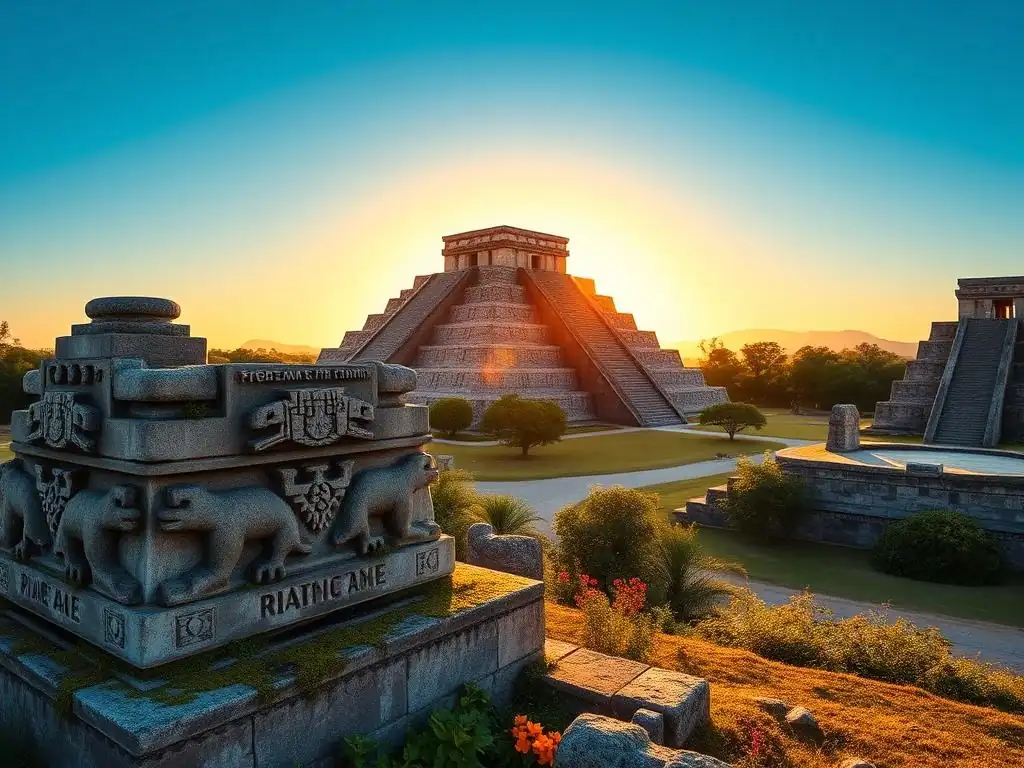
Welcome to Indigenous Civilizations of the Americas, where we embark on a captivating journey through the rich tapestry of cultures that blossomed long before European shores met the New World. In this exploration, we dive deep into the Toltec Civilization, unveiling the intricate architectural symbols and their meanings that reflect the profound wisdom and artistry of the Toltec people.
What stories do these symbols tell, and how do they illuminate our understanding of a society that has significantly shaped the cultural landscape of the Americas? Join us as we unravel the mysteries behind these ancient designs and discover the legacy they leave behind.
- Introduction to Toltec Architectural Symbols and Their Meanings
- Understanding Toltec Architectural Symbols
- Common Toltec Architectural Symbols
- Cultural Significance of Toltec Symbols
- Interpreting Toltec Symbols in Architecture
- Artistic Representations of Toltec Symbols
- Conclusion: The Legacy of Toltec Architectural Symbols
- Further Reading on Toltec Architecture and Symbolism
-
Frequently Asked Questions
- What are the key features of Toltec architectural symbols?
- How did Toltec architecture influence later cultures?
- What do the symbols in Toltec architecture represent?
- Why are Toltec architectural symbols important for understanding their culture?
- Where can I find more information about Toltec culture and its architectural significance?
- Final Reflection: The Enduring Legacy of Toltec Architectural Symbols
- Unveil the Rich Heritage of Toltec Symbols!
Introduction to Toltec Architectural Symbols and Their Meanings
The Toltec civilization, a remarkable and influential culture that flourished in central Mexico from approximately 900 to 1168 CE, is renowned for its intricate architectural styles and profound symbolism. This article delves into the Toltec architectural symbols meanings, exploring how these symbols encapsulated the beliefs, values, and social structures of the Toltec people.
By examining the rich tapestry of their architectural achievements, we can gain insight into the spiritual and cultural narratives that defined their society. Understanding these symbols not only enhances our appreciation of Toltec architecture but also sheds light on the broader context of indigenous cultures in the Americas, revealing the deep connections between their built environments and the ideologies they embraced.
Overview of Toltec Civilization
The Toltec civilization is characterized by its advanced urban planning, monumental architecture, and significant cultural contributions. Located primarily in what is now the state of Hidalgo, Mexico, the Toltecs are often credited with influencing subsequent civilizations, such as the Aztecs. Key features of Toltec society included:
- Social Structure: The Toltec society was hierarchical, with a ruling elite, skilled artisans, and a laboring class. This structure facilitated the development of complex cities and intricate artistic expressions.
- Religion and Mythology: Religion played a central role in Toltec life, with a pantheon of gods and a rich mythological tradition that influenced their art and architecture. Key deities included Quetzalcoatl, the feathered serpent, symbolizing knowledge and wind.
- Artistic Achievements: The Toltecs are renowned for their remarkable artistic expressions, particularly in sculpture and mural painting. Their artistry often reflected their cosmological beliefs and societal values.
The legacy of the Toltec civilization is evident in the archaeological sites that remain today, including the famous city of Tula, where impressive pyramids and warrior statues stand as testaments to their architectural prowess.
Importance of Architectural Symbols in Indigenous Cultures
Architectural symbols hold profound significance in indigenous cultures, serving as visual representations of spiritual beliefs, societal values, and community identity. In the context of the Toltec civilization, these symbols were intricately woven into their architectural designs, conveying messages and meanings that transcended mere aesthetics.
The importance of architectural symbols in indigenous cultures can be summarized as follows:
- Cultural Identity: Symbols in architecture often reflect the unique cultural identity of a civilization, differentiating it from others. For the Toltecs, architectural elements conveyed their distinct worldview and collective memory.
- Spiritual Significance: Many architectural features were imbued with spiritual meanings, acting as gateways between the physical and spiritual realms. This connection is particularly evident in the alignment of structures with celestial events and landscapes.
- Social Cohesion: Architectural symbols fostered a sense of community and belonging among the Toltecs. Buildings and monuments served as gathering places for rituals and ceremonies, reinforcing social bonds and shared beliefs.
By understanding Toltec architectural symbols and their meanings, we can appreciate the depth of their cultural heritage and the intricate relationship between their built environments and their worldview. This exploration not only honors the legacy of the Toltec civilization but also emphasizes the broader significance of architectural symbolism in the diverse tapestry of indigenous cultures across the Americas.
Understanding Toltec Architectural Symbols
Definition of Architectural Symbols in Toltec Culture
Toltec architectural symbols are intricate representations that convey the spiritual and cultural beliefs of the Toltec civilization, which flourished in central Mexico from approximately the 10th to the 12th century. These symbols were not merely decorative; they served as a visual language that communicated complex ideas about the cosmos, deities, and the natural world.
In Toltec culture, architecture was a means to embody social order and cosmological principles. Structures were often adorned with carvings and motifs that reflected the Toltecs' worldview and their relationship with the divine. Symbols such as serpents, eagles, and jaguars were prevalent, each holding specific meanings:
- Serpent: Often associated with the earth and fertility, the serpent symbolized transformation and the connection between the earthly and spiritual realms.
- Eagle: A representation of power and the sun, the eagle was believed to bridge the gap between the heavens and humanity.
- Jaguar: This powerful creature denoted strength, courage, and the underworld, playing a significant role in Toltec mythology.
The use of these symbols can be observed in the design of temples, pyramids, and other structures, where they were often integrated into the overall architectural form to create a cohesive narrative that resonated with the community.
Role of Symbols in Toltec Architecture
The role of symbols in Toltec architecture extends beyond aesthetic appeal; they are essential to understanding the cultural and spiritual framework of the Toltec society. The architectural designs were imbued with symbolic meaning that served various functions, including:
- Religious Significance: Many structures were built as places of worship, where symbols represented the gods and the cosmos. For instance, the Pyramid of the Sun in Teotihuacan, though predating the Toltecs, influenced their architectural symbolism. The Toltecs incorporated similar designs, using symbols to honor their deities and facilitate rituals.
- Cultural Identity: Architectural symbols acted as a means of expressing and preserving Toltec cultural identity. Each symbol encapsulated stories and traditions, allowing future generations to connect with their heritage. The motifs used in temples and public spaces reinforced a sense of belonging among the Toltec people.
- Political Power: Symbols in architecture also played a role in the assertion of political power. Rulers commissioned structures adorned with grand symbols to demonstrate their authority and divine right to lead. The use of imposing symbolic imagery in public architecture served to inspire awe and respect among the populace.
- Cosmological Reflections: The alignment of structures with celestial events, such as solstices and equinoxes, illustrates how Toltec architecture was designed to reflect the cosmos. The placement of symbols related to astronomy within these structures emphasized the connection between earthly existence and cosmic order.
Toltec architectural symbols are a rich tapestry of meaning that encapsulates the civilization's spiritual beliefs, cultural identity, and political aspirations. Their presence in architectural design offers valuable insights into the complexities of Toltec society and its enduring legacy in Mesoamerican history.
Common Toltec Architectural Symbols
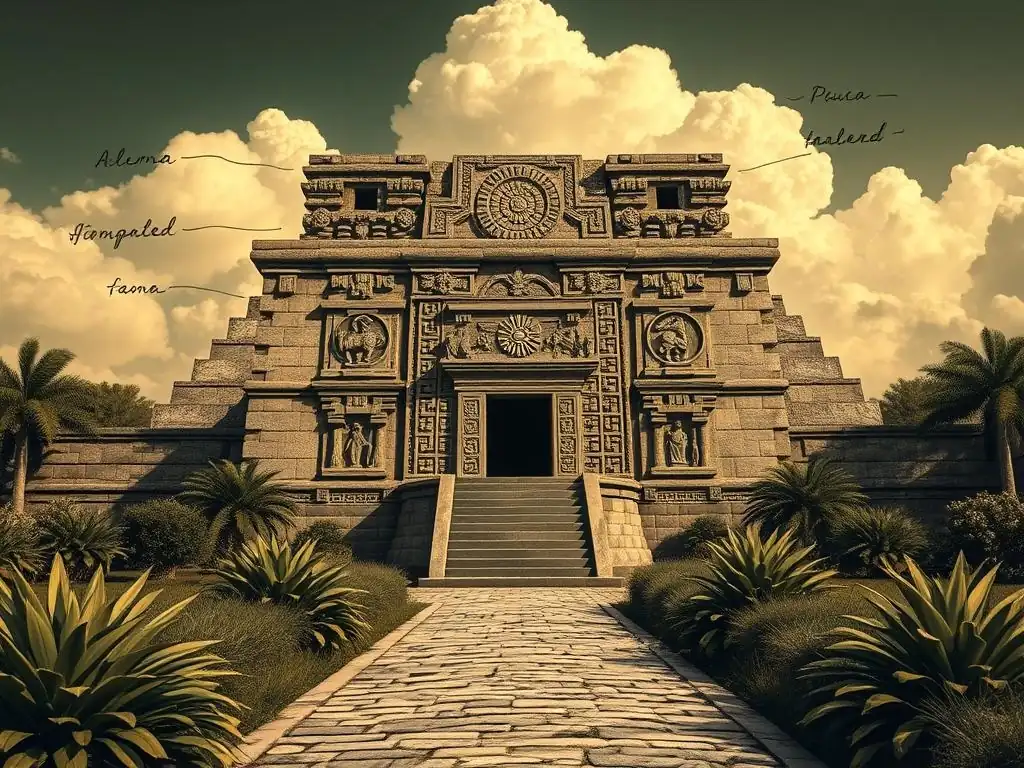
The Toltec civilization, known for its rich cultural heritage and architectural achievements, utilized a variety of symbols in their constructions. These symbols were not merely decorative; they carried deep meanings that reflected the society's beliefs, cosmology, and values. Understanding these symbols provides insight into the Toltec worldview and their connection to nature, spirituality, and power.
Key Symbols and Their Meanings
The Feathered Serpent: A Symbol of Renewal
The Feathered Serpent, often represented as Quetzalcoatl, is one of the most significant symbols in Toltec architecture. This deity embodies duality, merging the terrestrial with the celestial.
- Symbolism: The Feathered Serpent signifies renewal, life, and the cyclical nature of existence. It is also associated with the wind, storms, and the fertility of the earth.
- Architectural Representation: Commonly depicted in carvings and murals, the Feathered Serpent appears on temple facades and ceremonial structures, illustrating its importance in religious and social life.
The Feathered Serpent's imagery acted as a reminder for the Toltecs to honor the natural cycles and the balance between life and death, reinforcing the concept of regeneration and continuity.
The Jaguar: Power and Strength
The jaguar is another prominent symbol within Toltec architecture, representing ferocity, strength, and the spiritual power of the underworld.
- Symbolism: Often associated with the night, the jaguar embodies the qualities of the warrior and is seen as a protector against evil forces.
- Architectural Representation: Jaguars are frequently carved into stone and integrated into temple designs, serving as guardians for sacred spaces. Their images might be found adorning doorways or as motifs on altars, signifying the importance of power in Toltec society.
The presence of jaguar symbols emphasizes the Toltec belief in the necessity of strength and valor, both in life and in the spiritual realm.
The Sun and Moon: Duality and Balance
The Sun and Moon are quintessential symbols of duality in Toltec culture, representing the balance of opposing forces.
- Symbolism: The Sun signifies life, warmth, and growth, whereas the Moon represents night, introspection, and mystery. Together, they embody the concept of balance in the universe.
- Architectural Representation: These celestial bodies are often depicted in murals and sculptures, found in the layout of cities and ceremonial centers. The alignment of structures with solar and lunar events demonstrates the Toltec's astrological knowledge and reverence for these forces.
The harmonious relationship between the Sun and Moon in Toltec architecture serves as a physical manifestation of their cosmological beliefs, underscoring the importance of equilibrium in their society.
The Chalchiuhtlicue: Water and Fertility
Chalchiuhtlicue, the goddess of water, rivers, and fertility, is a vital symbol in Toltec architecture, showcasing the civilization's connection to agriculture and the life-giving properties of water.
- Symbolism: This deity is associated with purification, growth, and the cycles of nature. Water is seen as essential for sustaining life, making this symbol particularly significant.
- Architectural Representation: Representations of Chalchiuhtlicue can be found in water-related structures, such as aqueducts and ceremonial fountains. Her imagery serves as an invocation for bountiful harvests and the prosperity of the community.
The incorporation of Chalchiuhtlicue's symbols in architecture reflects the Toltec's deep respect for nature and their understanding of the essential role water plays in sustaining life and fertility.
By exploring these common Toltec architectural symbols and their meanings, we gain valuable insight into the spiritual and cultural fabric of the Toltec civilization. Each symbol not only enhances the aesthetic quality of their structures but also conveys profound messages about their beliefs and way of life. Understanding these elements allows us to appreciate the sophisticated worldview of the Toltecs and their enduring legacy in the Americas.
Cultural Significance of Toltec Symbols
The Toltec civilization, which flourished in central Mexico between the 10th and 12th centuries, is renowned for its rich architectural symbols that encapsulate their cultural essence. These symbols, often carved into stone or integrated into architectural designs, served not only as artistic expressions but also as profound representations of their beliefs, values, and societal structures.
Connection to Spiritual Beliefs and Practices
Toltec architectural symbols are deeply intertwined with their spiritual beliefs and practices. Many of these symbols were intended to invoke deities or represent cosmic principles, reflecting the Toltecs' understanding of the universe. For example, the serpent, often depicted in various forms, symbolized duality and transformation, embodying the connection between the earthly and divine realms. The serpent was revered as a powerful entity in Mesoamerican mythology, often associated with Quetzalcoatl, the feathered serpent god, who represented wisdom and renewal.
The eagle is another prominent symbol in Toltec architecture, frequently seen in carvings and murals. It represented strength, courage, and the ability to transcend the earthly realm, serving as a reminder of the spiritual aspirations of the Toltec people. Eagles were often depicted soaring, symbolizing the soul's journey toward enlightenment and the divine.
Incorporating these symbols into architectural elements was a means of connecting the physical and spiritual worlds. Structures such as temples and pyramids were designed not just for functionality but as sacred spaces where rituals could take place. The placement of symbols within these structures had specific meanings, often aligning with astronomical events or seasonal cycles, further emphasizing their spiritual significance.
Influence on Toltec Urban Planning and Design
The meanings behind Toltec architectural symbols also played a crucial role in urban planning and design. Cities like Tula, the Toltec capital, were meticulously planned to reflect cosmological principles and societal hierarchies. The orientation of buildings and public spaces were often aligned with celestial bodies, a practice that highlighted the importance of astronomy in Toltec culture.
For instance, the layout of Tula included a central plaza surrounded by important structures, such as temples and palaces. This design not only facilitated communal gatherings and ceremonies but also reinforced the social and political structures within Toltec society. The Atlantean figures, colossal stone warriors that supported the structure of the Temple of Tlahuizcalpantecuhtli, represented both a defensive posture and a symbolic connection to Toltec mythology and identity.
The emphasis on symbolism in urban design extended to the materials used in construction. The use of specific stones and colors often had symbolic meanings, conveying messages about power, reverence, and cultural identity. For example, the use of green stones in certain structures was believed to attract divine favor and prosperity.
Toltec architectural symbols were not merely decorative elements; they were imbued with deep meanings that reflected the civilization's spiritual beliefs and influenced their urban planning. The integration of these symbols into their architecture served to reinforce social structures, celebrate religious practices, and create a harmonious relationship between the people, their environment, and the cosmos.
Interpreting Toltec Symbols in Architecture
How Symbols Reflect Toltec Cosmology
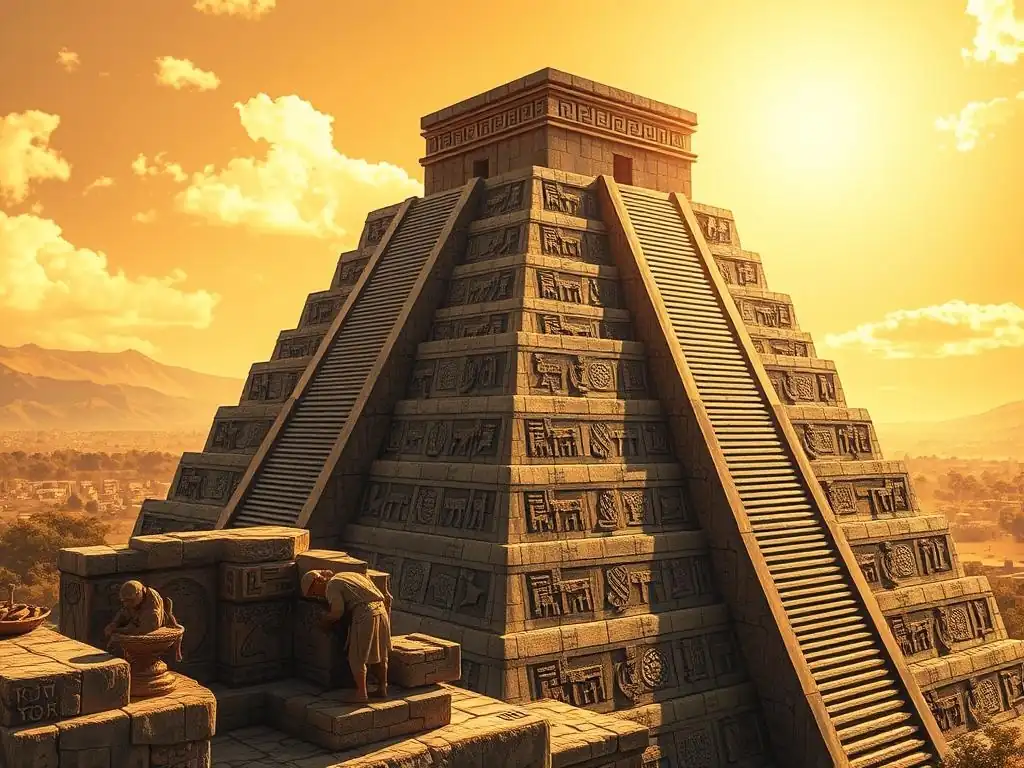
The Toltec civilization, flourishing between the 10th and 12th centuries in central Mexico, embedded significant symbols within their architectural designs that reflect their cosmological beliefs. These symbols served not only as aesthetic elements but also as profound representations of their understanding of the universe, divinity, and human existence.
The Toltecs believed in a dualistic worldview, where opposites coexisted harmoniously. This is often illustrated through architectural iconography, such as:
- The Earth and Sky: Structures were oriented to align with celestial bodies, reinforcing the connection between the terrestrial and the divine.
- Deities and Mythology: Symbols of gods like Quetzalcoatl and Tezcatlipoca were frequently integrated into building designs, representing their influence and guiding principles in Toltec life.
- Natural Elements: Architectural motifs often included representations of animals and plants, reflecting the belief in the interconnectedness of all life forms.
In essence, Toltec architectural symbols served as a narrative medium, conveying complex ideas about existence, spirituality, and the environment. Each symbol was laden with meanings that communicated the Toltec worldview to both the community and the cosmos.
Examples of Symbolism in Major Toltec Sites
The Toltec civilization is renowned for its remarkable architectural achievements, with numerous sites showcasing the intricate symbolism embedded in their structures. Below are two prominent examples that illustrate the richness of Toltec architectural symbolism.
The Pyramid of Quetzalcoatl
The Pyramid of Quetzalcoatl, also known as the Temple of the Feathered Serpent, stands as a testament to the intricate symbolism of Toltec architecture. The pyramid features:
- Serpent Imagery: The façade showcases detailed carvings of feathered serpents, symbolizing the dual nature of life and death, as well as the connection between the earth and the celestial realms.
- Plumed Serpents: The plumed serpent motifs are thought to represent the deity Quetzalcoatl, associated with wisdom, wind, and fertility. This God played a crucial role in Toltec mythology, and his representation in architecture signifies the reverence the Toltecs held for him.
Additionally, the pyramid's orientation is meticulously aligned with astronomical events, suggesting that the Toltecs used architecture as a means of celestial observation and religious practice.
Tula: The Capital of the Toltec Civilization
Tula, the capital of the Toltec civilization, is another critical site where architectural symbols convey deep meanings. Key features include:
- Atlantean Figures: The massive stone warriors, known as Atlanteans, that support the structure of the Temple of Tlahuizcalpantecuhtli symbolize strength and protection. They represent the Toltec military prowess and their divine guardianship over the city.
- Chac Mool Statues: These reclining figures, often depicted with a bowl on their stomachs, are believed to symbolize offerings and the relationship between humans and the divine. They served as a reminder of the spiritual obligations of the Toltecs to their gods.
Tula's layout and the symbolic elements within its architecture reflect the Toltec emphasis on power, spirituality, and societal organization, revealing a culture deeply intertwined with its religious beliefs and cosmological understanding.
By examining these examples, it becomes evident that Toltec architectural symbols are not merely decorative; they encapsulate the civilization's values, beliefs, and their enduring legacy in the history of Mesoamerican cultures.
Artistic Representations of Toltec Symbols
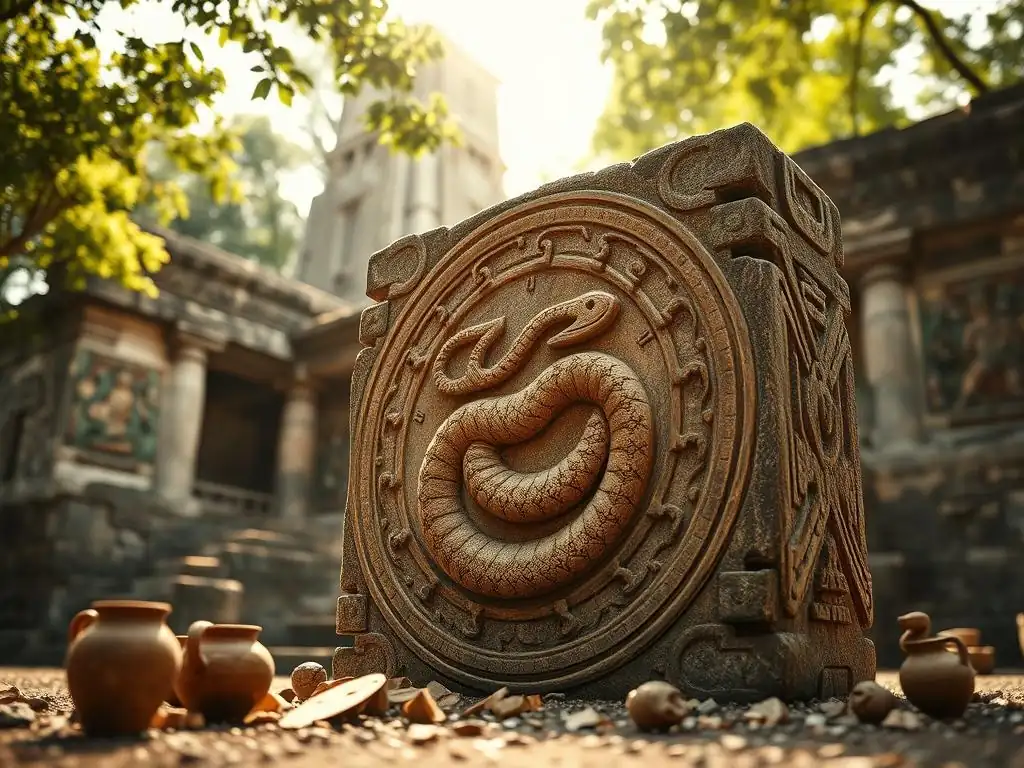
The Toltec civilization, known for its remarkable contributions to art and architecture, utilized various mediums to express their cultural identity and beliefs. The artistic representations of Toltec symbols are deeply embedded in their society, reflecting their values, mythology, and worldview. Through sculptures, pottery, and other artistic forms, the Toltecs conveyed complex ideas and narratives that resonate even today. This section delves into two primary mediums: sculpture and reliefs, as well as pottery and their symbolic meanings.
Sculpture and Reliefs: Telling Stories Through Art
Toltec sculptures are among the most significant artifacts that showcase the civilization's architectural symbols and meanings. Carved from stone, these sculptures often depicted deities, warriors, and mythological creatures, and they served various purposes, from religious to decorative.
- Prominent Examples:
- The Atlantean figures at Tula are colossal stone sculptures that symbolize the Toltec warrior class. These figures are characterized by their imposing presence and intricate attire, conveying strength and authority.
- Reliefs found on various structures, such as the Temple of the Morning Star, illustrate important myths and historical events, acting as visual narratives that educate and reinforce cultural values.
- Symbolism in Sculpture:
- Many sculptures incorporate geometric patterns and animal motifs, each representing different aspects of Toltec beliefs. For instance, the jaguar symbolizes strength and ferocity, while the eagle represents the divine and the connection to the sky.
- Cultural Significance:
- The placement of sculptures within architectural sites was deliberate, often aligned with astronomical events or significant rituals. This strategic positioning underscores their importance in both the spiritual and social realms.
In Toltec culture, art was not merely decorative; it was a means of communication and a reflection of their understanding of existence.
Pottery and Symbolism: Everyday Objects with Deeper Meanings
Pottery in Toltec civilization transcended practical uses, embodying rich symbolism that reflected the society's beliefs and daily life. The intricate designs and forms of Toltec pottery reveal a wealth of cultural information.
- Design Elements:
- Patterns and Colors: Toltec pottery often features bold colors and intricate designs, including spirals, waves, and animal imagery. Each design element carries significance, representing elements of nature, mythology, or social status.
- Functional and Ritual Use: Pottery served various purposes, from utilitarian vessels for storing food to ceremonial items used in rituals. This dual functionality highlights the Toltec view of everyday life as intertwined with the spiritual realm.
- Symbolic Interpretations:
- Some pottery pieces include depictions of gods and mythological stories, reinforcing cultural narratives. For example, vessels adorned with the God of Wind symbolize the importance of agriculture and the dependence on favorable weather for crop success.
- Social Implications:
- The craftsmanship of pottery can indicate social stratification within Toltec society. Elaborately decorated pieces were often associated with the elite, while simpler forms were more common among the general populace, reflecting the social hierarchy.
The artistic representations of Toltec symbols through sculpture and pottery provide profound insights into their culture. The meanings embedded in these works reveal a society rich in symbolism, where art served not only aesthetic purposes but also played a crucial role in expressing identity, beliefs, and social structure within the Toltec civilization. The exploration of these symbols is vital for understanding the lasting impact of the Toltec legacy in the history of Indigenous civilizations in the Americas.
Conclusion: The Legacy of Toltec Architectural Symbols
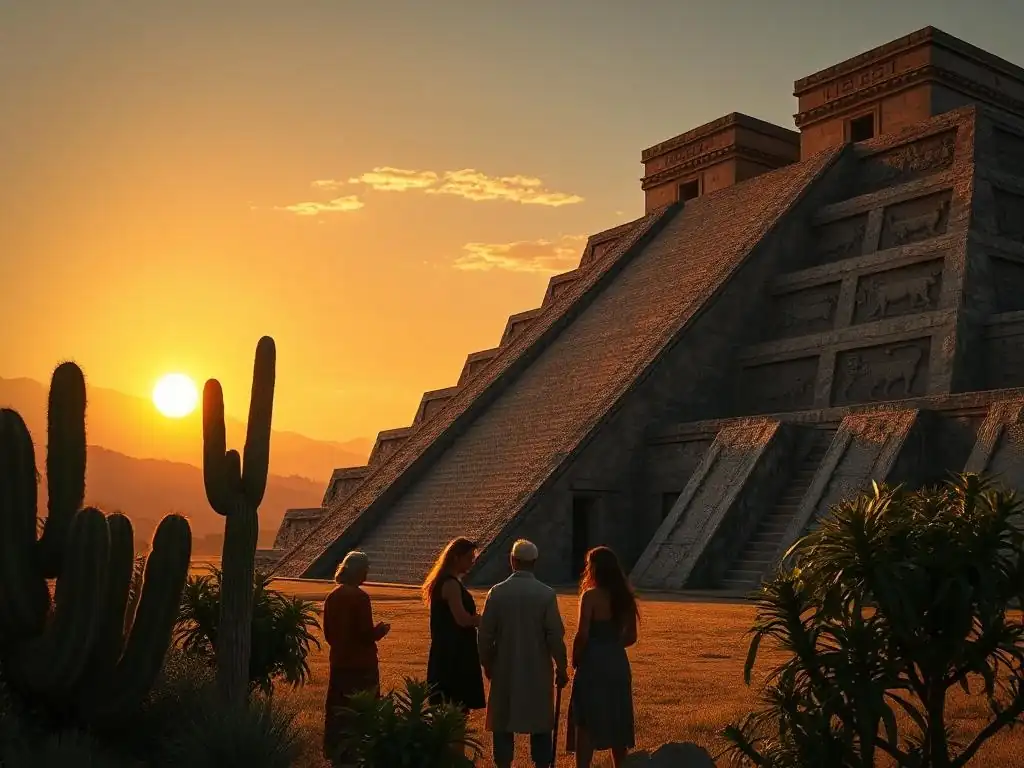
The Toltec civilization, renowned for its advanced architectural practices, has left an indelible mark on the cultural and historical landscape of Mesoamerica. The architectural symbols they utilized were not merely decorative; they were imbued with profound meanings that reflected their beliefs, social structure, and worldview. Understanding these symbols provides insight into the Toltec ethos, which celebrated harmony between humans and the cosmos, as well as reverence for nature and spirituality.
The legacy of Toltec architectural symbols continues to resonate today, influencing various aspects of architecture, art, and cultural identity among indigenous peoples and scholars alike. These symbols serve as a bridge to the past, reminding contemporary society of the ingenuity and depth of Toltec civilization.
Lasting Impact on Indigenous Architecture
The architectural symbols of the Toltec civilization have significantly influenced subsequent indigenous cultures in Mesoamerica. For instance, the iconic pyramid structures and ceremonial plazas seen in later societies, such as the Mexica (Aztec), were heavily inspired by Toltec designs. The use of serpentine motifs and geometric patterns became a hallmark of Mesoamerican architecture, reflecting a shared cultural heritage that transcended individual civilizations.
Furthermore, Toltec symbols often represented deities and mythological narratives, which were integrated into the architectural designs of temples and ceremonial sites. For example, the Feathered Serpent (Quetzalcoatl) symbolized both wind and learning, influencing the construction of sacred spaces that honored this deity. These architectural choices created a palpable connection between the physical structures and the spiritual beliefs of the people, demonstrating how architecture served as a medium for storytelling and cultural expression.
| Toltec Symbol | Meaning | Influence on Later Cultures |
|---|---|---|
| Feathered Serpent | Wind, knowledge, and life | Inspired temple designs in Mexica |
| Geometric Patterns | Cosmic order and balance | Adopted in various Mesoamerican cultures |
| Serpent Motifs | Fertility and water | Found in irrigation systems and ceremonial structures |
Relevance of Toltec Symbols in Contemporary Culture
In contemporary culture, Toltec architectural symbols continue to hold relevance, particularly in the realms of art, education, and indigenous identity. Artists and artisans are increasingly drawing inspiration from these symbols to create works that celebrate and revive ancient traditions. This resurgence helps to foster a deeper appreciation for the rich cultural heritage of the Toltec and other indigenous civilizations.
Moreover, the study of Toltec symbols plays a crucial role in educational contexts, promoting awareness of indigenous histories and philosophies. By incorporating these symbols into curricula, educators can encourage students to explore the complexities of pre-Columbian societies, fostering a sense of respect for indigenous knowledge systems.
Additionally, the Toltec legacy informs modern discussions on sustainability and environmental stewardship. The Toltec emphasis on harmony with nature resonates with contemporary movements advocating for ecological awareness and sustainable practices. By revisiting Toltec architectural principles, modern architects and urban planners can learn valuable lessons about creating spaces that are not only functional but also spiritually and environmentally attuned.
The architectural symbols of the Toltec civilization encapsulate a wealth of meanings and cultural significance that extend far beyond their original context. Their enduring influence on indigenous architecture and contemporary culture highlights the importance of preserving and understanding these symbols as a vital part of the historical tapestry of the Americas.
Further Reading on Toltec Architecture and Symbolism
Recommended Books and Articles
For those interested in delving deeper into the rich tapestry of Toltec architectural symbols and their meanings, several key texts stand out. They provide comprehensive insights into the cultural significance of these symbols within the broader context of Toltec civilization.
- "The Toltec Heritage: Pre-Columbian Art and Culture" by John P. Schaefer
- This book offers an in-depth examination of the artistic expressions of the Toltec culture, including their architectural achievements. Schaefer discusses the symbolic meanings behind various structures and motifs, making it a valuable resource for understanding Toltec architectural symbols meanings.
- "Architecture of the Toltecs: An Exploration of Cultural Identity" by Anna L. Herrington
- Herrington's work focuses on the architectural styles of the Toltecs, emphasizing how their designs reflect societal values and beliefs. The book includes detailed analyses of specific buildings and their associated symbols, which can enhance the reader's comprehension of the cultural significance of Toltec architecture.
- "Lost Cities of the Ancient World: The Toltec Empire" by Eric Cline
- This book provides a broader context by exploring the ancient cities of the Toltec civilization. Cline discusses the architectural features of these cities and their symbolic representations, offering readers a panoramic view of how architecture served as a medium of cultural expression.
- "Mesoamerican Architecture as a Cultural Symbol" by David Carrasco and Scott Sessions
- In this anthology, various scholars present essays that examine the role of architecture in Mesoamerican cultures, including the Toltecs. This collection provides insights into how architectural forms and symbols convey meaning and reflect the identity of the people.
Online Resources for Exploring Indigenous Architecture
The digital age offers numerous platforms where enthusiasts and scholars can engage with the intricacies of Toltec architecture and symbolism. Here are some valuable online resources:
- The Archaeological Institute of America (AIA)
- The AIA's website features articles and papers on Mesoamerican civilizations, including the Toltecs. Their resources often include discussions on architectural styles and the meanings behind them.
- The Smithsonian National Museum of the American Indian
- This museum's website hosts a variety of resources related to indigenous cultures, including the Toltecs. Their archives can provide access to photographs, articles, and exhibition catalogs that explore architectural symbolism.
- Academia.edu
- A platform where researchers share their papers, including those focused on Toltec architecture. By searching for "Toltec architectural symbols meanings," users can find academic articles that delve into the meanings behind various architectural forms.
- YouTube Educational Channels
- Channels like "The Great Courses" and "Crash Course" often feature episodes on indigenous civilizations. These videos can provide visual context and engaging narratives that enhance the understanding of Toltec architectural traditions and their symbolic meanings.
By exploring these recommended readings and online resources, you can gain a deeper appreciation for the complexities of Toltec architectural symbols and their significance within the broader framework of indigenous cultures in the Americas.
Frequently Asked Questions
What are the key features of Toltec architectural symbols?
Toltec architectural symbols are characterized by their intricate designs and geometric patterns, often representing spiritual beliefs and cosmological views of the Toltec civilization.
How did Toltec architecture influence later cultures?
The innovative techniques and symbolic meanings embedded in Toltec architecture were adopted and adapted by later Mesoamerican cultures, notably the Aztecs, who revered many Toltec traditions.
What do the symbols in Toltec architecture represent?
Each symbol in Toltec architecture carries significant meanings, often reflecting mythological narratives, social structures, or natural concepts, emphasizing their connection to the universe.
Why are Toltec architectural symbols important for understanding their culture?
Understanding Toltec architectural symbols allows us to gain insights into their societal values, religious beliefs, and how they perceived their environment, highlighting their cultural legacy.
Where can I find more information about Toltec culture and its architectural significance?
For a comprehensive exploration of Toltec architecture and its symbolic meanings, visit the website "Indigenous Civilizations of the Americas," which offers a wealth of resources on indigenous cultures and their achievements.
Final Reflection: The Enduring Legacy of Toltec Architectural Symbols
The exploration of Toltec architectural symbols and their meanings reveals a profound connection between culture, spirituality, and identity that remains relevant today. As we navigate an increasingly complex world, the symbols of the Toltec civilization serve as a reminder of the power of architecture to convey deeper meanings and foster a sense of belonging. These ancient structures are not merely remnants of the past; they are vibrant narratives that continue to resonate with contemporary audiences, urging us to reflect on our own cultural identities.
The influence of Toltec architectural symbols extends beyond historical significance; they shape our understanding of cultural heritage and inspire modern interpretations. The intricate designs and purposeful arrangements of these symbols invite us to consider how architecture can embody values, beliefs, and stories. As the renowned architect Frank Lloyd Wright once said, The mother art is architecture. Without an architecture of our own, we have no soul of our own civilization.
This sentiment underscores the importance of recognizing and preserving the meanings behind architectural forms, as they are essential to our collective identity and cultural continuity.
As you reflect on the lessons embedded in Toltec architectural symbols, I invite you to consider how you can incorporate these insights into your own life. What symbols resonate with you, and how can they inform your understanding of your own cultural narrative?
Embrace the opportunity to explore the meanings behind the structures that surround you, and let them inspire a deeper connection to your heritage and the world at large. In doing so, you not only honor the legacy of the Toltecs but also contribute to the ongoing dialogue about the significance of architecture in shaping our lives and communities.
Unveil the Rich Heritage of Toltec Symbols!
Thank you for exploring the fascinating world of architectural symbols in Toltec culture with us! We hope you’ve gained valuable insights into their meanings and the profound connections they hold within Indigenous history. Now, it's time to take your newfound knowledge further!
Here are some actions you can take right now:
- Dive deeper: Research specific symbols that intrigue you—explore their history, significance, and influence on modern design.
- Share your knowledge: Discuss what you learned with friends or on social media. Your insights could spark interest and inspire others to connect with Indigenous cultures.
- Join a community: Find groups or forums focused on Indigenous art and culture. Engaging with like-minded individuals can enhance your understanding and appreciation of these rich traditions.
What symbol resonates with you the most, and how do you think it reflects the values of the Toltec civilization? We invite you to share your thoughts below!