
The Intersection of Nature and Urbanism in Toltec City Planning

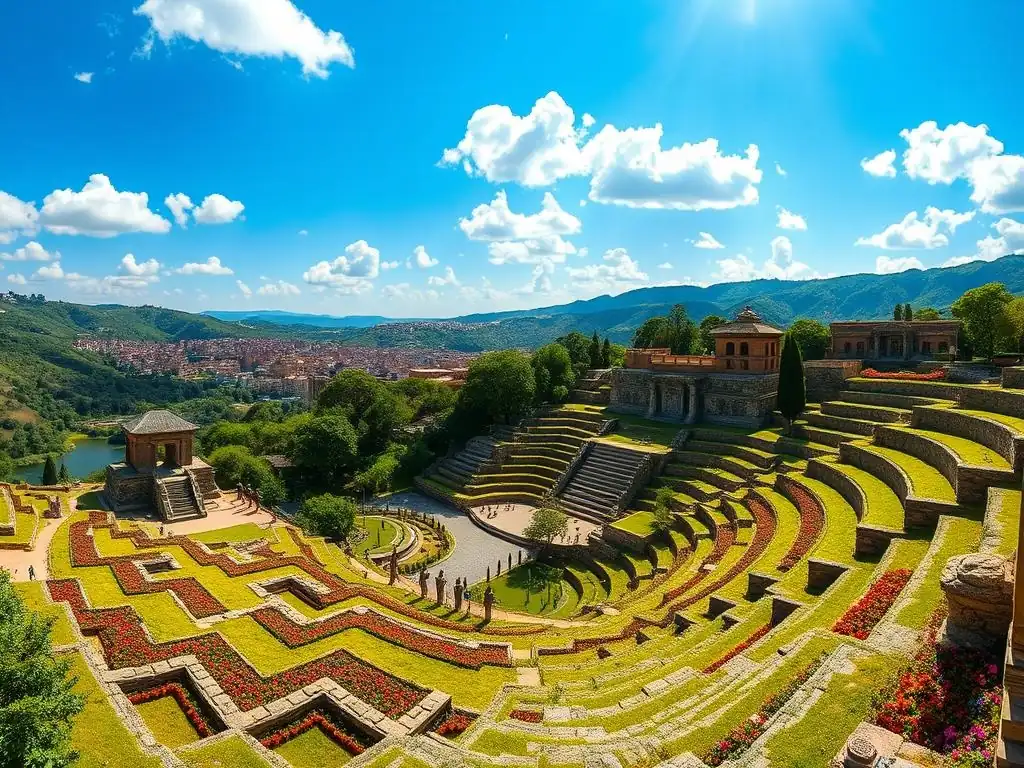
Welcome to Indigenous Civilizations of the Americas, where we embark on a journey through time to uncover the rich tapestry of cultures that flourished long before European influence reshaped the continent. Delve into the fascinating world of the Toltec civilization, renowned for their ingenuity and architectural prowess. In our featured article, "The Intersection of Nature and Urbanism in Toltec City Planning," we reveal the remarkable Toltec urban planning techniques that harmoniously integrated natural landscapes with urban development.
Prepare to be intrigued as we explore how these ancient practices not only defined their cities but also left a lasting legacy on future generations. Join us as we unravel the stories and achievements of these extraordinary civilizations!
The Toltec civilization, flourishing in Mesoamerica from approximately the 10th to the 12th centuries, is renowned for its remarkable contributions to urban planning and architecture. This article delves into the Toltec urban planning techniques, emphasizing how these strategies were intricately linked to the natural environment.
By examining the design principles and ecological considerations that shaped Toltec cities, we can gain a deeper understanding of their legacy in the context of indigenous civilizations of the Americas. The intersection of nature and urbanism in Toltec city planning not only reflects their advanced architectural achievements but also underscores the cultural significance of harmonizing human settlements with the surrounding landscape.
Introduction to Toltec Urban Planning Techniques
The urban planning techniques employed by the Toltecs were characterized by a profound respect for nature and an understanding of the surrounding environment. These methods were not only functional but also symbolic, integrating elements of spirituality and cosmology into the layout of their cities. The Toltecs used various techniques to ensure that their urban areas thrived alongside the natural world, creating sustainable environments that catered to both human and ecological needs.
Overview of Toltec Civilization and Urban Development
The Toltec civilization emerged as a successor to earlier Mesoamerican cultures such as the Teotihuacan and the Maya. Known for their intricate artwork, monumental architecture, and sophisticated societal structures, the Toltecs established several major urban centers, including Tula, which served as a political and religious hub.
Key features of Toltec urban development included:
- Centralized Planning: Cities were often designed around a central plaza, which served as a focal point for social and religious activities.
- Monumental Architecture: The construction of pyramids, temples, and ball courts reflected both the engineering prowess and the religious beliefs of the Toltecs.
- Integration with Nature: Urban layouts were adapted to the topography and resources of the region, ensuring that natural features were preserved and enhanced.
Significance of Nature in Toltec Urbanism
Nature played a crucial role in the philosophies underlying Toltec urbanism. The Toltecs believed in the sacredness of the natural world, which influenced their city designs.
Key aspects of this relationship included:
- Water Management: The use of canals and reservoirs to manage water resources was vital for sustaining urban populations and agriculture.
- Sacred Landscapes: The alignment of buildings and streets with natural features, such as mountains and rivers, was common, reflecting their spiritual beliefs.
- Biodiversity: Urban areas were often designed to include gardens and green spaces, promoting biodiversity and providing resources for the community.
Historical Context of Toltec Urban Planning
To understand Toltec urban planning techniques, it is essential to explore the historical context that shaped their development. Mesoamerica was a region rich in cultural exchange, where various civilizations influenced one another's architectural practices and urban designs.
Evolution of Urbanism in Mesoamerica
Urbanism in Mesoamerica evolved through various phases, marked by significant innovations and exchanges among cultures. The Toltecs built upon the foundations laid by their predecessors, integrating advanced agricultural practices, trade networks, and architectural styles.
Some key developments included:
- Rise of Complex Societies: The transition from small villages to large urban centers marked a significant evolution in societal organization.
- Trade and Cultural Exchange: The establishment of trade routes facilitated the exchange of ideas and materials, enriching Toltec urban planning techniques.
Major Toltec Cities and Their Layouts
Several major cities exemplify the principles of Toltec urban planning. Tula, the most prominent Toltec city, serves as a prime example of their architectural ingenuity and urban design:
- Tula: Known for its massive pyramids and the iconic Atlantean figures, Tula's layout reflects a careful consideration of both social functions and natural surroundings.
- Other Cities: Cities such as Cholula and Teotihuacan also influenced Toltec urban design, showcasing various architectural styles and urban planning strategies.
The intersection of nature and urbanism in Toltec city planning reveals a sophisticated understanding of the environment that not only met the needs of its inhabitants but also fostered a deep spiritual connection with the landscape. Exploring these urban planning techniques offers valuable insights into the achievements of the Toltec civilization and their lasting impact on Mesoamerican architecture.
Key Features of Toltec Urban Planning Techniques
Toltec urban planning techniques are characterized by a harmonious integration of natural elements, geographical considerations, and cultural influences. These techniques reflect a sophisticated understanding of the environment and a commitment to creating sustainable living spaces that foster community and spirituality. The key features of Toltec urban planning can be summarized as follows:
- Strategic Layout: Toltec cities were strategically planned to optimize space and resources, with a focus on accessibility and community engagement.
- Natural Integration: The design of Toltec urban areas emphasized the seamless incorporation of natural features, promoting a balanced coexistence between the built environment and the surrounding landscape.
- Cultural Significance: Urban designs were heavily influenced by spiritual beliefs and social structures, ensuring that the cities not only served practical purposes but also reflected the cultural identity of the Toltec people.
Integration of Natural Elements in City Design
The integration of natural elements in Toltec city design is a hallmark of their urban planning techniques. This approach involved the deliberate placement of structures and public spaces in relation to existing natural features such as hills, rivers, and forests. By doing so, Toltec architects created an environment that was not only visually appealing but also functional and sustainable.
- Landscaped Spaces: Parks, gardens, and open spaces were strategically incorporated into the urban layout, providing residents with areas for recreation and communal gatherings.
- Biophilic Design: The use of local flora and fauna in city planning fostered a connection between the residents and their natural surroundings, promoting a sense of well-being and community.
- Natural Materials: Building materials were often sourced from the local environment, further enhancing the integration of natural elements and reducing the ecological footprint of urban development.
Use of Geographical Landscape in Urban Layout
Toltec urban planning techniques made extensive use of the geographical landscape, which played a crucial role in determining the layout of their cities. The Toltecs were adept at leveraging the natural topography to create functional and aesthetically pleasing urban environments.
- Topographical Considerations: Cities were often built on elevated terrain to provide natural defense mechanisms and to enhance visibility of the surrounding landscape.
- Orientation and Solar Access: The orientation of buildings was carefully considered to maximize sunlight exposure, which was essential for both agricultural practices and the comfort of residents.
- Natural Boundaries: The use of rivers, mountains, and valleys as natural boundaries helped define the city's structure, facilitating organized growth while respecting the environment.
Water Management Systems in Toltec Cities
Effective water management was a critical aspect of Toltec urban planning techniques, ensuring that cities could support their populations and agricultural needs. The Toltecs developed advanced systems to harness and distribute water resources efficiently.
- Aqueducts and Canals: Ingenious aqueducts and canals were constructed to transport water from distant sources, ensuring a reliable supply for both drinking and irrigation.
- Cisterns and Reservoirs: The use of cisterns and reservoirs allowed for the storage of rainwater, which was crucial in arid regions where water scarcity could pose significant challenges.
- Sustainable Practices: The Toltecs implemented sustainable practices in water management, including the use of terraces and swales to reduce runoff and promote groundwater recharge.
Cultural Influences on Toltec Urbanism
Cultural influences played a significant role in shaping Toltec urbanism, as the beliefs and values of the Toltec civilization were intricately woven into their city planning and architectural styles. This connection between culture and urban design created cities that were not only functional but also rich in meaning.
Spiritual and Religious Significance of Natural Spaces
The Toltecs imbued their urban landscapes with spiritual and religious significance, viewing natural spaces as sacred and integral to their cultural identity. This belief influenced the design and layout of their cities in profound ways.
- Sacred Sites: Specific locations within the city were designated as sacred spaces for worship and rituals, often aligned with celestial events or natural features.
- Symbolic Landscapes: The incorporation of mountains, rivers, and other natural elements into urban planning was often symbolic, reflecting the Toltec worldview and their connection to the cosmos.
- Cultural Narratives: Natural spaces served as settings for storytelling and cultural expression, reinforcing community values and shared history.
Influence of Toltec Beliefs on Urban Design
Toltec beliefs and philosophies significantly impacted their urban design, with a strong emphasis on harmony, balance, and sustainability. These principles were manifested in various aspects of city planning.
- Holistic Approach: Urban designs were conceived as integrated systems, where every element—from buildings to natural features—worked together to create a cohesive living environment.
- Community Focus: The design of public spaces encouraged social interaction and community building, reflecting the Toltec emphasis on collective well-being.
- Environmental Stewardship: Toltec urbanism exemplified a deep respect for the environment, with planning techniques that prioritized ecological sustainability and harmony with nature.
The Toltec urban planning techniques stand out for their innovative integration of natural elements, geographical landscape, and cultural influences, creating cities that were both functional and deeply connected to the spiritual and social fabric of Toltec society.
Case Studies of Notable Toltec Cities
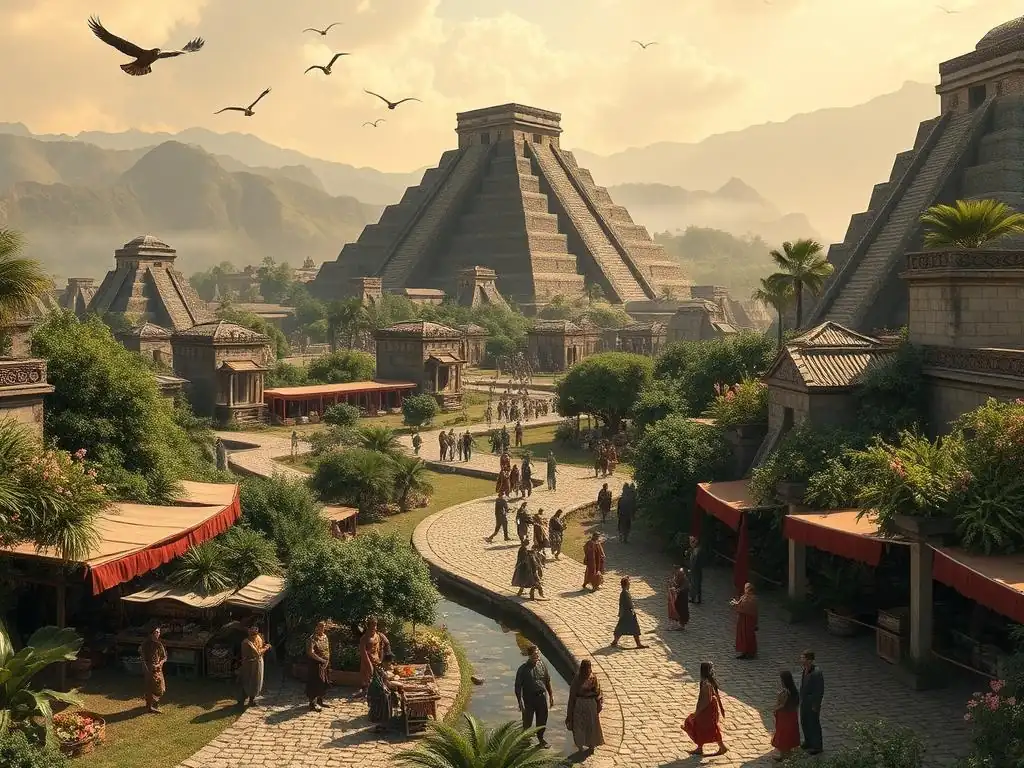
The Toltec civilization, renowned for its sophisticated urban planning techniques, produced several notable cities that exemplify their architectural prowess. Among these, Tula stands out as a central hub of Toltec culture and urbanism, reflecting the intricate relationship between nature and urban development. Other cities, though less famous than Tula, also provide valuable insights into the Toltec approach to city planning, showcasing a variety of techniques that harmonized human habitation with the surrounding environment.
Tula: A Model of Toltec Urban Planning
Tula, the capital of the Toltec civilization, serves as a quintessential example of Toltec urban planning techniques. Founded around the 10th century CE, Tula was strategically situated in the Valley of Mexico, benefiting from fertile lands and abundant water sources. The city's layout was meticulously designed, featuring wide avenues, monumental architecture, and ceremonial centers, which were all carefully integrated into the natural landscape.
Key features of Tula's urban design include:
- Axial Planning: The city was organized around a central axis, aligning important structures such as temples and public spaces, which facilitated movement and social interaction.
- Terracing and Drainage: To manage the region's seasonal rainfall, the Toltecs implemented terracing techniques and an advanced drainage system, preventing flooding and soil erosion.
- Green Spaces: Parks and gardens were incorporated into the urban fabric, reflecting the Toltec reverence for nature and providing residents with recreational areas.
The careful consideration of environmental factors in Tula not only enhanced the city's functionality but also contributed to its cultural significance as a center of Toltec civilization.
Comparison of Tula with Other Mesoamerican Cities
When comparing Tula with other Mesoamerican cities such as Teotihuacan and Mayapan, several distinct differences and similarities emerge in their urban planning techniques.
- Teotihuacan: Known for its vast scale and iconic structures like the Pyramid of the Sun and the Avenue of the Dead, Teotihuacan emphasized monumental architecture and a grid-like layout. While it shared Tula's focus on ceremonial spaces, its planning was less responsive to the natural landscape, with less emphasis on green spaces.
- Mayapan: In contrast, Mayapan showcased a more decentralized urban form, with a focus on smaller, interconnected neighborhoods. Its planning was more adaptable to the local topography, echoing some of Tula's techniques in integrating nature with urban life, but it lacked the monumental architecture that defined Tula.
Overall, while each city had its unique characteristics, Tula's blend of monumental design and environmental responsiveness set it apart as a model of Toltec urban planning.
Lessons Learned from Toltec Urban Techniques
The urban planning techniques employed by the Toltecs offer valuable lessons for contemporary urban development. Key takeaways include:
- Integration with Nature: The Toltecs exemplified how urban environments can coexist with natural landscapes, emphasizing the importance of green spaces and biodiversity in city planning.
- Sustainable Practices: Techniques such as terracing and effective drainage systems demonstrate the need for sustainable practices that account for local ecology and climate, which are increasingly relevant in today's urban contexts.
- Cultural Significance: The planning of Toltec cities was not merely functional but also deeply connected to their cultural identity, highlighting the importance of incorporating cultural values into modern urban design.
By studying these ancient methods, modern planners can develop cities that are not only functional but also celebrate and preserve the natural environment.
The Legacy of Toltec Urban Planning in Contemporary Architecture
The influence of Toltec urban planning techniques extends into contemporary architecture, as modern designers look to the past for inspiration in creating sustainable and harmonious urban environments.
Influence on Modern Urban Planning Practices
Today's urban planners draw on Toltec principles to enhance the livability of cities. Many contemporary practices echo the Toltec emphasis on integrating green spaces, fostering community interaction, and respecting the natural landscape. For instance:
- Mixed-Use Development: Similar to the multifunctional spaces in Tula, modern urban plans often incorporate residential, commercial, and recreational areas within close proximity to promote vibrant communities.
- Sustainable Drainage Systems: Inspired by the Toltec drainage techniques, contemporary cities are increasingly adopting sustainable approaches to manage stormwater, reducing flooding risks and enhancing water quality.
These practices illustrate how the legacy of Toltec urban planning continues to inform and improve modern urban environments.
Preservation of Nature in Urban Development Today
As urbanization accelerates globally, the need to preserve nature within urban settings has become paramount. The Toltec approach to urban planning serves as a guiding framework for contemporary efforts to create eco-friendly cities.
Key strategies include:
- Urban Greenways: Inspired by the Toltec incorporation of parks and gardens, many cities are developing green corridors that connect different neighborhoods, providing residents with access to nature and promoting biodiversity.
- Ecological Restoration: Modern urban planners are increasingly recognizing the importance of restoring natural habitats within urban areas, paralleling the Toltec commitment to maintaining a harmonious relationship with their environment.
By valuing and prioritizing nature in urban development, planners can create cities that enhance the quality of life for inhabitants while preserving the planet's ecosystems, reflecting the enduring legacy of Toltec urban planning techniques.
Conclusion: The Lasting Impact of Toltec Urban Planning Techniques
The urban planning techniques employed by the Toltec civilization demonstrate a profound understanding of the relationship between human settlements and the natural environment. These methods not only addressed the immediate needs of their society but also established frameworks that influenced subsequent cultures and urban developments across Mesoamerica. The Toltecs integrated nature into their urban design through careful site selection, resource management, and the incorporation of sacred landscapes. This holistic approach ensured not only functionality and sustainability but also a deep respect for the natural world, which remains relevant today.
The legacy of Toltec urban planning can be observed in the ruins of their cities, such as Tula, showcasing their sophisticated layout and architectural achievements. The emphasis on aligning structures with astronomical events and natural features highlights their advanced understanding of both nature and urbanism. In contemporary discussions on urban planning, the principles derived from Toltec techniques can serve as valuable lessons in creating sustainable and harmonious urban environments.
Summary of Key Points
- Integration of Nature: The Toltec civilization effectively incorporated natural landscapes into their urban designs, ensuring that their cities coexisted with the environment rather than imposing on it.
- Sustainable Resource Management: Toltec urban planning included strategies for managing water resources and agricultural practices, reflecting a sustainable approach that emphasized long-term viability.
- Architectural Innovations: The architectural techniques developed by the Toltecs, including the use of monumental structures and urban layouts, influenced subsequent Mesoamerican civilizations.
- Cultural Significance: The alignment of urban spaces with astronomical and sacred elements illustrates the cultural importance of their planning techniques and their connection to the identity of the Toltec people.
- Influence on Future Urbanism: The principles of Toltec urban planning continue to inform modern discussions of urban development, particularly in the context of sustainability and environmental integration.
Future Considerations for Urbanism and Nature Integration
As cities around the world face increasing challenges related to climate change, population growth, and resource depletion, the lessons learned from Toltec urban planning techniques become increasingly relevant. Future urbanism must prioritize the integration of natural elements within city planning, drawing inspiration from the Toltecs' respect for the environment.
- Sustainable Practices: Modern urban planners should adopt practices that reflect sustainability, including green spaces, water conservation systems, and materials that harmonize with the natural landscape.
- Cultural Heritage: Incorporating elements of indigenous knowledge and practices can enrich contemporary urban planning, fostering a sense of community and cultural identity that resonates with historical precedents.
- Resilience Strategies: Learning from the Toltecs' ability to adapt to their environment can guide future urban responses to ecological changes, promoting resilience through biodiversity and ecological partnerships.
- Holistic Approaches: Emphasizing a holistic view of urban environments encourages collaboration across disciplines, integrating architecture, landscape design, and environmental science to create cities that are not only functional but also enriching to their inhabitants.
By reflecting on the Toltec approach to urban planning, modern societies can strive to create urban environments that are not only livable but also sustainable, fostering a deeper connection between people and the natural world.
- Introduction to Toltec Urban Planning Techniques
- Historical Context of Toltec Urban Planning
- Key Features of Toltec Urban Planning Techniques
- Cultural Influences on Toltec Urbanism
- Case Studies of Notable Toltec Cities
- The Legacy of Toltec Urban Planning in Contemporary Architecture
- Conclusion: The Lasting Impact of Toltec Urban Planning Techniques
Frequently Asked Questions
What are Toltec urban planning techniques?
Toltec urban planning techniques refer to the sophisticated methods used by the Toltec civilization to design and organize their cities, emphasizing functional layouts, aesthetic harmony, and environmental integration.
How did the Toltecs influence later civilizations?
The Toltecs laid the groundwork for later Mesoamerican cultures, particularly the Aztecs, by introducing advanced urban planning principles and architectural styles that continued to shape city layouts and societal structures.
What natural elements did the Toltecs incorporate into their city planning?
The Toltecs skillfully incorporated natural landscapes, including water sources and topography, into their urban designs, which helped create sustainable living environments that harmonized with the surrounding ecosystems.
Why is the study of Toltec urbanism important today?
Studying Toltec urbanism provides valuable insights into sustainable development practices and the importance of cultural heritage, offering lessons that can help modern societies create more balanced and integrated urban environments.
What are some key features of Toltec cities?
Key features of Toltec cities include carefully planned public spaces, temples, and residential areas, all organized around a central plaza, reflecting their sophisticated understanding of community needs and social organization.
Final Reflection: Embracing Nature in Urbanism Through Toltec Wisdom
The integration of nature within urban spaces is more relevant today than ever, as we grapple with the consequences of rapid urbanization and environmental degradation. The ancient Toltec urban planning techniques offer invaluable insights into creating harmonious cities that respect and enhance the natural environment. As we face the challenges of climate change and urban sprawl, the wisdom of the Toltecs serves as a guiding light, reminding us that sustainable living is not just a modern concept but a timeless necessity.
The influence of Toltec urban planning techniques extends far beyond their historical context; they resonate deeply in our contemporary cultural and social landscapes. By prioritizing green spaces, water management, and community-centric designs, we can foster environments that promote well-being and connectivity. The greatest danger in times of turbulence is not the turbulence; it is to act with yesterday's logic.
This quote encapsulates the need for innovative thinking rooted in the past, urging us to learn from the Toltecs as we navigate the complexities of modern urban life.
As we reflect on the lessons from Toltec city planning, I invite you to consider how you can incorporate these principles into your own life and community. What steps can you take to advocate for greener urban spaces or to promote sustainable practices in your environment? By embracing the wisdom of the Toltecs, we can collectively work towards creating cities that honor both nature and humanity, ensuring a vibrant future for generations to come.
Embrace the Harmony of Nature and Urban Living!
Thank you for exploring the fascinating connection between nature and urbanism in city planning! You've gained insights into how ancient civilizations balanced ecological sustainability with urban development. Now, it's time to take that inspiration forward.
Here are some impactful ways you can delve deeper into this enriching theme:
- Explore your local environment: Take a stroll or ride around your city and identify parks, green spaces, or urban gardens. Reflect on how these elements could be integrated into your community for a more harmonious living experience.
- Share your discoveries: Discuss this article with friends or in social media groups! Encourage others to think about the role of nature in urban spaces by sharing what you've learned about sustainable planning techniques.
- Engage with your community: Attend local urban planning meetings or initiate conversations about incorporating more natural elements into city landscapes. Your voice can contribute to a greener, more sustainable community!
What innovative ideas do you envision for blending nature within your urban environment? Share your thoughts below, and let's foster a conversation around sustainable living!