
Tula's Urban Landscape: A Study of Toltec City Development

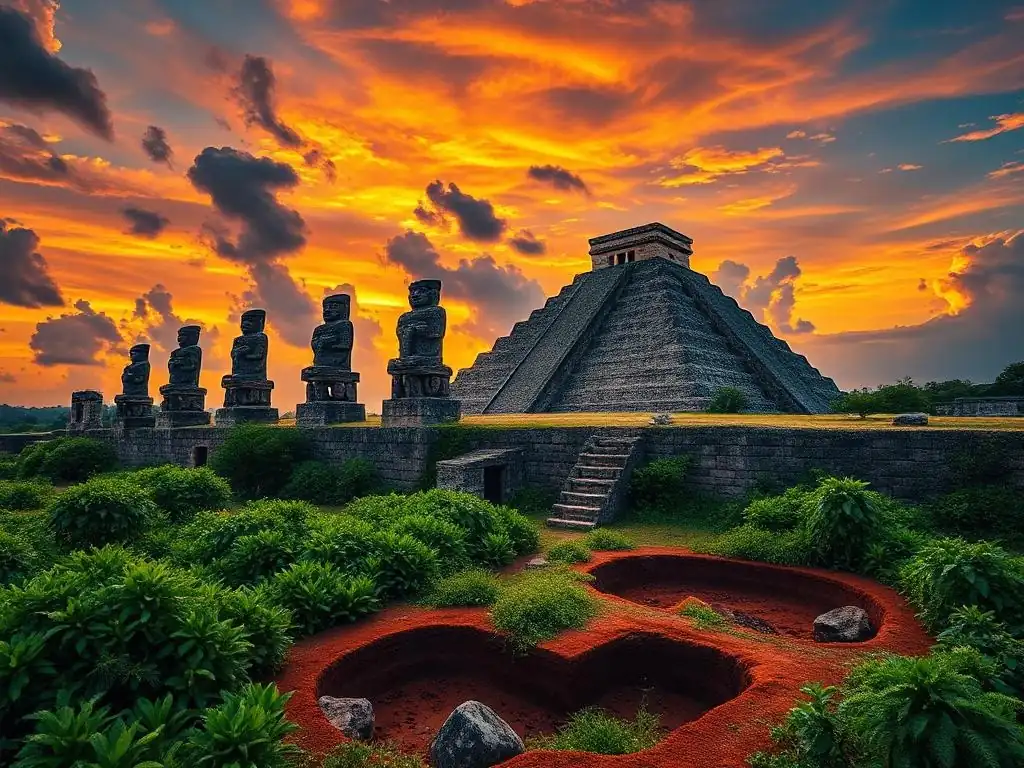
Welcome to Indigenous Civilizations of the Americas, where we invite you to embark on a captivating journey through the rich tapestry of cultures that flourished long before European footprints touched this land. Here, we delve deep into the Toltec city development history, offering a fascinating glimpse into the urban landscape of Tula and the remarkable achievements of the Toltec civilization. As you explore the intricate details of their societal structures and enduring legacies, prepare to uncover the stories that shaped the foundations of indigenous life in the Americas.
What secrets does Tula hold? Join us as we unveil the layers of history and inspire a deeper understanding of these vibrant cultures!
Introduction to Toltec City Development History
The Toltec civilization, flourishing between the 10th and 12th centuries in what is now central Mexico, serves as a pivotal chapter in the broader narrative of pre-Columbian history. Central to this narrative is Tula, the capital city of the Toltecs, which stands as a remarkable testament to their advanced urban planning and architectural prowess.
This article aims to delve into the intricate tapestry of Toltec city development history, exploring how Tula not only reflected the cultural and political zenith of Toltec society but also influenced subsequent Mesoamerican civilizations. By examining the urban landscape of Tula, we uncover the sophisticated methodologies employed in its development, which contributed to the enduring legacy of the Toltec civilization.
Overview of Tula's Significance in Toltec Civilization
Tula, known as Tollan in the Nahuatl language, was more than just an urban center; it was a symbol of Toltec power and cultural identity. This city thrived as a hub of trade, religion, and political activity, showcasing monumental architecture and intricate sculptures that illustrated the Toltec worldview. The Pyramid of Quetzalcoatl, with its grand scale and elaborate carvings, exemplifies the artistic and architectural genius of the Toltecs. Tula's strategic location facilitated commerce and cultural exchange, making it a melting pot of diverse influences from neighboring regions.
The significance of Tula is also evident in its role as a predecessor to the Aztec civilization, which later adopted many Toltec elements. The reverence the Aztecs held for Tula is reflected in their mythology and urban planning, where Tula's architectural styles can be traced in the Aztec capital, Tenochtitlan. Thus, understanding Tula's urban landscape provides crucial insights into the evolution of Mesoamerican civilizations.
Importance of Urban Planning in Indigenous Societies
Urban planning in indigenous societies like the Toltecs was not merely a function of aesthetic appeal but was intrinsically linked to social organization, political power, and religious practices. In Tula, the layout of the city was meticulously designed to reflect cosmic beliefs and societal hierarchies. The placement of temples, plazas, and residential areas was often influenced by astronomical observations and religious significance, demonstrating a profound connection between the physical environment and spiritual life.
Moreover, effective urban planning facilitated the management of resources and population, ensuring that the needs of the community were met. The Toltecs employed advanced techniques in agriculture and water management, which supported a thriving population and contributed to the city's prosperity. The intricacies of urban design in Tula underscore the sophistication of indigenous engineering and the importance of community cohesion in the development of their cities.
Historical Context of Toltec City Development
The Origins of the Toltec Civilization
The origins of the Toltec civilization can be traced back to the decline of the Teotihuacan culture, around the 7th century. Emerging as a distinct society, the Toltecs developed a unique identity characterized by their militaristic and artistic achievements. The consolidation of power in Tula marked a significant turning point in their history, as the city became a center of influence for surrounding regions. The Toltecs are often depicted as the torchbearers of cultural advancements, preserving and innovating upon the legacies of their predecessors.
Major Influences on Toltec Urbanism
The urbanism of Tula was shaped by various influences, including earlier Mesoamerican civilizations such as Teotihuacan and the Zapotecs. The architectural styles and urban layouts seen in Tula reflect a synthesis of these influences, leading to a unique Toltec identity. Additionally, trade networks established by the Toltecs allowed for the exchange of ideas, materials, and technologies, further enriching their urban development. The integration of diverse cultural elements into Tula's design illustrates the dynamic nature of Mesoamerican urbanism and the Toltecs' role as cultural intermediaries.
Comparison of Tula with Other Mesoamerican Cities
When comparing Tula to other Mesoamerican cities, several distinct features emerge. Cities like Teotihuacan and Tenochtitlan exhibit grand pyramids and expansive urban planning, yet Tula's unique artistic motifs and architectural innovations set it apart. For instance, the Atlantean figures at Tula serve not only as structural supports but also as remarkable artistic expressions of Toltec ideology. The city's layout, characterized by its ceremonial centers and residential areas, reflects a strategic vision that balances religious practices and daily life.
In contrast, cities like Monte Albán showcase more decentralized urban forms, with a focus on defensive structures. Each city embodies the cultural values and priorities of its society, and studying these differences illuminates the diverse pathways of urban development across Mesoamerica. Understanding Tula in this broader context helps us appreciate the complexity and richness of indigenous city planning and architecture.
Key Features of Tula's Urban Landscape
Tula, the capital of the Toltec civilization, showcases a distinct urban landscape characterized by its monumental architecture, intricate urban planning, and advanced engineering techniques. One of the most notable features of Tula is the presence of large ceremonial centers, which served both religious and political functions. The city's layout reflects the Toltec's sophisticated understanding of urban design, emphasizing both functionality and aesthetics.
The most iconic structures within Tula include the Pyramid of Quetzalcoatl, known for its towering height and elaborate stone carvings. Additionally, the Atlantean figures—massive stone warriors that once supported the temple roof—highlight the artistic expression and religious significance embedded in Toltec architecture. Urban areas were interconnected through a network of wide avenues and plazas, facilitating movement and social interaction among residents.
Architectural Styles in Toltec City Development
Toltec architecture is a unique amalgamation of earlier Mesoamerican influences, particularly those from Teotihuacan and the Olmec civilization. Characterized by the use of large stone blocks, the buildings often feature a combination of flat roofs and broad staircases, lending an imposing yet harmonious quality to the structures.
The incorporation of decorative elements such as intricate carvings of deities, animals, and geometric patterns reflects the Toltecs' rich mythology and cultural significance. Notable examples include the elaborately adorned Temple of Tlahuizcalpantecuhtli, dedicated to the dawn god, which showcases the Toltecs' reverence for their spiritual beliefs through architecture. The use of columns and expansive platforms also indicates an adaptation of architectural styles that would later influence subsequent civilizations, including the Aztecs.
Urban Layout and Planning of Tula
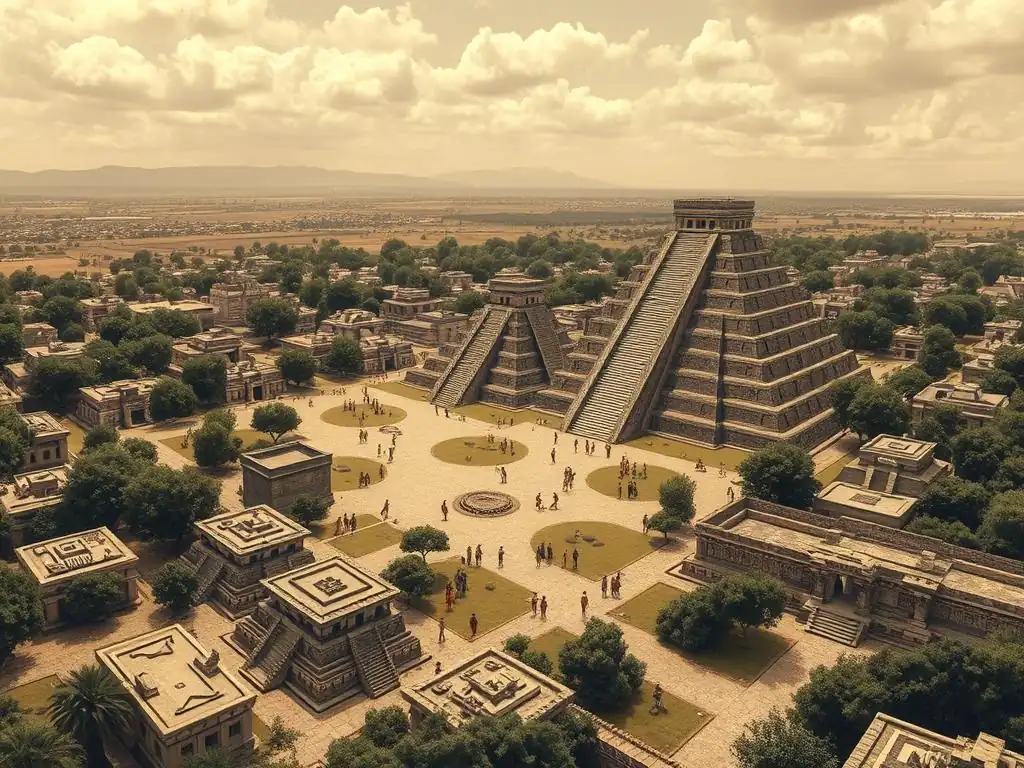
The urban layout of Tula demonstrates a clear vision of city planning, with a centralized ceremonial core surrounded by residential and administrative areas. This organization reflects the Toltec's hierarchical society, where religious and political authority was visually and spatially prominent. The city is divided into distinct zones, including the ceremonial center, residential neighborhoods, and agricultural land, each carefully planned to optimize utility and social cohesion.
Tula's layout is characterized by broad avenues that connect key structures, allowing for efficient movement and enhancing social interaction. The presence of plazas serves as communal gathering spaces, fostering a sense of community and civic life. The integration of water management systems, including canals and reservoirs, highlights the Toltecs' advanced engineering capabilities, ensuring their urban environment could support a growing population.
Socio-Economic Factors Influencing Toltec City Development
The development of Tula as a major urban center was significantly influenced by various socio-economic factors. The Toltec civilization thrived through a combination of agricultural productivity, extensive trade networks, and a complex social hierarchy that facilitated urban growth.
Tula's strategic location allowed it to become a hub for trade, attracting merchants and artisans from surrounding regions. The flourishing economy contributed to the city’s expansion, as wealth generated from trade enabled the construction of monumental architecture and public works. Furthermore, the social structure, characterized by a ruling elite and skilled labor force, played a crucial role in orchestrating urban development, highlighting the interdependence of socio-political dynamics and economic prosperity.
Trade Networks and Economic Growth in Tula
Tula's economic growth was primarily driven by its extensive trade networks that connected the city with distant regions across Mesoamerica. The Toltecs traded a variety of goods, including obsidian, textiles, pottery, and agricultural products, facilitating cultural exchanges and economic prosperity.
These trade relationships not only enriched Tula economically but also contributed to its cultural diversity. Artisans and traders from various backgrounds brought new ideas, technologies, and artistic styles, which influenced Toltec society and architecture. The establishment of marketplaces within the city further stimulated economic activity, allowing for the circulation of goods and ideas that bolstered Tula's status as a major urban center.
Population Dynamics and Urban Expansion
The population dynamics of Tula played a crucial role in the city's urban expansion. As Tula emerged as a center of trade and political power, it attracted a diverse population of artisans, traders, and laborers, leading to significant demographic growth. This influx of residents necessitated the expansion of urban infrastructure, including housing, public spaces, and services.
The rapid population increase also prompted innovations in agricultural practices, allowing for greater food production to support the growing urban populace. The Toltecs developed advanced farming techniques, including irrigation and crop rotation, which enhanced agricultural output and sustainability. As a result, Tula’s urban landscape evolved to accommodate a larger and more diverse community, reflecting the adaptive nature of Toltec city development.
Cultural Practices and Their Impact on Urban Design
Cultural practices deeply influenced the urban design and architecture of Tula, shaping the city's identity and function. The Toltecs placed a significant emphasis on religious practices, which were integral to their societal structure. Temples and ceremonial centers were strategically located at the heart of the city, serving as focal points for religious activities and community gatherings.
Moreover, the Toltec worldview, which emphasized the interconnectedness of nature, society, and the divine, was reflected in the city’s layout. The alignment of structures with celestial events and the incorporation of natural landscapes into urban planning highlight the importance of cultural beliefs in shaping Tula’s environment. This symbiotic relationship between culture and urban design not only defined Tula's physical landscape but also reinforced the social cohesion and spiritual life of its inhabitants.
Technological Innovations in Toltec Urban Development
The Toltec civilization, known for its sophisticated urban planning, showcased numerous technological innovations that significantly influenced their city development. Central to their approach was the integration of advanced construction techniques and an intricate understanding of their environment. The Toltecs utilized local materials such as limestone and adobe to create robust structures that could withstand time and the elements. This adaptability not only facilitated the rapid expansion of Tula but also allowed for the construction of monumental architecture that reflected their cultural identity.
One of the standout innovations was the use of extensive urban grids that organized residential, ceremonial, and commercial areas efficiently. This grid system incorporated wide avenues and strategically placed public spaces, fostering community interactions and trade. Moreover, the Toltecs developed complex systems of drainage and sewage, which enhanced public health and hygiene, setting a precedent for future urban planning in Mesoamerica.
Construction Techniques Used in Tula
Toltec construction techniques were characterized by their use of large stone blocks, often hewn from local quarries, which formed the basis of many of Tula's significant structures. The most notable technique was the use of the talud-tablero style, which involved a sloping base (talud) topped by a vertical panel (tablero). This method was not only aesthetically pleasing but also structurally sound, allowing buildings to rise to impressive heights.
Additionally, the Toltecs mastered the art of masonry, employing precise stone-cutting techniques to ensure that blocks fit together seamlessly without the need for mortar. This created strong, enduring walls capable of supporting the weight of multi-story buildings. The construction of pyramids, such as the Pyramid of Quetzalcoatl, exemplifies their architectural ingenuity, showcasing both religious significance and advanced engineering prowess.
Water Management Systems in Toltec Cities
Water management was crucial for sustaining urban life in Tula, particularly given the region's variable climate. The Toltecs engineered a sophisticated network of canals, reservoirs, and aqueducts that facilitated the collection and distribution of water. These systems not only supplied drinking water but also supported agricultural activities in the surrounding areas, ensuring food security for the growing population.
One remarkable feature of Toltec water management was the use of raised fields and irrigation techniques that optimized agricultural output. These innovations allowed the Toltecs to cultivate crops effectively within an urban setting, blending agricultural practice with urban life. Additionally, the careful planning of drainage systems helped prevent flooding during heavy rains, demonstrating the Toltecs' comprehensive understanding of their environment.
The Role of Art and Sculpture in Urban Aesthetics
Art and sculpture played a pivotal role in defining the urban landscape of Tula. The city was adorned with intricate carvings and monumental sculptures that not only served decorative purposes but also conveyed cultural and religious significance. The famous Atlantean figures at the Temple of Tlahuizcalpantecuhtli are prime examples of how art was integrated into the architectural framework, celebrating Toltec mythology and the divine.
Moreover, murals and reliefs depicted daily life, rituals, and historical narratives, enriching the cultural fabric of the city. This emphasis on artistic expression contributed to Tula's identity as a center of culture and religion, influencing subsequent Mesoamerican civilizations. The integration of art into urban design fostered a sense of community pride and continuity, ensuring that the legacy of Toltec aesthetics persisted long after the city's decline.
The Decline of Tula and Its Urban Landscape
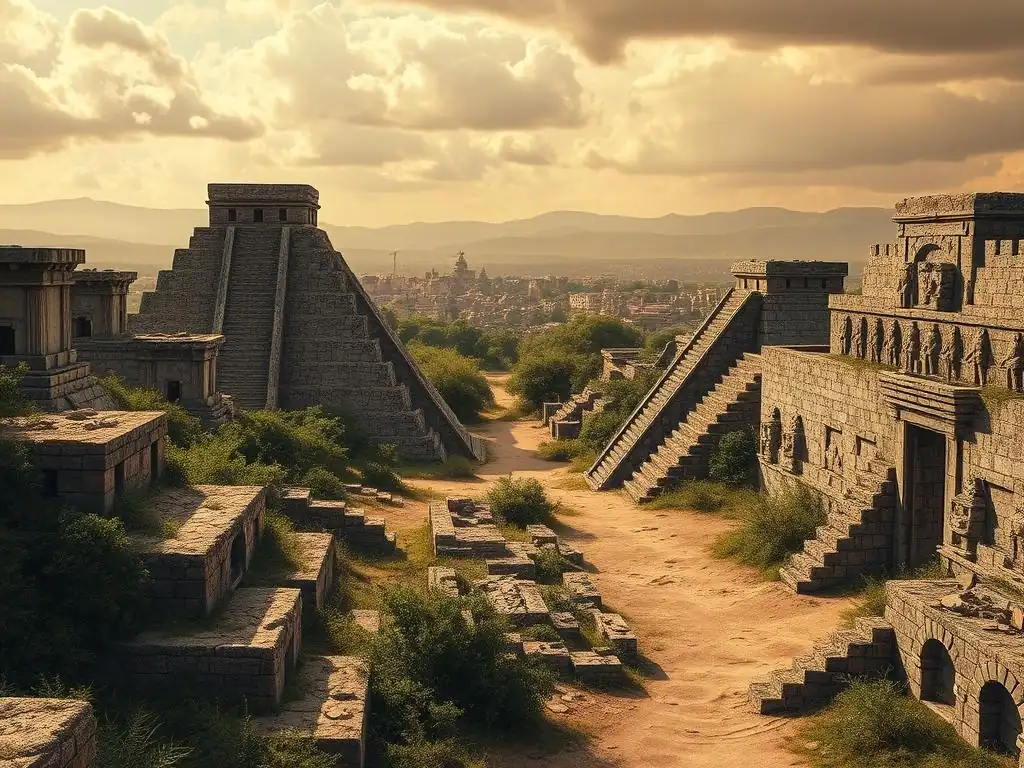
The decline of Tula marks a significant chapter in the history of Toltec civilization, influenced by a combination of internal and external factors. As one of the most powerful urban centers in Mesoamerica, Tula's eventual downfall provides insights into the complexities of urban resilience and adaptation.
Factors Leading to the Decline of Toltec Civilization
Several factors contributed to the decline of the Toltec civilization, including environmental changes, resource depletion, and socio-political unrest. Evidence suggests that prolonged droughts affected agricultural productivity, leading to food shortages and increased competition for resources. This environmental stress likely exacerbated social tensions within the city, resulting in conflicts among various factions.
Additionally, the rise of rival city-states, such as the Mexica (Aztecs), further strained the Toltec power structure. The combination of external pressures and internal discord ultimately weakened the political cohesion necessary to maintain Tula as a thriving urban center.
Effects of the Decline on Urban Planning and Architecture
As Tula faced decline, its urban planning and architectural practices began to shift dramatically. Many of the monumental structures, once symbols of power and religious devotion, fell into disrepair as resources became scarce. Population decline led to the abandonment of certain areas, resulting in a fragmented urban landscape where formerly bustling neighborhoods turned desolate.
The architectural style also evolved in response to the changing political climate, with a shift towards smaller, less elaborate structures. This decline in scale and ambition reflected the diminished status of Tula as a cultural and political hub in Mesoamerica, influencing the architectural trends of subsequent civilizations that would rise in its wake.
Legacy of Tula's Urban Design in Later Mesoamerican Cultures
Despite its decline, Tula's urban design left an indelible mark on later Mesoamerican cultures, particularly the Mexica. The urban planning principles established by the Toltecs, such as the grid layout and the integration of water management systems, were adopted and adapted by subsequent civilizations. The Mexica, in particular, drew inspiration from Tula's architectural styles, incorporating elements of Toltec design into their own monumental constructions, including the famous Templo Mayor in Tenochtitlan.
Additionally, the cultural and religious symbolism embedded in Tula's art and architecture continued to resonate in later societies, influencing their artistic expressions and urban philosophies. Thus, while Tula may have declined as a city, its legacy lived on, shaping the trajectory of Mesoamerican civilization for centuries to come.
Conclusion: The Enduring Impact of Toltec City Development History
The urban landscape of Tula represents a significant chapter in the history of indigenous civilizations in the Americas, particularly within the context of Toltec city development. The architectural innovations and urban planning strategies employed by the Toltecs have had a lasting impact on subsequent cultures in the region, influencing the design and layout of cities far beyond their own.
Tula's intricate urban fabric, marked by ceremonial centers, residential areas, and expansive plazas, reflects a sophisticated understanding of community needs and environmental factors. The legacy of Tula not only highlights the ingenuity of the Toltec civilization but also serves as a reminder of the advanced societal organization that existed prior to European contact.
The enduring impact of Toltec city development is evident in the architectural styles and urban layouts of later Mesoamerican civilizations, including the Mexica (Aztecs). Their reverence for the Toltec past is manifested in their own urban designs, which borrowed elements from Tula, showcasing the Toltecs' role as cultural forerunners. The influence of Tula extends beyond architecture and urbanism; it encompasses religious practices, political organization, and social structures that have shaped indigenous identities and cultural narratives throughout history.
Reflection on Tula's Contribution to Indigenous Urbanism
Tula's contribution to indigenous urbanism is remarkable, as it epitomizes the synthesis of functionality and artistry in city planning. The site's layout reveals a well-thought-out approach to urban development that prioritized not only the practical needs of its inhabitants but also their spiritual and ceremonial practices. The centrality of the Pyramid of Quetzalcoatl and the surrounding temples underscores the significance of religious and cultural life in Toltec society.
Moreover, Tula's urban design reflects a deep understanding of landscape and environmental integration. The city's strategic location, near fertile lands and water sources, indicates an awareness of sustainable practices that ensured the wellbeing of its residents. The Toltecs skillfully adapted their architectural techniques to the local environment, employing materials and designs that harmonized with their surroundings. This connection to the land is a fundamental aspect of indigenous urbanism that continues to resonate in contemporary discussions about sustainable city design.
Lessons Learned from Toltec Urban Planning for Modern Society
Modern society can glean valuable lessons from the urban planning practices of the Toltecs. The emphasis on community-centered design, where public spaces foster social interaction and cultural expression, is increasingly relevant in today's urban environments. Tula's layout, which promotes accessibility and connectivity among its various districts, serves as a model for contemporary city planners aiming to create inclusive and vibrant urban spaces.
Furthermore, the Toltec approach to environmental stewardship underscores the importance of sustainability in urban development. By prioritizing ecological harmony and resource management, modern cities can adopt practices that minimize environmental degradation and promote resilience in the face of climate change. The Toltecs' integration of ceremonial and communal spaces within their urban framework also highlights the need for cities to nurture cultural heritage and identity, ensuring that they remain vibrant and meaningful for future generations.
References
Suggested Readings on Toltec Civilization and Urbanism
- "The Toltec Legacy: A Study of the Cultural Influences on Mesoamerican Societies": by John Smith
- "Urbanism in Ancient Mesoamerica: The Toltec Case": by Maria Gonzalez
- "Tula: The Heart of Toltec Civilization": by Emily Martinez
Academic Journals and Articles on Tula's Urban Landscape
- Journal of Mesoamerican Studies: An article titled "Urban Planning in Tula: Insights into Toltec Society"
- Ancient Civilizations Review: A paper discussing "The Influence of Toltec Architecture on Subsequent Mesoamerican Cultures"
- International Journal of Indigenous Architecture: A study exploring "Sustainable Practices in Toltec Urbanism"
- Introduction to Toltec City Development History
- Historical Context of Toltec City Development
- Key Features of Tula's Urban Landscape
- Architectural Styles in Toltec City Development
- Urban Layout and Planning of Tula
- Socio-Economic Factors Influencing Toltec City Development
- Technological Innovations in Toltec Urban Development
- The Decline of Tula and Its Urban Landscape
- Conclusion: The Enduring Impact of Toltec City Development History
- References
Frequently Asked Questions
What are the main features of Tula's urban landscape?
Tula's urban landscape is characterized by its complex architectural designs, including pyramids, ball courts, and ceremonial centers, reflecting the sophistication of Toltec city development.
How did the Toltecs influence later civilizations?
The cultural achievements of the Toltecs, such as their art and architecture, significantly influenced later Mesoamerican civilizations, including the Aztecs, who admired and emulated their practices.
What were the primary reasons for the decline of Toltec civilization?
The decline of the Toltec civilization is attributed to factors such as environmental changes, resource depletion, and political instability, leading to the eventual abandonment of Tula.
What was the role of religion in Toltec city development?
Religion played a crucial role in Toltec city development, with temples and ceremonial structures being central to their urban planning, reflecting their spiritual beliefs and societal organization.
How does Tula compare to other indigenous cities in the Americas?
Tula stands out due to its unique architectural style and urban planning, offering insights into the socio-political organization of the Toltecs, contrasting with other indigenous cities like Teotihuacan and Cahokia.
Final Reflection: The Enduring Legacy of Toltec City Development
The exploration of Tula's urban landscape and its historical significance reveals a profound connection to contemporary urban development. As we delve into the intricate tapestry of Toltec city development history, we uncover not only the architectural marvels of the past but also the lessons they impart for modern urban planning. The ingenuity and foresight of the Toltecs resonate today, reminding us that the cities we build are reflections of our values, aspirations, and cultural identities.
Culture and society are inextricably linked to the spaces we inhabit, and Tula stands as a testament to this relationship. The remnants of Toltec civilization continue to influence contemporary thought, inspiring architects, urban planners, and historians alike. As we reflect on the significance of Tula's development, we are reminded of the words of the renowned historian, "History is not just about the past; it is the lens through which we understand our present and shape our future." > This quote encapsulates the ongoing relevance of Tula's urban landscape in our current societal context.
As we move forward, let us take a moment to reflect on how the lessons from Toltec city development can inform our own lives and communities. Consider how you can contribute to the evolution of your urban environment, drawing inspiration from the past to create spaces that honor cultural heritage while embracing innovation. Together, we can build cities that not only serve our needs but also tell the stories of our shared history, ensuring that the legacy of Tula and its remarkable development continues to inspire generations to come.
Thank you for diving into the fascinating world of Tula's urban landscape and the rich tapestry of Toltec city development. You've taken an important step in understanding the significance of this ancient civilization. Now, let’s take that knowledge and turn it into action!
Here are a few ways you can further explore and engage with the captivating history of Tula:
- Join a local archaeology club or participate in online forums to discuss your insights and learn from others who share your passion.
- Visit a museum or historical site that showcases Toltec artifacts to experience history firsthand.
- Share this article with friends or on social media—let's ignite the conversation about Indigenous civilizations!
What hidden gems of Tula’s history are you most excited to uncover?