
Military Training and Education in Indigenous Societies

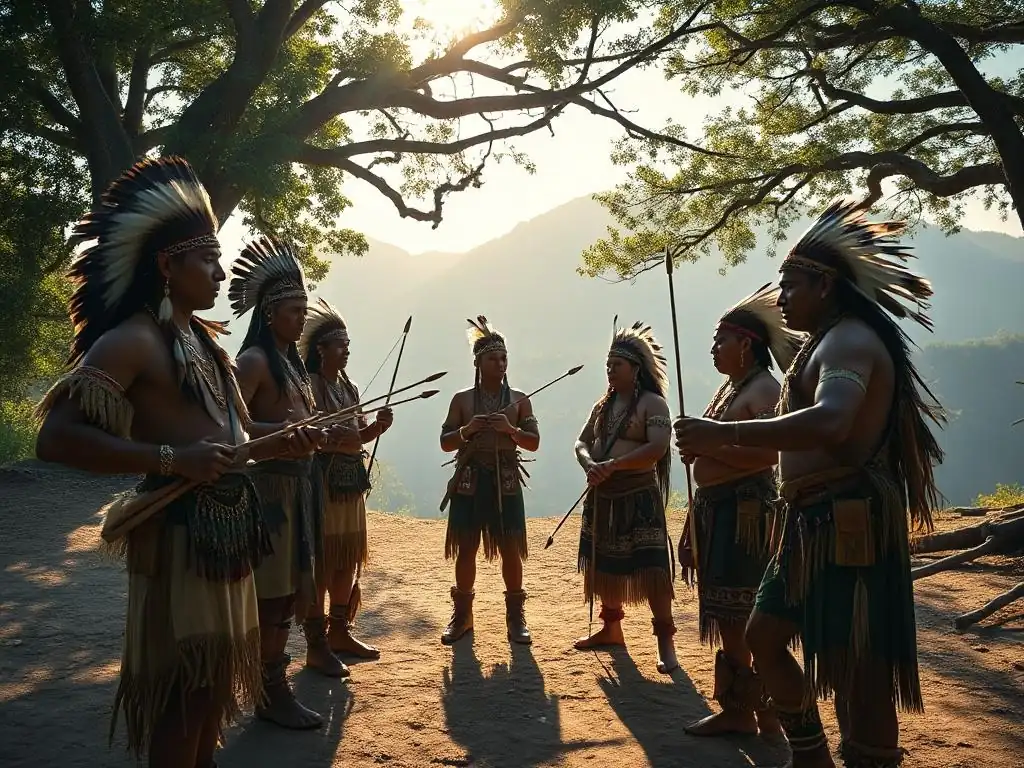
Welcome to Indigenous Civilizations of the Americas, where we invite you to embark on a captivating journey through the rich tapestry of indigenous cultures that flourished long before European contact. In our featured article, "Military Training and Education in Indigenous Societies," we delve into the fascinating world of Indigenous military training practices, uncovering the sophisticated strategies and rituals that shaped their warriors. What insights can these ancient practices offer us today? Join us as we explore the profound legacy of these resilient societies and their enduring impact on the modern world.
- Introduction to Indigenous Military Training Practices
- Historical Context of Indigenous Military Practices
- Indigenous Military Training Practices by Region
- Cultural Significance of Military Training in Indigenous Societies
- Comparison of Indigenous Military Training Practices
- Challenges and Changes in Indigenous Military Training
- Conclusion
-
Frequently Asked Questions
- What were the military training practices of Indigenous societies?
- How did military training vary among different Indigenous cultures?
- What role did education play in Indigenous military training?
- Were there any ceremonies linked to military training in Indigenous cultures?
- How did Indigenous military training impact their defense strategies?
- Final Reflection: The Enduring Legacy of Indigenous Military Training Practices
- Embrace the Legacy: Take Action Today!
Introduction to Indigenous Military Training Practices
Indigenous military training practices were integral to the survival and resilience of various societies across the Americas long before European colonization. This article delves into the sophisticated systems of military education and training that were developed by indigenous groups, illustrating their strategic importance in maintaining autonomy, defending territories, and fostering community cohesion.
By examining the rich tapestry of these practices, we can appreciate not only the tactical acumen of these societies but also their cultural values and social structures that shaped their approach to warfare. The emphasis on skill, discipline, and communal responsibility in military training reflects broader indigenous philosophies and ways of life, highlighting the enduring legacy of these practices in contemporary discussions about indigenous identity and sovereignty.
Overview of Military Training in Indigenous Societies
Military training in indigenous societies was characterized by a variety of methodologies tailored to the specific needs and environments of each culture. Many groups utilized a combination of physical training, strategic education, and spiritual preparation to cultivate skilled warriors.
-
Physical Training:
Practitioners engaged in rigorous exercises, including running, climbing, and weapon handling. For example, the Lakota and other Plains tribes often practiced horseback riding and archery to enhance their combat readiness.
-
Strategic Education:
Knowledge of the land, enemy tactics, and the use of natural resources was crucial. Indigenous warriors often underwent mentorship where experienced leaders shared tactical insights and historical lessons.
-
Spiritual Preparation:
Many cultures incorporated spiritual rituals to prepare warriors mentally and emotionally. Such practices were believed to invoke the guidance of ancestral spirits and ensure protection during conflicts.
Importance of Military Training in Indigenous Cultures
The importance of military training in indigenous cultures extends beyond mere combat readiness; it is intrinsically linked to social structure, identity, and cultural continuity.
-
Community Cohesion:
Military training served as a unifying force, fostering strong bonds among members. Participating in training and defense strategies cultivated a sense of belonging and mutual responsibility.
-
Cultural Identity:
The way a society trained its warriors often reflected its values and beliefs. For instance, among the Iroquois, military training was not only about warfare but also about instilling principles of honor, bravery, and respect for life.
-
Survival and Autonomy:
Effective military training was vital for defending territories against external threats. Societies that developed robust training practices were better equipped to maintain their sovereignty and protect their way of life.
Indigenous military training practices were essential components of the social fabric in pre-colonial America, encapsulating the complexity and richness of indigenous cultures. Understanding these practices provides critical insights into the broader historical narrative of indigenous resilience and adaptation.
Historical Context of Indigenous Military Practices
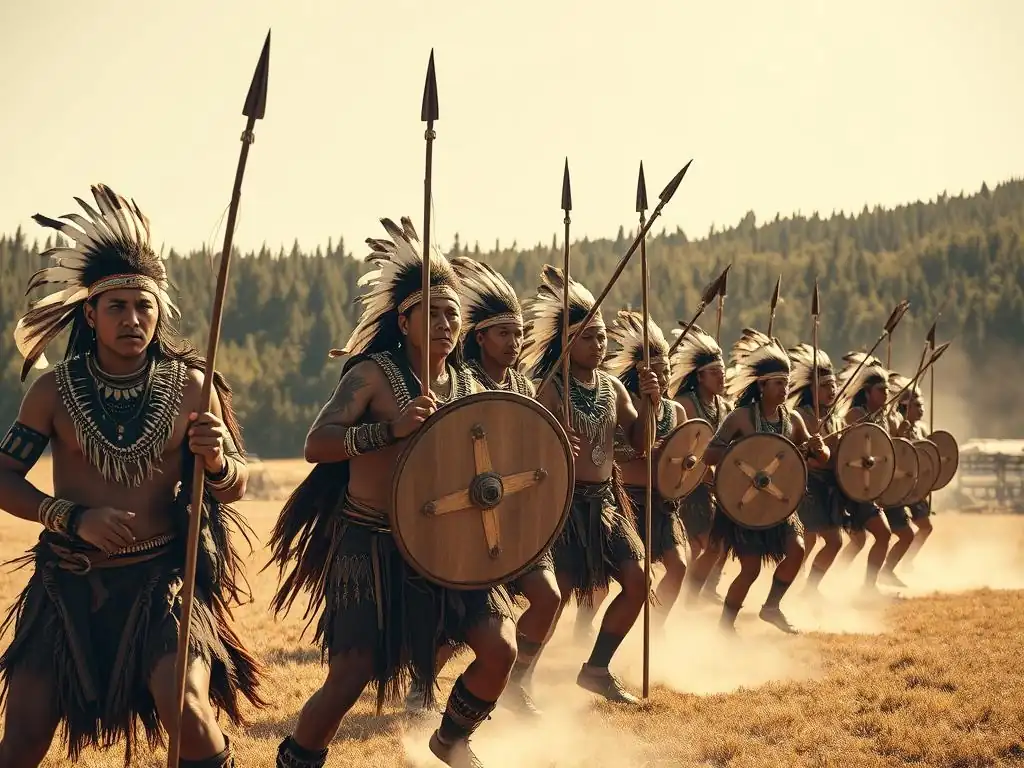
Indigenous military training practices were vital to the survival, governance, and expansion of various societies throughout the Americas long before European colonization. These practices were shaped by a unique historical context that included the development of complex social structures, resource management, and intertribal relations.
Military training was not merely a preparation for warfare; it was integral to the cultural identity, unity, and resilience of these societies. Tribes and nations often had specialized roles within their military structures, which reflected their social hierarchies and values. The emphasis on communal effort in training and warfare fostered a sense of belonging and responsibility among members of the society.
Pre-Colonization Military Structures
Indigenous military structures varied significantly across different regions, influenced by factors such as population density, resource availability, and cultural beliefs. Below are some of the distinct military structures that emerged before European contact:
- Tribal Confederacies: Many Indigenous groups formed alliances to strengthen their military capabilities. For example, the Iroquois Confederacy, composed of several nations, created a unified front that significantly enhanced their military effectiveness against rival tribes and colonial forces.
- Warrior Societies: Certain tribes developed exclusive warrior societies that trained young men in combat skills, strategies, and the cultural significance of warfare. Among the Plains Indians, societies such as the "Dog Soldiers" played crucial roles in both training and leading military campaigns.
- Specialized Roles: In many Indigenous cultures, different roles were assigned within military contexts. These included scouts, strategists, and medics, each of whom received specific training tailored to their responsibilities. For instance, the Aztec civilization had a well-structured military hierarchy that included various ranks and roles, such as the elite Jaguar and Eagle warriors, who underwent rigorous training.
- Rituals and Education: Military training was often interwoven with ceremonial practices. Young warriors participated in rituals that emphasized courage, loyalty, and respect for the spirits of ancestors and the land. This holistic approach ensured that military education was not only about physical prowess but also about cultural values and spirituality.
Influence of Geography on Military Training Methods
The geographical landscape played a crucial role in shaping the military training methods of Indigenous societies. Factors such as terrain, climate, and resource distribution influenced both the strategies employed in warfare and the training regimens established for warriors.
- Terrain Utilization:
- Mountainous Regions: In areas like the Andes, Indigenous groups developed guerrilla warfare techniques that leveraged the natural landscape for ambushes and surprise attacks. Training often involved navigating difficult terrain, which enhanced a warrior's agility and adaptability.
- Plains and Open Spaces: Plains tribes, such as the Lakota, honed their skills in horseback riding and long-range combat. Their training focused on speed and mobility, allowing them to cover vast distances quickly during raids or battles.
- Climate Adaptation:
- Cold Climates: In the Arctic regions, Indigenous peoples adapted their military strategies to the harsh environment. Training included survival skills and the use of unique weapons suited for icy conditions, such as the harpoon.
- Tropical Environments: Societies in the Amazon cultivated warfare strategies that took advantage of dense forests. Stealth and knowledge of the terrain were critical, leading to training that emphasized camouflage and ambush tactics.
- Resource Availability:
- Access to Materials: The availability of resources such as stone, wood, and metals influenced weapon-making and training. Coastal tribes, for example, developed naval combat training due to their access to watercraft and fishing equipment, which were essential in their military strategies.
The diverse Indigenous military training practices were not only reflections of their environments but also manifestations of their rich cultural heritage. Understanding these practices provides insight into the resilience and ingenuity of Indigenous societies in the face of conflict and change.
Indigenous Military Training Practices by Region
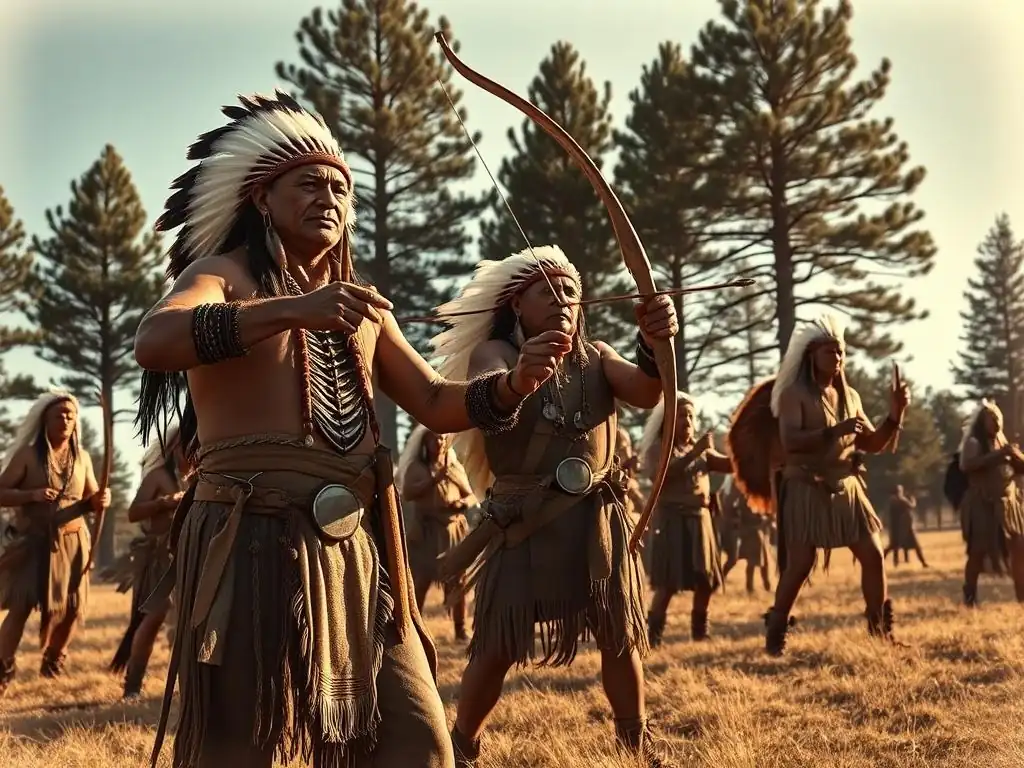
Indigenous military training practices varied significantly across different regions of the Americas, shaped by the unique cultural, environmental, and social contexts of each society. This diversity reflects the adaptive strategies these civilizations employed to prepare their warriors for the challenges of warfare and defense.
North American Indigenous Military Training
In North America, military training encompassed a range of techniques and skills that were integral to the survival and success of various tribes. This section explores the distinct training practices found among Plains tribes and Eastern Woodlands societies.
Training Techniques Among Plains Tribes
Plains tribes, such as the Lakota and Cheyenne, developed specialized training techniques that emphasized horseback riding, endurance, and strategic combat. Key elements of their training included:
- Horseback Riding: Mastery of horsemanship was essential, as it allowed for greater mobility during raids and battles. Young warriors practiced riding from a young age, often participating in races and endurance tests to hone their skills.
- Warrior Societies: Many Plains tribes organized themselves into warrior societies, which served as both training grounds and social structures. These societies enforced rigorous training regimens, including mock battles and strategic games that promoted teamwork and tactical thinking.
- Spiritual Preparation: Spirituality played a crucial role in military training. Warriors often underwent vision quests and participated in rituals to seek guidance and strength from the spirits before engaging in warfare.
Skills Development in Eastern Woodlands Societies
Eastern Woodlands tribes, like the Iroquois and Algonquin, focused on a different set of skills relevant to their forested environments. Their military training practices included:
- Stealth and Camouflage: Training emphasized the importance of stealth in forest warfare. Warriors learned to move silently through the woods and use natural foliage for concealment during ambushes.
- Archery and Slinging: Proficiency in archery was critical, with young warriors practicing with bows and arrows regularly. The use of slingshots was also common, with training focusing on both accuracy and speed.
- Tactics and Alliances: Eastern Woodlands societies often engaged in complex alliances and conflicts. Training included learning the art of negotiation and strategic planning, enabling warriors to understand the broader implications of warfare beyond mere combat.
Central American Indigenous Military Education
In Central America, military education was closely tied to the political and social structures of powerful civilizations, such as the Aztecs and Mayans. This section examines their military training practices.
The Role of Warfare in Aztec Society
Warfare was a central aspect of Aztec society, influencing their military training programs. Key features included:
- Eagle and Jaguar Warriors: The Aztecs had elite warrior classes, such as the Eagle and Jaguar warriors, who underwent intense training to achieve their prestigious status. Their training involved rigorous physical conditioning, weapons training, and participation in ceremonial warfare.
- Tlalocan Training: Aztec military training often included rituals that honored Tlalocan, the realm of the rain god. Warriors participated in ceremonies that invoked divine favor, intertwining military prowess with spiritual beliefs.
- War Games: The Aztecs incorporated war games into their training, simulating battles to develop tactics and teamwork. These games not only prepared warriors for actual combat but also served as a means of social cohesion and community engagement.
Mayan Military Training Practices
The Mayan civilization also placed significant emphasis on military training, which was essential for their defense and territorial expansion. Notable aspects of their practices included:
- Hierarchical Military Structure: The Mayan military was organized hierarchically, with distinct roles and ranks. Training was specialized according to rank, with higher-ranking individuals receiving advanced tactical education.
- Use of Weapons: Mayan warriors trained extensively with a variety of weapons, including spears, atlatls, and obsidian-bladed swords. Mastery of these weapons was crucial for success in both offensive and defensive strategies.
- Cultural Significance of Warfare: Warfare was not merely a political tool for the Mayans; it held cultural significance. Training often included teachings about the historical and mythological aspects of warfare, instilling a sense of purpose and identity among warriors.
Through these diverse indigenous military training practices, it is evident that warfare was not just a means of survival but also a complex cultural phenomenon that shaped the identities and societies of these civilizations.
South American Indigenous Military Strategies
South American indigenous societies developed a variety of military strategies that were intrinsically tied to their specific environmental conditions, cultural beliefs, and societal structures. Warfare was often seen as a means to assert dominance, acquire resources, and expand territories. The intricate understanding of geography played a pivotal role in shaping these military practices.
Indigenous groups, such as the Inca and various Amazonian tribes, employed unique tactics that capitalized on their surroundings. The mountainous terrain of the Andes, for instance, influenced the Incan approach to warfare, which included advanced engineering techniques for building roads and fortifications that facilitated troop movement and logistics. Moreover, the diverse ecosystems of the Amazon rainforest prompted tribes to adopt guerrilla warfare tactics, utilizing the dense vegetation to launch surprise attacks on unsuspecting enemies.
Through a combination of strategic alliances and military prowess, these societies were able to defend their territories and exert influence over neighboring groups. Understanding the military training systems and combat skills of these cultures provides insight into how they prepared their warriors for the challenges of warfare, reflecting the rich tapestry of indigenous military traditions across South America.
Incan Military Training Systems
The Inca Empire, one of the most prominent indigenous civilizations in South America, had a highly organized military training system that was crucial to its expansion and maintenance of power. Military training began at a young age, often around the age of 10, and was considered a vital component of Incan society. Boys were indoctrinated with the values of bravery, loyalty, and discipline, which were essential for effective military service.
Training involved rigorous physical conditioning, including running, climbing, and practicing with weapons. The Inca used a variety of weapons, such as slings, clubs, and spears. Warriors were trained not only in combat techniques but also in strategic planning and teamwork. The use of formations, such as the famed "Incan phalanx," allowed them to maximize their effectiveness in battle.
Additionally, the Inca emphasized the importance of psychological preparation. Soldiers were taught to maintain morale and to instill fear in their enemies. This comprehensive training system allowed the Inca to field large, well-coordinated armies that could adapt to various combat scenarios, securing their dominance over vast territories across the Andes and beyond.
Amazonian Tribes and Their Combat Skills
The indigenous tribes of the Amazon rainforest developed unique combat skills that were well-adapted to their environment. Warfare in this region often involved ambush tactics and close-quarters combat, reflecting the dense and complex nature of the rainforest. Tribes such as the Yanomami and the Tupinambá utilized their intimate knowledge of the terrain to launch surprise attacks, often using stealth and camouflage to conceal their movements.
Combat training in Amazonian societies typically involved real-world experiences rather than formalized drills. Young warriors learned from experienced fighters through participation in skirmishes, which served both as a rite of passage and a critical learning opportunity. Skills such as tracking, hunting, and the use of traditional weaponry, including bows and arrows, were integral to their military training.
Moreover, the social structure of many Amazonian tribes influenced their military practices. Warfare was often communal, with entire villages participating in raids or defense strategies. The emphasis on community cohesion and collective responsibility in military endeavors fostered strong bonds among warriors, further enhancing their combat effectiveness. This approach to military training and the emphasis on adaptability and survival skills made Amazonian tribes formidable opponents in their localized conflicts.
Cultural Significance of Military Training in Indigenous Societies
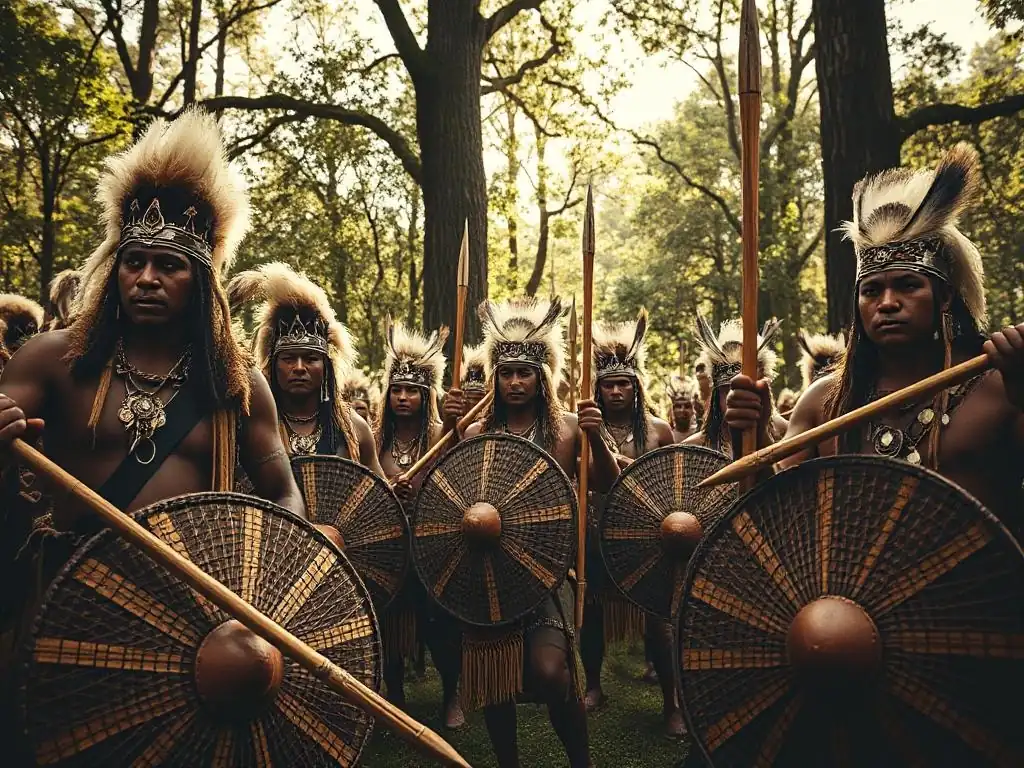
Military training in indigenous societies of the Americas was not merely a means of preparing warriors for battle; it played a crucial role in shaping cultural identity, social structure, and spiritual beliefs. The significance of military training transcended the battlefield, embedding itself deeply within the fabric of communities and influencing various aspects of life.
Military Training and Identity Formation
In many indigenous cultures, military training was integral to identity formation, fostering a sense of belonging and purpose among participants. Young individuals, often from a young age, were initiated into warrior societies, a process that involved rigorous physical and mental preparation. This training served multiple functions:
- Cultural Transmission: Military training was a means of passing down cultural values, traditions, and skills from one generation to the next. Elders and experienced warriors played a pivotal role in teaching the youth about their history, societal roles, and the significance of warfare in their culture.
- Social Status: Achieving the status of a warrior often elevated an individual's standing within their community. It provided access to leadership roles and respect among peers, reinforcing the connection between military prowess and social hierarchy.
- Collective Identity: Participation in military training fostered a sense of collective identity among warriors. They were not just individuals; they became part of a larger group with shared experiences, goals, and values. This camaraderie was vital in building unity and resilience during conflicts.
- Rites of Passage: Many indigenous cultures incorporated military training into their rites of passage, marking the transition from childhood to adulthood. This process often included tests of bravery, endurance, and skill, which were celebrated through ceremonies that reinforced community ties.
The culmination of these elements contributed to a robust sense of identity rooted in shared experiences and values, shaping not only individual warriors but also the broader community.
Spiritual and Ritual Aspects of Indigenous Military Education
Military training in indigenous societies was deeply intertwined with spiritual and ritualistic practices. The belief systems of many cultures attributed profound significance to warfare that extended beyond mere tactical considerations. Key aspects include:
- Ritualistic Preparation: Before engaging in military training or battles, warriors often participated in rituals intended to seek protection, guidance, and strength from spiritual entities. These rituals could include offerings, prayers, and purification ceremonies, underscoring the belief that spiritual favor was essential for success.
- Mythology and Symbolism: Indigenous military education frequently involved the incorporation of myths and symbols that conveyed moral lessons and teachings. Stories of legendary warriors and divine interventions were recounted during training, instilling values such as bravery, honor, and loyalty among warriors.
- Connection to Ancestors: Many indigenous cultures believed that ancestral spirits guided and protected warriors in battle. Military training often included honoring these ancestors, fostering a connection that reinforced the idea that warriors were part of a continuum of strength and valor.
- Symbols of Courage: Tattoos, war paint, and insignia were commonly used to symbolize a warrior's achievements and readiness. These markings served not only as personal expressions but also as communal identifiers that reinforced the warrior's commitment to their people and traditions.
In essence, the spiritual and ritual aspects of military education enriched the experience of training, imbuing it with meaning that transcended physical preparation. This holistic approach ensured that warriors were not only skilled fighters but also spiritually and culturally grounded individuals, ready to defend their communities with honor.
Comparison of Indigenous Military Training Practices
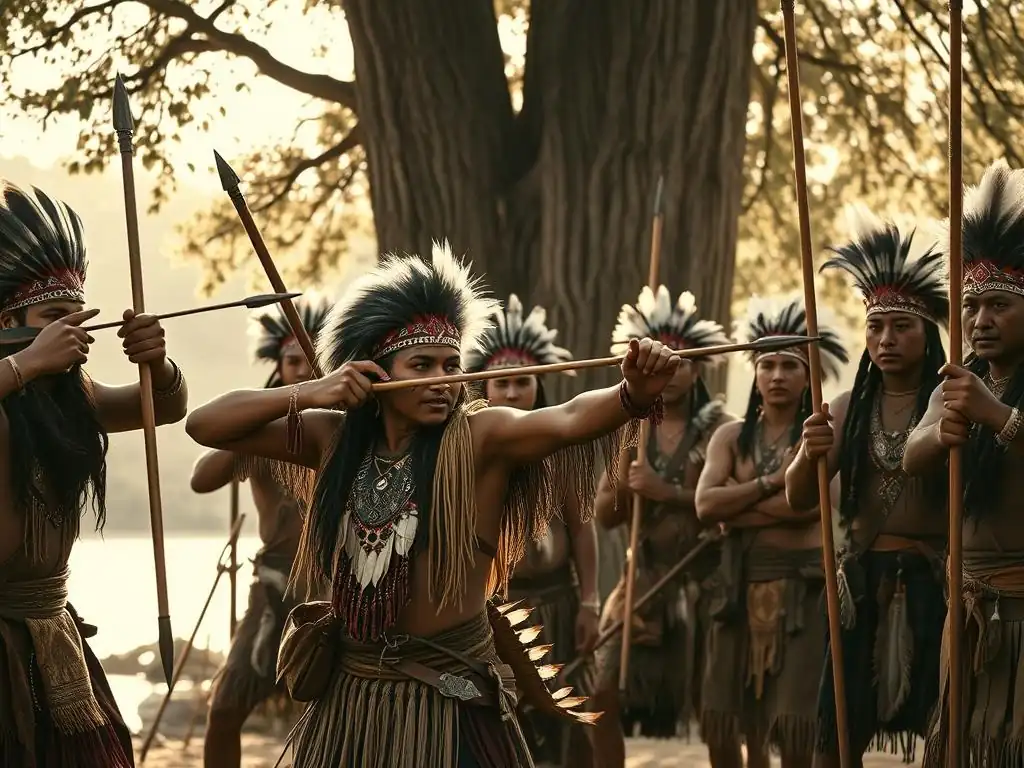
Traditional vs. Contemporary Indigenous Military Training
Indigenous military training practices have evolved significantly over time, reflecting changes in societal structures, cultural values, and external influences. Traditional military training in indigenous societies was deeply intertwined with community values, spiritual beliefs, and survival skills. Young warriors underwent rigorous training that included not only physical conditioning but also teachings on cultural identity, strategy, and the significance of leadership.
- Physical Training:
- Traditional methods often involved endurance activities, such as running long distances, climbing, and swimming. These activities were designed to build stamina and agility, essential traits for warriors.
- Combat training was practical, focusing on the use of traditional weapons such as bows, spears, and clubs. Techniques were taught through direct engagement in mock battles.
- Cultural Education:
- Alongside physical training, emphasis was placed on cultural education, where young warriors learned stories of their ancestors, the importance of land, and the spiritual aspects of warfare.
- Elders played a crucial role in imparting knowledge about the values of honor, bravery, and responsibility towards the community.
In contrast, contemporary indigenous military training has adapted to modern contexts, often combining traditional practices with contemporary military techniques.
- Integration with Modern Forces: Some indigenous groups have formed alliances with national military forces, resulting in training that includes modern weaponry and tactics while still honoring traditional practices.
- Cultural Resurgence: There is a growing movement towards revitalizing traditional methods, emphasizing the importance of cultural identity and spiritual connection to the land in military training. This blending aims to create a unique form of indigenous military training that respects the past while preparing for the future.
Indigenous Military Training Practices vs. European Military Training Techniques
The indigenous military training practices of the Americas were fundamentally different from European military training techniques in various aspects, particularly in their philosophy, structure, and approach to warfare.
- Philosophical Differences:
- Indigenous training often emphasized community and collective strength. Warfare was seen as a communal responsibility, where young warriors were trained to protect their people and way of life.
- In contrast, European military training was heavily influenced by hierarchical structures and individualism. Soldiers were trained within a rigid command system, focusing on obedience and discipline.
- Training Methods:
- Indigenous military training was typically experiential, involving hands-on learning through hunting, scouting, and warfare simulations. This approach fostered adaptability and instinctual responses to various situations.
- European techniques, on the other hand, relied on formal drills and structured formations. Soldiers were trained to operate within specific ranks and formations, emphasizing precision and coordination over individual creativity.
- Use of Technology:
- Indigenous societies utilized locally available materials for weaponry and combat, developing unique tools suited to their environments, such as atlatls or war clubs, often imbued with cultural significance.
- European military training emphasized the use of gunpowder and firearms, leading to a focus on artillery and ranged combat, which required different training techniques, such as marksmanship and artillery handling.
- Outcome of Training:
- The outcomes of indigenous military training often included a strong sense of identity and purpose, with warriors trained not just in combat but in being custodians of their culture and land.
- European military training produced soldiers who were effective in battle but often faced challenges in maintaining morale and cohesion in the face of changing warfare dynamics and cultural disconnection from the land.
While both indigenous and European military training aimed to prepare individuals for warfare, the underlying philosophies, training methods, and cultural dimensions set them apart distinctly. Understanding these differences offers valuable insights into the diverse approaches to military training across cultures and their respective impacts on warfare strategies.
Challenges and Changes in Indigenous Military Training
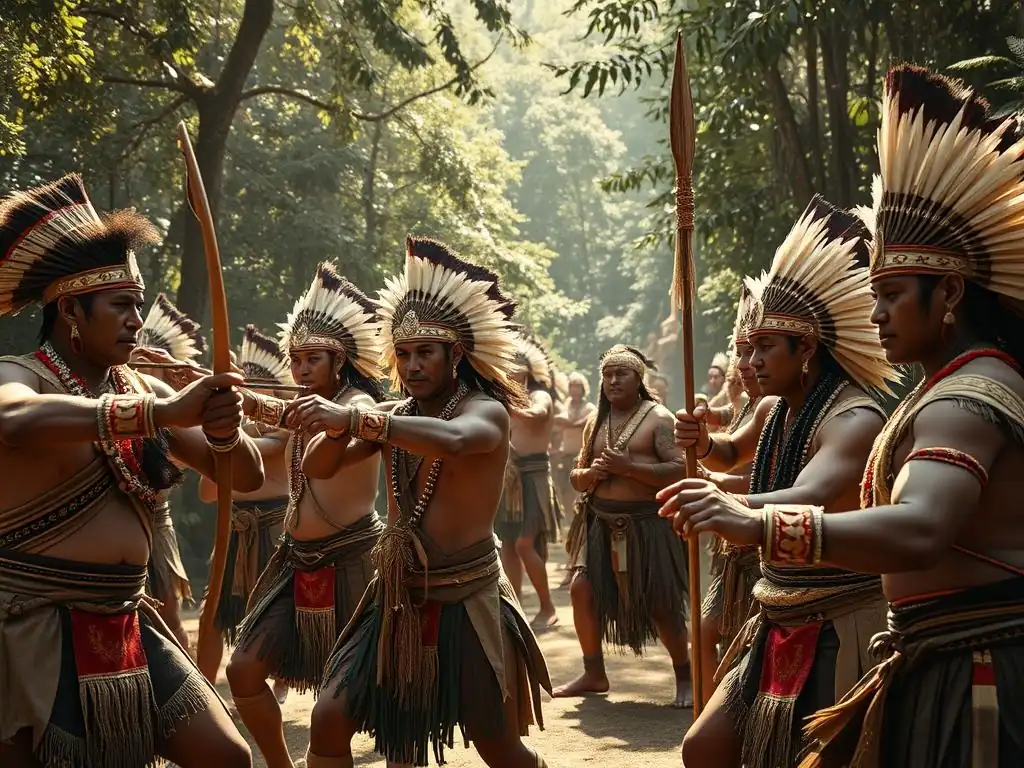
The Impact of Colonization on Indigenous Military Practices
The arrival of European colonizers in the Americas had profound ramifications for indigenous military training practices. Initially, many indigenous groups possessed well-structured military systems that emphasized communal defense, strategic warfare, and training methods tailored to their unique environments. For example, the Aztec and Inca civilizations had formalized military academies where warriors were trained in tactics, weaponry, and leadership.
However, the colonization process introduced new challenges that significantly disrupted these indigenous military practices. The introduction of firearms changed the landscape of warfare, rendering traditional weapons less effective against European armies. Colonizers often exploited existing intertribal rivalries, leading to divisions that weakened collective indigenous resistance. Furthermore, the imposition of foreign governance structures and social hierarchies undermined traditional leadership roles within military contexts.
This transformation was not merely tactical but ideological, as European narratives marginalized indigenous military achievements and portrayed them as primitive. As a result, many indigenous cultures began to adapt their military practices to align with European models, often at the expense of their traditional methods. For instance, indigenous units might adopt European-style formations and hierarchies, diluting their unique approaches to warfare.
| Aspect | Pre-Colonization | Post-Colonization |
|---|---|---|
| Weaponry | Bows, spears, hand-crafted tools | Firearms, cannons |
| Training Structure | Community-based, informal academies | Formalized military units |
| Military Leadership | Tribal chiefs and elders | European-appointed leaders |
| Tactics | Guerrilla warfare, ambushes | Linear formations, conventional tactics |
| Cultural Significance | Integral to identity and society | Marginalized and often demonized |
The implications of these changes were significant. The loss of indigenous military autonomy not only affected their ability to resist colonization but also led to the erosion of cultural practices associated with military training. Traditional ceremonies, mentorship systems, and community bonding experiences surrounding military training were increasingly suppressed or altered. This loss contributed to a broader disconnection from indigenous identity and heritage.
Modern Revival of Indigenous Military Training Techniques
In recent years, there has been a resurgence of interest in revitalizing indigenous military training practices. This revival is rooted in a broader movement to reclaim cultural identity and sovereignty among indigenous communities. As these communities seek to restore their traditional ways of life, military training has emerged as a critical aspect of cultural preservation.
Modern initiatives often blend traditional knowledge with contemporary methodologies. For instance, indigenous veterans and leaders are now developing programs that incorporate historical tactics and training techniques while also adapting to modern contexts. This dual approach allows for a rich synthesis of knowledge, fostering resilience within communities.
Some contemporary indigenous organizations have established training camps that focus on:
- Cultural Education: Integrating teachings about the historical significance of indigenous warfare and military practices.
- Physical Training: Incorporating traditional physical conditioning methods alongside modern fitness techniques.
- Tactical Skills: Teaching traditional warfare strategies alongside modern survival skills and self-defense.
- Community Building: Fostering unity and collaboration among participants, reinforcing communal bonds through shared experiences.
These initiatives are not only about military readiness but also aim to instill pride and a sense of identity among participants. They serve as a means to honor the sacrifices of ancestors while simultaneously preparing for future challenges in a way that is culturally relevant and empowering.
The revival of indigenous military training practices reflects a broader movement towards cultural revitalization and self-determination. By reclaiming these practices, indigenous communities are not only preserving their heritage but also strengthening their capacity to face contemporary challenges in a rapidly changing world.
Conclusion
The study of Indigenous military training practices reveals a rich tapestry of strategies, techniques, and cultural significance that shaped the warfare capabilities of various societies across the Americas. These practices were not merely about combat; they encompassed a broader educational framework that emphasized discipline, community values, and preparation for the realities of both defense and offense. As we reflect on these traditions, it is essential to recognize their profound legacy that continues to influence contemporary indigenous identities and practices.
The Legacy of Indigenous Military Training Practices
The legacy of Indigenous military training practices can be seen in several key areas:
- Cultural Resilience: Indigenous military training was often interwoven with cultural identity and spiritual beliefs. This resilience has enabled many indigenous communities to maintain their traditions and adapt them to modern contexts. For instance, traditional warfare strategies, such as ambush tactics and guerrilla warfare, continue to be relevant in various forms of resistance against colonization and cultural erasure.
- Community and Cohesion: Training was often a communal activity, fostering a sense of unity and shared purpose among warriors. This collective training reinforced not only military skills but also social bonds, which are vital for the survival of indigenous cultures today. The emphasis on community in military training has been preserved in various forms, such as communal decision-making processes and cooperative defense strategies.
- Educational Framework: Indigenous military training practices often included a holistic educational approach, combining physical training with lessons in strategy, ethics, and leadership. This comprehensive education model has influenced contemporary indigenous movements, where leaders are trained not just in advocacy but also in maintaining cultural practices and community welfare.
- Influence on Modern Warfare: Elements of indigenous military training have found their way into modern military strategies, particularly in understanding asymmetric warfare and the importance of terrain and environment in combat. Military scholars and strategists often look back at these practices for insights into unconventional tactics that can be employed in contemporary conflicts.
Future of Indigenous Military Education in Contemporary Societies
The future of indigenous military education is poised at a crossroads, where traditional practices can integrate with modern methodologies to create a comprehensive framework that respects historical contexts while addressing contemporary needs. Here are several anticipated trends:
- Integration of Technology: As technology evolves, indigenous communities are beginning to incorporate new tools and methodologies into their training programs. This includes the use of simulations and digital platforms to teach strategy and tactics, while still preserving traditional knowledge.
- Cultural Revitalization: There is a growing movement among indigenous youth to reclaim and revitalize traditional military training practices as a means of cultural preservation. Programs that blend traditional teachings with modern military education can empower young people to take pride in their heritage while equipping them with skills relevant to contemporary society.
- Partnerships and Collaborations: Increasingly, indigenous communities are collaborating with academic institutions and military organizations to develop programs that honor traditional practices while also preparing individuals for modern challenges. These partnerships can facilitate knowledge exchange and promote a more inclusive understanding of military history.
- Advocacy and Representation: As indigenous voices gain prominence in discussions about military history and practices, greater representation in military studies and education can help shape curricula that reflect indigenous perspectives. This advocacy is essential for ensuring that future generations understand the significance of their heritage in the realm of military practices.
The exploration of indigenous military training practices not only highlights the historical significance of these traditions but also opens pathways for their evolution in contemporary contexts. Embracing this legacy while fostering innovation will ensure that indigenous military education continues to thrive, contributing to both cultural identity and community resilience.
Frequently Asked Questions
What were the military training practices of Indigenous societies?
Indigenous societies developed unique military training practices tailored to their environments, focusing on strategic skills, teamwork, and survival techniques essential for their way of life.
How did military training vary among different Indigenous cultures?
Each culture had its own methods reflecting their social structures and geographical contexts, often emphasizing physical endurance, combat skills, and knowledge of the land.
What role did education play in Indigenous military training?
Education in Indigenous societies often included mentorship from elders, where young warriors learned through storytelling, rituals, and hands-on experiences, ensuring the transmission of vital skills.
Were there any ceremonies linked to military training in Indigenous cultures?
Yes, many Indigenous cultures held ceremonies that honored warriors, marking their initiation into military roles and reinforcing the cultural significance of warfare within their societies.
How did Indigenous military training impact their defense strategies?
Indigenous military training significantly influenced their defense strategies by fostering cooperation and tactical innovation, allowing them to effectively respond to threats from both nature and external forces.
Final Reflection: The Enduring Legacy of Indigenous Military Training Practices
Indigenous military training practices are not merely historical footnotes; they resonate profoundly in today's discussions about identity, resilience, and sovereignty. As we explore the intricate ways these practices have shaped Indigenous societies, we recognize their ongoing relevance in contemporary contexts, where the preservation of culture and the assertion of rights are paramount. The lessons learned from these practices remind us that strength is not solely derived from physical prowess but also from a deep-rooted connection to heritage and community.
Cultural resilience is a testament to the enduring influence of Indigenous military training. The principles and strategies developed within these societies have not only served to protect their people but have also fostered a sense of unity and purpose that transcends generations. As we witness the resurgence of Indigenous movements worldwide, it becomes clear that these practices continue to inspire a new wave of activism and cultural pride. The strength of a nation derives from the integrity of the home.
- Confucius. This quote encapsulates the essence of how Indigenous military training practices are intertwined with the very fabric of community life, emphasizing the importance of nurturing both identity and strength.
As we reflect on the significance of Indigenous military training practices, I invite you to consider how these lessons can be applied in your own life. Think about the values of resilience, community, and cultural pride that these practices embody. How can you incorporate these principles into your daily actions and interactions? Let us honor the legacy of Indigenous societies by embracing their teachings and advocating for a future where diverse cultures are celebrated and respected. Together, we can contribute to a world that acknowledges the strength found in unity and the richness of our shared histories.
Embrace the Legacy: Take Action Today!
Thank you for exploring the rich tapestry of military training and education within Indigenous societies. Your engagement with these vital histories not only deepens your understanding but also honors the traditions and resilience of Indigenous cultures. Now, let’s transform your interest into impactful action!
- Start a conversation: Share your insights from this article with friends or family to spark discussions about the significant contributions of Indigenous peoples across various fields.
- Explore further: Visit local museums or libraries to uncover more about Indigenous military strategies and their historical importance.
- Join a community: Connect with local Indigenous groups or online forums to support and learn directly from those who continue to uphold these legacies today.
How will you integrate the lessons learned from Indigenous military training into your understanding of leadership and resilience in today’s world?